Top 6 Caves around Dílar
Best caves around Dílar are found in this municipality within the province of Granada, Spain. The region offers subterranean features that range from historical sites to natural formations. Dílar is situated in a mountainous landscape, providing a setting for various cave explorations. These locations offer insights into ancient settlements and natural geology.
Best caves around Dílar
- The most popular caves is Cave of the Dove, a cave that housed ancient settlements during the Bronze Age. Its interior offers a…
Last updated: May 6, 2026
Cave of the Dove
Highlight • Cave
Translated by Google •
Tip by

Cueva de los Riscos
Highlight • Cave
Translated by Google •
Tip by

Sign up now to discover places like this
Get recommendations on the best single tracks, peaks, & plenty of other exciting outdoor places.
Sign up for free
Narrow Trail in the Monachil River Gorge
Highlight (Segment) • Trail
Translated by Google •
Tip by

Cistern of Dúrcal Castle
Highlight • Historical Site
Translated by Google •
Tip by

Isabelita Mines
Highlight • Cave
Translated by Google •
Tip by
Sign up for free to discover even more caves around Dílar.
Sign up for free
Already have an account?
Start today with a free account
Your next adventure awaits.
Login or Signup



Tips from the Community

A particularly narrow section of the path through the Río Monachil gorge near the Cueva de las Palomas caves. Here, the path mostly follows a narrow concrete wall that borders the river, running so close to the rock faces that progress is often only possible by stooping or even crawling – or by leaning against the rock at an angle, for which hooks are embedded in the path at tricky spots. The path also passes through a cave. Very exciting!
1
0

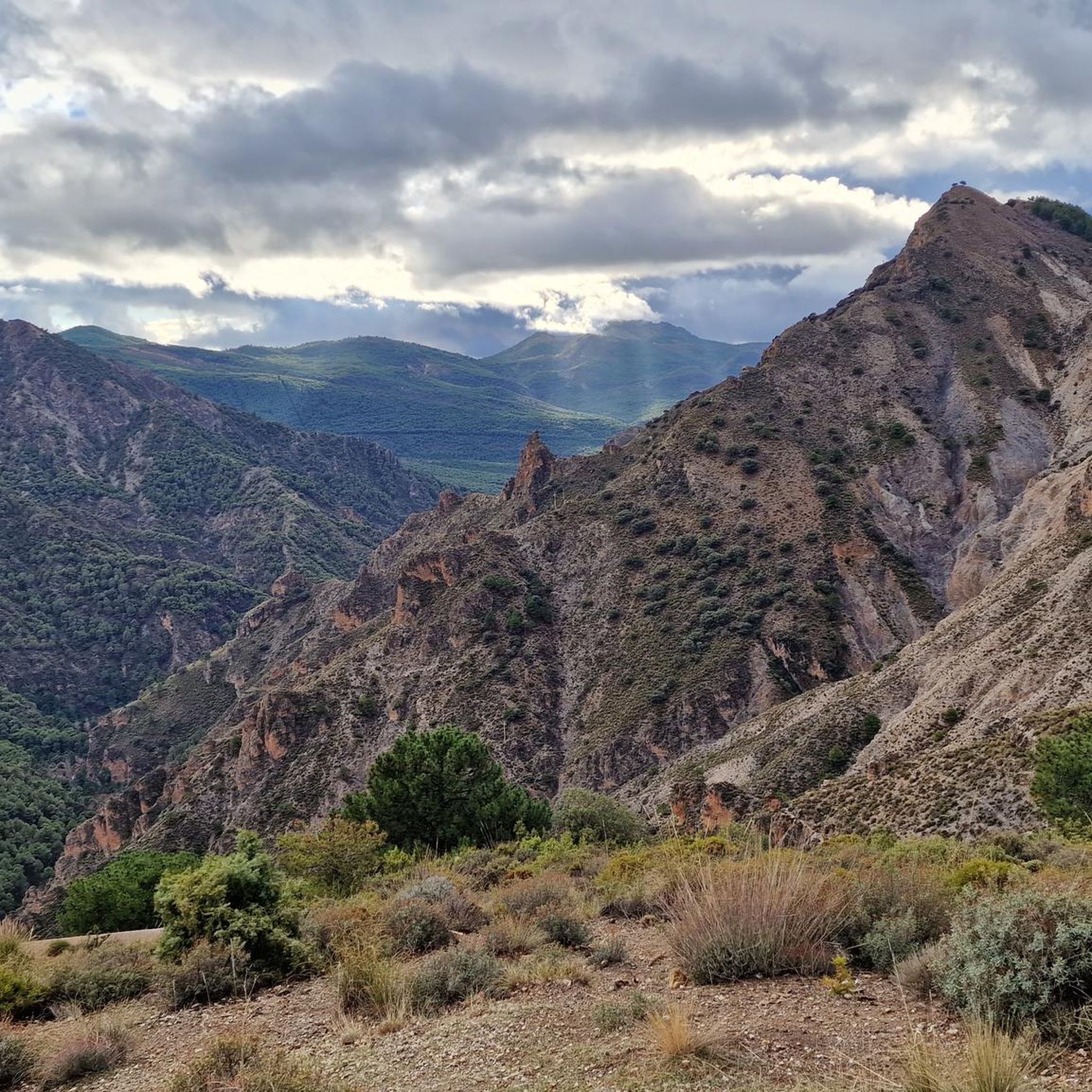
The Cueva de los Riscos, also known as the Cueva de Vacamía, is located in the natural setting of the Dúrcal River, very close to the municipality of Villamena, in the province of Granada. Although not well-known among tourists, it is frequented by local hikers and explorers. A makeshift wooden platform has been placed in one of the cave's main chambers. There is a decapitated Buddha, along with a female figure (not clearly identified), and many candle remains scattered on the floor.
2
0

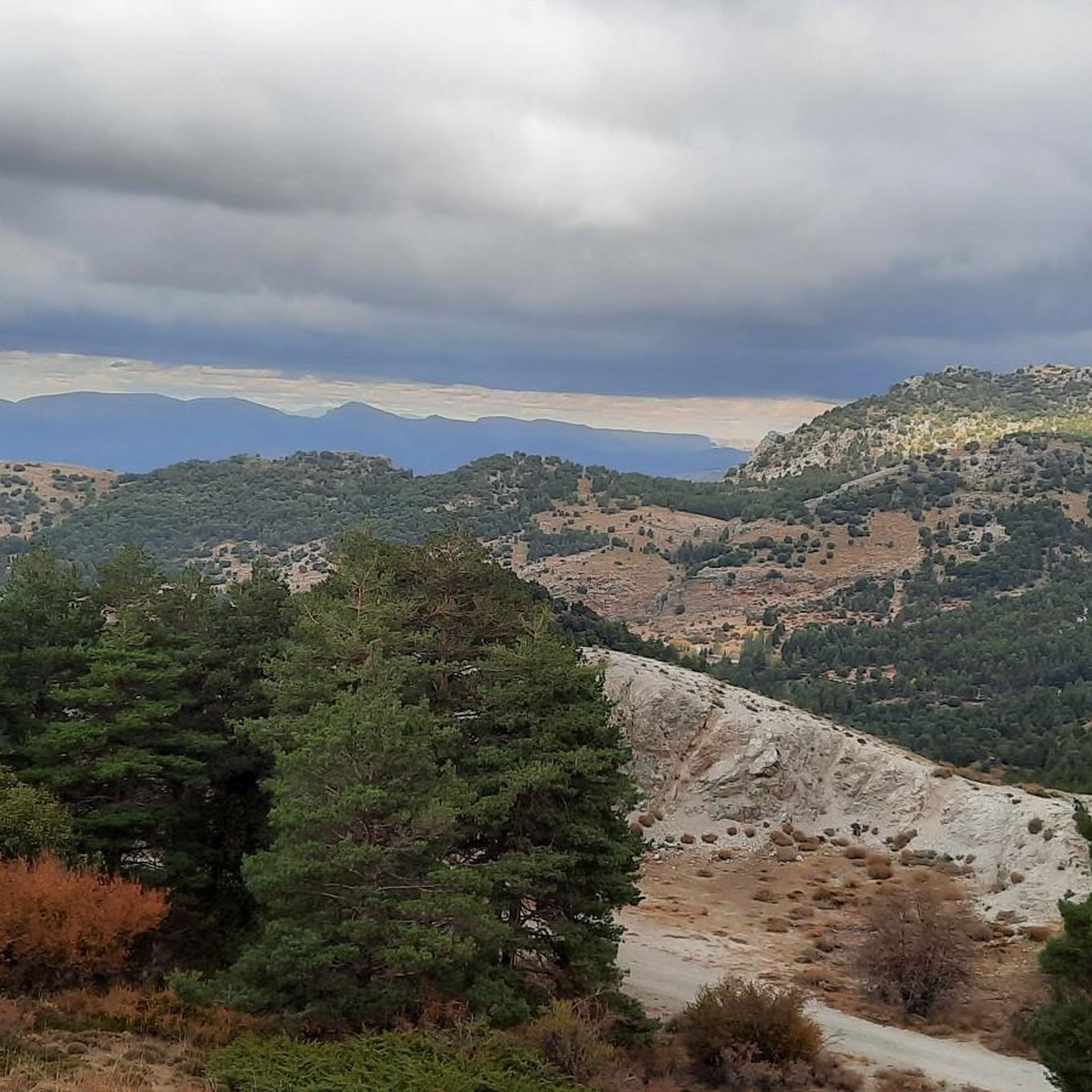
In this area there are a series of caves that formed ancient settlements during the Bronze Age. Although today they are very deteriorated, it is still worth appreciating their interior.
1
0

Unfortunately, this cave with the Budda could not be found. But a few other caves. Very nice there by the river. However, many paths that are not marked on the map.
1
0

This castle in ruins is located in front of Durcal, it is delimited by the Granada motorway. To get to it, you have to take from the exit of the town at the San Blas fountain towards the Urquizar baths, you have to be very careful once you cross the motorway bridge and we begin the descent quite descending because when we pass the last farmhouses on the right we are fixed to the right and we will find an indicative sign that will take us to the ruins of the castle of Durcal.
1
0
This is one of several caves that are at the foot of the Durcal river below the Bacania baths in Durcal, the cave is called Cueva de los Riscos.
1
0
Be careful not to slip because in this area there is a lot of loose gravel since it is white quarry land
0
1
Frequently Asked Questions
What types of caves can I explore around Dílar?
The Dílar region offers a variety of subterranean features, including historical caves that housed ancient settlements, natural rock shelters, and even old mine systems. You can find sites like the Cave of the Dove, known for its Bronze Age history, and the Isabelita Mines, a historical cave site in Padul.
Are there any caves with historical significance in the Dílar area?
Yes, the region is rich in historical caves. The Cave of the Dove is particularly notable for housing ancient settlements during the Bronze Age, offering a glimpse into early human habitation. Additionally, the Isabelita Mines provide insight into the area's mining past.
What unique features can I expect to see inside the caves near Dílar?
Inside Cueva de los Riscos, also known as Cueva de Vacamía, visitors might find a makeshift wooden platform, a decapitated Buddha statue, a female figure, and numerous candle remains, suggesting various uses over time. Other caves, like Cueva del Saúco, show evidence of human intervention, such as a stone column.
Are there hiking routes that incorporate cave exploration in Dílar?
Yes, several hiking routes in the Dílar area lead to or pass by caves. For instance, the path to Cueva del Saúco is part of a hiking route along the Dílar River. The Narrow Trail in the Monachil River Gorge also passes through a cave section, offering an exciting experience. You can find more hiking options in the Hiking around Dílar guide.
What is the best time of year to visit the caves and hike in Dílar?
The Dílar region, being in a mountainous landscape, offers a refreshing experience, especially in summer, for routes like the one leading to Cueva del Saúco along the Dílar River. Generally, spring and autumn provide pleasant temperatures for hiking and exploring the caves. Winter caving options might be limited due to weather conditions in the Sierra Nevada.
Are there any family-friendly options for exploring caves or nearby attractions in Dílar?
While specific caves may vary in accessibility, the general area around Dílar offers natural beauty and hiking opportunities that can be enjoyed by families. The recreational area of the Dílar River, near Cueva del Saúco, provides a pleasant setting. Always check the specific trail difficulty and cave conditions before visiting with children.
What other outdoor activities can I do near the caves in Dílar?
Beyond cave exploration, Dílar is excellent for various outdoor activities. You can find numerous hiking trails, including moderate to difficult options, as detailed in the Hiking around Dílar guide. There are also extensive road cycling routes, such as those found in the Road Cycling Routes around Dílar guide, and challenging mountain hikes in the Mountain Hikes around Dílar guide.
Is public transport available to reach the caves or hiking areas near Dílar?
Dílar is a municipality in the province of Granada. While specific public transport routes directly to individual caves might be limited, bus routes from Granada to Dílar are available. For reaching more remote cave or hiking areas, personal transport is often recommended. It's advisable to check local bus schedules for the most up-to-date information.
Are permits required for exploring caves or hiking in the Dílar region?
For general hiking on established trails around Dílar, permits are typically not required. However, for specific cave explorations, especially those that are less accessible or on private land, it's always best to inquire locally or with relevant authorities. Some historical or protected sites might have specific access rules.
What natural features are prominent in the Dílar area besides caves?
The Dílar area is characterized by its mountainous landscape, being nestled in the Sierra Nevada. Key natural features include the Dílar River, which offers refreshing routes and recreational areas, and the Dúrcal River, near which Cueva de los Riscos is located. The region provides scenic views and diverse terrain for outdoor enthusiasts.
Are there any religious or cultural sites related to caves in Dílar?
While not a natural cave for exploration in the same vein as others, the Ermita de la Virgen de las Nieves (Hermitage of the Virgin of the Snows) in Dílar is a significant religious site. Located at 2700 meters above sea level in Sierra Nevada, it is sometimes colloquially referred to with 'cueva' in its surrounding features due to its mountainous setting. This 18th-century hermitage houses the patron saint, Virgen de las Nieves. More information can be found on Wikipedia.
Where can I find parking when visiting caves or trailheads in Dílar?
Parking availability can vary depending on the specific cave or trailhead. For popular hiking routes or recreational areas like those along the Dílar River, designated parking spots or roadside parking might be available. For more remote locations, it's advisable to research specific access points or inquire locally about suitable parking options.
Most popular routes around Dílar
Most popular attractions around Dílar

Get inspired with the komoot mobile app


Explore more
Extend your search for the best caves by checking out these guides of the top ones around Dílar:
