Top 8 Castles around El Brull
Castles around El Brull are situated in a region known for its historical depth and natural landscapes, particularly within the Montseny area. The terrain features hills and valleys, providing elevated positions for many historical sites. This area offers insights into medieval history, with structures dating back to the 10th century. Visitors can explore remnants of ancient fortifications amidst a backdrop of lush greenery.
Best castles around El Brull
- The most popular castles is La Popa Castle (Castellcir), a castle…
Last updated: July 3, 2026
El Clascar Castle
Highlight • Castle
Translated by Google •
Tip by

Casal de la Sala de Viladrau
Highlight • Historical Site
Translated by Google •
Tip by

Sign up now to discover places like this
Get recommendations on the best single tracks, peaks, & plenty of other exciting outdoor places.
Sign up for free
Can Boix Castle
Highlight • Castle
Translated by Google •
Tip by

Castillo de Sant Martí de Centelles
Highlight • Castle
The wall has a length of approximately 200 meters and a width of 80 meters in the largest part. Although the large part of the structure that is preserved …
Translated by Google •
Tip by

La Popa Castle (Castellcir)
Highlight • Castle
Translated by Google •
Tip by

Sign up for free to discover even more castles around El Brull.
Sign up for free
Already have an account?
Start today with a free account
Your next adventure awaits.
Login or Signup

Tips from the Community

Time waits for no one, and it's currently inaccessible for security reasons 😞
0
0

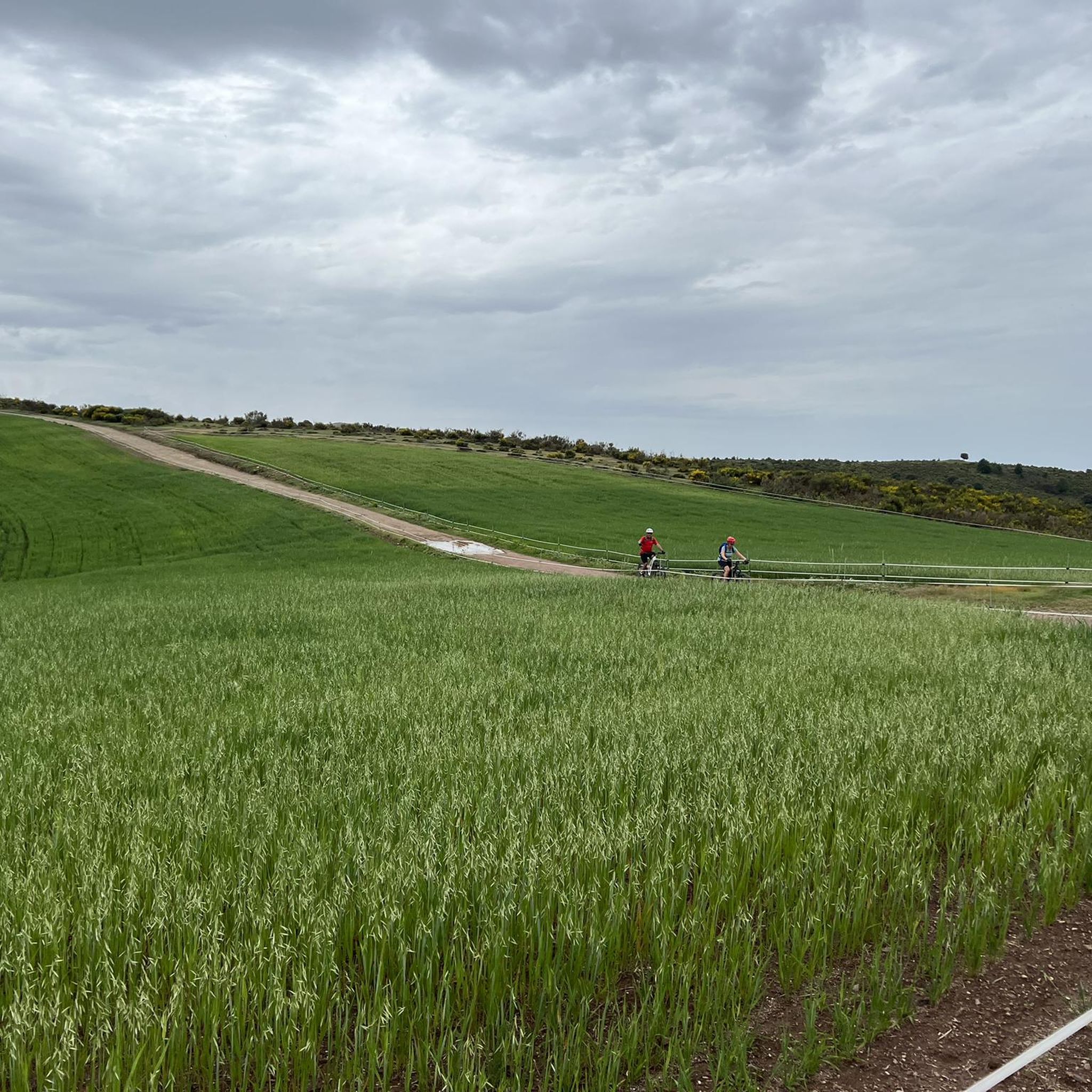
The arrival is via a trail, so if you're riding gravel it's a bit uncomfortable.
0
0

place that is part of the Serrallonga Bandits route
0
0

Castell de Popa, spectacular.
1
0

Throughout history the castle was confiscated from the Centelles and became a royal residence during the Catalan Civil War during the period 1462-1472. It was also a gathering point for troops on more than one occasion during the Uprising of Catalonia (1640-1659) and later, in the War of the Spanish Succession (1705) it was the area from which the Vincentian migueletes supporting Archduke Charles blocked the Filipista troops of Viceroy Velasco. During the Spanish War of Independence, French troops, in 1809, occupied the town of Centellas and the castle. During the Carlist wars, the parties turned it into one of the dens from which they attacked neighboring towns.
1
0
The owners have always been from the Centelles family, originating from a farmhouse in the area that was ennobled and became feudatories of the counts of Barcelona. It is the family name that the towns closest to the castle will adopt: San Martín de Centellas y Centellas. Later it was important as a stately place, from which an extensive barony was controlled that brought together the current municipalities of Centellas, San Martín de Centellas, Tona and Seva, and that reached the Vallés Oriental, controlling the entrance to the Congost valley and the plain. from Vic.
1
0
Between the 9th and 15th centuries the castle was the center of the powerful barony of Centelles and, during the Catalan Civil War of the 15th century, it was chosen as the residence of Pedro IV of Aragon, called "the Constable of Portugal", king of the Catalans. . During this period, wars for control of the castle alternated with the expansion and ornamentation work necessary to turn it into a royal residence.
1
0
Frequently Asked Questions
What historical significance do the castles around El Brull hold?
The castles in the El Brull region are deeply rooted in history, with some structures, like the Castle of El Brull itself, dating back to the 10th century. They often served as defensive strongholds and played roles in significant historical events, such as the Catalan civil war of the 15th century. Many were border castles, controlling important routes and territories, reflecting centuries of medieval history in the Montseny area.
Which castles offer the best views of the surrounding landscape?
Several castles provide spectacular panoramic views. La Popa Castle (Castellcir) is known for its breathtaking vistas. From Can Boix Castle, you can enjoy views of the Plain of Vic and the Pyrenees. The Castle of Tona also offers an extraordinary panoramic view towards the Massif del Montseny, Collsuspina, and Montanyola.
Are there any family-friendly castles to visit in the El Brull area?
Yes, the Castle of Tona is categorized as family-friendly. Its location on a hill with a flat and extensive top makes it accessible, and the path to it is not technical, offering an enjoyable outing for families. The surrounding natural areas also provide opportunities for easy walks.
What kind of outdoor activities can I do near the castles?
The area around El Brull's castles is excellent for various outdoor activities. You can find numerous hiking routes, including easy options like the 'El Brull – Saint Martin of El Brull loop' (4.7 km) or more moderate trails such as the 'Collformic – Matagalls (1697 m) loop' (7.5 km). For cyclists, there are road cycling routes and challenging MTB trails available. You can explore more options in the Hiking around El Brull, Road Cycling Routes around El Brull, and MTB Trails around El Brull guides.
How can I reach the castles around El Brull by public transport or car?
The Castle of El Brull ruins can be reached via the BV-5301 route from Santa Maria de Palautordera to Seva. Visitors can park in the village of El Brull and find the castle remains on the hill opposite the church. For other castles, specific access details may vary, but generally, the region is accessible by car, with parking often available in nearby villages or designated areas.
What is the best time of year to visit the castles and surrounding area?
The region's lush greenery suggests that spring and autumn would be ideal for visiting, offering pleasant temperatures for exploring the ruins and enjoying the scenic views without the intense heat of summer or the potential chill of winter. These seasons also typically provide vibrant natural backdrops for photography.
Are the trails around the castles dog-friendly?
While specific dog policies for individual castle grounds may vary, many outdoor trails in the Montseny Natural Park area, where El Brull is located, are generally dog-friendly. It's always recommended to keep dogs on a leash and follow local regulations to protect wildlife and ensure a pleasant experience for all visitors.
Where can I find refreshments or accommodation near the castles?
The village of El Brull, being the central point for the Castle of El Brull, would be the primary place to look for local amenities. Larger nearby towns like Taradell or Tona, which also host castles, will offer more options for cafes, pubs, and accommodation to support your visit to the region's historical sites.
Can I explore the ruins of the Castle of El Brull itself?
Yes, you can explore the ruins of the Castle of El Brull. While largely in ruins, visitors can wander its grounds, observe the remnants of its pentagonal plan, partially collapsed towers, and majestic archways. Its elevated position offers picturesque views of the surrounding natural beauty, making it a compelling visit for history enthusiasts.
What makes <a href="https://www.komoot.com/highlight/1392292" target="_blank" rel="noopener">El Clascar Castle</a> a notable site?
El Clascar Castle, also known as Bertí's castle, is a ruined structure classified as a Cultural Asset of National Interest. It's located at the top of the Cingles de Bertí, offering an attractive route from La Garriga. Its medieval origins and strategic location make it a significant historical landmark.
What are some unique features of <a href="https://www.komoot.com/highlight/3792648" target="_blank" rel="noopener">Can Boix Castle</a>?
Can Boix Castle, or Taradell Castle, is uniquely situated on large rocks at an altitude of 803 meters. A distinctive feature is the large cave located directly below the castle. It boasts remains from the 10th-11th centuries and a significant 14th-century wall, offering both historical depth and impressive natural elements.
What can I expect to see at <a href="https://www.komoot.com/highlight/4341193" target="_blank" rel="noopener">Castillo de Sant Martí de Centelles</a>?
At Castillo de Sant Martí de Centelles, you'll find a castle with a rich history dating back to the 9th century. Although much of the preserved structure is from the 15th and 16th centuries, it was once a powerful border castle and even served as a royal residence for Pedro IV of Aragon during the 15th-century Catalan Civil War. It offers insights into the region's feudal past and the powerful Centelles family.
Are there easy walking routes near the castles for casual visitors?
Yes, there are easy walking routes available. For instance, the 'El Brull – Saint Martin of El Brull loop' is an easy 4.7 km hike. The path to the Castle of Tona is also described as not technical, making it suitable for casual walkers and families. These routes allow visitors to enjoy the historical sites and natural scenery without strenuous effort.
Most popular routes around El Brull
Most popular attractions around El Brull

Get inspired with the komoot mobile app


Explore more
Looking for the best castles somewhere else? Discover other guides around El Brull:
