Top 5 Caves around El Brull
Caves near El Brull are situated within the Montseny Natural Park in Catalonia, Spain. This municipality is recognized for its archaeological sites, such as the Iberian wall, and numerous hiking routes. The area's natural landscape features diverse forests and emblematic spaces like the hermitage of Sant Martí del Brull. While significant cave experiences with established visitor infrastructure are limited, the region offers various natural and historical cave-like formations.
Best caves around El Brull
- The most popular caves is Cave Hill, a summit featuring a cave below its peak. This location offers a bench to enjoy views of the valley, with a cave often noted for its presence below.
- Another must-see spot is Can Boix Castle, a castle built above a large grotto. Visitors can explore the castle remains, which date back to the 10th century, and observe the characteristic cave beneath the structure.
- Visitors also love Balma la Miquelona, a small bauma formed by the lateral excavation of the Sot del Bac stream. This shallow cavity shows evidence of historical occupation, including graffiti and traces of fire, making it a notable historical shelter.
- El Brull is known for natural rock shelters, caves integrated into historical sites, and former mining tunnels. These include shallow cavities with historical significance, grottos beneath ancient castles, and old magnetite mines.
- The caves around El Brull are appreciated by the komoot community, with 20 upvotes and 4 photos shared.
Last updated: June 20, 2026
Balma la Miquelona
Highlight • Cave
Translated by Google •
Tip by

Can Boix Castle
Highlight • Castle
The Castle is located on a large grotto that makes it very characteristic. Currently some consolidation works have been carried out on the remains. There are remains from the 10th - 11th centuries, in the sector of the old chapel of Santa Cruz, now totally damaged, and the rest is a large wall of about seventy meters, from the 14th century.
Translated by Google •
Tip by

Sign up now to discover places like this
Get recommendations on the best single tracks, peaks, & plenty of other exciting outdoor places.
Sign up for free
Cave Hill
Highlight • Summit
Translated by Google •
Tip by

Sant Segimon Sanctuary
Highlight • Religious Site
Legend has it that this sanctuary was inhabited by the King of Burgundy, Sigismund (hence its Catalan name "Segimon"), who acted as a hermit.
Translated by Google •
Tip by

Coves del Toll
Highlight • Cave
Translated by Google •
Tip by

Sign up for free to discover even more caves around El Brull.
Sign up for free
Already have an account?
Start today with a free account
Your next adventure awaits.
Login or Signup

Tips from the Community

La Cova del Toll is a prehistoric cave located in Moià, in the Moianès region. Situated at an altitude of 745 meters, it has a total length of 1148 meters. The part open for visits is 180.55 meters long and is L-shaped. It is one of the richest prehistoric caves in Europe in terms of Quaternary fauna. The guided tour, very well conducted by the professional and geared towards younger visitors, explains in a very detailed and engaging manner part of the history of these caves, their formation, inhabitants, uses, discovery, and findings.
0
0

A modest peak in Pla de la Calma, used by shepherds as a natural lookout point: from there they could see when the fogs descended from Matagalls, and the whistling of the wind in its small hollow signaled impending bad weather. The slate of the hill bears marks of use by old charcoal burners and muleteers, indicating that it was more of a practical crossing point than a refuge. A simple place, yet rich in historical significance.
1
0

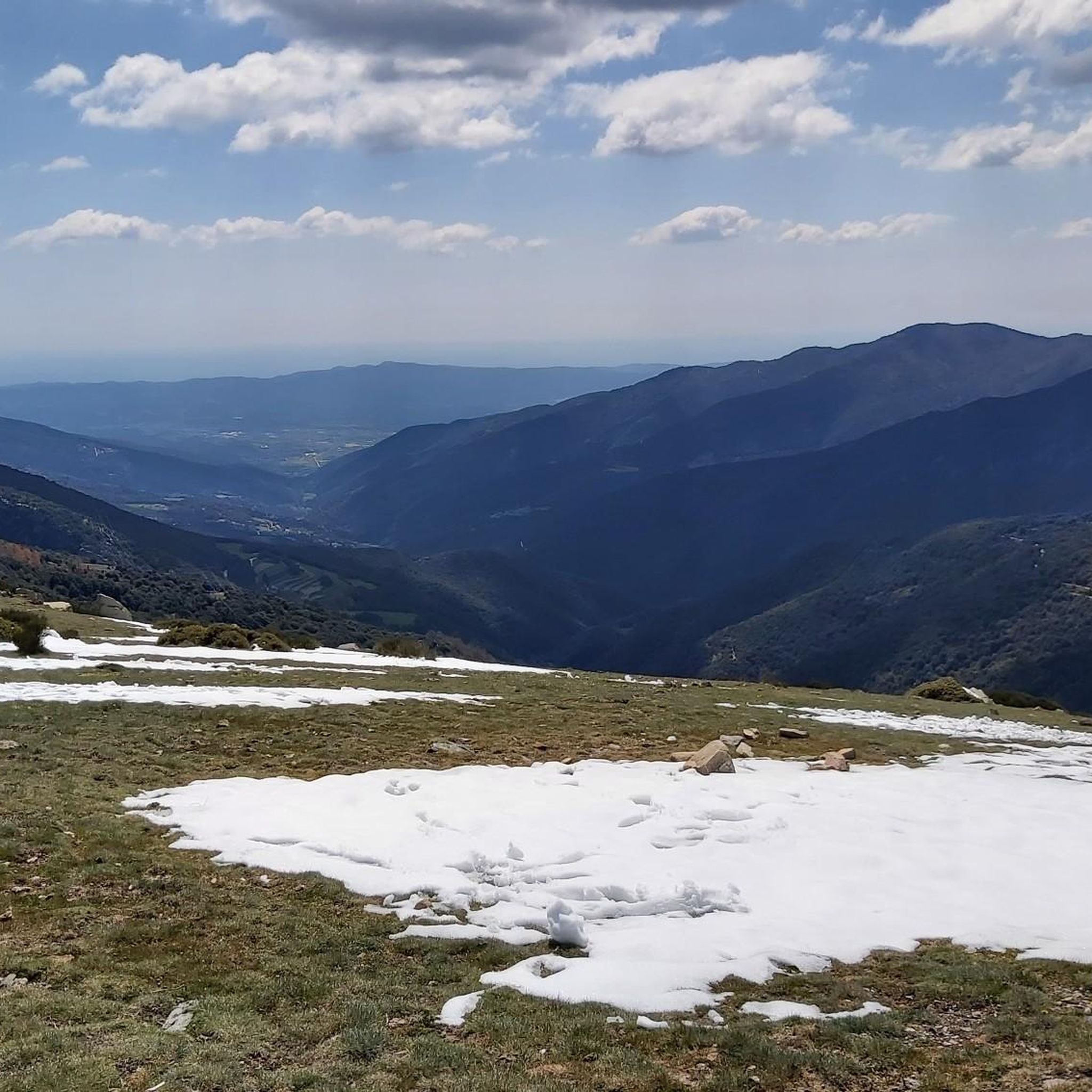
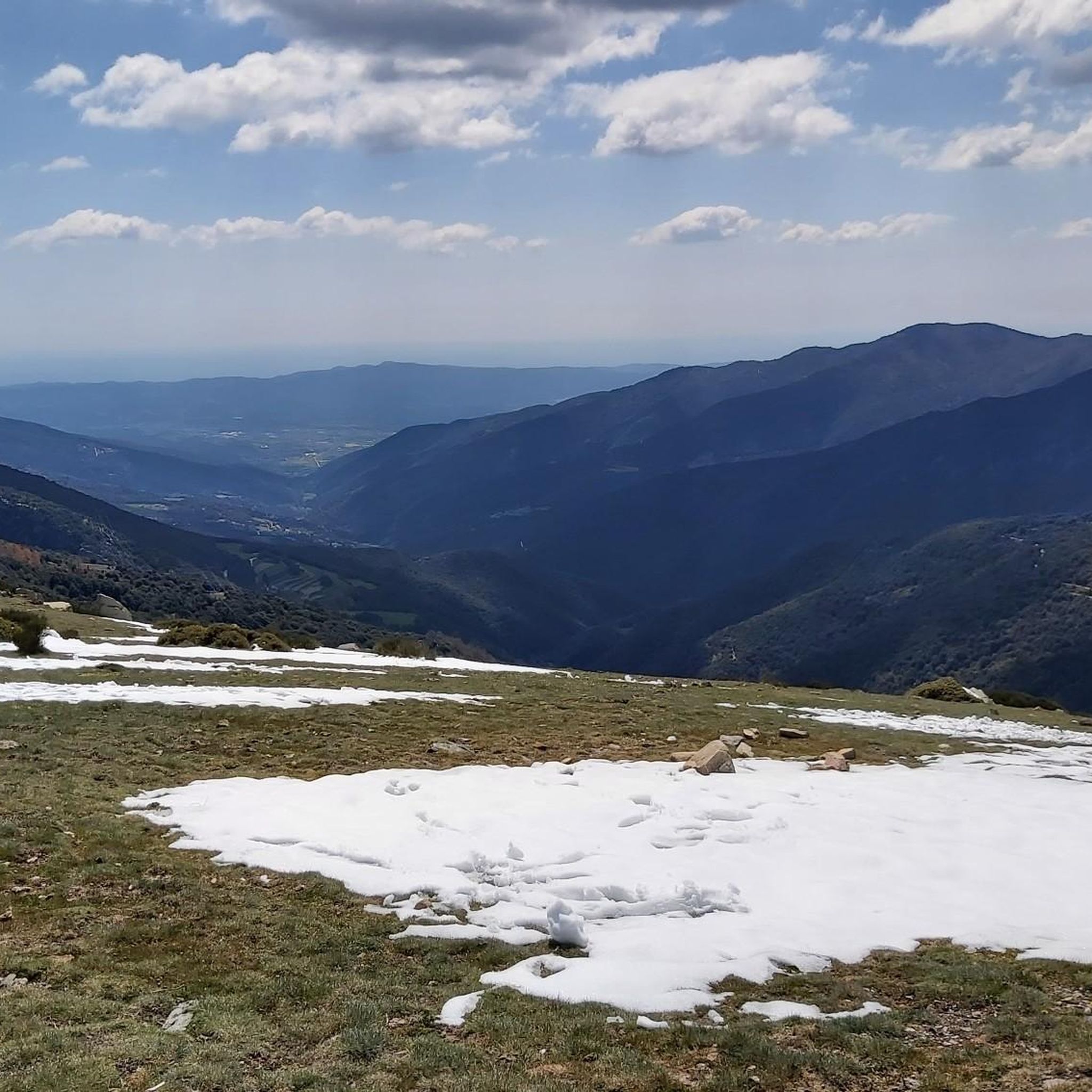
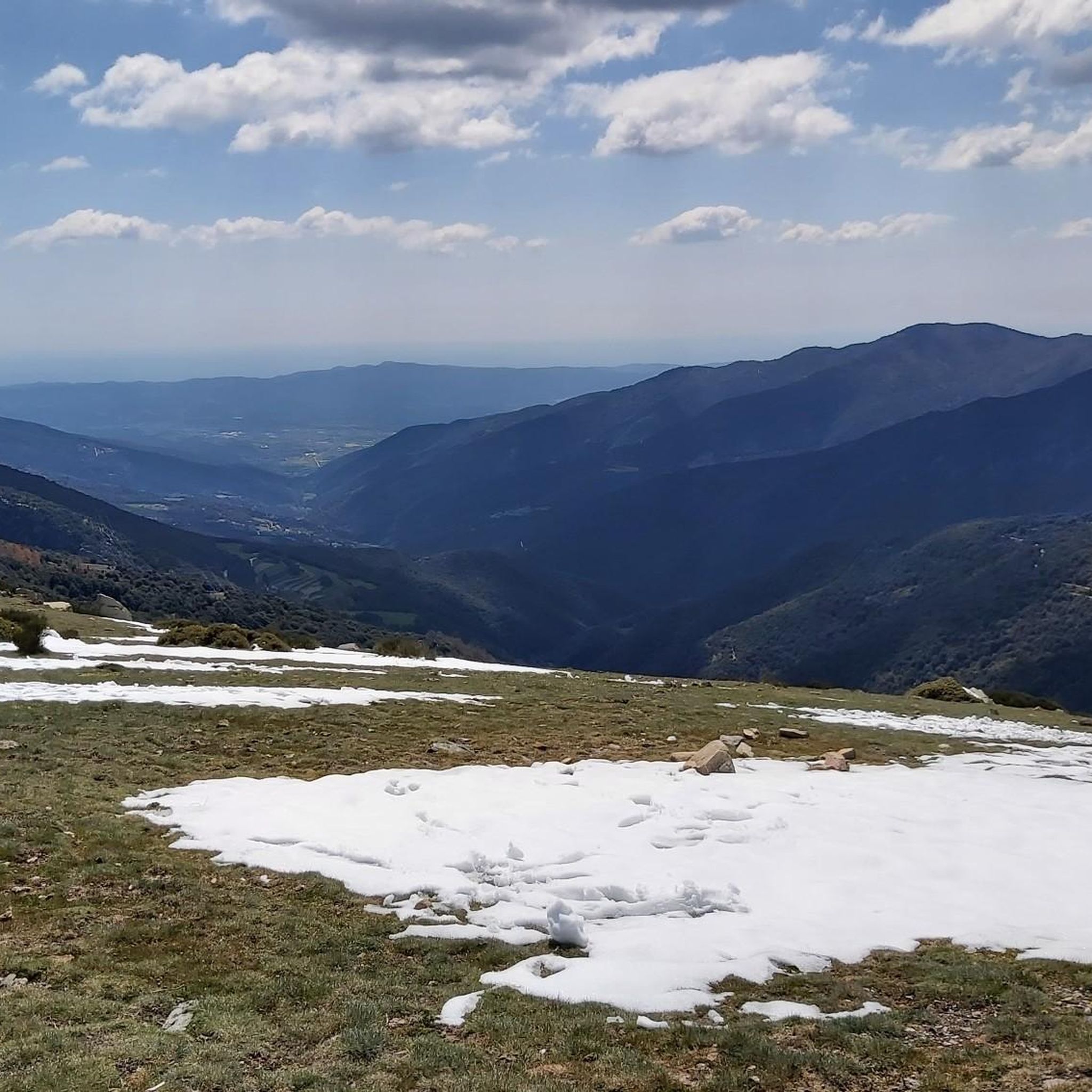
good views of the Plain of Vic and the Pyrenees and very fun downhill trails.
1
0

Can Boix Castle, also known as Taradell Castle, is located on some large rocks, at an altitude of 803 metres. Below the castle is a large cave. I think there are parts of the castle from the 10th century.
3
0

Small bauma located on the right bank of the PR-33 that leads from Figaró to Montmany, inside the Sot del Bac. Bauma formed by the lateral excavation of the Sot del Bac stream, 35-40 meters above the current talveg. It is a not very deep cavity excavated in a rocky margin or slope where the light penetrates. This has graffiti and evidence of occupation inside, with traces of having been set on fire. It is a suitable place for shelter or bivouac. At least before it was very common to use it. The Sot del Bac pass would be a natural path used by the first human communities, both to stock up on various natural resources (water, hunting and gathering) and as a place of passage and communication between the Gorge sector and Puiggraciós and the Cingles de Bertí. Currently this is occupied sporadically by walkers and climbers.
1
0

The origin of the sanctuary of Sant Segimon dates back to the 13th century when a chapel was built using the cave. Legend has it that this sanctuary was inhabited by the King of Burgundy, Sigismund (hence its Catalan name "Segimon"), who acted as a hermit.
0
0
The origin of the sanctuary of Sant Segimon dates back to the 13th century when a chapel was built using the cave. Legend has it that this sanctuary was inhabited by the King of Burgundy, Sigismund (hence its Catalan name "Segimon"), who acted as a hermit.
2
0

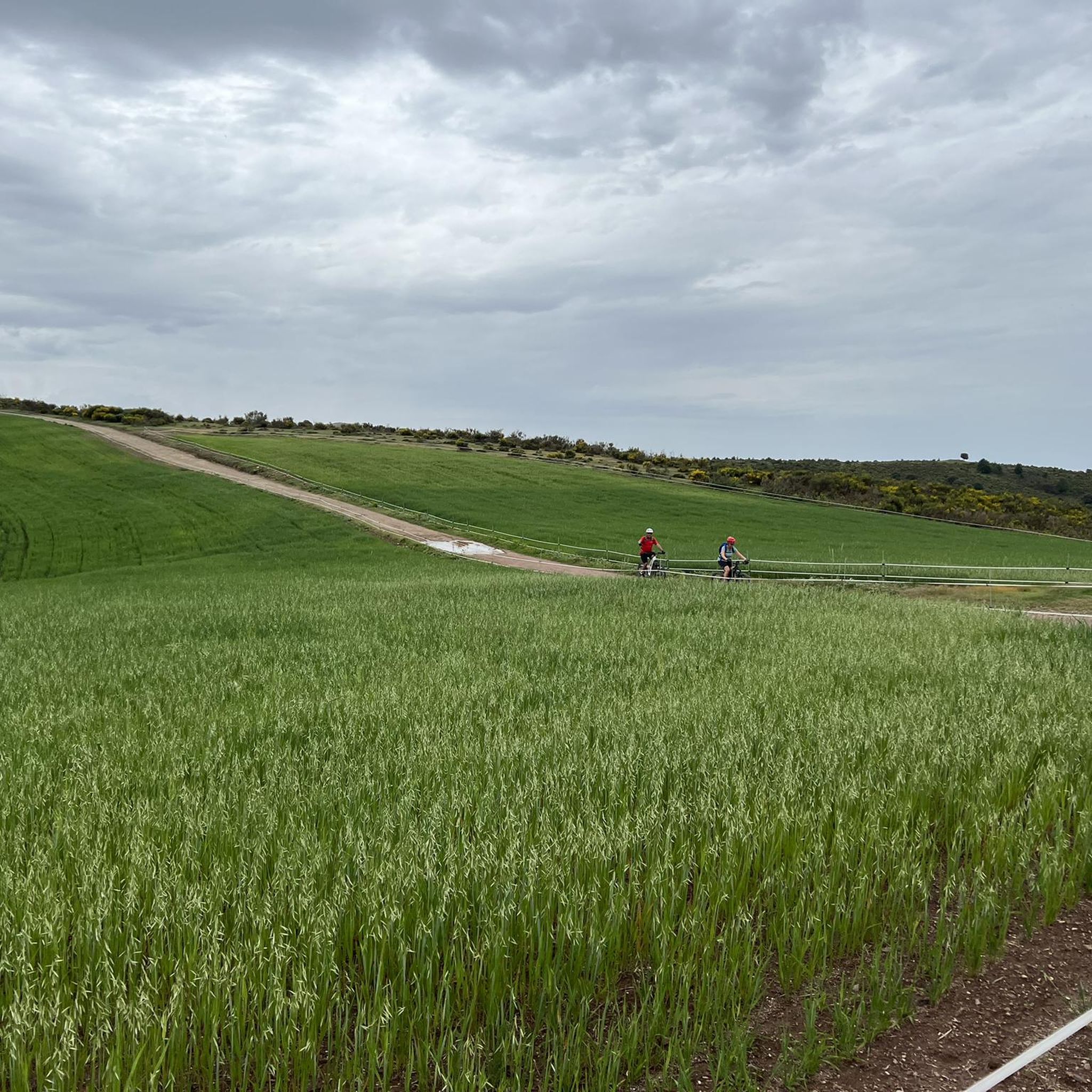
Great, quiet hiking trail through the steep rocky valley. Around almost every bend there is a new perspective.
1
0
Frequently Asked Questions
What types of caves and cave-like formations can I explore near El Brull?
Near El Brull, you can find a variety of cave-like formations, including natural rock shelters, grottos integrated into historical sites, and former mining tunnels. These range from shallow cavities with historical significance, such as Balma la Miquelona, to larger grottos beneath ancient structures like Can Boix Castle, and even old magnetite mines like the Socau Mine.
Are there any historical caves or shelters in the El Brull area?
Yes, the El Brull area features several sites with historical significance. Balma la Miquelona is a small bauma (shallow cavity) with evidence of historical occupation, including graffiti and traces of fire, suggesting its use as a shelter. Additionally, Can Boix Castle, dating back to the 10th century, is built above a large grotto. The Socau Mine is a former magnetite mine from the late 19th century, offering a glimpse into the region's industrial past.
What is the difficulty level for exploring caves near El Brull?
The difficulty varies significantly. Formations like Balma la Miquelona and the grotto under Can Boix Castle are generally accessible as part of intermediate hikes. However, some natural caves in the broader El Brull vicinity, such as the Cova de l'Infern, are described as technical, involving narrow passages and drops, making them suitable only for experienced cavers. The Socau Mine is also categorized as challenging.
Are there family-friendly cave experiences around El Brull?
While there are no dedicated 'family-friendly' cave attractions with extensive infrastructure, some sites can be enjoyed by families who are comfortable with hiking. Exploring the grotto beneath Can Boix Castle or visiting Cave Hill, which has a cave below its peak, can be part of an enjoyable outdoor excursion for families. These locations are often integrated into hiking routes within the Montseny Natural Park.
What outdoor activities can I combine with visiting caves in El Brull?
The El Brull area, situated within the Montseny Natural Park, is ideal for various outdoor activities. You can combine cave exploration with extensive hiking on trails like those found in the Hiking around El Brull guide. The region also offers opportunities for road cycling and gravel biking, allowing you to explore the diverse forests and natural landscapes.
Are there any caves associated with religious or legendary stories?
Yes, the Sant Segimon Sanctuary has a strong connection to local legends. Its origin dates back to the 13th century when a chapel was built using a cave. Legend has it that King Sigismund of Burgundy lived as a hermit in this cave. The sanctuary is nestled in a cliff on the slopes of Matagalls, adding to its mystical appeal.
What are the views like from cave-related sites in El Brull?
Many cave-related sites in El Brull offer excellent views due to their elevated positions. For instance, Cave Hill is a summit with a cave below its peak, providing a bench to enjoy panoramic views of the valley. Similarly, Can Boix Castle, built above a large grotto, offers good views of the Plain of Vic and the Pyrenees.
What is the significance of the Montseny Natural Park for cave exploration in El Brull?
El Brull is located within the Montseny Natural Park, which means that any cave exploration will be within this protected natural landscape. The park's diverse forests and mountainous terrain contribute to the formation of the natural rock shelters and grottos found in the area. While the park is known more for its hiking and natural beauty, it provides the scenic backdrop for these unique geological and historical sites.
Are there any specific safety considerations for exploring caves or mines in El Brull?
Given that some caves in the region are described as technical, and the Socau Mine is categorized as challenging, it's important to exercise caution. Some natural caves may have narrow passages, drops, or unstable blocks, making them unsuitable for casual visitors. Always assess your skill level, wear appropriate gear, and consider local advice or guided tours for more challenging sites. The mine also has areas with water and partially obstructed entrances.
Can I find archaeological sites related to caves in El Brull?
Yes, El Brull is recognized for its archaeological sites, and some cave-like formations have archaeological significance. Balma la Miquelona, for example, shows evidence of historical human occupation. The region's focus on archaeological sites, such as the Iberian wall, suggests a rich history that sometimes intertwines with natural shelters and formations.
What makes the <a href="https://www.komoot.com/highlight/6184977" target="_blank" rel="noopener">Socau Mine</a> unique?
The Socau Mine is a unique historical site, a small magnetite mine from the late 19th century. It's now partially covered by vegetation but retains its entrance tunnel and some rusted mine carts. Visitors often note a colder air as they approach, and there's a local custom of leaving candles or stones at the entrance for protection, reflecting the mine's mysterious atmosphere.
Are there any caves that are part of a summit or viewpoint?
Yes, Cave Hill is a prominent example. It's a summit that features a cave located just below its peak. This spot is popular for its views of the valley, and there's even a bench to sit and enjoy the scenery. The cave itself is often noted for its presence at this elevated viewpoint.
Most popular routes around El Brull
Most popular attractions around El Brull

Get inspired with the komoot mobile app


Explore more
Extend your search for the best caves by checking out these guides of the top ones around El Brull:
