Top 3 Castles around Baños De Ebro/Mañueta
Castles around Baños De Ebro/Mañueta are situated in the Rioja Alavesa region, an area characterized by its vineyards and the Ebro River valley. This landscape provides strategic locations for historical fortifications, offering views of the surrounding terrain. The region's history includes ancient settlements and medieval border defenses. Baños De Ebro/Mañueta itself is part of this culturally rich and geographically diverse area.
Best castles around Baños De Ebro/Mañueta
- The most popular castles is View of the Ebro River and vineyards from…
Last updated: July 3, 2026
San Vicente de la Sonsierra Fortress Castle
Highlight • Castle
Translated by Google •
Tip by

View to castillo de Davalillo
Highlight • Viewpoint
Translated by Google •
Tip by

Sign up now to discover places like this
Get recommendations on the best single tracks, peaks, & plenty of other exciting outdoor places.
Sign up for free
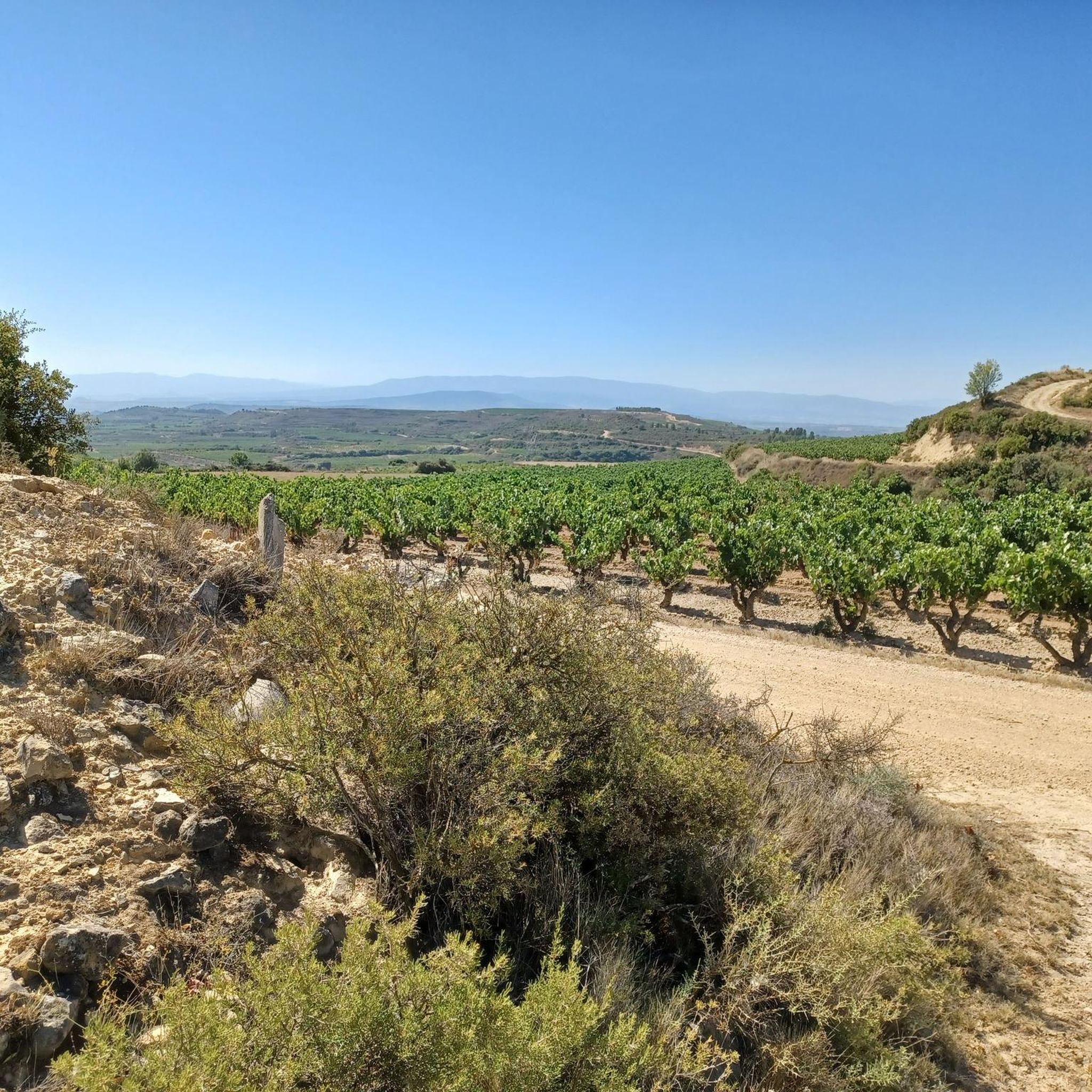
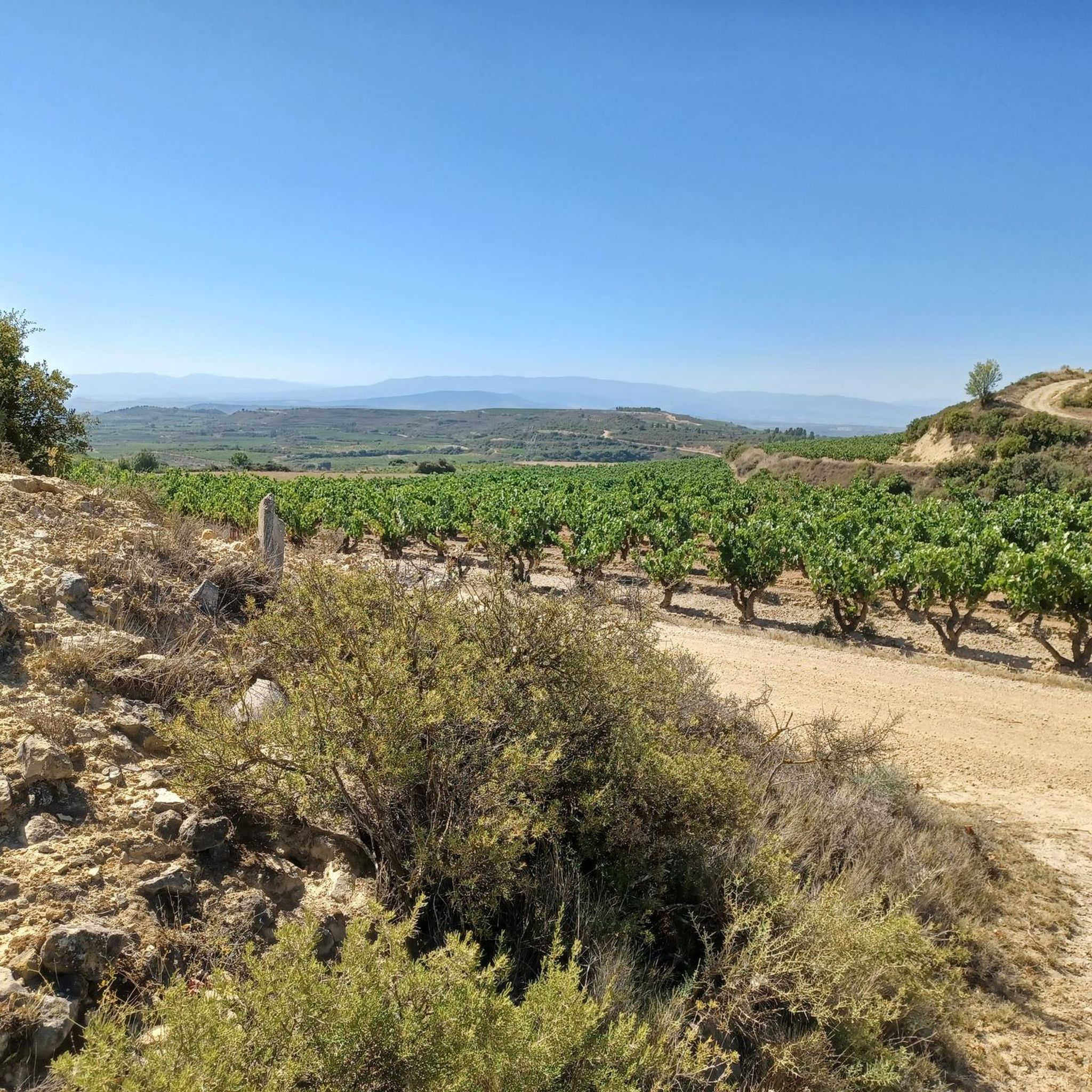
View of the Ebro River and vineyards from Briones Castle
Highlight • Viewpoint
Translated by Google •
Tip by

Start today with a free account
Your next adventure awaits.
Login or Signup
Tips from the Community

From the Briones castle there is a spectacular view of the Ebro River and the surrounding vineyards and, in the background, the limestone ridges of the Alava mountains.
1
0

The Castillo fortaleza de San Vicente de la Sonsierra is an impressive medieval castle that rises above the River Ebro. It was built in the 12th century by the Kingdom of Navarre to defend its border with Castile. It was part of a defense line connecting Laguardia and Labastida, and was the largest fortress in Navarre on the Ebro. The castle has a semi-circular shape that adapts to the rock on which it stands. It consists of three walled areas: the albacar, where the houses of the old town stood, the cortijo, where the parish church, the chapel of San Juan and the cemetery are, and the castle itself, with the keep and the bell tower. The castle lost its military importance after the annexation of Navarre by Castile in 1512, and was later used as a quarry and rubbish dump. In the 20th century, people began to realize its historical and artistic value, and several restoration projects were carried out. The castle is now a monument of cultural interest and a tourist attraction
1
0

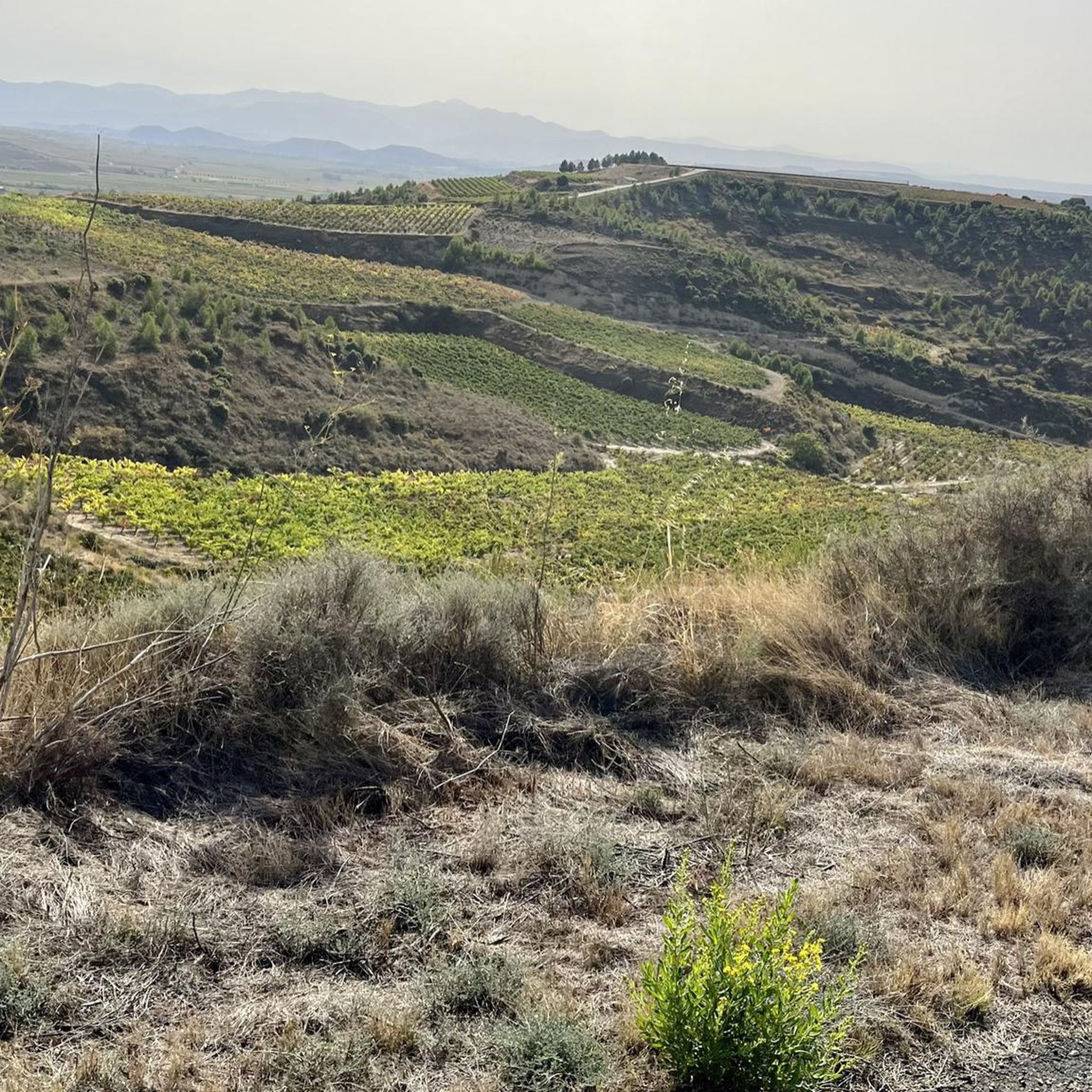
The panoramic view of the Rioja is wonderful. Below you can also see a medieval bridge over the Ebro.
3
0

Documented for the first time in 1367, when Enrique de Trastámara gave it to Carlos El Malo of Navarra, it is likely that it was built during the reign of Alfonso VIII to strengthen the area's defense against Navarre. It is Romanesque in style and is made up of a walled outer enclosure with a polygonal plan with seven sides. The keep, with four floors, has a square floor plan and is attached to the wall at its eastern end. The castle is located on a hill next to a meander of the Ebro river, a strategic place next to the Briones castle to protect the area from Navarrese attacks.
1
0

It is the typical castle-fortress raised on a hill, an old memory of the early medieval rock castle, with a defensive function.
3
0

Frequently Asked Questions
What types of historical fortifications can I explore near Baños De Ebro/Mañueta?
Beyond medieval castles, the area offers a glimpse into ancient history with sites like the Poblado Fortificado de San Quiles, a protohistoric fortified settlement with Iron Age origins. For medieval structures, the impressive San Vicente de la Sonsierra Fortress Castle is a must-see.
Are there any ancient settlements to visit near Baños De Ebro/Mañueta?
Yes, you can visit the Poblado Fortificado de San Quiles, located on a nearby hill within Baños de Ebro/Mañueta. This site is a protohistoric fortified settlement, offering insights into the region's distant past with archaeological findings from the Iron Age.
What is the historical significance of San Vicente de la Sonsierra Fortress Castle?
The San Vicente de la Sonsierra Fortress Castle was a crucial border defense point. Built in the 12th century by the Kingdom of Navarre, it was the largest Navarrese fortress on the Ebro, defending against Castile. Its strategic location and robust construction reflect its importance in medieval military history.
Can I get panoramic views of the Ebro River and vineyards from any castles?
Absolutely. From the View of the Ebro River and vineyards from Briones Castle, you can enjoy a spectacular panoramic perspective of the Ebro River, extensive vineyards, and the limestone ridges of the Alava mountains.
Is there a castle viewpoint that overlooks a Romanesque structure?
Yes, the View to castillo de Davalillo offers a viewpoint overlooking a Romanesque castle. This castle, first documented in 1367, features a walled outer enclosure with a polygonal plan and a four-floor keep, strategically located next to a meander of the Ebro river.
What are the main features of San Vicente de la Sonsierra Fortress Castle?
The San Vicente de la Sonsierra Fortress Castle is a medieval rock castle with three staggered walled enclosures: the albacar (where old town houses stood), the cortijo (enclosing the parish church, a chapel, and a cemetery), and the castle itself at the summit, which includes a keep and a clock tower. Its semi-circular shape adapts to the terrain.
Are there any outdoor activities or routes near these castles?
Yes, the region offers various outdoor activities. For running, you can find routes like the 'View to castillo de Davalillo loop from San Vicente de la Sonsierra'. For cycling, there are options like the 'GR 38: Wine and Fish Route Loop'. You can find more details on these and other routes in the Running Trails around Baños De Ebro/Mañueta and Cycling around Baños De Ebro/Mañueta guides.
What is the accessibility like for San Vicente de la Sonsierra Fortress Castle?
The San Vicente de la Sonsierra Fortress Castle is municipally owned and offers free access. It is situated on a hilltop, so visitors should expect some uphill walking to reach it, but the site itself is generally accessible for exploration.
What do visitors appreciate most about the castles and viewpoints in this region?
Visitors frequently highlight the wonderful panoramic views of the Rioja region, especially from locations like San Vicente de la Sonsierra Fortress Castle and View of the Ebro River and vineyards from Briones Castle. The historical significance and the well-preserved medieval architecture are also highly valued.
Is there a good time of year to visit the castles around Baños De Ebro/Mañueta?
The region, known for its vineyards, is beautiful throughout much of the year. Spring and autumn offer pleasant temperatures for exploring the outdoor castle sites and enjoying the scenic views, especially when the vineyards are green or changing colors. Summer can be warm, while winter might be cooler but offers a different, quieter experience.
Are there any castles that are particularly good for history enthusiasts?
History enthusiasts will find the San Vicente de la Sonsierra Fortress Castle particularly engaging. Its 12th-century origins as a Navarrese border defense, its three walled enclosures, and its keep and clock tower provide a rich historical context and tangible connection to medieval military engineering.
Most popular routes around Baños De Ebro/Mañueta
Most popular attractions around Baños De Ebro/Mañueta

Get inspired with the komoot mobile app


Explore more
Looking for the best castles somewhere else? Discover other guides around Baños De Ebro/Mañueta:
