Top 3 Gorges around A Peroxa
Best canyons around A Peroxa are primarily found within the Sil Canyon, a significant natural boundary between Lugo and Ourense provinces. This region is characterized by dramatic rock formations and sheer drops, with vertical walls reaching heights of up to 500 meters above the Sil River. The area, part of the Ribeira Sacra, also features ancient terraced vineyards and a rich monastic heritage. These geological and cultural elements define the landscape around A Peroxa.
Best canyons around A Peroxa
- The…
Last updated: May 6, 2026
Pedra Longa Viewpoint
Highlight • Viewpoint
Translated by Google •
Tip by

A Lampa Viewpoint
Highlight • Viewpoint
Translated by Google •
Tip by

Sign up now to discover places like this
Get recommendations on the best single tracks, peaks, & plenty of other exciting outdoor places.
Sign up for free
Castro de Santomé and Giant's Kettles of the Lonia River
Highlight • Historical Site
Translated by Google •
Tip by
View of the Sil River from Pena do Pobre
Highlight • Viewpoint
Translated by Google •
Tip by
Trail to Gundrei Waterfall
Highlight (Segment) • Trail
Translated by Google •
Tip by
Sign up for free to discover even more gorges around A Peroxa.
Sign up for free
Already have an account?
Start today with a free account
Your next adventure awaits.
Login or Signup
Tips from the Community

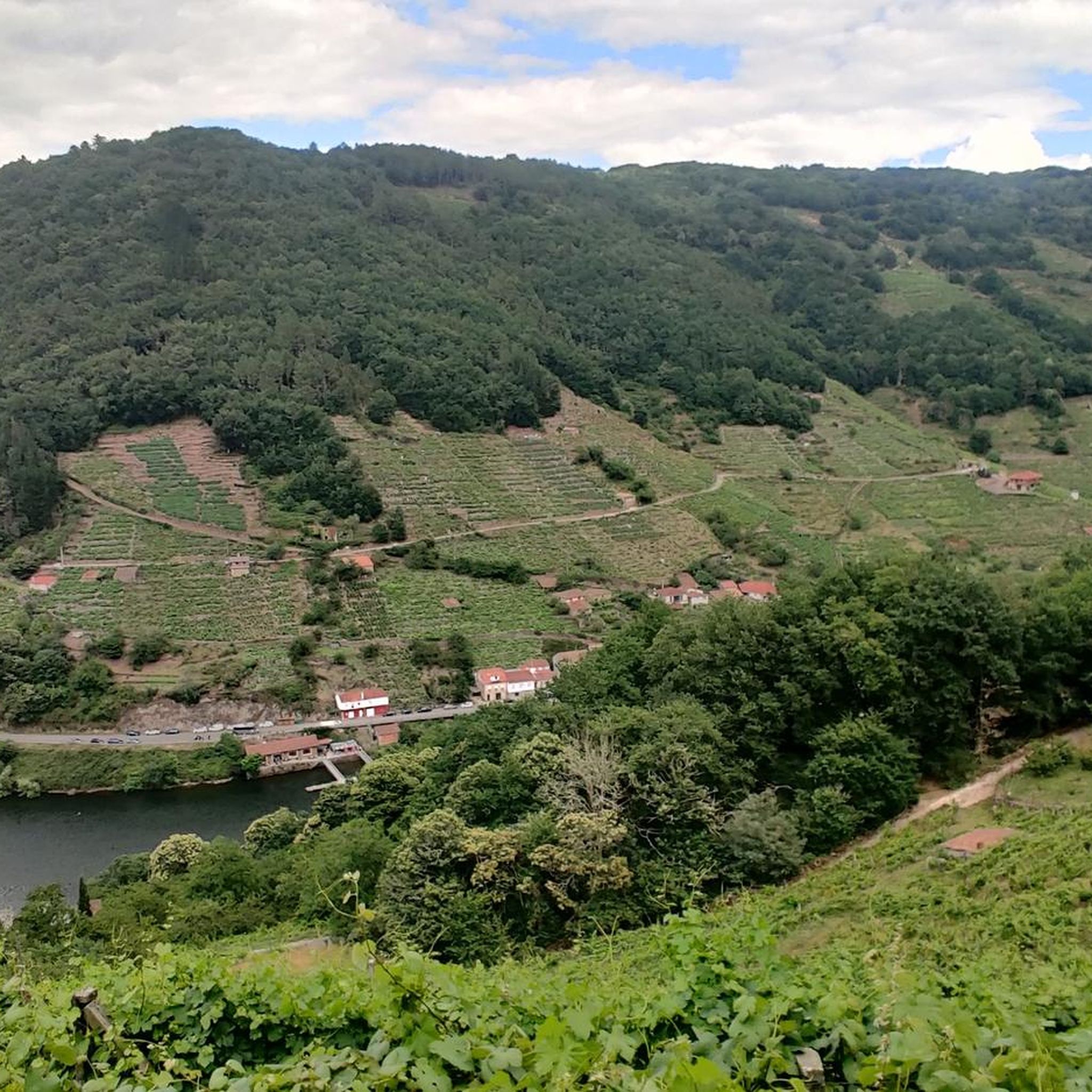
Very good views of the Sil River canyon
1
0

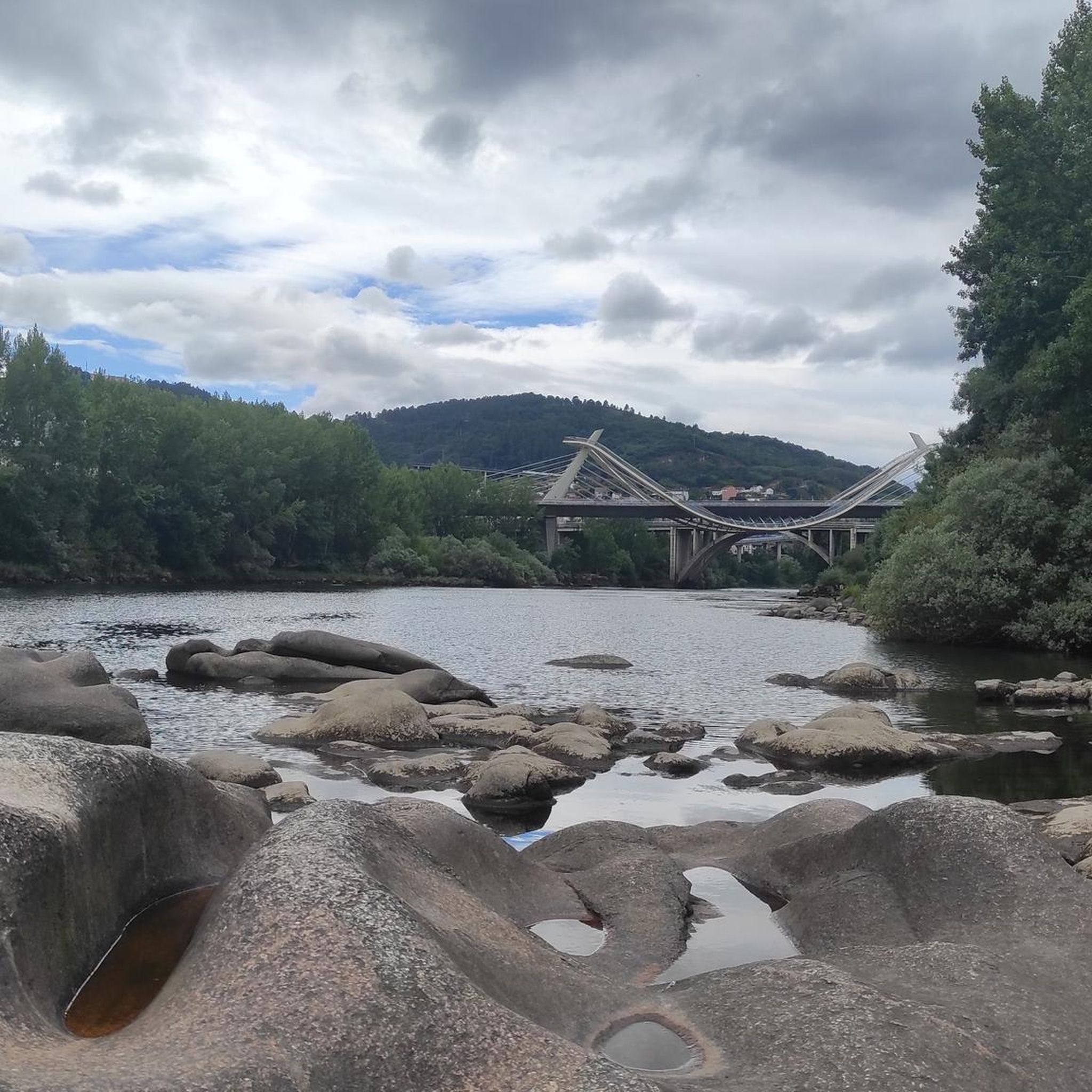
The Castro de Santomé, located near the Lonia River in Ourense, is an important archaeological site that includes remains of a pre-Roman fort and a later Roman settlement. The site offers spectacular views and is surrounded by an exceptional natural environment, where the natural pools or cauldrons formed by the erosion of the Lonia River stand out. These cauldrons, also known as giant's cauldrons, are circular formations in the rocks of the riverbed, originating from the movement of water over time. The area is ideal for hiking trails, combining historical heritage and natural beauty, making it a very attractive destination for lovers of archaeology and nature.
1
0

Mirador da Pedra Longa, a majestic rock formation in the shape of a vertical monolith whose height exceeds 7 meters and is made up of just one piece of stone. Rain and wind have been responsible for sculpting this wonderful work of art for millions of years. It is accompanied by the special background that the valley and the Sil canyon give it. From here you will see a good stretch of the Sil River, from Pombeiro (Pantón) to the mouth of the Cabe River, in A Barca. Also in the distance you will appreciate the high and vertical slopes of the canyon in Sober, in the parishes of Belmonte or Santiorxo.
2
0

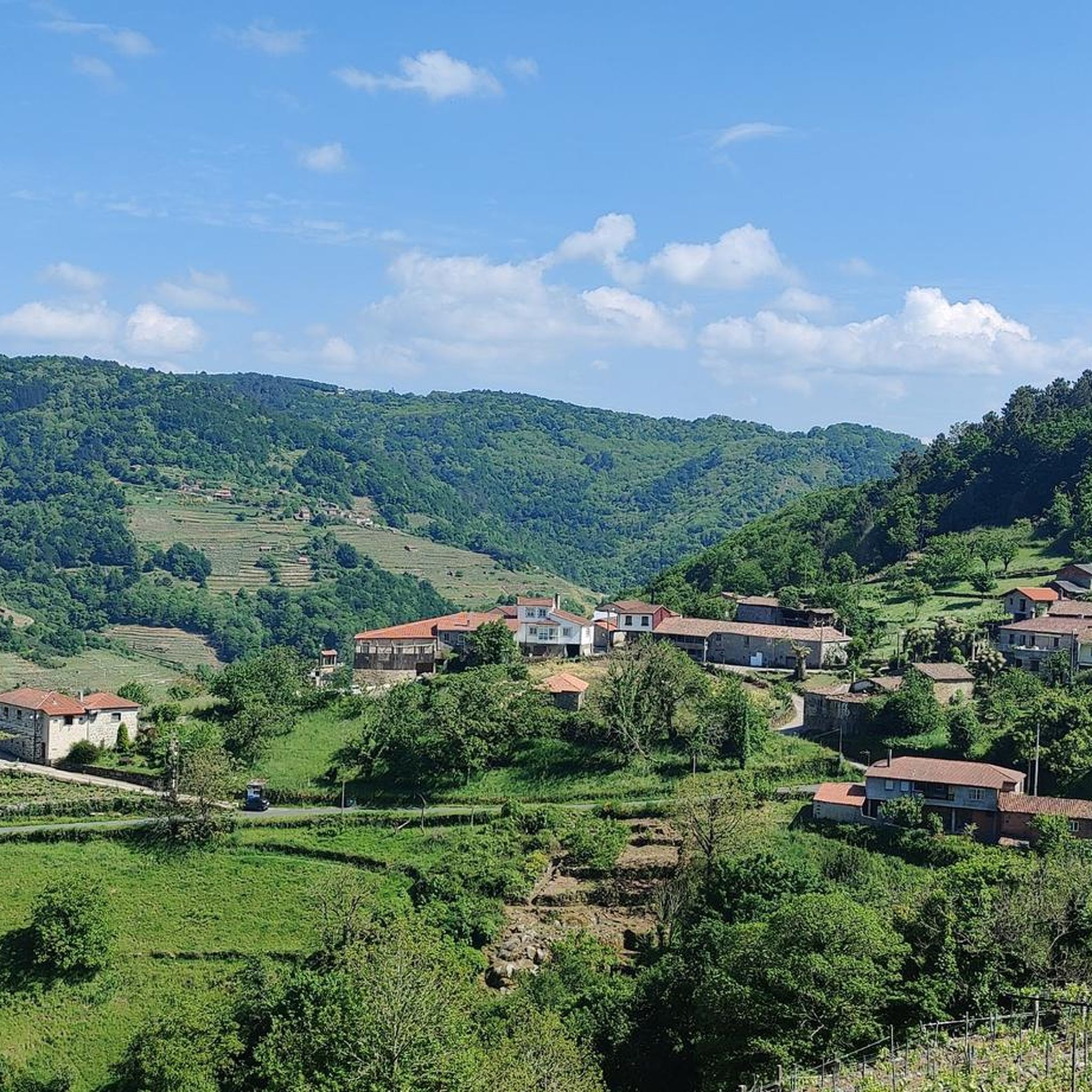
Along the Sil River Canyon as it passes through the Ribeira Sacra there is a wide network of viewpoints on both banks. Beautiful views.
5
0

an archaeological site on the banks of the Loña River. The shadows of the oaks and the water of the river provided various civilizations throughout almost six centuries with the first settlement of the I BC.
2
0

Near the archaeological site of San Tomé are the giant pots of the Loña River. These formations are created by the movement of rocks by the action of river currents.
2
0
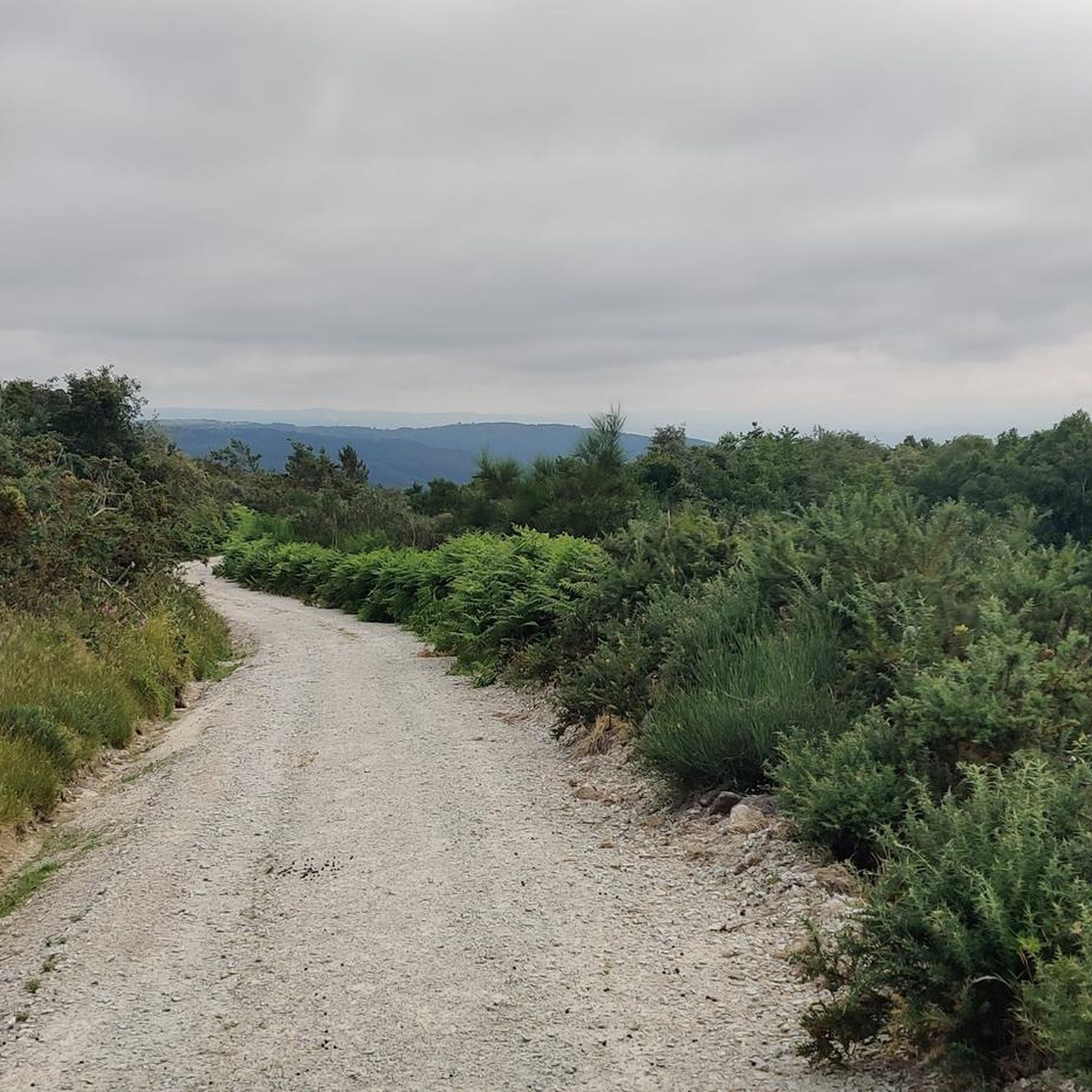
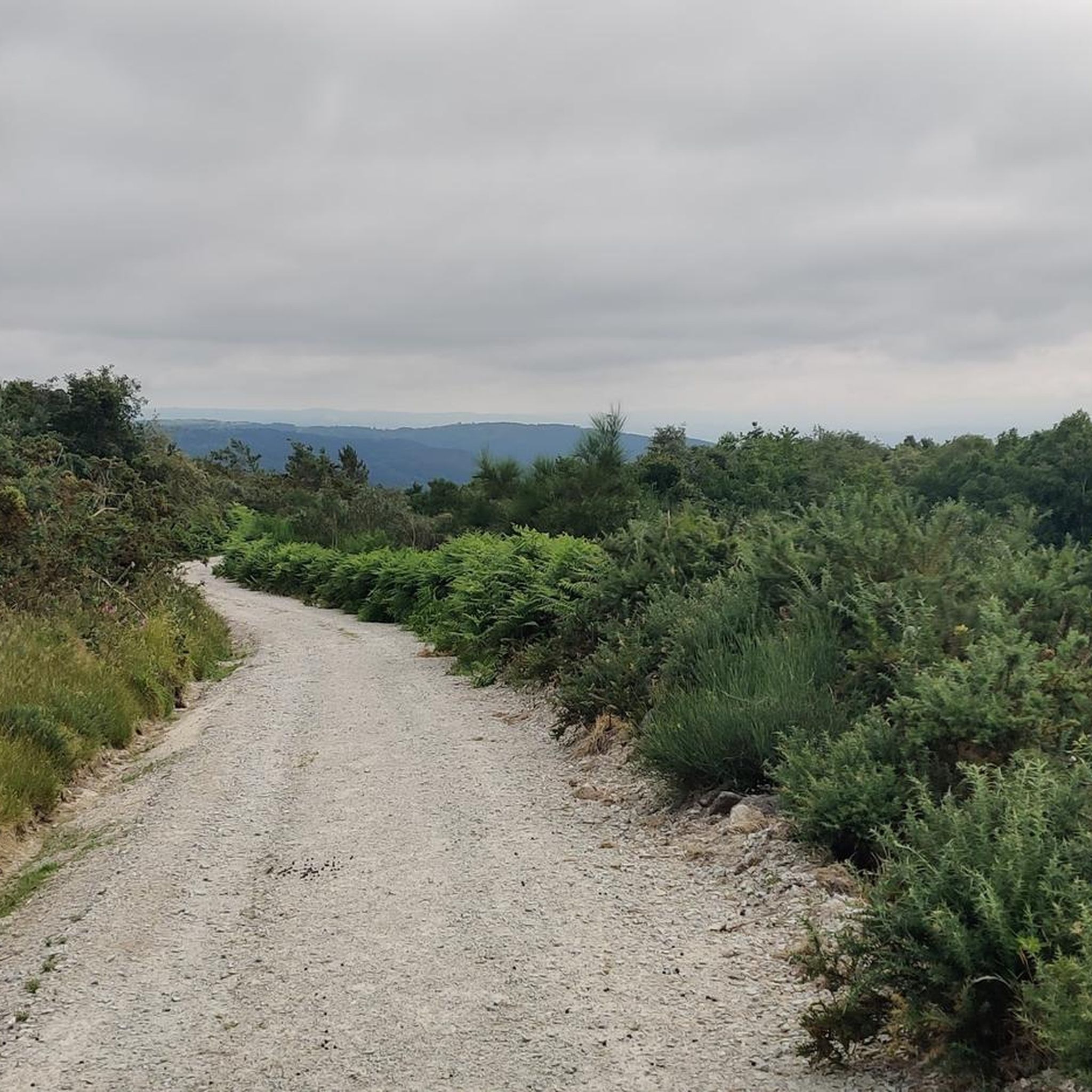
Nice path in the middle of the forest between Santo Estevo and the Gundrei waterfall. Before reaching the waterfall, on the left you can see the River Sil running through the gorges.
2
0
Sil Canyon viewpoint, in the Ribeira Sacra, with a majestic vertical monolith taller than 7 meters. Its wonderful shape is due to erosion caused by rain and wind.
4
1
Frequently Asked Questions
What are the most notable natural features of the canyons around A Peroxa?
The canyons around A Peroxa are primarily part of the dramatic Sil Canyon, characterized by vertical rock walls up to 500 meters high above the Sil River. Key natural features include impressive granite formations, the winding Sil River itself, and unique geological formations like the vertical monolith at Pedra Longa Viewpoint, sculpted by erosion. The area also features natural pools or 'giant's kettles' along the Lonia River near Castro de Santomé.
Which viewpoints offer the best panoramic views of the Sil Canyon near A Peroxa?
Several viewpoints provide stunning perspectives of the Sil Canyon. View of the Sil River from Pena do Pobre offers fantastic views of the Sil River, Os Chancís, and the Santo Estevo reservoir. Pedra Longa Viewpoint provides a unique view of the Sil River and the high, vertical slopes in Sober, featuring a majestic vertical monolith. Additionally, A Lampa Viewpoint is appreciated for its magnificent panoramic views and a different perspective of the canyon.
Are there historical or cultural sites to explore within the canyons area?
Yes, the region, known as Ribeira Sacra ('Sacred Shore'), is rich in history and culture. You can explore ancient terraced vineyards, a practice known as 'heroic viticulture,' which dates back to Roman times. The area is also dotted with over 40 ancient monasteries and Romanesque churches. A notable historical site is Castro de Santomé, an archaeological site near the Lonia River with remains of a pre-Roman fort and a Roman settlement.
What kind of hiking trails can I find near the canyons around A Peroxa?
The area offers a variety of hiking trails, ranging in difficulty. For instance, you can find trails that lead to natural attractions like the Trail to Gundrei Waterfall, which takes you through forests with views of the Sil River. Other routes, like the 'Smuggler's Route' or the 'Pedra Longa Viewpoint – A Lampa Viewpoint loop,' offer moderate to difficult options with significant elevation changes and panoramic views. You can find more hiking options on the Hiking around A Peroxa guide.
What other outdoor activities are available near the canyons of A Peroxa?
Beyond hiking, the region around A Peroxa offers excellent opportunities for cycling. You can explore routes like the 'Caserío de Fontes – Sil River Canyon loop from Os Peares' for a challenging ride, or the 'Luintra – tour around Monasterio San Pedro de Rocas – Ribeira Sacra Biosphere Reserve' for a more moderate cycling experience. For more details, check the Cycling around A Peroxa guide and the Road Cycling Routes around A Peroxa guide.
Is the Sil Canyon area around A Peroxa suitable for families?
Yes, the Sil Canyon offers experiences suitable for families. While some trails can be challenging, there are also easier walks and viewpoints that are accessible. Catamaran cruises along the Sil River are a popular family-friendly option, providing a unique perspective of the canyon walls and terraced vineyards without strenuous activity. Exploring historical sites like Castro de Santomé can also be an engaging activity for all ages.
What is the best time of year to visit the canyons around A Peroxa?
The best time to visit the canyons around A Peroxa is generally during spring (April to June) and autumn (September to October). During these seasons, the weather is typically mild and pleasant for outdoor activities like hiking and cycling, and the natural scenery is particularly vibrant with spring blooms or autumn colors. Summer can also be enjoyable, though it can be warmer, while winter offers a different, often quieter, experience, but some services or activities might be limited.
Are there any dog-friendly trails or areas in the Sil Canyon near A Peroxa?
Many natural areas and trails in the Sil Canyon region are dog-friendly, allowing you to enjoy the outdoors with your canine companion. It's always advisable to keep dogs on a leash, especially near viewpoints or in areas with wildlife, and to respect local regulations. Specific trails like the Trail to Gundrei Waterfall are generally suitable for walks with dogs.
Where can I find accommodation near the canyons and viewpoints?
Accommodation options are available in and around A Peroxa and the wider Ribeira Sacra region. You can find various types of lodging, from rural guesthouses and hotels to apartments, particularly in towns and villages close to the main viewpoints and trailheads. Some ancient monasteries, like the Monastery of Santo Estevo de Ribas de Sil, have even been converted into hotels, offering a unique stay experience.
How can I access the canyon viewpoints and trailheads using public transport?
While public transport options directly to every trailhead or remote viewpoint might be limited, there are usually bus services connecting A Peroxa to larger towns in the Ribeira Sacra region. From these towns, local taxis or pre-arranged transport might be necessary to reach specific, more secluded spots. Catamaran tours often depart from central points along the Sil River, which are more accessible by public transport or short transfers.
What makes the Sil Canyon's viticulture unique?
The viticulture in the Sil Canyon is renowned for its 'heroic' nature. The steep slopes of the canyon have been carved into ancient terraces, some dating back to Roman times, where vineyards are cultivated. This challenging practice requires manual labor due to the extreme gradients, making it one of the most difficult forms of viticulture in the world. The unique microclimate created by the canyon's terrain and river also contributes to the distinctive quality of the Ribeira Sacra wines produced here.
What geological features are prominent in the canyons around A Peroxa?
The canyons are primarily characterized by dramatic granite formations and sheer drops, sculpted over millions of years by natural forces. The vertical rock walls, reaching up to 500 meters, are a testament to the powerful erosion by the Sil River. Unique features include the vertical monolith at Pedra Longa Viewpoint and the 'giant's kettles' or natural pools formed by river currents near Castro de Santomé, showcasing the region's dynamic geological history.
Most popular attractions around A Peroxa

Get inspired with the komoot mobile app


Explore more
Already discovered everything in this region? See additional gorges around A Peroxa for your next adventure:
