Top 13 Castles around Fontanilles
Best castles around Fontanilles are found in the province of Girona, Spain, a region characterized by its historical significance and varied landscapes. Fontanilles itself features the archaeological remains of the 11th-century Castell de Fontanilles, situated on an elevated position. The broader area offers a range of medieval structures, from fortified villages to strategic strongholds. This region provides insights into Catalan history and offers elevated viewpoints over the surrounding terrain.
Best castles around Fontanilles
- The most popular castles is Montgrí Castle…
Last updated: July 3, 2026
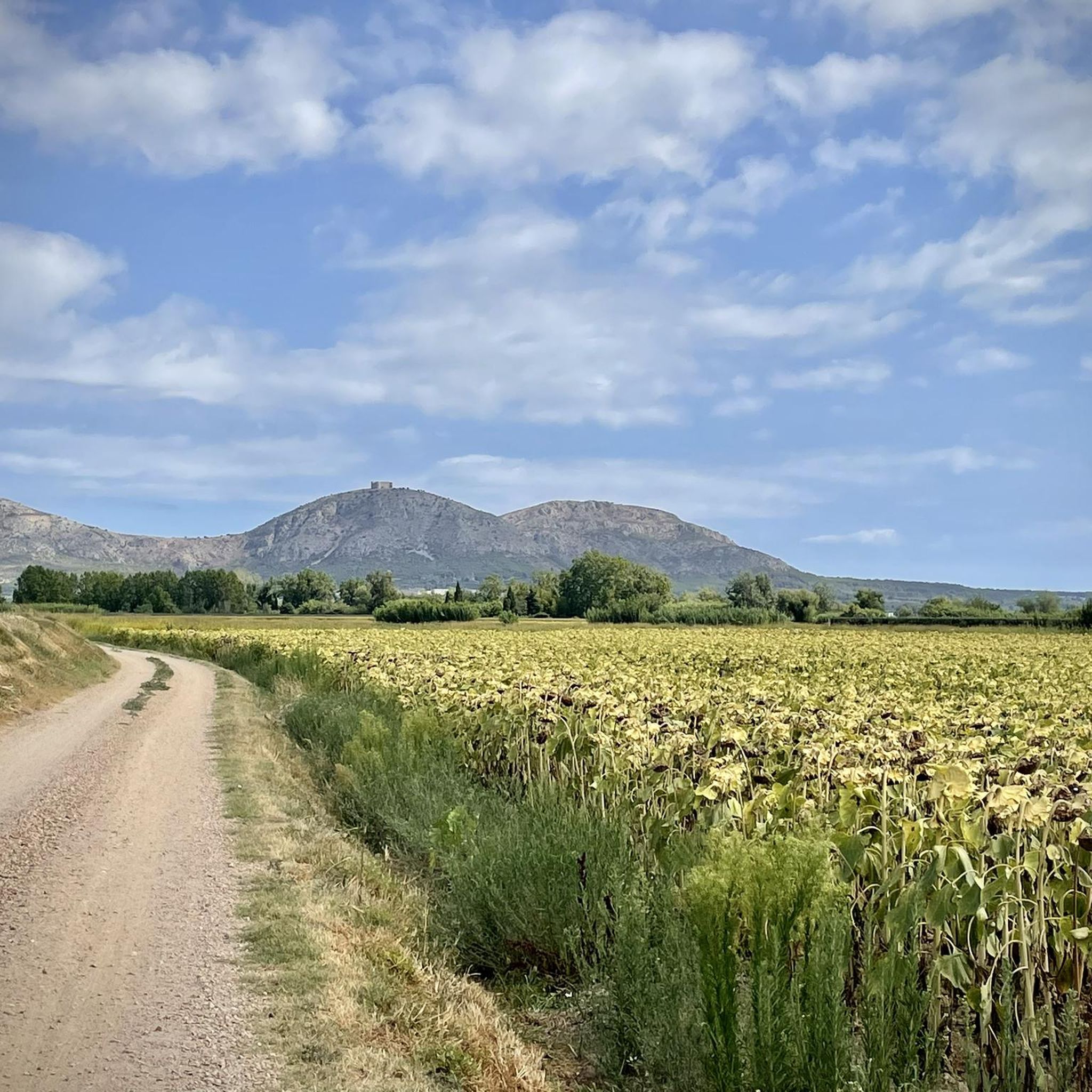
Montgrí Castle
Highlight • Castle
Translated by Google •
Tip by

Begur — Old Town and Castle
Highlight • Settlement
Translated by Google •
Tip by

Sign up now to discover places like this
Get recommendations on the best single tracks, peaks, & plenty of other exciting outdoor places.
Sign up for free
Peratallada — Historic Village
Highlight • Historical Site
The original constructions of Peratallada …
Translated by Google •
Tip by

Medieval Village of Ullastret
Highlight • Historical Site
Translated by Google •
Tip by
Vulpellac Historic Centre
Highlight • Historical Site
Translated by Google •
Tip by
Sign up for free to discover even more castles around Fontanilles.
Sign up for free
Already have an account?
Start today with a free account
Your next adventure awaits.
Login or Signup

Tips from the Community

Beautiful old town to walk and look around
0
0

Another lovely small village. A good stop for a nice coffee @ la fusteria ullastret
0
0

With nice restaurants and bars
1
1

It is a diverse excursion with great natural and cultural charm. We will pass through places such as the Ses Negres Marine Reserve and we will enter the water path where we will discover the culture that is hidden there. We will also enjoy a magnificent view of the Costa Brava from the Mirador de la Creu. Peace of mind is guaranteed.
0
1

We made a route through this area, Peratallada is a picturesque medieval town located in the Bajo Ampurdán region, in the province of Girona, Catalonia. Its name means "carved stone", referring to the stone used in its construction. Without a doubt, it is the one we liked the most with the permission of the others The town is completely surrounded by walls and defense towers, and its historic core is made up of a set of cobbled streets and stone buildings dating from the 10th century. The church of Sant Esteve, built in the 13th century, is one of the most outstanding monuments of Peratallada. There you will find a terrace where they make good sandwiches. In addition, Peratallada has a wide gastronomic offer, with restaurants that offer typical dishes of the region, in our case it was only a breakfast.
2
0

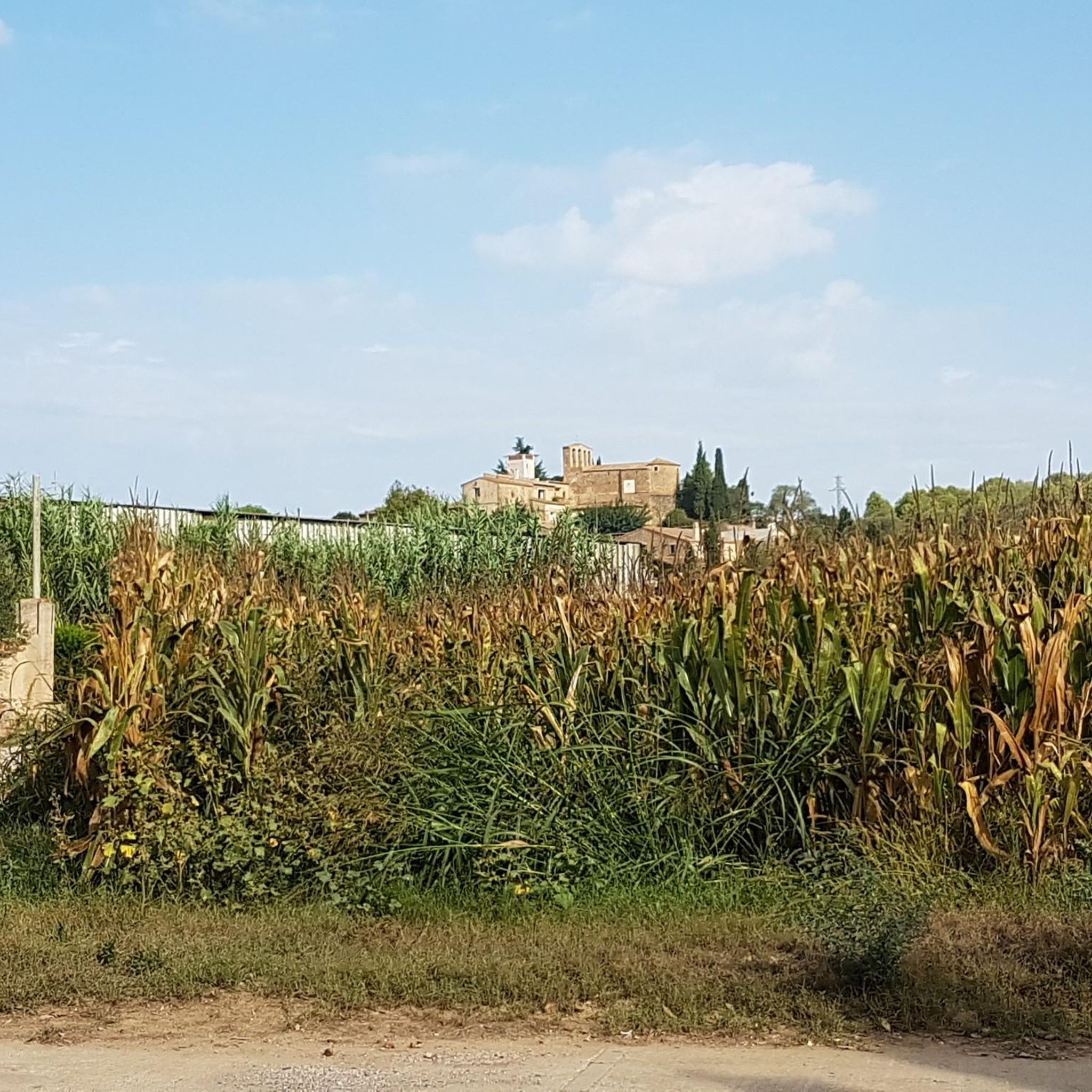
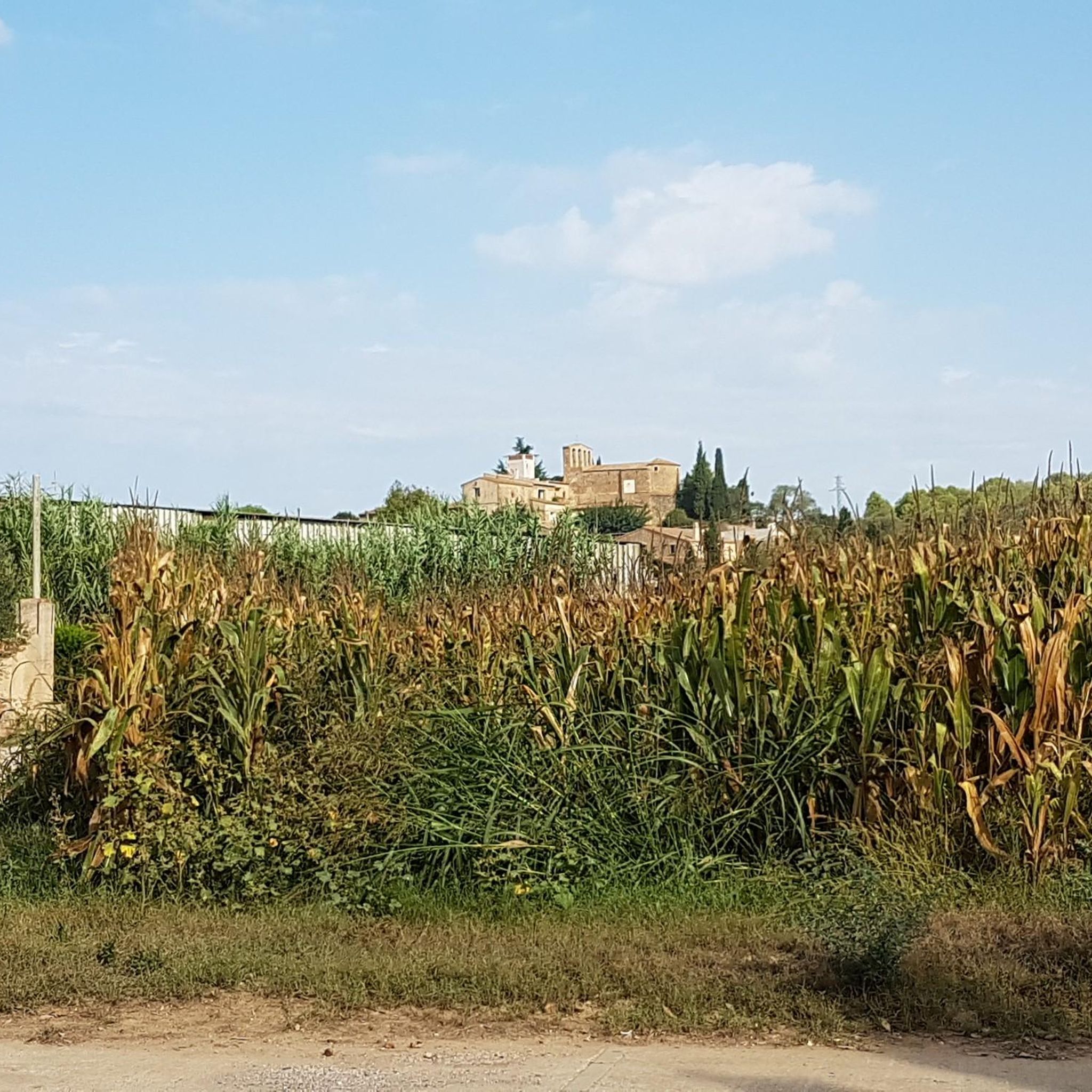
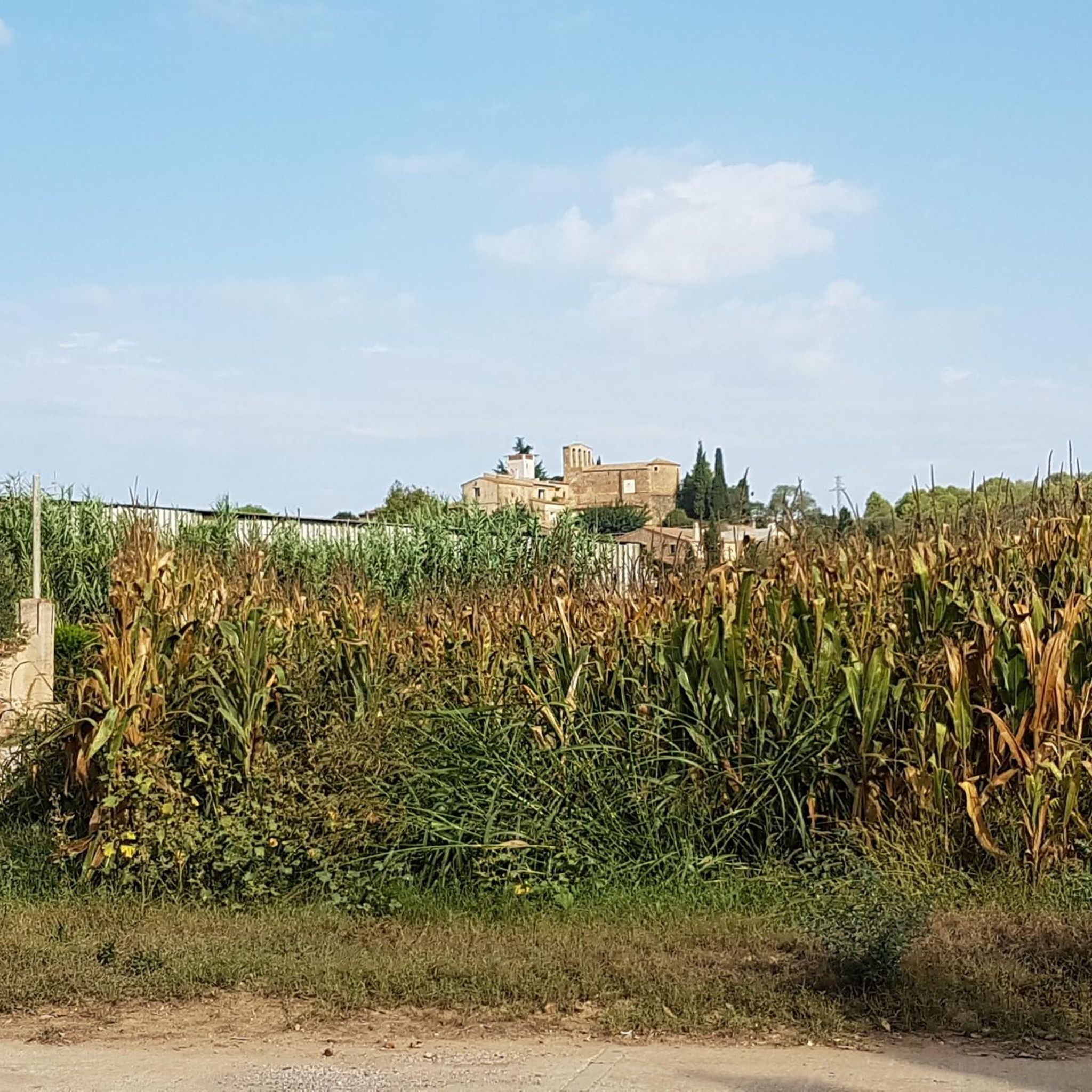
The name of Vulpellac appears for the first time in the records in the year 894, although its importance would be given centuries later (13th and 14th centuries), thanks to the importance of the lord of Vulpellac, Guillem Sarriera. It is during this period that the castle is reformed, turning it into a luxurious palace. The castle and the church of Sant Julià i Santa Basilissa constitute the original nucleus of the town, and houses were added around it, surrounded by a fortified wall. The streets outside the walls were built in the 17th and 18th centuries, and have a good number of unique buildings in the late Gothic and Renaissance styles.
0
0
This small town in the Baix Empordà has been declared a Historic-Artistic Site and Cultural Asset of National Interest, due to its well-preserved medieval architecture. The original constructions of Peratallada are strongly marked by their fortified character. It had three wall enclosures (12th to 13th centuries), the main one being the one with the castle in its center. In addition, the outer enclosure was protected by a moat dug into the rock, with a depth of eight meters. Of the castle, the keep and the palace (11th to 14th centuries) stand out, with another important building being the church of Sant Esteve (13th century).
3
0
Municipality in the Baix Empordà region of Girona, famous for its integrated medieval nucleus, made up of the Romanesque church of Sant Pere de Ullastret (11th century), a perfectly preserved wall, a Gothic market, and other civil buildings. In the same municipal area there is a notable Iberian archaeological site, the largest in Catalonia, corresponding to the old Indika.
2
0
Frequently Asked Questions
What historical significance do the castles around Fontanilles hold?
The castles in the Fontanilles area, located in the province of Girona, Spain, are rich in history, primarily dating back to medieval times. They include archaeological remains like the 11th-century Castell de Fontanilles, well-preserved fortified villages such as Peratallada — Historic Village, and strategic strongholds like Montgrí Castle. These structures offer insights into Catalan history, military architecture, and medieval life.
Which castles offer the best panoramic views of the region?
For stunning panoramic views, Montgrí Castle is an excellent choice. Situated atop the Montgrí Massif, it provides wide views over the Alt- and Baix Empordà and the Mediterranean Sea. Similarly, Begur — Old Town and Castle, located on a hill slightly off the coast, also offers great vistas of the Costa Brava coastline.
Are there any well-preserved medieval villages or castles to explore?
Yes, the region boasts several remarkably well-preserved medieval sites. Peratallada — Historic Village is a highlight, known for its well-preserved medieval architecture, including three wall enclosures, a keep, and a palace with a moat dug into the rock. The Medieval Village of Ullastret also features an integrated medieval nucleus with a perfectly preserved wall and Romanesque church.
What outdoor activities can I do near these castles?
The area around Fontanilles offers various outdoor activities. You can find numerous routes for gravel biking, cycling, and running. For example, there are gravel biking routes like the 'Peratallada Village – Peratallada — Historic Village loop' and cycling routes such as 'Montgrí Gravel Trail – Platja de L'Escala loop'. You can explore more options on the Gravel biking around Fontanilles, Cycling around Fontanilles, and Running Trails around Fontanilles guide pages.
Are there family-friendly castles to visit near Fontanilles?
Yes, several castles and historical sites in the area are suitable for families. Begur — Old Town and Castle is considered family-friendly, offering an interesting route and historical context. The Medieval Village of Ullastret is also listed as family-friendly, providing an engaging historical experience for all ages.
Which castle offers a unique artistic or cultural experience?
The Gala Dalí Castle in Púbol, while not directly listed in the highlights, is a notable site in the broader Girona province. This 14th-century castle was purchased and decorated by Salvador Dalí for his wife, Gala, featuring his unique artistic touches and surrealist elements. It offers a distinct cultural experience for art enthusiasts.
What is the best time of year to visit the castles around Fontanilles?
While specific data on the best time to visit is not provided, the region of Girona generally enjoys a Mediterranean climate. Spring (April-May) and Autumn (September-October) typically offer pleasant temperatures for exploring historical sites and engaging in outdoor activities without the intense heat of summer or the cooler, wetter conditions of winter.
Are there any castles that are particularly significant for military history?
Absolutely. Montgrí Castle is a military fortification built between 1294 and 1301 by King Jaume II. Additionally, Sant Ferran Castle in Figueres, one of the largest 18th-century fortresses in Europe, is a monumental example of military architecture with extensive grounds and impressive fortifications.
Can I find cafes or pubs near the castles for refreshments?
Yes, many of the medieval villages and towns surrounding the castles offer places for refreshments. For instance, the Peratallada — Historic Village has a wide gastronomic offer, including restaurants and terraces. The Medieval Village of Ullastret is also a popular stop-off for coffee.
What is the Montsoriu Castle and where is it located?
Montsoriu Castle is a majestic Gothic castle, first referenced in 1002, situated on a 633-meter high hill within the Montseny Natural Park. It was a primary residence for the Viscounts of Cabrera for nearly 400 years and was known as an impregnable fortress in medieval times, offering spectacular views.
What do visitors enjoy most about the castles around Fontanilles?
Visitors particularly appreciate the well-preserved medieval architecture and the historical immersion offered by sites like Peratallada — Historic Village. The panoramic views from castles such as Montgrí Castle and Begur — Old Town and Castle are also highly praised. The komoot community has shown significant appreciation, with over 430 upvotes and more than 450 photos shared across these highlights.
Are there any hidden gem castles or lesser-known historical sites worth visiting?
While the Castell de Fontanilles itself consists of archaeological remains, the Vulpellac Historic Centre is a notable hidden gem. Its original nucleus is structured around a castle-palace complex and a parish church, with houses added around it, surrounded by a fortified wall. It was declared a cultural asset of national interest for its remarkable architectural interest.
Most popular routes around Fontanilles
Most popular attractions around Fontanilles

Get inspired with the komoot mobile app


Explore more
Looking for the best castles somewhere else? Discover other guides around Fontanilles:
