Top 8 Caves around Sant Feliu De Llobregat
Best caves around Sant Feliu De Llobregat are found in the broader Catalonia region, which offers diverse underground experiences. Sant Feliu de Llobregat is situated in Catalonia, a region known for its varied geological formations and historical sites. The area provides access to a range of caves, from ancient mines to natural clay formations and grottoes within parks. These sites offer insights into geological processes and human history.
Best caves around Sant Feliu De Llobregat
- The most popular caves is…
Last updated: July 3, 2026
Juanita Mine
Highlight • Cave
Translated by Google •
Tip by

Can Riera Caves
Highlight • Cave
Translated by Google •
Tip by

Sign up now to discover places like this
Get recommendations on the best single tracks, peaks, & plenty of other exciting outdoor places.
Sign up for free
Waterfall and Grotto in Parc de Torreblanca
Highlight • Waterfall
Translated by Google •
Tip by

Mina Grott
Highlight • Cave
Translated by Google •
Tip by
The Cave Near Can Coll
Highlight • Cave
Translated by Google •
Tip by

Sign up for free to discover even more caves around Sant Feliu De Llobregat.
Sign up for free
Already have an account?
Start today with a free account
Your next adventure awaits.
Login or Signup
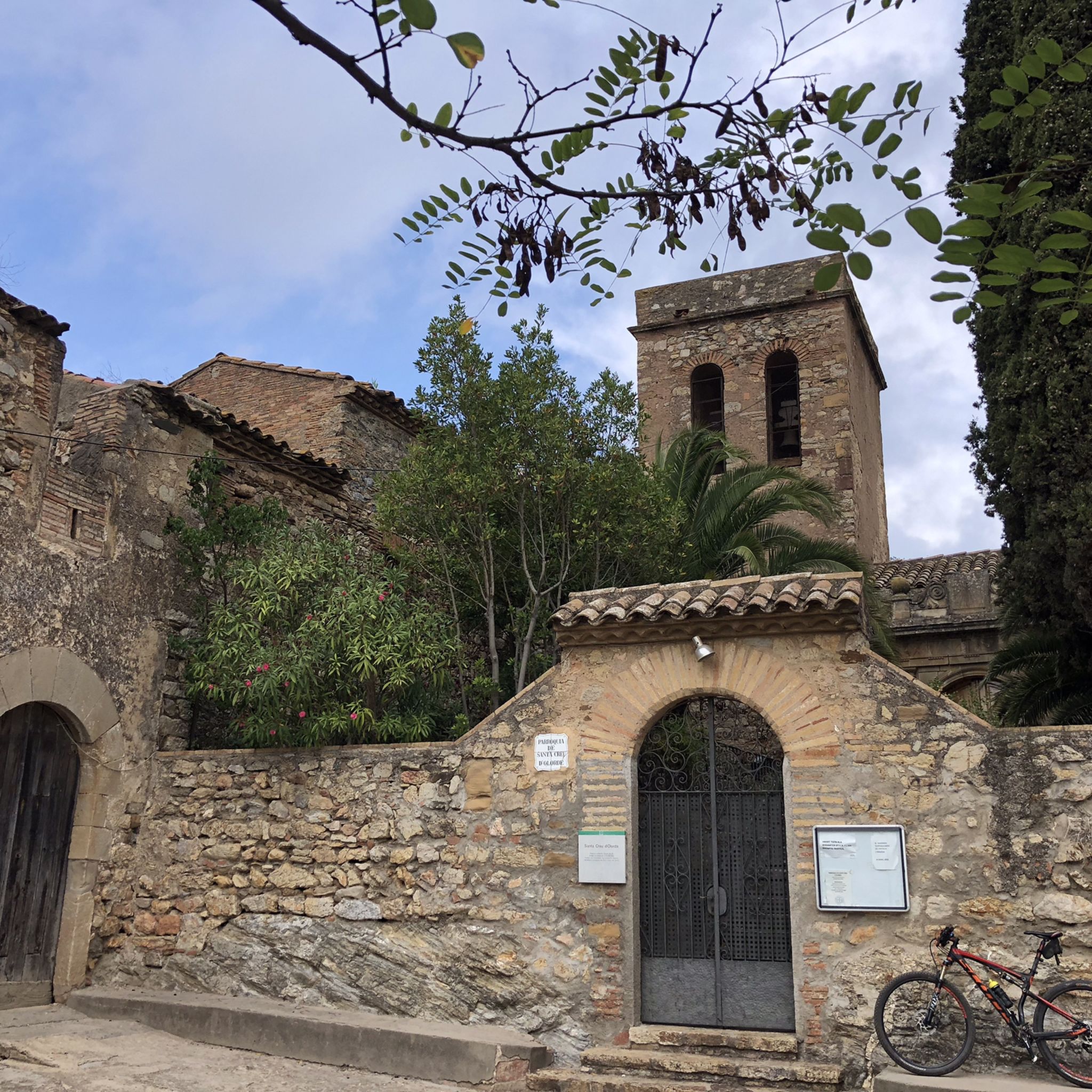
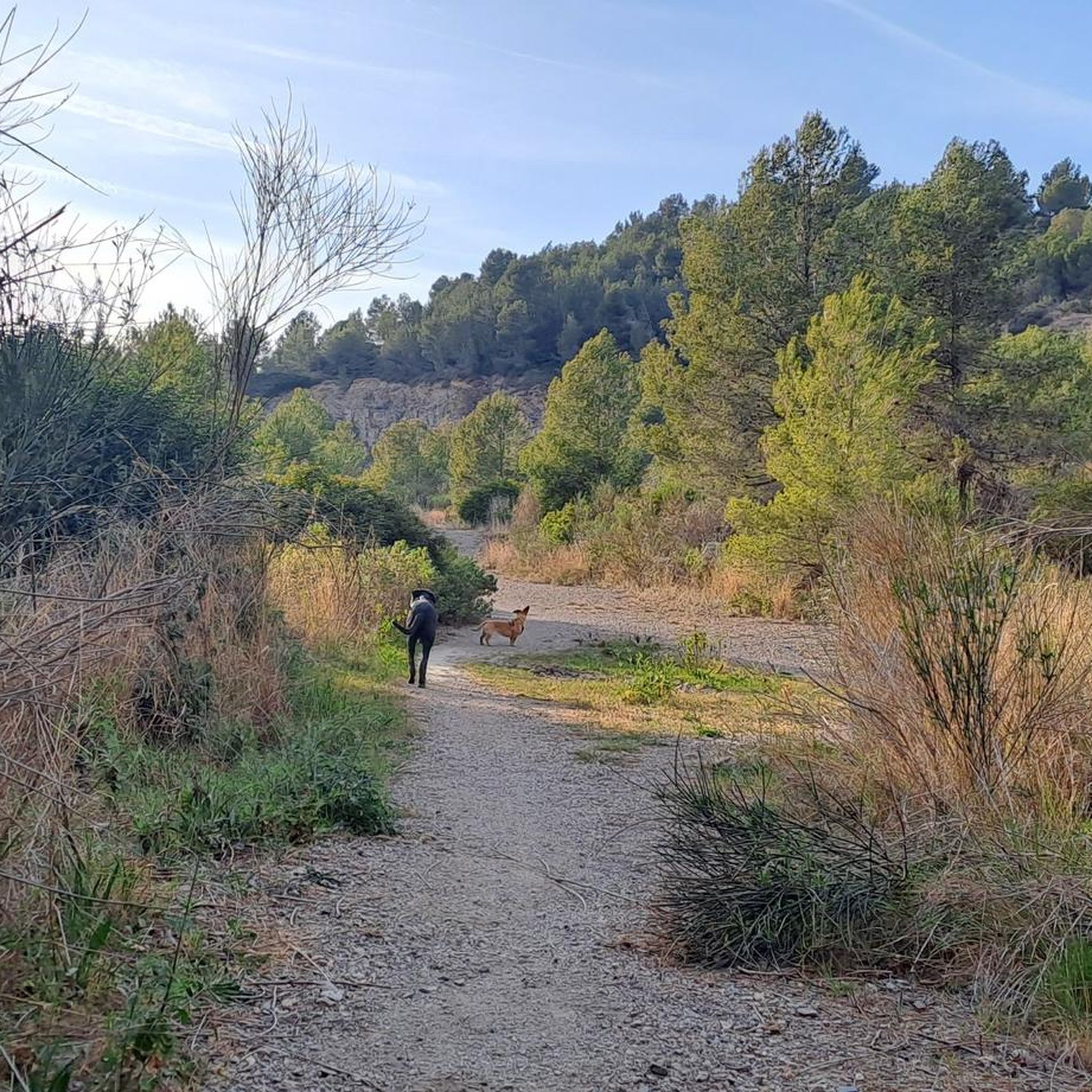
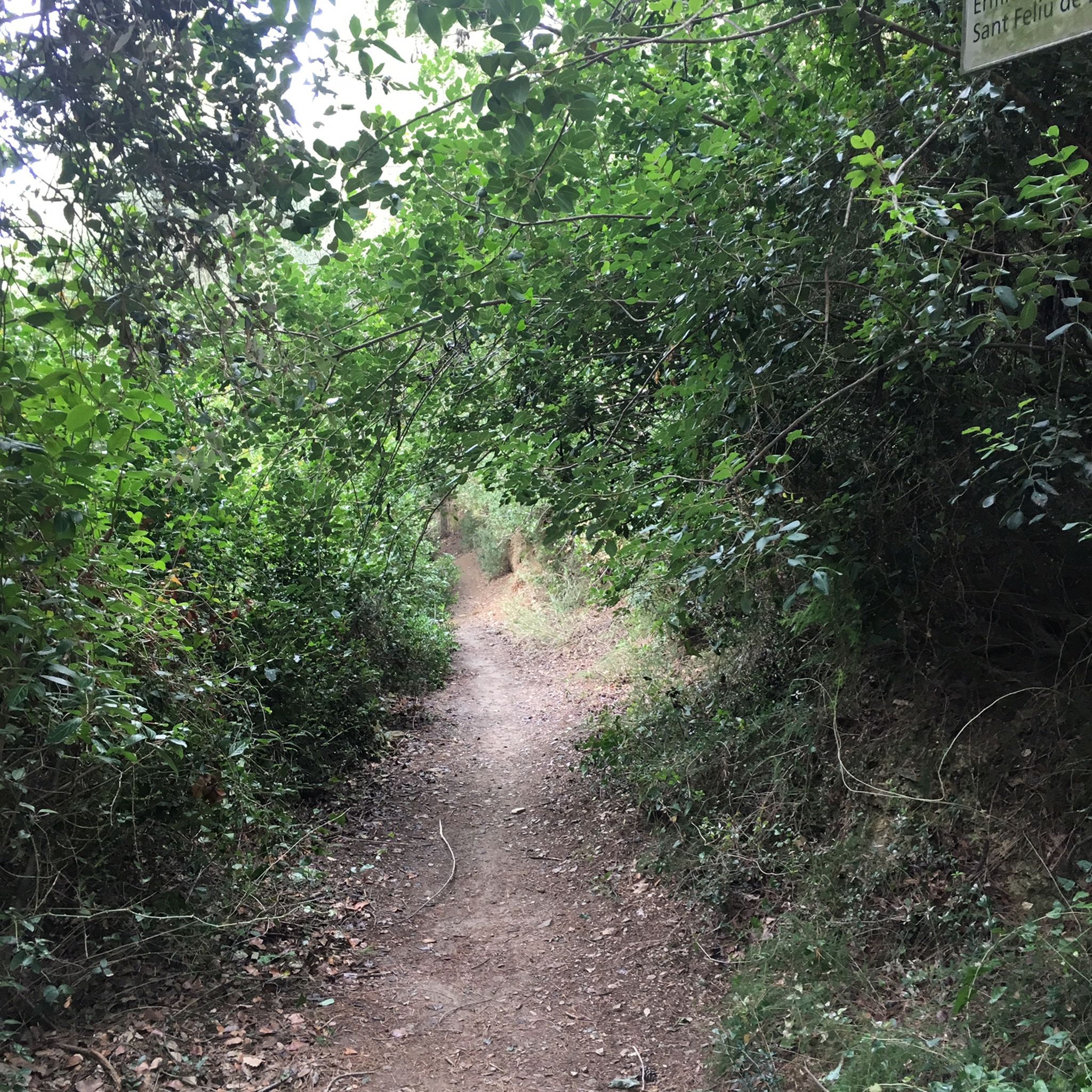

Tips from the Community

L'accès a les coves està actualment prohibit.
0
0

Spectacular evidence that is found in this area of the Serral de Can Ros and that above it, we find the mountain of Puig Vicenç. It is worth seeing the curious shapes that the mountain offers.
0
0

Beautiful place with incredible views. Here are the caves of Can Riera, a hidden natural oasis in Torrelles de Llobregat. They are three clay caves with reddish and orange walls, shaped by the erosive action of wind and rain over thousands of years. On weekends there are usually a lot of people visiting the caves, so if you can, try to go during the week.
2
0
The Grott Mine is a tunnel of almost one and a half kilometers that is located in the Sierra de Collserola. Its construction was to carry water from the Pantano de Vallvidrera to the old municipality of Sarrià.
2
0

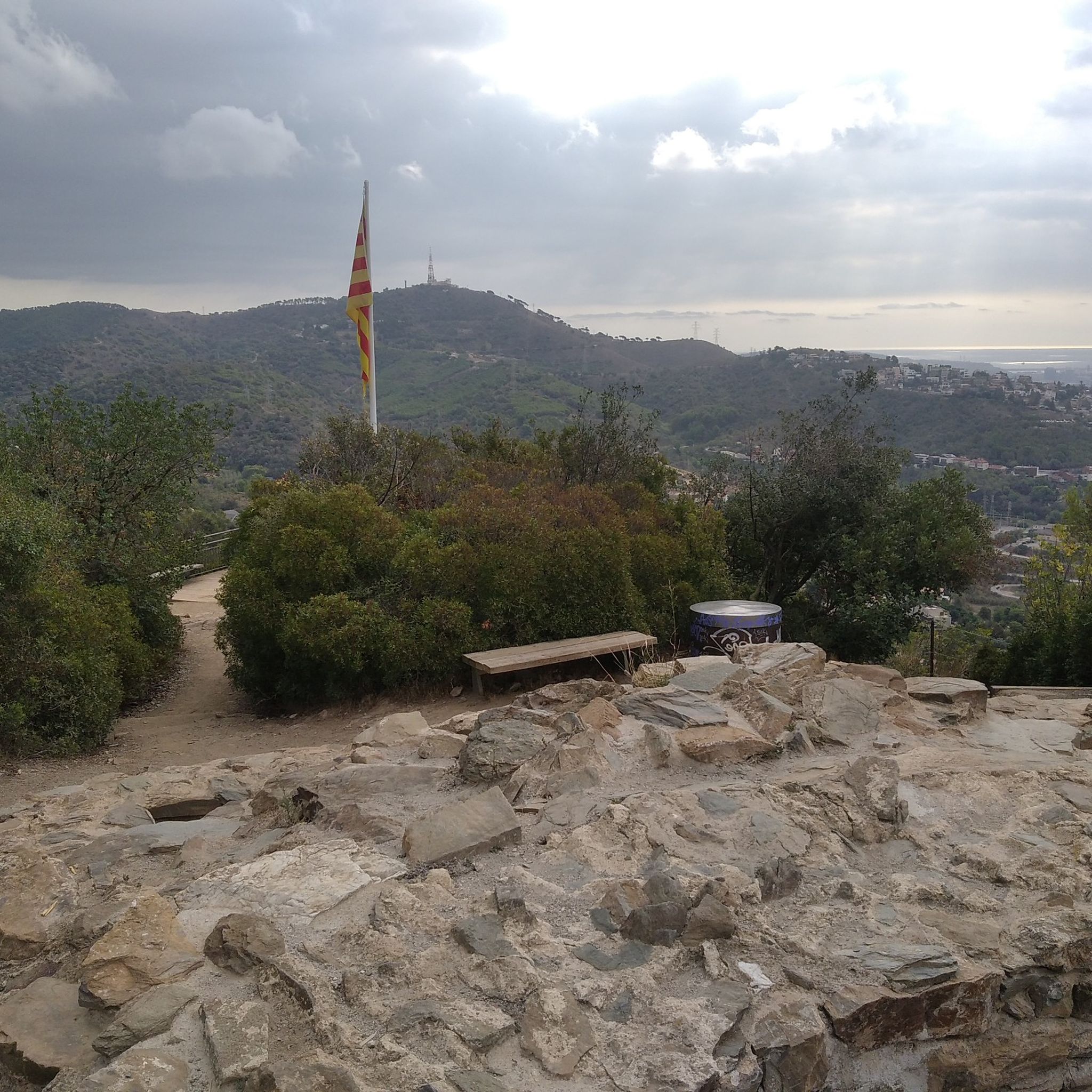
A strange cave in the side of the trail. It is a popular place for people to visit on a nice trail near Can Coll. I am not sure if the cave actually goes anywhere but the trail at the right time of the day gets beams of light that are magical.
5
1

Can Riera Caves, clayey stone cavities and winding reddish and orange walls. There are three caves that make up this natural wonder, but currently ACCESS IS PROHIBITED.
0
0

According to Sergi Falguera, a collaborator of the Friends of the Geology Museum association, the site began to be exploited in the 17th century, but the most important extractions date back to the 19th and 20th centuries, when it was named Juanita. . It was part of the land of the Masia de Santa Caterina, in the neighborhood of Pedralbes. The mine still has several access tunnels. It is low in water, but it is not drinkable because it carries the acid that is formed from the oxide of minerals
3
0

End station/Exit of an old tunnel built en the early 19C, which was firstly used as the water channel for transporting the reservoir water into the city, then as the end station for the express train taking visitors from the city to the heart of the natural park.
0
0
Frequently Asked Questions
What are some popular caves to visit near Sant Feliu de Llobregat?
While Sant Feliu de Llobregat itself doesn't have prominent natural caves, the broader Catalonia region offers several notable options. Popular choices include the Salnitre Caves of Collbató, known for their impressive geological formations and historical significance, and the Caves of El Toll in Moià, which offer archaeological insights into prehistoric life. Closer to Sant Feliu de Llobregat, you can find the Can Riera Caves, featuring unique clayey stone cavities, and the Waterfall and Grotto in Parc de Torreblanca, an imaginative grotto within a romantic garden.
Are there any historical caves or mines to explore in the region?
Yes, the region has several sites with historical significance. The Salnitre Caves of Collbató were historically used as saltpeter mines. The Juanita Mine is another historical site with tunnels that were exploited for minerals in the 19th and 20th centuries. Additionally, the Mina Grott is an old tunnel originally built in the early 19th century to transport water. The Caves of El Toll and L'Espluga de Francolí Caves are also significant archaeological sites showcasing prehistoric human life.
What kind of geological formations can I expect to see in the caves?
The caves in the wider Catalonia region offer diverse geological formations. The Salnitre Caves of Collbató are famous for their calcareous rock formations, including stalactites, stalagmites, columns, and flags, with organic shapes said to have inspired Antoni Gaudí. The Cova de les Meravelles (Caves of Wonders) in Benifallet is particularly known for its breathtaking array of formations, including rare 'eccentrics'. The Can Riera Caves are unique for their clayey stone cavities and winding reddish and orange walls, shaped by erosion.
Are there family-friendly cave experiences available?
Yes, several options are suitable for families. The Waterfall and Grotto in Parc de Torreblanca is a family-friendly spot within a park, featuring an imaginative grotto, islands, lakes, and waterfalls. The The Cave Near Can Coll is also considered family-friendly and is located on a popular trail. The Caves of El Toll and L'Espluga de Francolí Caves offer guided tours and replicas of prehistoric settlements, providing educational and engaging experiences for all ages.
What is the best time of year to visit caves in the region?
Caves generally maintain a constant temperature year-round, making them a good option regardless of the season. For example, the Salnitre Caves of Collbató maintain a constant temperature of 14 °C. However, if you plan to combine your cave visit with outdoor activities or exploring the surrounding areas, spring (April-May) and autumn (September-October) offer pleasant weather for hiking and sightseeing.
What should I wear when visiting caves?
Even on warm days, cave interiors can be cool and damp. It's advisable to wear comfortable walking shoes with good grip, as paths can be uneven or wet. A light jacket or sweater is recommended to stay warm. Some caves may require helmets, which are usually provided by tour operators.
Are there guided tours available for caves in the area?
Yes, several notable caves offer guided tours. The Salnitre Caves of Collbató, the Caves of El Toll, and the L'Espluga de Francolí Caves all provide guided experiences to help visitors explore their geological features and historical significance. These tours often offer deeper insights into the caves' formation and past uses.
What outdoor activities can I combine with a cave visit?
The region around Sant Feliu de Llobregat offers various outdoor activities that can complement a cave visit. You can find numerous gravel biking routes, running trails, and MTB trails. For instance, the Juanita Mine is accessible from the Les Aigües road, which is popular for walks, and The Cave Near Can Coll is located directly on a trail, making it easy to combine with a hike.
Are any caves near Sant Feliu de Llobregat wheelchair accessible?
While many natural caves present challenges due to uneven terrain, narrow passages, and steps, some facilities may offer partial accessibility. It is best to check directly with specific cave attractions like the Salnitre Caves of Collbató or the L'Espluga de Francolí Caves for their current accessibility provisions, as these are more developed tourist sites.
How long does a typical cave visit take?
The duration of a cave visit varies depending on the specific site and whether you opt for a guided tour. For example, the publicly accessible galleries of the Salnitre Caves of Collbató extend for 549 meters, and a guided tour typically lasts around an hour. Smaller caves like The Cave Near Can Coll might be explored in a shorter time as part of a longer walk.
Are there any less crowded cave options?
The Can Riera Caves can get busy on weekends, so visiting during the week might offer a quieter experience. For a more remote feel, exploring some of the less-developed historical mines like Juanita Mine or Mina Grott, which are often part of hiking routes, could provide a less crowded adventure.
Most popular routes around Sant Feliu De Llobregat
Most popular attractions around Sant Feliu De Llobregat

Get inspired with the komoot mobile app


Explore more
Extend your search for the best caves by checking out these guides of the top ones around Sant Feliu De Llobregat:
