Top 5 Castles around Llíria
Best castles around Llíria are primarily historical sites where ancient fortresses and fortified settlements once stood, offering a glimpse into its diverse past. Llíria is a town rich in history and archaeological significance, located in a region with a varied landscape. The area's fortified past includes Iberian, Muslim, and Christian influences, providing a compelling historical experience. Visitors can explore remnants of these structures and enjoy panoramic views of the surrounding territory, including the Sierra Calderona.
Best castles around Llíria
- The…
Last updated: August 13, 2026
Chulilla Castle
Highlight • Castle
Although in ruins, its remains reveal its former splendor. It served as …
Translated by Google •
Tip by

Castillo del Real
Highlight • Castle
Tip by

Sign up now to discover places like this
Get recommendations on the best single tracks, peaks, & plenty of other exciting outdoor places.
Sign up for free
View from the Castel Real
Highlight • Viewpoint
Tip by

Castell de Benisanó
Highlight • Castle
Translated by Google •
Tip by

View of Chulilla and its castle
Highlight • Viewpoint
Translated by Google •
Tip by
Sign up for free to discover even more castles around Llíria.
Sign up for free
Already have an account?
Start today with a free account
Your next adventure awaits.
Login or Signup
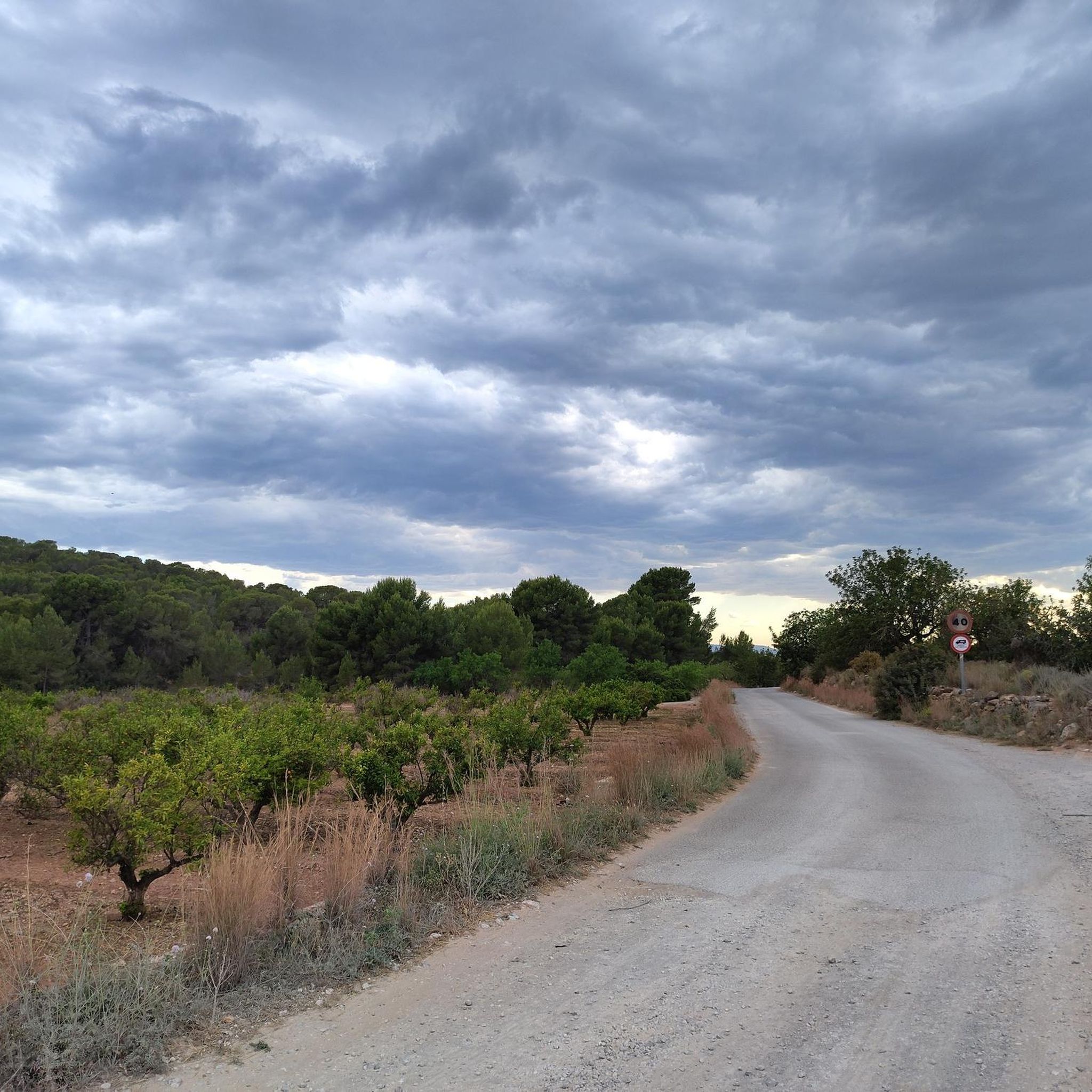
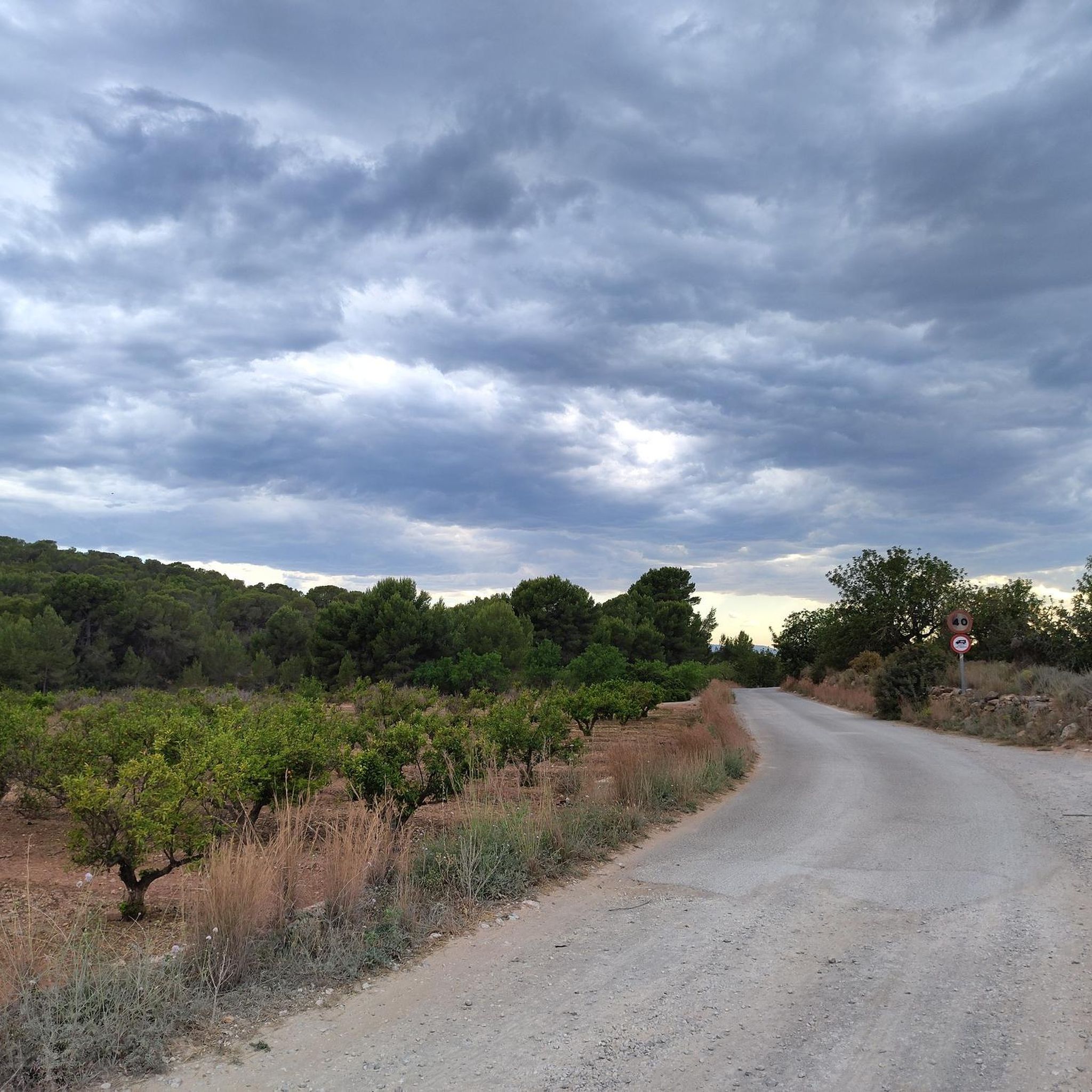
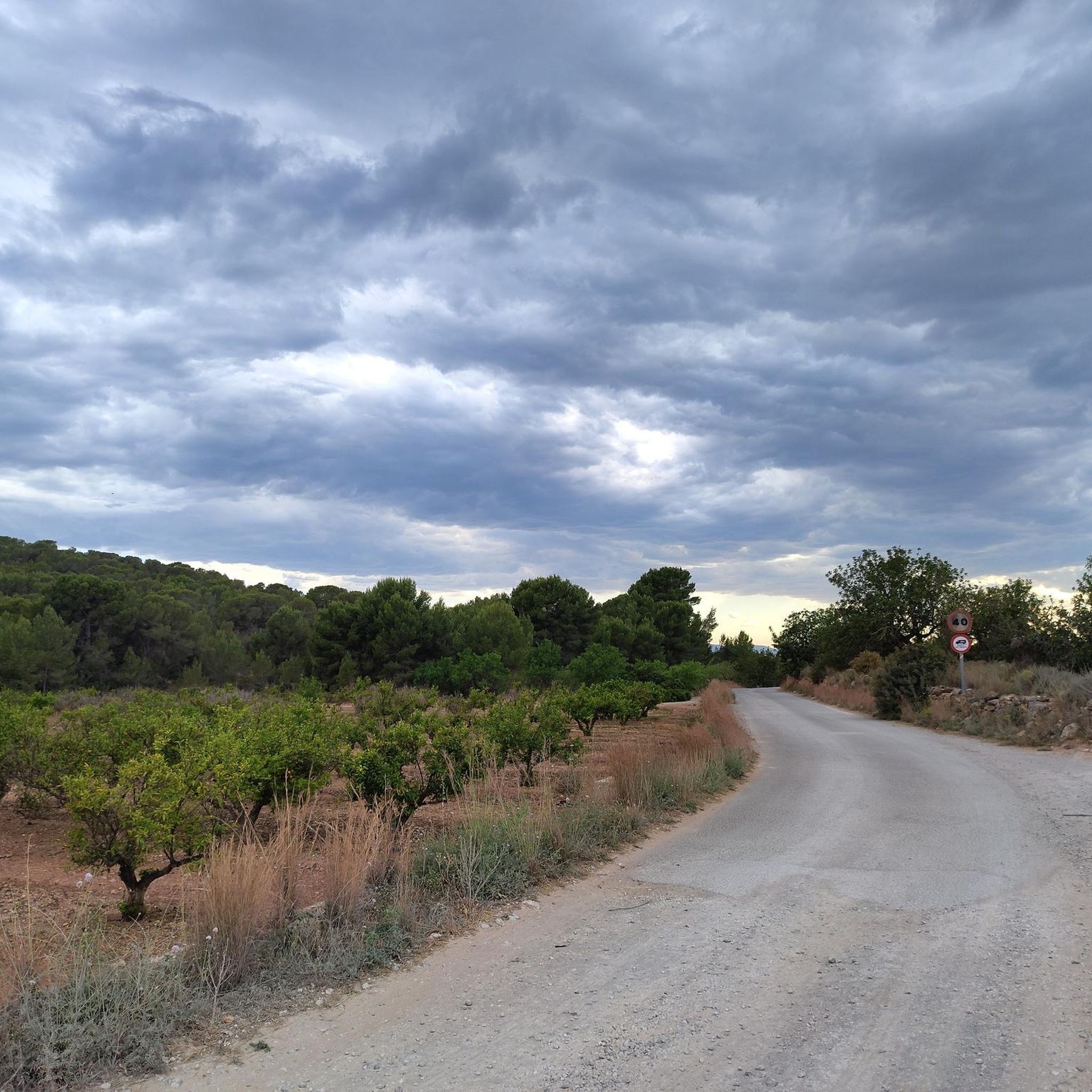
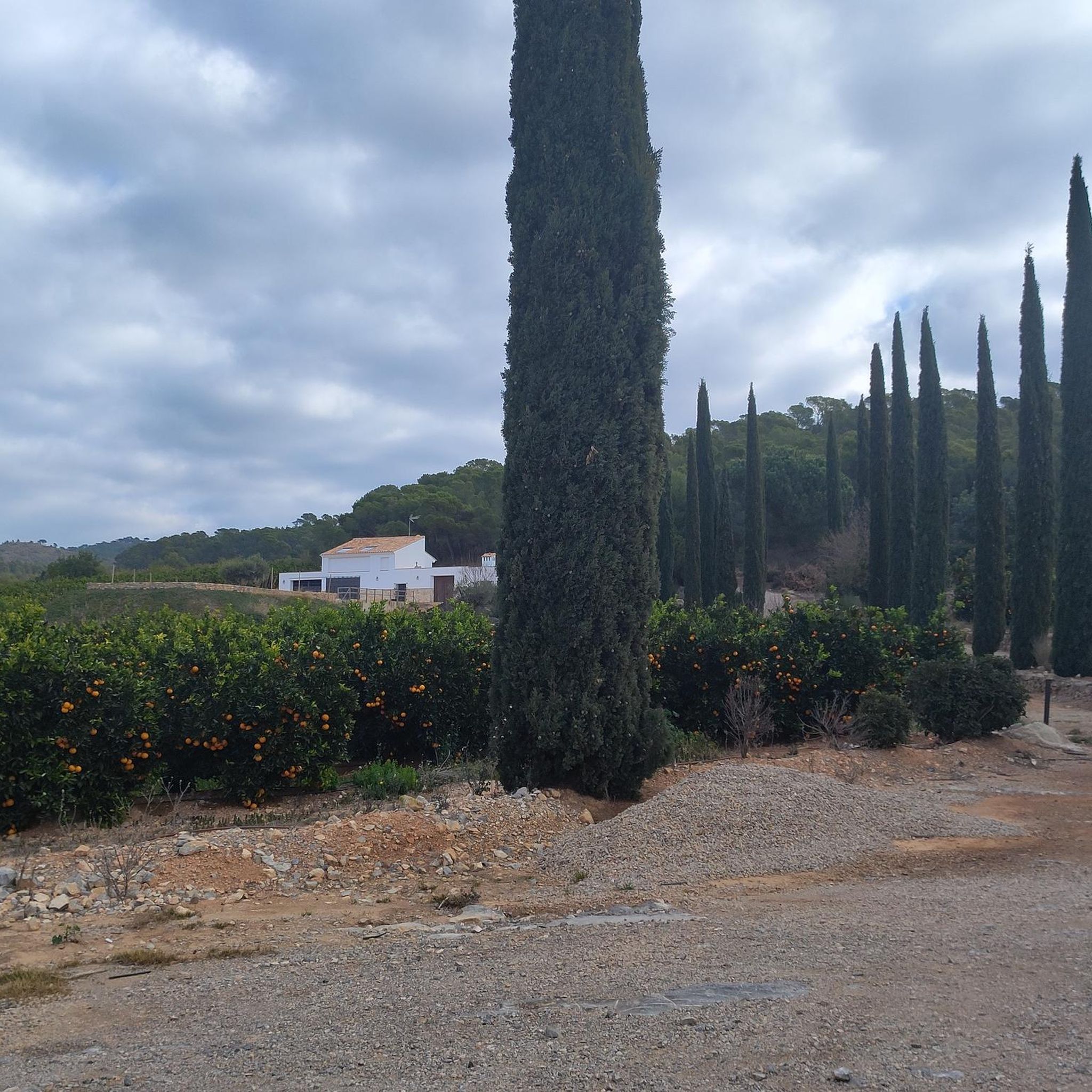

Tips from the Community

15th century castle at the entrance to the town of Benisano. Can be visited Saturdays and Sundays
0
0

There is a special atmosphere in this castle, the short climb is well worth it. And the views from the ends of the castle are sublime. If you want to see it on video, go to 22:42 on this video https://youtu.be/6C-ttg8DGEc
0
0

Chulilla is a charming village located in the Serranía region, in the Valencian Community, Spain. This place combines nature, history and adventure, and offers a unique experience for visitors.
7
0
At the top of the town is the Chulilla Castle, a historical-artistic monument dating from the 12th century. Although in ruins, its remains reveal its former splendor. It served as a fortress, residence and ecclesiastical prison. From here, you will enjoy spectacular views of the villa and its surroundings.
2
0

Beautiful Chullila Castle, free entry. Spectacular views towards the valley and Chullila.
1
0

Accessible by forest track.
0
0
Take some time to explore this wonderful place
1
0
The views from the Castel réal are stunning - you can even see the see and Valencia, as well as the coast beyond
1
0
Frequently Asked Questions
What kind of historical sites can I explore in Llíria?
Llíria is rich in archaeological significance, featuring remnants of ancient fortresses and fortified settlements rather than traditional standing castles. You can explore sites like the Castillo del Cerro de San Miguel, which integrates Iberian, Muslim, and Christian history with the Monastery of San Miguel. Additionally, the region boasts significant Iberian settlements such as Edeta and Castellet de Bernabé, offering insights into ancient urban planning and daily life.
Are there any well-preserved castles near Llíria?
Yes, while Llíria itself focuses on archaeological sites, the surrounding area offers several notable castles. For instance, Castell de Benisanó is considered one of the best-preserved castle-palaces in the Valencian Country. Another significant site is Bétera Castle, Palace of the Boïl, an Islamic-origin fortress that now houses municipal offices.
What are the most popular castle sites to visit around Llíria?
Among the most appreciated sites by the komoot community are Castillo del Real, known as a dramatic landmark in a beautiful natural park, and Chulilla Castle, a 12th-century historical-artistic monument with impressive ruins and spectacular views.
What kind of views can I expect from these castle sites?
Many of the historical sites and castles around Llíria offer fantastic panoramic views. From the Castillo del Cerro de San Miguel, you can enjoy sweeping vistas of Llíria and the Sierra Calderona. Similarly, the View from the Castel Real provides stunning perspectives, including glimpses of the sea and Valencia, while Chulilla Castle offers spectacular views of the villa and its surroundings.
Are there family-friendly options among the castles and historical sites?
Yes, Bétera Castle, Palace of the Boïl is categorized as family-friendly. Its accessible nature and the fact that it houses municipal offices can make it an interesting visit for families. Exploring the archaeological sites like Edeta can also be an educational experience for older children interested in history.
What is the best time of year to visit the castles and historical sites in Llíria?
The best time to visit is typically during the spring (April-May) and autumn (September-October) months. During these periods, the weather is generally mild and pleasant, making it ideal for exploring outdoor historical sites and enjoying the panoramic views without the intense heat of summer or the cooler, wetter conditions of winter.
What outdoor activities can I do near the castles around Llíria?
The region around Llíria is excellent for outdoor activities. You can find numerous cycling and mountain biking routes. For cycling, explore options like the 'Café in Spain – Pedralvilla loop' or the 'Llíria-Benaguasil bike path loop'. If you prefer mountain biking, consider routes such as 'Drop Spring – Tristán Farmhouse loop'. You can find more details on these and other routes in the Cycling around Llíria and MTB Trails around Llíria guides.
How difficult are the walks to these historical sites?
The difficulty varies by site. For example, reaching Castillo del Real involves a stiff climb, but it is considered well worth the effort for the views. The Castillo del Cerro de San Miguel, where Edeta is located, also involves walking up a hill. Many routes to viewpoints and castle ruins are categorized as intermediate or challenging, so checking specific route details on komoot is recommended.
Are there any Iberian settlements worth visiting in Llíria?
Absolutely. Llíria is home to significant Iberian settlements. Edeta, located on the Tossal de Sant Miquel (San Miguel hill), was a major Iberian city and the capital of the Edetania region. You can see preserved streets and houses, and it has yielded an exceptional collection of painted Iberian ceramics. Another important site is Castellet de Bernabé, a well-preserved rural settlement showcasing Iberian urban planning and daily life.
What should I wear when visiting the castle sites and going for walks?
Given that many sites involve walking and some climbs, comfortable hiking shoes are highly recommended. Layers of clothing are also advisable, especially during spring and autumn, to adapt to changing temperatures. Don't forget sun protection, such as a hat and sunscreen, particularly during sunnier months, as many sites are exposed.
Can I access these sites by public transport?
While Llíria itself is accessible by public transport, reaching some of the more remote castle ruins or archaeological sites might require a car or a combination of public transport and walking. For sites within Llíria, like the Castillo del Cerro de San Miguel, local transport or a short walk from the town center would be feasible. For others, like Castillo del Real, a car might be more practical.
Are there any cafes or amenities near the historical sites?
Amenities like cafes are more likely to be found in the towns themselves, such as Llíria or Chulilla, rather than directly at the remote historical sites or castle ruins. It's a good idea to plan your visit to include stops in nearby villages for refreshments. For example, after visiting Chulilla Castle, you'll find cafes within the town of Chulilla.
Most popular attractions around Llíria

Get inspired with the komoot mobile app


Explore more
Looking for the best castles somewhere else? Discover other guides around Llíria:
