Top 4 Castles around Viguera
Best castles around Viguera are primarily ancient ruins and naturally fortified sites, offering a glimpse into the region's historical significance. Viguera, located in La Rioja, Spain, is known for its strategic position on rocky outcrops, which historically provided natural defenses. The area features remnants of fortifications that played a role in the Christian Reconquest and early medieval power struggles. Exploring these sites provides insight into how natural topography was utilized for defense.
Best castles around Viguera
- The most popular castles…
Last updated: July 3, 2026
Clavijo Castle
Highlight • Castle
Translated by Google •
Tip by

Nalda Castle
Highlight • Castle
Translated by Google •
Tip by

Sign up now to discover places like this
Get recommendations on the best single tracks, peaks, & plenty of other exciting outdoor places.
Sign up for free
Peña Clavijo
Highlight • Castle
Translated by Google •
Tip by
Devil's Chair
Highlight • Castle
Translated by Google •
Tip by
Start today with a free account
Your next adventure awaits.
Login or Signup
Tips from the Community

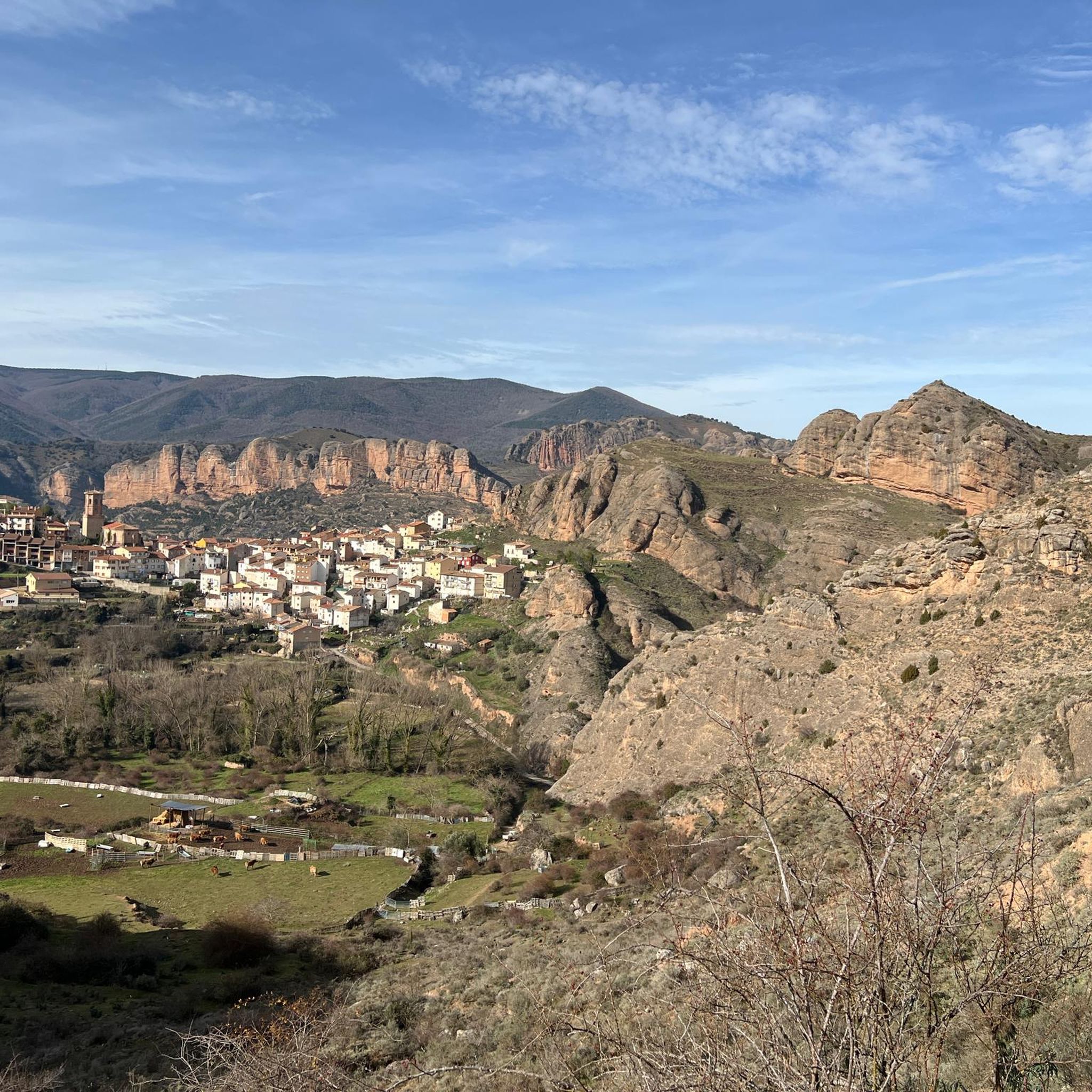
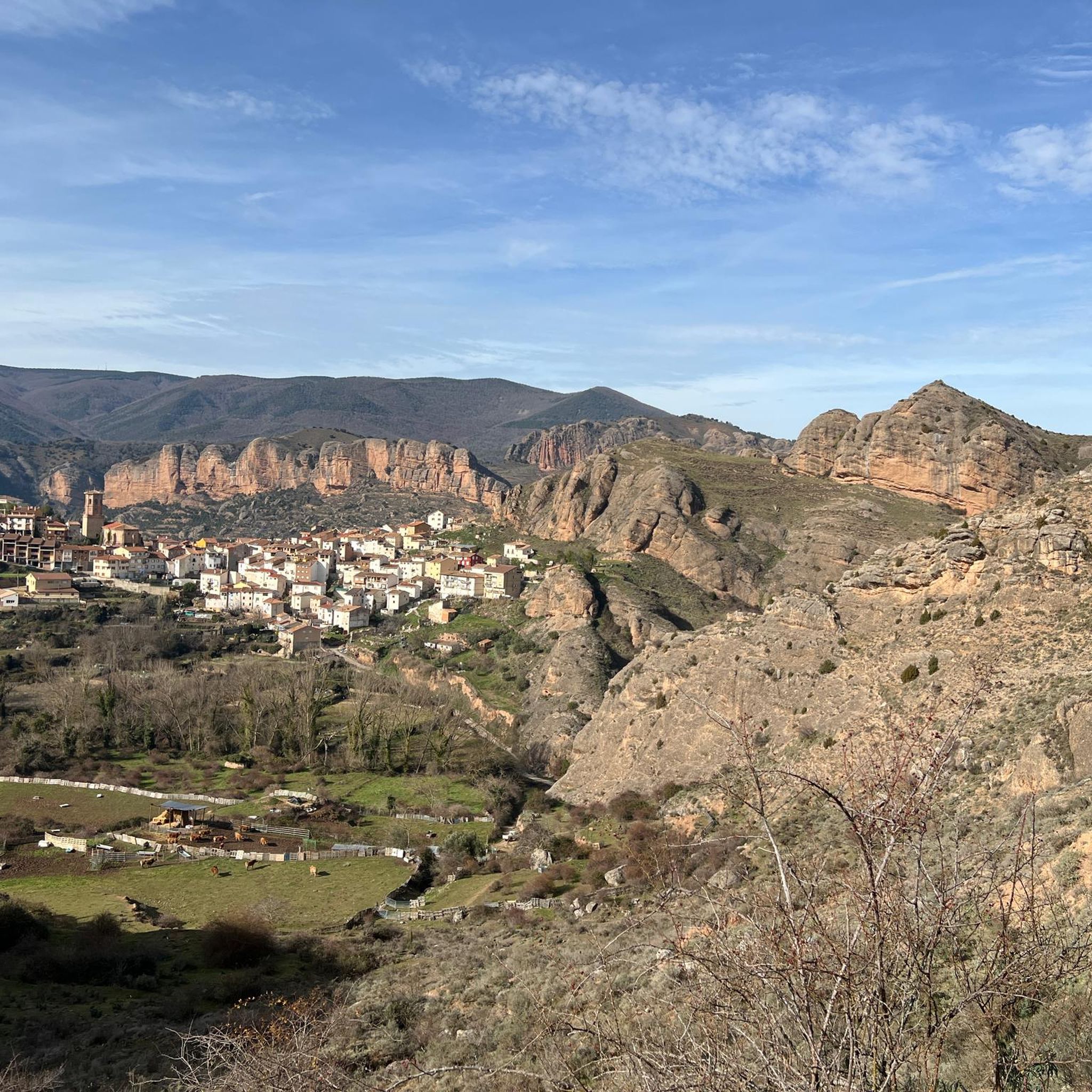
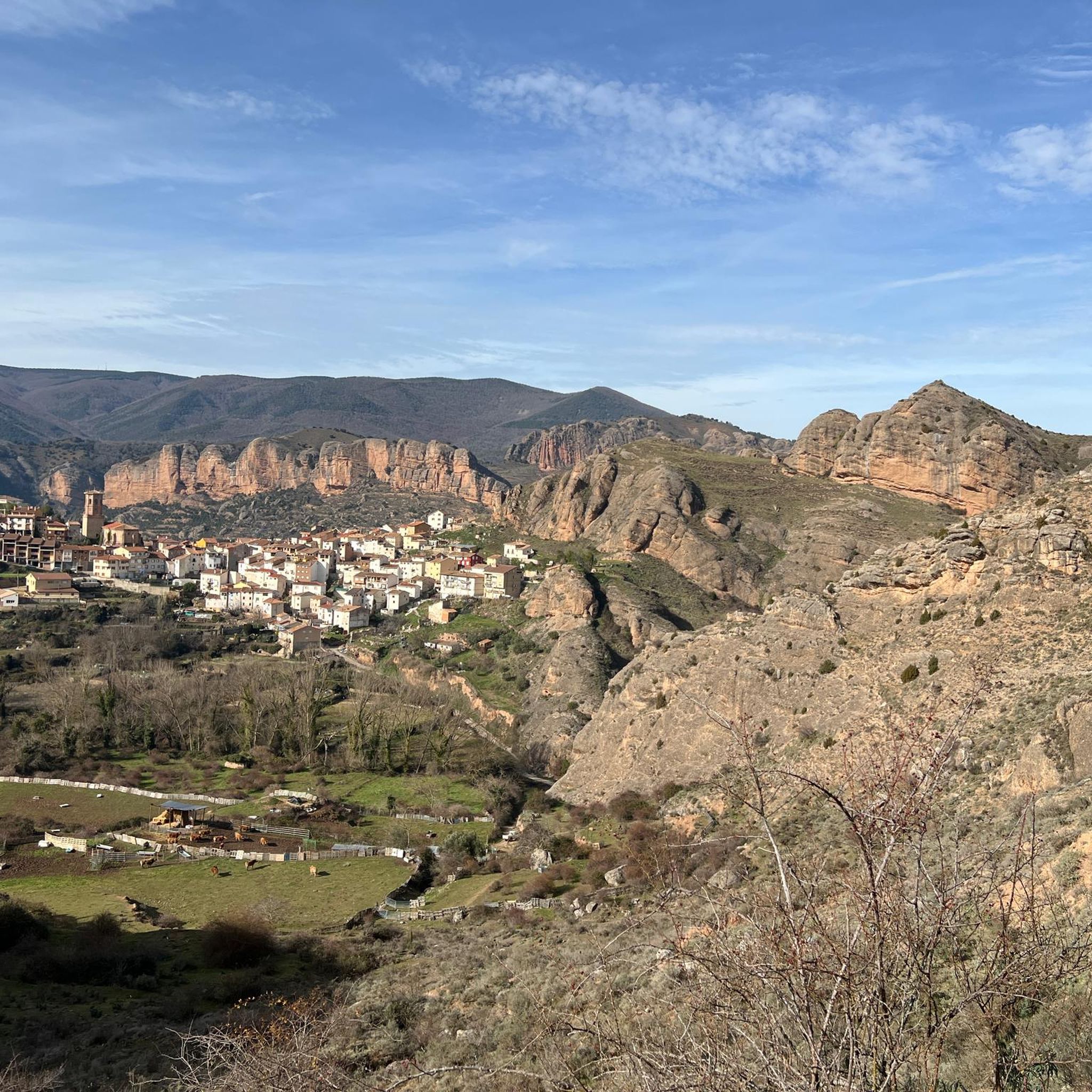
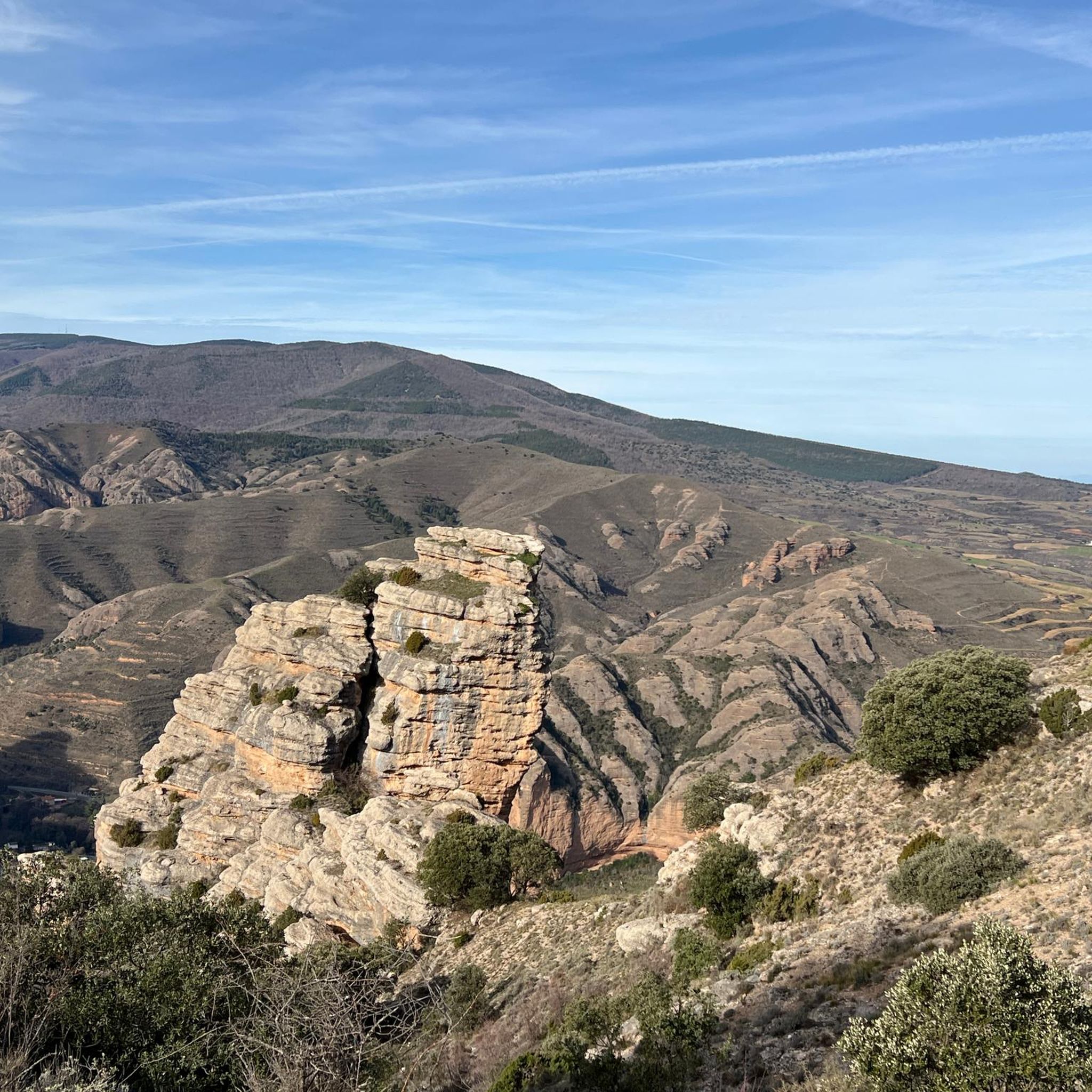
The name doesn't surprise me, because the climb is "devilish", I recommend not doing it on wet terrain. Above are the ruins of a small castle or fortification.
2
0

Possibly built in the 10th century. In the enclave of Clavijo, legend has it that the apostle Santiago, as patron saint of Spain, supported the troops of the king of León who had refused to pay homage to the Muslims of the south who demanded the famous tribute of the hundred maidens.
1
0

The chronicles of King Fernando IV bring the first news about this fortress, which in 1299 served as a prison for Juan Nuñez de Lara, defeated after attacking the lands of the bishopric of Calahorra. In the 14th century it was the center of power of the Señorío de Cameros, linked to the Ramírez de Arellano family. The abolition of manors in the 19th century ended its raison d'être, and it was quickly used as a source of construction materials by the local inhabitants. With time and the effect of rain and wind, landslides followed one another, and the base of the castle was flattened and conditioned as it was for threshing.
2
0

The town of Clavijo is located in the heart of Rioja's Tierra de Cameros, in a very broken terrain, surrounded by mountains with forests of holm oaks and oaks, Clavijo emerges, a place with a lot of legend and history. Barely 16 kilometers from Logroño, its fortress watches over from its battlements the roads that connect Castilla, Navarra and Aragón, the Leza river gorge and the Iregua and Ebro river valleys.
2
0

The remains of the rocky castle of Clavijo with a wall about 85 meters long and 1.50 meters thick. This spectacular fortification is made up of four towers from which you have a wide view of all the surroundings.
2
0

There are the remains of the rocky castle of Clavijo where, according to tradition, the battle took place in which the Apostle Santiago appeared, riding a white horse, in support of the Christian hosts. It is accessed by going up the path that ascends to the west of the urban area. The views are very beautiful from there.
0
0
Splendid castle in the process of restoration, it is worth the climb. The date of construction is not clear but it seems to have been in the 13th century. In the 19th century it suffered abandonment and plunder, its stones being used for other constructions in the area.
4
0
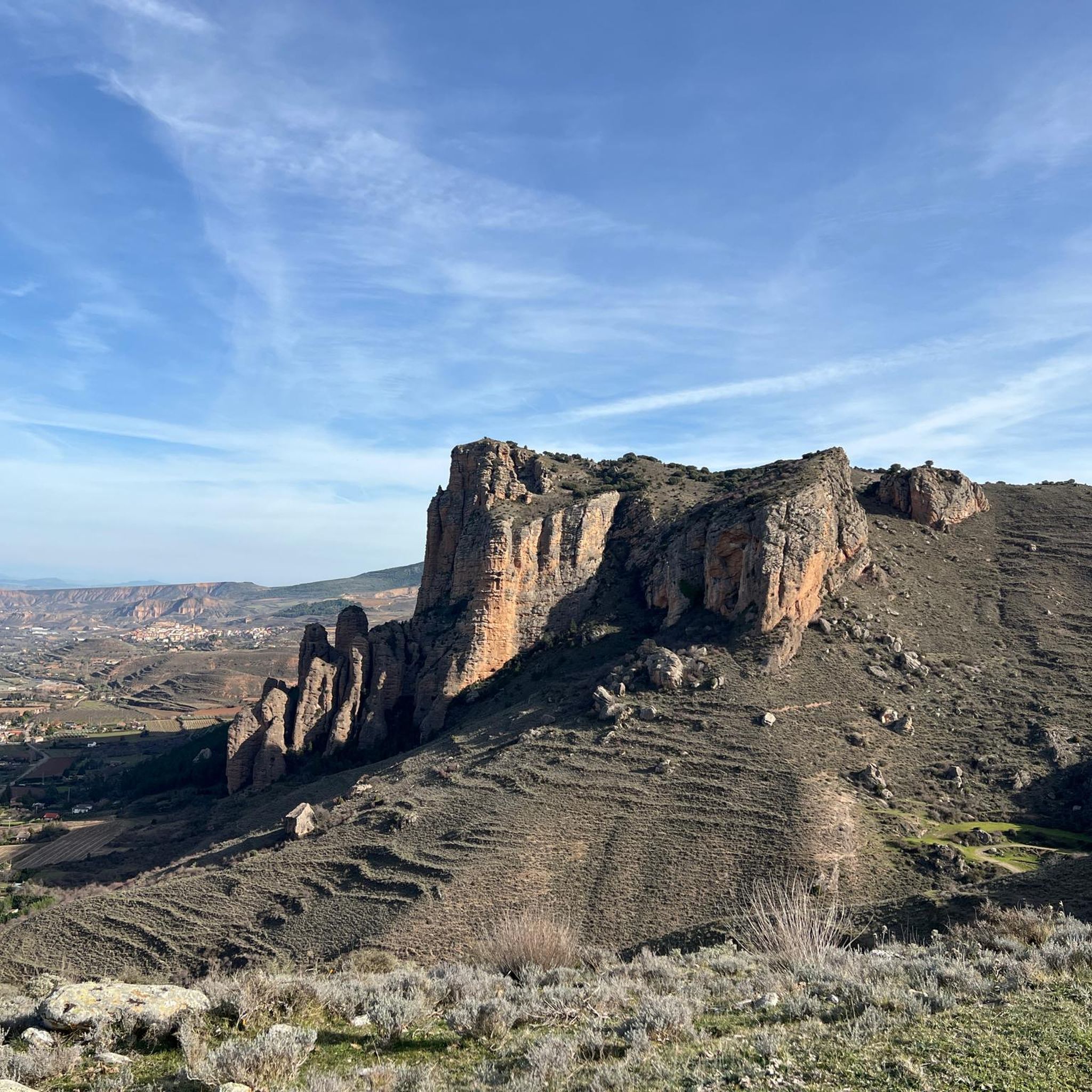
On one of the sides of the castle. With several climbing holds, both on the top and on the lower walls.
2
0
Frequently Asked Questions
What makes the castles around Viguera unique?
The castles around Viguera are primarily ancient ruins and naturally fortified sites, offering a glimpse into the region's historical significance. Many, like the original Castillo de Viguera, utilized strategic rocky outcrops as natural defenses, meaning extensive built walls were often unnecessary. They highlight how topography was used for defense during periods like the Christian Reconquest.
Which castles offer the best views of the surrounding area?
For wide views of the surroundings, Clavijo Castle is an excellent choice. Its spectacular fortification includes four towers that provide expansive vistas of the roads connecting Castilla, Navarra, and Aragón, as well as the Leza river gorge and the Iregua and Ebro river valleys. Additionally, Nalda Castle also offers great viewpoints.
Are there any castles in the Viguera area that are undergoing restoration?
Yes, Nalda Castle is currently in the process of restoration. This castle has a rich history dating back to the 13th century and served as a significant center of power for the Señorío de Cameros in the 14th century.
What kind of historical significance do the Viguera castle ruins hold?
The ruins, particularly those of the original Castillo de Viguera, played a crucial role during the Christian Reconquest and were a significant military base for the Banu Qasi in the late 9th century. Archaeological evidence suggests occupation from as early as the 5th century, highlighting the region's strategic importance throughout history.
Are there hiking or cycling routes near the castles around Viguera?
Yes, the area around Viguera offers various outdoor activities. For mountain biking, you can explore routes like the 'Nalda Castle – Cañada Real Soriana Summit loop' or the 'Cameros and Iregua Valley Loop'. If you prefer running, options include the 'Peña Bajenza loop' or the 'Cruz de Peña Bajenza – Cerro 1800 Trail loop'. Road cyclists can enjoy routes such as 'Valleys of the Rivers Leza and Iregua' or 'Near la Rasa y Collado de Sancho Leza'. You can find more details on these and other routes in the MTB Trails around Viguera, Running Trails around Viguera, and Road Cycling Routes around Viguera guides.
What is the best time of year to visit the castles in Viguera?
The mountainous landscape and natural rock formations make visiting enjoyable in milder weather. Spring and autumn generally offer pleasant temperatures for exploring the ruins and nearby trails. While winter visits are possible, be mindful of potentially wet terrain, especially for climbs to sites like Devil's Chair.
Are there any family-friendly aspects to visiting the castles?
While many sites are ruins, the historical context and natural settings can be engaging for families interested in history and outdoor exploration. The unique rock formations and the story of how natural topography was used for defense can spark imagination. However, some sites involve climbs, so assess the difficulty for younger children.
Can I bring my dog to the castle sites?
Generally, outdoor historical sites and trails in the Viguera region are dog-friendly, especially if your dog is well-behaved and kept on a leash. Always ensure you clean up after your pet. Specific restrictions might apply to certain indoor areas if any are accessible, but for the largely open-air ruins, it's usually permitted.
Are there any unique features for climbers near the castles?
Yes, Peña Clavijo, a castle site located on one of the sides of Clavijo Castle, features several climbing holds on both its top and lower walls, making it an interesting spot for those with climbing experience.
What are some of the natural features or viewpoints to look out for?
Beyond the castle ruins themselves, the region boasts impressive mountainous landscapes and natural rock formations. The strategic locations of these ancient fortifications often double as excellent viewpoints. For example, the site of the original Castillo de Viguera is on a prominent rocky outcrop, offering scenic vistas. View of Clavijo Castle is a specific highlight known for its panoramic outlook.
How long should I plan for a visit to the Viguera castle sites?
The time needed depends on which sites you plan to visit and your interest level. For the main Castillo de Viguera ruins, you might spend 1-2 hours exploring the remnants and enjoying the views. Visiting Clavijo Castle or Nalda Castle, especially if you include the climb and surrounding areas, could take 2-3 hours per site. If you plan to combine visits with hiking, allocate a full day.
Are there cafes or pubs available near the castle locations?
While the immediate vicinity of some ruins might be remote, the nearby villages and towns, including Viguera itself, offer options for cafes, pubs, and accommodation. It's advisable to check local listings for specific establishments and their operating hours before your visit.
Most popular attractions around Viguera

Get inspired with the komoot mobile app


Explore more
Looking for the best castles somewhere else? Discover other guides around Viguera:
