Attractions and Places To See in the Mississippi Delta - Top 20
Best attractions and places to see in the Mississippi Delta encompass a region known for its deep history, distinctive culture, and unique natural beauty. This area played a significant role in the birth of the Blues and the Civil Rights Movement. The landscape is characterized by the iconic Mississippi River, vast wetlands, and bottomland hardwood forests, supporting a rich variety of flora and fauna. The region offers insights into American music, civil rights, and historical narratives.
Best attractions and places to see in the Mississippi Delta
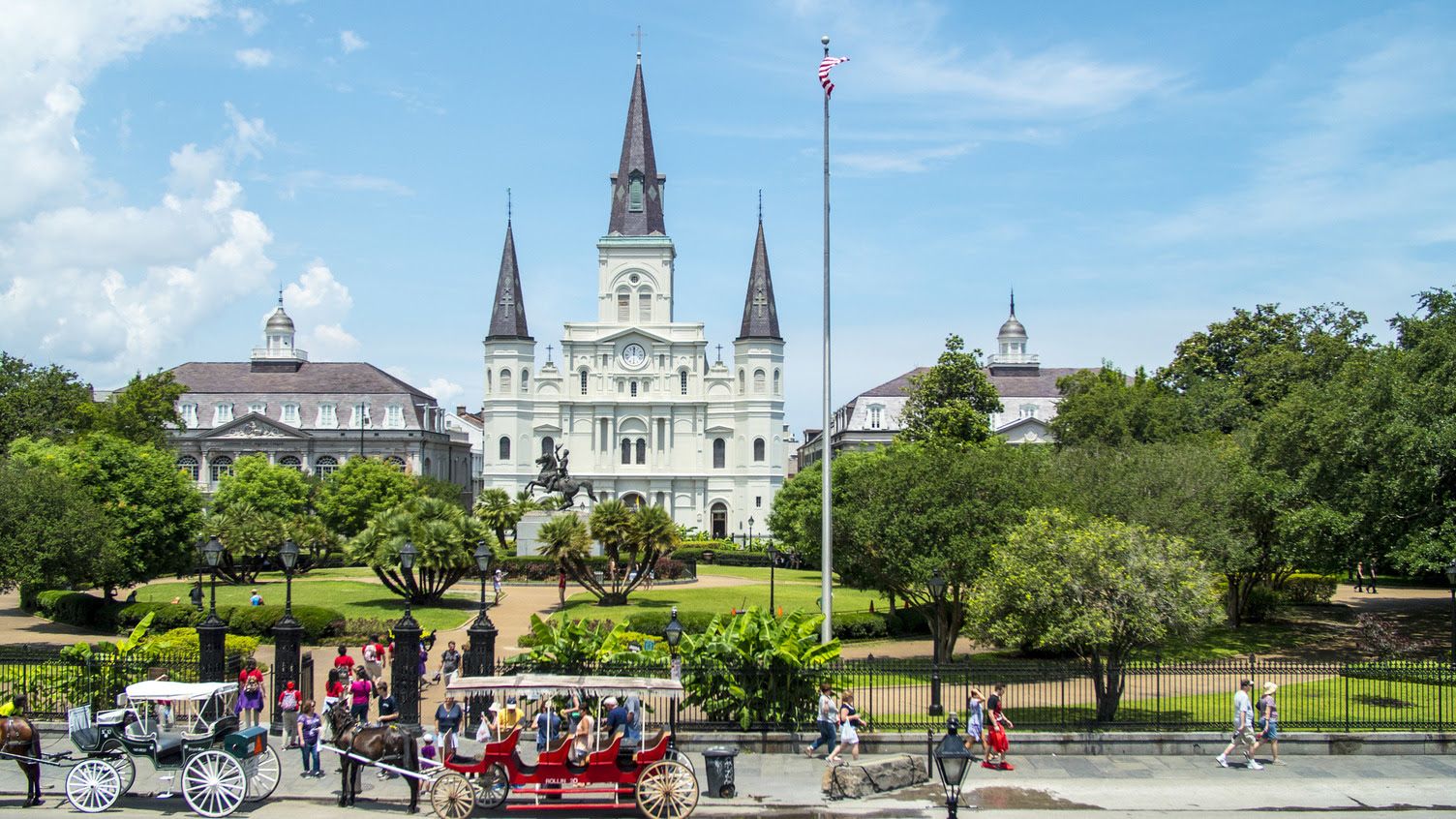
- The most popular attractions is Jackson Square, a historical site that is an absolute highlight and a must for every visitor to the city. This 2.5-acre space is one of New Orleans' most recognizable landmarks, named after the bronze statue of Andrew Jackson located in its center.
- Another must-see spot is Steamboat Natchez, a man-made monument offering authentic technology and views. Taking a ride on this vessel provides a fun experience, especially the evening cruise, and includes the option to visit the engine room.
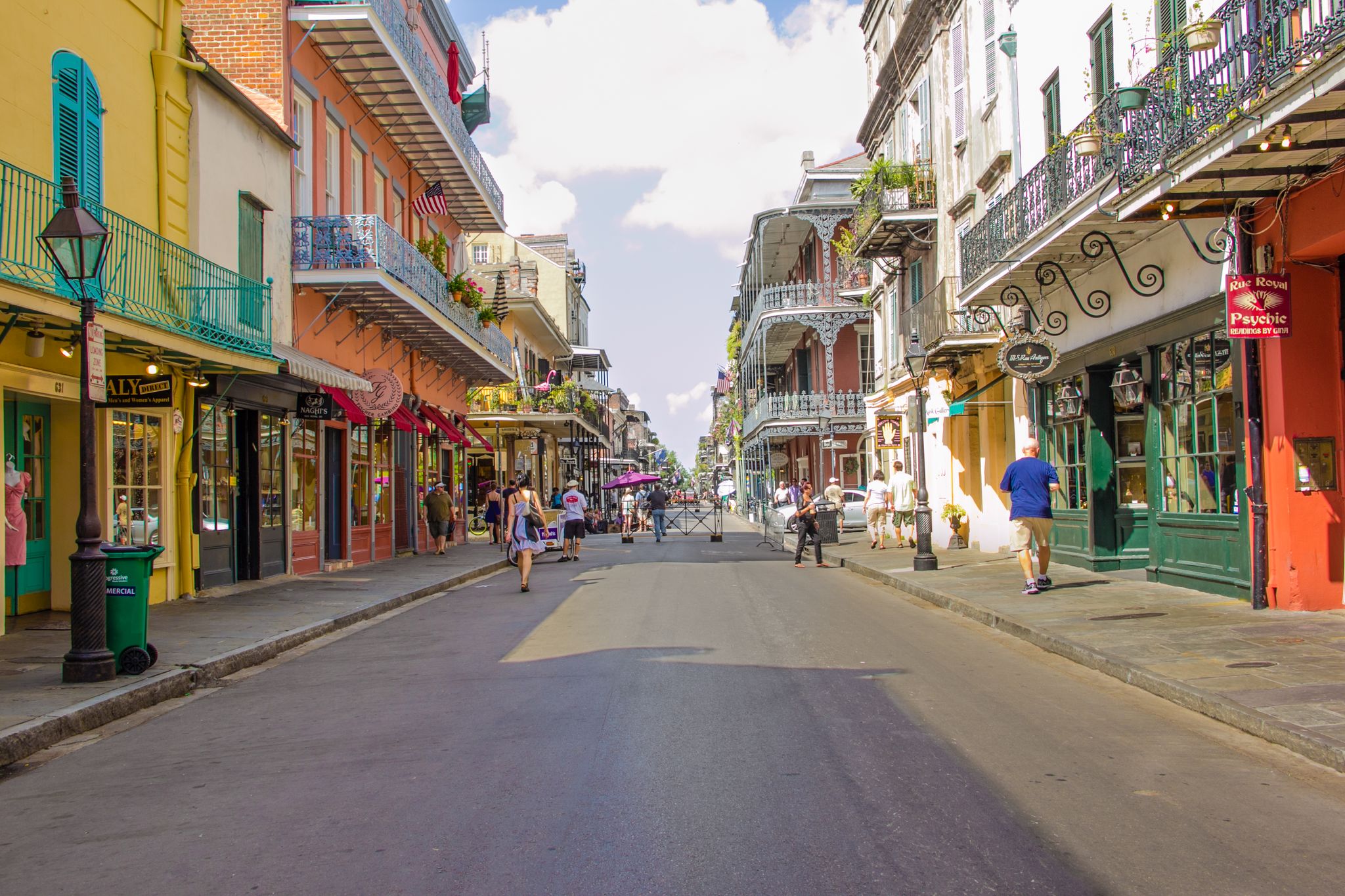
- Visitors also love French Quarter Historic Architecture, the historic heart of New Orleans. This district, with its colorful facades, wrought-iron balconies, and colonial architecture, is a major tourist attraction featuring museums, music clubs, and cafes.
- Mississippi Delta is known for its blues music heritage, historical sites, and natural features. Visitors can explore a variety of attractions, from museums dedicated to music and history to significant landmarks and natural landscapes along the Mississippi River.
- The attractions in the Mississippi Delta are appreciated by the komoot community, with 6 upvotes and 32 photos shared by visitors.
Last updated: July 2, 2026
Lafayette Cemetery No. 1
Highlight • Historical Site
Translated by Google •
Tip by

French Quarter Historic Architecture
Highlight • Historical Site
Translated by Google •
Tip by
Sign up now to discover places like this
Get recommendations on the best single tracks, peaks, & plenty of other exciting outdoor places.
Sign up for free
Steamboat Natchez
Highlight • Monument
Tip by

St. Louis Cathedral
Highlight • Religious Site
Tip by

Jackson Square
Highlight • Historical Site
Translated by Google •
Tip by

Sign up for free to discover even more attractions in the Mississippi Delta.
Sign up for free
Already have an account?
Start today with a free account
Your next adventure awaits.
Login or Signup
Popular around Mississippi Delta
Like in the movies – road trip through the USA's south
The rhythms of the river – road trip along the Mississippi
Die Südstaaten – Bunte Straßen, Strände und Bayous
Hiking in the Mississippi Delta
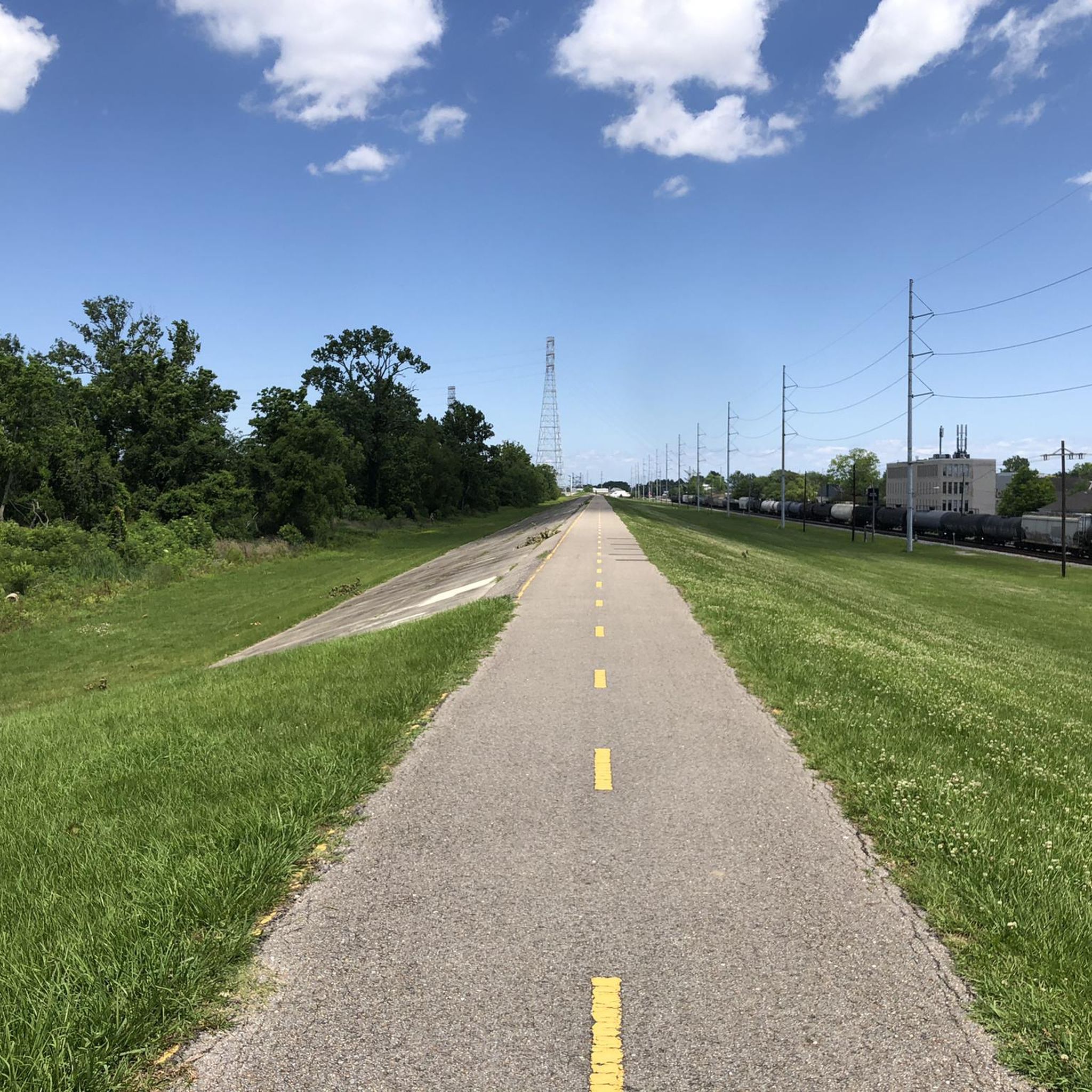
Road Cycling Routes in the Mississippi Delta
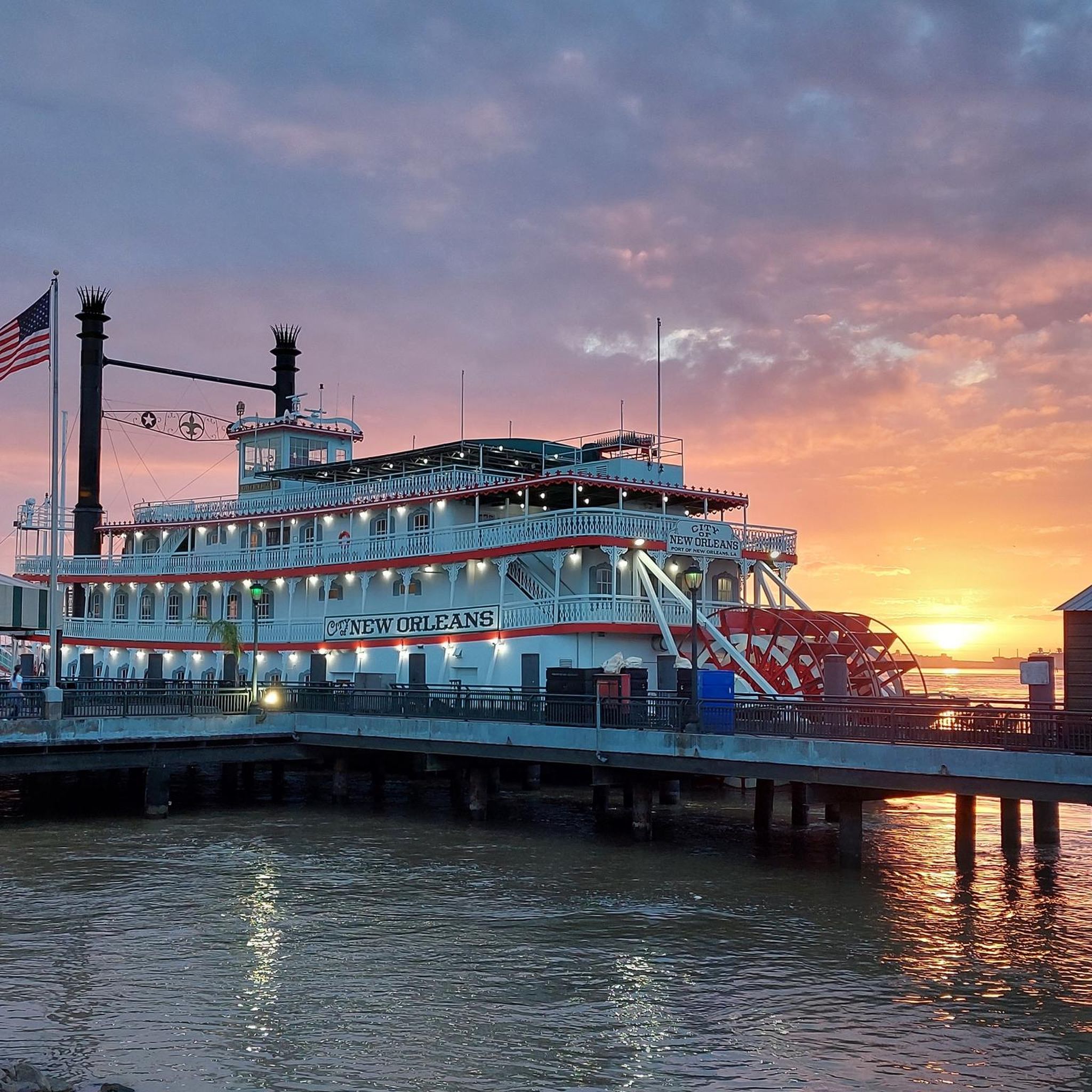
Running Trails in the Mississippi Delta
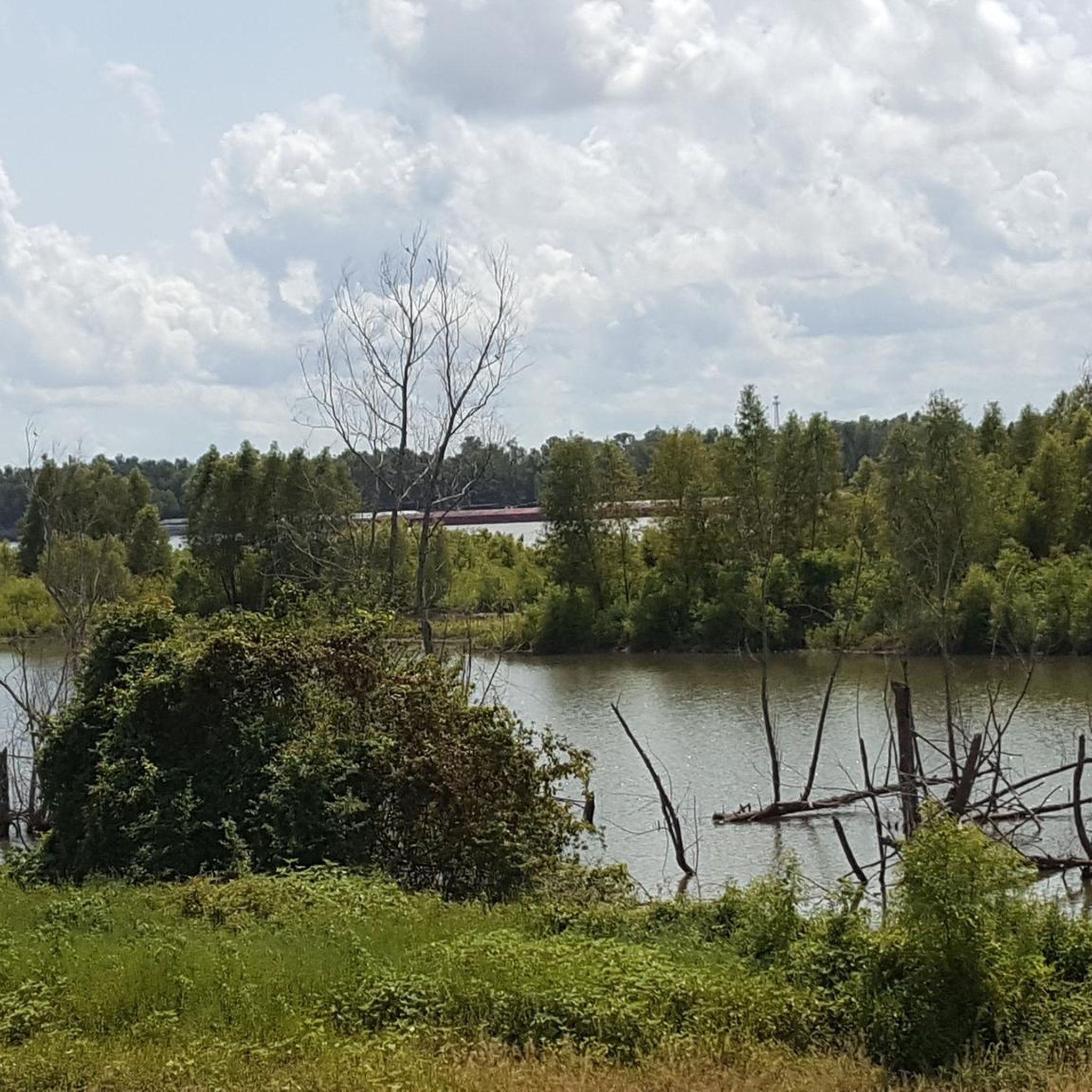
Cycling in the Mississippi Delta

Tips from the Community

As the sun sets over the French Quarter, a striking image appears on the New Orleans skyline: the illuminated cross atop St. Louis Cathedral. Perched on the cathedral's central spire, this cross is subtly yet powerfully illuminated, creating a spiritual beacon in the nighttime cityscape. The cross is not only a religious symbol but also a visual reminder of the city's historical and cultural roots. Visible from Jackson Square and even from the riverfront, it contributes to the mystical atmosphere so characteristic of New Orleans.
2
0
Jackson Square is a historic square in the heart of the French Quarter of New Orleans, Louisiana. It is named after General Andrew Jackson, who played a key role in the Battle of New Orleans in 1815.
1
0

Lafayette Cemetery No. 1 is located in New Orleans' Garden District and was established in 1833. On a single block, there are approximately 1,100 family plots, many of which have been used for generations. The cemetery is known for its dense development, clearly structured pathways, and some of the elaborately designed gravesites. The site has been used as a filming location several times: scenes for Interview with the Vampire, Double Jeopardy, The Originals, and Dracula 2000, among others, were shot here.
0
0
The French Quarter is the historic heart of New Orleans and is considered the city's oldest district. Its origins date back to 1718, when the first buildings were built around the central square. Today, colorful facades, wrought-iron balconies, and colonial architecture characterize the area. Many houses date back to the Spanish period. The district was designated a historic landmark in 1965 and is a tourist attraction with museums, music clubs, cafes, and vibrant street art.
0
0


Imposing statue right in the center of the city
3
0
I can only agree with "Biene" ☺️ a steamboat ride is an absolute MUST and also fantastically beautiful and relaxing
4
0
One of the main reasons to visit the city is definitely a stroll through the French Quarter, which still seems quite original and a bit out of time - very beautiful, with a lot of charm - despite the temporary crowds
3
0
Frequently Asked Questions
What historical sites can I visit in the Mississippi Delta?
The Mississippi Delta is rich in history. You can explore the significant Lafayette Cemetery No. 1 in New Orleans' Garden District, known for its historic above-ground tombs. The French Quarter Historic Architecture in New Orleans offers a glimpse into the city's oldest district with its colonial buildings. Beyond New Orleans, the region features the Vicksburg National Military Park, commemorating the Civil War Battle of Vicksburg, and the Winterville Mounds Archeological Site, showcasing pre-Columbian inhabitants.
Where can I experience the Mississippi Delta's musical heritage?
The Mississippi Delta is the birthplace of the Blues. Key sites include Dockery Farms near Cleveland, considered the 'birthplace of the Blues.' You can also visit the B.B. King Museum and Delta Interpretive Center in Indianola, the Delta Blues Museum in Clarksdale, and the GRAMMY Museum Mississippi in Cleveland, all celebrating the region's profound musical legacy.
Are there family-friendly attractions in the Mississippi Delta?
Yes, many attractions cater to families. Taking a ride on the Steamboat Natchez offers an authentic and fun experience for all ages, especially the evening cruise. Historical sites like Jackson Square and St. Louis Cathedral are also suitable for family visits. The Jim Henson Museum in Leland, celebrating the creator of the Muppets, is another engaging option for families.
What natural features can I explore in the Mississippi Delta?
The Mississippi Delta is a vast and ecologically diverse region. It forms North America's largest wetland area and bottomland hardwood forest, crucial for migratory birds. You can explore the Delta National Forest, a unique bottomland hardwood ecosystem, and experience the diverse habitats along the Mississippi River, including wetlands, marshes, and swamps, which support a rich variety of wildlife.
What outdoor activities are available near the attractions?
The Mississippi Delta offers various outdoor activities. For cycling enthusiasts, there are routes like the 'Capitol Lake to University Lake loop' or the 'Mississippi River Trail to Madonna Chapel.' Runners can enjoy trails such as the 'Jackson Square – Woldenberg Riverfront Park loop.' You can find more detailed routes and guides for cycling, running, and road cycling in the region.
Where can I learn about the Civil Rights Movement in the Delta?
The Mississippi Delta played a pivotal role in the Civil Rights Movement. The Mississippi Freedom Trail includes several markers in the Delta region commemorating key figures and events, such as the Fannie Lou Hamer Gravesite in Ruleville and the Bryant's Store/Emmett Till marker in Money.
What is the best time of year to visit the Mississippi Delta?
The Mississippi Delta experiences hot, humid summers and mild winters. Spring (March to May) and Fall (September to November) generally offer the most pleasant weather for exploring outdoor attractions and historical sites, with comfortable temperatures and less humidity.
Are there any unique shopping or art experiences in the Delta?
Yes, the Delta offers unique cultural and artistic experiences. McCarty's Pottery Studio in Merigold is renowned for its distinctive pottery, often featuring a squiggly line representing the Mississippi River. In Clarksdale, Cat Head Delta Blues & Folk Art is a well-known record store offering blues music, art, and often hosting live performances.
Can I find unique dining experiences in the Mississippi Delta?
Absolutely. Doe's Eat Place in Greenville is a famous culinary landmark, celebrated for its legendary tamales and steaks, offering a truly authentic Delta dining experience.
What are some lesser-known or 'hidden gems' in the Mississippi Delta?
Beyond the major attractions, consider visiting the Historic Downtown Como or the Town of Friars Point Historic District, both recognized for their historical significance within the Mississippi Delta National Heritage Area. The Vicksburg Riverfront Murals also offer a unique artistic and historical perspective on the city.
What do visitors enjoy most about the Mississippi Delta?
Visitors frequently appreciate the deep historical and cultural immersion the Delta offers, particularly its blues music heritage and Civil Rights history. The unique natural landscapes, such as the vast wetlands and the Mississippi River itself, also draw many. The authentic local experiences, from live music venues to unique dining, are often highlighted as favorites.
Are there options for experiencing the Mississippi River directly?
Yes, you can experience the Mississippi River firsthand. The Steamboat Natchez offers river cruises with authentic technology and scenic views. Additionally, the Tunica RiverPark and Museum provides insights into the river's history and allows visitors to experience the Delta from a river cruise.
Most popular routes in the Mississippi Delta
Most popular attractions in the Mississippi Delta

Get inspired with the komoot mobile app


Explore more
Still not found the Highlight you’re looking for? See guides of the top attractions in other regions:
