Top 5 Castles around La Nava
Best castles around La Nava offer a journey through centuries of history, primarily in the Huelva province of Spain. This region features ancient fortified sites and medieval fortresses, often situated on strategic high points. The landscape provides a backdrop for exploring structures that have witnessed significant historical events. Visitors can discover a blend of defensive architecture and cultural heritage within this area.
Best castles around La Nava
- The most popular castles is Mosque of Almonaster la Real, a religious…
Last updated: July 3, 2026
Mosque of Almonaster la Real
Highlight • Religious Site
Translated by Google •
Tip by

Cortegana Castle
Highlight • Castle
Translated by Google •
Tip by
Sign up now to discover places like this
Get recommendations on the best single tracks, peaks, & plenty of other exciting outdoor places.
Sign up for free
Cortegana Castle and Church of the Divine Savior
Highlight • Castle
Translated by Google •
Tip by

Cumbres Mayores Castle
Highlight • Castle
Translated by Google •
Tip by

Castle of Cumbres de San Bartolomé
Highlight • Castle
Translated by Google •
Tip by
Start today with a free account
Your next adventure awaits.
Login or Signup


Tips from the Community

The mosque is built on a hill overlooking the town of Almonaster la Real. It is integrated into a complex that includes, in addition to the oratory, an old Muslim fortress attached to a bullring. It is a trapezoidal construction, with an ablution courtyard or sahn and a prayer room or haram. The prayer room consists of five naves of unequal width, with arcades that run transverse to the qibla. The fabric of the building is made of brick, granite blocks and masonry. Carry materials were used for its construction, such as funerary altars, Roman columns and capitals, as well as Visigothic fragments. It is a fascinating historical and architectural place that is worth a visit to appreciate its rich history and unique beauty.
3
0

This castle belonging to the Galician Band was built between the 13th and 15th centuries under the reign of Sancho IV el Bravo. It has eight towers linked by a great stone wall. It is worth visiting its interior, which can be accessed on weekends and holidays for less than two euros.
1
0
The castle of Cumbres de San Bartolomé is a construction from the 13th and 14th centuries located in the historic center of the municipality of the same name. This fortification is part of the Banda Gallega, a group of castles from the Late Middle Ages that were close to the border with Portugal.
1
0

As you walk through the streets of Cortegana you will see various examples of monumental heritage that have survived to this day in an excellent state of preservation. You must see the Medieval Castle of Cortegana, the Hermitage of Nuestra Señora de la Piedad, the church of Divino Salvador, the hermitage of San Sebastián, the hermitage of Jesús Nazareno, the bullring, and La Casa Mudéjar.
1
0
A fortress of medieval origin that is part of the so-called Banda Gallega, military fortifications that were built to protect the lands of Seville from Portuguese incursions. Wonderful experience with beautiful views and magnificent conservation of the castle. An emblematic place. You can go to www.castillodecortegana.net to see the schedules.
1
0
A fortress of medieval origin that is part of the so-called Banda Gallega, military fortifications that were built to protect the lands of Seville from Portuguese incursions. Wonderful experience with beautiful views and magnificent conservation of the castle. An emblematic place.
1
0
It is the only mosque in Spain that has survived practically intact to this day in a rural area. It was built between the 9th and 10th centuries and is located inside the walled remains of the Almonaster Castle. After the reconquest it was converted into a rural Christian hermitage. And later the Plaza de Toros was attached to it. It is an essential visit if you are in the Sierra de Aracena. The mosque is small but very well preserved and there are also wonderful views.
1
0

It has an exceptional value, being the only Andalusian mosque that has been preserved almost intact in Spain in a rural area, declared a National Monument in 1931. It is also located at the highest point and offers views of this Huelva town.
3
0
Frequently Asked Questions
What are the most historically significant castles to visit around La Nava?
The region around La Nava offers several historically rich sites. The Mosque of Almonaster la Real is particularly notable as the only Andalusian mosque preserved almost intact in a rural area of Spain, built on a hill overlooking the town and integrated with an old Muslim fortress. Cortegana Castle, a medieval fortress from the 13th century, was a crucial part of the Banda Gallega defensive line. Additionally, the ancient fortress in La Nava, Huelva, though not a standing castle, holds significant archaeological findings from the 3rd century B.C., indicating its strategic importance since ancient times.
Are there any castles around La Nava that offer unique architectural features?
Yes, the Mosque of Almonaster la Real is a unique example, showcasing a blend of Muslim and Christian architectural elements, built with brick, granite, and incorporating Roman and Visigothic fragments. While not directly in the immediate vicinity of the Huelva castles, the Castillo Palacio de Magalia in Las Navas del Marqués, Ávila, is a significant Renaissance-style building with a unique blend of palace and defensive features, including a circular tower from the 11th century and rare flat vaults.
What kind of views can I expect from the castles in the La Nava region?
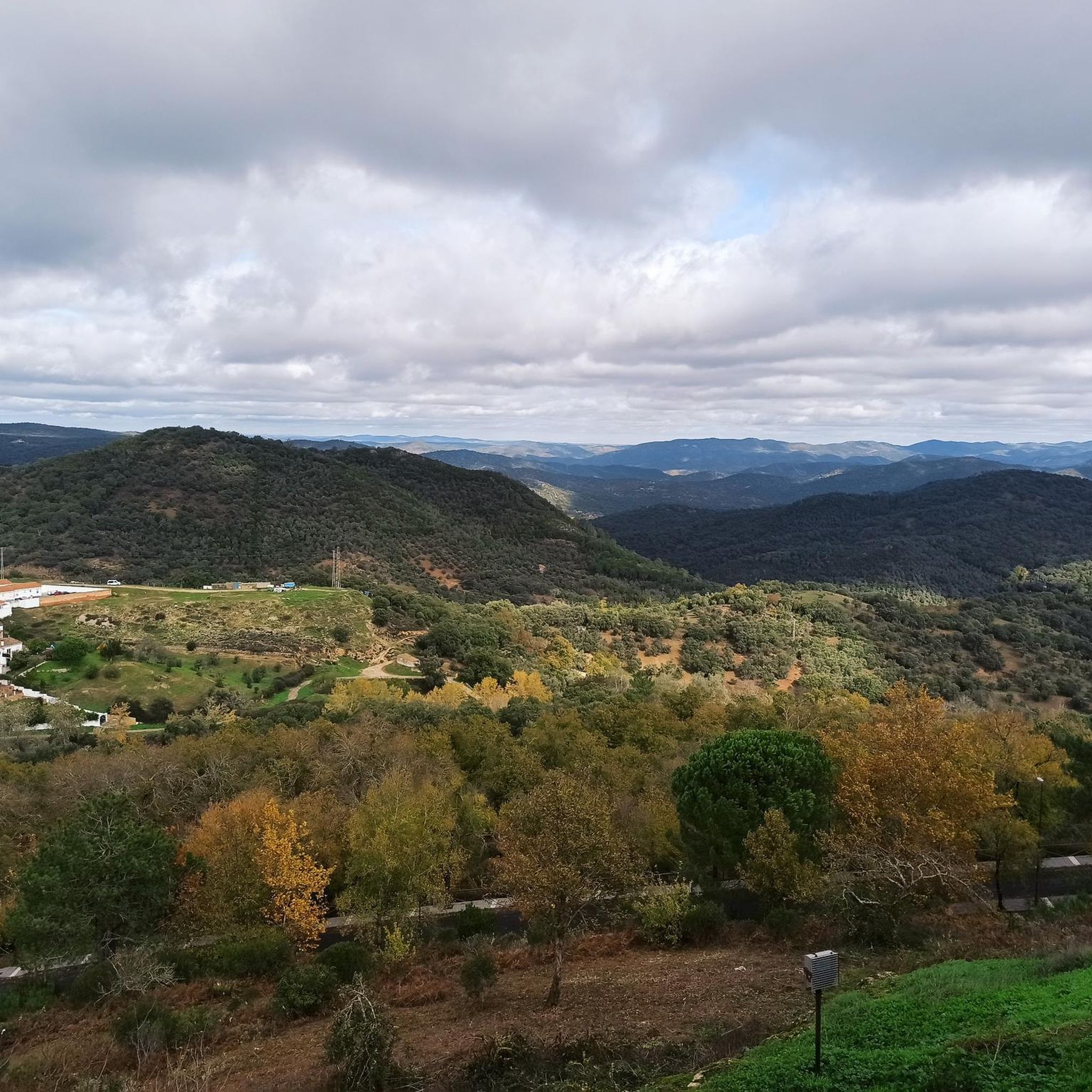
Many castles around La Nava are strategically located on high points, offering picturesque views of the surrounding landscape. From the Mosque of Almonaster la Real, you can enjoy panoramic views of the town of Almonaster la Real. Cortegana Castle also provides beautiful vistas from its well-preserved medieval walls.
What outdoor activities can I do near these castles?
The region around La Nava is excellent for outdoor activities. You can find various MTB trails, cycling routes, and road cycling routes. For example, there's a moderate MTB route from Cortegana that loops through the Mosque of Almonaster la Real viewpoint, offering a blend of history and nature.
Are there any family-friendly castles to visit around La Nava?
Visiting historical sites like Cortegana Castle and Cumbres Mayores Castle can be a great family activity. Children often enjoy exploring the walls and towers of medieval fortresses. The town council of Las Navas del Marqués also offers free guided tours of the Castillo Palacio de Magalia, which can be engaging for families interested in history and architecture.
What is the best time of year to visit the castles around La Nava?
The region experiences a Mediterranean climate. Spring (April-May) and Autumn (September-October) generally offer pleasant temperatures for exploring the castles and engaging in outdoor activities without the intense heat of summer. These seasons also tend to have fewer crowds.
Are there any castles that are part of a larger defensive system in the region?
Yes, Cortegana Castle and Cumbres Mayores Castle were both part of the Banda Gallega, a series of military fortifications built between the 13th and 15th centuries to protect the lands of Seville from Portuguese incursions. The Castle of Cumbres de San Bartolomé is also part of this group of castles from the Late Middle Ages.
What are the parking options for castles near La Nava?
For castles like Cortegana Castle and Mosque of Almonaster la Real, parking is typically available in the nearby towns. It's advisable to check local signage upon arrival for the most convenient parking areas, especially during peak visitor times.
How long does it typically take to visit a castle around La Nava?
The duration of a visit can vary. For a site like the Mosque of Almonaster la Real or Cortegana Castle, a thorough exploration, including enjoying the views, might take 1 to 2 hours. If you opt for a guided tour, such as those offered for the Castillo Palacio de Magalia, it might extend to 2-3 hours.
Are there any lesser-known or 'hidden gem' castles in the broader La Nava region?
While the main castles are well-documented, the region's history suggests many ancient fortified sites. The ancient fortress in La Nava, Huelva, with its archaeological findings from the 3rd century B.C., represents a significant historical 'hidden gem' for those interested in ancient settlements, even if it's not a fully standing medieval castle. The Castle of Cumbres de San Bartolomé, part of the Banda Gallega, also offers a glimpse into the region's defensive past.
What should I wear when visiting castles around La Nava?
Comfortable walking shoes are highly recommended, as many castles are on hills and involve walking on uneven terrain or climbing stairs. Layered clothing is also advisable, especially during spring and autumn, to adapt to changing temperatures throughout the day. Sun protection (hat, sunscreen) is important during warmer months.
Most popular attractions around La Nava

Get inspired with the komoot mobile app


Explore more
Looking for the best castles somewhere else? Discover other guides around La Nava:
