Top 10 Castles around Ronda
Best castles around Ronda include a range of defensive structures, fortified palaces, and extensive city walls. Located on a rocky plateau in Andalusia, Spain, Ronda's strategic position led to the development of numerous fortifications. These sites offer insights into the town's Moorish and Christian heritage. The area features a mix of historical architecture and natural landscapes, making it a notable destination for exploring historical sites.
Best castles around Ronda
- The most popular castles is Zahara de la Sierra Castle,…
Last updated: July 3, 2026
Zahara de la Sierra Castle
Highlight • Castle
Translated by Google •
Tip by

Mondragón Palace
Highlight • Historical Site
I was lucky enough to see a wedding coming out right inside it as I was passing by.
Translated by Google •
Tip by

Sign up now to discover places like this
Get recommendations on the best single tracks, peaks, & plenty of other exciting outdoor places.
Sign up for free
Castillo de Olvera
Highlight • Castle
Translated by Google •
Tip by

Archpriest Church of Our Lady of the Incarnation and Saint Joseph (Olvera)
Highlight • Religious Site
Translated by Google •
Tip by
Turón Castle
Highlight • Castle
Translated by Google •
Tip by

Sign up for free to discover even more castles around Ronda.
Sign up for free
Already have an account?
Start today with a free account
Your next adventure awaits.
Login or Signup
Popular around Ronda

Triathlon 360 – my journey around the world

Road to Lisbon – bikepacking the Alps, Pyrenees and Picos de Europa
The beauty of the Andalusian mountains – Transandalus southern section
Explore the Betic Mountains on two wheels – Altravesur
Andalusia without limits – Tarifa to La Puebla de Don Fabrique on the GR 7
A journey through the Spanish hinterland – cycling across Andalusia
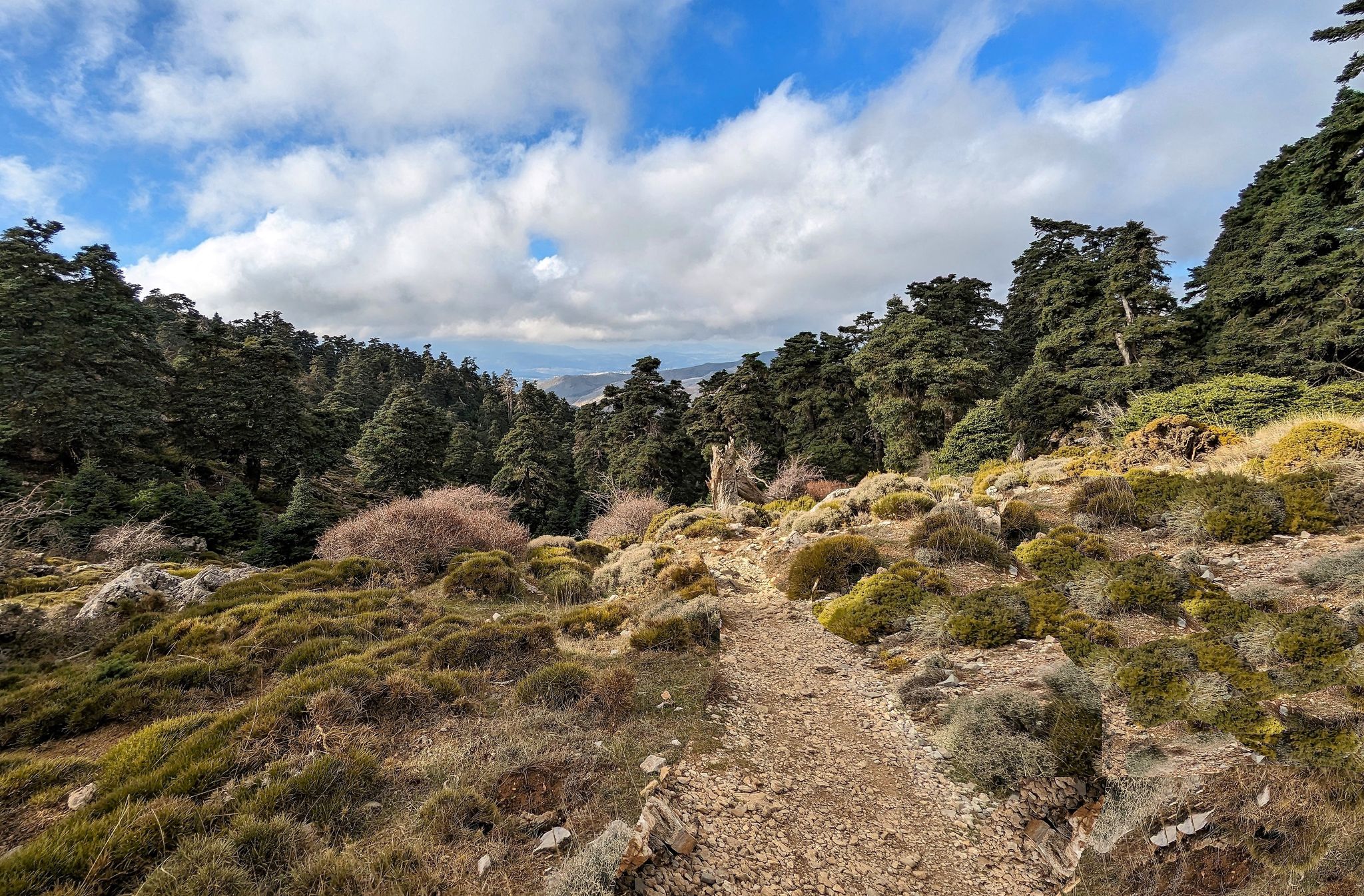
Magic in its purest form – hiking in Spain’s Sierra de las Nieves
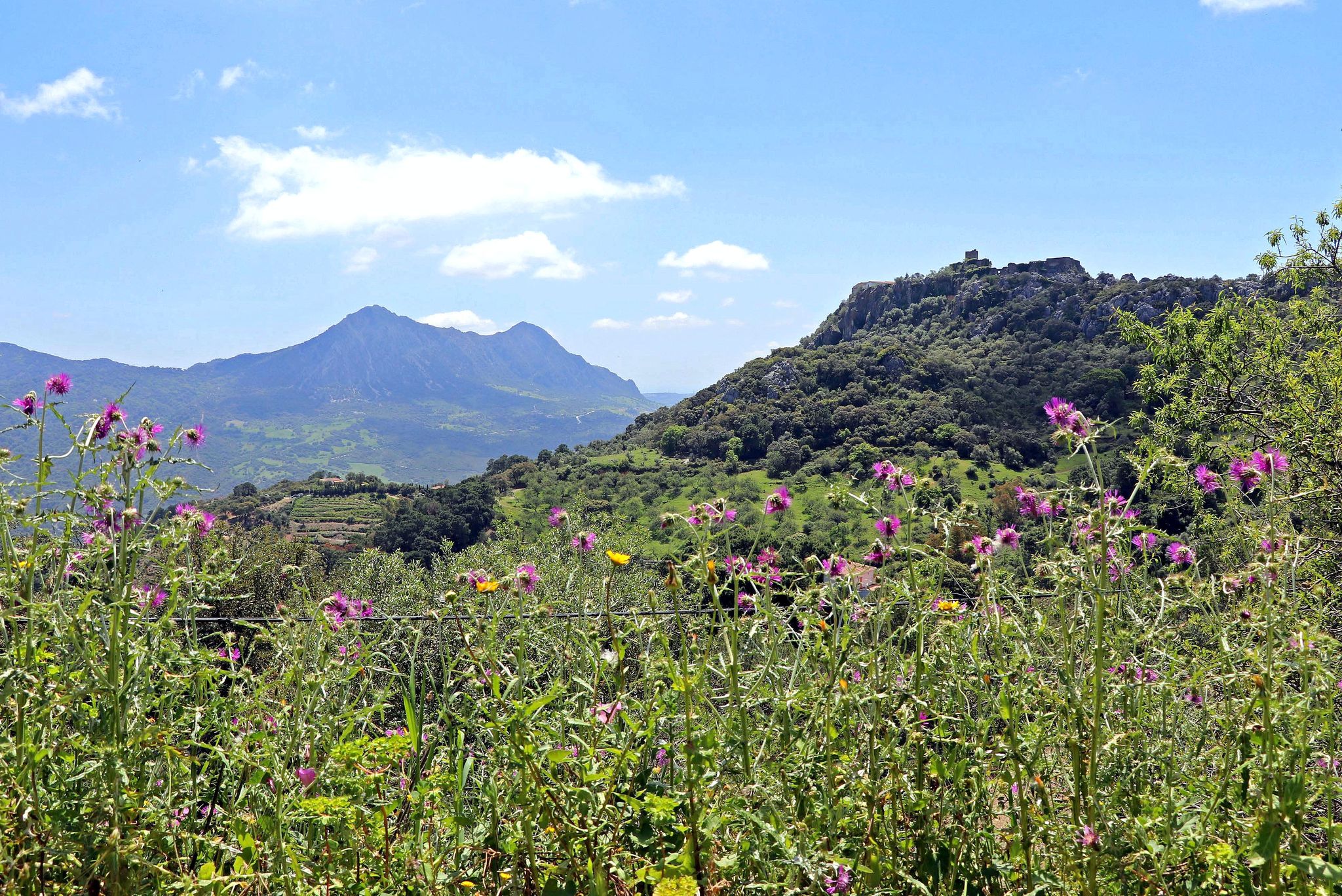
A jewel of Malaga – Gran Senda de la Serranía de Ronda (GR 141)
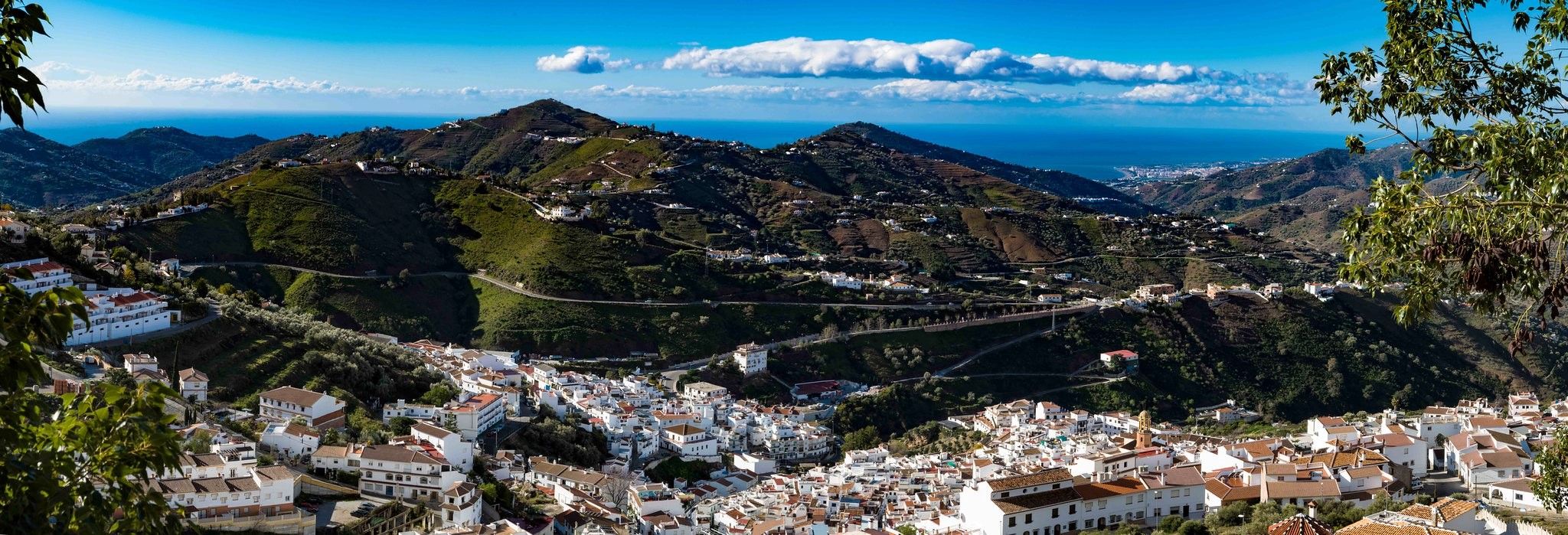
Hike between sea and mountains — Gran Senda de Málaga (GR 249)
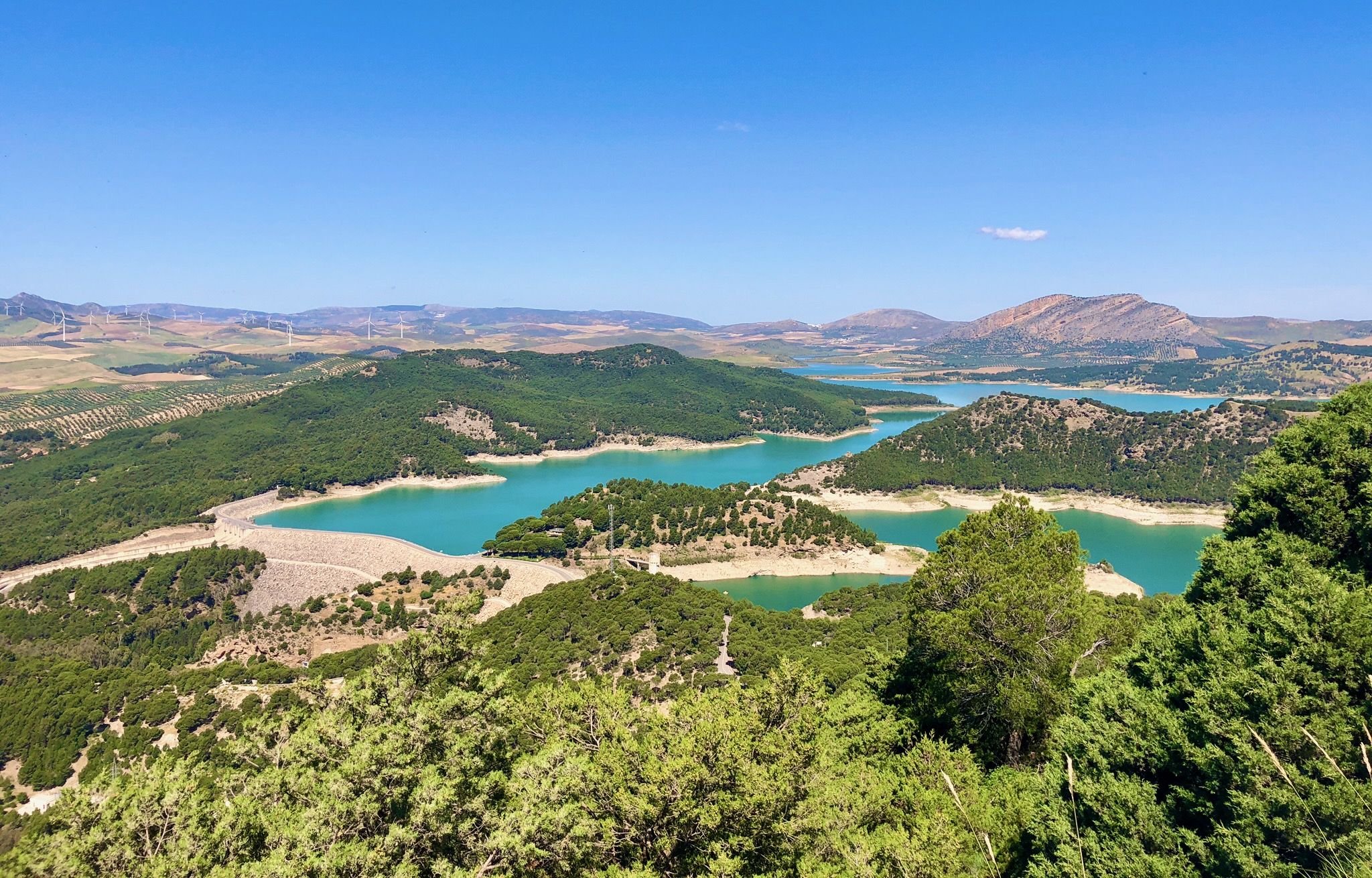
Seven days walking along the Gran Senda de Málaga (GR 249)
Other adventures around Ronda


Tips from the Community

We didn't manage to visit the castle... unfortunately. It was constantly closed. We did see people upstairs, but we don't understand how they got there.
0
0

Public museum in a 14th-century house with gardens, courtyards, balconies, and water features. Address: Pl. Mondragón, s/n, 29400 Ronda, Málaga, Spain Province: Málaga Phone: +34 952 87 08 18 Opening Hours: Friday 9:30 AM–7:00 PM Saturday 10:00 AM–2:00 PM, 3:00 PM–6:00 PM Sunday (Fiesta Nacional de España) 10:00 AM–3:00 PM Opening hours may vary Monday (Fiesta Nacional de España (celebration)) 10:00 AM–2:00 PM, 3:00 PM–6:00 PM Opening hours may vary Tuesday 9:30 AM–7:00 PM Wednesday 9:30 AM–7:00 PM Thursday 9:30 AM–7:00 PM
3
0
The name Palacio de Mondragón is very well-known in Ronda. But its other name, Palacio del Marqués de Villasierra (once a very important resident of Ronda), is less well-known. In any case, this palace is Ronda's most important monument (besides the bridge and the bullring), for both historical and architectural reasons. There is a legend that this was the residence of the great Moorish king Abbel Malik. He was the son of the Sultan of Morocco, Abul Asan. A few years after his death, the then-kingdom of Ronda passed into the hands of Granada, just before Ronda was conquered by Catholic soldiers. It is known that the last governor, Hamet el Zegri, lived in this palace. To this day, it is not known exactly what the palace looked like during the Moorish period. A few Mudéjar remains provide a general idea. What is more known is that the most significant changes were made later by the Christian rulers. The current location of the garden, for example, dates from that period. The current Gothic-style patio and various wooden ceilings were built at that time. The palace is now open to the public, very beautiful and well worth a visit. Not only can you admire the beautiful palace with its garden and stunning views, but it also houses a museum showcasing the history of the palace and the Ronda region.
3
0

See: https://rondatoday.com/rondas-mondragon-palace/
0
2

The Parish of Our Lady of the Incarnation is one of Olvera's most iconic monuments, both for its imposing architecture and its historical and religious significance. It was commissioned by the Dukes of Osuna at the end of the 18th century and completed in 1843. It was built on the remains of an old Moorish mosque and a Gothic-Mudejar church, the apse of which is still preserved in the baptismal chapel. It has undergone several restorations, the most recent between 1994 and 1999, and again in 2010 after a fire damaged a processional image.
1
0
Olvera Castle is one of the most iconic monuments in the White Villages of Cádiz, offering a stunning historical and visual experience. It was built in the late 12th century by the Arabs as part of the defensive system of the Nasrid Kingdom of Granada. After the Christian conquest, the castle was renovated several times, incorporating Christian architectural elements. It was declared a Site of Cultural Interest in 1985 and is part of the Olvera Historic-Artistic Complex.
1
0

The Iglesia Parroquial de Nuestra Señora de la Encarnación in Olvera is the town's most striking church building and, together with the neighboring Moorish castle, dominates the town's panorama. It towers high above the historic Barrio de la Villa district and is visible from afar. The church was built in 1822 in the neoclassical style on the foundations of an earlier Renaissance church. This, in turn, stood on the site of a former Muslim mosque, as was common in many Andalusian towns. Construction dragged on for decades and was not completed until the end of the 19th century. The church is characterized by its monumental façade, flanked by two large towers. The building's style was inspired by the great cathedrals of Spain – unusually imposing for a town the size of Olvera.
0
1
The Castillo de Olvera is a historic fortress in the Andalusian town of Olvera (province of Cádiz). It was built by the Moors in the late 12th century and served as part of the defense system of the Nasrid Kingdom of Granada. The castle sits atop a 623-meter-high cliff and offers sweeping views of the surrounding landscape. The castle has an irregular, elongated-triangular floor plan that follows the shape of the cliff. Particularly striking is the rectangular Torre del Homenaje (Keep) in the southern part of the complex. It has two stories with barrel vaults and was the central element of the defense. Other features of the fortress include a barbican-protected entrance gate, battlements, towers, an underground vault, and two cisterns for the water supply. After its conquest by Castilian troops under King Alfonso XI in 1327, the Moorish fortress was extensively rebuilt. This is where many of the Christian elements visible today were created. Since 1985, the Castillo de Olvera has been listed as a "Bien de Interés Cultural" (Cultural Property of Special Interest). Opening Hours: Summer (approx. April–October): Tuesday to Sunday, 10:30 a.m.–2:00 p.m. & 4:00 p.m.–7:00 p.m. Winter (approx. November–March): Tuesday to Sunday, 10:30 a.m.–2:00 p.m. & 4:00 p.m.–6:00 p.m. Closed on Mondays Admission: €2 per person. Tickets are available at the Tourist Office. (As of May 2025)
0
1
Frequently Asked Questions
What are the main types of historical fortifications to explore in Ronda?
Ronda is unique for its diverse historical fortifications, which include impressive defensive city walls, fortified palaces, and remnants of traditional castles. These structures, such as the Murallas Urbanas de Ronda and the Mondragón Palace, showcase the town's strategic importance and its Moorish and Christian heritage.
Which fortified palace in Ronda also serves as a museum?
The Mondragón Palace in Ronda is a 14th-century residence that now houses the Municipal Museum. It is considered one of Ronda's most important monuments, featuring beautiful gardens, courtyards, and exhibitions detailing Ronda's history from prehistoric to Christian periods.
Are there any notable castles outside of Ronda but still within the region?
Yes, beyond Ronda's immediate fortifications, you can visit the Zahara de la Sierra Castle, a Moorish castle with a prominent keep located between the Zahara reservoir and the Sierra de Grazalema natural park. Another significant site is the Castillo de Olvera, built at the end of the 12th century as part of the Emirate of Granada's defense system, offering panoramic views from its 623-meter elevation.
What unique historical features can be found at La Casa del Rey Moro?
La Casa del Rey Moro, despite its name, is a historic palace known for its fascinating water mine and hanging gardens. Carved into the cliffs of El Tajo gorge, the 14th-century water mine is a remarkable example of medieval Islamic engineering, crucial for water supply during ancient conflicts.
What kind of views can I expect from the castles in the Ronda area?
Many of the castles and fortified sites in the Ronda area offer breathtaking panoramic views. For instance, the Castillo de Olvera provides extensive vistas from its high perch, and the Castillo del Águila in nearby Gaucín boasts gigantic views reaching the Mediterranean and even Africa on clear days.
Are there family-friendly activities at the historical sites around Ronda?
Several sites offer family-friendly experiences. The Mondragón Palace, with its museum and beautiful gardens, is suitable for families. Exploring the Murallas Urbanas de Ronda (City Walls) and their gates can also be an engaging historical adventure for all ages.
What outdoor activities are available near the castles in Ronda?
The region around Ronda offers excellent opportunities for outdoor activities. You can find numerous routes for hiking, cycling, and gravel biking. Popular hiking trails include circular walks along the Tajo gorge and routes in the Sierra de las Nieves National Park.
What is the best time of year to visit the castles and fortifications in Ronda?
The best time to visit Ronda's castles and fortifications is generally during the spring (April-May) and autumn (September-October) months. The weather is milder and more pleasant for exploring historical sites and enjoying outdoor activities like hiking, avoiding the intense heat of summer.
Can I explore the ancient city walls of Ronda?
Yes, Ronda's impressive Murallas Urbanas (City Walls) are a significant part of its historical landscape. You can explore various sections, including the 13th-century Puerta de Almocábar, the Murallas de la Cijara, and the Puerta del Cristo, which offer a tangible connection to Ronda's past as a formidable fortress.
What makes the Casa del Gigante noteworthy among Ronda's historical sites?
The Casa del Gigante is a well-preserved Nasrid palace from the 14th and 15th centuries. It stands out for its classic Islamic architecture, featuring a central courtyard and a unique Phoenician stone sculpture. It provides valuable insights into Ronda's rich historical layers and Moorish urban development.
Are there any castles that offer a less crowded experience near Ronda?
For a rewarding experience away from mass tourism, consider visiting the Castillo del Águila in Gaucín. This 9th-century castle offers breathtaking panoramic views and is generally less crowded than the sites within Ronda itself.
What should I wear when visiting the castles and historical sites in Ronda?
Comfortable walking shoes are highly recommended, as many sites involve walking on uneven terrain, cobblestones, or climbing stairs. Light, breathable clothing is suitable for warmer months, while layers are advisable during spring and autumn. Don't forget sun protection like a hat and sunscreen.
Most popular attractions around Ronda

Get inspired with the komoot mobile app


Explore more
Looking for the best castles somewhere else? Discover other guides around Ronda:
