Top 5 Caves around Sabiñánigo
Best caves around Sabiñánigo are found within the Huesca province, a region characterized by its mountainous terrain and proximity to the Pre-Pyrenees. This area offers a variety of cave experiences, from historical rock-cut hermitages to natural karstic formations. The landscape provides opportunities to explore sites with geological significance and cultural heritage. Visitors can discover caves integrated into religious structures and natural monuments.
Best caves around Sabiñánigo
- The most popular caves is El Chorro Waterfall and the Cave and San Cornelio Hermitages, a waterfall and historical site featuring two rock-cut hermitages. The waters of the Barranco de Santa Orosia fall over these hermitages, forming an impressive waterfall.
- Another must-see spot is Santa Elena Hermitage and Fountain, a religious building and natural monument. Legend states that Saint Helena took refuge in the cave from which the fountain flows, leading to the hermitage's construction in her honor.
- Visitors also love Hermitage of the Virgin of the Cave, an old hermitage excavated inside the rock. Although access is closed due to potential landslides, the interior can be viewed from the outside.
- Sabiñánigo is known for rock-cut hermitages, caves with natural springs, and historical cave sites. These locations offer a blend of natural geology and human history.
- The caves around Sabiñánigo are appreciated by the komoot community, with 21 upvotes and 46 photos shared by users.
Last updated: October 7, 2026
El Chorro Waterfall and the Cave and San Cornelio Hermitages
Highlight • Waterfall
Translated by Google •
Tip by

Santa Elena Hermitage and Fountain
Highlight • Religious Site
Translated by Google •
Tip by

Sign up now to discover places like this
Get recommendations on the best single tracks, peaks, & plenty of other exciting outdoor places.
Saint Barbara Hermitage
Highlight • Religious Site
Translated by Google •
Tip by

Poza de Chichirigoy
Highlight • Natural Monument
Translated by Google •
Tip by

Hermitage of the Virgin of the Cave
Highlight • Religious Site
Translated by Google •
Tip by

Sign up for free to discover even more caves around Sabiñánigo.
Already have an account?
Start today with a free account
Your next adventure awaits.
Popular around Sabiñánigo
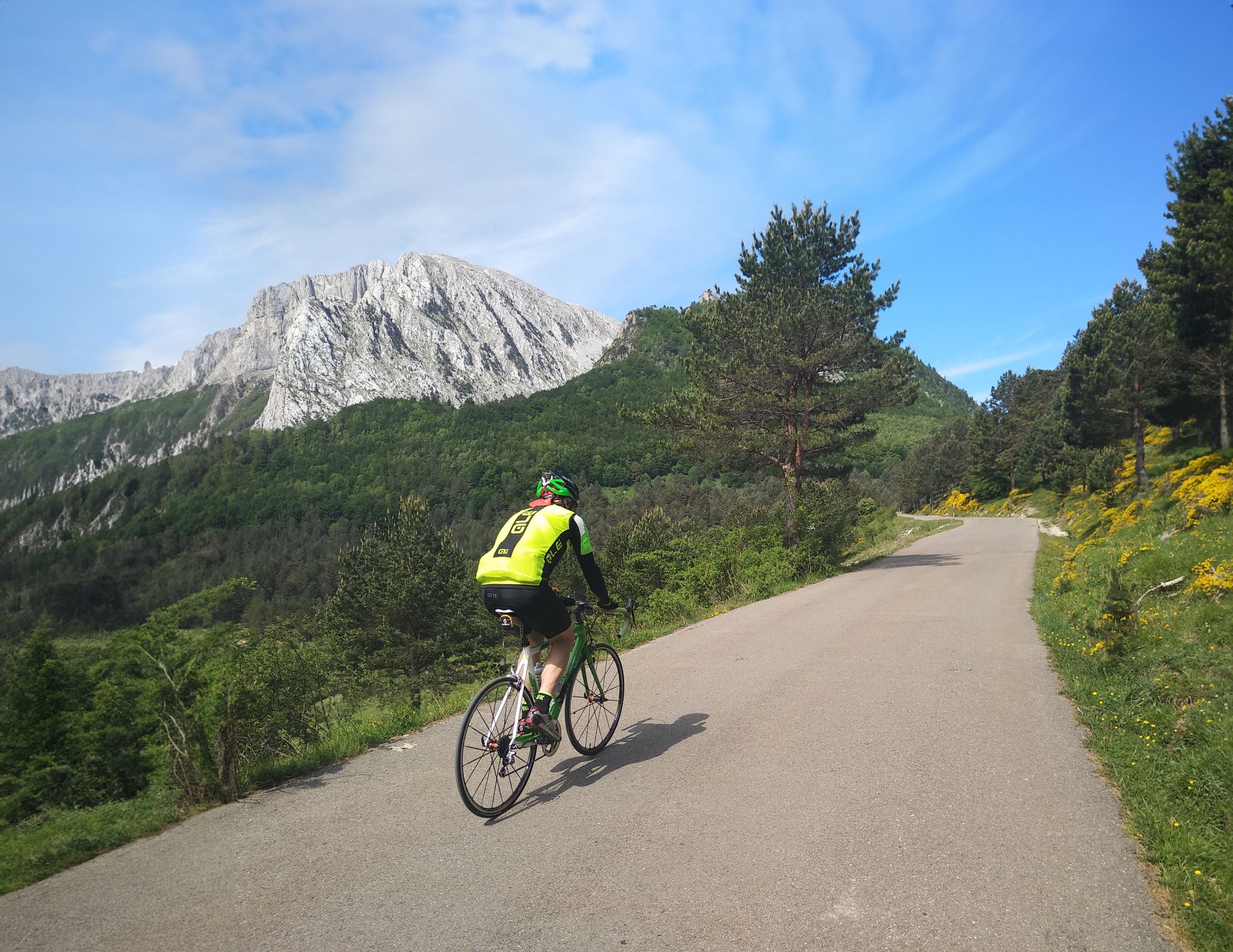
The Bay of Biscay to the Mediterranean — southern Pyrenees cycle tour
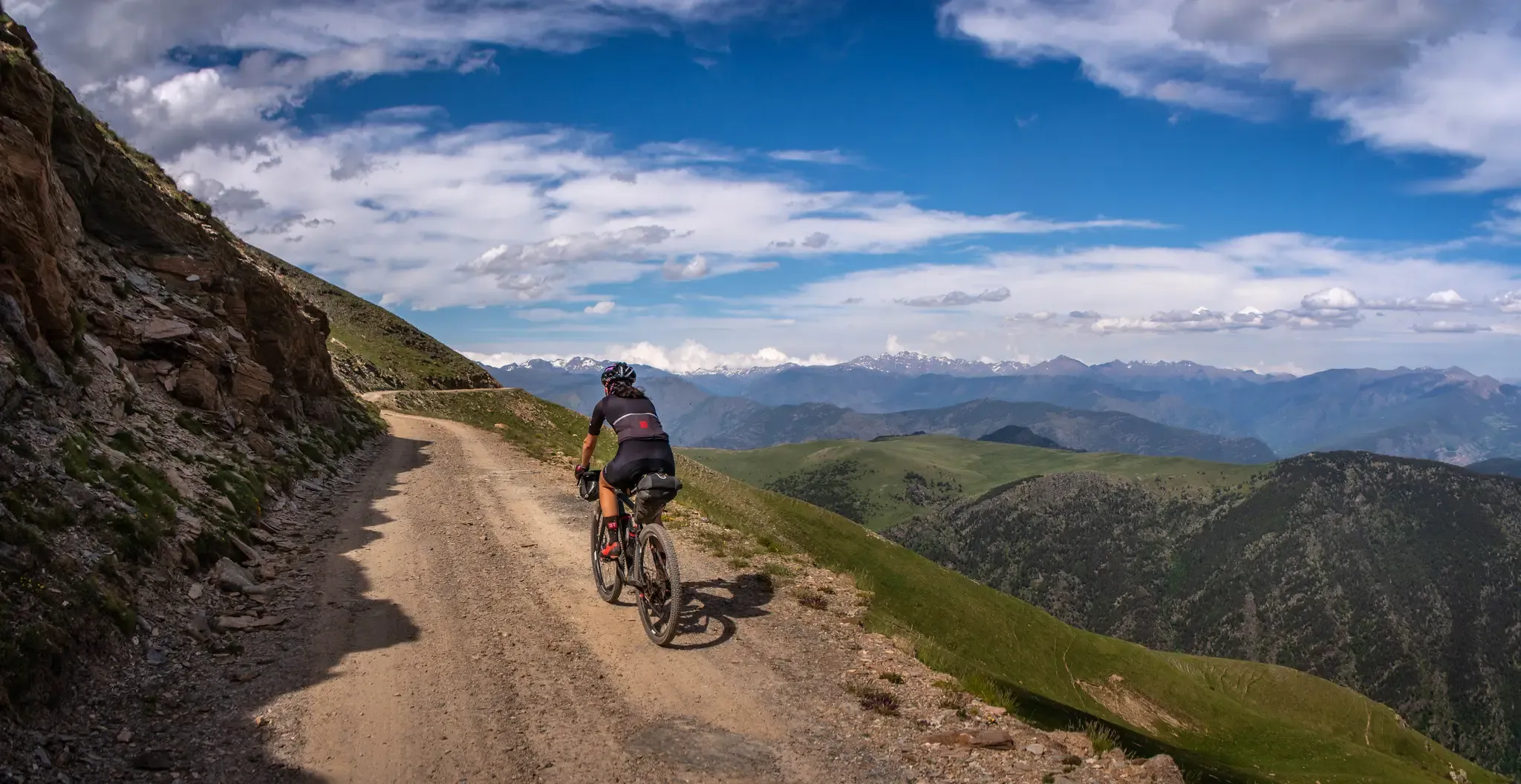
A high-altitude journey – Transpirenaica MTB
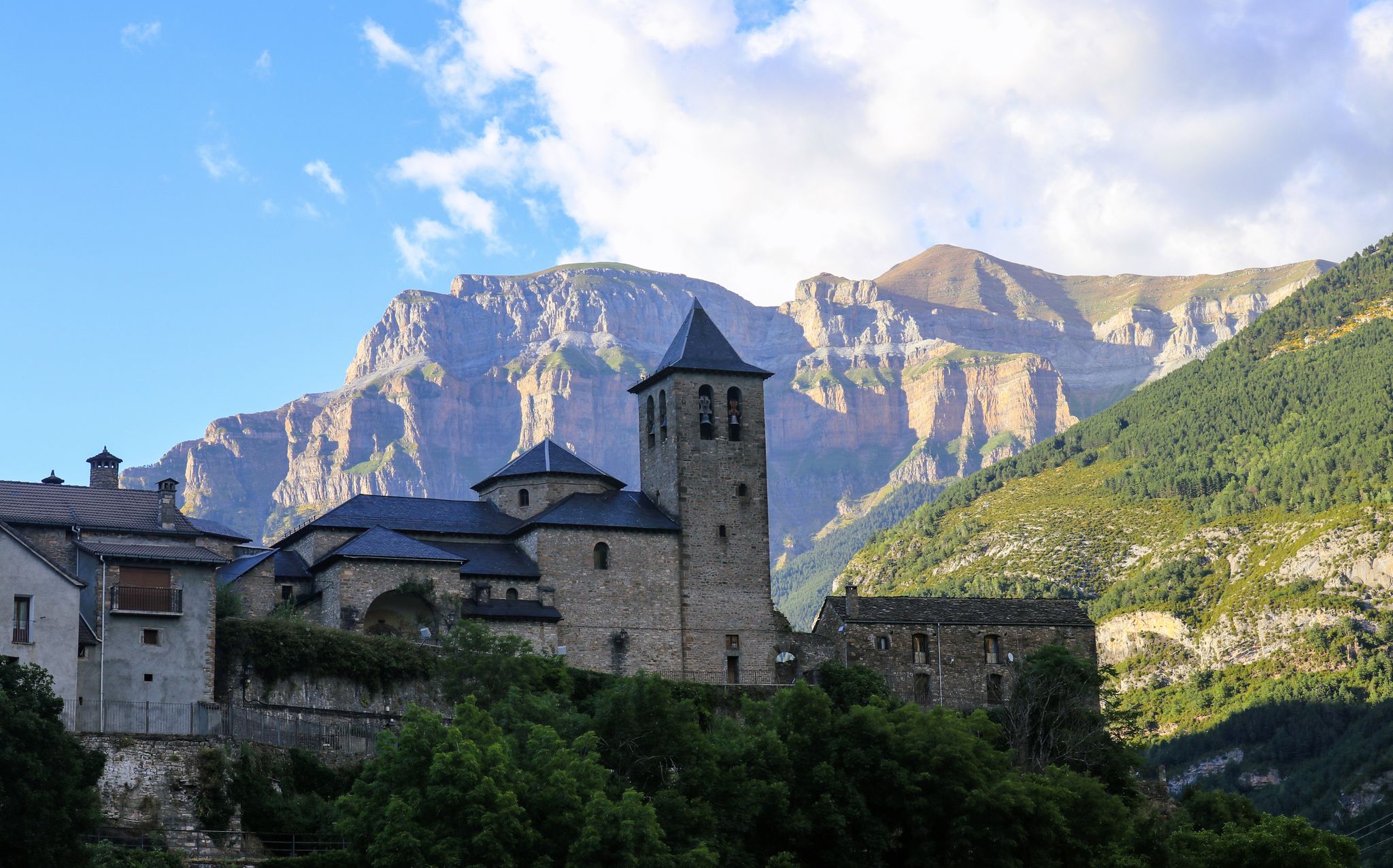
Between summits and villages – magical Pre-Pyrenees Trail (GR 15)
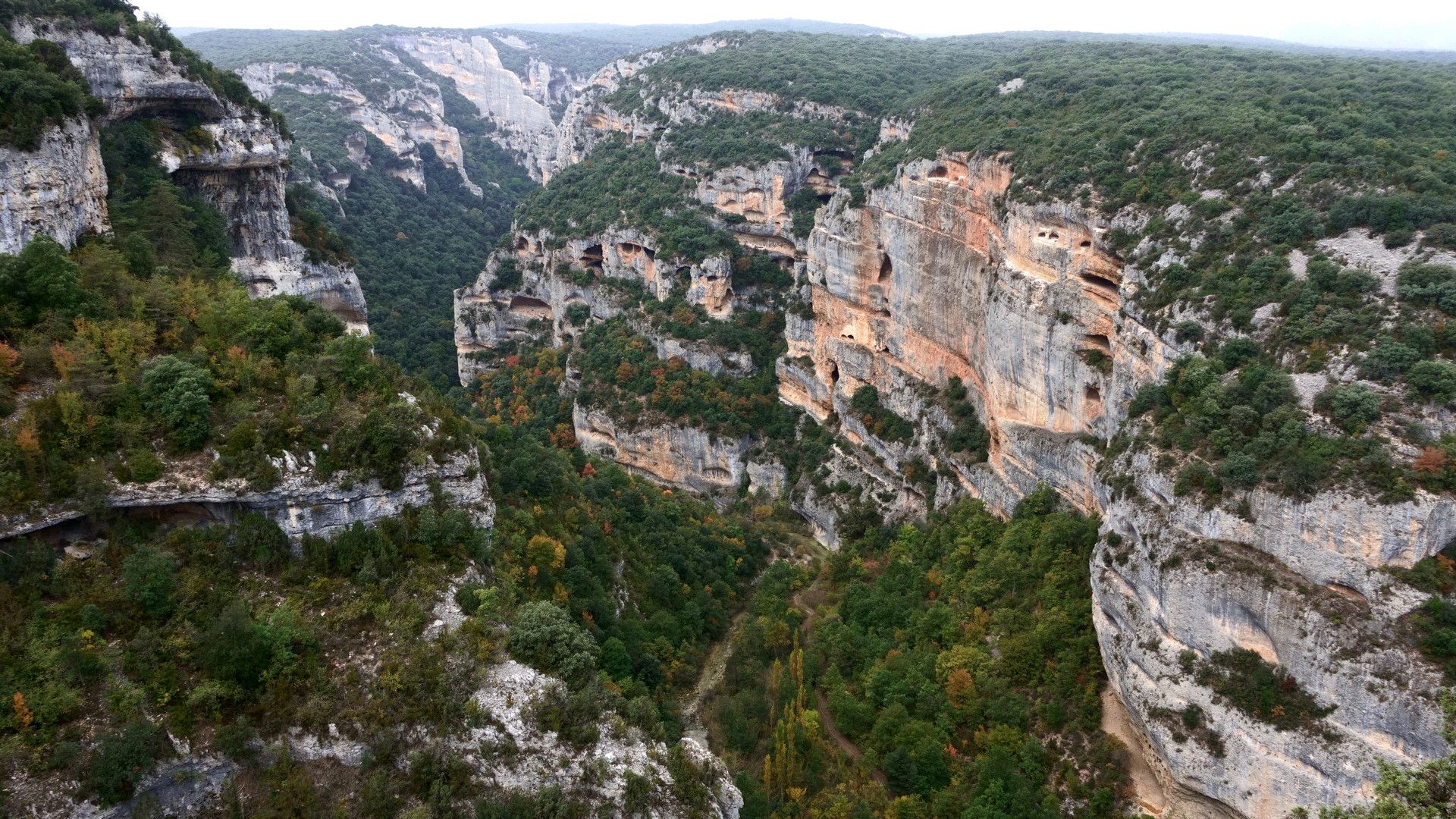
Trails and paths – Sierra de Guara and Biello Sobrarbe
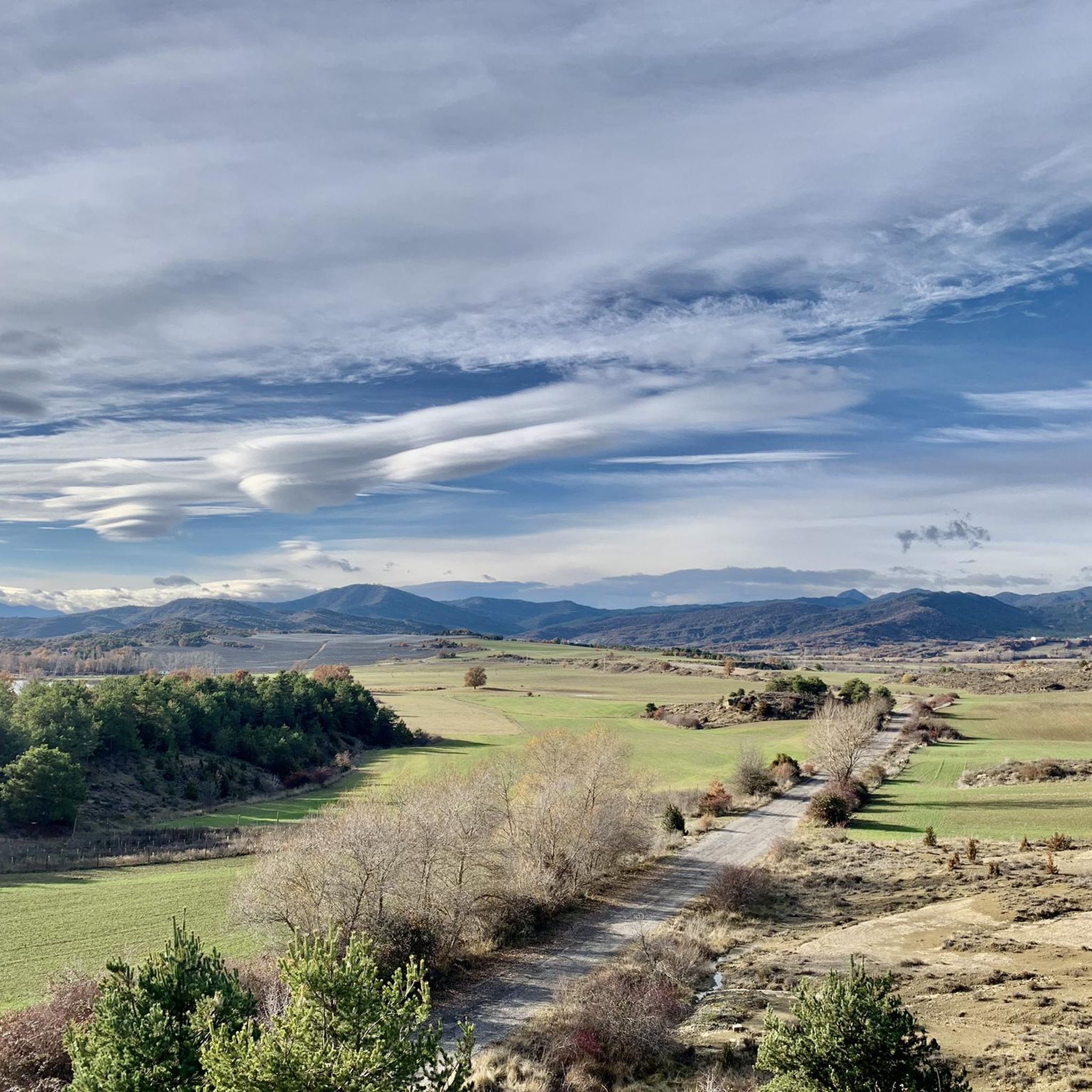
Road Cycling Routes around Sabiñánigo
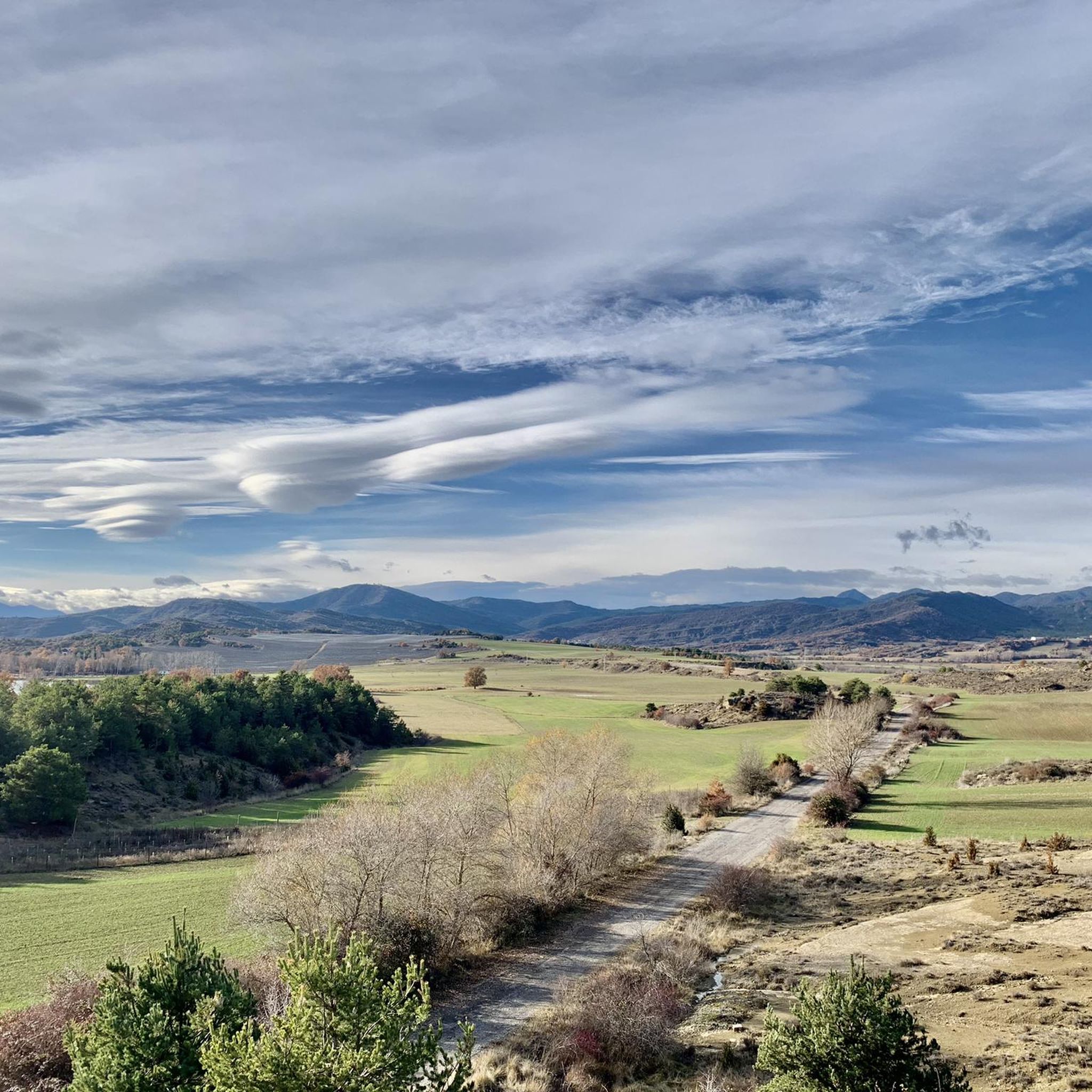
MTB Trails around Sabiñánigo
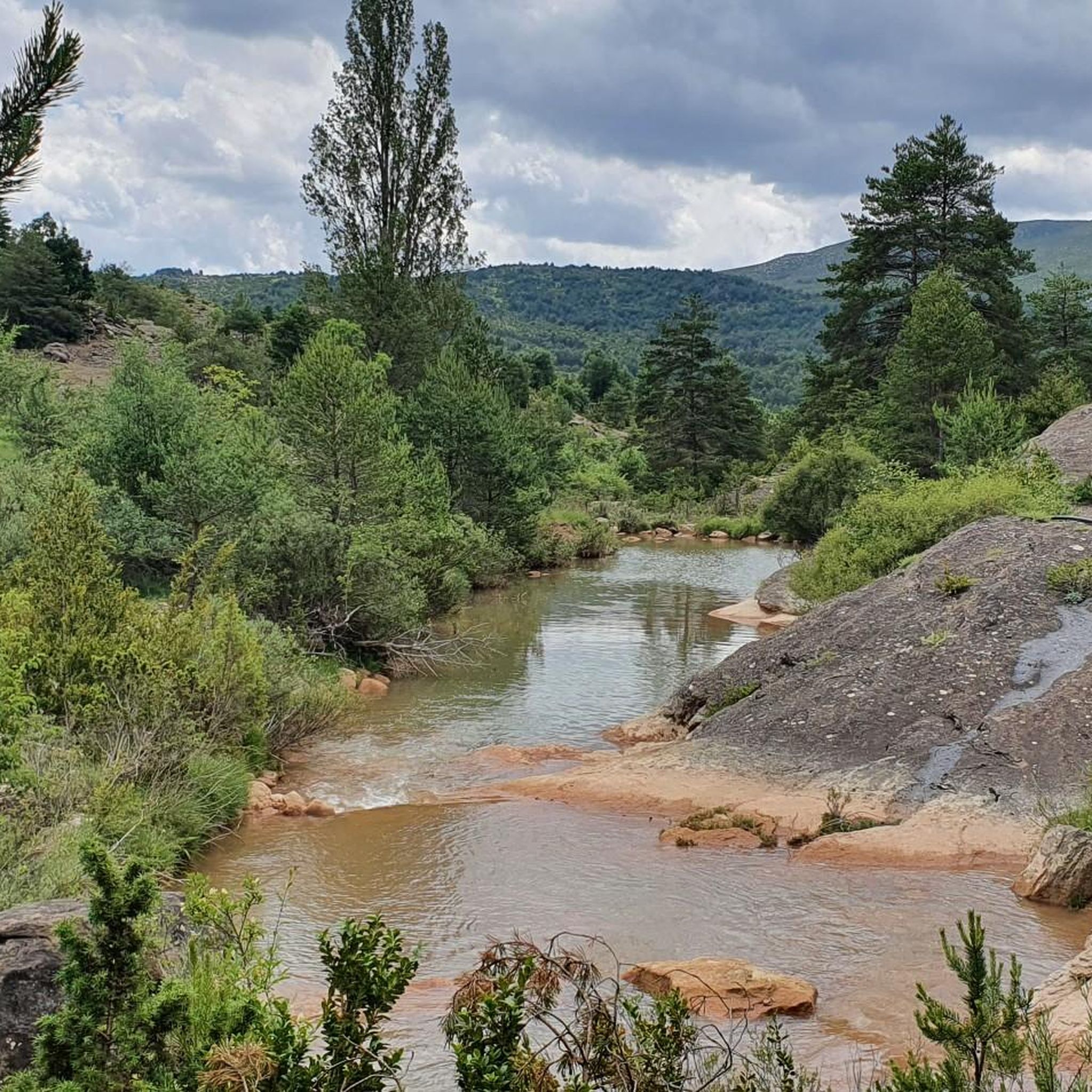
Cycling around Sabiñánigo
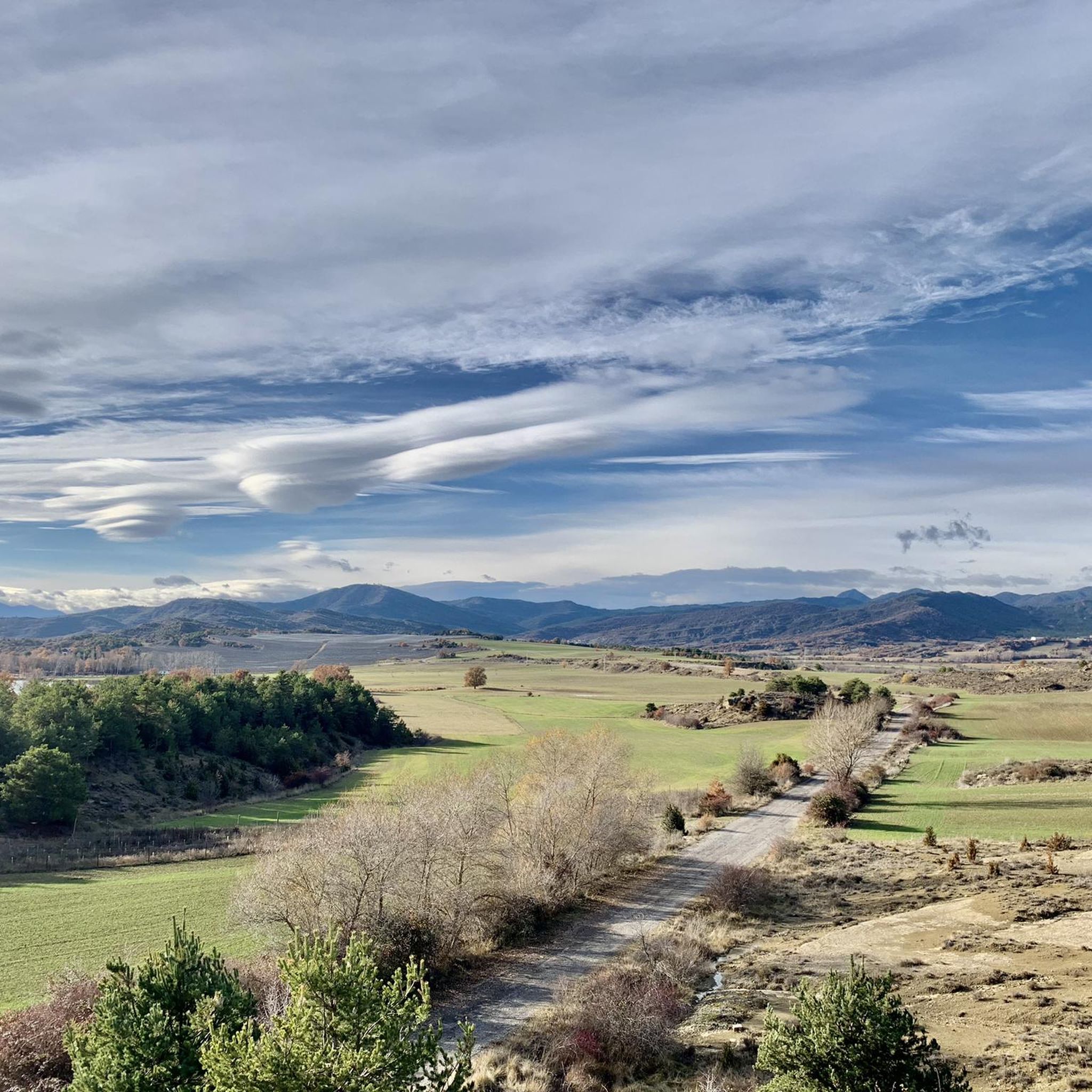
Hiking around Sabiñánigo
Running Trails around Sabiñánigo

Gravel biking around Sabiñánigo
Other adventures around Sabiñánigo


Tips from the Community

It's a shame as they are all quite dry and stagnant.
0
0

A beautiful route that follows the route of the pilgrims to the Sanctuary of Santa Orosia from the town of Yebra de Basa. Santa Orosia is a highly venerated saint in the area, she is the patron saint of the city of Jaca, and a large crowd of people from the surrounding towns and other parts of Aragon gathered on her pilgrimage, as she was known to heal the possessed. The Sanctuary dates back to the 17th century, when it was built to accommodate the increase in devotion to the saint. It was built in the place where tradition places the martyrdom of Santa Orosia. The route is marked by small hermitages through a landscape that goes from the initial marls to a humid area with vegetation sheltered by the Santa Orosia ravine in its highest area.
1
0

Awesome. That is the word that best defines the two rock-cut hermitages and the underpass of the waterfall.
4
0

Legend has it that Saint Helena took refuge in the cave from which the fountain flows and was protected by a spider's web until the danger that awaited her passed. When he came out of the cave, the spring gushed out and for this reason the hermitage was built in his honor in this place.
12
0

The ascent of the Basa Valley, although without a doubt the most spectacular place of the entire route is made up of the set of cave hermitages.
4
0
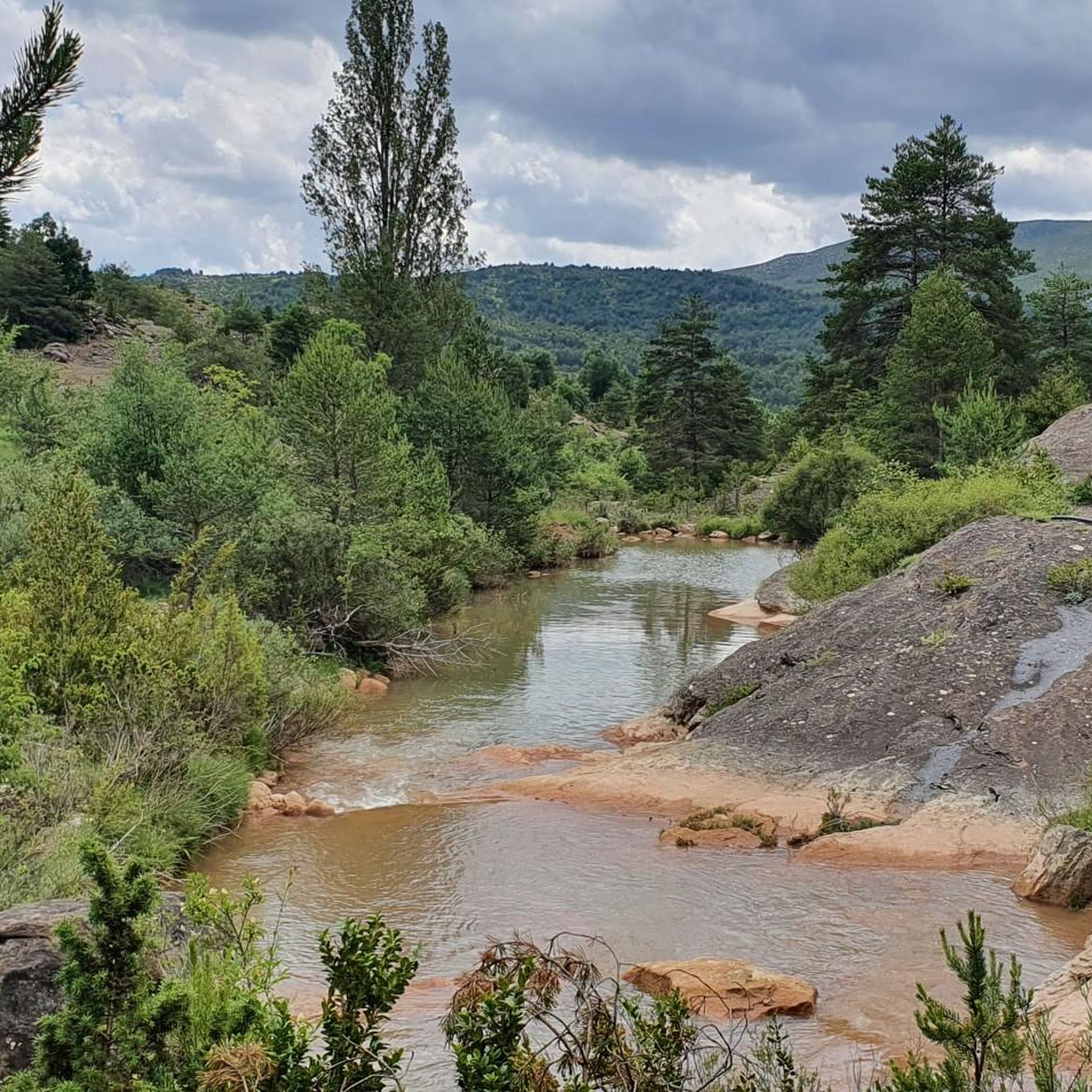
You can do the circular route returning through the riverbed if it is dry or with rushing water.
1
0

Old hermitage inside the rock where they say that the virgin was appreciated by a shepherd
1
0
The waters of the Barranco de Santa Orosia fall from great heights over these hermitages, forming an impressive waterfall known as "El Chorro".
2
0
Frequently Asked Questions
What types of caves can I explore around Sabiñánigo?
The region around Sabiñánigo offers a diverse range of cave experiences. You can find historical rock-cut hermitages, natural karstic formations, and sites with significant geological and cultural heritage. Examples include impressive rock-cut hermitages like those at El Chorro Waterfall and the Cave and San Cornelio Hermitages, and natural cave systems like the challenging Tortiellas Sinkhole.
Are there any family-friendly cave sites near Sabiñánigo?
Yes, the Santa Elena Hermitage and Fountain is considered family-friendly. It's a religious building and natural monument with a fascinating legend about Saint Helena taking refuge in the cave from which the fountain flows.
What historical or religious cave sites are notable in the area?
Beyond the local highlights, the broader Huesca province features several significant historical and religious cave sites. The San Caprasio Caves, for instance, were restored in the 1950s and are known for their historical use by the bandit 'Cucaracha' and a hermitage. The Ermita de San Úrbez in Fanlo, located within a rock face, dates back to the 8th century and offers excellent views.
What are some unique geological features found in the caves near Sabiñánigo?
The region is known for its natural karstic formations. While not directly in Sabiñánigo, the Aguallueve de Anento in Zaragoza (Aragon) is a beautiful example of a limestone formation with an impressive karst relief, continuously releasing water drops and creating small hidden caves. Locally, sites like Poza de Chichirigoy offer natural monument features including a river and cave elements.
Are there any caves with ancient rock art in the Aragon region?
Yes, the Prado del Navazo Bulls Rock Shelter (also known as Toricos del Navazo) in Teruel, Aragon, is a UNESCO World Heritage Site. It is prominent for its Levantine Rock Art, featuring naturalistic representations of large bovids painted in a unique yellowish-white color.
What are the accessibility considerations for caves around Sabiñánigo?
Accessibility varies. Some sites like the Hermitage of the Virgin of the Cave have access closed due to potential landslides, though the interior can be viewed from outside. Other sites, such as the Tortiellas Sinkhole, are classified as challenging and involve climbing and rappelling, suitable for experienced adventurers.
What outdoor activities can I combine with a visit to the caves?
The Sabiñánigo area is excellent for outdoor activities. You can find numerous routes for mountain biking, touring cycling, and road cycling. For example, the MTB Trails around Sabiñánigo guide offers routes like the 'Path to Yésero – Trail in the cliff loop'. The Cycling around Sabiñánigo guide includes routes like the 'Cotefablo Pass loop'. For road cycling, check out the Road Cycling Routes around Sabiñánigo.
What is the best time of year to visit the caves near Sabiñánigo?
The mountainous terrain and proximity to the Pre-Pyrenees mean conditions can vary. Generally, spring and autumn offer pleasant temperatures for exploration. For sites involving riverbeds, like Poza de Chichirigoy, drier periods (often summer) are recommended if you plan to traverse the riverbed itself.
Are there any caves that offer impressive viewpoints?
Yes, the Hermitage of the Virgin of the Cave, despite its closed access, has a picnic area and a viewpoint with splendid views of the Pre-Pyrenees right next to it. Similarly, the Ermita de San Úrbez in Fanlo offers excellent views from its location within a rock face.
What should I wear for caving or exploring cave sites in the Sabiñánigo region?
For general cave site visits, comfortable walking shoes are essential. If you plan to explore more challenging caves or sinkholes like Tortiellas Sinkhole, specialized caving gear, including helmets, headlamps, and appropriate climbing equipment, is necessary. Always check specific requirements for each site.
Can I find cafes or other amenities near the cave sites?
While specific amenities directly at every cave entrance are not guaranteed, many cave sites are located near towns or villages where you can find cafes, bars, and accommodation. For example, the Hermitage of the Virgin of the Cave has a picnic area nearby, and the town of Sabiñánigo itself offers various services.
Most popular routes around Sabiñánigo
Most popular attractions around Sabiñánigo

Get inspired with the komoot mobile app


