Top 8 Castles around Ontinyent
Best castles around Ontinyent showcase the town's rich historical heritage and medieval urban planning in the Valencian Community of Spain. Ontinyent features fortifications and historic quarters that reflect its past. The La Vila Medieval Quarter, a significant historical site, encapsulates the town's defensive history with remnants of ancient city walls and narrow, sloping streets.
Best castles around Ontinyent
- The most popular castles is View of Carrícola Castle, a viewpoint that offers views of the castle tower and the surrounding…
Last updated: June 20, 2026
View of Castell de Cocentaina
Highlight • Castle
Translated by Google •
Tip by

View of Carrícola Castle
Highlight • Viewpoint
The Castillo de Carrícola rises on a rock above the …
Translated by Google •
Tip by

Sign up now to discover places like this
Get recommendations on the best single tracks, peaks, & plenty of other exciting outdoor places.
Sign up for free
Banyeres de Mariola
Highlight • Settlement
Translated by Google •
Tip by

Art Trail to Carrícola Castle
Highlight • Trail
Translated by Google •
Tip by
Castillo de Vallada
Highlight • Castle
Translated by Google •
Tip by

Sign up for free to discover even more castles around Ontinyent.
Sign up for free
Already have an account?
Start today with a free account
Your next adventure awaits.
Login or Signup
Popular around Ontinyent
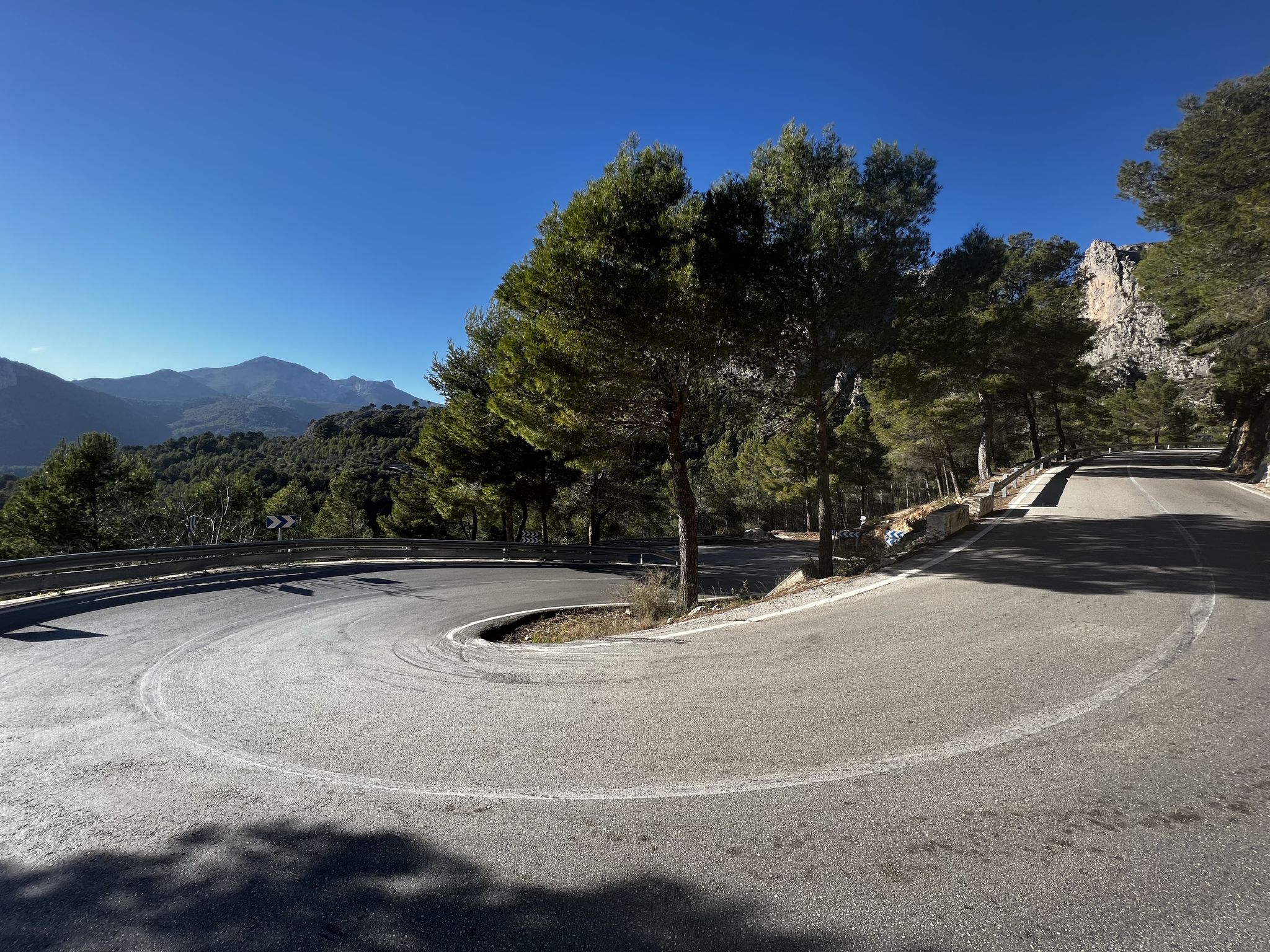
Sunny road cycling adventures in Alicante's Costa Blanca
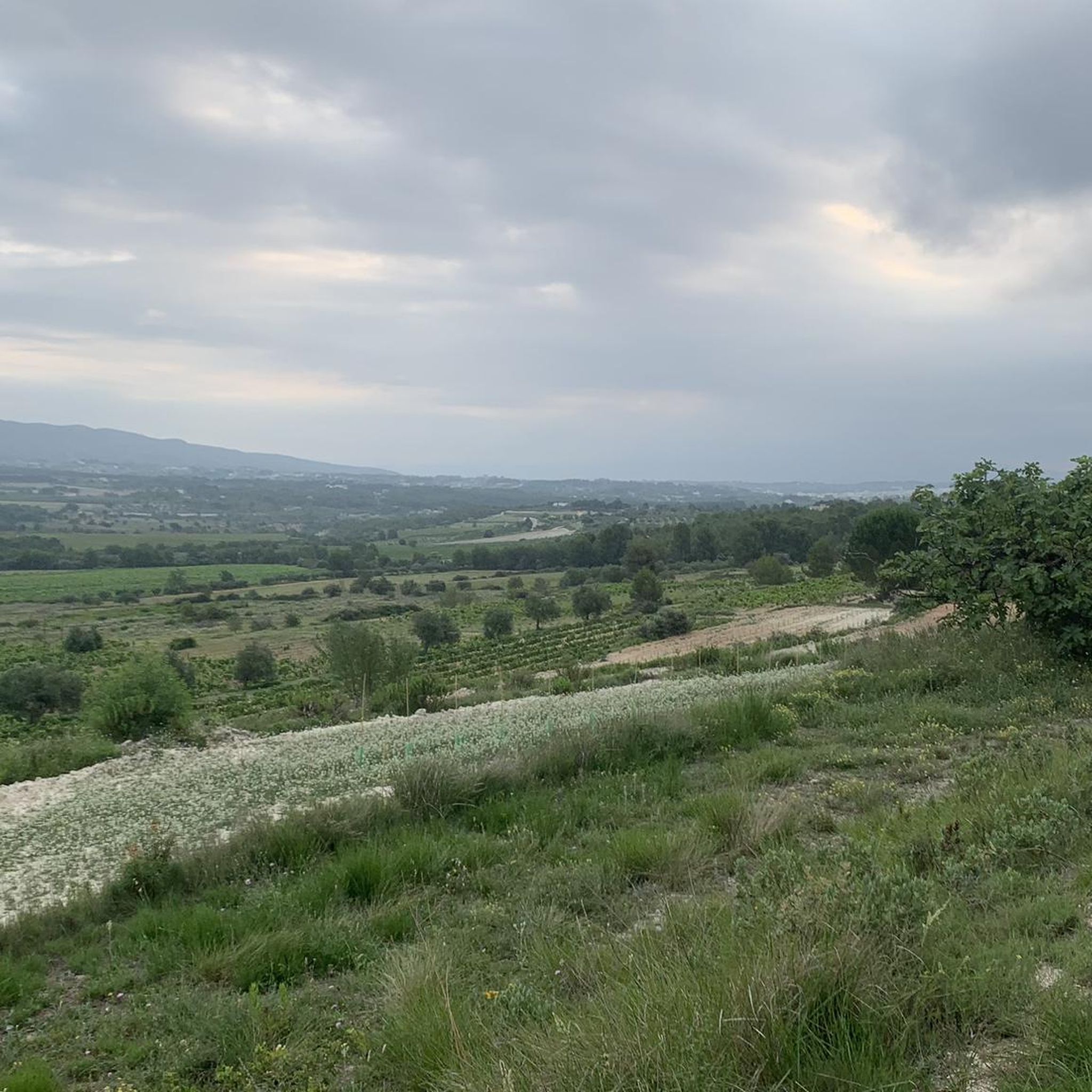
El Camino del Cid – defence of the south by gravel bike
El Camino del Cid – defence of the south on MTB
Road Cycling Routes around Ontinyent
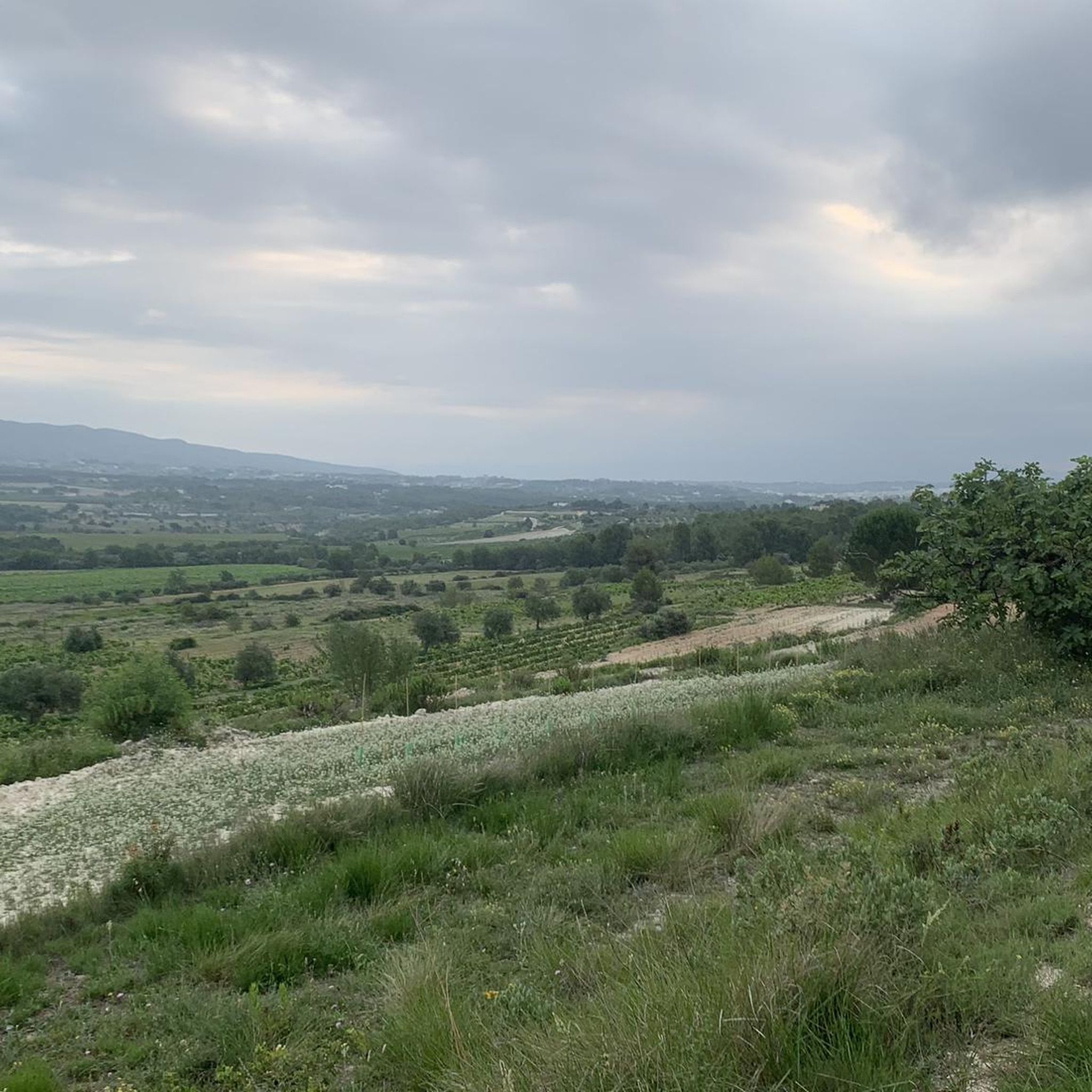
MTB Trails around Ontinyent
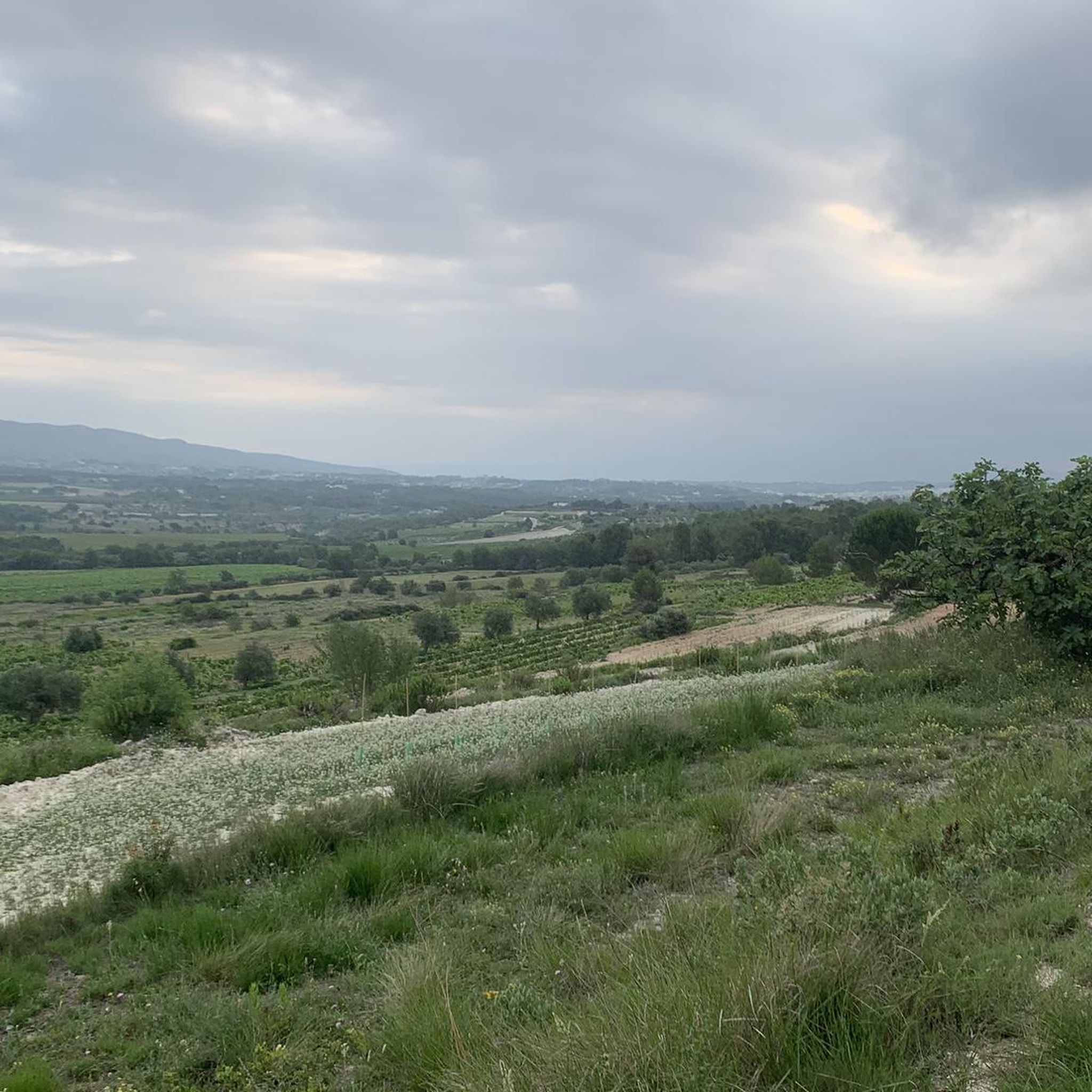
Cycling around Ontinyent
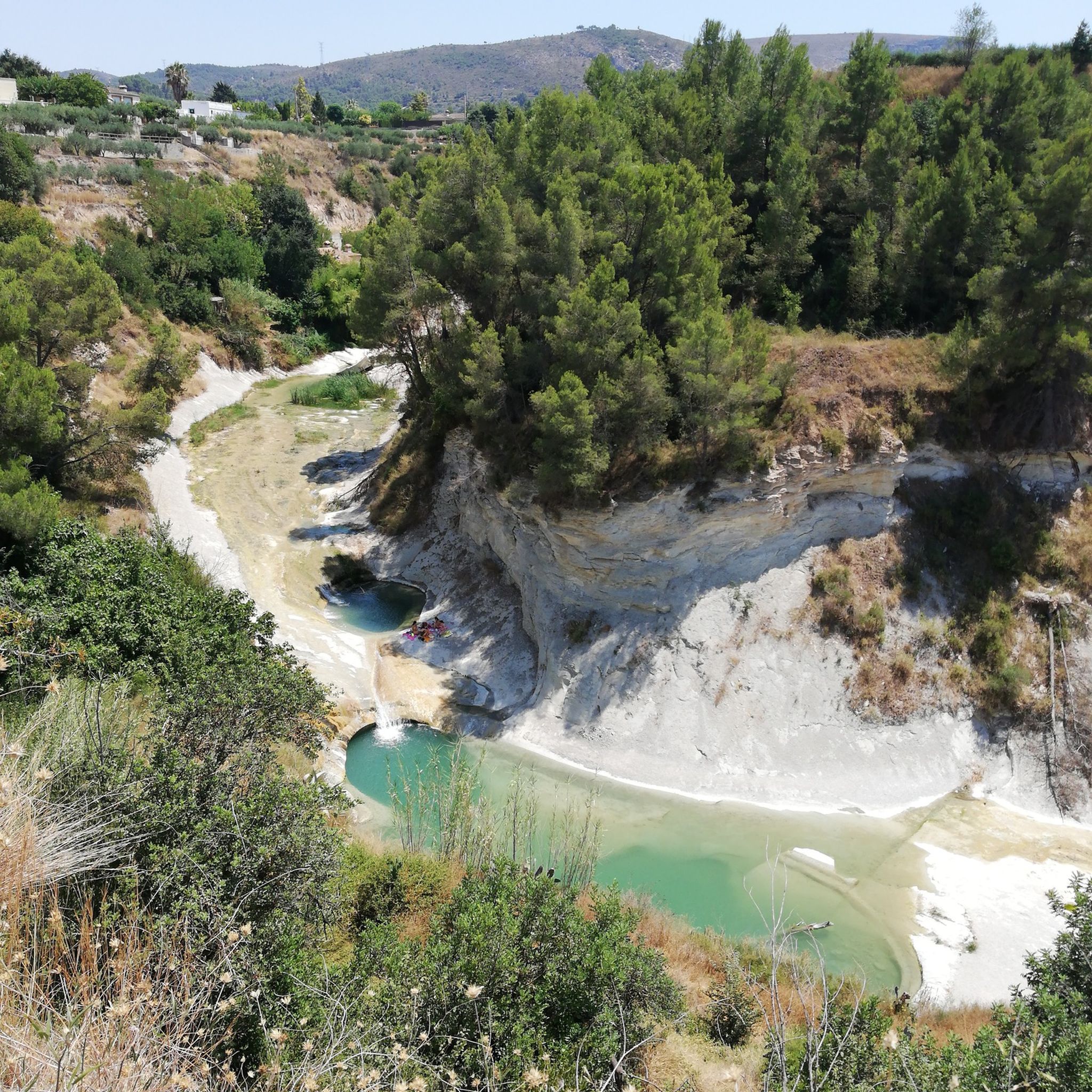
Hiking around Ontinyent
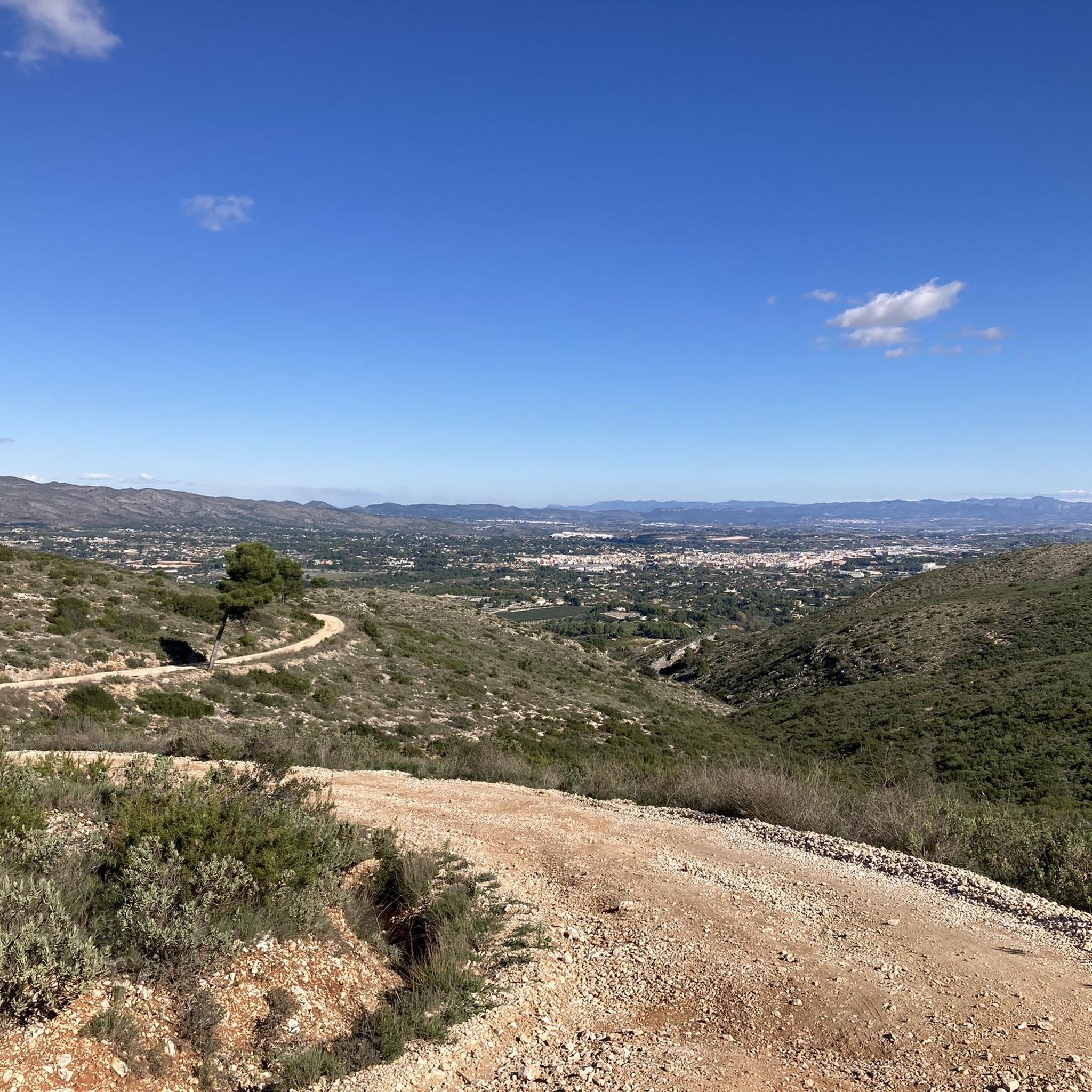
Running Trails around Ontinyent
Gravel biking around Ontinyent
Other adventures around Ontinyent


Tips from the Community

The route begins in the charming village of Carrícola, in the Vall d'Albaida region of Valencia. From there, a circular route begins that gently ascends along rural roads and well-marked trails, surrounded by Mediterranean vegetation and cultivated fields. The most special feature of this route is the Biodivers project, an artistic and ecological initiative that has transformed the surrounding area into an open-air museum. Along the way, visitors encounter contemporary sculptures integrated into the landscape: a giant iron spider, spiral books, human faces in fountains, geometric structures, and other works that invite reflection on the relationship between humans and nature.
3
0
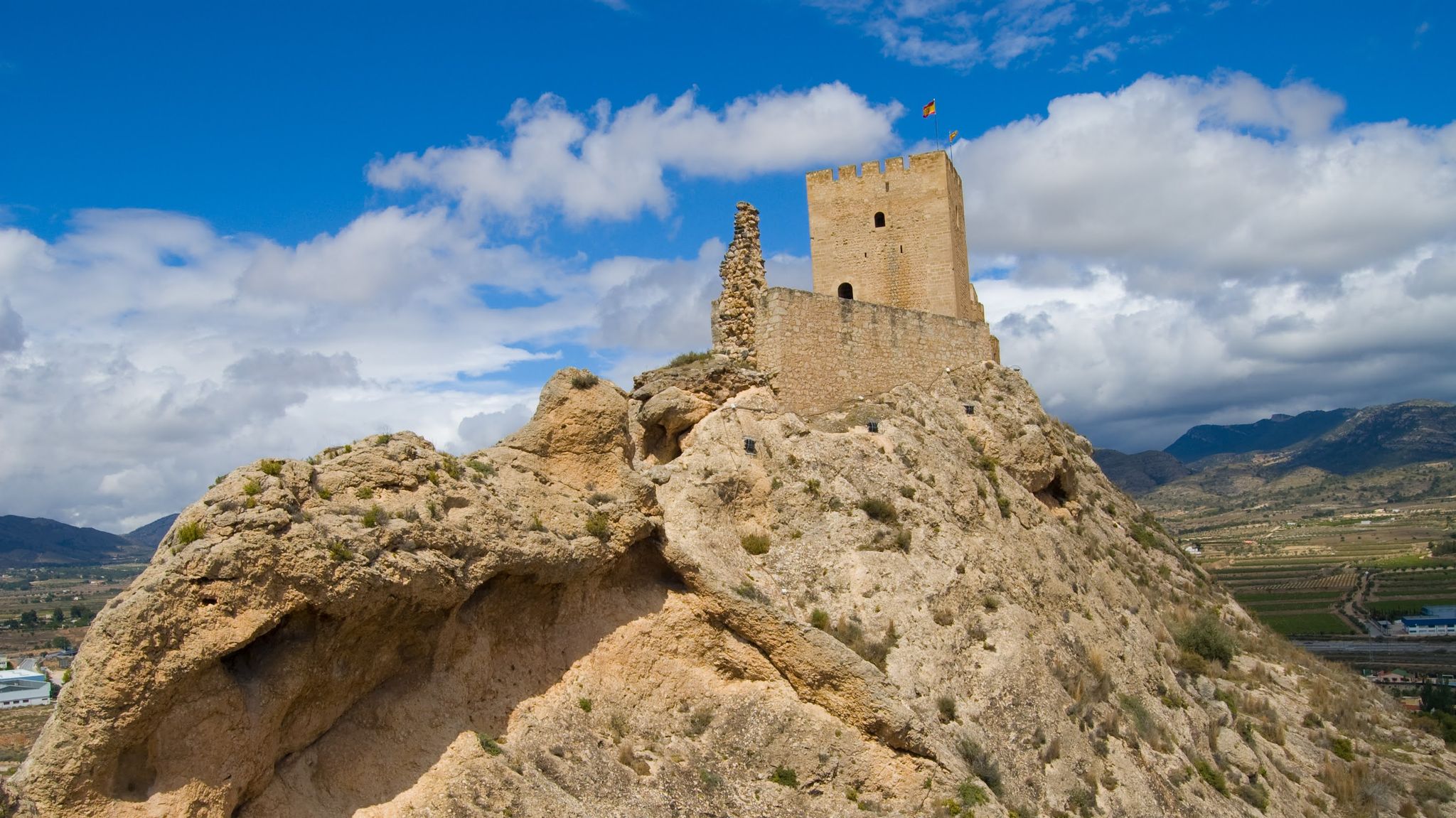
The Castell de Carrícola, also known as Castellet, is a historic and natural gem located in the municipality of El Palomar, in the Vall d'Albaida region of Valencia. It is an ancient Islamic fortification built between the 10th and 12th centuries, although the current tower was erected after the Christian conquest, around the mid-13th century. It has been declared a Site of Cultural Interest and has been restored to allow visitors to visit it, including access to its terrace, from where you can enjoy spectacular views of the region and the Bellús reservoir.
3
0

The castle, which is not particularly worth seeing, dates back to the Almohad period and was built between the 10th and 12th centuries. But the view is very beautiful.
0
1

This point is a great viewpoint. Below is the figure of the castle tower and in the background the valley. The Castillo de Carrícola rises on a rock above the town. A trail leads to the remains of the wall and the high tower through the beautiful ravine of the Castellar.
1
0

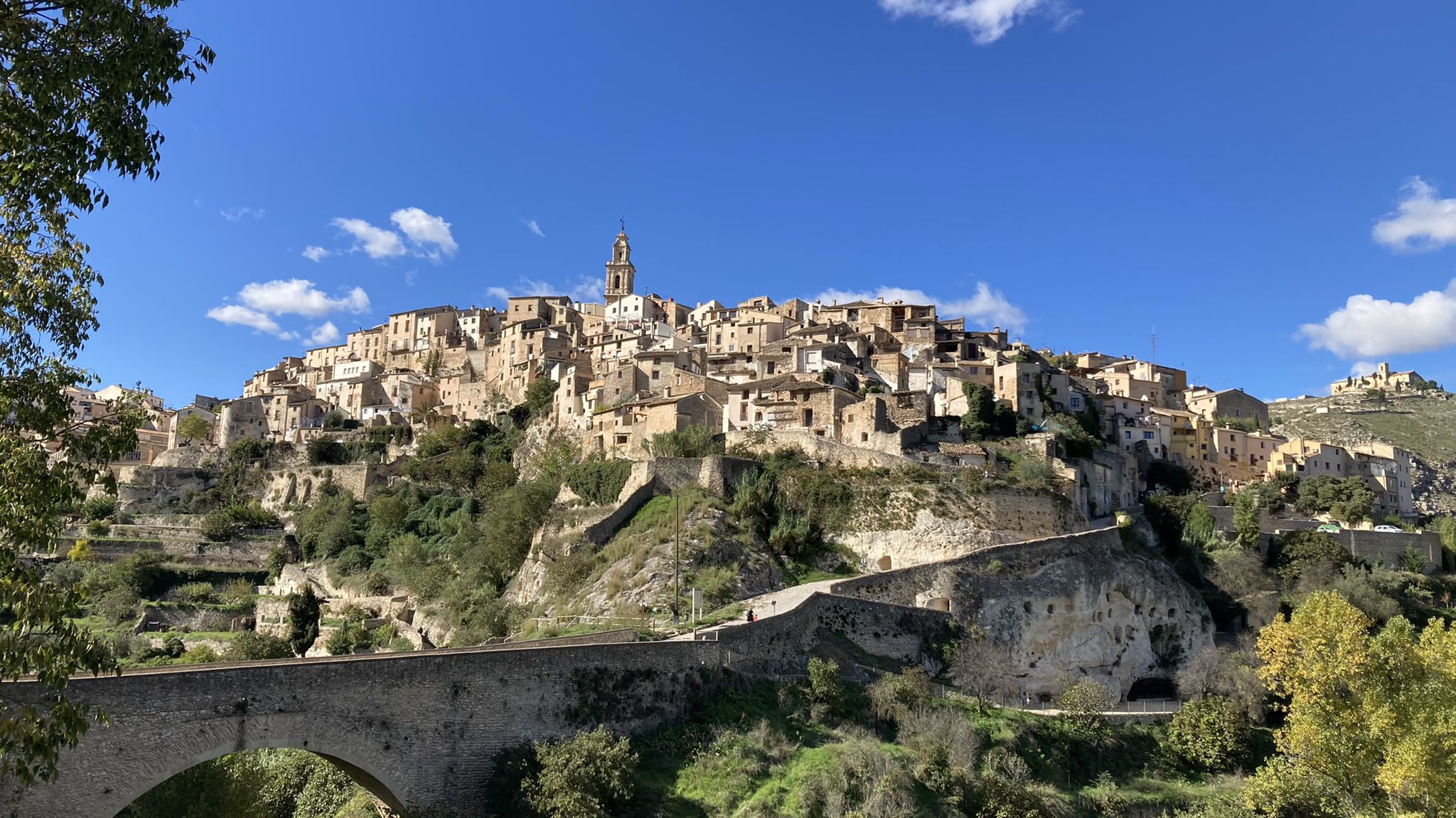
Very beautiful old town, over which the castle towers majestically. Worth a detour! The name of the city is of Arabic origin and was first mentioned at the end of the 11th century.
4
0

Wear suitable footwear, as there are quite steep steps and loose ground.
2
0
The views from the castle are spectacular.
2
0

The castle of Vallada, from the Muslim period, is located on a prominence 558 meters above sea level. It is also known as the Umbría castle, and being located in the Vallada part of the municipality, it offers magnificent views of the Cañoles river valley.
2
0
Frequently Asked Questions
What historical sites can I explore in Ontinyent beyond the main castles?
Beyond the individual castles, the entire La Vila Medieval Quarter in Ontinyent is a significant historical site. It originated around an 11th-century Muslim fortress and preserves one of the most representative medieval ensembles in the province of Valencia. You can walk through its narrow, sloping streets, discover remnants of the ancient city wall, and visit the Archiprestal Church of Santa Maria, which features the tallest bell tower in the Valencian Community. The Museu Arqueològic d'Ontinyent i la Vall d'Albaida (MAOVA) is also located here, showcasing artifacts from various historical periods.
Are there any castles in Ontinyent that offer a glimpse into its royal past?
Yes, the Castle-Palace of Duquesa de Almodóvar, also known as the Palau de la Vila, is a 14th-century residential palace built upon the ruins of an ancient Islamic fortress. It once served as a royal residence, hosting figures like Kings Jaume I, Pedro el Grande, and Jaume II. Today, it houses the Tourist Info office and the Museu dels Gegants i Cabets, making it a central point for visitors to learn about Ontinyent's history.
What are some of the most notable castle viewpoints around Ontinyent?
You can find several excellent viewpoints. The View of Carrícola Castle offers a great perspective of the castle tower and the surrounding valley. Another popular spot is the View of Castell de Cocentaina, which provides spectacular views of the region and the Bellús reservoir from its terrace. Additionally, Castillo de Vallada, located on a prominence 558 meters above sea level, offers magnificent views of the Cañoles river valley.
Can I find family-friendly activities or sites related to castles in the Ontinyent area?
Yes, the town of Banyeres de Mariola is considered family-friendly. Its beautiful old town is overlooked by an Almohad castle, offering an engaging historical experience for all ages. The La Vila Medieval Quarter in Ontinyent itself, with its narrow streets and historical buildings, provides an immersive experience into medieval urban planning that families can enjoy exploring.
What kind of natural features can I expect to see when visiting castles near Ontinyent?
Many castles in the region are strategically located amidst natural beauty. For instance, the Castillo de Vallada offers magnificent views of the Cañoles river valley. The View of Castell de Cocentaina provides vistas of the Bellús reservoir. The La Vila Medieval Quarter in Ontinyent is naturally defended by the ravines of Pou Clar and Almaig, and offers panoramic views of the surrounding landscape.
Are there hiking opportunities near the castles around Ontinyent?
Absolutely. The region offers various hiking trails that often incorporate historical sites. For example, the Art Trail to Carrícola Castle is a circular route that gently ascends along rural roads and well-marked trails, surrounded by Mediterranean vegetation. You can find more hiking options, including routes like 'Pou Clar – View of Bocairent loop' or 'Pou d'Olleta – Pou Clar Natural Pools loop', by exploring the Hiking around Ontinyent guide.
What is the historical significance of the Torre de la Villa in Ontinyent?
The Torre de la Villa in Ontinyent holds significant historical importance as its primary function was to control access to the city via the medieval bridge. The current structure dates back to the 17th century, replacing earlier versions built upon an even older medieval base. It offers a tangible glimpse into the defensive architecture of Ontinyent and its role in regulating entry to the town over centuries.
What outdoor activities, besides hiking, can I do near the castles in the Ontinyent area?
Beyond hiking, the area around Ontinyent is excellent for cycling. You can explore various routes, such as 'Touring the interior of La Vall d'Albaida' or 'From Ontinyent to Bocairent via the Camino del Cid'. For more details on cycling routes, refer to the Road Cycling Routes around Ontinyent and Cycling around Ontinyent guides.
What do visitors particularly enjoy about the castles and historical sites around Ontinyent?
Visitors appreciate the rich historical heritage and medieval urban planning. They enjoy the strategic viewpoints that offer spectacular panoramas, such as those from Castell de Cocentaina. The immersive experience of walking through the La Vila Medieval Quarter and discovering ancient fortifications integrated into the modern town is also highly valued. The blend of history, nature, and unique artistic trails like the Art Trail to Carrícola Castle also receives positive feedback.
Are there any hidden gems among the castles or historical areas near Ontinyent?
While not a 'hidden' castle, the La Vila Medieval Quarter itself can feel like a hidden gem for those expecting only isolated castle structures. Its well-preserved medieval ensemble, with narrow streets, hidden wall sections, and traditional Valencian architecture, offers a deep dive into the town's past that many find uniquely charming and less frequented than individual castle ruins.
What is the best time of year to visit the castles and historical sites around Ontinyent?
The best time to visit the castles and historical sites around Ontinyent is typically during the spring (April to June) and autumn (September to October). During these months, the weather is generally mild and pleasant, making it ideal for exploring the outdoor sites and walking through the medieval quarters without the intense heat of summer or the cooler, wetter conditions of winter.
Most popular routes around Ontinyent
Most popular attractions around Ontinyent

Get inspired with the komoot mobile app


Explore more
Looking for the best castles somewhere else? Discover other guides around Ontinyent:
