Top 8 Caves around Olocau
Best caves around Olocau are found within the municipality in the Valencian Community, set against the backdrop of the Sierra Calderona mountain range. This region features various natural caves, some with historical and archaeological significance. The landscape is characterized by its mountainous terrain, offering opportunities for exploration of these geological formations. Olocau's caves provide insights into both natural processes and past human activity.
Best caves around Olocau
- The most popular caves is Santa Inés Cave, a cave that is…
Last updated: August 13, 2026
Ruins of Las Cuevas Calientes
Highlight • Cave
Translated by Google •
Tip by

Santa Inés Cave
Highlight • Cave
Translated by Google •
Tip by

Sign up now to discover places like this
Get recommendations on the best single tracks, peaks, & plenty of other exciting outdoor places.
Sign up for free
Cueva de Sacañé
Highlight • Cave
Translated by Google •
Tip by

View of Olocau and the Cliffs of Cova del Cavall
Highlight • Viewpoint
Translated by Google •
Tip by

Cova del Judío
Highlight • Cave
Translated by Google •
Tip by
Sign up for free to discover even more caves around Olocau.
Sign up for free
Already have an account?
Start today with a free account
Your next adventure awaits.
Login or Signup

Tips from the Community


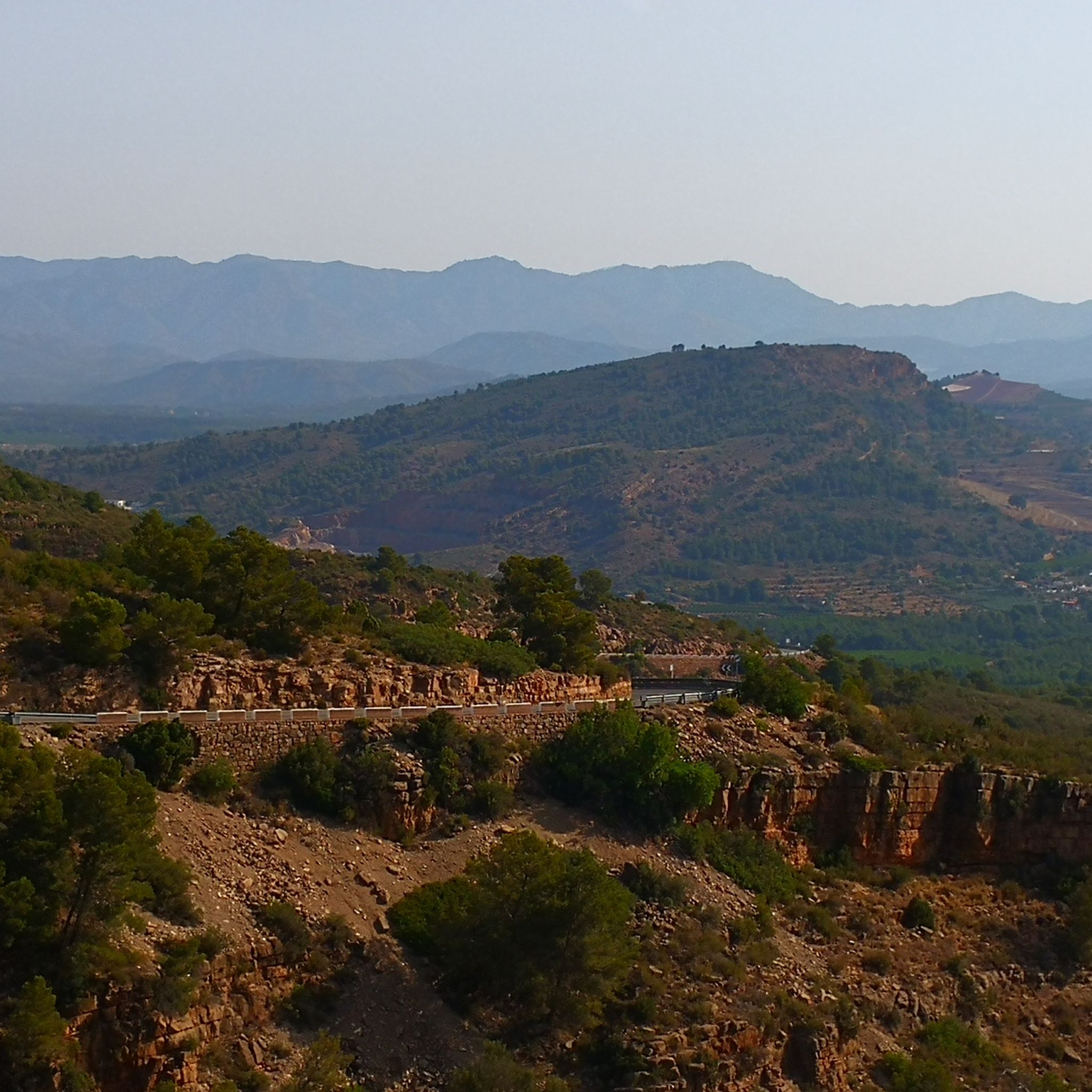
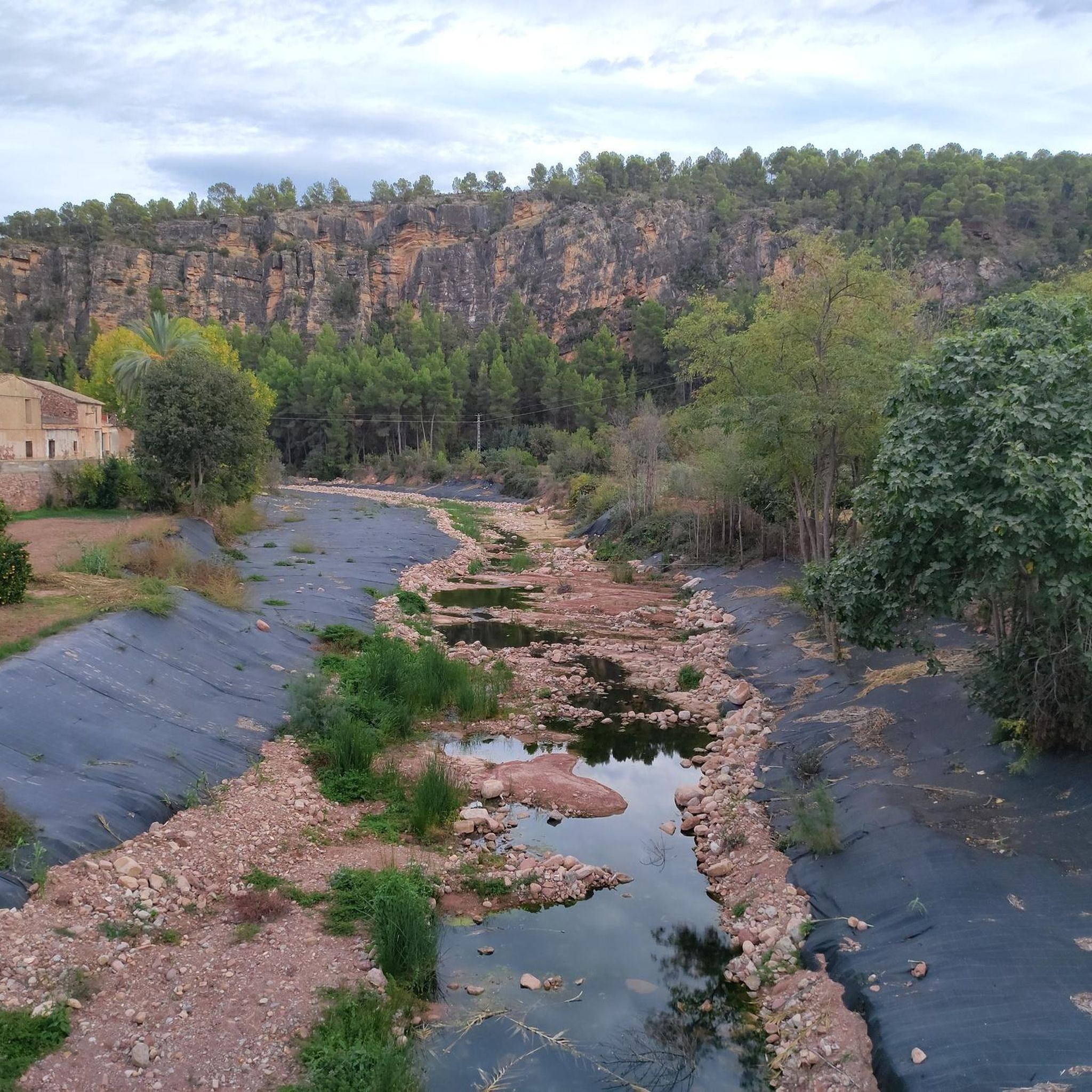
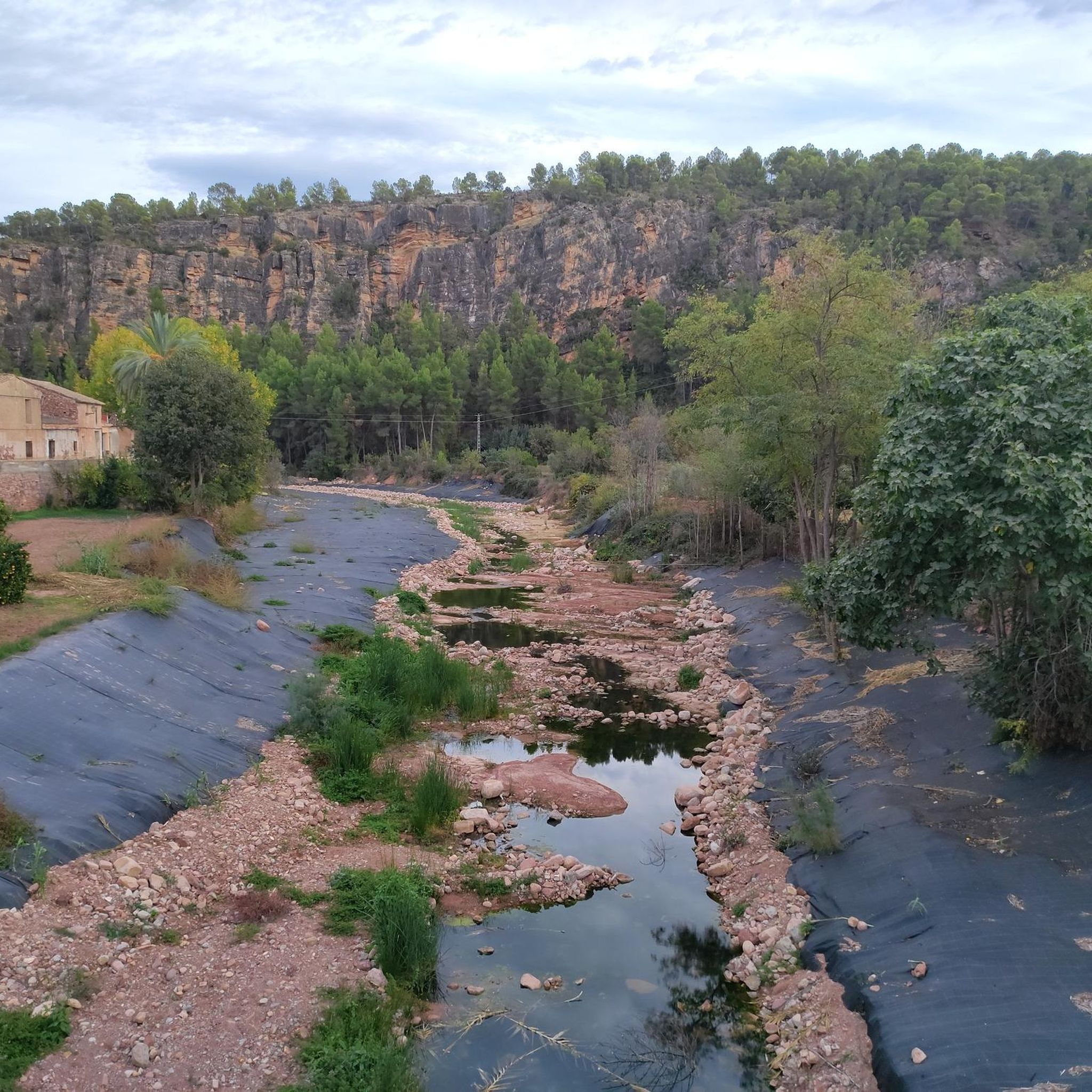
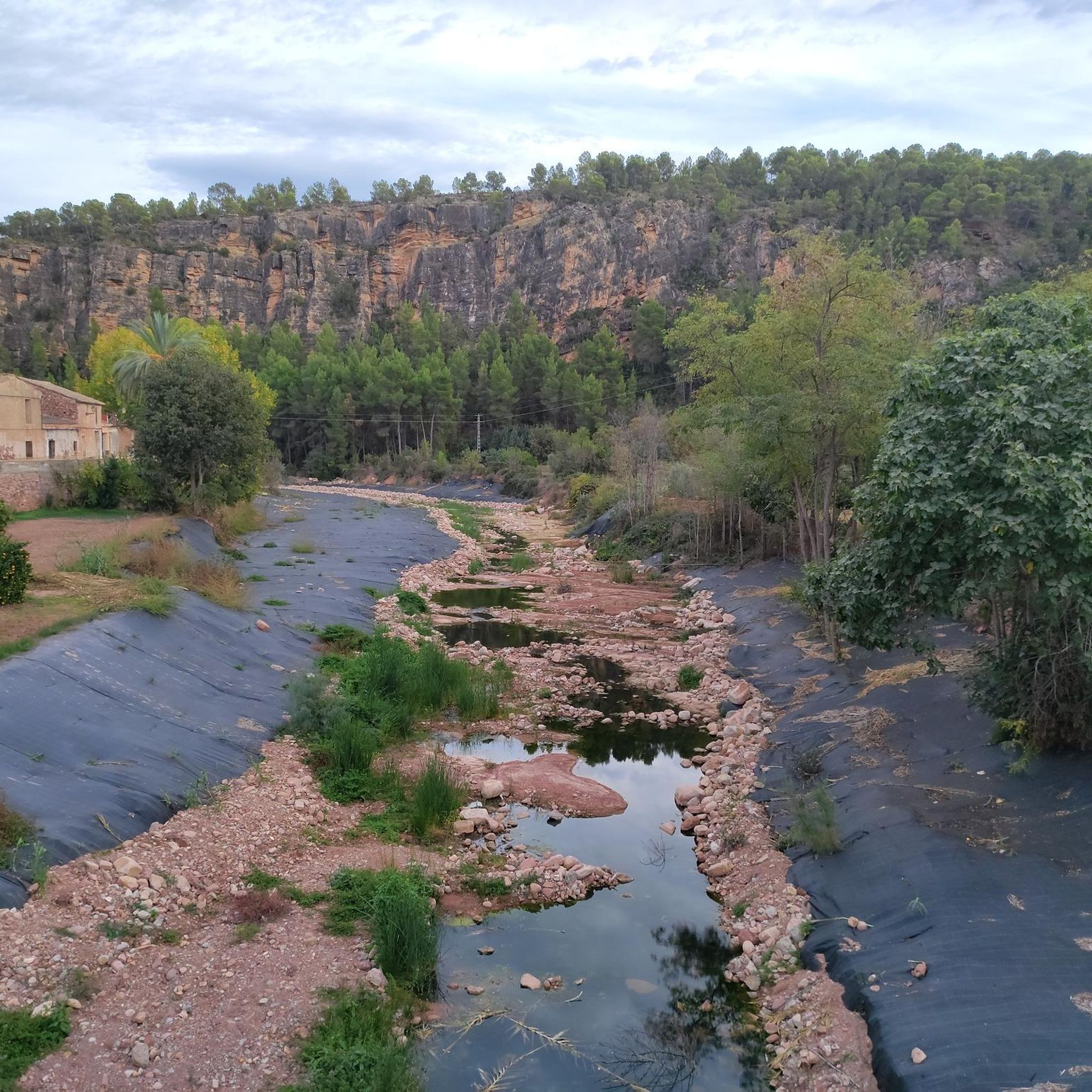
Point from which you can see Olocau and its orchard area in the bed of the Barranco de Olocau. You get there by climbing a path with wooden steps just outside the town, in the park where L'Arquet is. Be careful with the cliff at the top.
0
0

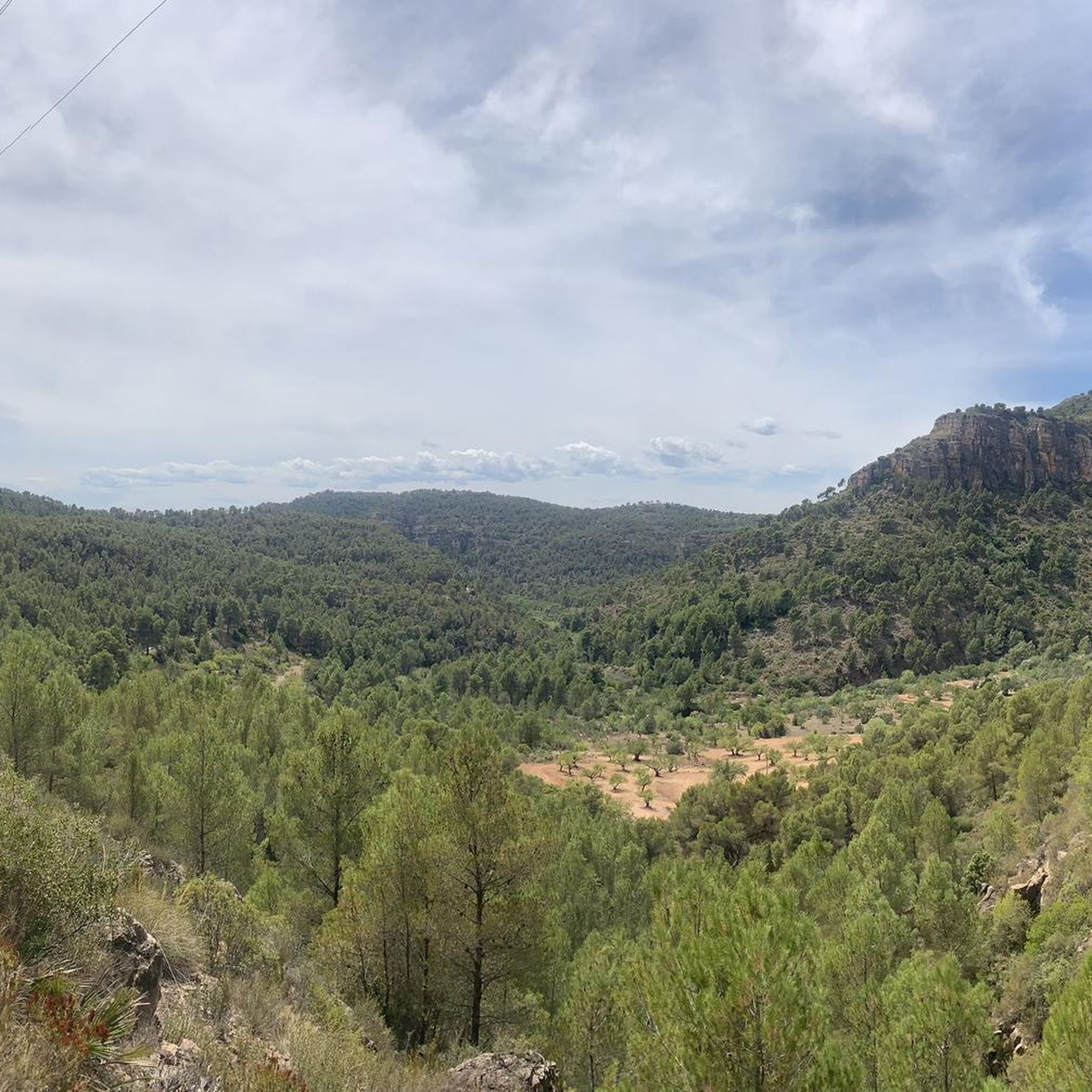
Beautiful cave that is located at the foot of the Rodeno de Santa Agnés mountain and that also offers impressive views of the valley.
0
0

Cueva, you have to be careful, from the track you can see the fence, but the crossing is not indicated, but easy to find
0
0

Also known as the "Crestas del Conde", these are very curious caves that usually go unnoticed unless you look up. Their history is unknown but it is believed that they were used a long time ago for shelter and mainly as a storage place.
4
0

A nice view, also of the rocks.
2
0

there are spectacular views and cliffs that give vertigo. wear good hiking boots because the route is quite steep at times
2
0

Rocky ridges with holes, like small caves. Visually very beautiful and curious mountainous formation.
3
1
Frequently Asked Questions
What are the most accessible caves for general visitors in Olocau?
For general visitors, Cueva de Sacañé is a large, accessible cave that is not fenced, making it relatively easy to explore. The Ruins of Las Cuevas Calientes also offer curious rocky formations that are visually interesting and believed to have been used for shelter.
Are there any caves in Olocau with historical or archaeological significance?
Yes, the Cova del Cavall, located atop Mount Maimó, holds significant historical and archaeological value. It was historically used as a sanctuary, with evidence of horse worship from Iberian culture and findings of ceramic remains. Legend also suggests it housed a stone horse figure.
What kind of natural features can I expect to see in the caves around Olocau?
The caves in Olocau showcase various natural features. Cova del Cavall, for instance, is known for its beautiful speleothems, including stalactites and eccentric formations, and its tectonic speleogenesis. Other caves like Santa Inés Cave offer impressive views of the valley from their entrances.
Are there challenging caving experiences available for experienced cavers in Olocau?
Yes, Cova del Cavall is particularly appealing to experienced cavers. It is one of the deepest and most challenging caves in the Sierra Calderona, featuring vertical shafts that require rappelling and basic climbing skills. Guided caving tours are available for those seeking an immersive experience.
What is the best time of year to visit the caves in Olocau?
The caves in Olocau can be visited year-round, as the Cova del Cavall maintains a consistent temperature of 14–16°C, providing a stable environment. For surface activities like hiking to cave entrances, spring and autumn generally offer the most pleasant weather conditions.
Are there family-friendly activities or caves suitable for children in Olocau?
While Cova del Cavall is more suited for experienced cavers, the more accessible caves like Cueva de Sacañé and the Ruins of Las Cuevas Calientes can be interesting for families. Exploring the exterior formations and enjoying the surrounding trails can be a good option for children.
What outdoor activities can I combine with a visit to the caves in Olocau?
Olocau is surrounded by opportunities for outdoor activities. You can find numerous hiking trails, including routes like the 'Ascent to Castillo del Real' or 'El Puntal dels Llops'. There are also options for gravel biking and running trails in the area, allowing you to explore the natural landscape around the caves.
Is there parking available near the caves in Olocau?
While specific parking details for each cave are not always readily available, Olocau is a small municipality. Visitors typically find parking in or near the town center and access trails leading to the caves. For the View of Olocau and the Cliffs of Cova del Cavall, you can access it by climbing a path with wooden steps just outside the town, in the park where L'Arquet is.
Are permits required for caving in Olocau?
For challenging caves like Cova del Cavall, which involves vertical shafts and requires specialized equipment, it is highly recommended to join guided tours or obtain necessary permits if exploring independently. For more accessible caves, permits are generally not required, but always check local regulations.
What is the Cova del Cego and what is its significance?
The Cova del Cego is located behind the Font del Frare in Olocau. It is known for a local legend that describes a person taking refuge in the cave and making fires there many years ago, which reportedly calcined its ceiling. While its existence is acknowledged, extensive details for tourism or speleology are not widely available.
What should I wear when visiting caves in Olocau?
For general cave visits, comfortable clothing and sturdy footwear with good grip are advisable. If you plan to explore challenging caves like Cova del Cavall, specialized caving gear, including helmets, headlamps, harnesses, and appropriate protective clothing, is essential. Always wear good hiking boots, especially on steep or uneven trails leading to cave entrances.
Are there any viewpoints near the caves that offer scenic views of the region?
Yes, the View of Olocau and the Cliffs of Cova del Cavall offers spectacular views of Olocau and its surrounding landscape. Santa Inés Cave also provides impressive views of the valley from its location at the foot of the Rodeno de Santa Agnés mountain.
Most popular attractions around Olocau

Get inspired with the komoot mobile app


Explore more
Extend your search for the best caves by checking out these guides of the top ones around Olocau:
