Top 11 Castles around Saus, Camallera I Llampaies
Best castles around Saus, Camallera I Llampaies are primarily fortified churches and medieval structures located in the Alt Empordà region of Catalonia. This area is characterized by its charming medieval hamlets and Romanesque architecture. Many of these historical fortifications are situated on elevated positions, offering views of the surrounding landscape. They reflect the region's rich history and the strategic importance of these structures in medieval times.
Best castles around Saus, Camallera I Llampaies
- The most popular castles is Sant Morí…
Last updated: July 3, 2026
Cinc Claus Village and Castle
Highlight • Castle
Translated by Google •
Tip by

Sant Morí Castle
Highlight • Castle
Translated by Google •
Tip by
Sign up now to discover places like this
Get recommendations on the best single tracks, peaks, & plenty of other exciting outdoor places.
Sign up for free
Historic centre of Vilaür
Highlight • Historical Site
Translated by Google •
Tip by

Verges — Medieval Village
Highlight • Historical Site
Translated by Google •
Tip by

Castell d'Albons
Highlight • Castle
Translated by Google •
Tip by
Sign up for free to discover even more castles around Saus, Camallera I Llampaies.
Sign up for free
Already have an account?
Start today with a free account
Your next adventure awaits.
Login or Signup
Popular around Saus, Camallera I Llampaies
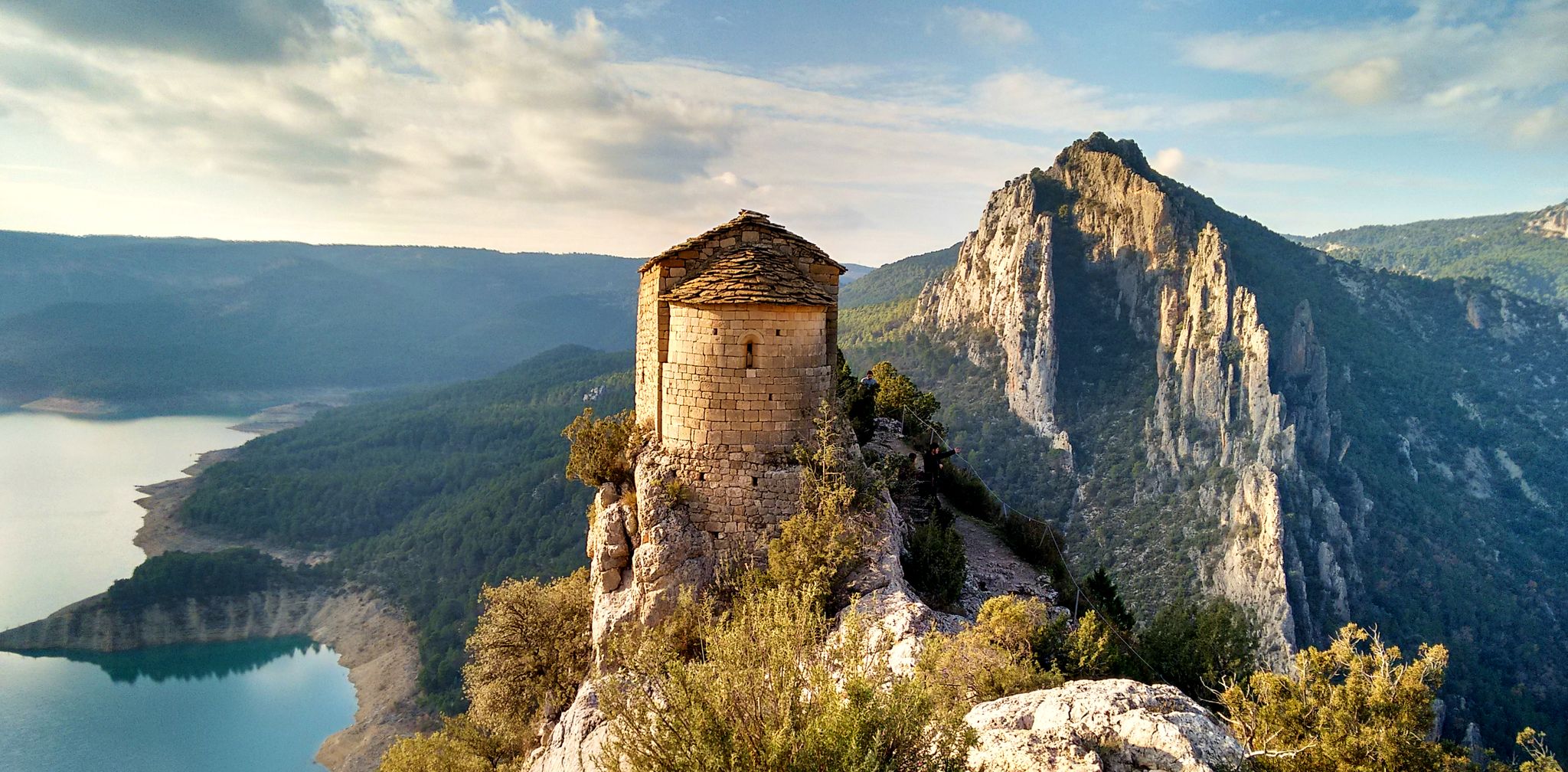
From the Mediterranean to the Pre-Pyrenees – Historical Path in Catalonia (GR 1)
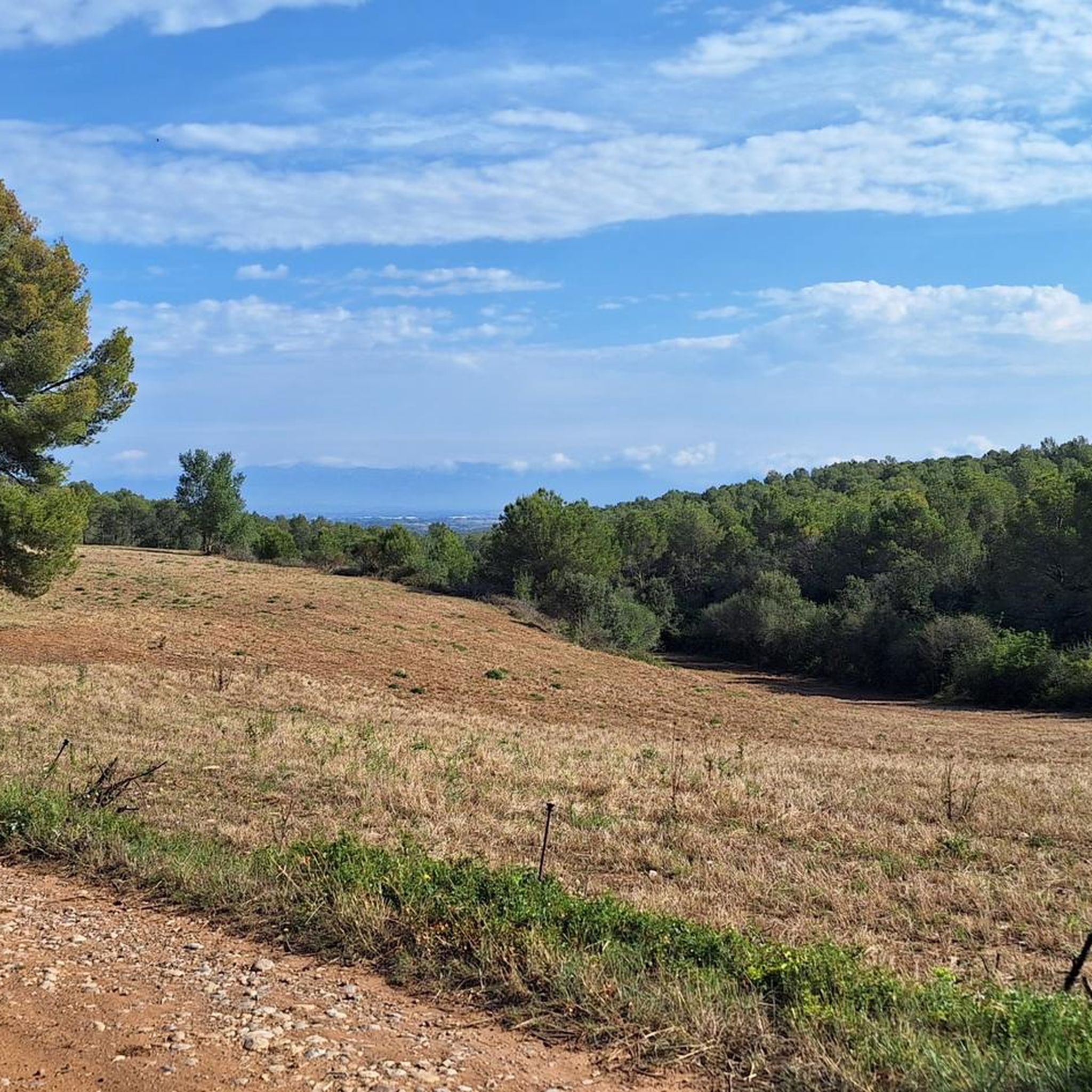
Road Cycling Routes around Saus, Camallera I Llampaies

Gravel biking around Saus, Camallera I Llampaies
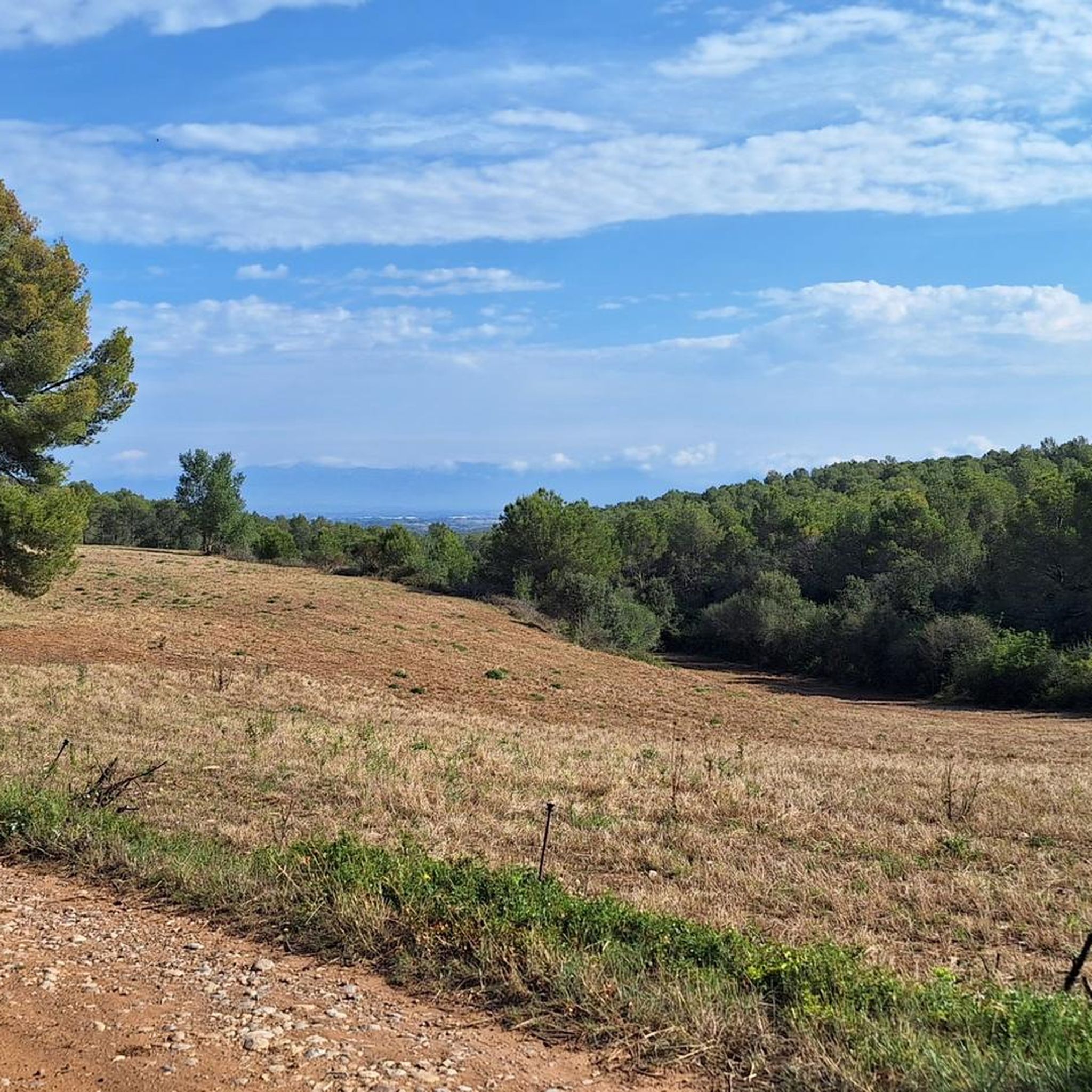
MTB Trails around Saus, Camallera I Llampaies
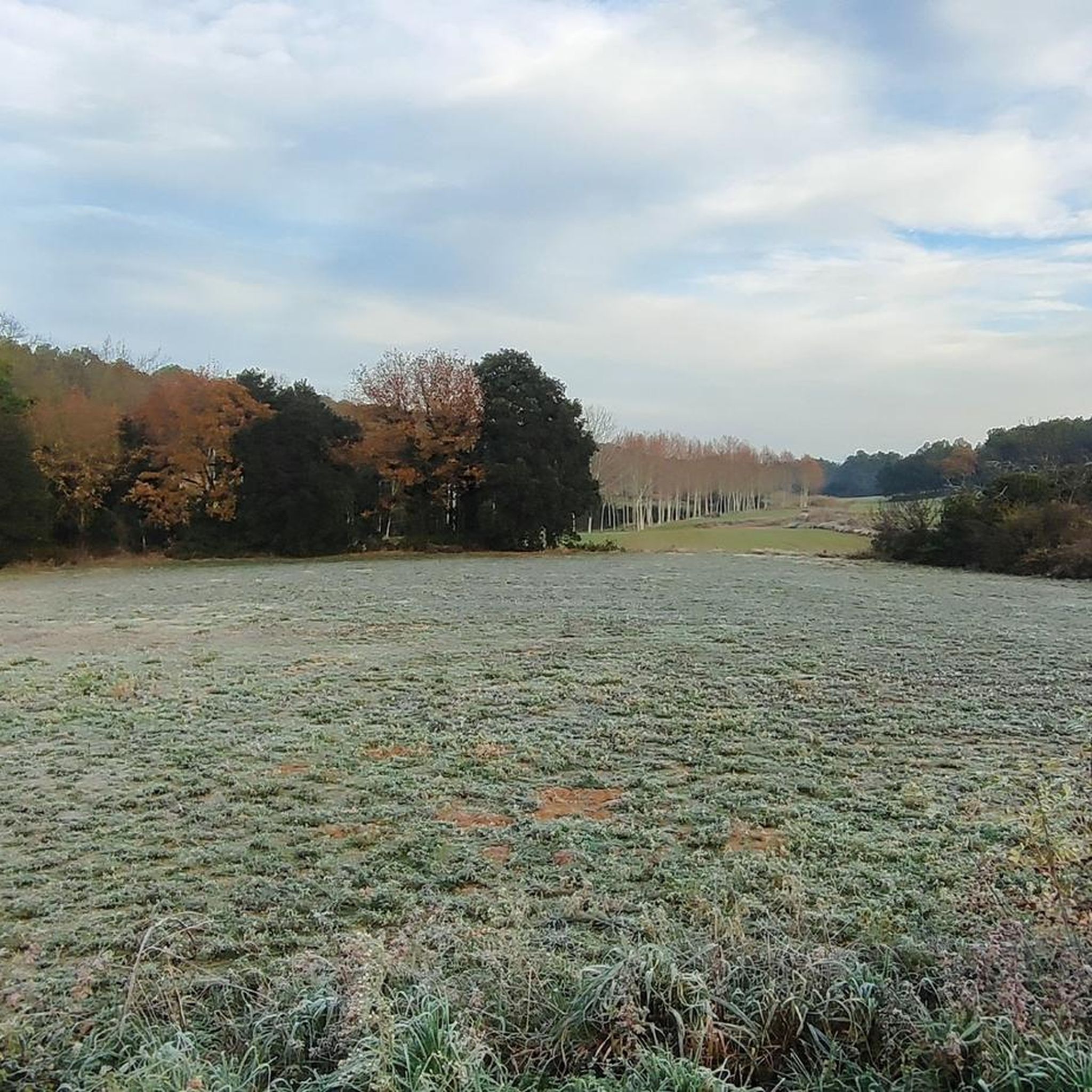
Cycling around Saus, Camallera I Llampaies
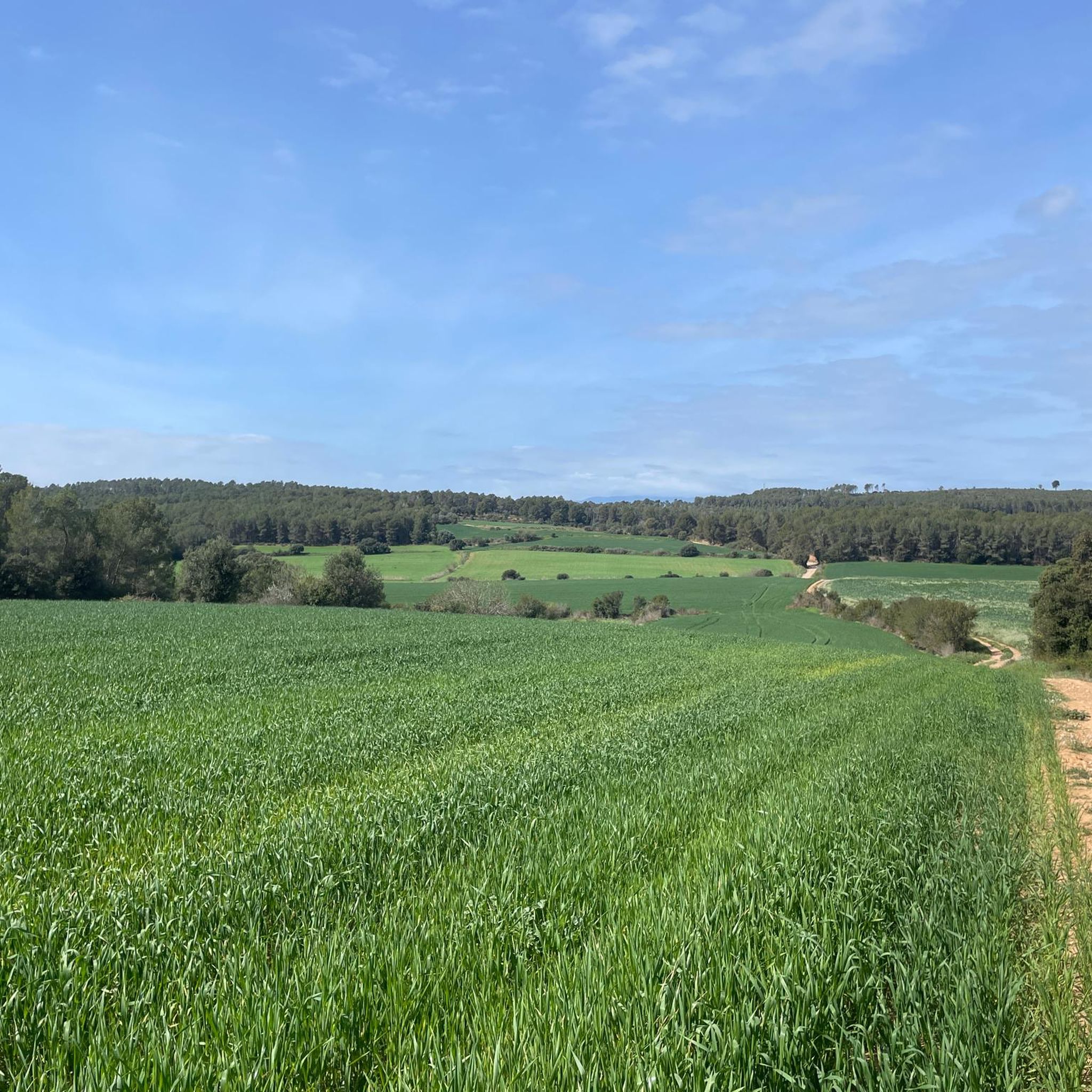
Running Trails around Saus, Camallera I Llampaies
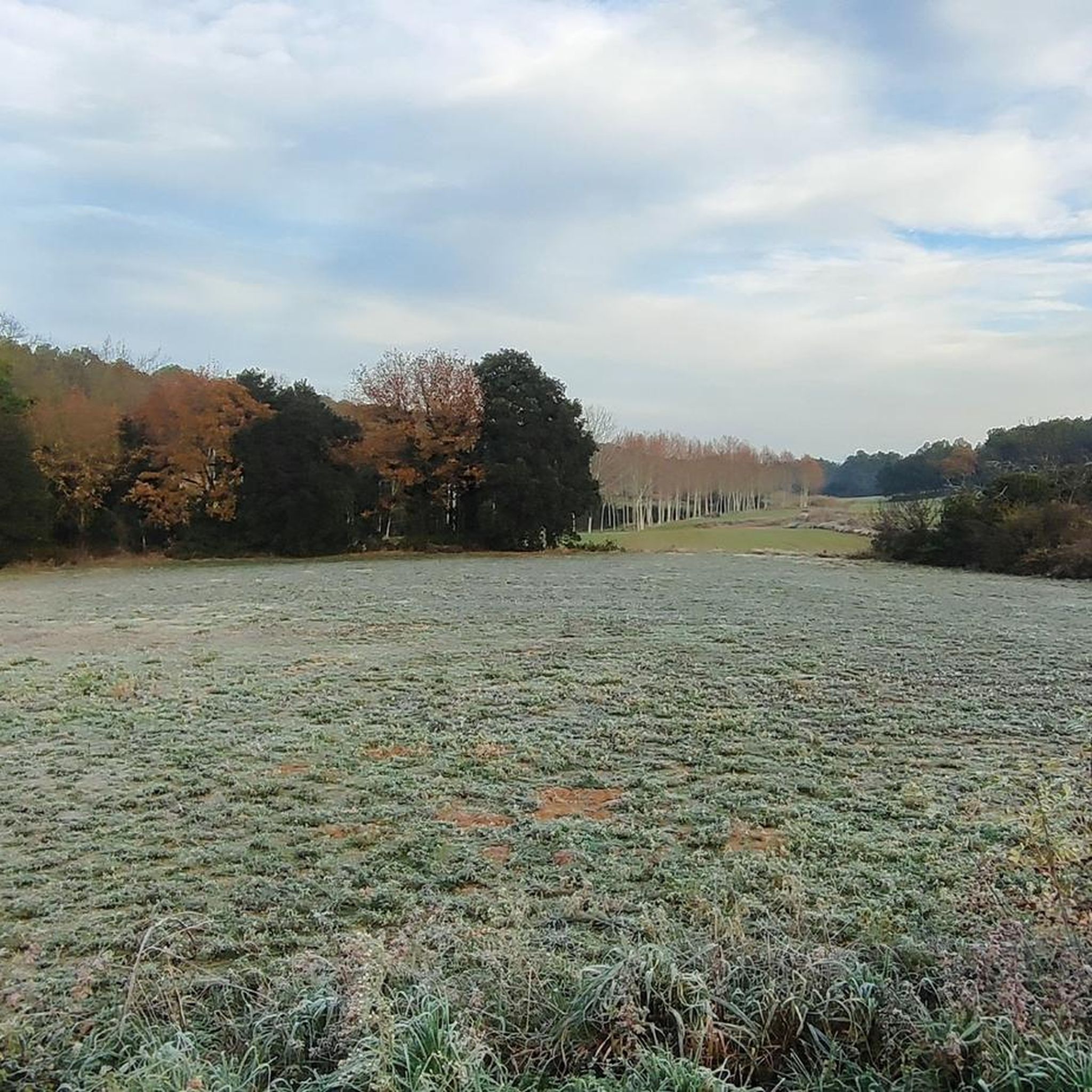
Hiking around Saus, Camallera I Llampaies
Other adventures around Saus, Camallera I Llampaies

Tips from the Community

Small but beautiful municipality
0
0


Verges, charming medieval town. Natural break point on all RdT routes.
0
0

https://www.youtube.com/watch?v=oi0HgiBDuF0The imposing building that we can see today was built in the 15th century on the remains of a medieval castle documented since 1149 and that in the century XIII was owned by Bernat de Creixell. Historians do not agree on whether the monastery of Sant Miquel de Fluvià had the superior lordship. In any case, we know that the Creixells passed by marriage to the Vilaguts and from these to the Rocabertís, already in the 15th century. It was at that time when the first major transformation of the castle took place and when Queen Joana Enríquez, mother of Ferdinand the Catholic, settled there for a while. Since then it has been in the hands of the descendants of Pere de Rocabertí, the Cardona-Rocabertí and then the Sentmenat and the Moxó. Maria Mercè de Sentmenat i de Patiño received the title of Marchioness of Sant Mori in 1893. The castle is located in the middle of the town. It is configured as a large massive block, rectangular in plan, with a central courtyard. The main portal is dovetailed and on the facades there are several bigeminated crown windows, decorated with noble coats of arms, one of which shows the fleurs-de-lis of the Vilagut. Other windows are the result of modern restoration. swIf you want, you can rent it for rooms or weddings... https://www.airbnb.es/rooms/30806789?adults=1&children=0&enable_m3_private_room=true&infants=0&pets=0&check_in=2024-02-29&check_out=2024-03-05&source_impression_id=p3_1704139137_peqk24%2FuplIlvbBN&previous_page_section _name=1000&federated_search_id=8a9627cf-4904-4024- 9e09-702153ebb233
3
0
This church, of medieval origin, is part of the most important architectural heritage of the old town of Sant Mori, along with the Sant Mori Castle and other historical buildings. The church is an outstanding testimony of the history and architecture of the area, reflecting the rich cultural heritage of the town.
5
0
https://www.itinari.com/es/location/castillo-sant-mori https://www.youtube.com/watch?v=oi0HgiBduF0 It is an architectural jewel from the 15th century with Gothic-Renaissance influences. This castle-palace was significantly remodeled in the 16th century on the ruins of an earlier structure. Today, Sant Mori Castle is not only a testament to the region's rich historical past, but also offers a unique holiday experience, with its impressive architectural features such as a charming interior courtyard, three floors full of history, and a garden terrace with pool. In addition, its location allows easy access to cultural and natural attractions in the area, such as the Dalí House Museum and the beaches of the Costa Brava. https://www.youtube.com/watch?v=rocwax-EevA
0
0
In 959 Count Gausfred recognized this place as one of the many properties that Riculf had. Cinco Claus Castle was built in the 14th century. In 1402, Sinch keys appeared, along with the Courts, as places incorporated into the Crown by King Martí l'Humà. Because of its proximity to Empúries, it suffered numerous military confrontations: the military contest between Count Hug V of Empúries and King Jaume I (1274-1275), pirate raids (1483), the attack of Castilian troops of Felipe IV in the War of Secession, when the Cinc Claus castle belonged to the head of the Catalan militia Josep de Margarit i de Biure (1640) and the Carline wars. The farmhouses of Cinco Claus were built by reusing materials from the remains of the old castle.
5
0

Interesting place. Could also be an abandoned place in a western.
2
0
Frequently Asked Questions
What kind of historical fortifications can I expect to find in Saus, Camallera i Llampaies?
The region is known for its unique 'castles,' which are primarily fortified churches and medieval structures rather than traditional large fortresses. These include the Iglesia Fortificada de Santa Eugènia in Saus and the Església Fortificada de Sant Martí in Llampaies, which served both religious and defensive purposes in medieval times.
Which fortified churches are most notable for their defensive features?
The Iglesia Fortificada de Santa Eugènia in Saus is a prime example, featuring an apse raised as a defensive tower, a machicolation over the main entrance, battlements, and arrow slits. The Església Fortificada de Sant Martí in Llampaies also displays clear defensive adaptations like arrow slits and an elevated position.
Are there any traditional castles in the area that are still well-preserved?
Yes, Sant Morí Castle is a notable example. Rebuilt in the 15th century on earlier medieval remains, it presents as a large, massive block with a central courtyard and Gothic-Renaissance elements. It's currently rented out for events and accommodation, ensuring its excellent state of conservation.
Can I visit medieval villages with preserved fortifications?
Absolutely. Verges — Medieval Village offers a charming historic center where parts of its wall and castle are still preserved. Similarly, the Historic centre of Vilaür retains sections of its medieval wall, integrated into later constructions.
What is the best time of year to visit the castles and fortified churches?
The region's mild climate makes it suitable for visiting most of the year. Spring and autumn offer pleasant temperatures for exploring the outdoor sites and medieval villages. Summer can be warm, but is ideal for combining visits with other outdoor activities.
Are there family-friendly activities or sites among the castles?
Many of the medieval villages and historical sites, such as Verges — Medieval Village and Sant Morí Castle, are considered family-friendly. Exploring their historic centers and imagining medieval life can be an engaging experience for all ages.
Are there hiking or cycling routes that connect these historical sites?
Yes, the area offers various routes. For hiking, you can find trails like the 'Historic centre of Vilaür – Sant Sebastià de Camallera loop from Llampaies' or the 'San Mori – Sant Morí Castle loop from Camallera'. Cyclists can explore routes such as the 'Historic centre of Vilaür – Bar Societat de Siurana loop from Camallera'. You can find more details on these and other routes in the Hiking around Saus, Camallera I Llampaies and Cycling around Saus, Camallera I Llampaies guides.
What is unique about the architecture of the fortified churches in this region?
The fortified churches, like the Iglesia Fortificada de Santa Eugènia, showcase a blend of Romanesque architectural elements with later Gothic fortifications. Their transformation into 'temple-fortresses' reflects the turbulent medieval times when religious sites needed to protect their communities, integrating defensive structures into places of worship.
Is there a castle that is still inhabited today?
Yes, Sant Feliu de la Garriga Castle, a medieval complex dating from the 11th to the 13th century with Romanesque style, is currently inhabited.
Where can I find parking when visiting the fortified churches?
Parking is generally available in the urban centers of Saus and Llampaies. For the Iglesia Fortificada de Santa Eugènia in Saus and the Església Fortificada de Sant Martí in Llampaies, you can typically find parking within walking distance in the respective villages.
Are there any castles that have undergone significant modern transformations?
The Església de Sant Bartomeu in Camallera, while having medieval origins, underwent a 'radical transformation' in 1951. This renovation substantially modified the ancient building, including a change in orientation and the addition of a modern tower bell tower.
What kind of views can I expect from these historical sites?
Many of the fortified churches and medieval structures, such as the Iglesia Fortificada de Santa Eugènia in Saus and the Església Fortificada de Sant Martí in Llampaies, are situated on elevated hills. This provides commanding views of the surrounding Alt Empordà landscape, including charming medieval hamlets and natural features.
Most popular routes around Saus, Camallera I Llampaies
Most popular attractions around Saus, Camallera I Llampaies

Get inspired with the komoot mobile app


Explore more
Looking for the best castles somewhere else? Discover other guides around Saus, Camallera I Llampaies:
