Top 5 Caves around Alfarrasí
Best caves around Alfarrasí are found in a region characterized by its agricultural identity and traditional architecture. The area is situated near the Albaida River, which carves through the Sierra Grossa mountains, creating a landscape with significant natural and archaeological features. This setting provides access to important historical sites and natural formations. The proximity to the Albaida River also offers opportunities for exploring riverine environments.
Best caves around Alfarrasí
- The most popular caves is Cova Negra, a cave, natural…
Last updated: July 3, 2026
Cova Negra
Highlight • Cave
Translated by Google •
Tip by

Cova Alta
Highlight • Cave
Translated by Google •
Tip by

Sign up now to discover places like this
Get recommendations on the best single tracks, peaks, & plenty of other exciting outdoor places.
Sign up for free
Trail from Xàtiva to the Albaida River and the Cova Negra
Highlight • Trail
Translated by Google •
Tip by

Start today with a free account
Your next adventure awaits.
Login or Signup

Tips from the Community

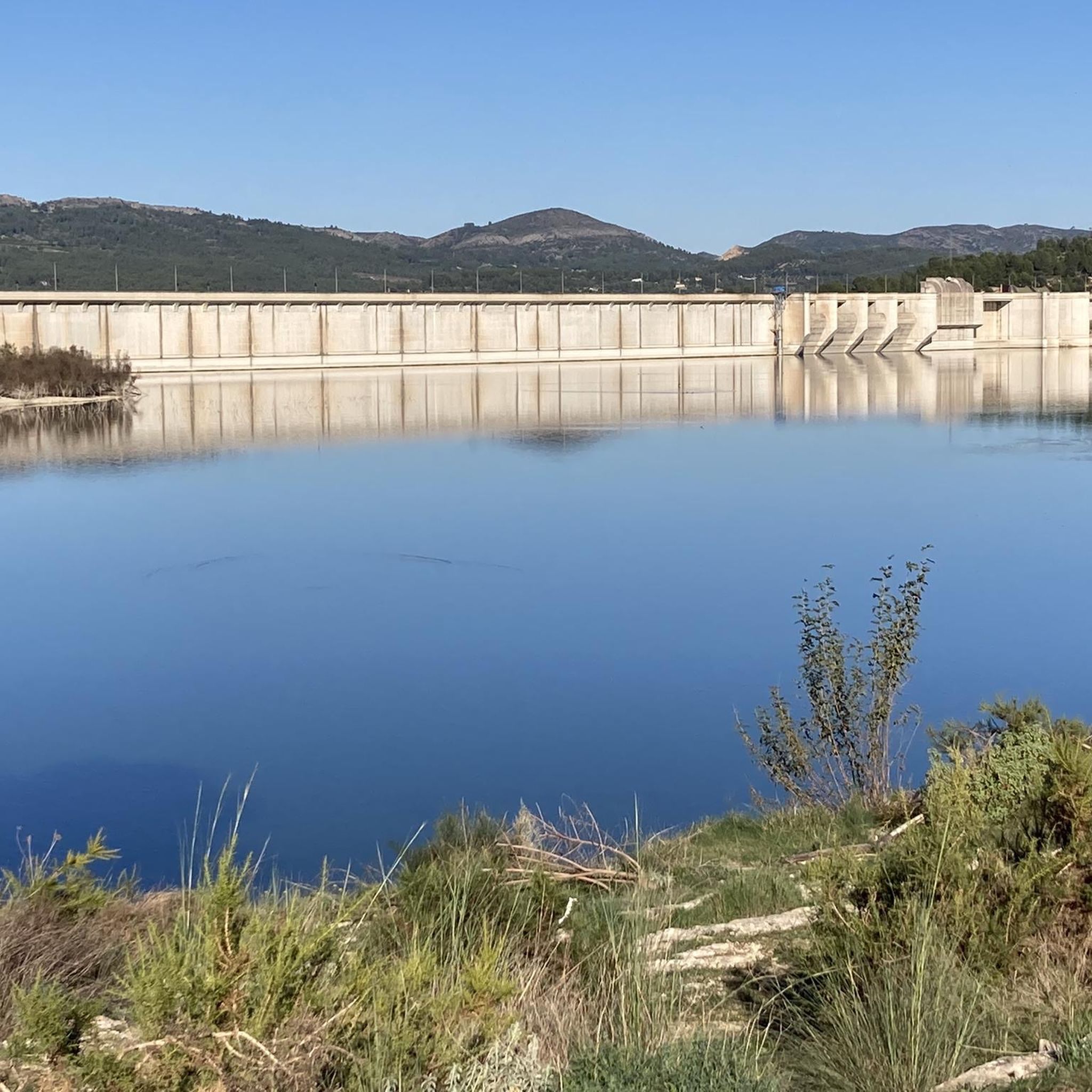
The La Cova Negra municipal natural area is located in the municipality of Játiva, province of Valencia. In the Cova Negra is the Middle Paleolithic site in which remains of Homo Neanderthal have appeared. This natural area is located in the narrow valley formed by the Albaida River, as it crosses the reliefs of the Sierra Grossa, at the exit of the so-called Estret de les Aigües. In the widest meander formed by the Albaida River, at the height of Pico del Paller, you can see the Cova Negra, named for the blackish appearance of its walls.
2
1

From the base of the mountain there is an hour's climb to reach the cave, which has magnificent views. There is a tap that comes out with water (February 2024)
1
0


La Cova Negra is a cavity that is located in a gorge called the Strait of Waters. Its black color is mainly due to the smoke from the bonfires made by its former inhabitants, the Neanderthals who occupied it for a few months of the year. An important amount of flint tools and other archaeological remains have been found here.
3
0

La Cova Negra is an important archaeological site, located in the widest meander of the Albaida river. It was home to Neanderthal man in the Paleolithic. The cave gets its name from the dark color of the walls. Human remains and paintings have been found inside.
2
0
La Cova Negra is an important archaeological site, located in the widest meander of the Albaida river. It was home to Neanderthal man in the Paleolithic. The cave gets its name from the dark color of the walls. Human remains and paintings have been found inside. It is a space of fundamental importance for understanding the culture of the Mosterian and the reality of the Neanderthals. The Almodí Museum exhibits an exact reproduction of a parietal bone from the period, discovered in the cave.
2
0
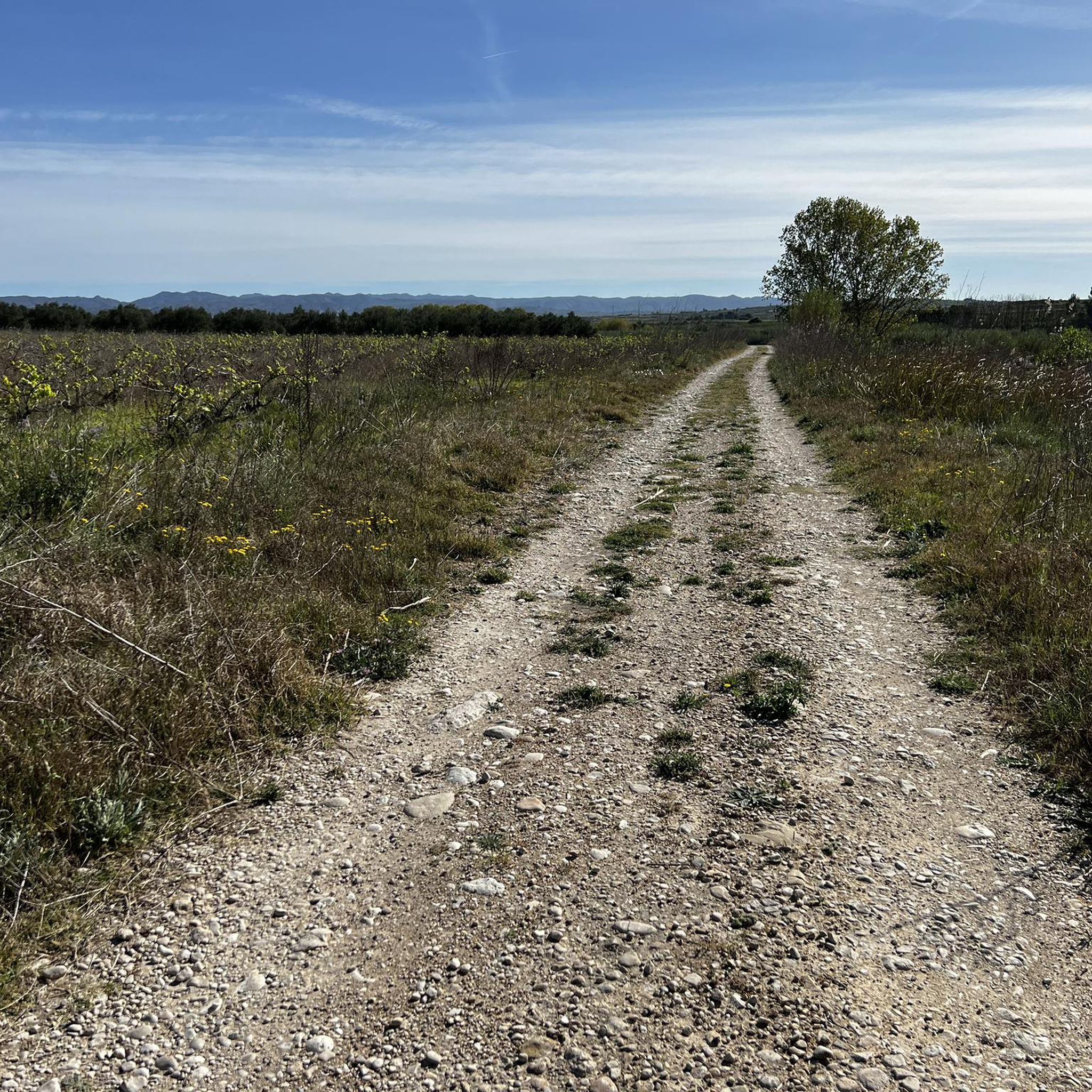
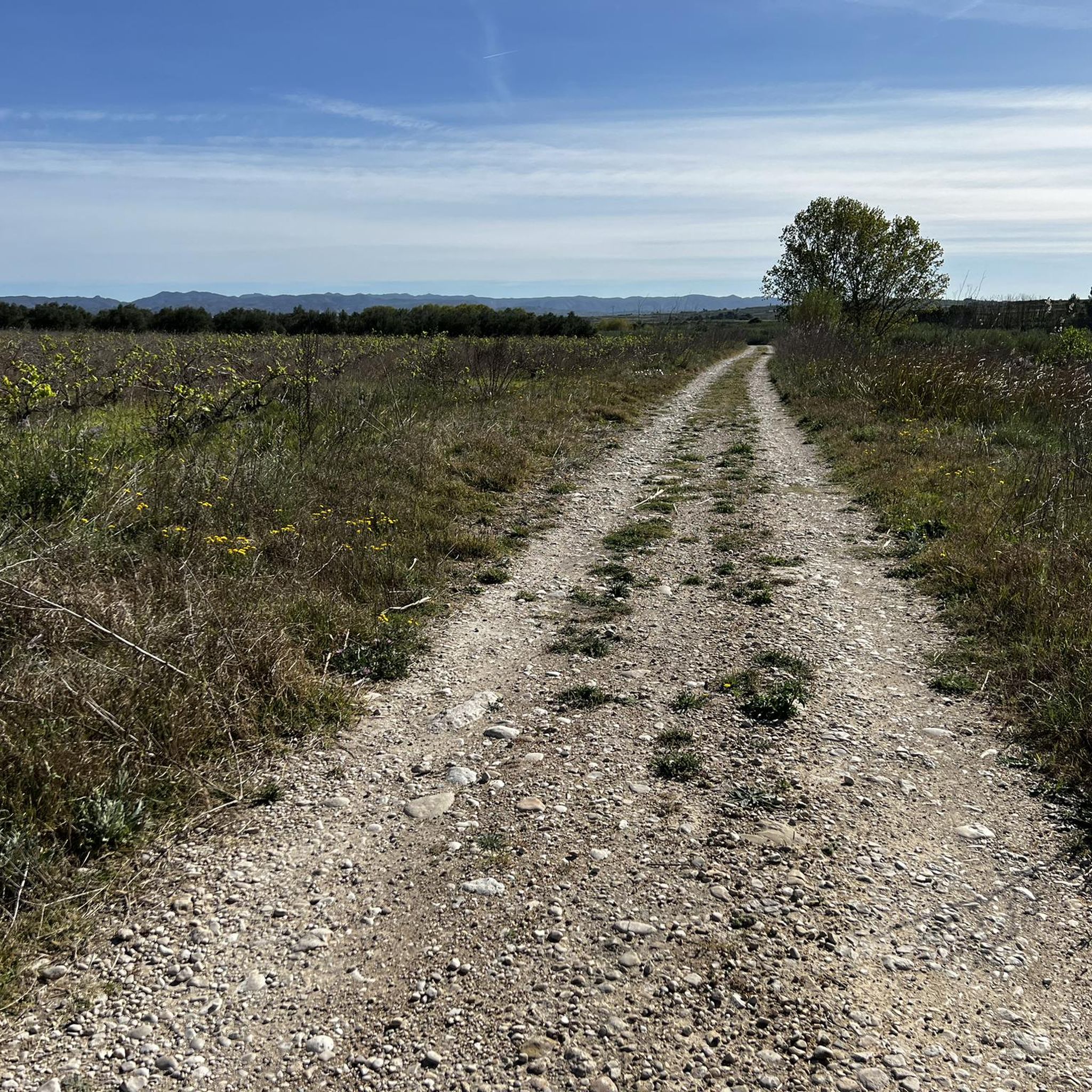
Mountain path that allows you to approach the banks of the Albaida river and also to the Cova Negra by a path. It runs through beautiful pine forests.
1
0

Cave within the natural area of the same name with great historical and landscape value. It is a very nice place with trails that run along the Albaida River. You can get to the foot of the cave.
1
1
Frequently Asked Questions
What makes the caves around Alfarrasí unique?
The caves near Alfarrasí are notable for their blend of natural beauty and historical significance. The region, characterized by its agricultural identity and traditional architecture, is situated near the Albaida River, which carves through the Sierra Grossa mountains. This setting provides access to important archaeological sites like Cova Negra, a former Neanderthal habitat, as well as natural formations offering scenic viewpoints.
Which caves near Alfarrasí have historical or archaeological importance?
The most significant historical cave near Alfarrasí is Cova Negra. Located in the municipal district of Xàtiva, it was a Neanderthal habitat during the Paleolithic period. Archaeological discoveries, including human remains and paintings, have been found there, leading to its declaration as a national monument in 1931. Its dark walls give it the name 'Black Cave'.
Can I hike to any of the caves near Alfarrasí?
Yes, you can hike to some of the caves. For instance, the Trail from Xàtiva to the Albaida River and the Cova Negra is a mountain path that runs through pine forests, allowing access to the banks of the Albaida River and Cova Negra. There are also several hiking routes in the area, such as the "Arcadetes d’Alboi Aqueduct – Cova Negra loop from Bellús" which is a moderate hike. You can find more hiking options on the Hiking around Alfarrasí guide.
Are there any caves near Alfarrasí that offer good viewpoints?
Yes, Cova Alta is a natural monument and viewpoint. Visitors can expect a climb to reach the cave, which offers magnificent views of the surrounding landscape. It's located in Albaida and provides a rewarding experience for those willing to make the ascent.
What kind of natural features can I expect to see in the caves around Alfarrasí?
The caves in the Alfarrasí area, particularly Cova Negra, are known for their geological setting within the narrow valley of the Albaida River. While Cova Negra's walls are dark due to ancient bonfires, the wider region's caves can feature impressive stalactites, stalagmites, and vast vaults, formed by water and rock over centuries, as seen in other Valencian caves.
Are there other notable caves in the wider Valencia region worth visiting?
Beyond Alfarrasí, the wider Valencian Community offers several impressive cave systems. These include the Coves de Sant Josep in La Vall d'Uixó, which feature the longest navigable underground river in Europe; Don Juan Cave in Jalance, known for its magnificent formations; Cuevas de la Araña in Bicorp, significant for ancient cave paintings; and Cuevas del Canelobre in Busot (Alicante), renowned for their spectacular stalactites and vast vaults.
What outdoor activities are available near the caves around Alfarrasí?
The area around Alfarrasí offers various outdoor activities. Besides hiking to caves like Cova Negra, you can find numerous running and cycling routes. For example, there are running loops from Bellús and l'Olleria, and cycling routes like the "Arcadetes d’Alboi – Bellús Dam loop from Alfarrasí." You can explore more options on the Running Trails around Alfarrasí and Cycling around Alfarrasí guides.
Is there a fee or permit required to visit Cova Negra?
While Cova Negra is a national monument and Municipal Natural Area, the provided information does not specify any fees or permits required for general access to the cave area or the surrounding trails. It is generally accessible via hiking paths along the Albaida River.
What is the difficulty level for accessing caves like Cova Alta?
Accessing Cova Alta involves an intermediate climb. From the base of the mountain, it typically takes about an hour to reach the cave. While the ascent offers magnificent views, some marked descent routes from the cross to the cave can be technical and slightly dangerous. If approaching from below, the access is generally less problematic.
What is the best time of year to explore caves near Alfarrasí?
The best time to explore caves near Alfarrasí, and in the wider Valencia region, is generally during the cooler months of spring (March to May) and autumn (September to November). During these periods, the weather is milder, making hiking to cave entrances more comfortable. Summer can be very hot, while winter might bring more rain, potentially affecting trail conditions.
Are the caves around Alfarrasí suitable for families?
Many of the trails leading to and around the caves, such as those along the Albaida River near Cova Negra, can be suitable for families, especially the easier sections. However, some caves like Cova Alta involve a climb, which might be challenging for very young children or those with limited mobility. Always check specific route difficulties before planning a family visit.
What do visitors enjoy most about the caves and surrounding area near Alfarrasí?
Visitors particularly appreciate the combination of historical significance and natural beauty. The opportunity to explore ancient sites like Cova Negra, a Neanderthal habitat, alongside scenic hikes along the Albaida River, is a major draw. The magnificent views from caves like Cova Alta are also highly valued by the komoot community.
Most popular routes around Alfarrasí
Most popular attractions around Alfarrasí

Get inspired with the komoot mobile app


Explore more
Extend your search for the best caves by checking out these guides of the top ones around Alfarrasí:
