Top 6 Caves around Margalef
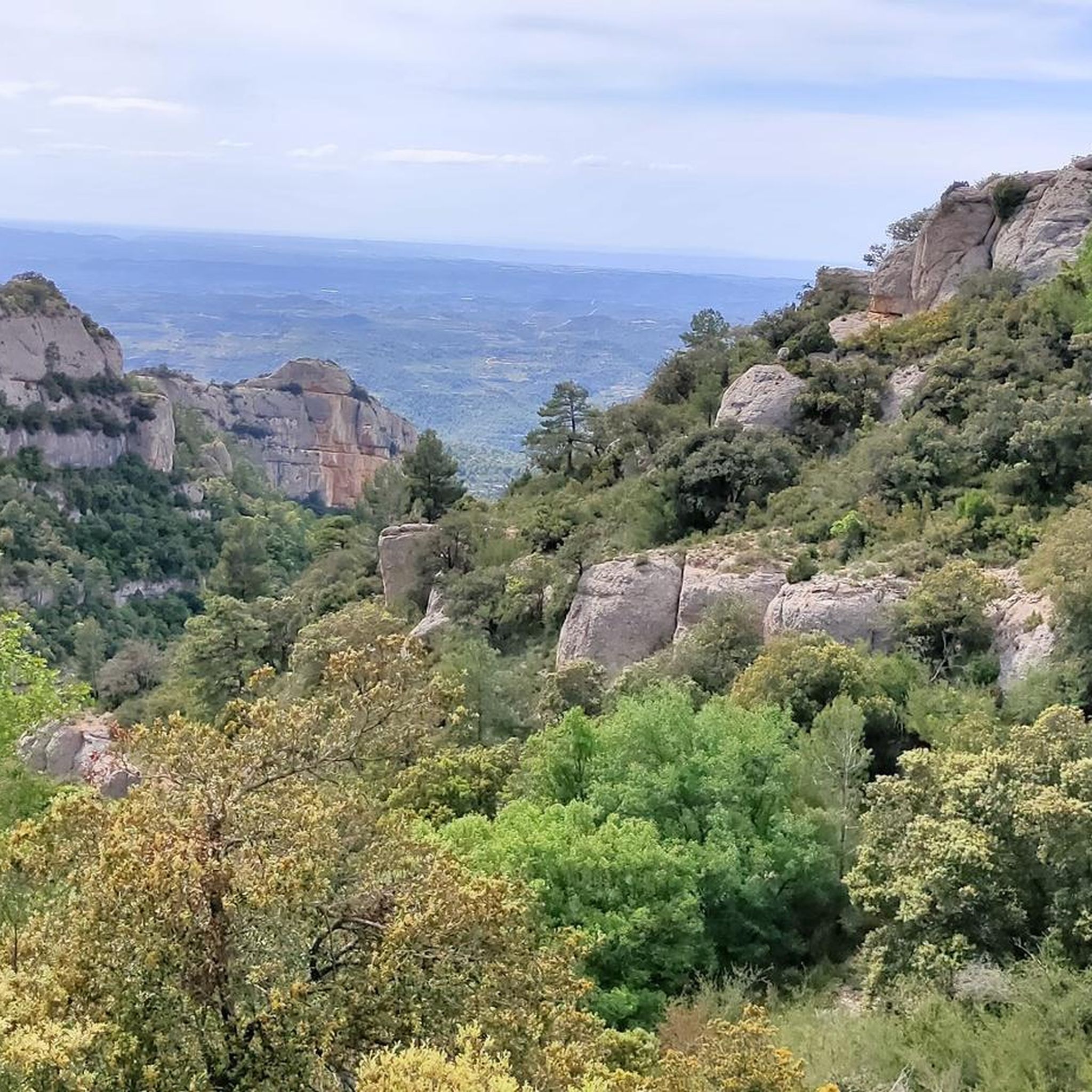
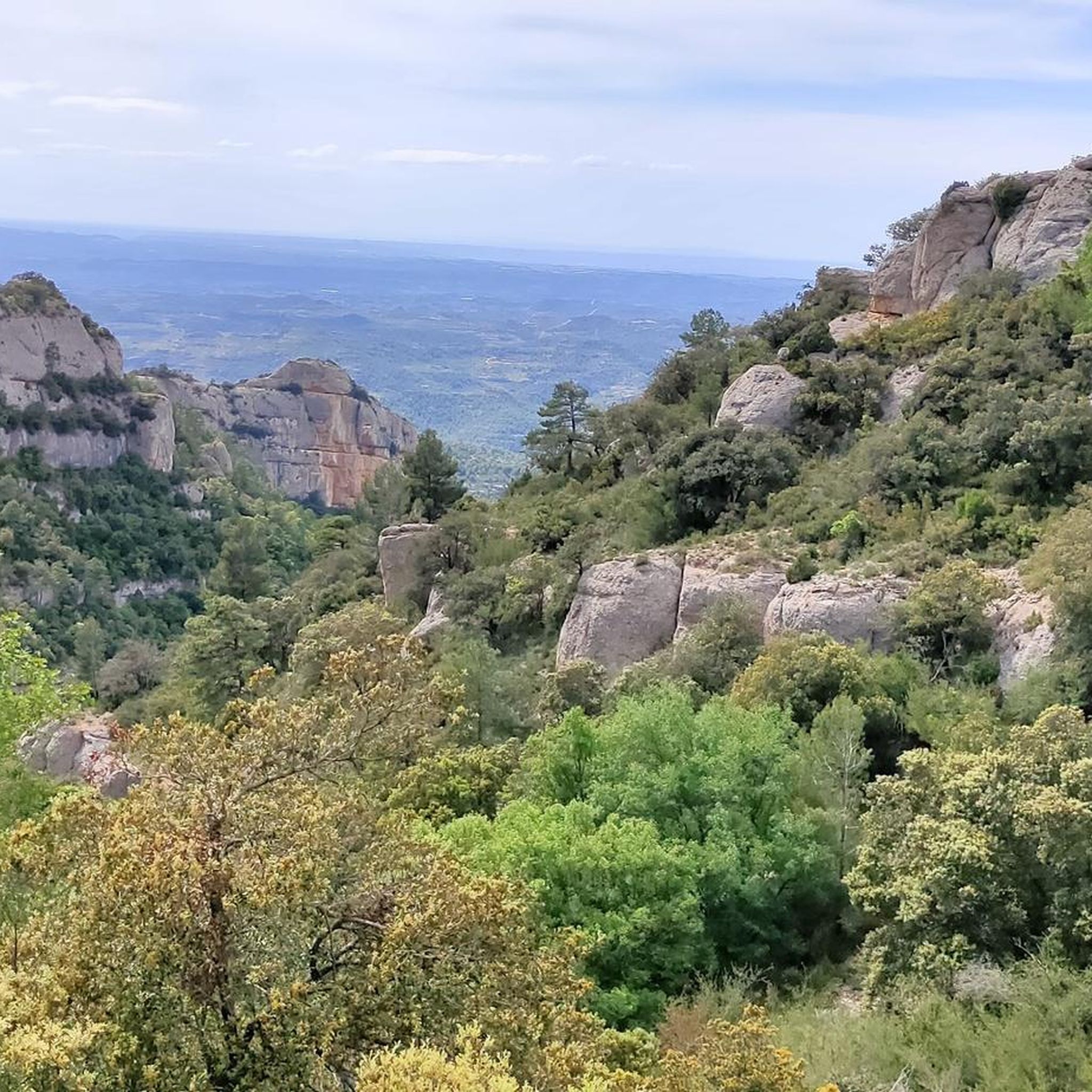
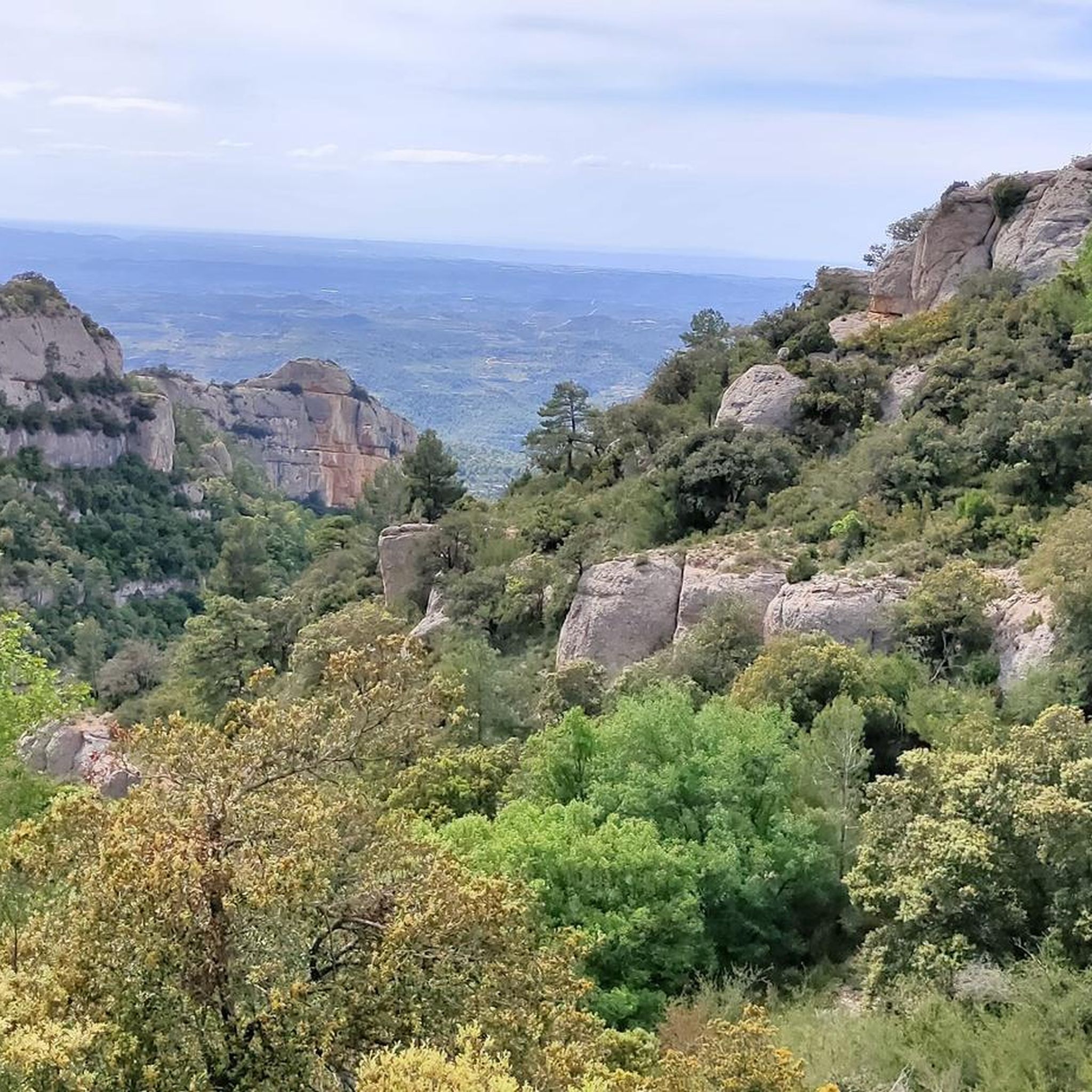
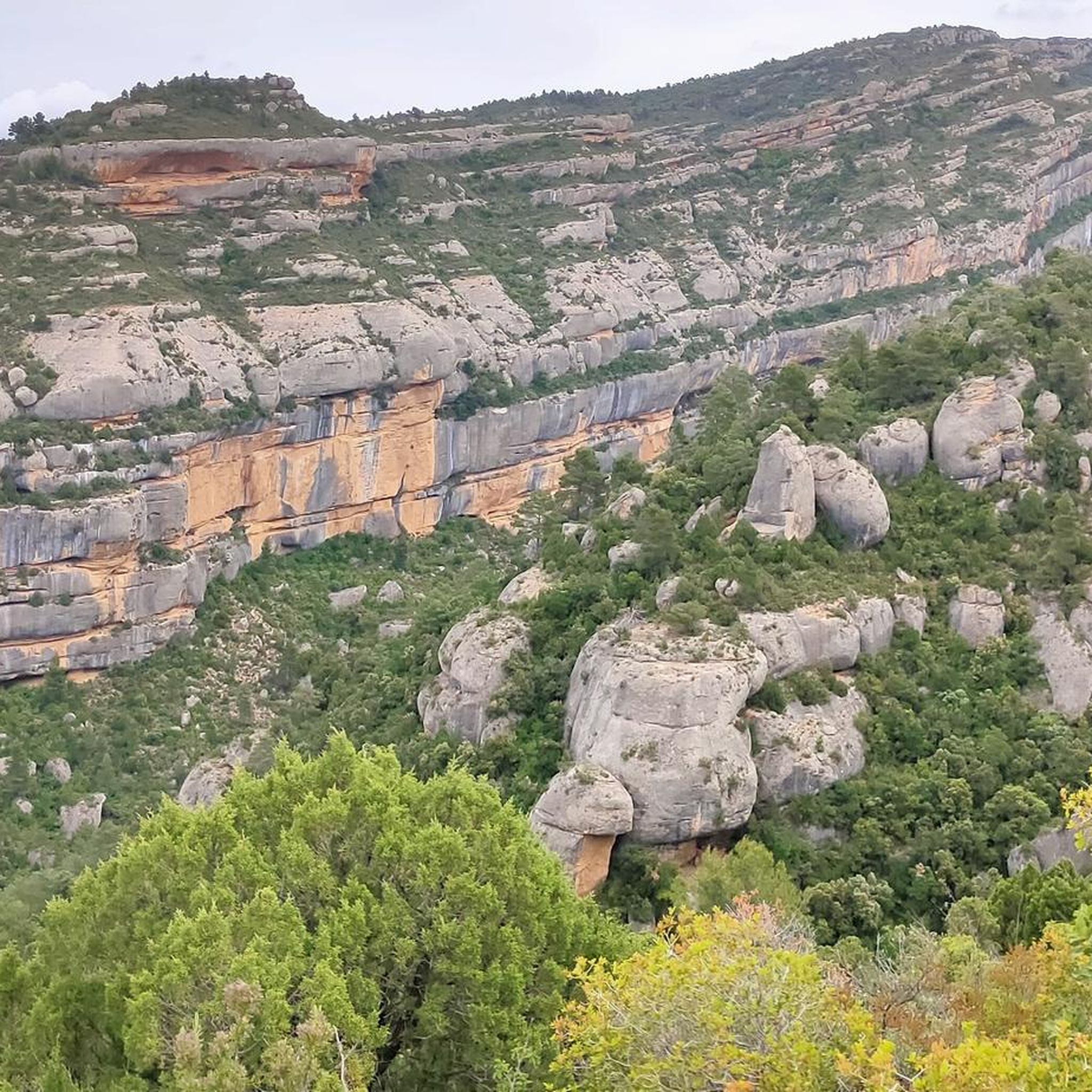
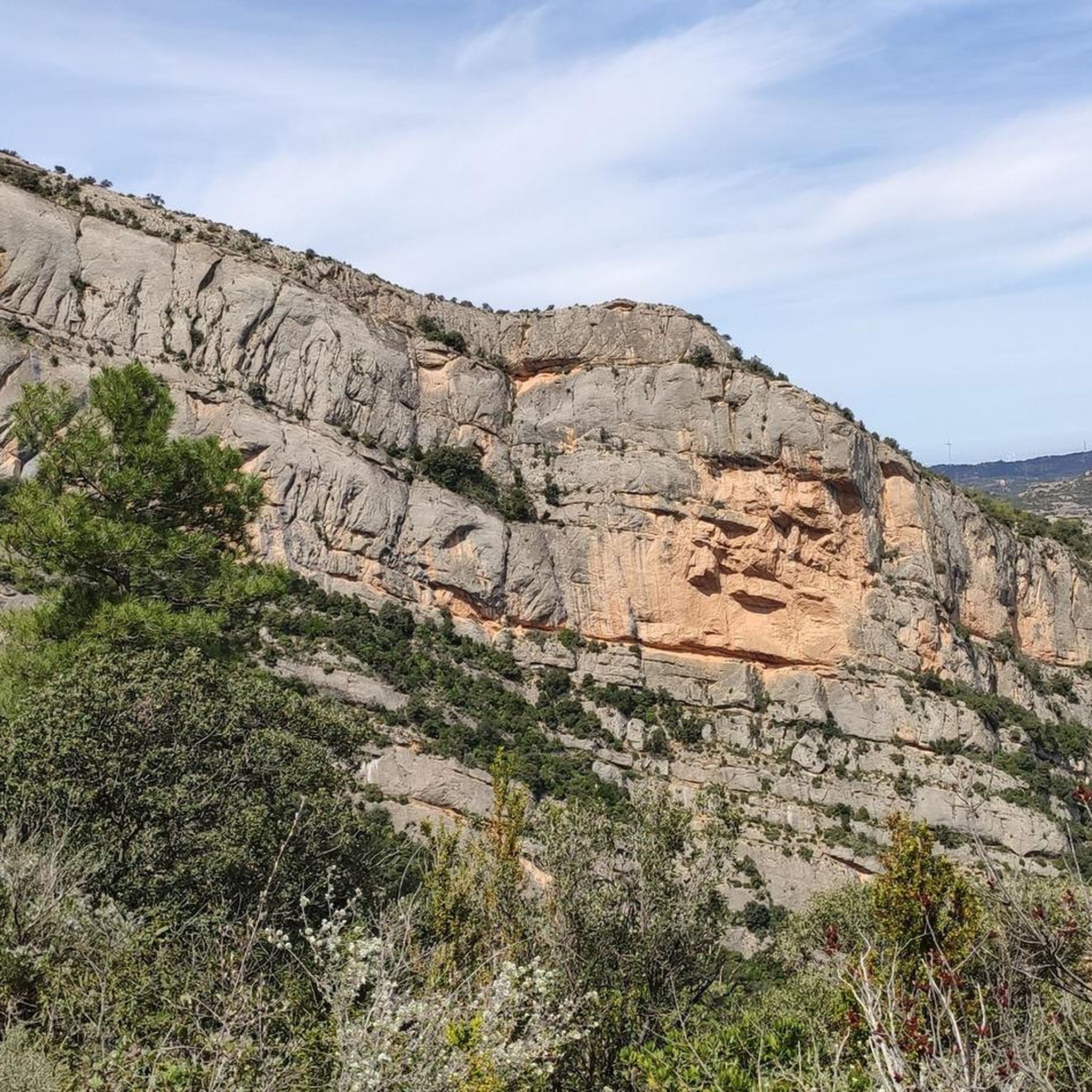
Best caves around Margalef are found within a region characterized by unique conglomerate rock formations. This area features overhanging walls, bulges, and roofs that create a cave-like experience, particularly for climbing. The landscape includes natural caves, some with historical significance, and varied terrain. Margalef offers a range of natural features for exploration.
Best caves around Margalef
- The most popular caves is Clot del Cirer, a natural_monument that is an emblematic place of the Natural Park. It is an oasis…
Last updated: June 20, 2026
Ermita de Santa Magdalena d'Ulldemolins
Highlight • Religious Site
Translated by Google •
Tip by

Clot del Cirer
Highlight • Natural Monument
Translated by Google •
Tip by
Sign up now to discover places like this
Get recommendations on the best single tracks, peaks, & plenty of other exciting outdoor places.
Sign up for free
Cova Santa
Highlight • Cave
Translated by Google •
Tip by

Santa Llúcia Hospital Cave
Highlight • Cave
During the Civil War, the space became the hospital for the military units made up of republican volunteers who fought in the Battle of the Ebro.
Translated by Google •
Tip by

Cova de l'Os
Highlight • Cave
Translated by Google •
Tip by
Sign up for free to discover even more caves around Margalef.
Sign up for free
Already have an account?
Start today with a free account
Your next adventure awaits.
Login or Signup

Tips from the Community

Deep cave with wide chambers. Strong flashlight recommended.
0
0

Nice corner that invites you to silence and meditation
0
0

The hermitage of Santa Magdalena d'Ulldemolins is also known as the Montsant cathedral for its Renaissance style. Although it was built in the 16th century, it was not until the 18th century when it was opened to worship and was equipped with an altarpiece that was destroyed in 1936.
0
0

It is worth visiting to remember the tragedy of the Spanish civil war
0
0

Near the town of La Bisbal de Falset is the cave of Santa Llúcia. During the Civil War, the space became the hospital for the military units made up of republican volunteers who fought in the Battle of the Ebro.
3
0

The hospital cave of Santa Llúcia, near the town of La Bisbal de Falset (Priorat), is a wide and shallow cave, used by man since ancient times, which took on a very important role during the Spanish Civil War by becoming a hospital for the International Brigades that fought, in the summer of 1938, in the Battle of the Ebro. https://ca.wikipedia.org/wiki/Cova_hospital_de_Santa_Ll%C3%BAcia
0
1

Balma wide but not very suitable for bivouac due to the humidity and the large amount of vegetation that is found. In case of emergency it can be used as a shelter. It has the remains of a stone wall, which suggests that at some point it was used for human or livestock use.
0
0
This corner of Montsant is one of the emblematic places of the Natural Park. It is located in the heart of the mountains and can be reached from La Morera de Montsant, either by the Grau de Salfores, or by the Grau de la Grallera towards the Piló dels Senyalets, and from both points to the Pi del Cugat , where you have to take a path that goes down to the Clot. It is an oasis of greenery in the middle of the arid Serra Major, as there is usually water all year round. Contrary to many people's beliefs, in the middle of nowhere, there is a walnut tree, not a cherry tree. The cherry tree that gave the place its name died years ago and a walnut tree was planted in its place. In the past, shepherds used to bring their flocks to drink, and the drinking troughs they prepared for their flocks are still preserved.
0
0
Frequently Asked Questions
What are the most notable natural caves to visit around Margalef?
Among the natural caves, Clot del Cirer stands out as an emblematic natural monument, known for its year-round water supply and lush greenery. Another significant spot is Cova Santa, a deep cave featuring wide chambers that are easily accessible.
Are there any caves with historical significance in the Margalef area?
Yes, Santa Llúcia Hospital Cave is a notable historical site. During the Civil War, this cave near La Bisbal de Falset served as a hospital for military units.
What kind of unique rock formations can be found around Margalef?
Margalef is renowned for its unique conglomerate rock formations, which create an abundance of pocketed climbs. These formations often feature heavily overhanging walls, bulges, and roofs, offering a distinctive 'cave-like' climbing experience.
What makes the climbing areas in Margalef unique?
The climbing areas in Margalef are unique due to their pocketed conglomerate rock, which demands a powerful climbing style emphasizing finger strength. Many sectors, like Racó de Les Espadelles and El Laboratori, feature dramatic overhangs and offer a 'cave-like' climbing experience.
Are there any family-friendly options for exploring caves or natural areas near Margalef?
While specific 'family-friendly' cave categories aren't listed, the easy accessibility of some natural caves like Cova Santa, combined with comfortable belay areas at many climbing crags, suggests options for families to enjoy the natural surroundings. Clot del Cirer, with its oasis-like environment, could also be a pleasant natural spot for families.
What is the best time of year to visit the caves and climbing areas in Margalef?
The diverse orientations of Margalef's crags allow climbers to find sun or shade depending on the season, making it possible to climb comfortably throughout the year. For example, Racó de Les Espadelles is particularly good in winter, with sun all day.
What are some of the more challenging or advanced cave-like climbing sectors in Margalef?
Margalef is home to world-class hard routes. Sectors like El Laboratori are known for short, explosive routes including some of the hardest pitches globally. Racó de la Finestra also features a cluster of extremely difficult climbs, and La Catedral i Comaclosa offers longer, tougher challenges.
What should I bring when visiting caves like Cova Santa?
For caves like Cova Santa, which are described as deep with wide chambers, a strong flashlight is highly recommended to properly explore the interior.
Can I find any unique natural shelters or bivouac spots in the area?
Cova de l'Os is a wide balma that can serve as a shelter in an emergency, though it can be humid. Cova Fumada is noted as a perfectly equipped cavity, historically used for longer stays, complete with cooking utensils and sleeping space.
What outdoor activities can I do near the caves around Margalef?
Beyond exploring the caves, Margalef offers a variety of outdoor activities. You can find numerous road cycling routes, gravel biking trails, and running trails in the surrounding region, catering to different difficulty levels.
What do visitors enjoy most about the caves and natural areas in Margalef?
Visitors appreciate the unique natural features, such as the oasis-like environment of Clot del Cirer, and the impressive deep chambers of Cova Santa. The historical significance of sites like Santa Llúcia Hospital Cave also adds to the appeal, offering a blend of nature and history.
Most popular routes around Margalef
Most popular attractions around Margalef

Get inspired with the komoot mobile app


Explore more
Extend your search for the best caves by checking out these guides of the top ones around Margalef:
