Top 13 Castles around Subirats
Castles around Subirats are situated in the historic Penedès region, offering views over the surrounding landscape and the Montserrat mountains. This area is known for its strategic importance during the Reconquest, with fortifications dating back to the 10th century. The municipality features a rich historical context, providing insights into Catalonia's past through its ancient structures. There are 13 castles to explore in the region.
Best castles around Subirats
- The most popular castles is Olèrdola Monumental Complex, a historical site…
Last updated: June 20, 2026
Olèrdola Castle and Archaeological Site
Highlight • Castle
Translated by Google •
Tip by

Sant Martí Sarroca Castle and Church Complex
Highlight • Castle
Translated by Google •
Tip by

Sign up now to discover places like this
Get recommendations on the best single tracks, peaks, & plenty of other exciting outdoor places.
Sign up for free
Gelida Castle
Highlight • Castle
Translated by Google •
Tip by

Castle of La Granada
Highlight • Castle
Translated by Google •
Tip by
Olèrdola Monumental Complex
Highlight • Historical Site
Translated by Google •
Tip by
Sign up for free to discover even more castles around Subirats.
Sign up for free
Already have an account?
Start today with a free account
Your next adventure awaits.
Login or Signup
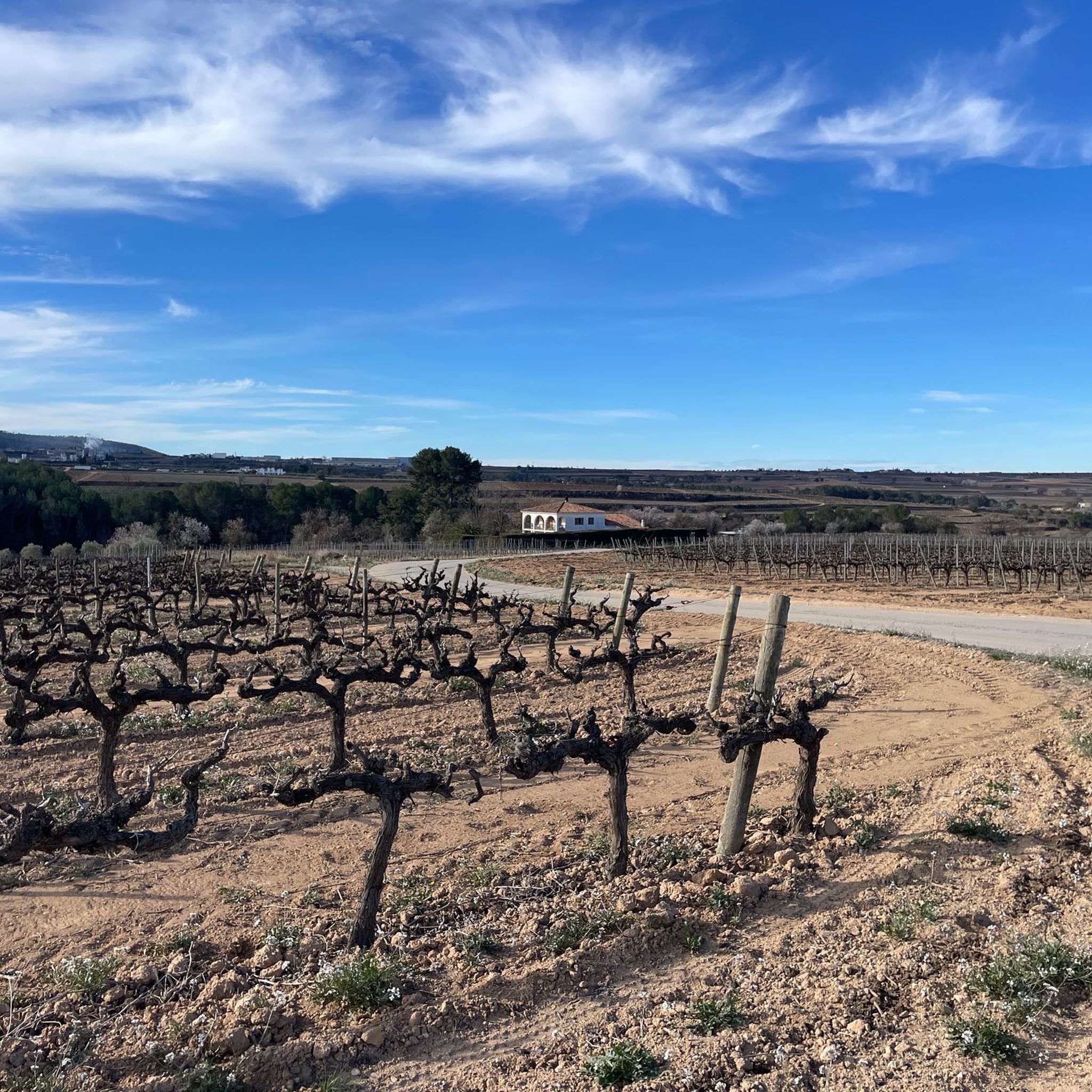
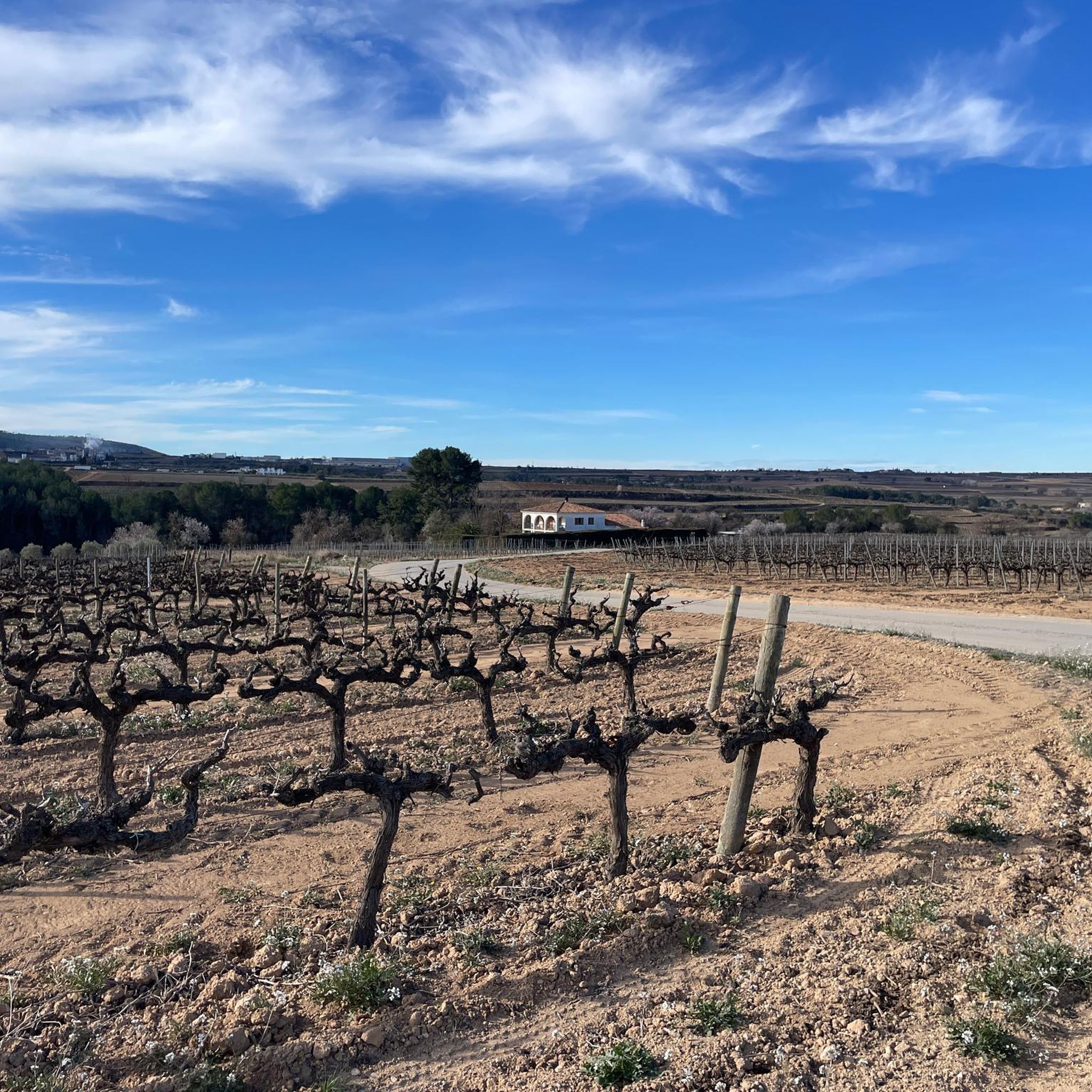
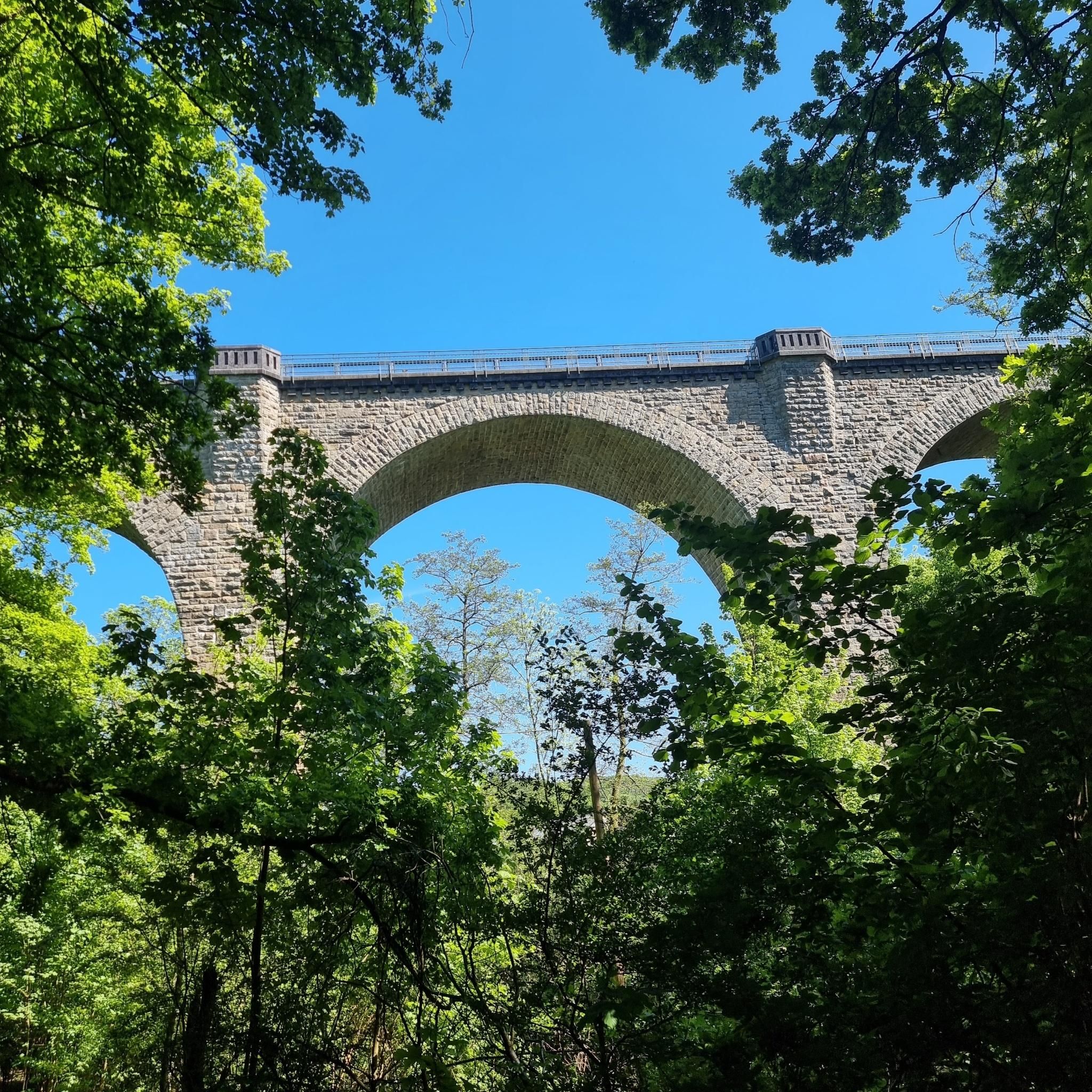
Other adventures around Subirats

Tips from the Community

From the Canyellas road it is a two kilometer climb to the castle.
0
0

There is little more to add to what Peaknik explains so well. You have to look closely to see the ruins of the castle.
0
0
Last section is unpaved but can be climbed easily with a road bike.
0
0

Castle at the top of Olèrdola Park. This is one of the 12 natural spaces that try to be protected and at the same time that people can pass through giving life to the area. The old castle is an example, and passing by and seeing its walls is always beautiful!
0
0

The history of the place tells of the settlement of several tribes during the Bronze Age (2000-1800 BC), the construction of a primitive wall during the Iron Age (8th-7th centuries BC) and the arrival of the Cossetans (5th-4th centuries BC), an Iberian tribe that built an entire town there, later replaced by a Roman military camp that controlled the Via Augusta. At the time of the Christian conquest (929), Count Sunyer I built the first castle on the ruins of a Roman watchtower, as well as the church of Sant Miquel. The Muslim incursions of the 10th century seriously damaged the place, which had to be rebuilt during the following two centuries, after it belonged to Mir Geribert, self-proclaimed prince of Olèrdola. The visit to the complex is worth taking it easy and dedicating at least an hour to it. Before you go, you should consult their website: http://www.macolerdola.cat/Visita-ns/Informacio-per-a-la-visita
1
0
It consists of a whole series of vestiges and constructions that allow you to follow the history of Penedes from the Bronze Age to the High Middle Ages. The spectacular Sant Miquel church and the Pla dels Albats necropolis (both from the Middle Ages) stand out. Within the protected natural environment of the Regional Park of Olèrdola, and with a privileged view over the surroundings of Vilafranca and Garraf, there is a whole series of vestiges and constructions that allow you to follow the history of Penedes since the Bronze Age (about 4,000 years ago) until the High Middle Ages. It is located in an installation of the Museum of Archeology of Catalonia (MAC), which includes an interpretation center, and the visit to the complex is organized in an itinerary that starts at the interpretation center and links the various points of interest The vestiges of the Roman era are some of the most interesting, such as the wall (2nd-1st centuries BC), which defended the only point on the mountain that is not surrounded by cliffs and consists of a single central gate and four towers, and the cistern (also from the 2nd-1st centuries BC), dug into the rock and used to store rainwater, unique in the country for its capacity of 350,000 litres. From the Middle Ages, the spectacular church of Sant Miquel stands out, perched on top of the hill of the same name and destroyed and rebuilt several times since the beginning of the 10th century. It consists of two parts, one pre-Romanesque (built in 929) , which still preserves the apse and stands out for its horseshoe arch, and another from later (10th-12th centuries), which was in use until 1885. It is also necessary to mention the necropolis of Pla dels Albats (10th- XI), with a hundred anthropomorphic tombs excavated in the rock next to the ruins of the chapel of Santa Maria, the various structures of Iberian and medieval streets, houses and silos, the castle, also medieval, and the Roman watchtower.
1
0

The Olèrdola Monumental Complex is located on a rocky platform 358 m high, on the western slopes of the Garraf massif, within the Olèrdola Park, overlooking the Penedès plain. The first known fortification is from the Iberian period (9th-8th century BC). This defensive wall is parallel to the well-known Roman-Republican wall and preserves an internal transverse wall, the upper part of which was used in the Iberian period. During the 4th century and until the end of the 2nd century BC, an occupation by an Iberian town is documented. In this Iberian phase, the Late Bronze wall is reused and there is an adaptation of houses and a street, structured with respect to the defensive wall of the wall and which would be included in the later tower of the Roman-Republican era. At the end of the second century BC, the Romans built another wall in front of the previous one, a watchtower and probably a large cistern carved into the rock with a capacity of more than 350 m3. The cistern measures 16.40 m long x 6.50 m wide x 3.5-4 m deep. This cistern is considered to be from the Iberian or Roman-Republican period and was reused in the medieval period. 2 quarries were also located from this period (end of the 2nd century - beginning of the 1st century BC), one inside the walled enclosure and the other in front of the wall. Towards the middle of the 1st century BC, Olèrdola was abandoned but there was a medieval occupation from the 9th century. It seems that a field of silos cut into the sediment belong to an early period of medieval occupation. Within the medieval fortified enclosure, the space was structured in three areas. At the top was the military area, with the castle at the top and, further down, the sacred area, with the church and the necropolis. The lower part of the mountain was occupied by houses. In 1963 the Diputació de Barcelona acquired the property. In November 1971, after some renovations to the church and the construction of a new building on the site occupied by an old farmhouse-rectorship, the monumental complex of Olèrdola was opened to the public. Since 1995 the historical complex of Olèrdola has been one of the headquarters of the Museum of Archeology of Catalonia. Olèrdola was declared a Cultural Property of National Interest in 1931 and a Property of Cultural Interest (BIC).
0
0

Turó de la Roca has historically been a prominent point in the municipality of Sant Martí Sarroca. Although the first references are from the 10th century, when it served as a surveillance and protection point, there are indications of previous Iberian and Roman settlements. The monumental complex is made up of the Romanesque church of Santa María, restored in 1906, and the castle of Sant Martí, built in the 11th century.
0
0
Frequently Asked Questions
What are the most historically significant castles around Subirats?
The region is rich in history, with many castles dating back to the 10th century. The Olèrdola Monumental Complex, which includes the castle of Olèrdola, Roman walls, and the 10th-century church of Sant Miquel d'Olèrdola, is a key historical site. The Sant Martí Sarroca Castle and Church Complex, with its 11th-century castle and Romanesque church, also holds significant historical value. Additionally, the Castell de Subirats itself was a crucial frontier castle during the Reconquest, offering insights into Catalonia's past.
Which castles offer the best panoramic views of the Penedès region?
Many castles in the Subirats area are strategically located to offer stunning views. The Castell de Subirats provides splendid views over the Penedès region and the Montserrat mountains. Similarly, the Olèrdola Castle and Archaeological Site and the Sant Martí Sarroca Castle and Church Complex are known for their privileged viewpoints over the surrounding landscape.
Are there family-friendly castles to visit in the Subirats area?
Yes, several sites can be engaging for families. The Olèrdola Castle and Archaeological Site, part of the Museum of Archeology of Catalonia, offers an itinerary through various historical vestiges from the Bronze Age to the medieval period, which can be an educational experience for children. The Castell de Subirats, though in ruins, provides a historical context and panoramic views that can be enjoyed by all ages, especially when combined with a stroll through nearby medieval villages.
What kind of outdoor activities can I combine with a castle visit?
The Subirats region is excellent for combining history with outdoor activities. You can find numerous cycling and mountain biking routes that pass by or near these historical sites. For example, there are many MTB Trails around Subirats and Road Cycling Routes around Subirats that allow you to explore the landscape and visit castles like Gelida Castle or the Castle of La Granada.
What is the best time of year to visit the castles around Subirats?
The best time to visit is generally during spring (April-June) and autumn (September-October) when the weather is mild and pleasant for exploring both the castles and the surrounding natural areas. These seasons offer comfortable temperatures for walking and enjoying the panoramic views without the intense heat of summer or the cooler, potentially wetter conditions of winter.
Are there any guided tours available for the castles?
Yes, for the Castell de Subirats, guided visits led by a historian are available, typically lasting 45 minutes. These tours offer deeper insights into the castle's past and its role in Catalan history. For the Olèrdola Castle and Archaeological Site, an interpretation center and organized itinerary are available as part of the Museum of Archeology of Catalonia.
What natural features can be seen near the castles?
The castles are often situated amidst the natural beauty of the Penedès region. From many castle sites, you can enjoy views of the Montserrat mountains. The Olèrdola Castle and Archaeological Site is located within the protected natural environment of the Regional Park of Olèrdola, offering a blend of historical exploration and natural scenery.
Is parking available near the castles?
Parking availability varies by castle. For the Castell de Subirats, parking is generally accessible nearby. For sites like the Olèrdola Castle and Archaeological Site, there are designated parking areas for visitors. It's advisable to check specific access details for each castle you plan to visit.
Can I find places to eat or stay near the castles?
The Subirats municipality and surrounding towns offer various options for dining and accommodation. You'll find cafes and restaurants in nearby villages, allowing you to enjoy local cuisine. For overnight stays, there are hotels and rural accommodations available, especially in the larger towns within the Penedès region, providing convenient access to the castles.
Are there any challenging hiking trails near the castles for experienced hikers?
Yes, the region offers a variety of routes, including more challenging options. For instance, some MTB Trails around Subirats, like the 'Miravinya Balcó del Penedès – Crossing of the Rovira stream loop from Lavern-Subirats' or 'Puig d'Agulles Summit – Sant Ponç de Corbera Monastery loop from Subirats', are rated as difficult. While these are primarily cycling routes, they often traverse terrain suitable for challenging hikes, offering a robust outdoor experience alongside historical exploration.
What makes the Olèrdola Monumental Complex unique?
The Olèrdola Monumental Complex is unique because it's a strategic archaeological enclave showcasing vestiges from the Early Bronze Age through the medieval period. It includes not only the castle of Olèrdola but also Roman walls, silos, cisterns, and the 10th-century church of Sant Miquel d'Olèrdola. It serves as a headquarters for the Museum of Archeology of Catalonia, offering a comprehensive historical journey.
Are the castle sites accessible by public transport?
While some castles might be reachable by a combination of public transport and walking, direct public transport to the castle entrances can be limited, especially for those located in more rural or elevated areas. It's often more convenient to reach many of these sites by car. However, local bus services connect the main towns in the Subirats region, from which you might be able to access some sites with a further walk or taxi ride.
Most popular routes around Subirats
Most popular attractions around Subirats

Get inspired with the komoot mobile app


Explore more
Looking for the best castles somewhere else? Discover other guides around Subirats:
