Top 17 Castles around Soneja
Best castles around Soneja are found in the province of Castellón, a region characterized by its historical significance and natural landscapes near the Palancia River. While traditional medieval fortresses are less common, the area features historical points of interest reflecting its past. These include 19th-century fortifications and remnants of ancient settlements. The region offers opportunities to explore historical sites within a natural setting, including parts of the Sierra de Espadán Natural Park.
Best castles around Soneja
- The most popular castles…
Last updated: May 6, 2026
Segorbe
Highlight • Settlement
Translated by Google •
Tip by

Castro Castle
Highlight • Castle
Translated by Google •
Tip by

Sign up now to discover places like this
Get recommendations on the best single tracks, peaks, & plenty of other exciting outdoor places.
Sign up for free
Star Castle
Highlight • Castle
Translated by Google •
Tip by
Jinquer
Highlight • Historical Site
**Ruins of the old …
Translated by Google •
Tip by
Torres Torres Castle
Highlight • Castle
Translated by Google •
Tip by

Sign up for free to discover even more castles around Soneja.
Sign up for free
Already have an account?
Start today with a free account
Your next adventure awaits.
Login or Signup
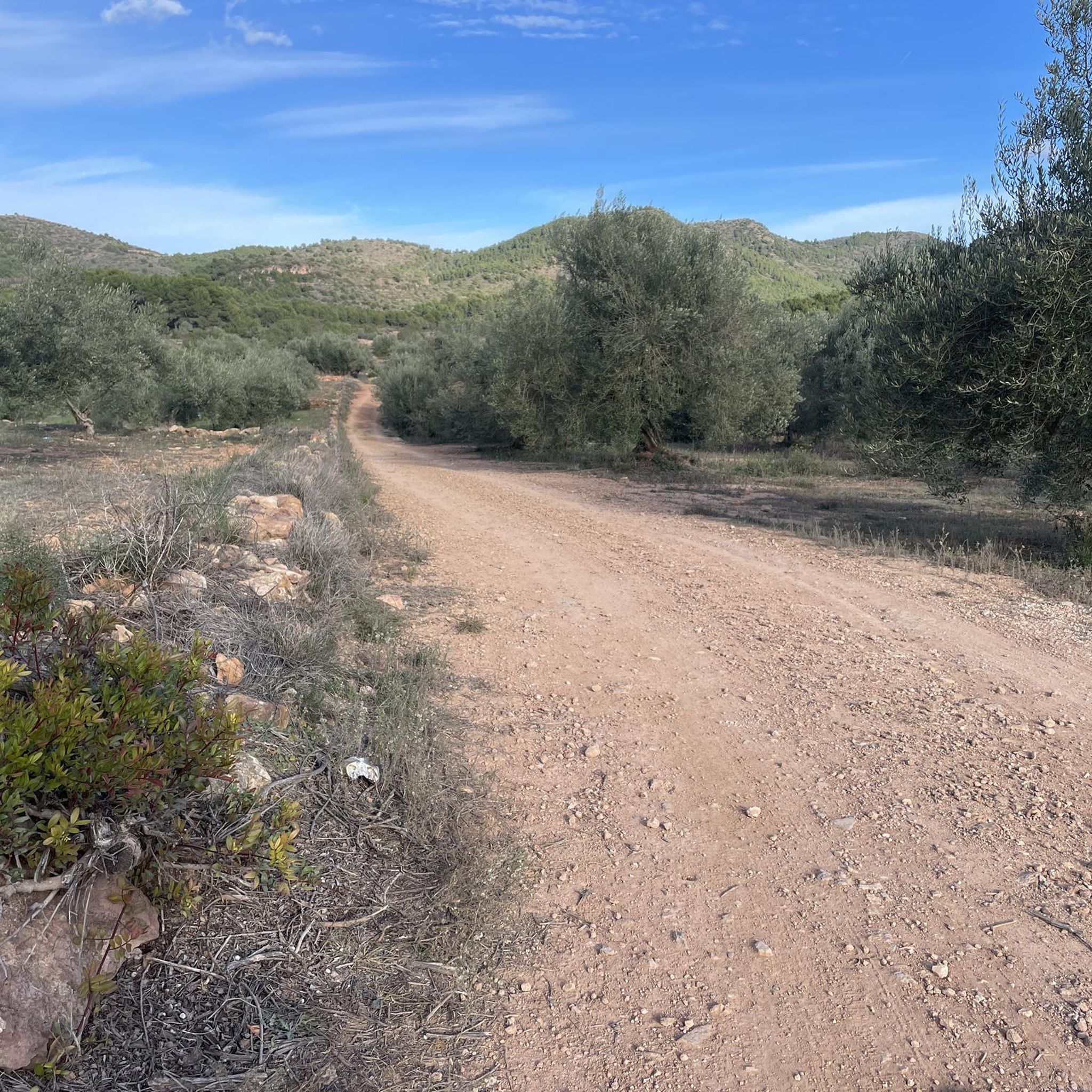
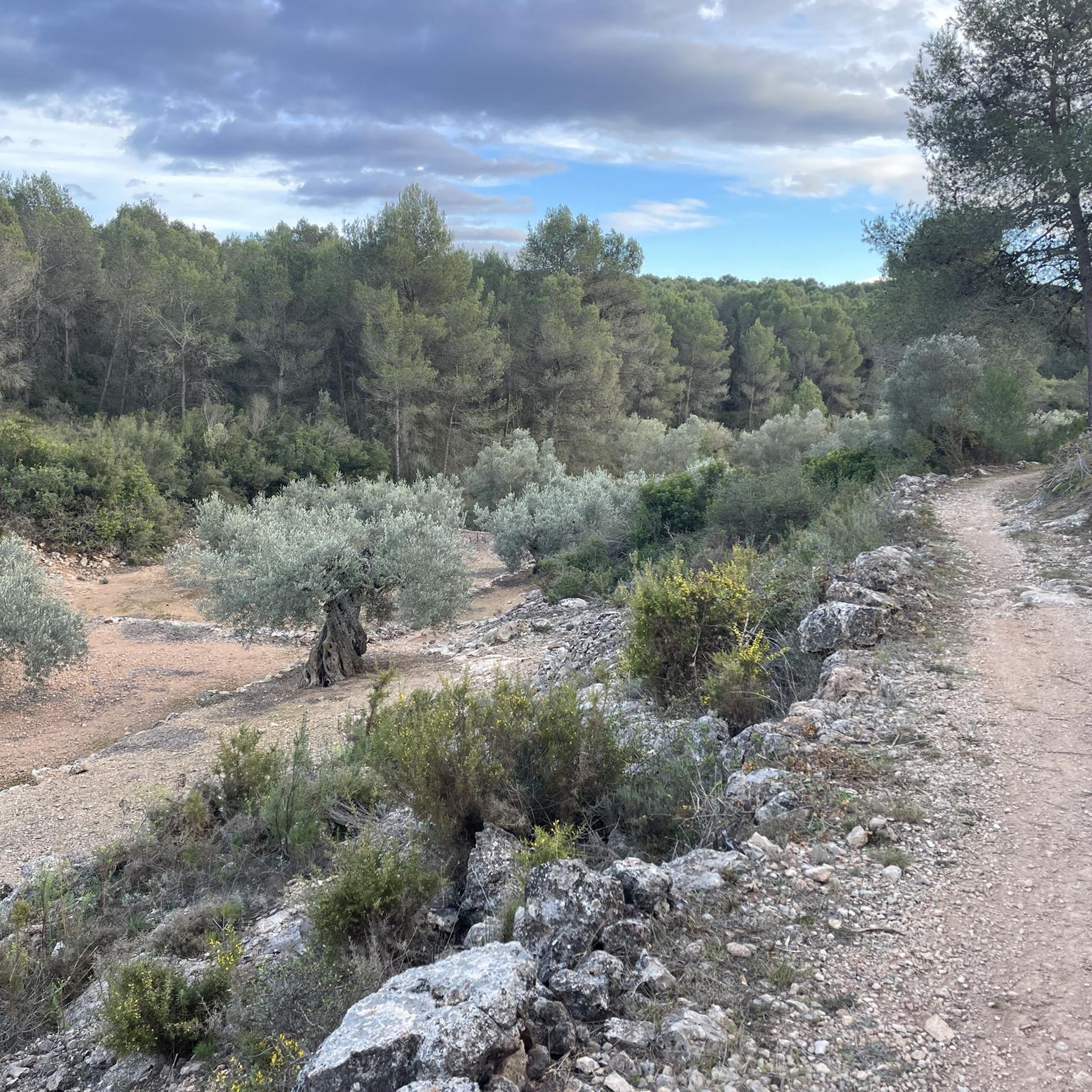
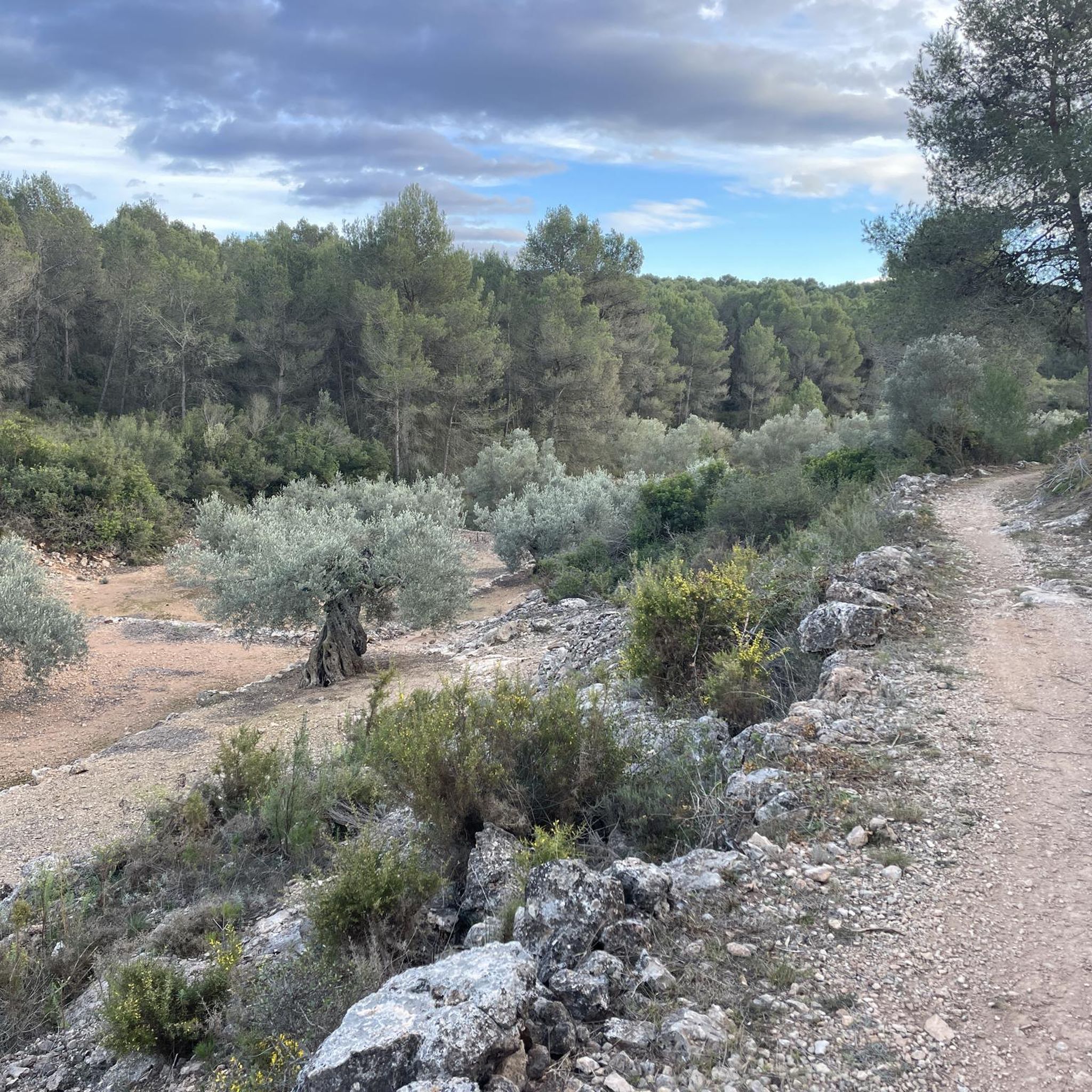
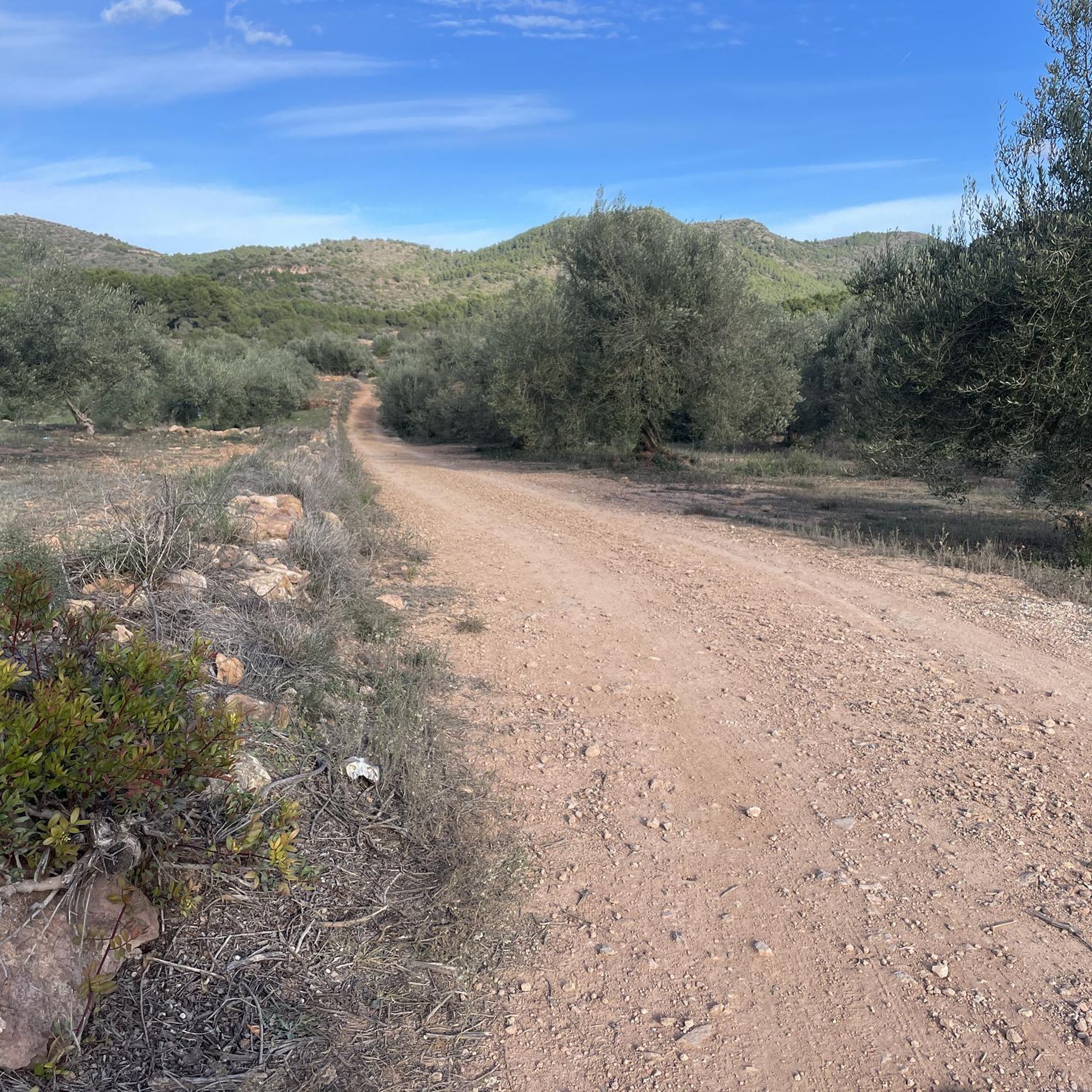

Tips from the Community

Segorbe has several outstanding monuments that reflect its rich history and cultural heritage.
4
0
The Castillo de la Estrella, also known as the Castillo de Sopeña, is located in Segorbe, in the province of Castellón, Valencian Community. This castle stands on one of the hills that dominate the city and is part of a historical complex that includes walls and an aqueduct.
4
0

Nice village of passage, between Calderona and Espadán
1
0

After the Reconquista, many castles in the region were modified or rebuilt to adapt to Christian styles and needs.
7
0

The Castro Castle, an Arab fortress with an impressive watchtower at a height of about 780 m, was a fundamental bastion of the Moorish resistance at the time of their expulsion. It was taken by the Duke of Segorbe and General Cavanilles after the Castillo de Aín had also fallen. It was also used in the Carlist Wars. The castle covers an area of about 2,000 m2, where two parts can be distinguished: the "Albacar", a fortified refuge for the inhabitants of the towns dependent on the fortress; and on the other side, the castle itself, which presided surrounded by a large keep that was demolished in 1938 during the Civil War. The views are impressively beautiful.
9
0


Torres Torres is a very curious population between the Palancia river and the Calderona mountain range. It preserves some baths of Arab origin and a castle with its tower.
1
0

A small but impressive fortress. It is worth making the small detour from the through road to enjoy the view over the typical landscape!
1
0
Frequently Asked Questions
What kind of historical sites can I expect to find around Soneja, beyond traditional castles?
Soneja offers a rich historical landscape that goes beyond typical medieval castles. You can explore the 19th-century Carlist Walls, which are significant remnants of civil wars. The village also features the impressive façade of the Los Montellano Old Palace, the 18th-century San Miguel Arcángel Parish Church, the 17th-century San Francisco Javier Chapel, and the 14th-15th century El Arco Aqueduct. The historic center itself retains an Arabic layout, perfect for a stroll.
Are there any family-friendly historical sites or activities near Soneja?
Yes, the town of Segorbe is considered family-friendly and offers a charming experience with its colorful buildings, historical monuments like the Cathedral, and narrow streets to explore. While the castle ruins themselves might be more for exploration, the overall atmosphere of Segorbe is suitable for families.
What are some of the most notable castle ruins or historical viewpoints in the Soneja area?
The region boasts several significant historical sites with great views. Castro Castle offers incredible panoramic mountain views from its Arab fortress ruins. The Star Castle (Castillo de Sopeña) in Segorbe, located on Cerro de Sopeña, provides commanding views over the city. Additionally, the ruins of the old castle and town of Jinquer offer a glimpse into an abandoned Arab settlement within the Sierra de Espadán Natural Park.
What kind of natural features can I see when visiting historical sites around Soneja?
Many historical sites in the Soneja area are nestled within beautiful natural surroundings. The Carlist Walls are situated near the Palancia River, offering scenic views. The ruins of Jinquer are located within the Sierra de Espadán Natural Park, providing privileged views over the coastal plain amidst pines, holm oaks, and cork oaks. The general landscape is characterized by mountains and river valleys.
Are there opportunities for outdoor activities like cycling or running near the castles?
Absolutely! The Soneja area is excellent for outdoor enthusiasts. You can find numerous routes for cycling, running, and mountain biking. For example, there are cycling routes like the 'Soneja - Segorbe – Circular route via the Ojos Negros Greenway' and running trails such as the 'Puntal de l'Aljub and Pico Bellota Loop'. You can explore more options in the Cycling around Soneja, Running Trails around Soneja, and MTB Trails around Soneja guides.
What do visitors enjoy most about exploring the historical sites around Soneja?
Visitors frequently highlight the incredible panoramic views from sites like Castro Castle, appreciating the reward after a climb. The charming and picturesque nature of towns like Segorbe, with its narrow streets and historical buildings, is also a favorite. Many enjoy the blend of historical exploration with the beautiful natural landscapes, especially within the Sierra de Espadán Natural Park.
What is the historical significance of the Carlist Walls near Soneja?
The Carlist Walls near Soneja are a tangible reminder of the 19th-century Carlist Wars, a series of civil conflicts in Spain. These fortifications, located strategically near the Palancia River, offer insight into the defensive architecture of that turbulent period and the historical conflicts that shaped the region.
Can I visit the ruins of an old town or settlement near Soneja?
Yes, you can visit the ruins of the old castle and town of Jinquer. This Arab-origin hamlet was evacuated during the Spanish Civil War and subsequently abandoned, remaining frozen in time. It offers a unique historical experience and can be explored on foot, often as part of a longer trail.
Are there any other notable castle structures or historical remnants besides those directly in Soneja?
Beyond Soneja, the Torres Torres Castle is a small but impressive fortress of Muslim origin. While only two towers, part of the wall, and cisterns remain today, it's worth a visit. Nearby, you can also find Arab baths from the 14th century, adding to the historical richness of the area.
What is the best time of year to visit the castles and historical sites around Soneja?
The Soneja region, being in Castellón, Spain, generally enjoys a Mediterranean climate. Spring (April-May) and Autumn (September-October) are often ideal, offering pleasant temperatures for exploring ruins and engaging in outdoor activities without the intense heat of summer. Winter can also be mild, though some sites might have reduced hours.
Are there any circular routes available for exploring the historical sites and natural surroundings?
Yes, many of the outdoor activity guides feature circular routes that can incorporate historical sites. For instance, the Cycling around Soneja guide includes routes like the 'Soneja - Segorbe – Circular route via the Ojos Negros Greenway and the Salto de la Novia', which allows you to experience both the natural beauty and historical towns like Segorbe.
Most popular attractions around Soneja

Get inspired with the komoot mobile app


Explore more
Looking for the best castles somewhere else? Discover other guides around Soneja:
