Top 5 Caves around Valdesotos
Best caves around Valdesotos are found within a natural landscape primarily characterized by the impressive Hoz del Jarama. This area, located in the province of Guadalajara, Spain, features the Jarama River carving its way through large walls of limestone rock. These geological processes have created dramatic landscapes with numerous cracks and cave-like formations. The region offers opportunities to observe unique geological features and natural cavities.
Best caves around Valdesotos
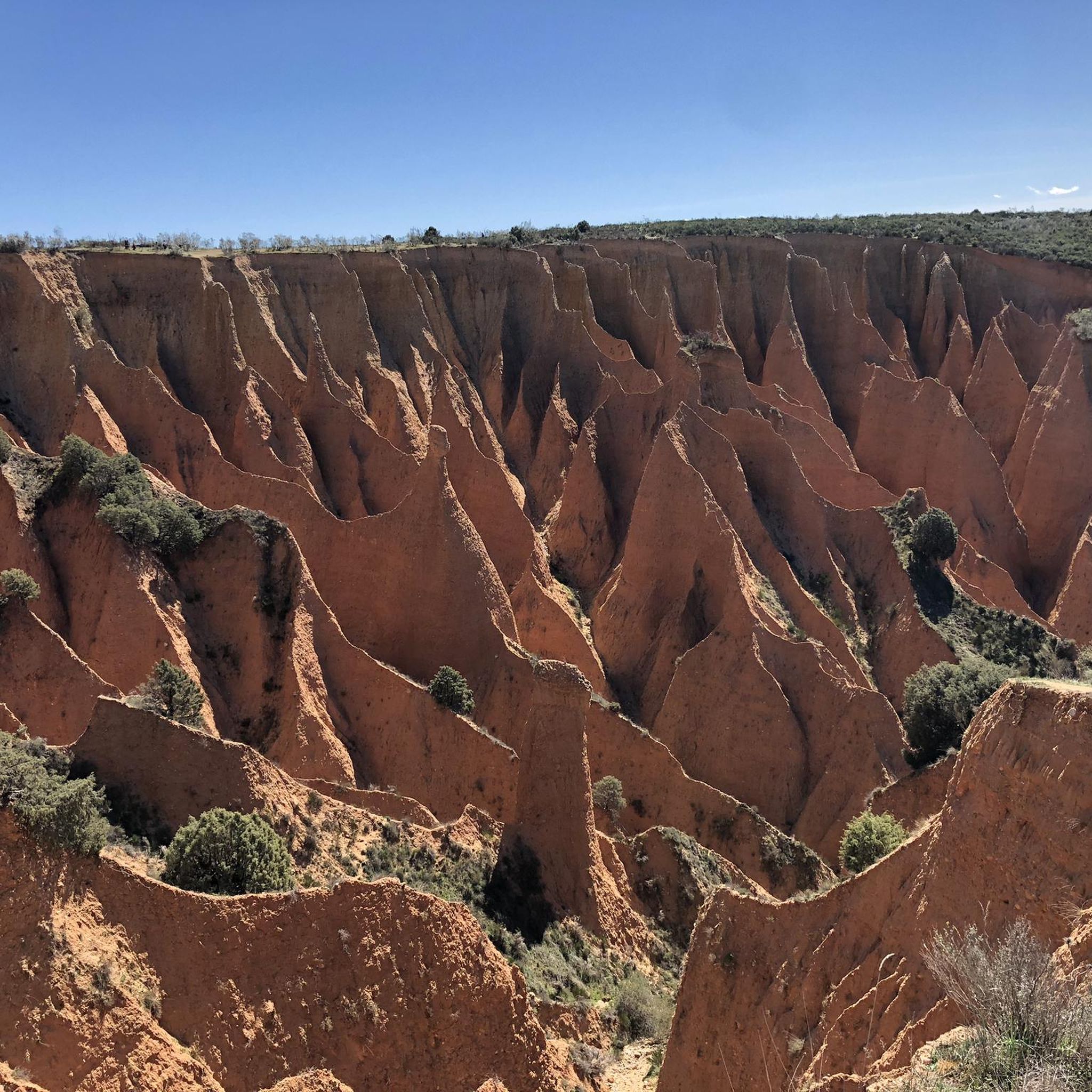
- The most popular caves is Enchanted City of Tamajón, a natural monument that features limestone rock formations with caves, cavities, rock arches, and sinkholes. Among the rocks, visitors can find small caves and bridges.
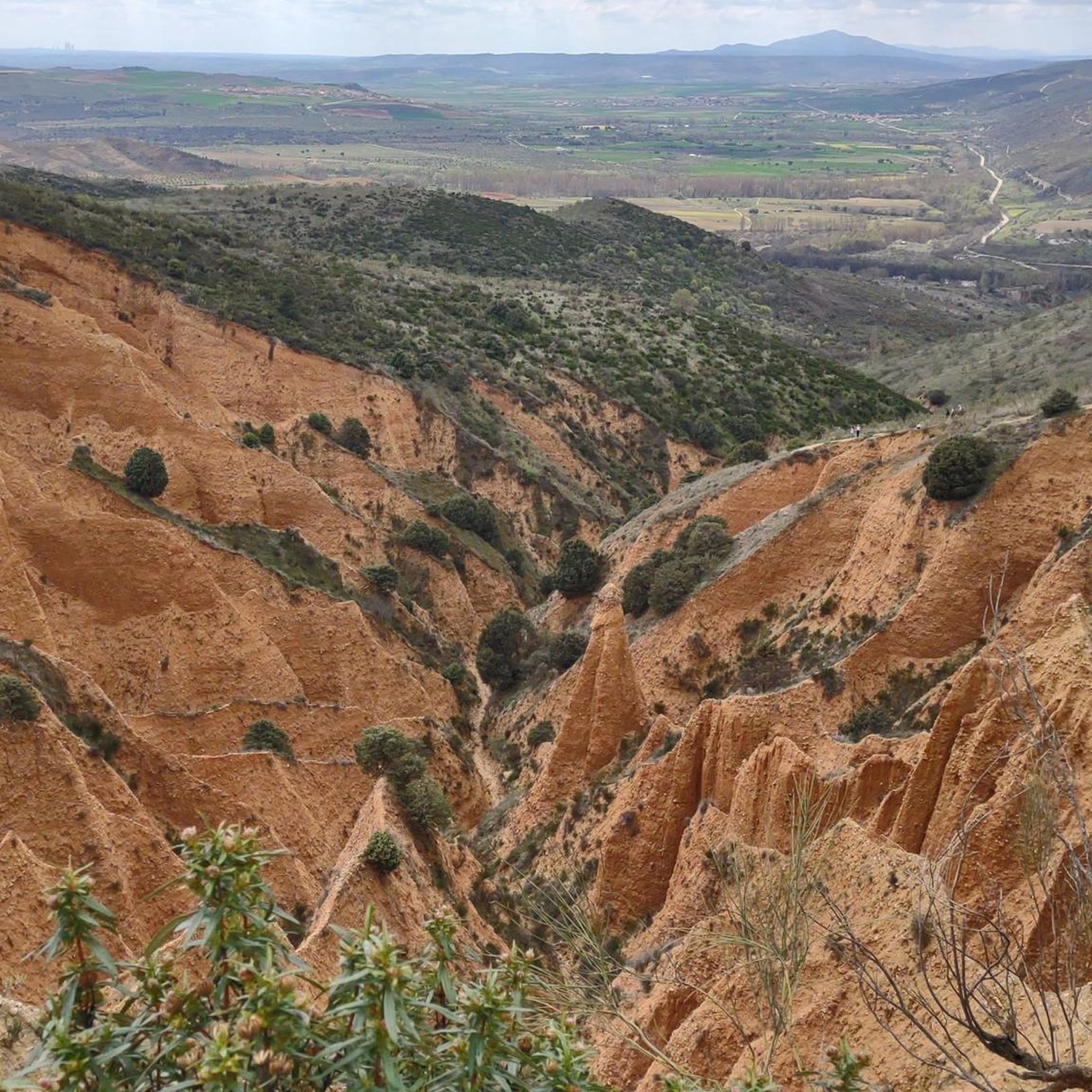
- Another must-see spot is Hoces del Jarama, a gorge where the Jarama river twists between large walls of limestone rock. This area contains caves in its walls with historical and prehistoric significance.
- Visitors also love Prehistoric Cave of Los Torrejones, a cave where human remains and animal bones from more than 50,000 years ago have been found. It is considered one of the oldest inhabited places in the center of the Iberian Peninsula.
- Valdesotos is known for limestone rock formations with natural cavities, river gorges featuring cave-like structures, and prehistoric caves. These formations offer a variety of geological features to explore.
- The caves around Valdesotos are appreciated by the komoot community. There are 11 upvotes and 6 photos shared by users, highlighting the appeal of these natural sites.
Last updated: July 3, 2026
Enchanted City of Tamajón
Highlight • Natural Monument
Translated by Google •
Tip by

Hoces del Jarama
Highlight • Gorge
Translated by Google •
Tip by

Sign up now to discover places like this
Get recommendations on the best single tracks, peaks, & plenty of other exciting outdoor places.
Sign up for free
Prehistoric Cave of Los Torrejones
Highlight • Cave
Translated by Google •
Tip by

Los Enebrales Shelters
Highlight (Segment) • Cave
Translated by Google •
Tip by
Cueva de La Mierla
Highlight • Cave
Translated by Google •
Tip by
Sign up for free to discover even more caves around Valdesotos.
Sign up for free
Already have an account?
Start today with a free account
Your next adventure awaits.
Login or Signup
Tips from the Community

Small but pretty, on the side of the road. It looks like a dolmen. The time-darkened stones give it a beautiful appearance.
0
0
They are shelters under the rocky cliffs that were inhabited in Prehistory and that have been studied by Archaeologists from the University of Alcalá. The antiquity of use dates back to the Paleolithic, more than 30,000 years ago.
1
0
Eroded rocks with shapes of great beauty.
1
0
It is a Cave very well studied by Archaeologists from the University of Alcalá, in which human remains and animal bones from more than 50,000 years ago have been found. It is possibly the oldest place, in the center of the Iberian Peninsula, inhabited by man.
0
0
A good mid-hill path allows you to enjoy the Hoces from El Monasterio de Bonaval to the Medieval Bridge of Valdesotos. In the Caves of the walls, there is a lot of history and prehistory.
1
0

Limestone rock formation with caves, cavities in the rock, rock arches, sinkholes and other formations. Thus, among the rocks and their capricious shapes you will be able to find small caves, bridges to cross and many strange shapes.
2
0

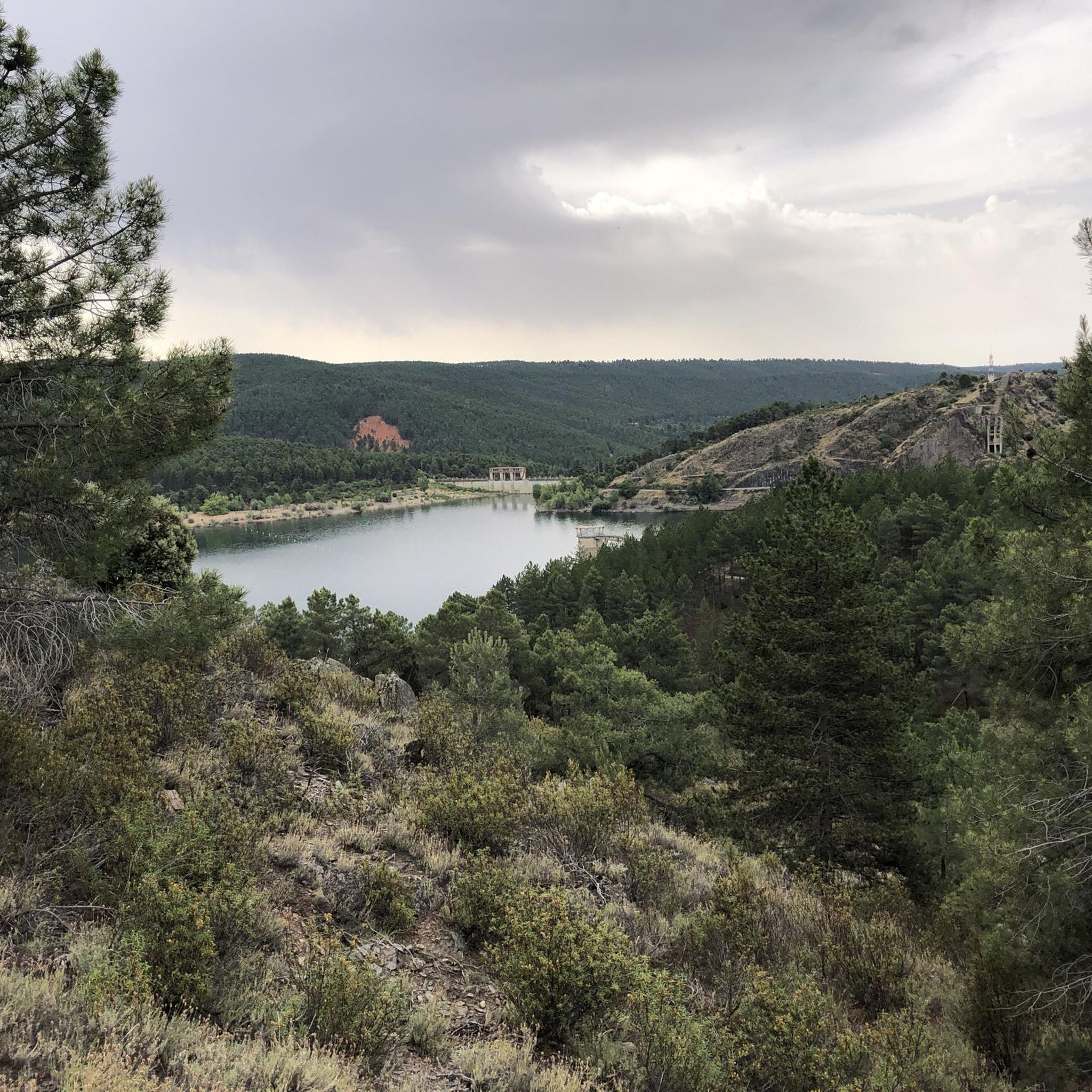
La Hoz del Jarama is a strip of land located between the well-known Cistercian Monastery of Bonaval and the Medieval Bridge (which many call “Roman”) of Valdesotos. In this section, the river twists and its bed is sometimes wedged between large walls of limestone rock.
10
0
Frequently Asked Questions
What are the main types of cave formations found around Valdesotos?
The Valdesotos area, particularly within the impressive Hoz del Jarama, is characterized by limestone rock formations. These geological processes have created dramatic landscapes with numerous cracks, natural cavities, and cave-like structures. You'll find eroded rocks with unique shapes, rock arches, and sinkholes.
Are there any historically significant caves near Valdesotos?
Yes, the Prehistoric Cave of Los Torrejones is highly significant. It's considered one of the oldest inhabited places in the center of the Iberian Peninsula, with human remains and animal bones dating back over 50,000 years. The Hoces del Jarama also contains caves with historical and prehistoric importance in its walls.
What is the Enchanted City of Tamajón?
The Enchanted City of Tamajón is a natural monument featuring remarkable limestone rock formations. Visitors can explore caves, cavities, rock arches, and sinkholes, with many strange and beautiful shapes formed by erosion.
What kind of natural features can I expect to see in the Hoces del Jarama?
The Hoces del Jarama is a dramatic gorge where the Jarama River winds through towering limestone rock walls. Beyond the cave formations, you can observe rich wildlife, including griffon vultures and Egyptian vultures, which often find refuge in the rock faces.
Are there any family-friendly activities or caves suitable for beginners?
While specific 'family-friendly' cave designations aren't provided, the general exploration of natural monuments like the Enchanted City of Tamajón, with its accessible rock formations and small caves, can be suitable for families. The area offers opportunities for observing unique geological features in a less strenuous environment.
What outdoor activities can I do near the caves around Valdesotos?
The region offers various outdoor activities. You can find numerous cycling routes, including difficult ones like the 'Enchanted City of Tamajón – El Espinar loop' or 'El Vado Dam and Reservoir loop'. There are also running trails, such as the 'Arcipreste de Hita Trail' or the 'Aljibe Pools Circular Trail'. For more details, explore the Cycling around Valdesotos, Road Cycling Routes around Valdesotos, and Running Trails around Valdesotos guides.
Is there a specific cave named Cueva de Solana Borriquera in the Hoz del Jarama?
Yes, the Hoz del Jarama features various natural cavities and grottos, and one specific named formation mentioned in hiking routes near the Medieval Bridge of Valdesotos is the Cueva de Solana Borriquera. These are natural formations resulting from erosion.
What is El Chorro de Valdesotos and is it near the caves?
El Chorro de Valdesotos is a picturesque waterfall that cascades into a natural pool, formed by a tributary of the Jarama River. While not a cave itself, it's a prominent natural attraction in Valdesotos and is popular for bathing in summer. It's located within the same general natural environment as the cave-like formations of the Hoz del Jarama.
What do visitors appreciate most about the caves around Valdesotos?
Visitors frequently highlight the unique geological features and the dramatic landscapes created by the Jarama River carving through limestone. The eroded rocks with their beautiful and capricious shapes, along with the historical significance of some caves, are often mentioned as appealing aspects.
How difficult is it to explore the caves and formations in the Valdesotos area?
Many of the natural formations and cave-like structures, such as those in the Enchanted City of Tamajón, are accessible for general exploration. However, some areas within the Hoces del Jarama may involve more challenging terrain due to the gorge's steep walls. Specific difficulty levels for individual caves are not always provided, but general hiking in the area can range from moderate to difficult.
Are there other notable caves in the wider Guadalajara province, distinct from Valdesotos?
Yes, it's important to note that while Valdesotos has its unique formations, a well-known 'Cueva de la Mora' exists in Cívica, a district of Brihuega, also in Guadalajara province. This site is known for its unique architectural excavations carved into rock and is distinct from the natural caves found directly in Valdesotos.
Most popular attractions around Valdesotos

Get inspired with the komoot mobile app


Explore more
Extend your search for the best caves by checking out these guides of the top ones around Valdesotos:
