Top 4 Caves around Hellín
Best caves around Hellín are found in a region known for its diverse natural and cultural landscapes. This area, located in the province of Albacete, features significant archaeological sites, including prehistoric cave paintings, alongside natural river canyons. Hellín's caves offer insights into ancient human activity and the adaptation of natural shelters for various uses, showcasing a rich history and varied geological features. The geological formations and river systems contribute to a varied environment for exploration.
Best caves around Hellín
- The most popular caves is Sanctuary of the Virgin of Hope, a religious building and cave. This site originated from a 17th-century hermitage established in one of the natural caves on the Segura river, which served as a natural shelter for shepherds.
- Another must-see spot is View of the Serreta Cave, a viewpoint and cave. The views from the balcony of this cave are notable, offering a sensation of vertigo from the platform suspended on the cliff face more than 100 meters high.
- Visitors also love Eremitorio Rupestre de Alborajico, a cave, religious building, and historical site. This hermitage consists of several caves excavated in the rock, connected by corridors and stairs, with archaeological remains indicating use since Roman times.
- Hellín is known for archaeological caves with prehistoric rock art, natural caves within river canyons, and historical cave hermitages. The region offers a variety of caves to see and explore, from ancient human settlements to natural geological formations.
- The caves around Hellín are appreciated by the komoot community, with 67 photos shared and 31 upvotes across the highlights.
Last updated: June 19, 2026
Sanctuary of the Virgin of Hope
Highlight • Religious Site
Translated by Google •
Tip by

View of the Serreta Cave
Highlight • Viewpoint
Translated by Google •
Tip by

Sign up now to discover places like this
Get recommendations on the best single tracks, peaks, & plenty of other exciting outdoor places.
Sign up for free
Eremitorio Rupestre de Alborajico
Highlight • Cave
Translated by Google •
Tip by

Cueva de la Serreta
Highlight • Cave
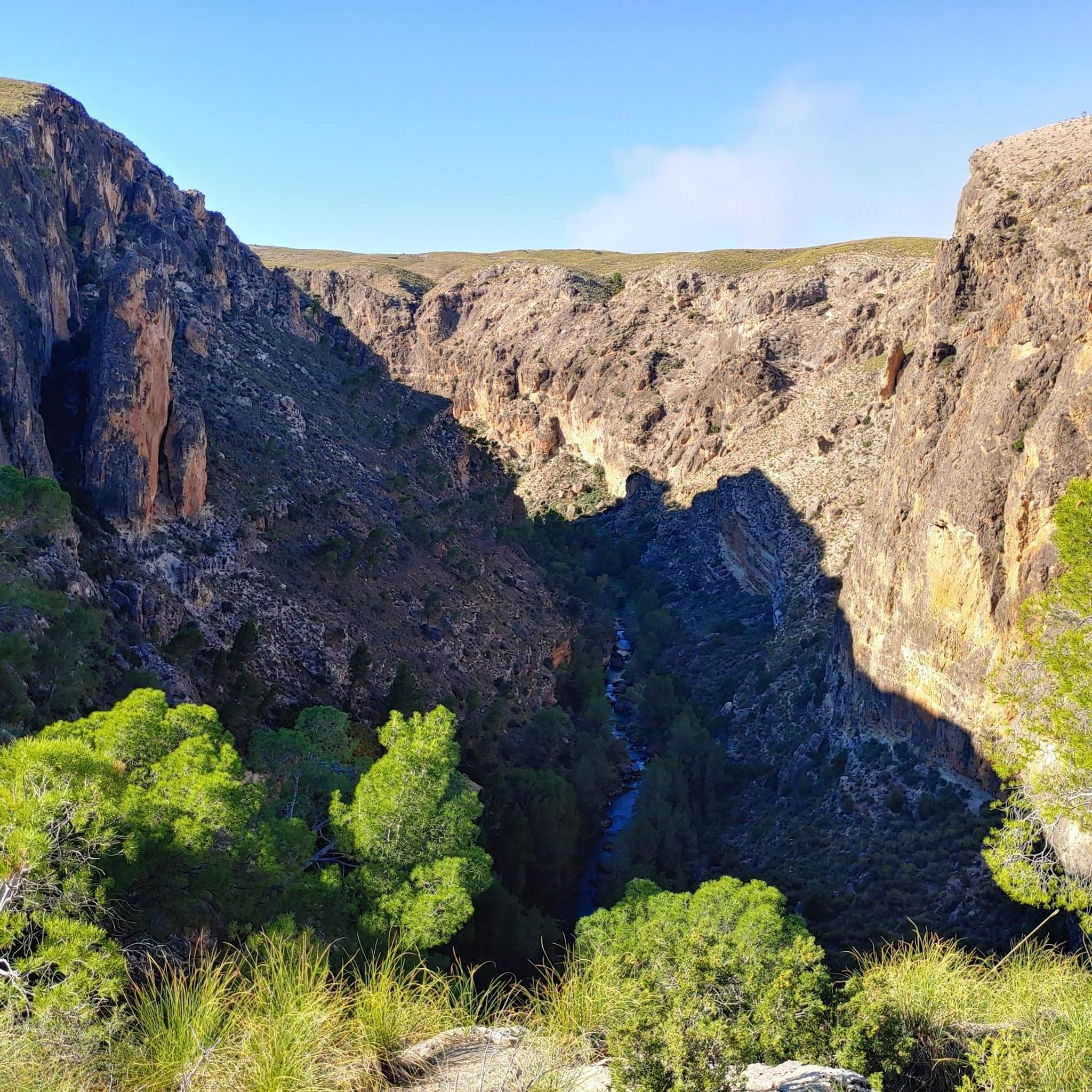
Sittling in a spectacular setting, with vertical walls that often exceed 100 meters in height.
Signposted access from Cieza (approximately 17 km), following the river; an area protected by the Natura 2000 network.
Translated by Google •
Tip by
Start today with a free account
Your next adventure awaits.
Login or Signup
Popular around Hellín
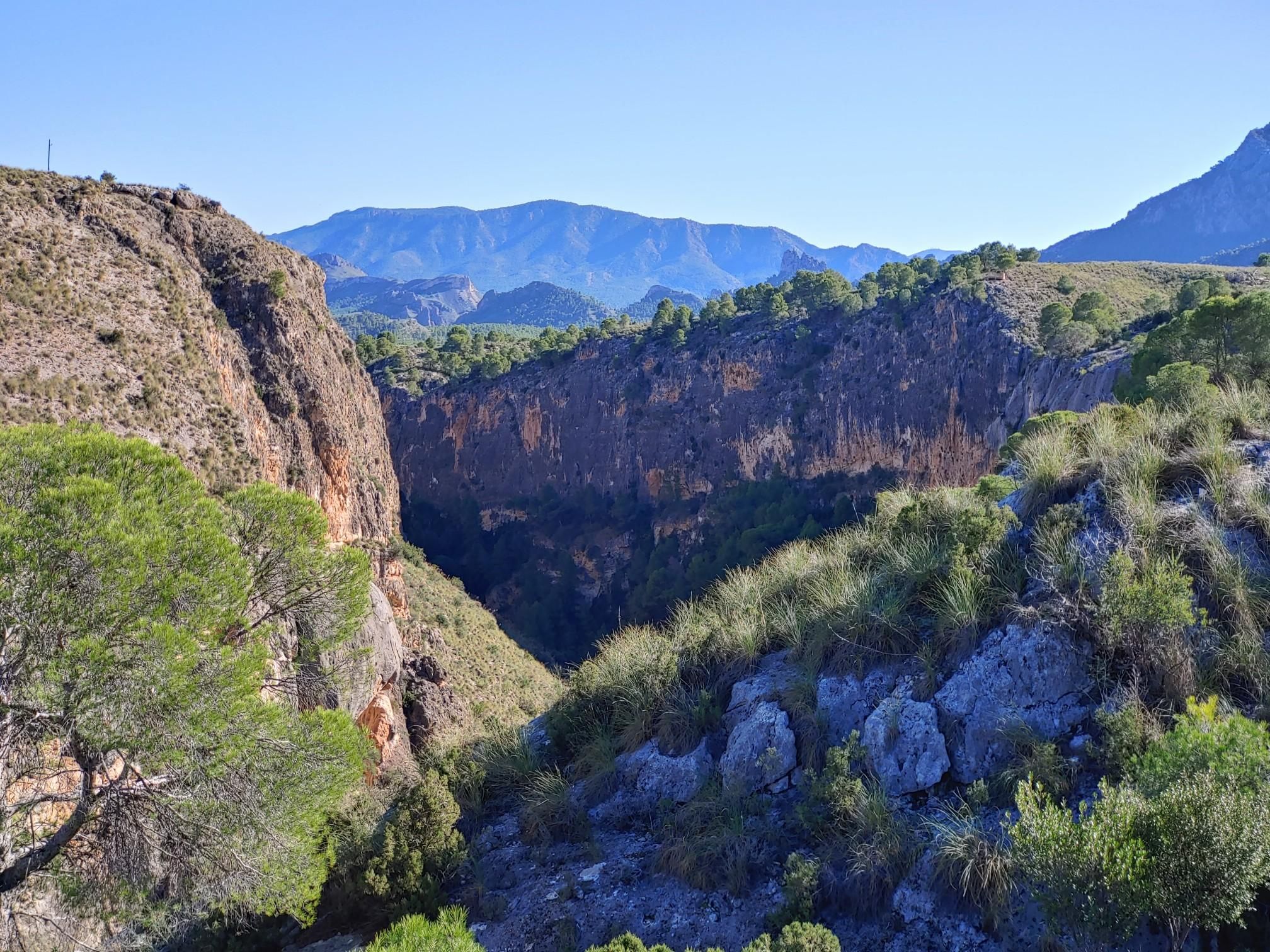
Gorges, valleys and orchards — BTT along the Segura River (GR 127)
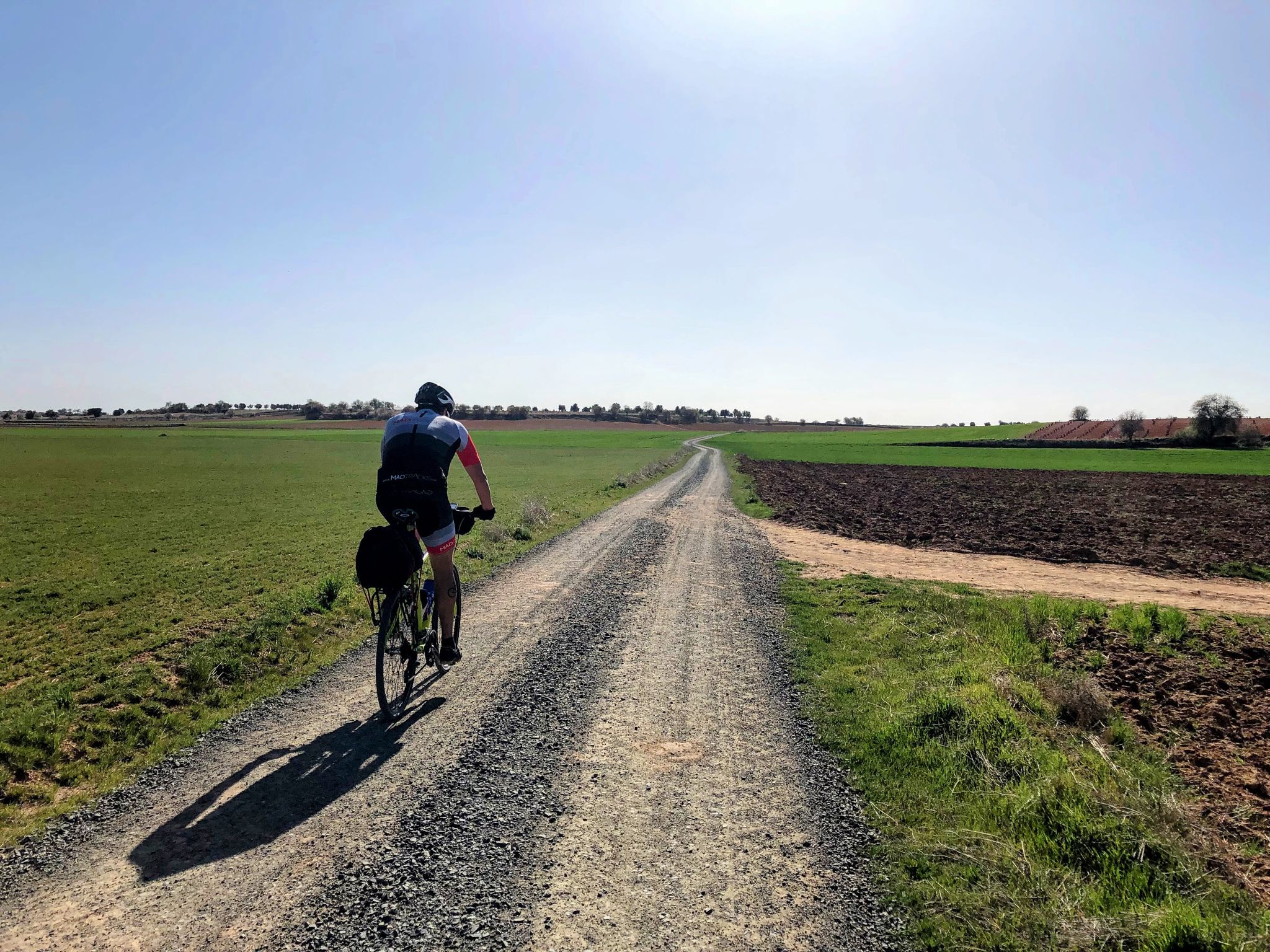
In search of the coast – Madrid to Puerto de Mazarrón
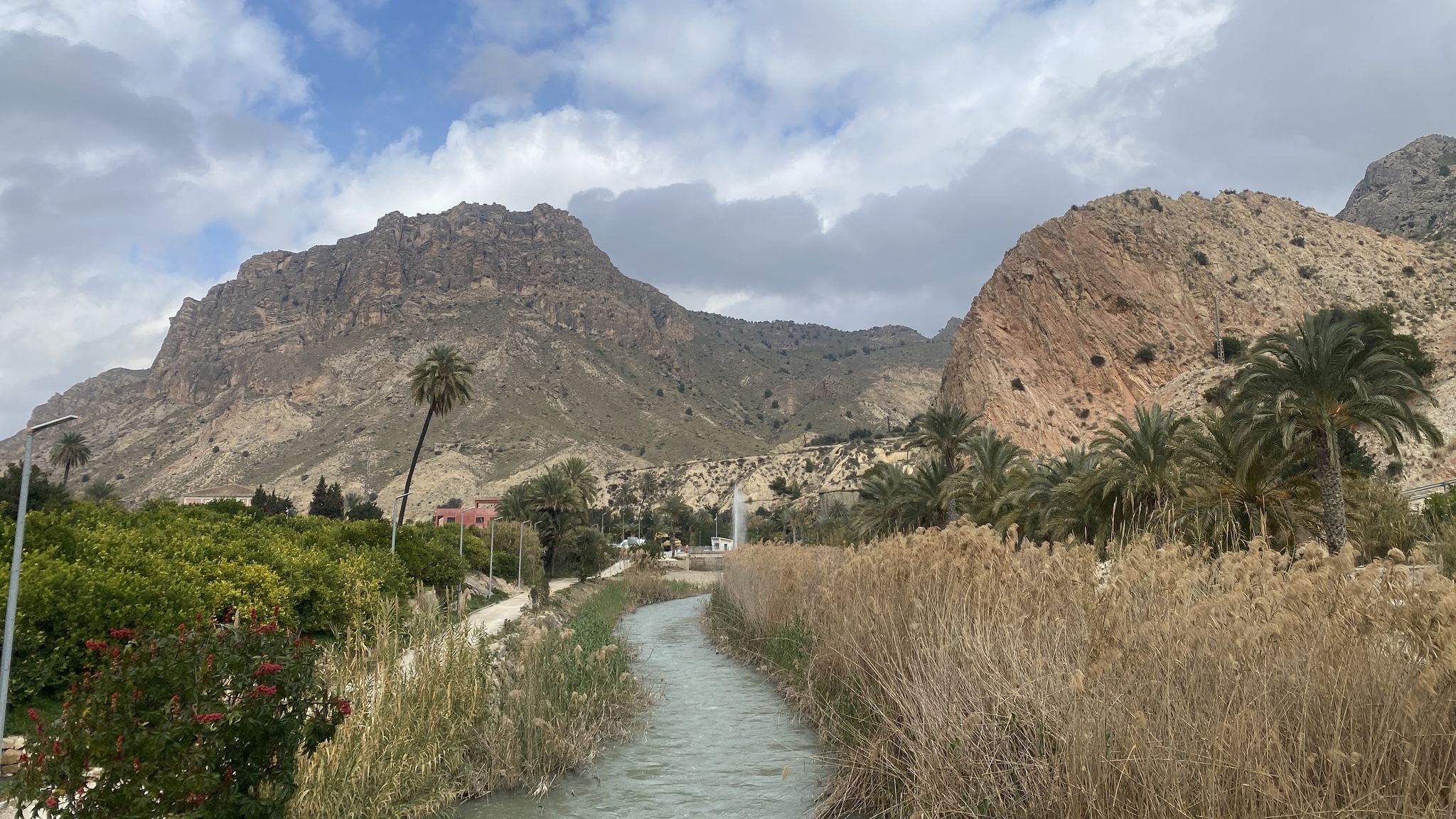
An adventure through Murcia in Spain – Segura River (GR 127)
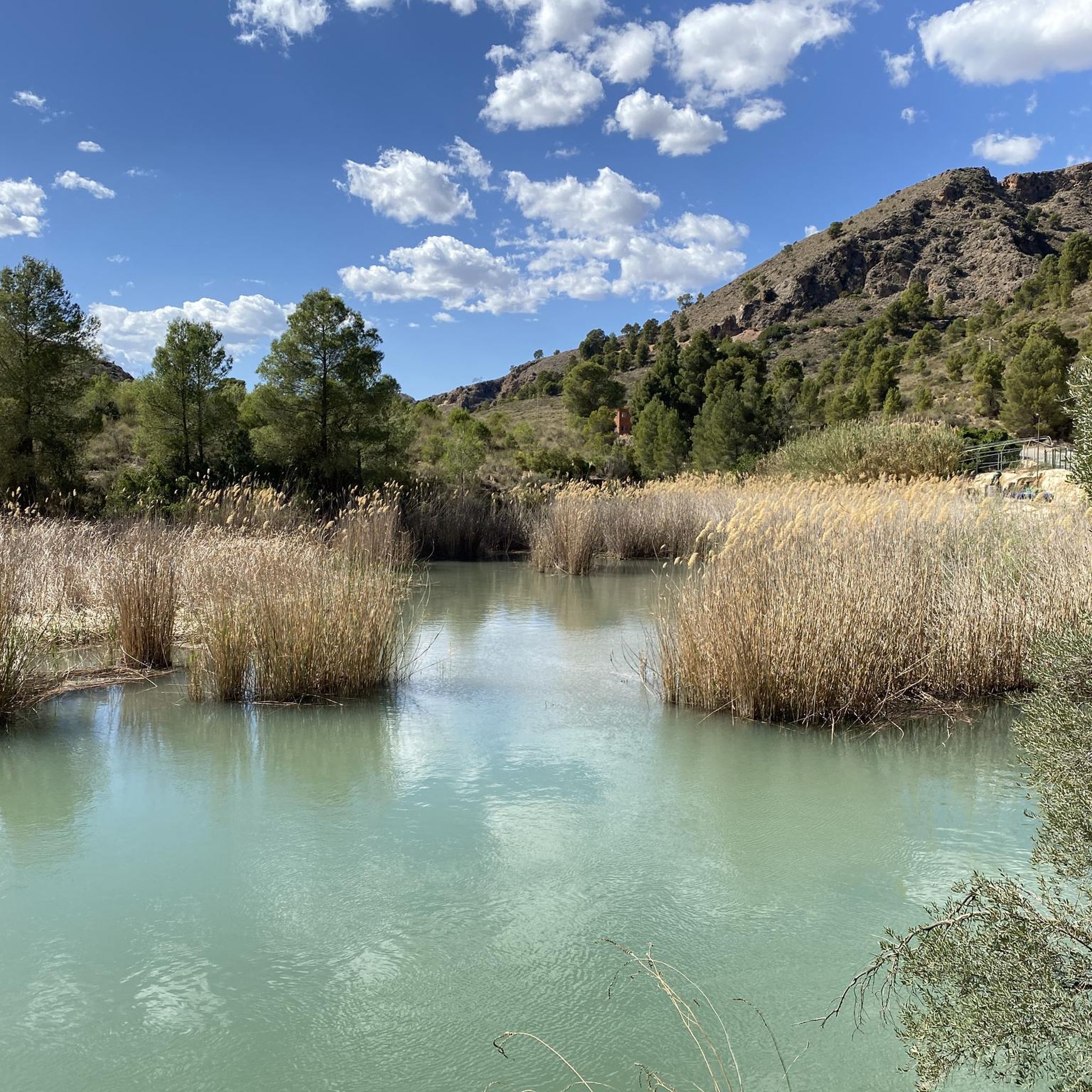
Hiking around Hellín
Road Cycling Routes around Hellín
Cycling around Hellín
MTB Trails around Hellín
Running Trails around Hellín

Gravel biking around Hellín
Other adventures around Hellín


Tips from the Community

Located on the left bank of the Segura River, in the Los Almadenes karst canyon, between Cieza and Calasparra. Sittling in a spectacular setting, with vertical walls that often exceed 100 meters in height. Signposted access from Cieza (approximately 17 km), following the river; an area protected by the Natura 2000 network.
3
0

This cave is truly amazing. It allows you to obtain impressive views of the Almadenes Canyon. There is information about access and the area just above the trail on the information board.
1
0

The Alborajico Rupestrian Hermitage consists of several caves excavated in the rock and connected to each other by corridors and stairs. These caves were used as dwellings, chapels and warehouses. It is believed that these caves were inhabited by hermits in the Middle Ages, although archaeological remains have also been found indicating that they have been used since Roman times.
1
0

The Santuario de La Virgen de La Esperanza is more than worth a visit. A beautiful rock-hewn church with blackened ceilings from the torches used to light it. The area is also very beautiful with the River Segura flowing in front of the Santuario. We live 4 km's from this church.
1
0
The Sanctuary is located in a place 6 km by road from the town. The hermitage houses two images of the Virgen de la Esperanza, patron saint of Calasparra, who are worshiped together. The primitive hermitage (XVII) was in one of the caves on the Segura river, a natural shelter for shepherds, to which new rooms and buildings have been added with the expansion of the cult. The creation of terraces up to the river has been succeeded in modern times by the creation of service areas: parking lots, restaurant, hotel, etc.
9
1

The views of the balcony of the cave are spectacular. You feel a sensation of vertigo just by looking at the platform suspended on the cliff face more than 100 meters high.
1
0

As soon as we approach the sanctuary we must get off the bicycle. The sanctuary of Our Lady of Hope, patron saint of Calasparra, is located six kilometers from this town in northwest Murcia. If we can, it is worth visiting. Annually, almost a million people come to visit it. Declared of geological interest, the sanctuary houses two images of the Virgin of Hope. The old 17th century hermitage was originally built on one of the caves over the Segura River. Schedules and more information at: https://santuariovirgenesperanza.com/
1
0
It is a truly impressive sanctuary of great beauty carved into the rock of a steep cliff overlooking the Segura River. The history behind the shrine is very interesting and it is an important stop for religious pilgrims. Most of the sanctuary is located inside a natural cave, excavated by the waters of the Segura River. There is also a garden, but it is accessed by steep steps. The sanctuary is open seven days a week from 9 am to dusk. Admission is free.
1
0
Frequently Asked Questions
What are the most historically significant caves to visit near Hellín?
The Hellín region is rich in historical caves. The Eremitorio Rupestre de Alborajico is a notable site with several caves excavated into the rock, connected by corridors and stairs, showing use since Roman times and by hermits in the Middle Ages. Additionally, the Cueva de la Camareta, near Agramón, is a significant archaeological site with inscriptions from various periods, including Iberian, Visigothic, and Hispano-Muslim, making it a "museum of writing" over two millennia.
Are there any caves around Hellín with prehistoric art?
Yes, the Abrigo Grande de Minateda, located within the Tolmo de Minateda Archaeological Park, features valuable cave paintings dating back between 5,000 and 3,500 years ago. These paintings are part of a World Heritage Site and offer a unique glimpse into ancient cultures.
Which caves offer impressive natural views or geological features?
For breathtaking views, the View of the Serreta Cave is highly recommended. It offers spectacular vistas from a platform suspended on a cliff face over 100 meters high, providing a sensation of vertigo. The Sanctuary of the Virgin of Hope is also declared of geological interest, being built into natural caves on the Segura river.
Are there family-friendly cave attractions in the Hellín area?
The Sanctuary of the Virgin of Hope is considered family-friendly. This site, which originated from a 17th-century hermitage in a natural cave, has expanded to include service areas like parking and restaurants, making it accessible and enjoyable for families.
What outdoor activities can I do near the caves around Hellín?
The Hellín area offers a variety of outdoor activities. You can explore numerous cycling routes, ranging from moderate to difficult, as detailed in the Cycling around Hellín guide. There are also many hiking trails, including moderate paths like the Sendero del Volcán de Cancarix, which you can find in the Hiking around Hellín guide. For mountain biking enthusiasts, the MTB Trails around Hellín guide provides options for various skill levels.
What is the best time of year to visit the caves in Hellín?
The best time to visit the caves around Hellín is typically during the spring (April-May) and autumn (September-October) months. During these periods, the weather is generally mild and pleasant, making outdoor exploration and cave visits more comfortable. Summers can be very hot, and winters can be cooler, though often still suitable for visits.
Are there any archaeological parks associated with the caves?
Yes, the Abrigo Grande de Minateda is located within the Tolmo de Minateda Archaeological Park. A visit to this rock shelter is part of the park's archaeological, historical, and artistic itineraries, allowing visitors to explore prehistoric art within its historical and geo-archaeological context.
What kind of religious sites are integrated with caves in the Hellín region?
The Hellín region features several religious sites integrated with natural caves. The Sanctuary of the Virgin of Hope is a prominent example, originating from a 17th-century hermitage established in a natural cave on the Segura river. The Eremitorio Rupestre de Alborajico also served as chapels and dwellings for hermits in the Middle Ages.
What do visitors appreciate most about the caves around Hellín?
Visitors to the caves around Hellín particularly appreciate the blend of natural beauty and rich history. The spectacular views from sites like the View of the Serreta Cave, combined with the deep historical and archaeological significance of places like the Cueva de la Camareta and the Abrigo Grande de Minateda, offer a unique and engaging experience. The spiritual atmosphere of the cave hermitages also leaves a lasting impression.
Are there any caves near Hellín that were used as shelters or dwellings in ancient times?
Yes, both the Cueva de la Camareta and the Eremitorio Rupestre de Alborajico served as shelters and dwellings. The Cueva de la Camareta was a place of passage and refuge for over two millennia, while the Alborajico hermitage consists of caves excavated and used as dwellings, chapels, and warehouses since Roman times, and by hermits in the Middle Ages.
How accessible are the caves around Hellín for general visitors?
Accessibility varies by site. The Sanctuary of the Virgin of Hope is well-developed with parking and amenities, making it quite accessible. Other sites, particularly archaeological ones like the Abrigo Grande de Minateda, may involve walking within an archaeological park. The Cueva de la Camareta, while historically significant, might require viewing from a distance due to preservation efforts.
Most popular attractions around Hellín

Get inspired with the komoot mobile app


