Top 6 Caves around Vilanova Del Vallès
Best caves near Vilanova Del Vallès are found within a landscape characterized by granite formations and forested areas like the Bosc de Rsucalleda and Montseny. This region holds significant historical and cultural importance, with many sites showing evidence of prehistoric human activity from the Neolithic, Bronze Age, and Chalcolithic periods. The caves often served as shelters, burial sites, and sanctuaries, offering insights into ancient civilizations. The natural environment provides a setting for exploring these geological and archaeological features.
Best caves…
Last updated: October 6, 2026
The Swallows' Rock
Highlight • Natural Monument
Translated by Google •
Tip by

Cave of the Frog
Highlight • Cave
Translated by Google •
Tip by

Sign up now to discover places like this
Get recommendations on the best single tracks, peaks, & plenty of other exciting outdoor places.
Cova de les Encantades
Highlight • Cave
Translated by Google •
Tip by

Costa de Can Martorell Burial Cave
Highlight • Historical Site
Translated by Google •
Tip by
Roca Llobatera de Cabrils
Highlight • Cave
Translated by Google •
Tip by
Sign up for free to discover even more caves around Vilanova Del Vallès.
Already have an account?
Start today with a free account
Your next adventure awaits.
Tips from the Community

Jaciment arqueològic amb pintures rupestres, declarat Patrimoni de la Humanitat.
0
0

A small cave hidden in a crevice of Montseny, damp and cool even in the height of summer. Its name comes from the constant croaking of frogs from the nearby stream, which seem to guard the entrance at dusk. Locals say that during storms, forest animals would take refuge inside, and that a hiker once found an old, rusty lantern hanging from the rock, as if someone had left it there to return.
0
0
This cave, inhabited in prehistoric times, contains remains that demonstrate its use in the Neolithic or Bronze Age, such as stone tools, pottery fragments, and evidence of fire. Its strategic location, hidden but with good visibility of the surroundings, made it ideal as a refuge or stopover. Today, for cyclists like us, it's an excellent shelter in case of rain or to enjoy breakfast in the shade, thanks to its peaceful and protected location.
1
0

The "Pedra de Les Orenetes" (Swallows' Stone) is made up of a large granite block about 8 m long, 3 m wide and 3 m high, which has been heavily eroded. The basal part shows several cavities, one of which is a medium-sized shelter, which is the main area of the paintings. From this concavity, through which the block can be crossed from below, other concavities and eroded points with pictographic representations continue to the right. These correspond to curved, serpentine strokes, points, female figures, cruciform figures, bars, finger marks, anthropomorphic forms, quadrupeds, branch-shaped figures and human representations, as well as remains of pigment that are difficult to interpret. the schematic-semi-schematic to the stylized and naturalistic), chromatic (reddish, reddish-brown, reddish-orange and yellowish-orange) and techniques (fingering, simple stroke and flat ink) as well as a diverse degree of erosion that seems to indicate a process with superimpositions and diverse phases, some of which seem to be related to those of the Cogul shelter.
1
0
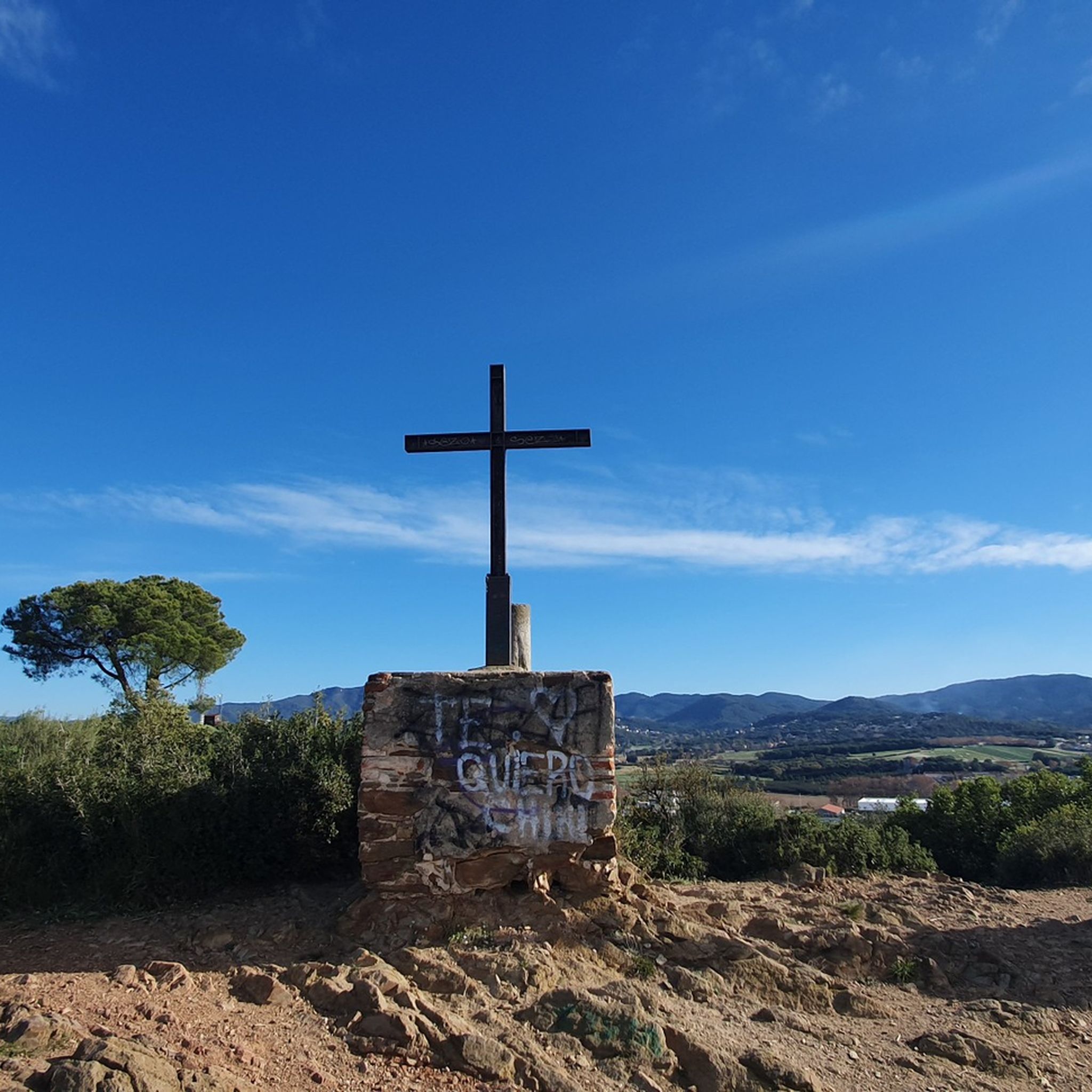
https://www.youtube.com/watch?v=nKgNP2t3_aY You will have to leave the bike and finish the journey on foot, from there the views are spectacular.
2
0
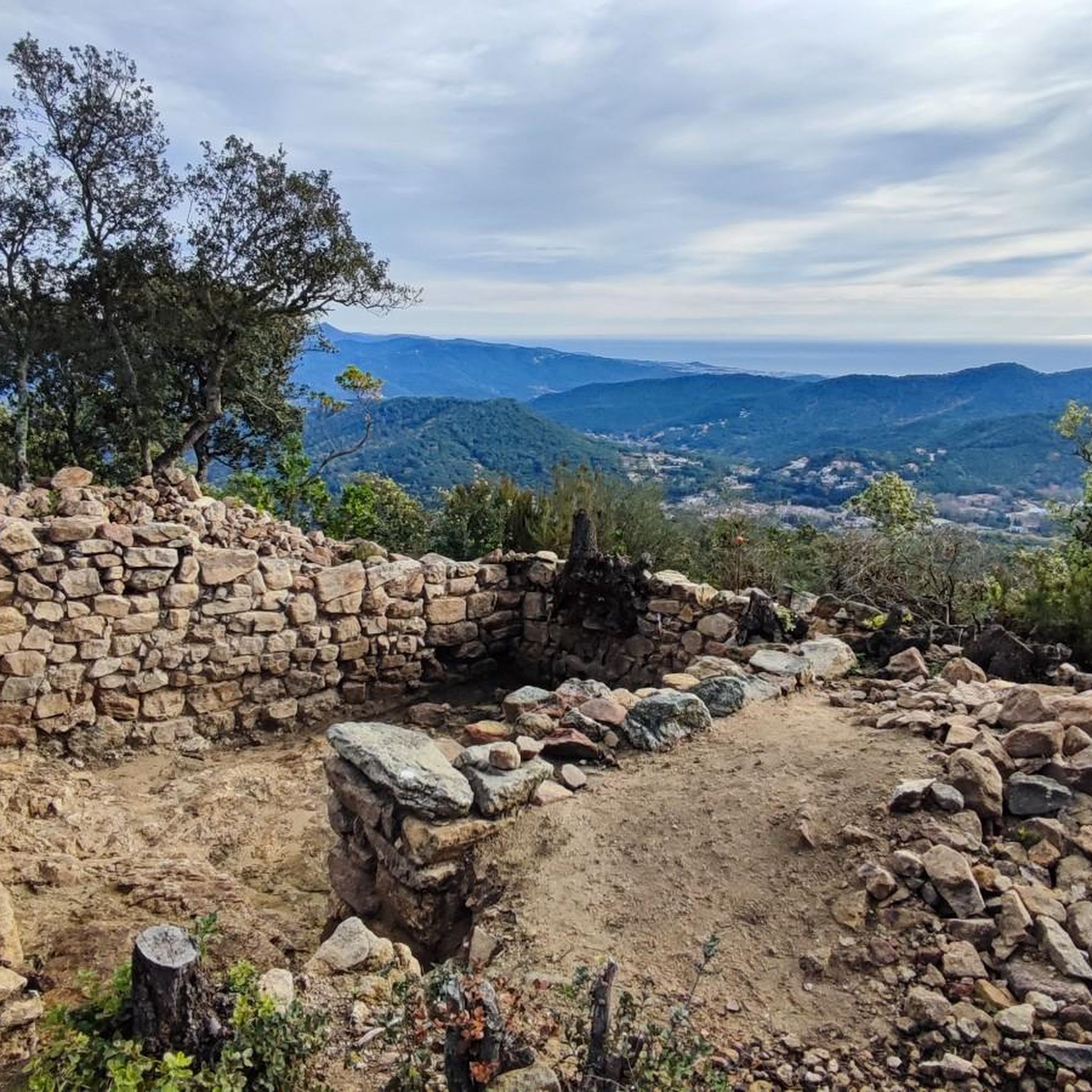
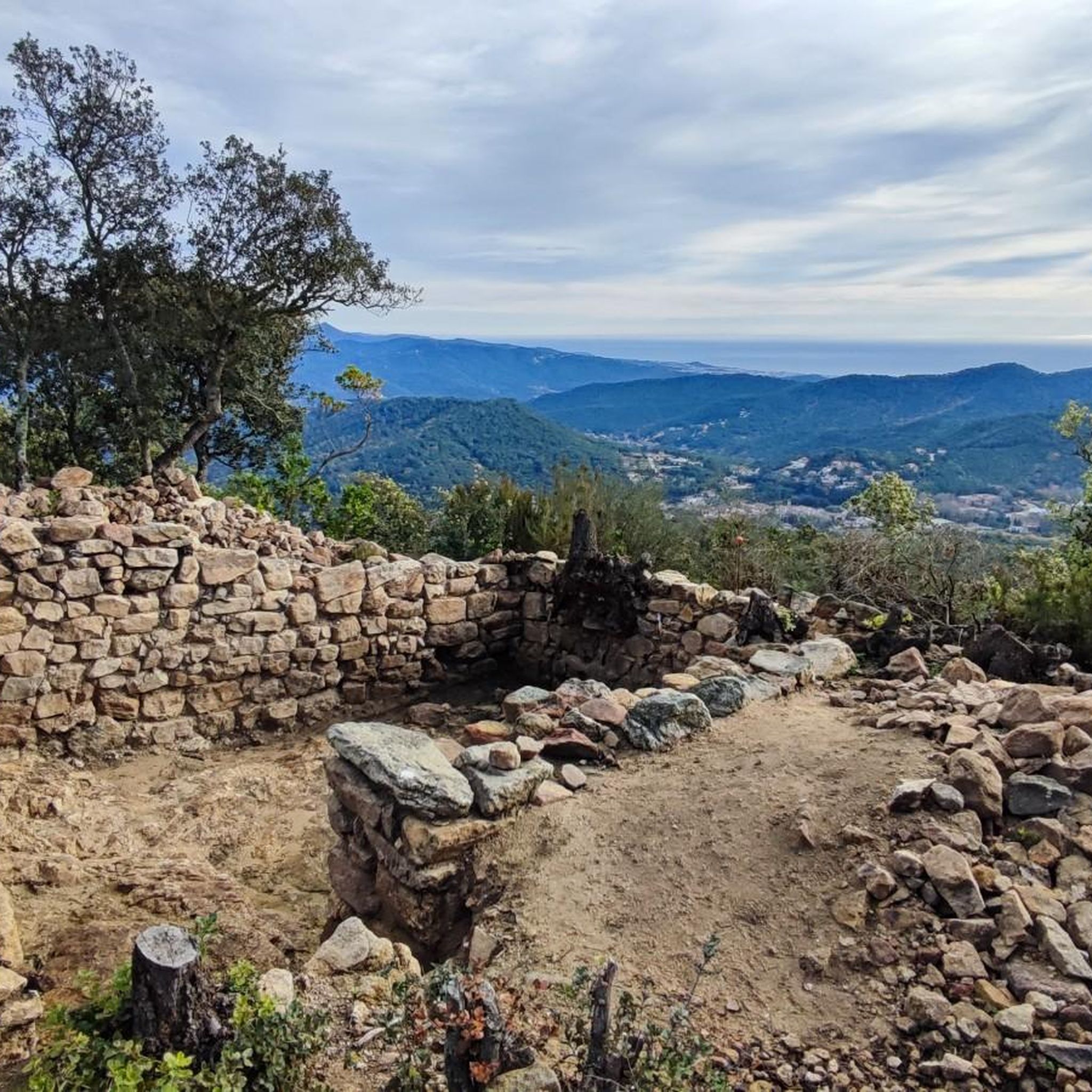
Iberian sanctuary in the municipality of Cabrera de Mar (Maresme). It is located in an area of Montcabrer that is difficult to access. It has a double entrance, in front of which a large number of offerings have been documented (about 50,000 ceramic fragments), consisting essentially of various types of tableware, amphorae, miniature votive amphorae, perfume containers, ceramic replicas of bovine horns, terracotta heads of Demeter and some coins. It was frequented from the 4th century BC until the turn of the century, with a special intensity in the period between 125 BC and 50 BC.
2
0

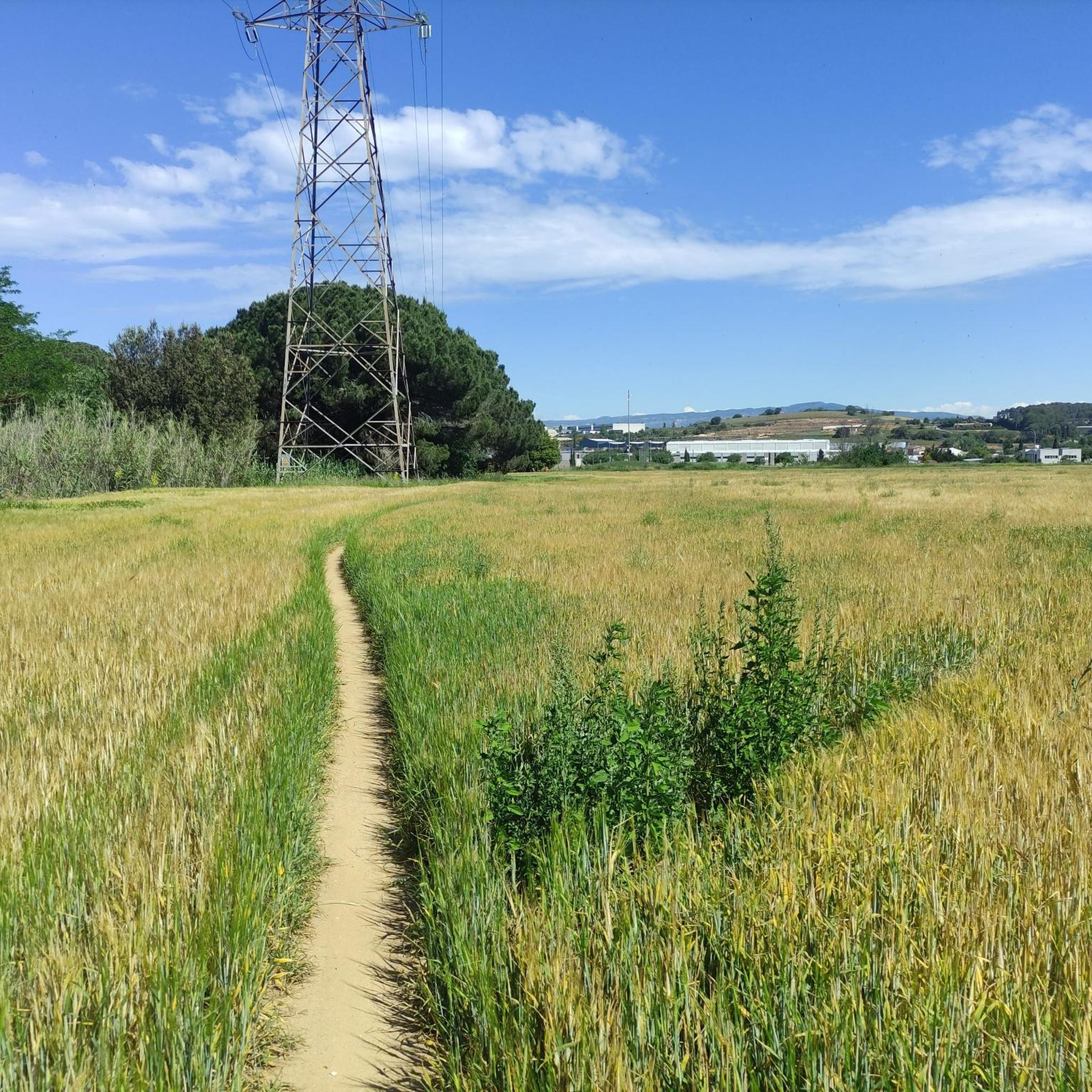
Spectacular rocks found in this area near the Bosc de Rsucalleda, with curious shapes.
6
0

It is a mixed structure consisting of a burial chamber with a corridor excavated in the granite rock of the southern slope of the hill, with a vestibule or vestibule with megalithic access. The chamber has a semicircular floor plan (5m length x 3m width x 2m height) without a roof, given that it collapsed above the archaeological level. The corridor (2.25m length x 1.60m width x 1.40m height), with an elongated floor plan, connects the hall with the bedroom. The antechamber (1.75m width x 1m length), with a trapezoidal plan, is made up of three large slabs arranged and nailed to the subsoil (the slab-door was documented to have been displaced from its original place). The archaeological intervention documented three different stratigraphic levels: the surface level, made up of soil and scattered bone remains, a second level made up of the stone blocks that formed the original vault that covered the chamber and the corridor, and a third level where it was documented abundance of human bone remains (affected by the demolition) and much of the documented archaeological material. Specifically, between 195 and 205 buried individuals of both sexes were documented, mostly between 20 and 40 years old, although there were also children. Among these remains were documented 68 flint arrowheads, several fragments of bell-shaped pottery, two manual stone mills and various faunal remains, among others. The archaeological research concluded that an accidental event, probably a war conflict between groups, led to the death of a significant volume of the population. Chronologically, the site belongs to the Chalcolithic period (2200-1800 BC).
0
0
Frequently Asked Questions
What kind of historical significance do the caves around Vilanova Del Vallès hold?
The caves in this region are historically significant, showing evidence of prehistoric human activity from the Neolithic, Bronze Age, and Chalcolithic periods. Many served as shelters, burial sites, and sanctuaries, offering insights into ancient civilizations. For example, The Swallows' Rock contains pictographic representations and evidence of prehistoric habitation, while the Cave of the Frog was a collective sepulchral crypt from the Chalcolithic and early Bronze Age.
Are there any caves with unique geological features or rock formations?
Yes, the region is known for its granite formations. The Swallows' Rock is a natural monument with curious rock shapes, including a large granite block that has been heavily eroded. Pedra Foradada is another natural monument known for its unique rock formations and a small cave within the rock.
What archaeological findings have been made in the caves of Vilanova Del Vallès?
Archaeological findings in the caves include stone tools, pottery fragments, and evidence of fire from the Neolithic or Bronze Age, as seen at The Swallows' Rock. The Cave of the Frog yielded ceramic fragments, flint knives, arrowheads, and diorite plates, indicating its use as a sepulchral crypt. The Costa de Can Martorell Burial Cave contained the remains of nearly 200 individuals, flint arrowheads, bell-shaped pottery, and stone mills from the Chalcolithic period.
Are there any caves that are challenging to access for experienced explorers?
Yes, the Cova de les Encantades is described as a little difficult to get to, requiring a short but steep ascent and some scrambling to reach the cave entrance. It's located in an area of Montcabrer that is generally difficult to access.
Can I find any caves that offer good views of the surrounding area?
Yes, the Cova de les Encantades, despite its challenging access, offers spectacular views of the Mediterranean Sea and Barcelona from its interior.
What outdoor activities can I do near the caves around Vilanova Del Vallès?
The area around Vilanova Del Vallès offers various outdoor activities. You can find numerous routes for hiking, including moderate trails like the 'Prehistoric route through the Parco de la Serralada Litoral'. There are also running trails and gravel biking routes available.
Are there any circular walks that include caves in the Vilanova Del Vallès area?
Yes, there are hiking routes that incorporate significant natural and historical sites. For example, the 'Dolmen de Céllecs – Roca Foradada de Can Gol loop' is an easy 6.8 km hike, and the 'Elephant Rock – Dolmen de Céllecs loop' is a moderate 9.3 km hike, both of which can be found in the hiking guide for Vilanova Del Vallès.
What is the best time of year to visit the caves in this region?
The Cave of the Frog is noted to be damp and cool even in the height of summer, suggesting that many caves might offer a refreshing escape during warmer months. However, the region's mild climate generally allows for exploration throughout the year.
What should I wear when exploring caves in Vilanova Del Vallès?
Given that some caves like the Cave of the Frog can be damp and cool, even in summer, it's advisable to wear layers. Sturdy footwear with good grip is essential, especially for sites like the Cova de les Encantades which involves scrambling.
Are there any caves that served as sanctuaries or ritual sites?
Yes, the Cova de les Encantades was an Iberian sanctuary frequented from the 4th century BC, where a large number of offerings were documented. Additionally, local folklore suggests that Pedra Foradada was used in ancient initiation rituals, with beliefs that passing through its hole could cure illnesses or offer protection.
What do visitors appreciate most about the caves around Vilanova Del Vallès?
Visitors appreciate the unique blend of natural beauty and historical depth. The curious rock shapes, prehistoric pictographic representations, and archaeological findings offer a glimpse into ancient civilizations. The caves also provide excellent shelters and peaceful spots for breaks during outdoor activities.
Most popular routes around Vilanova Del Vallès
Most popular attractions around Vilanova Del Vallès

Get inspired with the komoot mobile app


Explore more
Extend your search for the best caves by checking out these guides of the top ones around Vilanova Del Vallès:
