Top 7 Caves around Cubilla
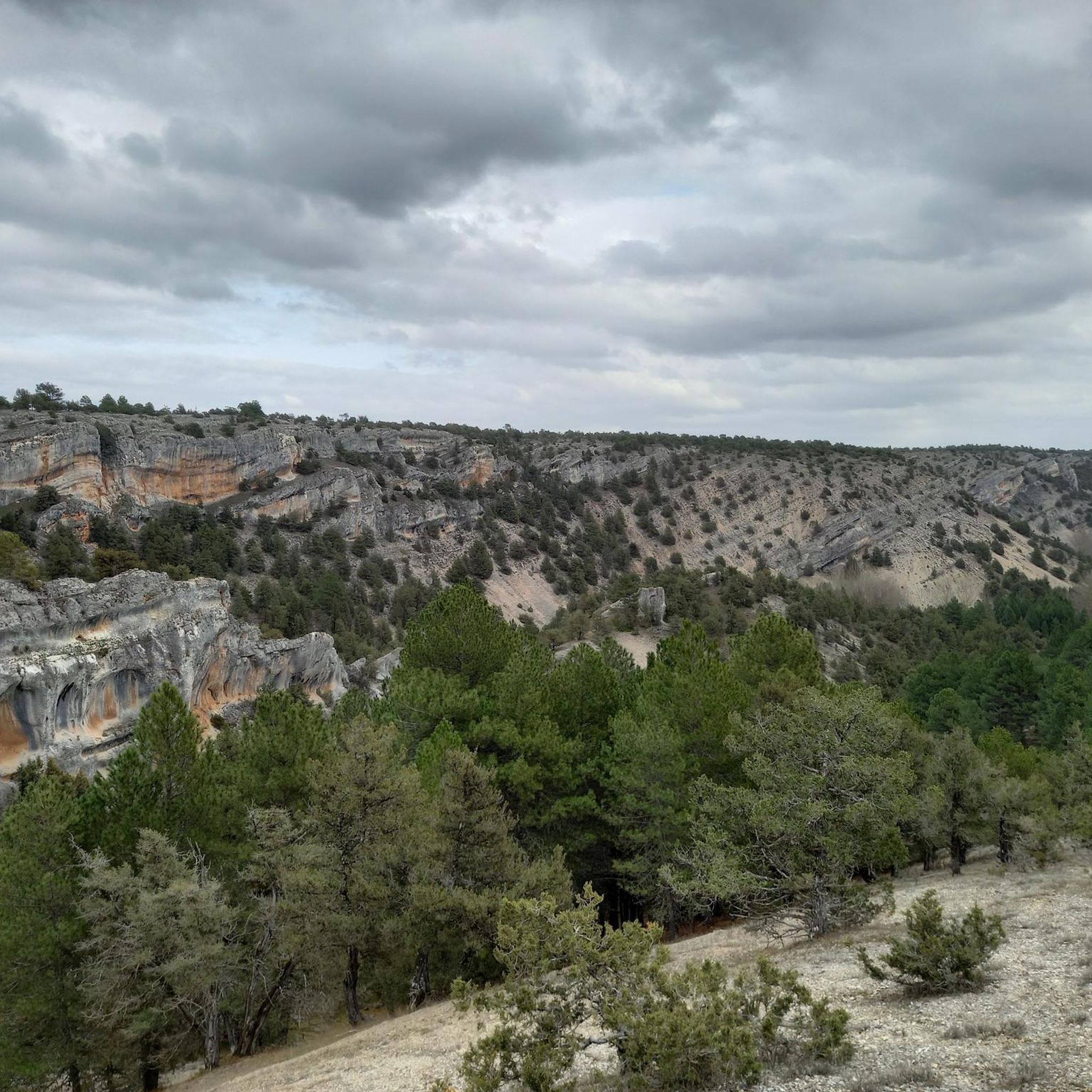
Caves around Cubilla offer a range of natural formations and geological features, primarily centered around the Cañón del Río Lobos natural park. This region is characterized by its canyons, forests, and unique rock formations. The area provides opportunities to explore natural caves, rock arches, and trails that traverse diverse landscapes. It is a location where natural beauty and geological significance converge, offering insights into karst systems and ancient river formations.
Best caves around Cubilla
- The most popular caves is Cueva…
Last updated: May 6, 2026
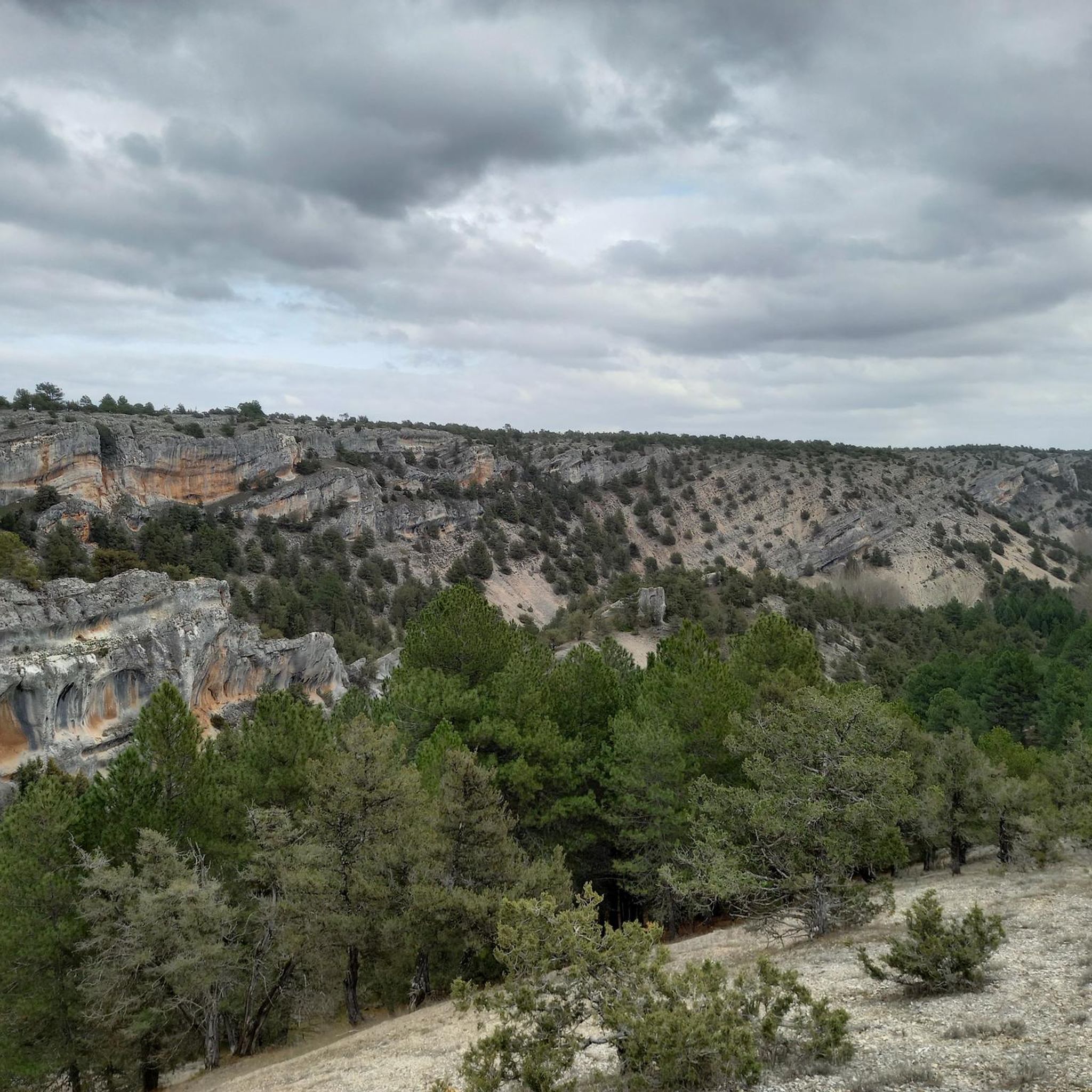
Cueva Grande (Río Lobos Canyon)
Highlight • Cave
Translated by Google •
Tip by

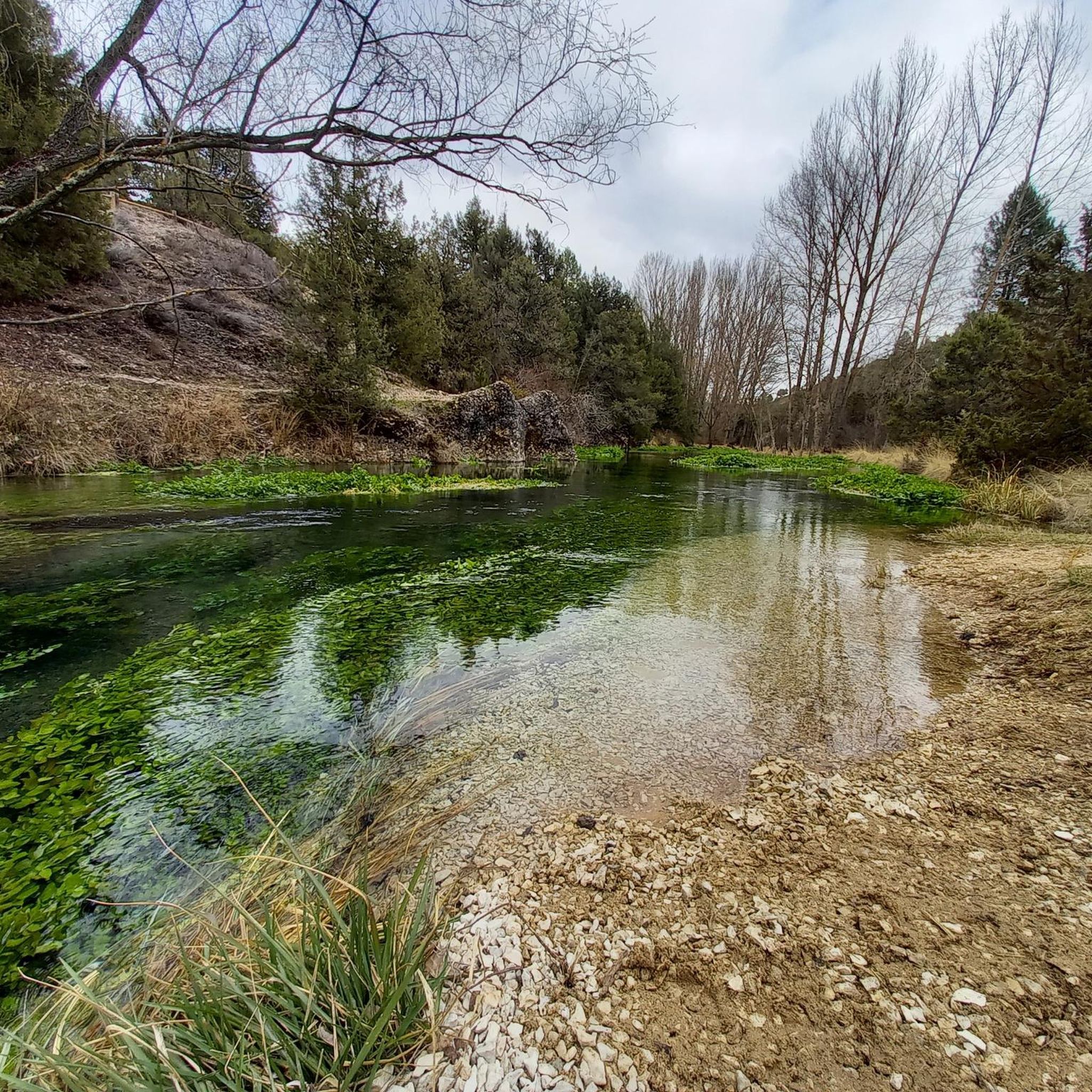
Entrance Trail to Cañón del Río Lobos from Casarejos (GR-86)
Highlight (Segment) • Trail
Translated by Google •
Tip by

Sign up now to discover places like this
Get recommendations on the best single tracks, peaks, & plenty of other exciting outdoor places.
Sign up for free
Devil's Eye (Natural Rock Arch)
Highlight • Natural Monument
Translated by Google •
Tip by

View of the Hermitage of San Bartolomé from Cueva Grande
Highlight • Cave
Translated by Google •
Tip by
El Chorrón Waterfall
Highlight • Waterfall
Translated by Google •
Tip by
Sign up for free to discover even more caves around Cubilla.
Sign up for free
Already have an account?
Start today with a free account
Your next adventure awaits.
Login or Signup
Tips from the Community

Spectacular area for hiking routes
0
0
We were there today, Sunday, and it was spectacular. April 6, 2025
0
0
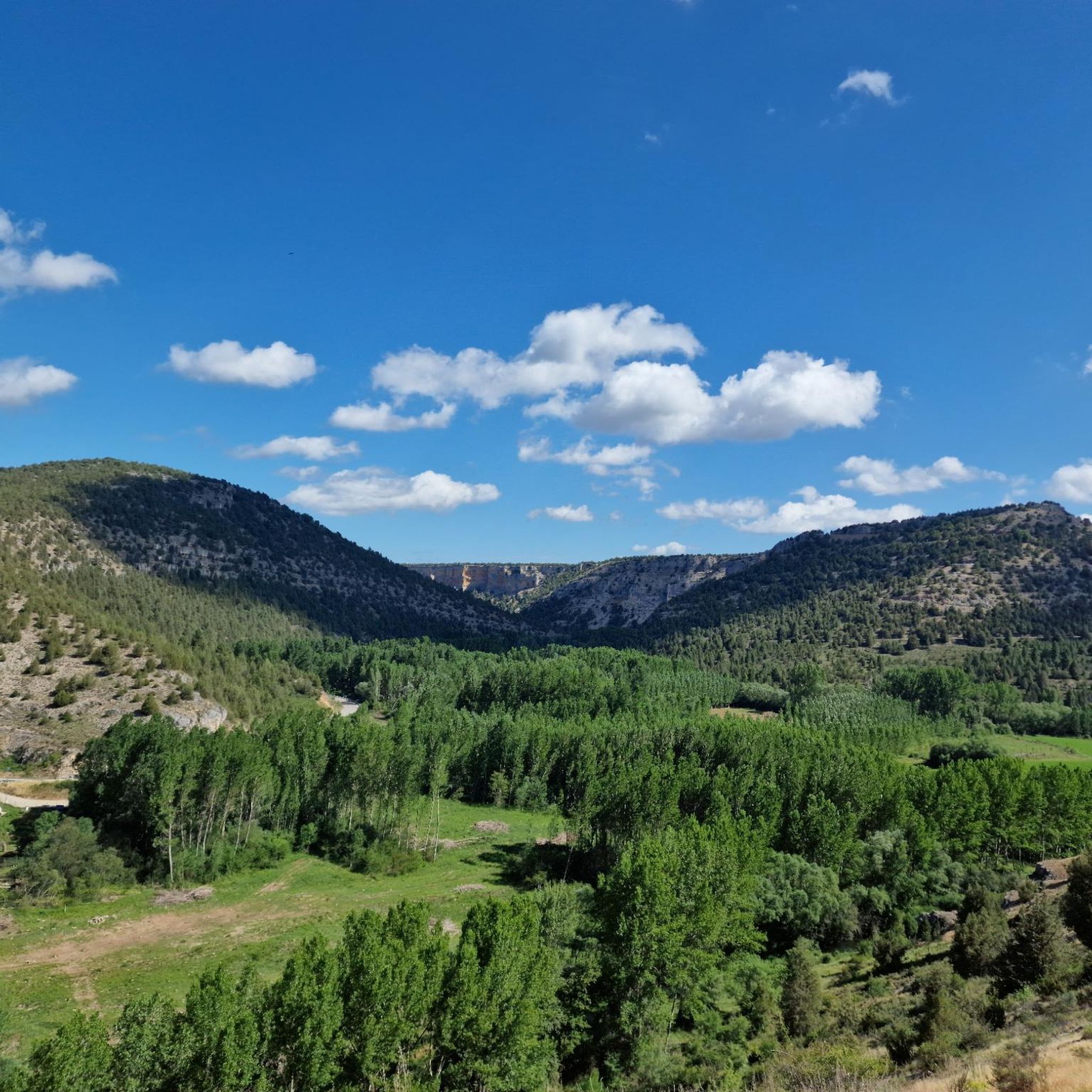
The LOBOS River canyon is worth visiting
0
0
The large cave, a large cavity in an idyllic landscape, which is the surroundings of the hermitage of San Bartolomé
0
1
The number of times I've climbed up there
0
0

Impressive cave created by nature over millions of years
1
0

Very interesting and beautiful descent into the Lobos River canyon from San Leonardo.
0
0

In my case I used it to get out of the Canyon. In some sections you have to put your feet on the ground because the stones (pebbles) make it impossible for you to continue, but it is very very beautiful and cool.
0
0
Frequently Asked Questions
What are the most notable caves and natural formations around Cubilla?
The region around Cubilla, particularly within the Cañón del Río Lobos natural park, offers several impressive natural formations. Key highlights include Cueva Grande (Río Lobos Canyon), known for its significant size and proximity to the Templar hermitage of San Bartolomé. Another must-see is the Devil's Eye (Natural Rock Arch), a striking natural window carved into the rock within the canyon. You can also discover the El Chorrón Waterfall, where a stream emerges from a cave, creating beautiful cascades.
What geological features characterize the caves around Cubilla?
The caves around Cubilla are primarily part of a karst system, characterized by formations created by water dissolving soluble bedrock like limestone. This results in impressive canyons, rock arches, and underground river systems. The region showcases unique geological wonders formed over millions of years, including various speleothems within the caves.
Are there any historical or cultural sites near the caves in Cubilla?
Yes, the area combines natural beauty with historical elements. The Cueva Grande (Río Lobos Canyon) is near the Templar hermitage of San Bartolomé, a site steeped in history and local legends. Additionally, you can find the Traditional Majadas of La Corona, which are historical sheepfolds, with a small cave nearby to explore.
Are the caves around Cubilla suitable for families or beginners?
Many initial sections of the caves and trails in the Cañón del Río Lobos are considered suitable for families and beginners, offering relatively easy access to experience the natural beauty. For instance, the Entrance Trail to Cañón del Río Lobos from Casarejos (GR-86) is a less crowded and enjoyable path that leads through the canyon, where you can find caves and scenic routes.
What is the typical difficulty level for exploring caves in this region?
The difficulty level varies. While some initial sections of caves and trails are easy and accessible for most visitors, deeper exploration into certain cave systems, especially those with active streams or more complex formations, can be more challenging and may require specialized gear or guided tours. The trails leading to and around the caves, such as those in the Cañón del Río Lobos, are generally rated as intermediate.
What gear is recommended for visiting the caves around Cubilla?
For general exploration of the accessible parts of the caves and trails, comfortable hiking shoes with good grip are essential. Depending on the specific cave and conditions, a headlamp or flashlight is highly recommended, as well as appropriate clothing for potentially cool and damp environments. For more advanced caving, specialized equipment like helmets, harnesses, and ropes would be necessary.
What outdoor activities can I do near these caves?
The region around Cubilla offers a variety of outdoor activities. You can find numerous hiking trails, such as those detailed in the Hiking around Cubilla guide, including routes through the Cañón del Río Lobos. Cycling enthusiasts can explore routes like those in the Cycling around Cubilla guide, and mountain bikers have options like the Río Lobos Canyon MTB Loop, found in the MTB Trails around Cubilla guide.
Are there hiking trails near these caves?
Yes, there are many hiking trails that lead to and around the caves. The Cañón del Río Lobos is a prime hiking destination, with paths like the Entrance Trail to Cañón del Río Lobos from Casarejos (GR-86). Other popular routes include the Cañón del Río Lobos, Senda de las Gullurías y Ermita de San Bartolomé, and the Route of La Fuentona de Muriel. You can find more details and routes in the Hiking around Cubilla guide.
What do visitors enjoy the most about the caves around Cubilla?
Visitors frequently praise the impressive size of formations like Cueva Grande and the magical setting of the Cañón del Río Lobos. The natural window of the Devil's Eye is also a highlight. The combination of the enormous cave mouths, the surrounding native vegetation, and the sounds of water create a unique and peaceful experience. Many appreciate the less crowded trails that allow for a fantastic exploration of the canyon.
When is the best season to visit the caves around Cubilla?
The best season to visit generally depends on the specific activity. Spring and autumn often offer pleasant temperatures for hiking and exploring the outdoor areas around the caves. During rainy seasons, waterfalls like El Chorrón are in their full splendor, but water levels inside some caves might be higher, potentially limiting access. Summer can be warm, making the cooler cave interiors a welcome escape, but trails might be busier.
Are there less crowded caves or trails to explore in the Cubilla area?
Yes, if you prefer a quieter experience, consider the Entrance Trail to Cañón del Río Lobos from Casarejos (GR-86). This path offers a beautiful and less frequented way to access the Cañón del Río Lobos, allowing you to enjoy the caves and scenic routes with fewer people.
Most popular attractions around Cubilla

Get inspired with the komoot mobile app


Explore more
Extend your search for the best caves by checking out these guides of the top ones around Cubilla:
