Top 12 Castles around Sant Quirze Safaja
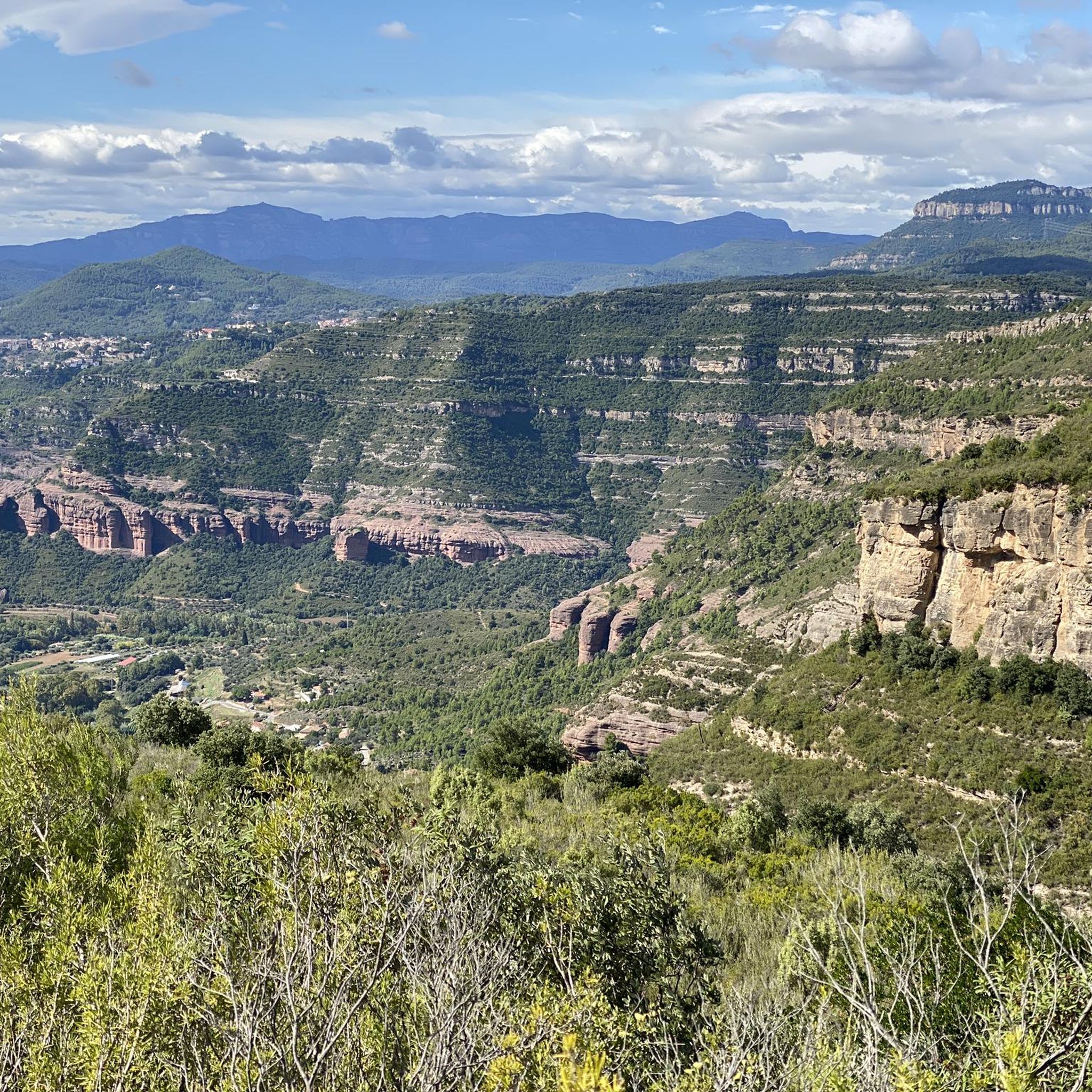
Best castles around Sant Quirze Safaja are found in the Moianès comarca of Catalonia, Spain, an area recognized for its natural landscape and historical sites. This region features historical fortifications, primarily as ruins or structures that have been significantly altered over time. The area is characterized by its scattered rural architecture and natural environment, including numerous routes, forests, and water features. These sites offer insights into medieval architecture and regional heritage.
Best castles around Sant Quirze Safaja
- The most popular…
Last updated: August 13, 2026
Guanta Castle
Highlight • Castle
Translated by Google •
Tip by

El Clascar Castle
Highlight • Castle
Translated by Google •
Tip by

Sign up now to discover places like this
Get recommendations on the best single tracks, peaks, & plenty of other exciting outdoor places.
Sign up for free
Montbui Castle
Highlight • Castle
Translated by Google •
Tip by

Gallifa Castle
Highlight • Castle
Translated by Google •
Tip by
Mas d'Esplugues de Castellcir
Highlight • Historical Site
Translated by Google •
Tip by

Sign up for free to discover even more castles around Sant Quirze Safaja.
Sign up for free
Already have an account?
Start today with a free account
Your next adventure awaits.
Login or Signup

Tips from the Community

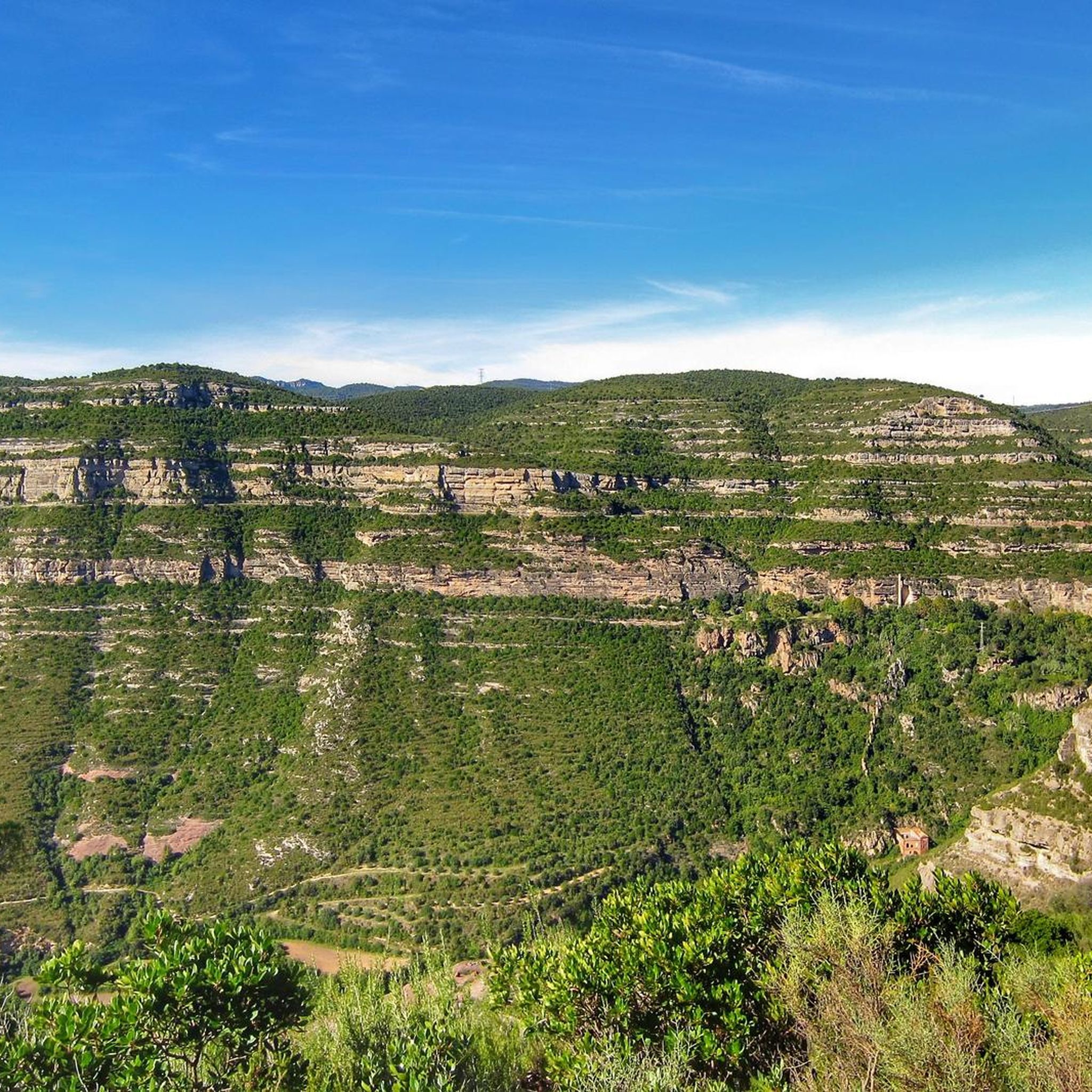
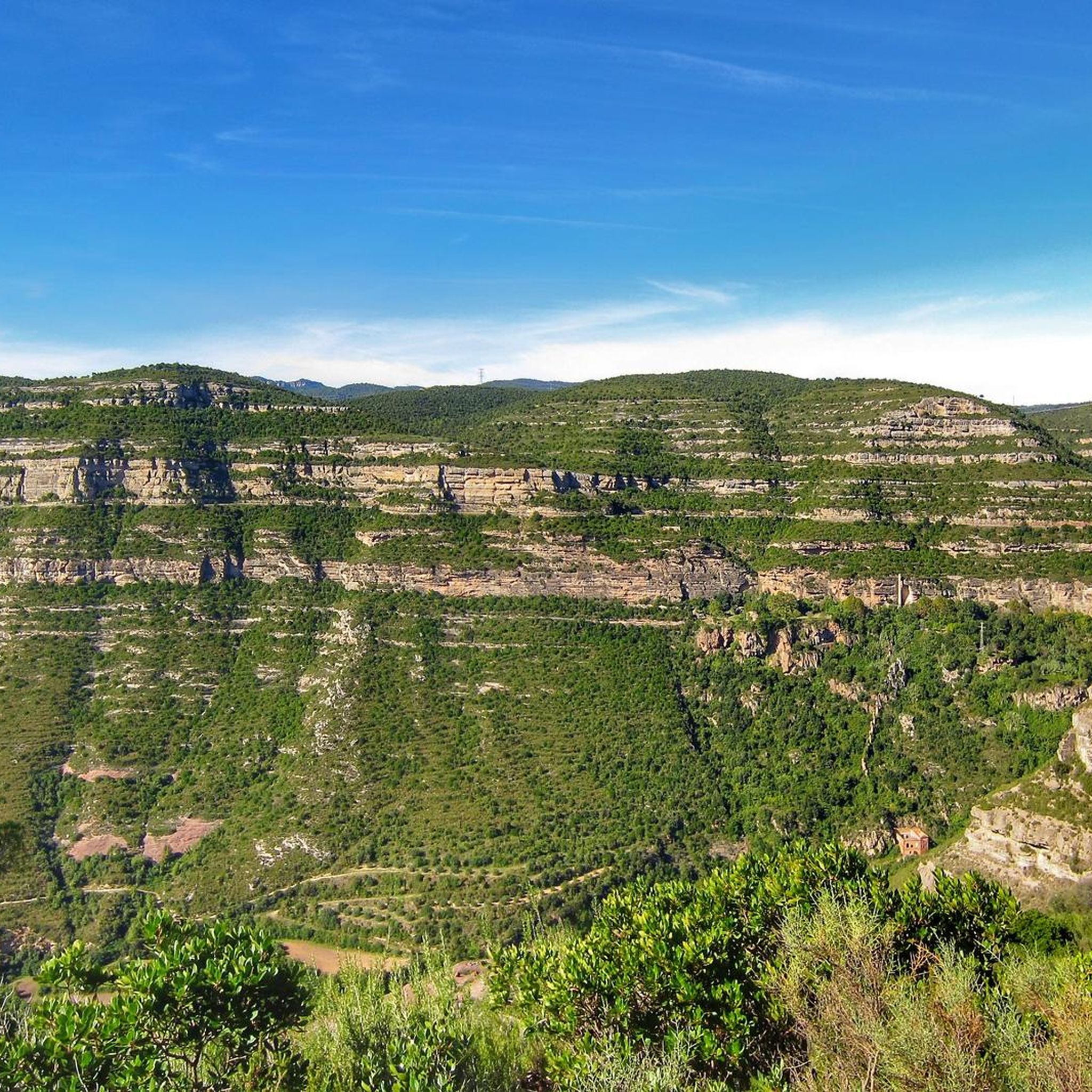
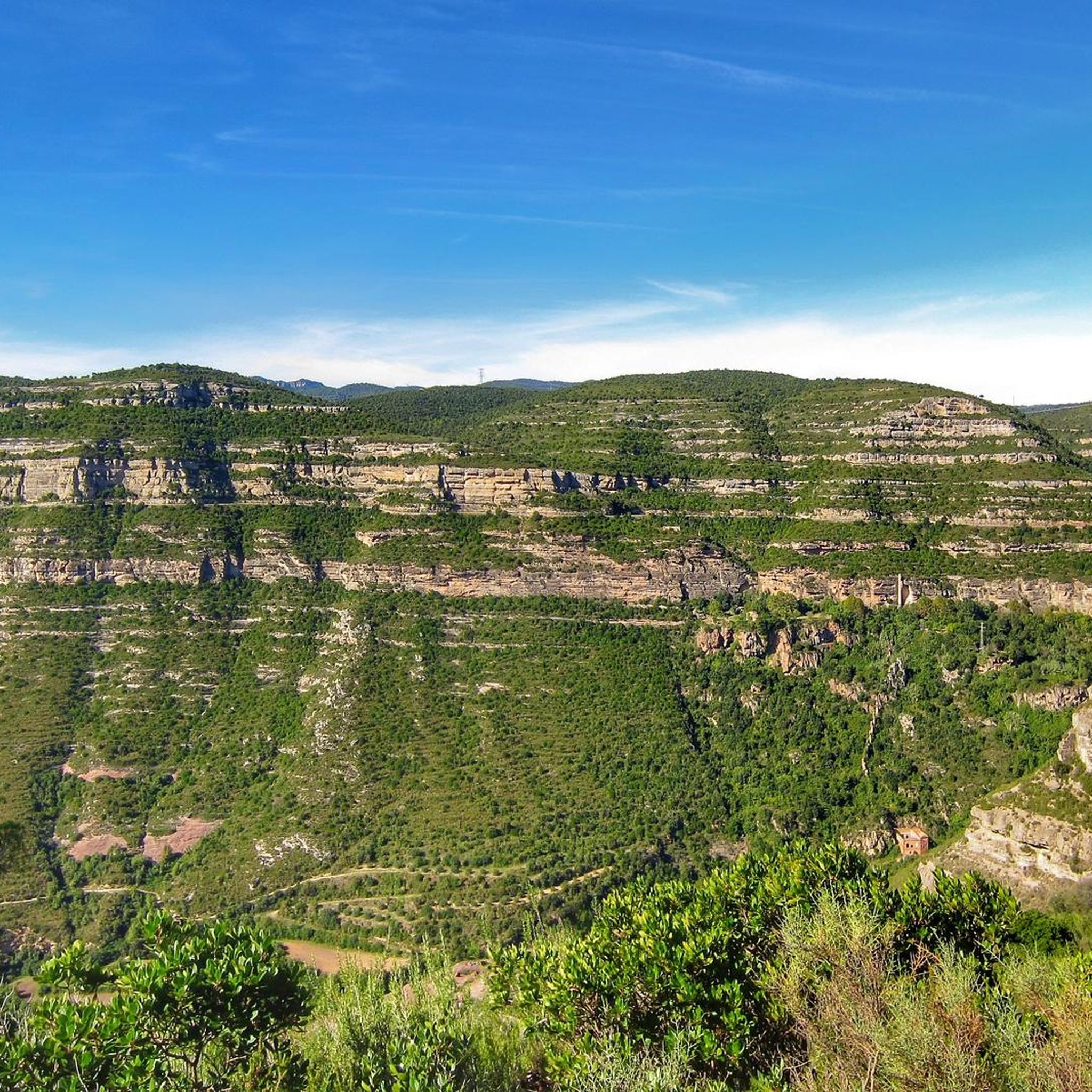
This farmhouse is very special: it's built taking advantage of the natural shelter of a large rock and is located next to the Fontscalents stream. This spot has been home to different generations for over a thousand years, from medieval times until very recently, making it a place steeped in history. Although its name is already mentioned at the end of the 12th century, the building that stands today is the result of later renovations, especially from the 17th and 18th centuries. Some dates engraved in the stone still offer clues to these works. The façade, with its irregular and rustic appearance, blends elements of well-worked stone with simpler walls made of rubble and mortar.
1
0

Incredible places to take photos
0
0

Casa de Guanta, a restaurant better known as Castell de Guanta, is a place to have a good breakfast or lunch, in a very quiet and hidden area, on the cliff that forms the Sentmenat stream.
0
0

Exceptional farmhouse built under a balma, next to the stream of Fontscalents. This place was inhabited from the early medieval period until the beginning of the 21st century. The toponym has been documented since 1192 and the farmhouse itself, since 1408. The construction that has come down to us is later, built between the 17th and 18th centuries. From this century there are several dates inscribed on the lintels: 1748, 1755. The facade, completely irregular, preserves several doors and windows framed with well-cut stone, while the facing is made of pebbles and little or no worked stones tied with mortar
2
0
O Casa de Guanta, is a restaurant that is halfway up the forest track in the Guanta area. The real Castle, its remains, are at Roca del Corb, near the house and can be reached by following the Puig Rodó path. Continuing on, you can connect with the Farell road. In the house there is a restaurant called Castell de Guanta where Teresa prepares delicious dishes and breakfasts.
1
0

A nice place to visit while out on a hike. The castle has a pretty interesting history and is not very hard to arrive on foot. You cannot really enter because it is all closed up but you can visit from the outside. It is mostly in ruins and would be dangerous to enter.
0
0

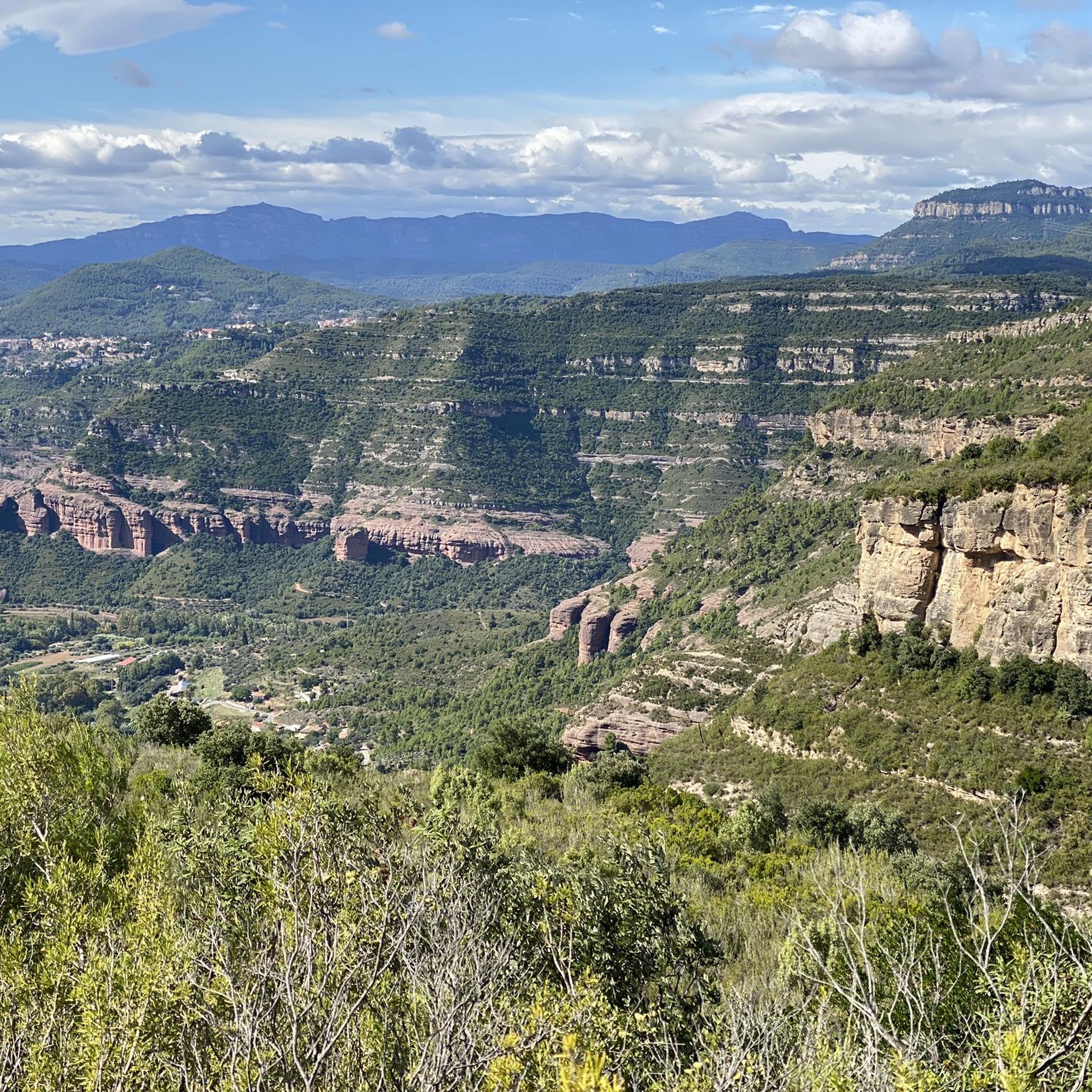
El Clascar, also known as Bertí's castle, is a building in a ruined state in the municipality of San Quirico Safaja, in the Moyanés region. It belongs to the old rural town of Bertí. It is located at the top of the Cingles de Bertí, very close and at noon to the church of San Pedro de Bertí, in the parish to which it belonged. It is at the eastern end of the municipality of San Quirico Safaja. To its southwest there had been the Can Saloma farmhouse. It is accessed by an old rural road, currently a path, which from San Pedro de Bertí heads south, and in about 650 meters leads to Clascar. By vehicle, the track that allows access leaves from the same place, but turns further east. In 1949 it was classified as a Cultural Asset of National Interest, since its origin is related to a medieval castle.
3
0

Up to this point and from La Garriga there is already a very attractive route.
2
0
Frequently Asked Questions
What are some notable castles to visit around Sant Quirze Safaja?
While Sant Quirze Safaja is known for its natural beauty, the surrounding area features several historical fortifications. You can explore the ruins of Guanta Castle, which also has a restaurant and children's area. Another significant site is El Clascar Castle, also known as Bertí's castle, located atop the Cingles de Bertí. Further afield, Montbui Castle offers impressive views of the Vallés Oriental and Occidental regions.
Is Castell de Bertí (El Clascar Castle) open to visitors?
The Castell de Bertí, also known as El Clascar Castle, is currently in a very damaged state and not open for direct visits to its interior. It has suffered significant deterioration. However, its historical significance and visible remnants of varied architectural styles might appeal to those interested in exploring historical ruins from the exterior. It is recognized as a Cultural Asset of National Interest.
Are there family-friendly castles or activities near them?
Yes, Guanta Castle is noted as family-friendly, featuring a children's area and a restaurant. The route to it is also described as suitable for families and not requiring high mountain experience. Many of the trails leading to these historical sites are also suitable for family walks.
What kind of historical insights can I gain from visiting these castles?
The castles and historical sites around Sant Quirze Safaja offer a tangible link to the region's long history, with origins dating back to the 10th century or even earlier. Sites like Montbui Castle and Gallifa Castle showcase medieval fortifications and architectural elements, providing insights into the area's past and strategic importance. Mas d'Esplugues de Castellcir, a farmhouse built under a rock shelter, illustrates centuries of rural life and adaptation.
Can I find good viewpoints at these castle sites?
Absolutely. Many of the castles are strategically located on elevated positions, offering excellent panoramic views. For instance, Montbui Castle provides majestic views of the Vallés Oriental and Vallés Occidental regions. El Clascar Castle is situated at the top of the Cingles de Bertí, also known for its scenic vistas.
Are there dining options near any of the castles?
Yes, Guanta Castle notably features a good restaurant on its grounds, offering traditional Catalan cuisine with local products. This makes it a convenient spot for a meal while exploring the historical site.
What outdoor activities can I combine with a castle visit?
The region around Sant Quirze Safaja is excellent for various outdoor activities. You can find numerous cycling routes, including gravel, MTB, and road cycling. For example, there are routes like 'Sant Miquel del Fai - circular gravel through the Bertí cliffs' for touring bicycles, or 'Vallès Viewpoint – Pla del Bado residential area loop' for mountain biking. You can explore more options on the dedicated guides for Cycling around Sant Quirze Safaja, MTB Trails around Sant Quirze Safaja, and Road Cycling Routes around Sant Quirze Safaja.
What is the best time of year to visit the castles around Sant Quirze Safaja?
The region's natural beauty makes spring and autumn ideal for visiting, with milder temperatures and pleasant scenery for walking to the castle sites. Summer can be warm, but still enjoyable, especially in the mornings or late afternoons. Winter offers a different, often quieter, experience, though some paths might be more challenging if there's adverse weather.
What are the typical terrain and difficulty levels for walks to these castles?
The terrain around the castles can vary from easy paths to intermediate trails, often involving some elevation gain to reach the fortified sites. For example, the route to Guanta Castle is described as not requiring high mountain experience. However, reaching sites like El Clascar Castle, located at the top of the Cingles de Bertí, may involve more challenging sections. It's always advisable to check specific route details for difficulty.
Can I bring my dog to the castle trails?
While specific regulations for each castle site may vary, many outdoor trails in the Sant Quirze Safaja area are generally dog-friendly. It's recommended to keep dogs on a leash, especially in historical areas or near wildlife, and to always clean up after them. Check local signage for any restrictions at specific castle grounds.
Are there any lesser-known or 'hidden gem' historical sites worth exploring?
Beyond the more prominent castles, Mas d'Esplugues de Castellcir stands out as a unique historical site. This ancient farmhouse, built taking advantage of a large rock shelter next to the Fontscalents stream, has been inhabited for over a thousand years. It offers a fascinating glimpse into medieval and later rural life, with parts of the current building dating back to the 17th and 18th centuries.
What do visitors generally appreciate about the castles in this region?
Visitors appreciate the blend of history and nature that these sites offer. The opportunity to explore ancient ruins, often with stunning panoramic views, is a major draw. The historical context, the tranquility of the natural surroundings, and the chance to combine a cultural visit with outdoor activities like hiking or cycling are frequently highlighted by the komoot community.
Most popular routes around Sant Quirze Safaja
Most popular attractions around Sant Quirze Safaja

Get inspired with the komoot mobile app


Explore more
Looking for the best castles somewhere else? Discover other guides around Sant Quirze Safaja:
