Top 8 Gorges around Benaoján
Canyons around Benaoján are found within the Sierra de Grazalema Natural Park in Andalusia, Spain. This region is characterized by dramatic karst landscapes, featuring impressive cave systems and gorges. While Benaoján is known for its cave systems, the surrounding area offers access to notable canyon-like formations. The terrain provides opportunities for exploring deep river-carved chasms and natural monuments.
Best canyons around Benaoján
- The most popular canyons is Puente Nuevo (New Bridge) in Ronda, a bridge that spans the deep Tajo de Ronda gorge with the Guadalevín river in it. It separates the old town from the newer part of the city, El Mercadillo, and dates from the end of the 18th century.
- Another must-see spot is Arab Bridge of Ronda, an ancient bridge that spans the Guadalevín River in the Tajo de Ronda gorge. It is the oldest of the three bridges in Ronda and is located outside the city walls.
- Visitors also love Tajo de Ronda (Ronda Gorge), a deep gorge formed by the Guadalevín river. This natural monument divides the city of Ronda into two parts and is bridged by three structures.
- Benaoján is known for gorges, rivers, and natural monuments. The area offers a variety of deep chasms and river-carved formations to see and explore.
- The canyons around Benaoján are appreciated by the komoot community. The highlights in this guide have received more than 1100 upvotes and feature over 1100 photos.
Last updated: May 6, 2026
Puente Nuevo (New Bridge) in Ronda
Highlight • Bridge
Translated by Google •
Tip by

View of the Puente Nuevo
Highlight • Viewpoint
Translated by Google •
Tip by

Sign up now to discover places like this
Get recommendations on the best single tracks, peaks, & plenty of other exciting outdoor places.
Sign up for free
Arab Bridge of Ronda
Highlight • Bridge
Translated by Google •
Tip by

Cuenca Gardens
Highlight • Viewpoint
Translated by Google •
Tip by

Tajo de Ronda (Ronda Gorge)
Highlight • Gorge
Translated by Google •
Tip by

Sign up for free to discover even more gorges around Benaoján.
Sign up for free
Already have an account?
Start today with a free account
Your next adventure awaits.
Login or Signup
Popular around Benaoján


Tips from the Community

A hiking trail leads from Ronda to below the bridge.
0
0

The Tajo de Ronda is the spectacular gorge that literally splits the heart of Ronda in two. 🌄 • It is approximately 120 meters deep and carved out by the Guadalevín River, which flows right through the city. • Impressive bridges stand above the gorge, the most famous and iconic of which is the Puente Nuevo. This bridge connects the old Moorish city with the newer part of Ronda. • For centuries, the Tajo served as both a natural defense against enemies and a challenge to urban expansion. • From its edges, you have breathtaking views of the Ronda valley, the Serranía mountains, and the white villages in the distance. It is one of the most photographed places in Andalusia and a highlight of Ronda's charm: nature and architecture in a dramatic interplay.
1
0
High above the Tajo, where the depths beckon, lie the gardens that Ronda gave to Cuenca. Terraces, lush with greenery and splendor, an ingenious work that so captivates the city. The Jardines de Cuenca, a graceful gesture, a friendship immortalized, present and ready. With views so expansive, so grand, and so beautiful, these gardens remain a wondrous shrine.
2
0

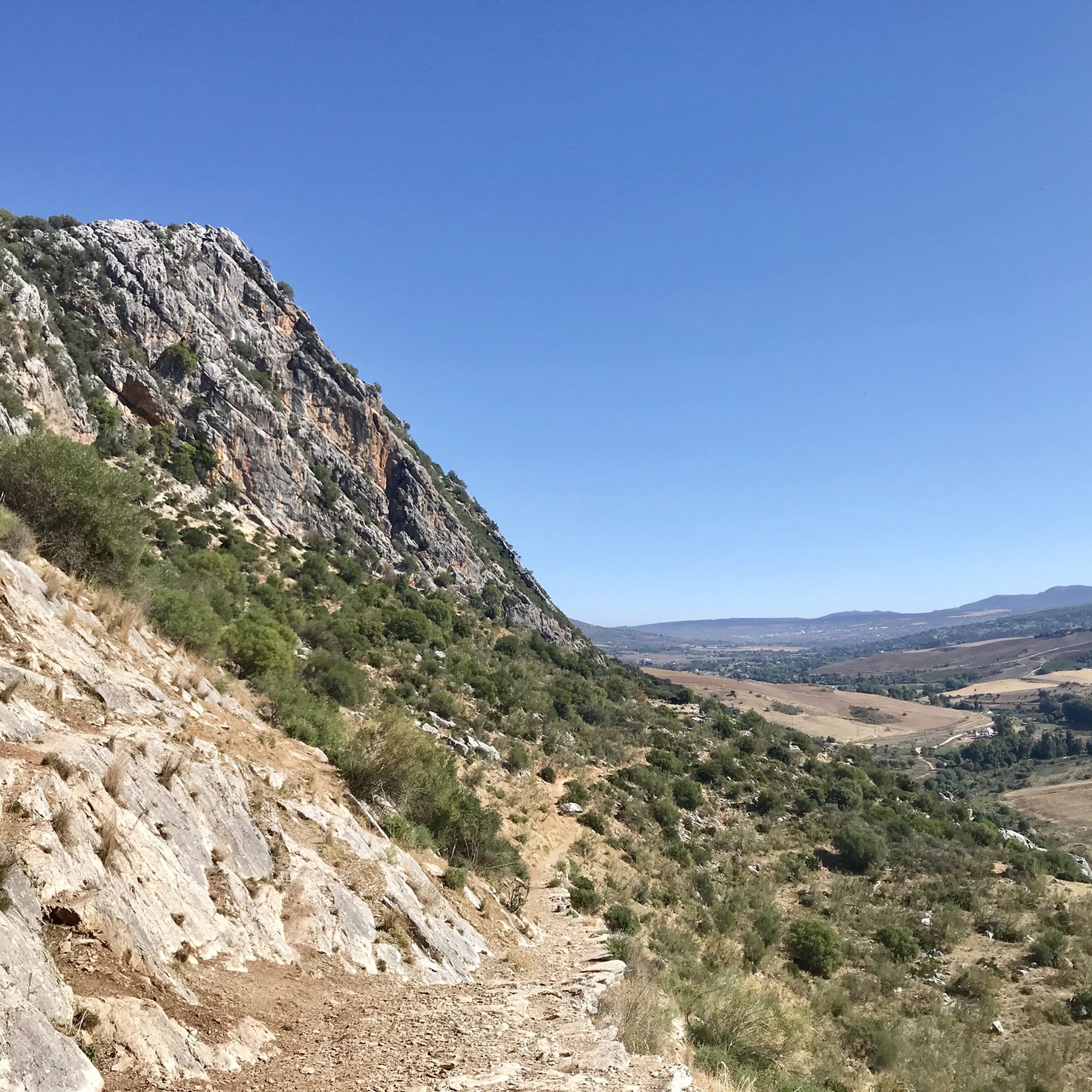
The view of Ronda from the plains is breathtaking and one of the most impressive panoramas in Andalusia. From the flat plain below the city, Ronda appears as a spectacularly situated cluster of whitewashed buildings perched on a high plateau, crisscrossed by the dramatic Tajo de Ronda gorge. Ronda is literally perched on the steep cliffs and seems almost interwoven with the landscape. Particularly striking is the Puente Nuevo (New Bridge), which connects the two parts of the city across the deep gorge. From the valley below, the bridge appears monumental and showcases the engineering skills of the 18th century.
4
0

From the new bridge there is a good view of Puente Viejo: an old stone bridge that is one of three bridges that spans the deep Tajo de Ronda gorge with the Guadalevín river in it.
19
1

The Arab Bridge of Ronda or Puente de las Curtiderías is located a few meters from the famous Arab Baths of the city. It is accessed by going down from the old bridge and Arco de Felipe V. Popularly known as Puente Romano, there is nothing in the current plant that betrays such an origin. However, it cannot be ruled out that there was a bridge from Roman times in the same place, since the location was the only one that allowed access to the city from the north.
9
0
The Puente Árabe "Arab Bridge" is the oldest of the three bridges in Ronda. The stone bridge spans the Guadalevín River, which flows in the Tajo de Ronda gorge. The bridge is located outside the city walls of Ronda and is lower than the neighboring Puente Viejo.
12
0
The Puente Nuevo is certainly the most famous landmark in the city of Ronda. It spans the spectacular El Tajo gorge, which separates the old town "La Ciudad" from the newer town "El Mercadillo". The bridge is about 98 meters high and was built in the 18th century to connect the two parts of the city. Construction of the bridge began in 1751, took 42 years and was completed in 1793. The structure is made of solid stone and offers breathtaking views of the surrounding mountains and the gorge below. Inside the bridge there is a small room that was previously used as a prison. A symbol of the impressive architecture and history of Ronda. The Puente Nuevo in Ronda is a real highlight and an absolute must for those looking for impressive views and an unforgettable experience. A visit to the Puente Nuevo is therefore not only a visual highlight, but also an experience that combines history, nature and adventure. There are places you should visit at least once. This is definitely one of them! The fascinating impressions leave a lasting impression.
16
1
Frequently Asked Questions
What are the most notable canyon-like formations near Benaoján?
While Benaoján is known for its cave systems, the surrounding region offers dramatic gorges. The Tajo de Ronda, carved by the Guadalevín river, is a prominent gorge dividing the city of Ronda. Further afield, the Cañón de las Buitreras near Cortes de la Frontera is a spectacular natural monument with vertical walls up to 200 meters deep, often called the “Cathedral of the Ravines” of Andalusia.
What natural features can I expect to see in the canyons around Benaoján?
The region is characterized by dramatic karst landscapes, featuring deep river-carved chasms and impressive rock formations. You'll encounter crystal-clear rivers like the Guadalevín and Guadiaro, and in places like Cueva del Gato, beautiful crystalline lakes. The Tajo de Ronda is a deep gorge formed by the Guadalevín river, while the Cañón de las Buitreras boasts narrow passages, caves, and impressive waterfalls.
Are there any historical or cultural sites associated with the canyons near Benaoján?
Yes, the area is rich in history. In Ronda, the Puente Nuevo and Arab Bridge span the Tajo de Ronda gorge, showcasing centuries of architectural heritage. Cueva del Gato, while primarily a cave system, holds significant archaeological value with Palaeolithic cave paintings and Neolithic artifacts, designated as a Cultural Heritage site.
What do visitors particularly enjoy about the canyons and gorges in this region?
Visitors are often captivated by the breathtaking views, especially from viewpoints like the Mirador del Puente Nuevo in Ronda. The dramatic scenery, the unique geological formations, and the refreshing experience of being close to nature, such as the cold waters outside Cueva del Gato, are frequently highlighted. The blend of natural beauty with historical structures like the bridges in Ronda also leaves a lasting impression.
Can I go canyoning in the Benaoján area, and what should I know?
Yes, the Cañón de las Buitreras is a popular spot for canyoning, offering an exhilarating experience. It is typically available from June 15 to November or December 15, depending on river flow. Due to its challenging nature, it requires an experienced local guide. Public entry into the interior of Cueva del Gato is generally restricted for safety reasons and fluctuating water levels.
Are there hiking opportunities around the canyons near Benaoján?
Absolutely. The area around Benaoján and its canyons is excellent for hiking. You can find various trails, including those that explore the periphery of the Cañón de las Buitreras or lead to the Cueva del Gato. For more options, you can explore hiking routes around Benaoján, which include trails like the 'Natural Monument Cueva del Gato via the Guadiaro River'.
Are there any spots for wild swimming near the canyons?
Yes, outside the mouth of Cueva del Gato, there is a beautiful crystalline lake with exceptionally cold water that offers a refreshing wild swimming spot during the warmer months. It's a picturesque area often used for picnics.
What is the best time of year to visit the canyons around Benaoján?
The warmer months are ideal for enjoying the outdoor activities. Canyoning in the Cañón de las Buitreras is typically available from June 15 to November or December 15. For hiking and general exploration, spring and autumn offer pleasant temperatures, while summer allows for refreshing swims in spots like Cueva del Gato.
Are the canyons around Benaoján suitable for families?
Many areas offer family-friendly experiences. For instance, the picnic area and crystalline lake outside Cueva del Gato are suitable for families. In Ronda, the Cuenca Gardens, situated on the cornice of the Tajo de Ronda, offer spectacular views and are considered family-friendly. While canyoning can be challenging, hiking trails vary in difficulty, with some being easier for families.
What kind of wildlife can be observed in the canyons?
The Cañón de las Buitreras is a vital nesting ground for a large colony of griffon vultures, giving it its name (Gorge of the Vultures). Other bird species like stock doves and dippers can also be seen, and its waters are home to otters. The natural parks surrounding Benaoján are rich in biodiversity, offering opportunities to spot various local fauna.
Are there any specific permits or restrictions for visiting the canyons?
Public entry into the interior of Cueva del Gato is generally restricted due to safety concerns and fluctuating water levels. For canyoning in the Cañón de las Buitreras, an experienced local guide is required due to its challenging nature. It's always advisable to check local regulations and conditions before planning your visit, especially for specialized activities.
Where can I find amenities like cafes or accommodation near the canyons?
Benaoján itself offers amenities, and the nearby city of Ronda, with its prominent gorge, has a wide range of cafes, restaurants, and accommodation options. Villages like Cortes de la Frontera, close to the Cañón de las Buitreras, also provide local services. The area is well-equipped for visitors, especially in the main towns.
Most popular routes around Benaoján
Most popular attractions around Benaoján

Get inspired with the komoot mobile app


Explore more
Already discovered everything in this region? See additional gorges around Benaoján for your next adventure:
