Top 6 Caves around Campo Real
Best caves around Campo Real are found within the Community of Madrid, an area characterized by its peri-urban nature and diverse landscapes. This region features a mix of natural heritage, including river groves and steppe hills, alongside historical sites. The geological formations, often gypsum and limestone cliffs, have led to the creation of various cave systems. These natural features and historical excavations offer insights into both the natural processes and human history of the area.
Best caves around Campo Real
…Last updated: May 6, 2026
Civil War Caves
Highlight • Cave
Later they were used to plant mushrooms and other similar mushrooms.
At present they are closed to avoid their destruction.
Translated by Google •
Tip by

Hill and Caves of the Southeast Regional Park
Highlight • Cave
Translated by Google •
Tip by

Sign up now to discover places like this
Get recommendations on the best single tracks, peaks, & plenty of other exciting outdoor places.
Sign up for free
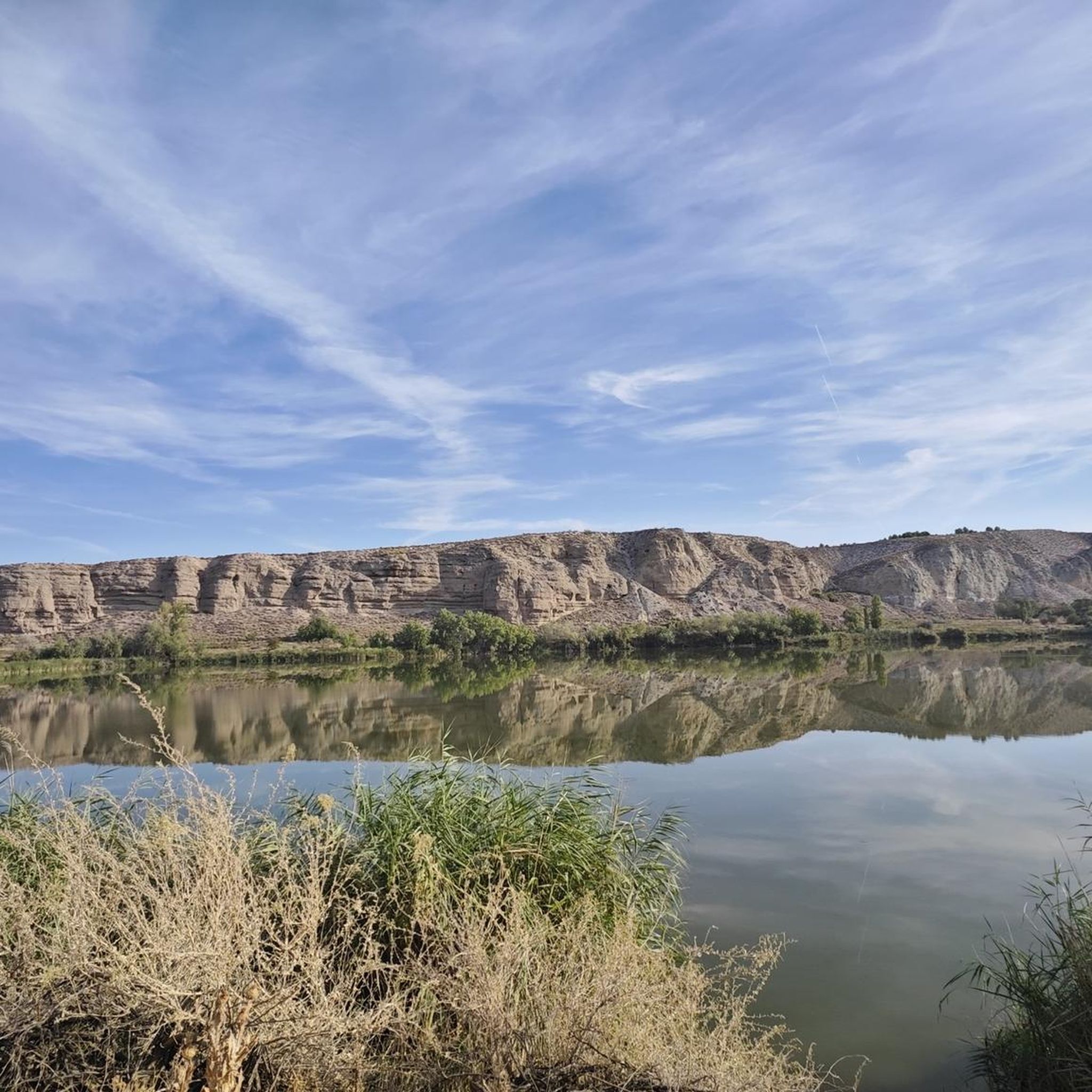
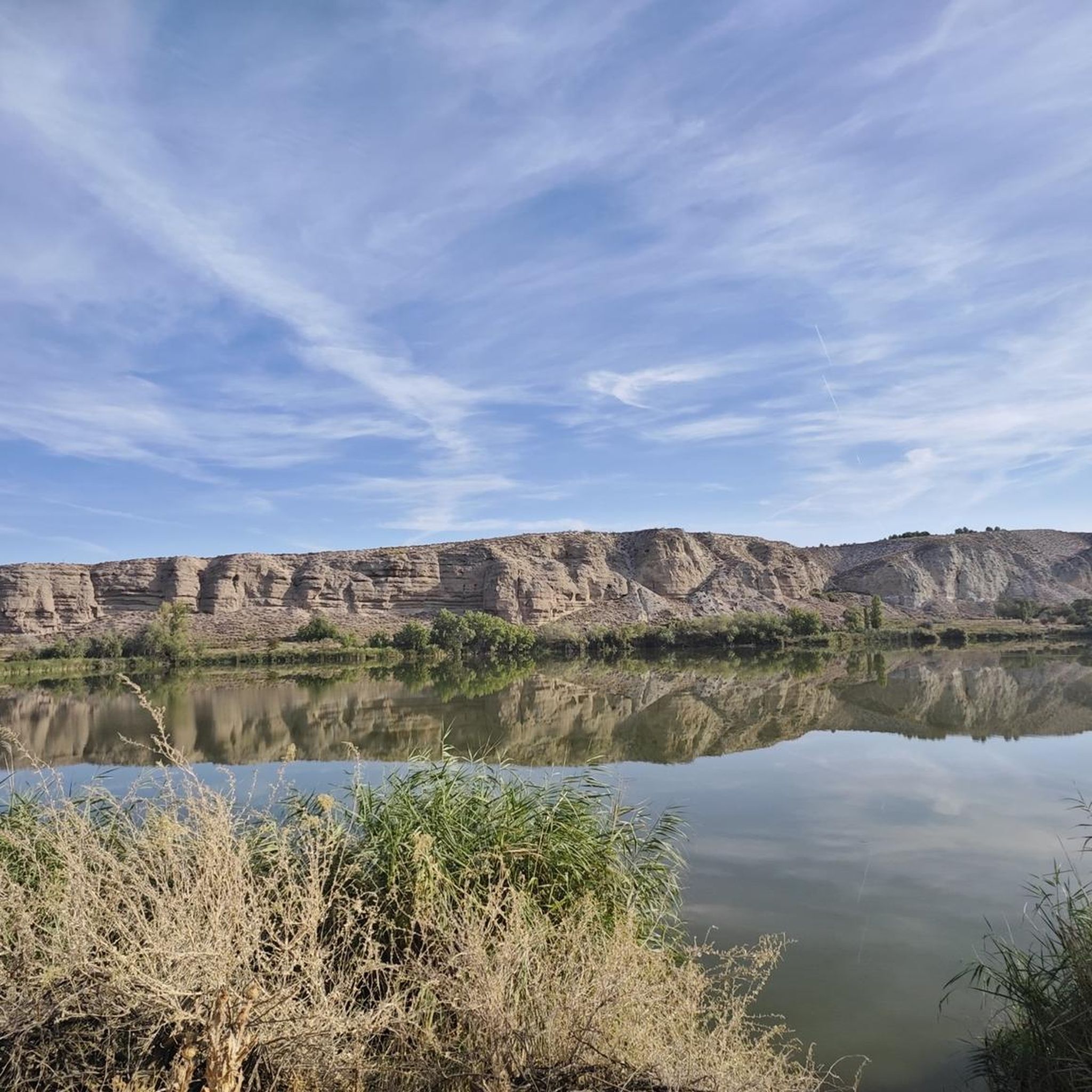
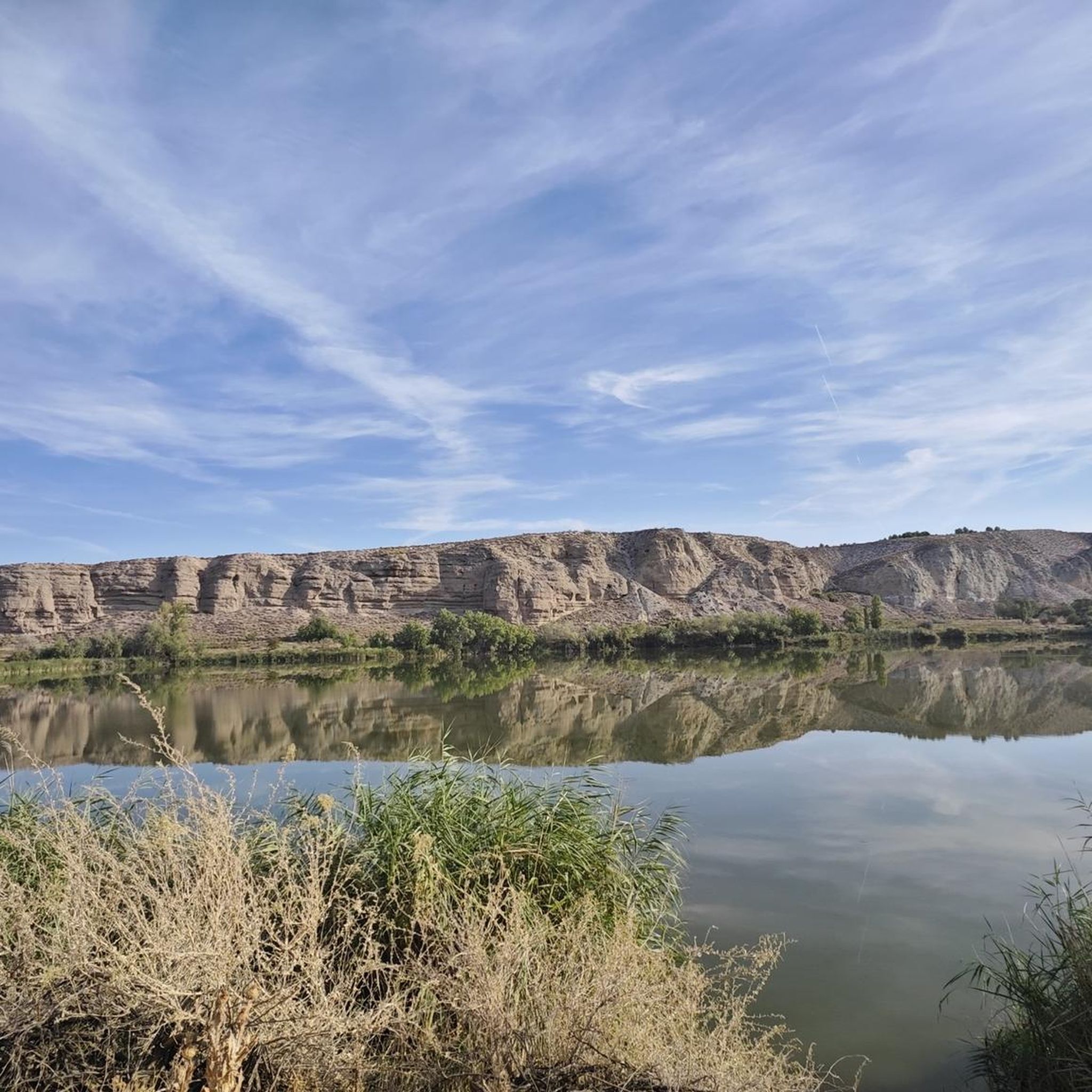
View of the Caves Cliff in Tielmes
Highlight • Cave
Translated by Google •
Tip by

Risco de las Cuevas of Perales de Tajuña
Highlight • Cave
Translated by Google •
Tip by

Civil War Cave of Cerro de las Aguaderas
Highlight • Cave
Translated by Google •
Tip by

Sign up for free to discover even more caves around Campo Real.
Sign up for free
Already have an account?
Start today with a free account
Your next adventure awaits.
Login or Signup

Tips from the Community

The caves of the primitive Carpetanian settlement of Caraca are a window in time, from the first Carpetanian inhabitants to the present day, representing the different cultures that have populated the Tajuña valley over time. The current state shows the deterioration typical of a hillside made of marl and gypsum that is brittle and easily eroded. In the time of the Carpetanians, it was a troglodyte settlement with interior passages that connected different galleries, had water channels, warehouses and houses protected from intruders at a certain height from the ground, accessed by ladders and ropes. In the middle of the last century, the Risco de las Cuevas was the setting for several films.
0
0

On the Jarama front, taking advantage of the structure and characteristics of the terrain, the excavation of caves was common, from small individual shelters to large caves (like the one we can see on the “Secrets of the Greenway” route. Element 8) and tunnels that allowed entire squads or platoons to be housed, the installation of command posts, health posts, warehouses, etc. These excavations, on the one hand, allowed the troops to be hidden from the sight of the enemy and offered good protection in case of bombing, and on the other, they offered a certain degree of comfort to the soldiers who remained in them. These caves usually have many common elements, such as the existence of small holes to support camping equipment or personal objects or chimneys for the escape of smoke. After the Civil War, this type of caves have had various uses. One of them, and a very important one, was the cultivation of mushrooms, carried out until the mid-eighties of the 20th century.
2
0

Due to the characteristics of the terrain, caves have been built throughout history, which have served very different purposes. In this area we have clear examples.
2
0

Well, take your cell phone to take photos or videos, it is very beautiful and very close to the town of Arganda del Rey.
0
0
These are excavations carried out on the ground to protect citizens during the bombings of the Spanish Civil War. Later they were used to plant mushrooms and other similar mushrooms. At present they are closed to avoid their destruction.
9
0

The Southeast Regional Park covers an area of 31,550 hectares in 16 municipalities of Madrid populations in constant expansion in the southeast of the capital, accentuating the peri-urban nature of the protected space, located in one of the most populated and industrialized areas of the Community of Madrid . A rich natural heritage of lagoons, wetlands, riverside forests, river groves and steppe hills make up a valuable set of ecosystems that are home to a unique flora and fauna in an environment of housing estates, roads, industrial farms and railways. A succession of strong contrasts that contribute to further elevate the environmental quality of the territory and the need to conserve these valuable wildlife refuges on the outskirts of the big city.
2
0

From the Tajuña greenway you can see many cliffs and cliffs of gypsum and limestone excavated for thousands of years by the river. At the height of Tielmes, you can see some cavities that are machine gun nests, lookouts, trenches and bunkers from the civil war built by the Republican army to contain the advance of the national troops on the capital.
3
1
Frequently Asked Questions
What types of caves can I explore around Campo Real?
The area around Campo Real offers a variety of caves, including natural formations and historical excavations. You can find sites like the View of the Caves Cliff in Tielmes, which features cavities used as machine gun nests during the Civil War, and the Hill and Caves of the Southeast Regional Park, a natural monument with rich ecosystems.
Are there caves with historical significance near Campo Real?
Yes, several caves in the region have significant historical importance. The Civil War Caves were originally dug to protect citizens during bombings and later used for mushroom cultivation. Additionally, the Risco de las Cuevas of Perales de Tajuña represents a primitive Carpetanian troglodyte settlement, showcasing different cultures that have populated the Tajuña valley over time.
What natural features can I expect to see when visiting caves in this area?
The region is characterized by gypsum and limestone cliffs, which have formed various cave systems. At the Hill and Caves of the Southeast Regional Park, you'll find a rich natural heritage including lagoons, wetlands, riverside forests, and steppe hills. The View of the Caves Cliff in Tielmes offers views of cliffs excavated by the river over thousands of years.
Are there any dog-friendly caves or trails near Campo Real?
Yes, the Civil War Cave of Cerro de las Aguaderas is noted as dog-friendly. Many of the surrounding trails and natural areas within the Community of Madrid are also suitable for walks with dogs, but always check local regulations for specific areas.
What outdoor activities can I combine with a visit to the caves?
The area around Campo Real is excellent for various outdoor activities. You can explore gravel biking routes, mountain biking trails, and running trails. Many of these routes pass through the diverse landscapes of the Southeast Regional Park, offering opportunities to see the natural beauty and historical sites.
Are there hiking trails near the caves around Campo Real?
Yes, the region offers numerous hiking opportunities. The Tajuña greenway, for instance, provides access to views of the Caves Cliff in Tielmes. You can find various running and walking trails that explore the natural and historical sites in the area.
What is the difficulty level for exploring these caves?
Some of the cave sites, like the Hill and Caves of the Southeast Regional Park and the View of the Caves Cliff in Tielmes, are categorized as 'intermediate' for exploration, often involving viewpoints and natural terrain. The historical excavations may vary in accessibility, with some being closed to prevent destruction.
What do visitors enjoy most about the caves around Campo Real?
Visitors appreciate the blend of natural beauty and historical insight. The opportunity to see unique geological formations alongside sites from the Civil War, such as machine gun nests and bunkers, is a significant draw. The diverse landscapes of the Southeast Regional Park also contribute to a valuable experience.
Are there any specific tips for visiting the Civil War Caves?
The Civil War Caves were originally dug for protection and later used for mushroom cultivation. Currently, some of these sites are closed to prevent their destruction. It's advisable to check the current status and accessibility before planning a visit to specific Civil War-era excavations.
Can I find information about the ancient inhabitants of the region through these caves?
Yes, the Risco de las Cuevas of Perales de Tajuña offers a glimpse into the past, representing a primitive Carpetanian settlement. It was a troglodyte settlement with interior passages, water channels, warehouses, and houses, providing insight into the cultures that have lived in the Tajuña valley over time.
What kind of natural heritage is protected in the Southeast Regional Park?
The Southeast Regional Park, which includes the Hill and Caves, covers 31,550 hectares and protects a rich natural heritage. This includes valuable ecosystems such as lagoons, wetlands, riverside forests, river groves, and steppe hills, which are home to unique flora and fauna.
Most popular routes around Campo Real
Most popular attractions around Campo Real

Get inspired with the komoot mobile app


Explore more
Extend your search for the best caves by checking out these guides of the top ones around Campo Real:
