Top 5 Castles around El Verger
Castles around El Verger offer a glimpse into the region's rich history, from ancient watchtowers to fortified palaces. While El Verger itself features historically significant medieval towers, several impressive castles are located a short distance away. These sites provide historical context and panoramic views of the surrounding landscape. The area combines coastal proximity with inland historical sites, making it suitable for exploring historical architecture.
Best castles around El Verger
- The most popular castles is View of Dénia Castle, a…
Last updated: July 3, 2026
View of Dénia Castle
Highlight • Viewpoint
Translated by Google •
Tip by

Castellet d'Orba Castle Ruins
Highlight • Castle
Translated by Google •
Tip by

Sign up now to discover places like this
Get recommendations on the best single tracks, peaks, & plenty of other exciting outdoor places.
Sign up for free
Castell d'Aixa Ruins and Viewpoint
Highlight • Castle
Translated by Google •
Tip by

Ambra Castle
Highlight • Castle
Pego was founded as a Christian settlement on a hill in the widely scattered Uxola settlement, which was under the …
Translated by Google •
Tip by

Oliva - Forna Castle
Highlight (Segment) • Castle
You can enjoy the orchard of Oliva, of Forna and the views from its castle.
Translated by Google •
Tip by

Start today with a free account
Your next adventure awaits.
Login or Signup
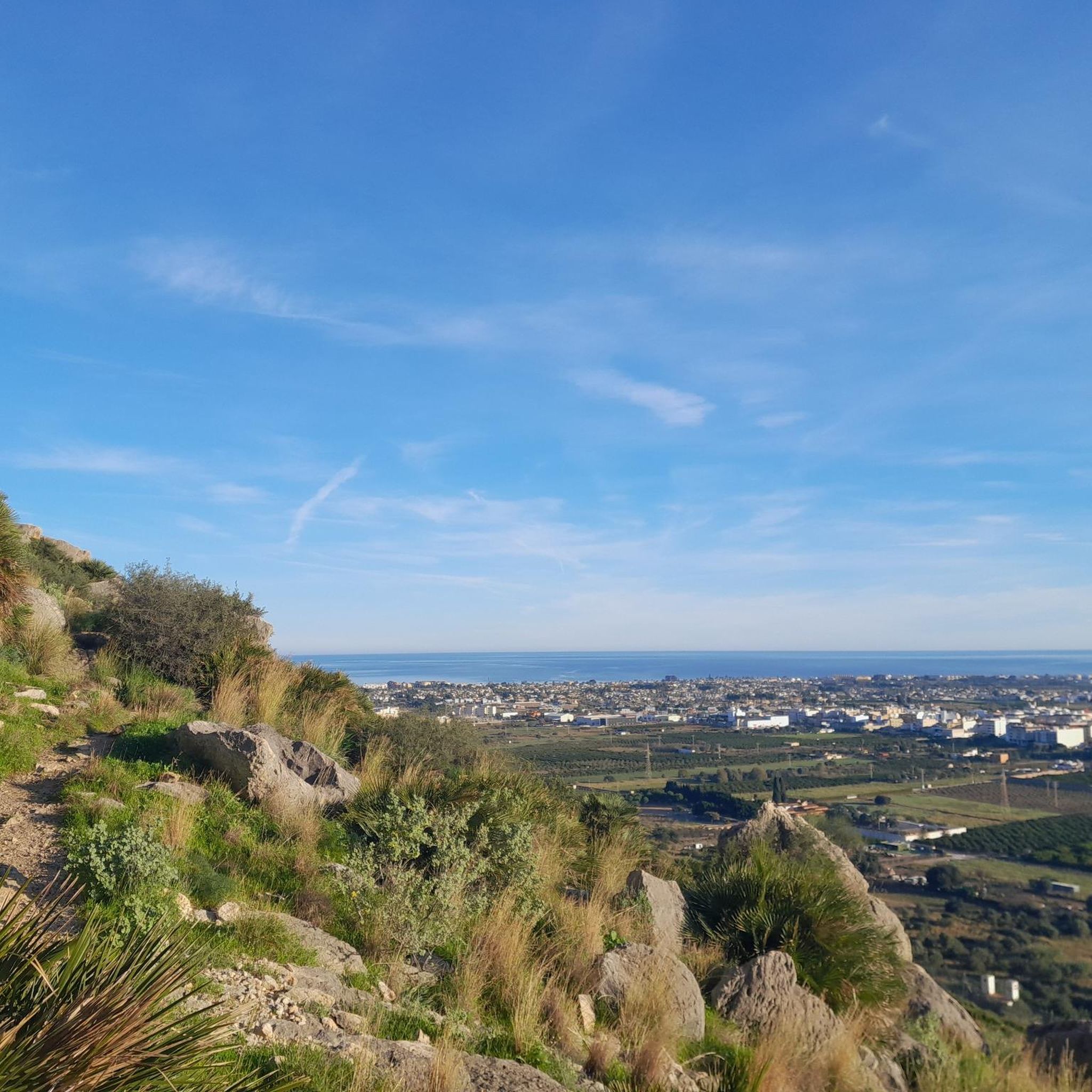
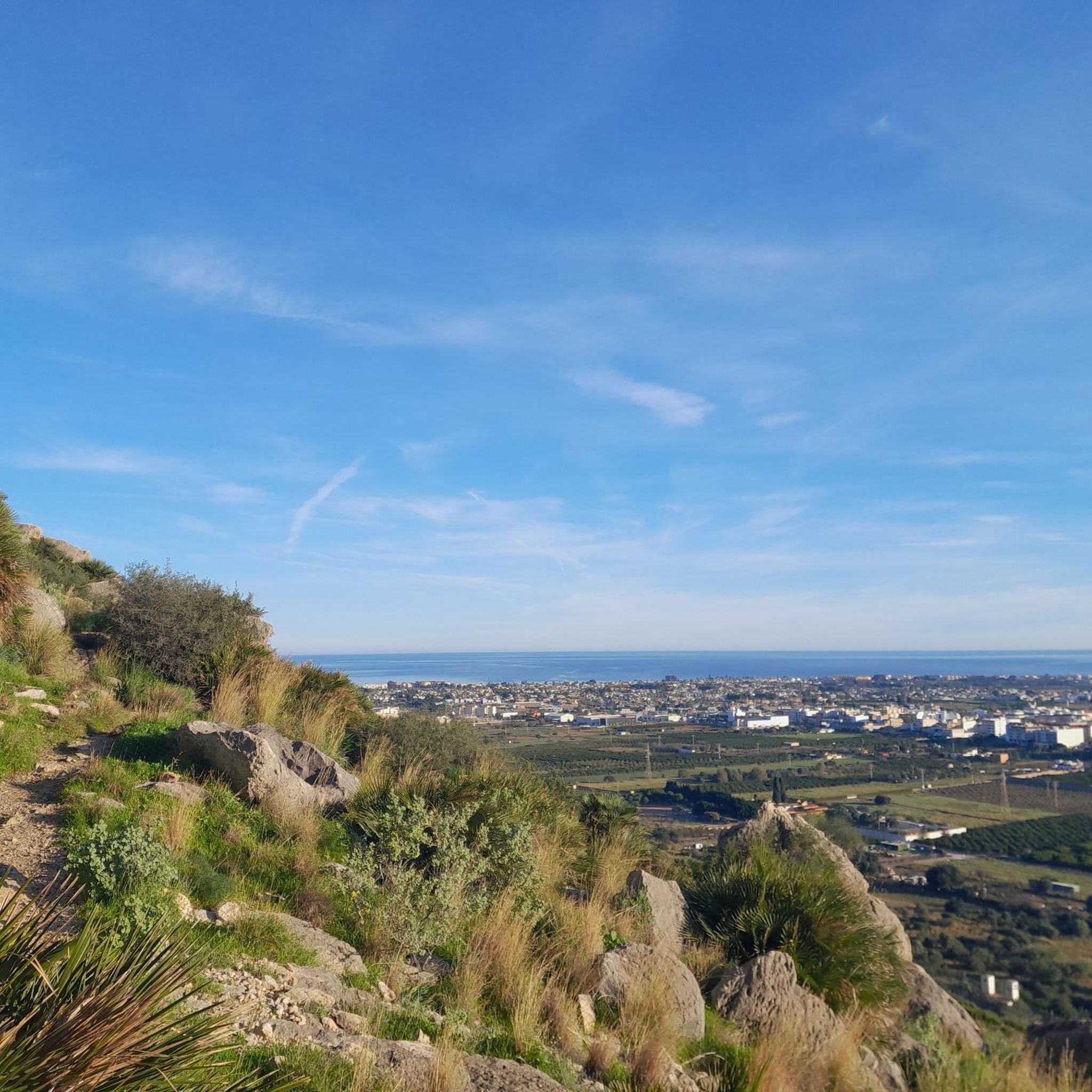
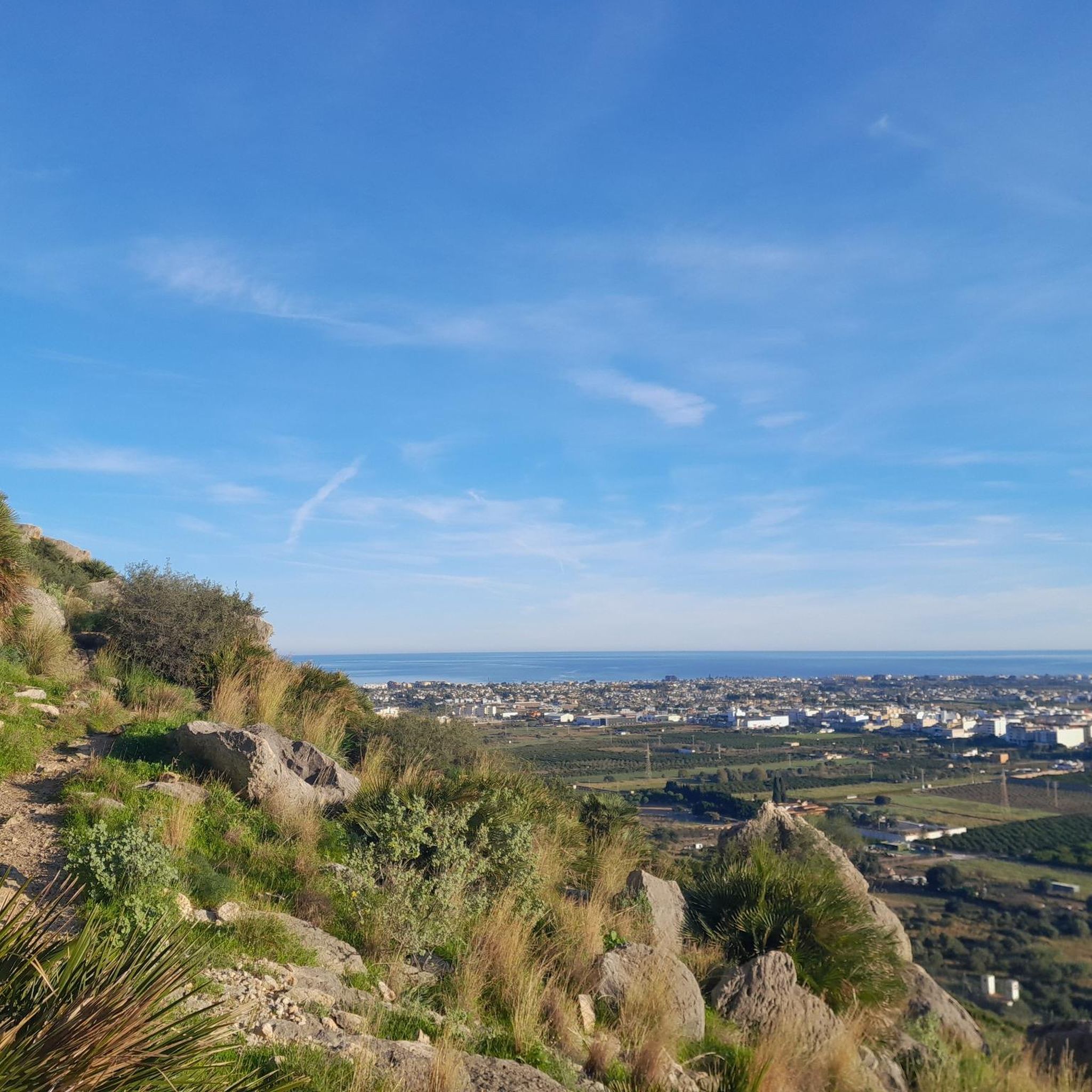
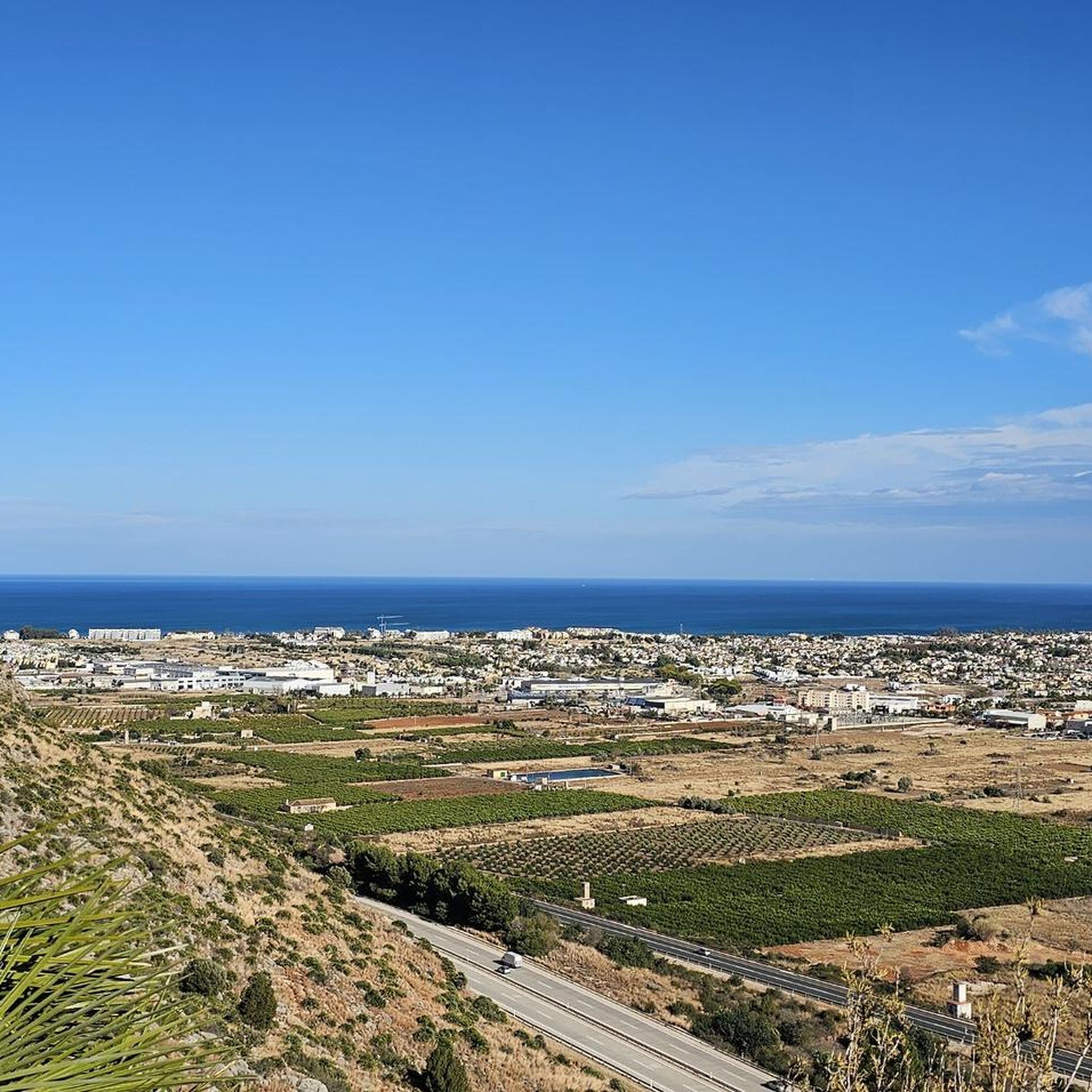

Tips from the Community

The Castle of Dénia, or Castillo de Dénia, rises majestically on a gentle hill in the heart of the city, dominating the cityscape even from below. From the city center or the port, the fortress appears imposing; its medieval walls and towers rise significantly above the surrounding buildings, conveying a direct impression of the structure's historical significance. Originally used as the Roman settlement "Dianium," the castle was expanded in the 10th and 11th centuries during Muslim Andalusian rule and further fortified after the Christian reconquest. Today, visitors can explore the complex, visit the entrance gate, "Portal de la Vila," and admire the various towers and walls that reflect the region's history. The castle is a particularly impressive sight from the foot of the hill, offering a powerful glimpse into both history and architecture.
7
0

Dénia Castle, with over a thousand years of history, brings together in a single space the traces of the different cultures that have passed through this city. If you're wondering what to see in Dénia, this is a must-see. Moreover, from the top, you can enjoy stunning views.
10
0

The Ambra Castle (Spanish: Castillo de Ambra, Catalan: Castell d'Ambra) Pego was founded as a Christian settlement on a hill in the widely scattered Uxola settlement, which was under the power and care of the Ambra Castle. This castle, located about two kilometers as the crow flies southwest of the current town center on the rocky ridge of the Montaña de Abra in the Sierra de Migdia, dominated the access to the Ebo Valley (La Vall d'Ebo) and controlled the area as far as the marshes of Pego-Oliva. The Muslims native to this area probably took building materials from this castle to build the city walls and towers. The Ambra Castle is of Arab origin, and construction began in the second half of the 12th century. After the uprisings of al-Azraq at the end of the 13th century, 20 houses were built within the castle walls. They served as accommodation until the construction of the village of Pego began in 1280.
2
0

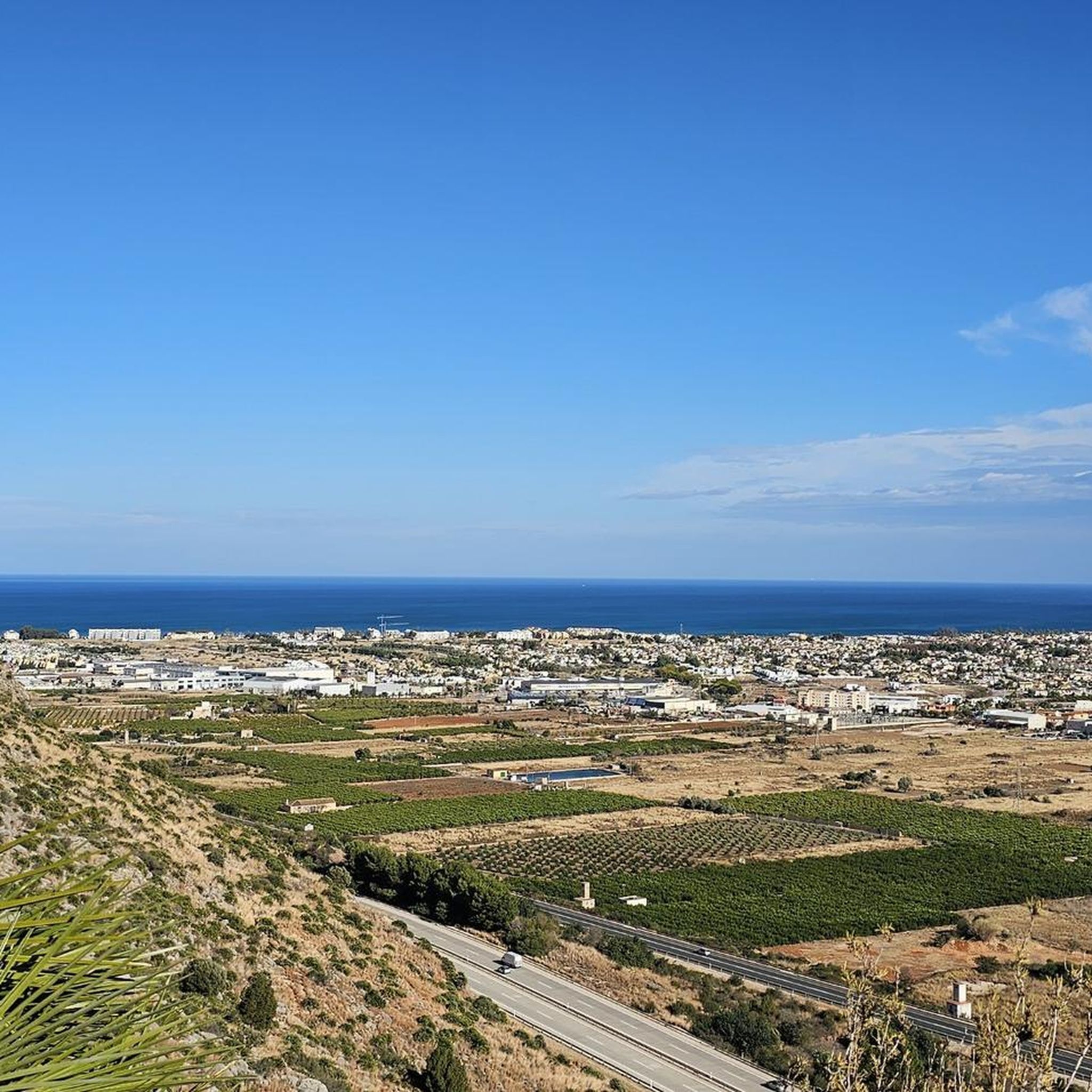
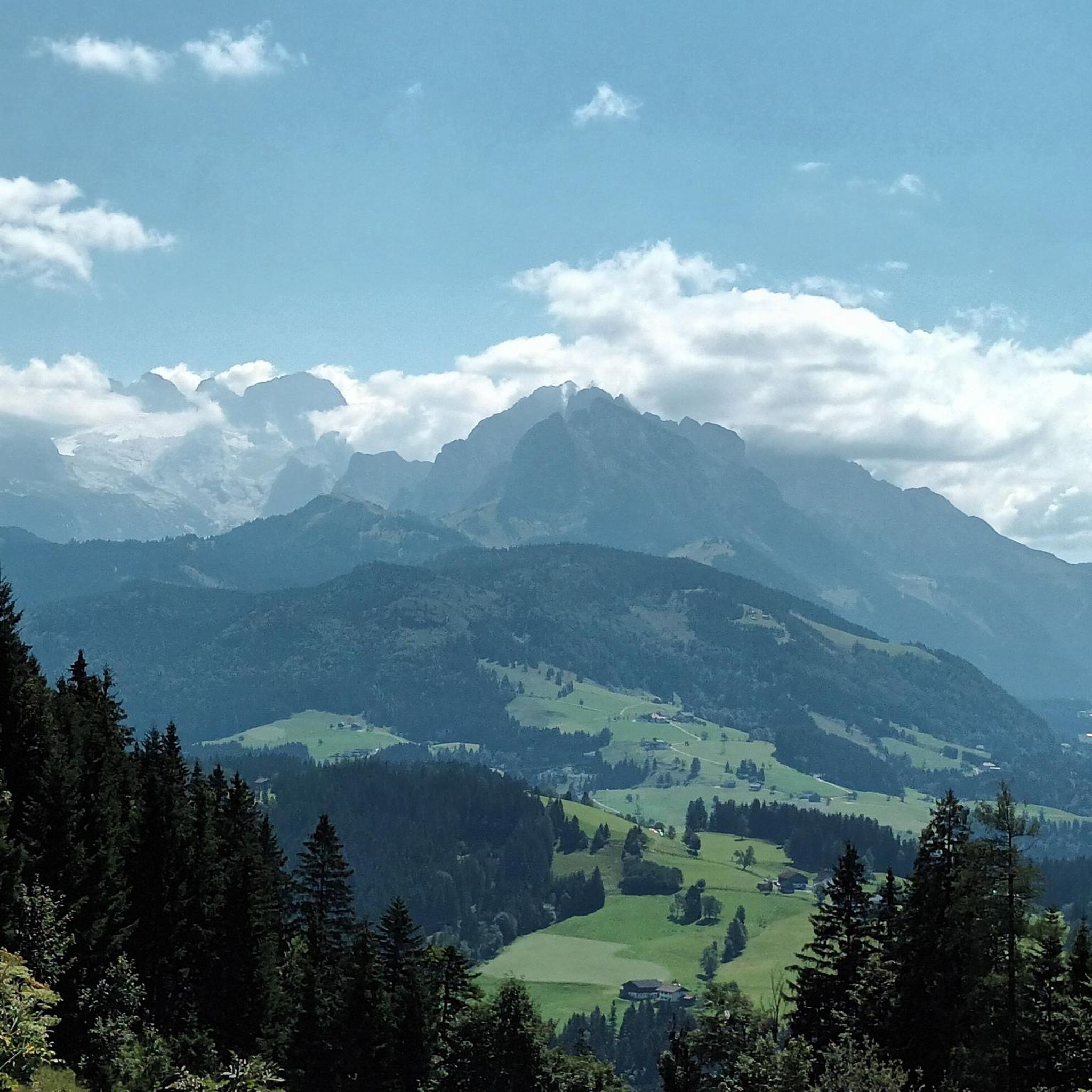
"Castle" is not much, but the view makes up for it! Beautiful view of Lliber and a mountain ridge. Do it!
0
1

In Jalon drive up the blue bridge to the end of the street, there is a small parking lot. From there a short steep climb, approx. 1.5 hours. A wonderful panoramic view from the ruins that fully rewards the effort. The tour requires sure-footedness.
1
2

In this area are the ruins of the stone castle of Castellet d'Orba (also known as Murla Castle), which once dominated the region from an elevated position.
1
0

At the top of the route, there are a few remains of the castle.
0
1

Although the ascent is a bit tedious, it's worth it - even in fog!
0
1
Frequently Asked Questions
What historical sites can I explore within El Verger itself?
While El Verger does not have large castles, it is home to two historically significant medieval towers. You can visit the Torre del Palacio de los Duques de Medinaceli, the only remaining part of a former palace, which now hosts cultural exhibitions. Also, explore the Torre Cremadella, El Verger's oldest standing structure from the late 13th century, offering insights into the region's Muslim origins and defensive past.
Which castles near El Verger offer the best panoramic views?
Several castles provide stunning vistas. View of Dénia Castle offers unparalleled panoramic views of the city, its port, beaches, and the Montgó Natural Park. The Castellet d'Orba Castle Ruins provide excellent coastal and hinterland views. Additionally, the Castell d'Aixa Ruins and Viewpoint, located at about 600 meters above sea level, boast 360-degree views.
Are there any well-preserved castles I can visit near El Verger?
Yes, the Castle of Forna, located in the charming village of Forna (Adsubia/L'Atzúbia), is celebrated for its remarkable state of preservation. This 15th-century fortified noble palace, built in the Valencian Civil Gothic style, allows visitors to explore its interior and connect with feudal times. It also offers stunning views of the surrounding landscape.
What kind of history do the castles around El Verger represent?
The castles and towers in this region showcase a rich tapestry of history, reflecting Iberian, Roman, Muslim, and Christian influences. For instance, Dénia Castle has elements from all these periods, including a Moorish horseshoe arch. The Torre Cremadella in El Verger dates back to the late 13th century, linking directly to the area's Muslim origins and early Christian reconquest efforts.
What outdoor activities can I do near these castles?
The region around El Verger offers various outdoor activities. You can find numerous cycling routes, such as the 'View of Vall d'Ebo – Mural in Els Poblets loop' or the 'Dénia city centre – Les Marines Beach loop'. For those who prefer hiking, there are mountain hikes like the 'Montgó Scramble Section – Montgó Trail loop'. Gravel biking is also popular, with routes like the 'Pego-Oliva Marsh Nature Reserve: loop from Denia'. You can find more details on these activities in the Cycling around El Verger, Mountain Hikes around El Verger, and Gravel biking around El Verger guides.
Are there family-friendly castles near El Verger?
Dénia Castle is an excellent choice for families. It offers a comprehensive historical journey with its Archaeological Museum, diverse architectural elements, and often hosts events and concerts. The expansive grounds provide space for children to explore. The Castle of Forna, with its well-preserved interior, can also be an engaging visit for families interested in history.
What is the best season to visit the castles around El Verger?
The best time to visit is typically during the spring (April-May) and autumn (September-October) months. During these periods, the weather is pleasantly mild, making it ideal for exploring outdoor sites without the intense heat of summer. The landscapes are also particularly beautiful, and there are generally fewer crowds than in peak summer.
What should I wear when visiting castles in this region?
Comfortable walking shoes are highly recommended, as many castle sites involve uneven terrain, stairs, and walking. Light, breathable clothing is suitable for most of the year. During summer, bring sun protection like a hat, sunglasses, and sunscreen. In cooler months, a light jacket or layers are advisable.
Are there less crowded castles to visit near El Verger?
If you prefer a quieter experience away from the main tourist hubs, consider visiting the local towers in El Verger, such as the Torre del Palacio de los Duques de Medinaceli and Torre Cremadella. The Ambra Castle ruins and the Castellet d'Orba Castle Ruins also tend to be less frequented than Dénia Castle, offering a more serene exploration.
What do visitors enjoy most about the castles and historical sites in this area?
Visitors frequently highlight the stunning panoramic views from elevated castle positions, such as those from View of Dénia Castle and Castell d'Aixa Ruins and Viewpoint. The rich historical context, spanning multiple cultures, and the opportunity to explore well-preserved structures like the Castle of Forna are also highly appreciated. Many enjoy combining castle visits with the natural beauty of the surrounding landscapes.
How long should I allocate for visiting a castle near El Verger?
The time needed varies by castle. For a comprehensive visit to Dénia Castle, including its museum and exploring the grounds, you might want to allocate 2-3 hours. Smaller sites like the towers in El Verger or the ruins of Castellet d'Orba or Castell d'Aixa might take 1-1.5 hours, especially if combined with a short walk to reach them. The well-preserved Castle of Forna could take 1.5-2 hours to explore thoroughly.
Are the castles around El Verger accessible for visitors with mobility issues?
Accessibility can be challenging for many historical castle sites due to their ancient construction, uneven terrain, and numerous stairs. While some parts of Dénia Castle may offer limited accessibility, many ruins and watchtowers like Castellet d'Orba or Castell d'Aixa involve steep climbs and unpaved paths, making them less suitable for those with mobility issues. It's advisable to check specific site information before planning your visit.
Most popular routes around El Verger
Most popular attractions around El Verger

Get inspired with the komoot mobile app


Explore more
Looking for the best castles somewhere else? Discover other guides around El Verger:
