Top 4 Castles around Mieres
Best castles around Mieres offers a glimpse into historical fortifications and ancient settlements. The region, while not abundant in traditional castles, features significant historical palaces and ancient fortified settlements known as castros. These sites provide insight into the area's rich past and architectural heritage.
Best castles around Mieres
- The most popular castles is Santa Pau Castle, a castle located in a municipality from Girona. It is situated in the center of the Garrotxa Volcanic Zone Natural Park, surrounded by…
Last updated: June 19, 2026
Santa Pau Castle
Highlight • Castle
It is located in the very center of the natural park of the Garrotxa Volcanic …
Translated by Google •
Tip by

Sant Salvador de Puigalder
Highlight • Historical Site
Tip by

Sign up now to discover places like this
Get recommendations on the best single tracks, peaks, & plenty of other exciting outdoor places.
Sign up for free
Santa Maria de Granollers de Rocacorba Church and Old Castle
Highlight • Religious Site
Translated by Google •
Tip by

View of Castell de Colltort
Highlight • Viewpoint
Tip by

Roca Castle and Mill
Highlight • Castle
Translated by Google •
Tip by
Start today with a free account
Your next adventure awaits.
Login or Signup

Tips from the Community

The ruins of this old castle or building are interesting mainly because of the location and the views. You have to wonder how they built this here. It is not the easiest place to access. Once here take a look at the plaque with information to find out more.
1
0

Castle of medieval construction that still maintains elements of Romanesque style. Next to the castle there is a mill that was powered by the waters of the River Ser, at a point where a waterfall forms.
2
0

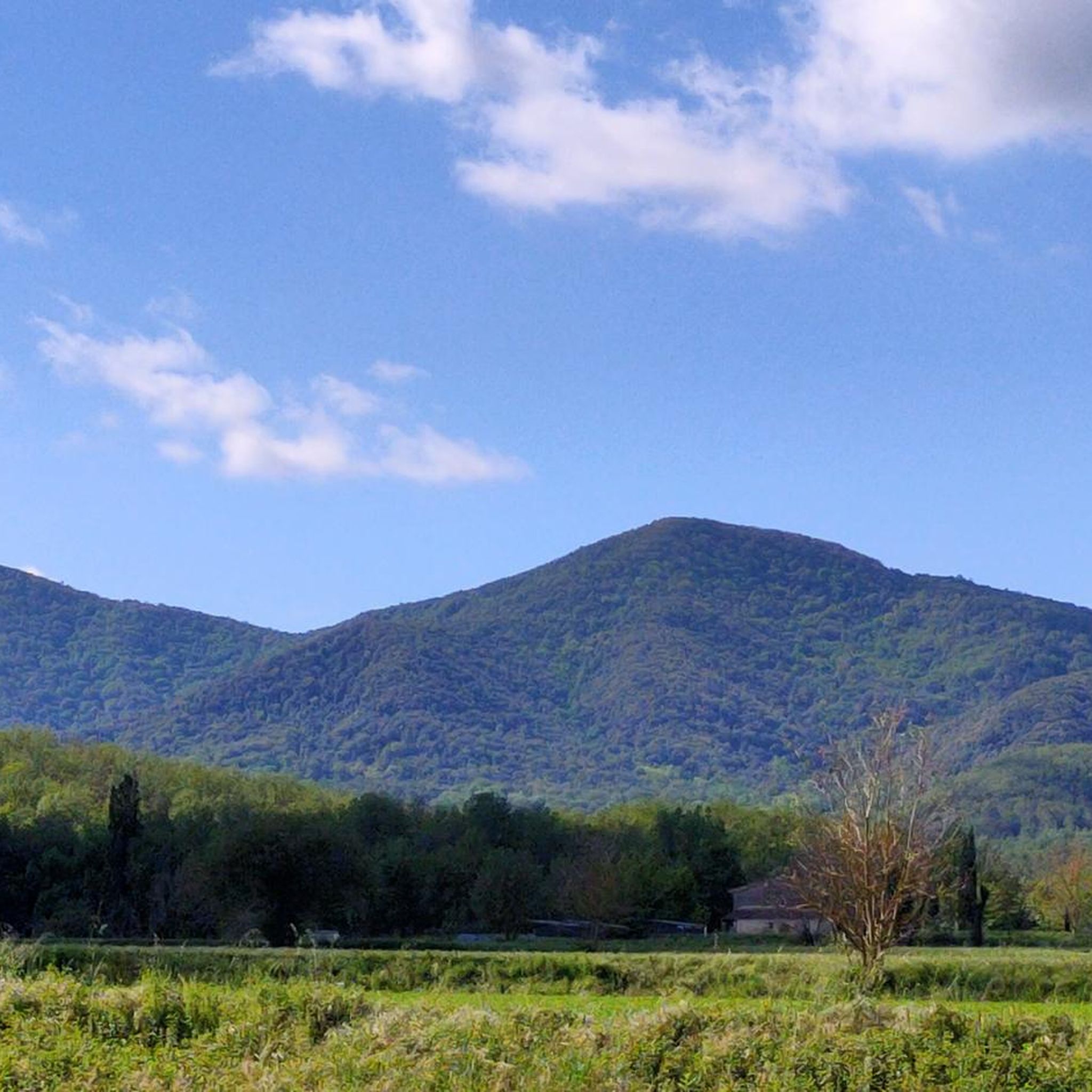
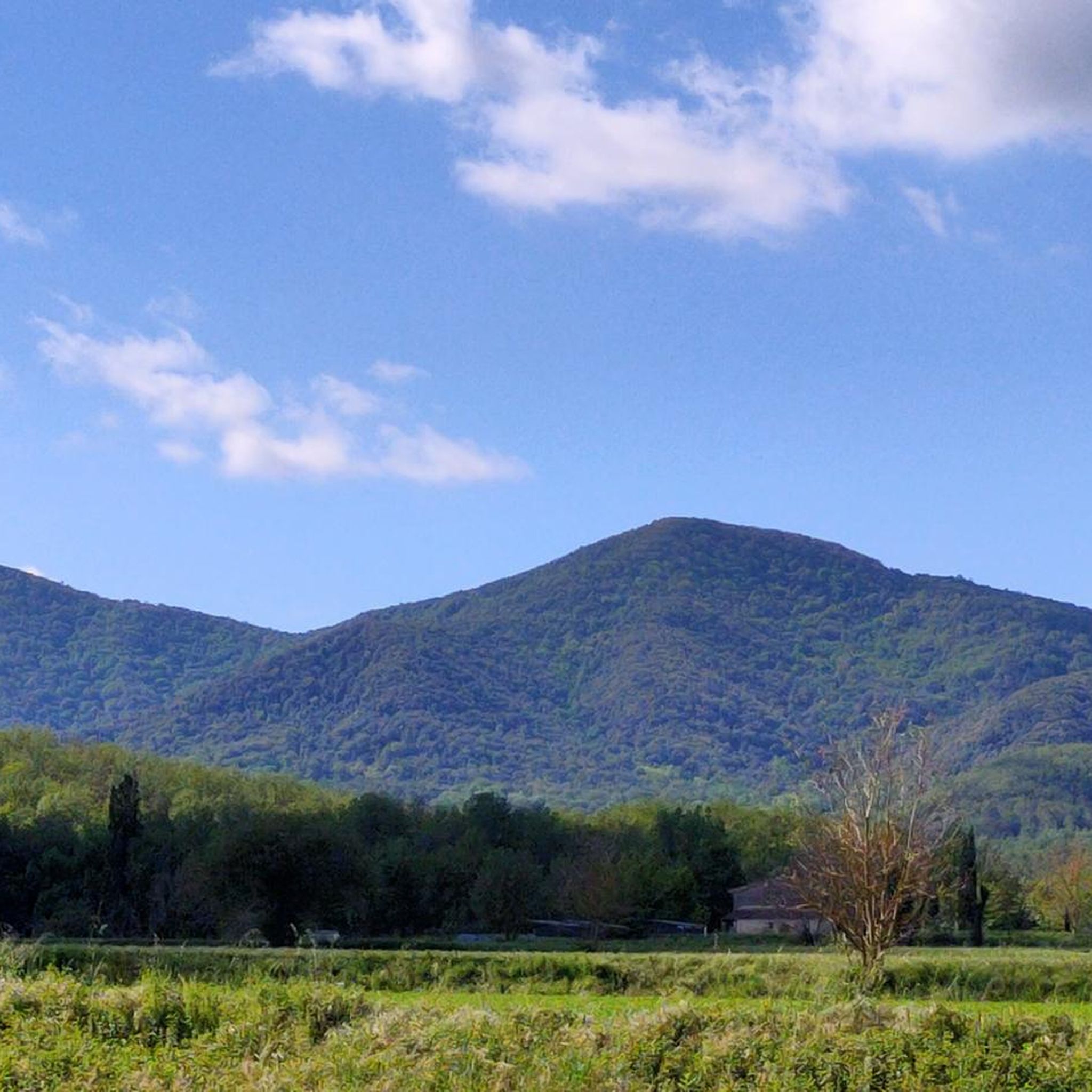
Santa Pau is a municipality from Girona located in the region of La Garrotxa, Catalonia. It is located in the very center of the natural park of the Garrotxa Volcanic Zone, between the municipalities of Olot and Mieras. It is surrounded by several volcanic cones such as Croscat, Roca Negra and Santa Margarita and by the Finestres, Corb and Sant Juliá del Mont mountain ranges.
2
0

fantastic old village. Great architecture and old vibe that oozes history
1
0
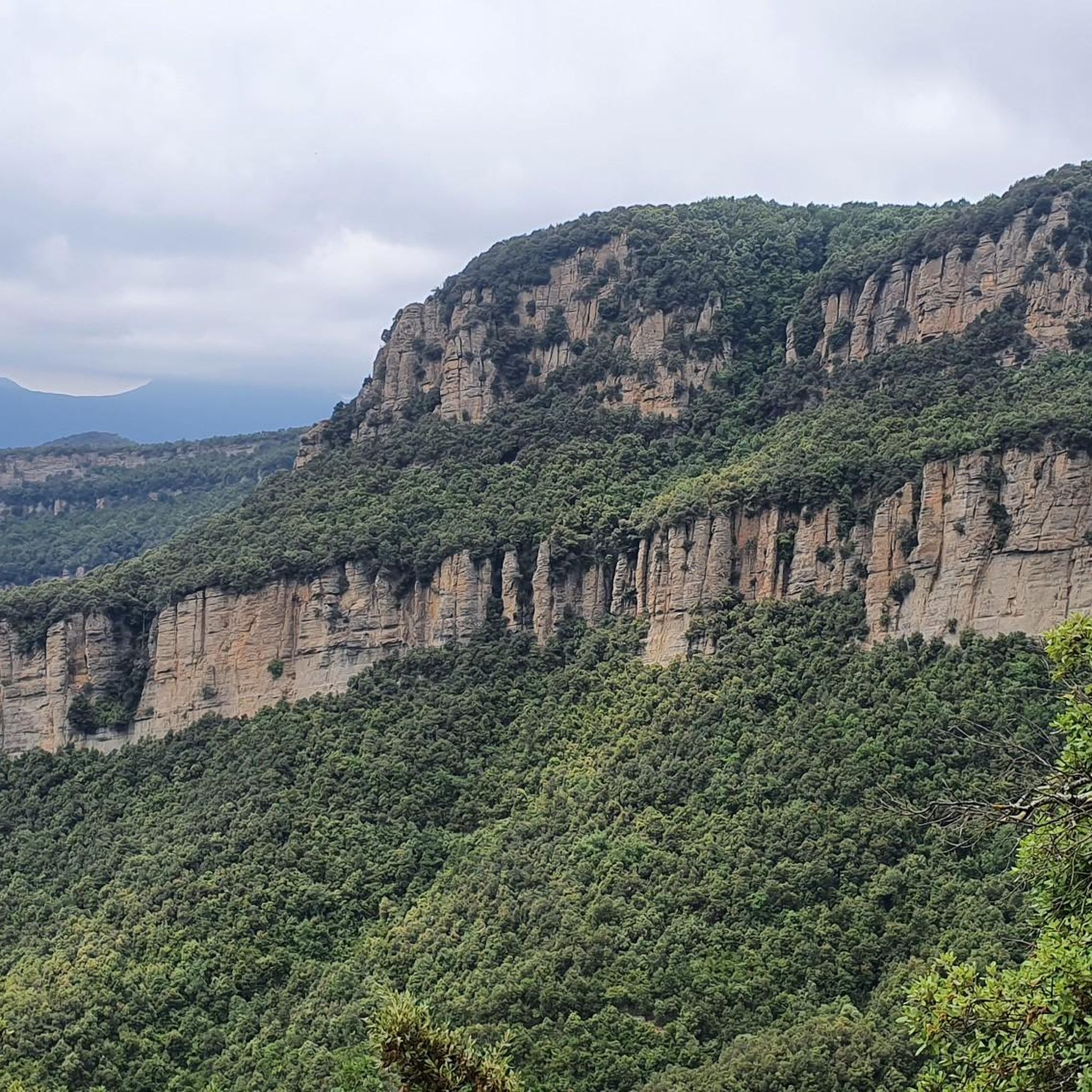
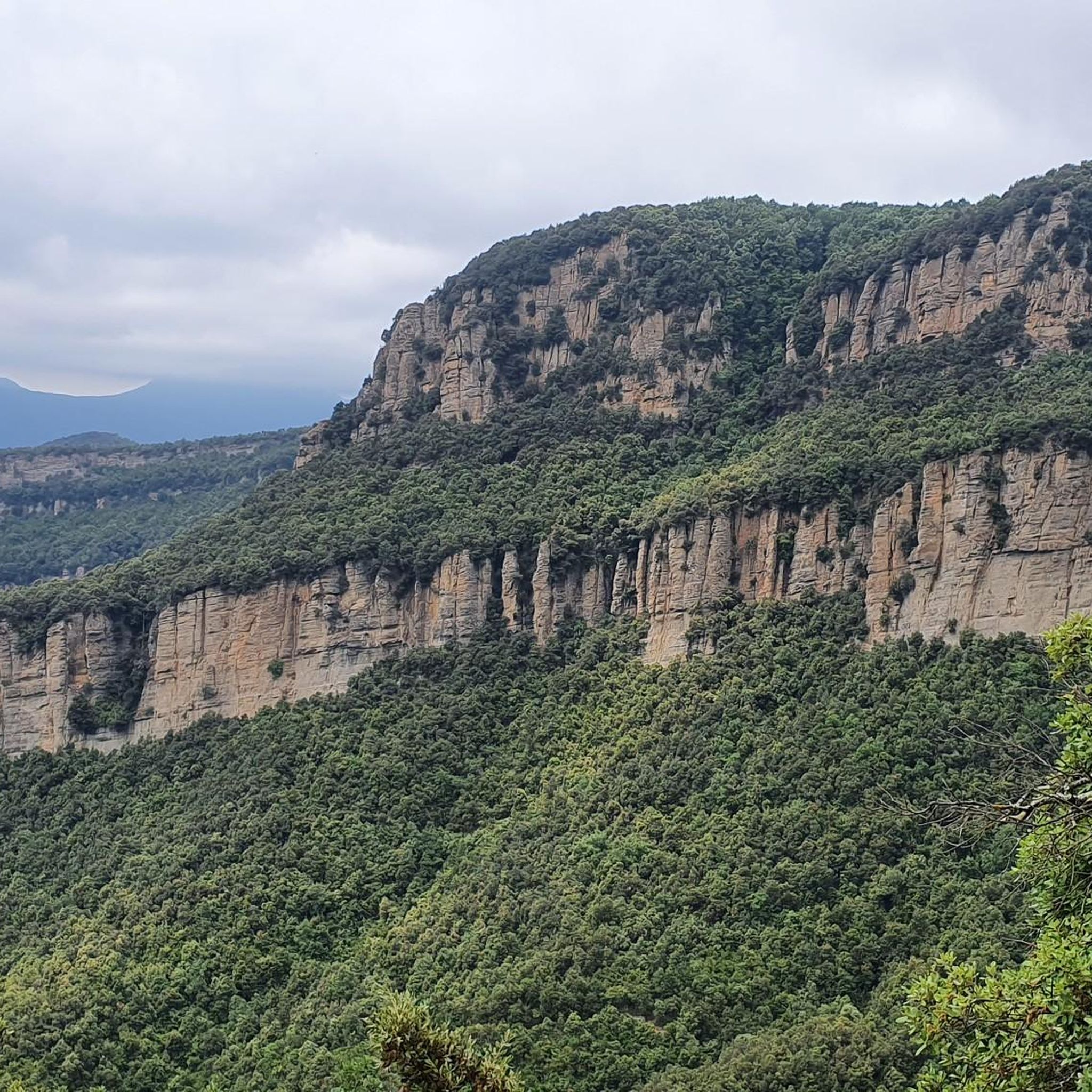
Beautiful municipality located at the foot of the mountain of Rocacorba that has a baroque style church, Santa Maria de Granollers de Rocacorba, located next to the old castle of Granollers.
3
0

360 views from the top, and amazing chapel/castle; possibly sieged in the 15 century War of the Remences
0
0


The Castell appears to be closed, sometimes poorly maintained.
1
1
Frequently Asked Questions
What kind of historical sites can I find around Mieres, Asturias?
Mieres, Asturias, is rich in historical palaces, manor houses, and ancient fortified settlements known as 'castros'. While not always traditional castles open for interior tours, these sites offer a deep dive into the region's past. Examples include the Palacio de los Marqueses de Camposagrado with its 13th-century origins, and the ancient Castro de Lladreo.
Are there any palaces or manor houses I can visit in Mieres?
Mieres is home to several significant historical palaces and manor houses. The Palacio de los Marqueses de Camposagrado, with its Baroque architecture and surviving medieval keep, is partly used as a teaching institute, so its exterior may be viewable. Other notable examples like the Palacio del Valletu and Palacio del Vizconde de Heredia are private residences and not open for public tours, but their exteriors and historical significance are still points of interest.
What are 'castros' and where can I find them near Mieres?
'Castros' are ancient fortified settlements that predate traditional castles, offering a glimpse into Iron Age, Roman, and medieval occupation. Near Mieres, you can find the Castro de Lladreo, situated on a hill with visible wall remains and ditches, and the Castro del Castil de Muries, located above the village of L'Artusu.
Can I access the historical palaces and castros in Mieres?
Access varies. Many historical palaces, such as the Palacio del Valletu and Palacio del Vizconde de Heredia, are private residences and not open for interior visits. However, their exteriors can often be appreciated. Ancient castros like Castro de Lladreo are archaeological sites, and while their remains are visible, their conservation status can vary. It's best to observe these sites from the exterior to respect their historical and private nature.
What is the best time of year to visit historical sites in Mieres?
The best time to visit Mieres for exploring historical sites is generally during the spring (April to June) and autumn (September to October). During these seasons, the weather is typically mild and pleasant for walking and outdoor exploration, making it ideal for viewing the exteriors of palaces and visiting castros.
Are there any hiking trails near the historical sites in Mieres?
While specific trails directly to every historical palace or castro might not be designated, the Mieres region offers various hiking opportunities. You can find numerous routes for different skill levels, such as the 'Nature in its Purest Form' loop from Santa Pau (easy) or the more challenging 'Santa Maria de Finestres – Turó de Forats loop from Mieres'. These trails allow you to explore the natural surroundings of the area where these historical sites are located. For more details, check out the Hiking around Mieres guide.
What other outdoor activities can I do near Mieres' historical sites?
Beyond hiking, the Mieres area provides excellent opportunities for cycling. You can explore routes like the 'Mieres, Sant Miquel de Campmajor, and Banyoles Loop' for touring bicycles or various road cycling routes. These activities allow you to combine historical exploration with active outdoor adventures. Discover more options in the Cycling around Mieres guide and the Road Cycling Routes around Mieres guide.
Are there family-friendly options for exploring Mieres' historical heritage?
While many palaces are private, exploring the exteriors of historical buildings and the ancient castros can be an engaging activity for families. Combining these visits with easy hiking trails, such as the 'Nature in its Purest Form' loop, can make for a pleasant family outing. The historical context of these sites can also be a great educational experience for children.
What are some of the most popular castles and historical sites in the broader region that komoot users enjoy?
Komoot users appreciate several historical sites in the broader region. Santa Pau Castle is a popular choice, located in the Garrotxa Volcanic Zone Natural Park. Another favorite is Sant Salvador de Puigalder, known for its 360-degree views and historical significance. The Santa Maria de Granollers de Rocacorba Church and Old Castle also draws visitors with its Baroque church next to an old castle.
Where can I find amenities like cafes or accommodation near Mieres' historical sites?
Mieres, as a municipality, offers various amenities including cafes, pubs, and accommodation options. While specific historical sites might be more secluded, the town center and surrounding villages will provide choices for dining and lodging. It's advisable to plan your visit and check for establishments in Mieres itself or nearby larger settlements.
What is the historical significance of the Palacio de los Marqueses de Camposagrado?
The Palacio de los Marqueses de Camposagrado is particularly significant because its origins trace back to a 13th-century defense tower, making it one of the earliest documented structures in Mieres. The original medieval keep still stands, integrated into the later 17th-century Baroque palace, showcasing centuries of architectural evolution and the region's defensive past.
Are there any historical sites in Mieres that are currently in poor condition but still notable?
Yes, the Palacio de los Cachero Riosa (Palace de Abajo) is an 18th-century Baroque palace designated as an Asset of Cultural Interest. Although currently in poor condition and uninhabited, it retains interesting internal features like a segmental brick arch with old pictorial decoration, wooden floors, and an elaborate wooden staircase, making it notable for its architectural details despite its state.
Most popular attractions around Mieres

Get inspired with the komoot mobile app


Explore more
Looking for the best castles somewhere else? Discover other guides around Mieres:
