Top 6 Lakes around Fuentes De Ebro
Best lakes around Fuentes De Ebro are primarily characterized by the Ebro River, which flows through the region and is its main aquatic feature. While large natural lakes are not directly within the municipality, the area features associated water bodies and wetlands. These include managed wetlands and smaller rafts or ponds, offering opportunities for nature observation and recreational activities. The Ebro River itself is significant for its ecological value and environmental restoration efforts.
Best lakes around Fuentes De Ebro
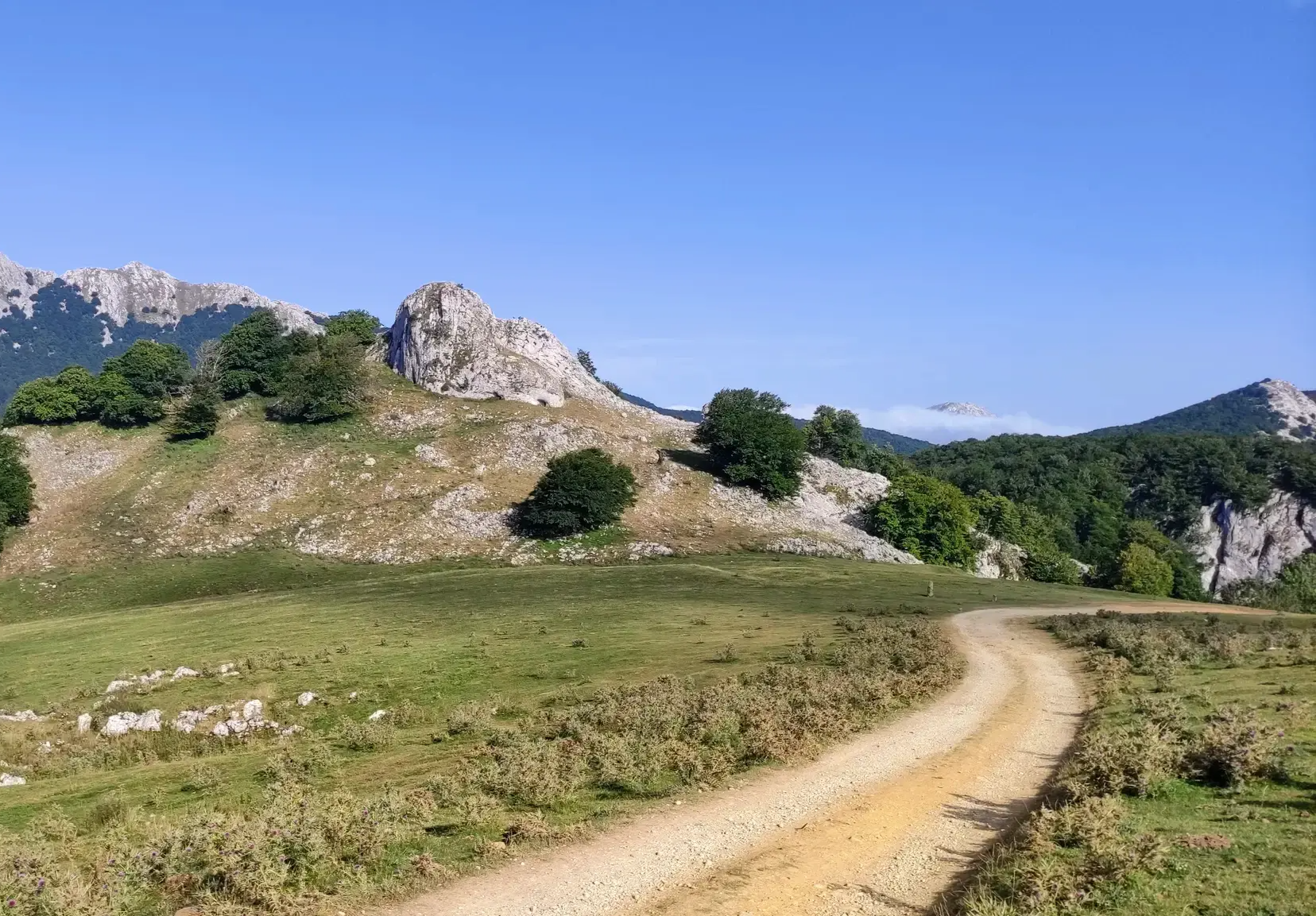
- The most popular lakes is Salada de Mediana Salt Flat, a natural monument that is a raft located in a natural setting of ecological and historical value. Informative panels and indicator signs are present in the area.
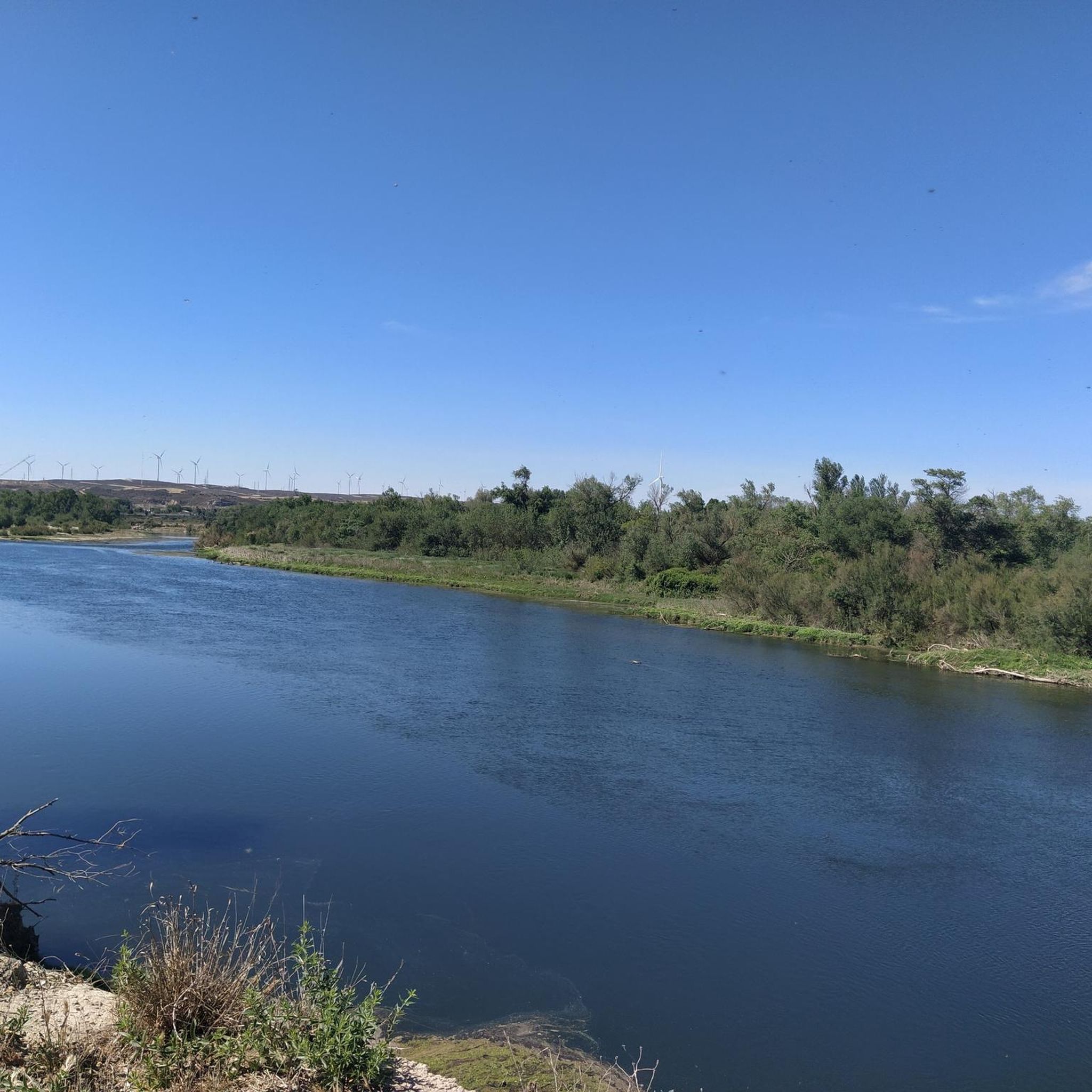
- Another must-see spot is Pina de Ebro Dam, a man-made monument. This dam supports an irrigation ditch and its impounded water attracts aquatic birds and vegetation.
- Visitors also love Balsa del Cascarro Observatory, a small bird observatory. Depending on the season, different types of birds can be observed from this location.
- Fuentes De Ebro is known for its dams, salt flats, and wetlands. The area offers a variety of water bodies to explore, from managed river features to natural ponds.
- The lakes around Fuentes De Ebro are appreciated by the komoot community, with 13 upvotes and 7 photos shared by visitors.
Last updated: July 3, 2026
Pina de Ebro Dam
Highlight • Monument
Translated by Google •
Tip by

Salada de Mediana Salt Flat
Highlight • Natural Monument
Translated by Google •
Tip by

Sign up now to discover places like this
Get recommendations on the best single tracks, peaks, & plenty of other exciting outdoor places.
Sign up for free
Balsa del Cascarro Observatory
Highlight • Structure
Translated by Google •
Tip by
Aiguamoll de la Cabaña
Highlight • Natural
Translated by Google •
Tip by

Salada de Mediana
Highlight • Lake
Translated by Google •
Tip by

Start today with a free account
Your next adventure awaits.
Login or Signup

Other adventures around Fuentes De Ebro

Tips from the Community

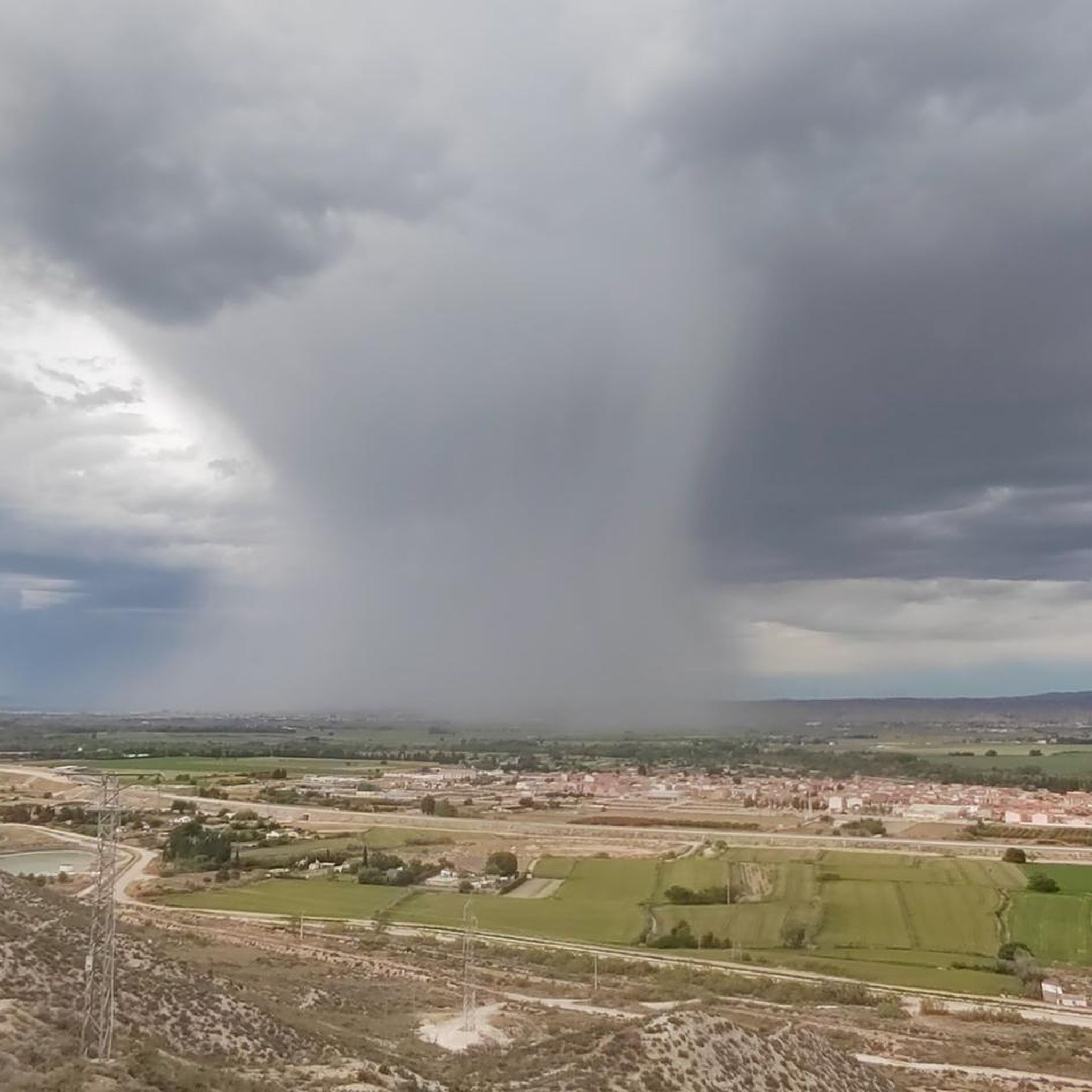
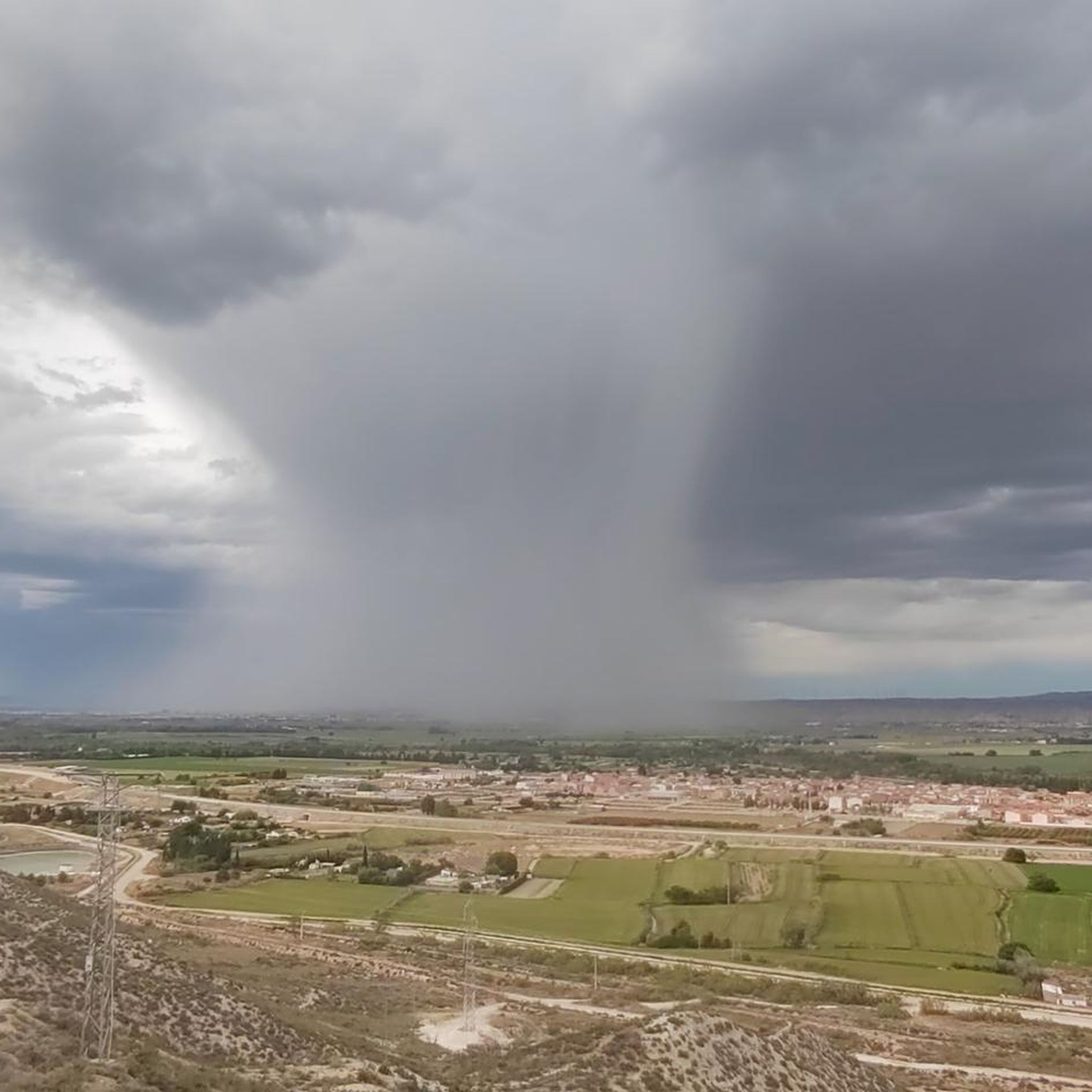
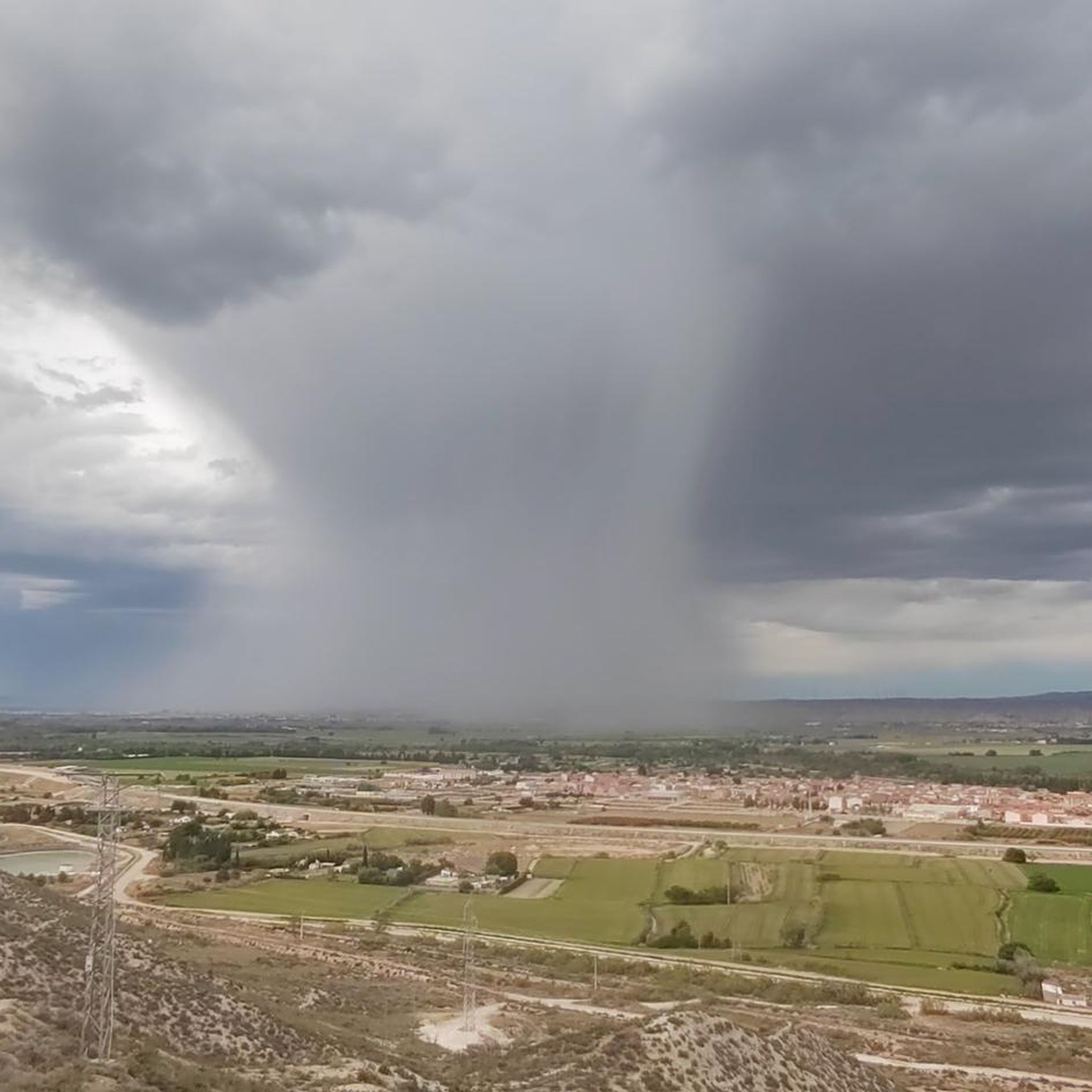
Beautiful wetland or flooded field that can be seen from the road. When I took out my phone and took the photo, the storks had already taken flight. If you zoom in you will see one in the photos.
0
0

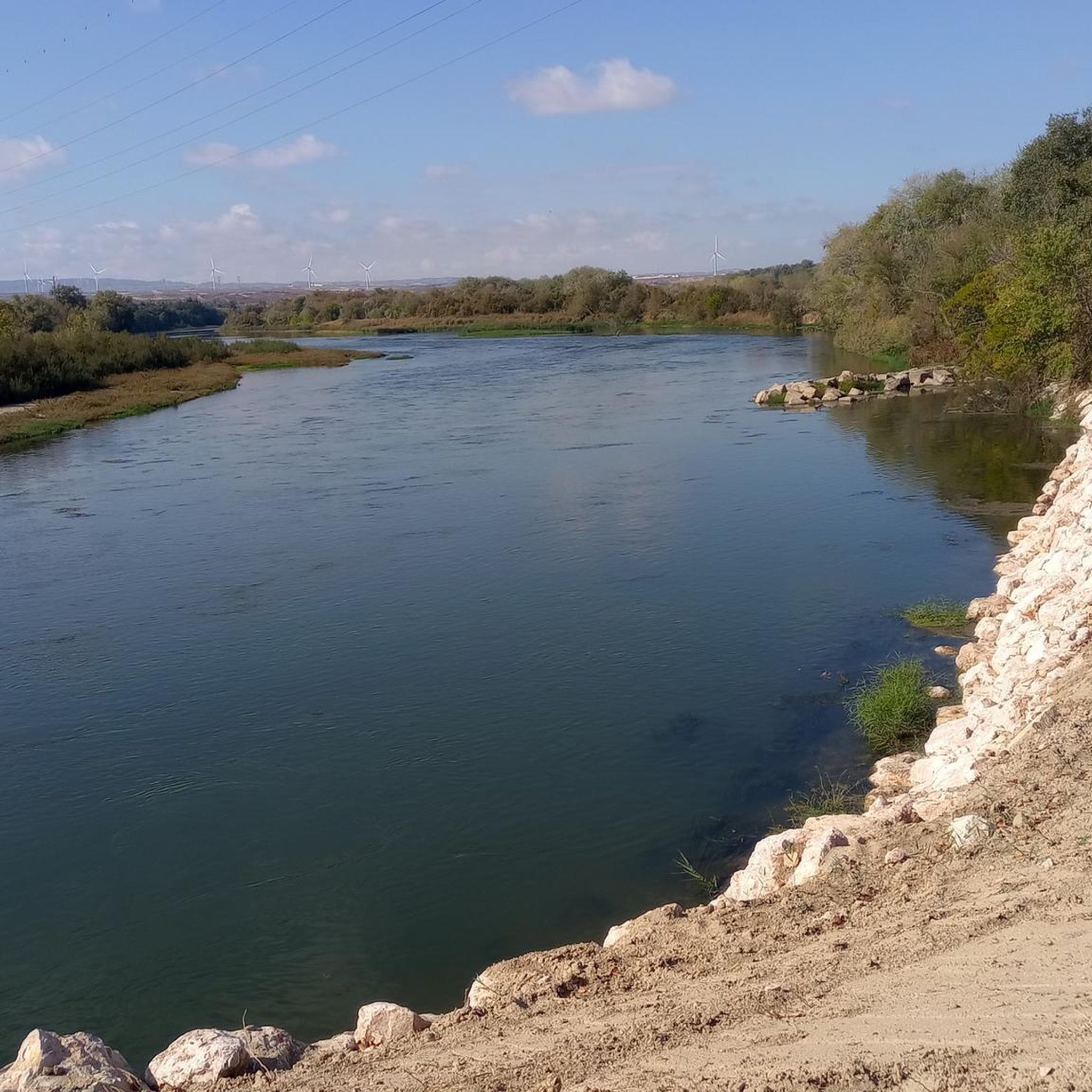
The Pina de Ebro dam complements the dam that diverts water to an irrigation ditch. The damming of water has favored the presence of aquatic birds and vegetation.
1
0

Raft called Salada de Mediana located in a natural setting of interesting ecological and historical value. We will find informative panels in the area and indicator signs.
2
0
On our route along the GR 99 we come across the beautiful Pina dam on the Ebro river. Surely we will meet more people practicing sports or some other fisherman.
0
0
Small bird observatory on the Carrasco raft where, depending on the season visited, we can observe different types of birds. We will access the raft through some narrow walkways.
1
0

Salt water lake. Signposted route with explanatory panels at the beginning and end. In summer bring plenty of water.
1
0
Frequently Asked Questions
What kind of 'lakes' can I expect to find around Fuentes de Ebro?
Fuentes de Ebro is primarily characterized by the Ebro River, so you'll find associated water bodies rather than large natural lakes. These include managed wetlands, smaller ponds or 'rafts' like the Salada de Mediana Salt Flat, and man-made features such as the Pina de Ebro Dam. These areas offer unique ecological value and opportunities for nature observation.
Are there any good spots for birdwatching near Fuentes de Ebro?
Yes, the area is excellent for birdwatching. The Balsa del Cascarro Observatory is a small bird observatory where you can observe different types of birds depending on the season. Additionally, wetlands like Aiguamoll de la Cabaña attract aquatic birds and storks.
What are the most popular water features to visit in the region?
Visitors frequently appreciate the Salada de Mediana Salt Flat, a natural monument with ecological and historical significance. The Pina de Ebro Dam is also popular, known for attracting aquatic birds and vegetation due to its impounded water. The Balsa del Cascarro Observatory is a favorite for bird enthusiasts.
Are there family-friendly areas to explore around the water bodies?
Yes, several spots are suitable for families. The Salada de Mediana Salt Flat has informative panels and indicator signs, making it an engaging visit. The Aiguamoll de la Cabaña wetland is also considered family-friendly, offering a chance to see storks and other wildlife.
What outdoor activities can I do near these water features?
The Ebro River and its surrounding areas offer various outdoor activities. Fishing is popular along the Ebro, known for species like catfish and carp. You can also find numerous cycling and mountain biking routes. For example, explore the cycling routes around Fuentes de Ebro or discover MTB trails that often pass by these natural spots.
Are there hiking or walking trails near the water bodies?
While specific 'lake' trails are limited, the broader Ebro River area provides excellent walking opportunities. The GR 99 route, for instance, passes by the Pina de Ebro Dam. You can find various cycling routes that are also suitable for walking in parts, offering views of the river and associated wetlands.
What is the best time to visit the water features around Fuentes de Ebro?
The best time to visit often depends on your interest. For birdwatching, spring and autumn are generally ideal as migratory birds pass through. The Ebro River area is subject to environmental restoration efforts, and the managed wetlands can be particularly vibrant during seasons with adequate water levels. Summer can be hot, so early mornings or late afternoons are preferable for outdoor activities.
Can I find any historical or cultural sites related to the water bodies?
Yes, the Salada de Mediana Salt Flat is noted for its interesting ecological and historical value, with informative panels in the area. The Ebro River itself has a long history of human interaction, including irrigation systems like those supported by the Pina de Ebro Dam.
Are there any specific natural reserves or protected areas near Fuentes de Ebro?
While not directly within Fuentes de Ebro, the Ebro River basin is part of significant environmental restoration efforts, including the LIFE Ebro Resilience P1 Project. This project involves creating new wetlands and flood zones, enhancing ecological value. The 'Salada de Mediana' is designated as a natural monument, highlighting its protected status.
What facilities are available near these natural areas for visitors?
For specific natural areas like the Salada de Mediana Salt Flat, you will find informative panels and indicator signs. The Balsa del Cascarro Observatory provides a dedicated structure for birdwatching. For broader facilities like cafes or accommodation, you would typically find these in the nearby towns and villages.
What do visitors enjoy most about the water bodies in this region?
Visitors particularly enjoy the tranquility and the opportunities for nature observation. The presence of diverse bird species, especially at spots like the Balsa del Cascarro Observatory, is a major draw. The unique ecological and historical context of places like the Salada de Mediana Salt Flat also adds to the appeal.
Most popular routes around Fuentes De Ebro
Most popular attractions around Fuentes De Ebro

Get inspired with the komoot mobile app


Explore more
Still not found your perfect lake around Fuentes De Ebro? Check out the guides of these regions to see even more beautiful places.
