Top 8 Castles around Malla
Castles around Malla are situated in a region characterized by its historical significance and varied terrain. This area features mountainous landscapes, offering views of the Plain of Vic and the Pyrenees. The castles here often occupy strategic elevated positions, reflecting centuries of defensive and cultural importance. The region provides a blend of natural beauty and architectural heritage.
Best castles around Malla
- The most popular castles is La Popa Castle (Castellcir), a castle documented since 1014. Its main function was…
Last updated: July 3, 2026
Casal de la Sala de Viladrau
Highlight • Historical Site
Translated by Google •
Tip by

Can Boix Castle
Highlight • Castle
Translated by Google •
Tip by

Sign up now to discover places like this
Get recommendations on the best single tracks, peaks, & plenty of other exciting outdoor places.
Sign up for free
Castillo de Sant Martí de Centelles
Highlight • Castle
The wall has a length of approximately 200 meters and a width of 80 meters in the largest part. Although the large part of the structure that is preserved …
Translated by Google •
Tip by

Castell de Sant Llorenç del Munt
Highlight • Castle
Translated by Google •
Tip by

La Popa Castle (Castellcir)
Highlight • Castle
Translated by Google •
Tip by

Sign up for free to discover even more castles around Malla.
Sign up for free
Already have an account?
Start today with a free account
Your next adventure awaits.
Login or Signup

Tips from the Community

Time waits for no one, and it's currently inaccessible for security reasons 😞
0
0

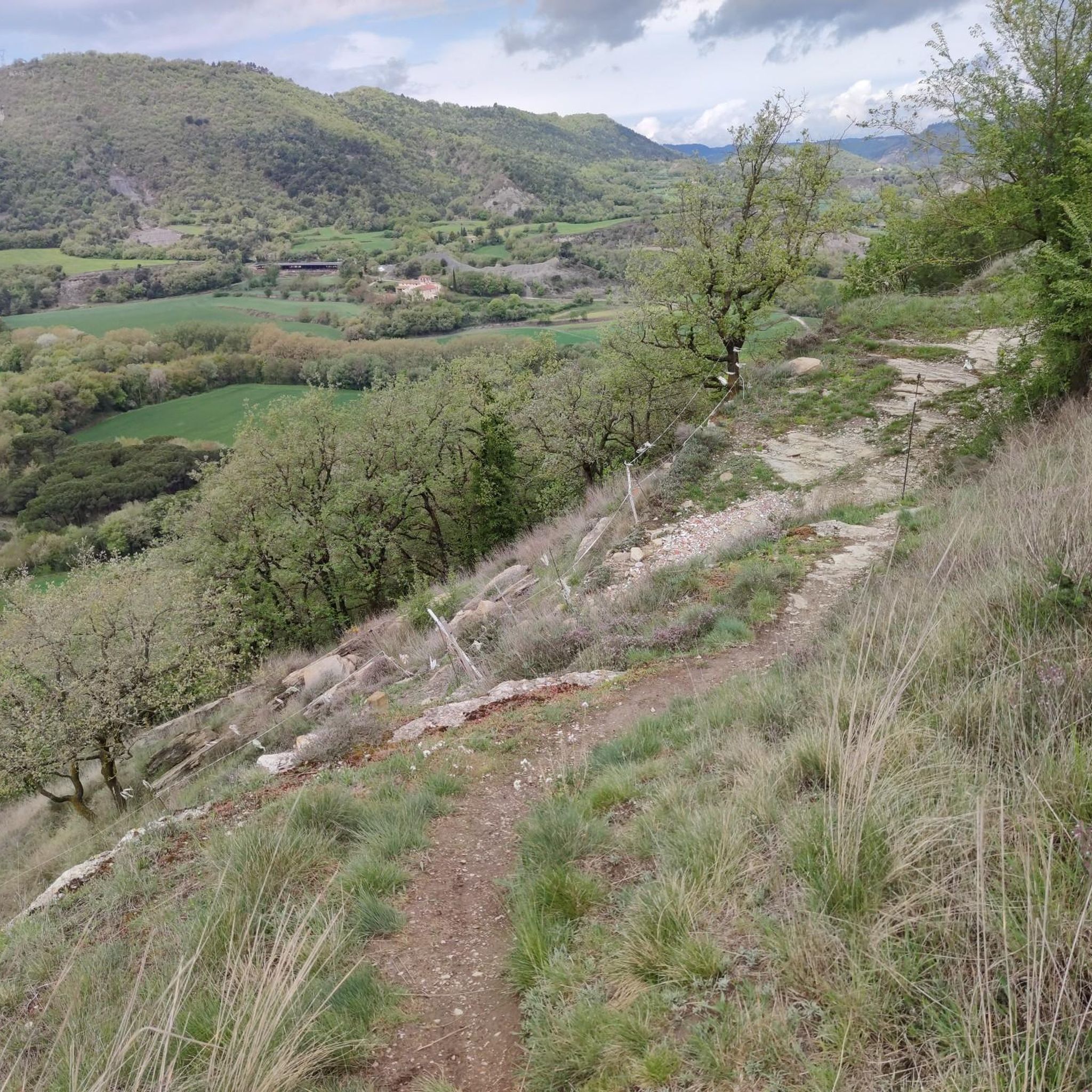
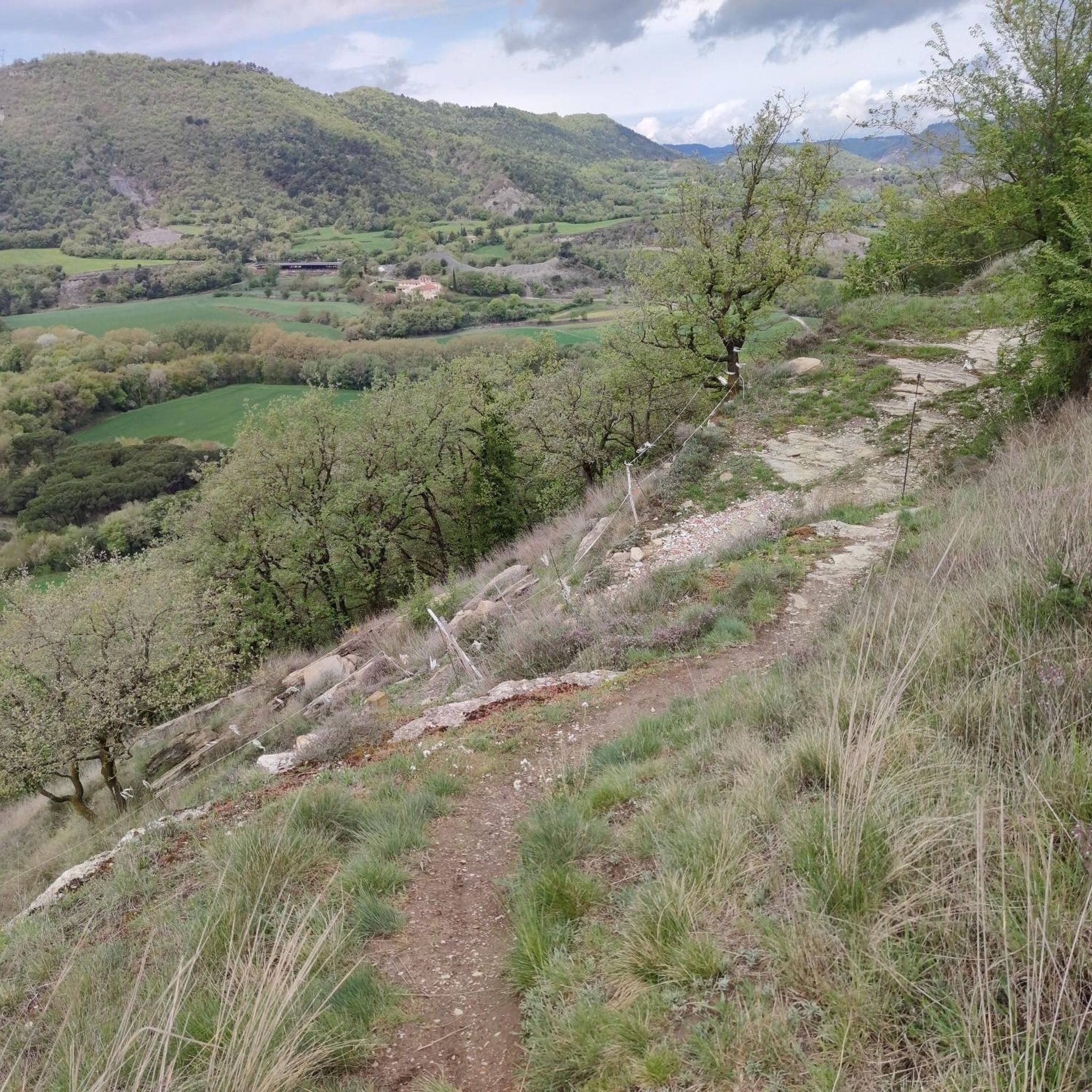
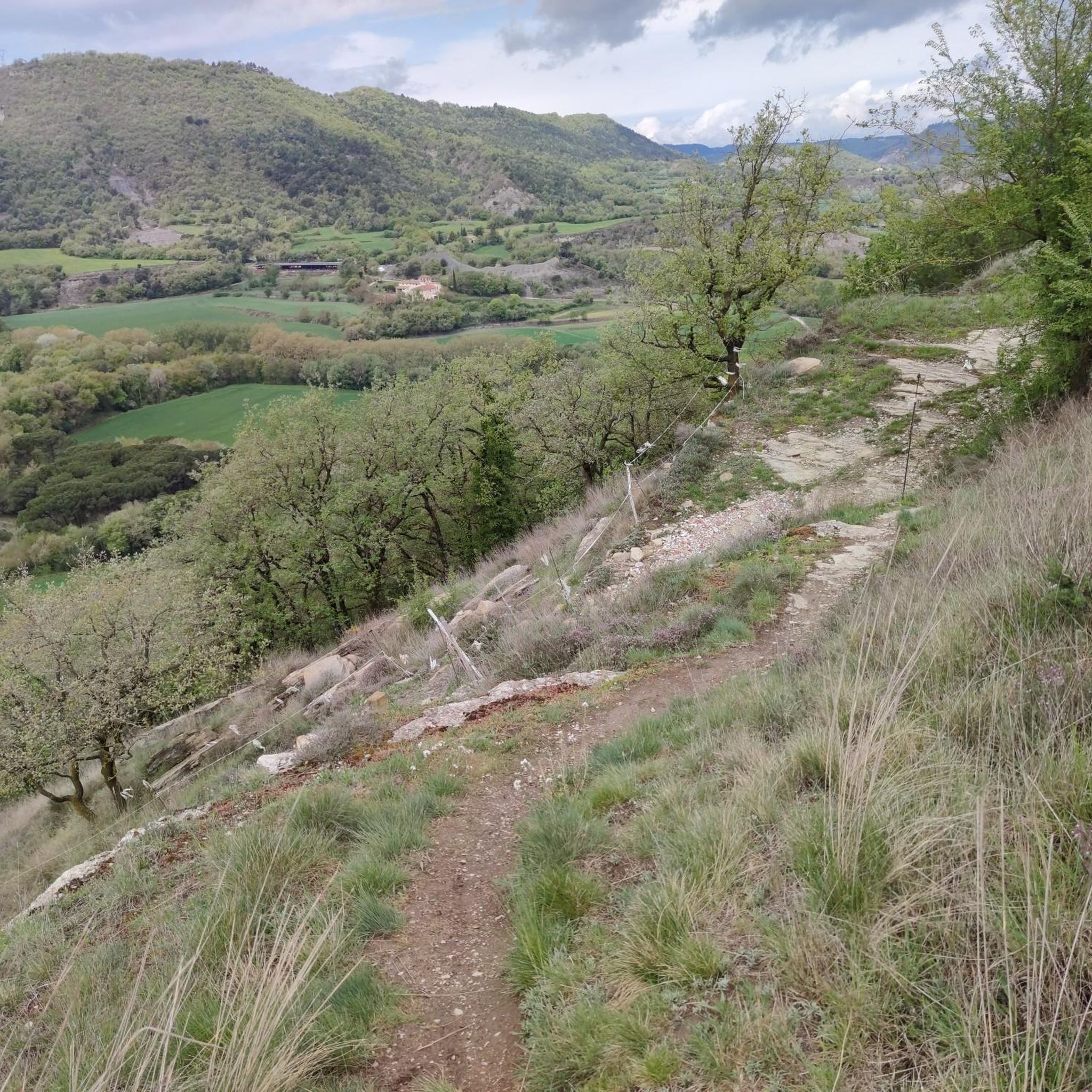
The arrival is via a trail, so if you're riding gravel it's a bit uncomfortable.
0
0

place that is part of the Serrallonga Bandits route
0
0

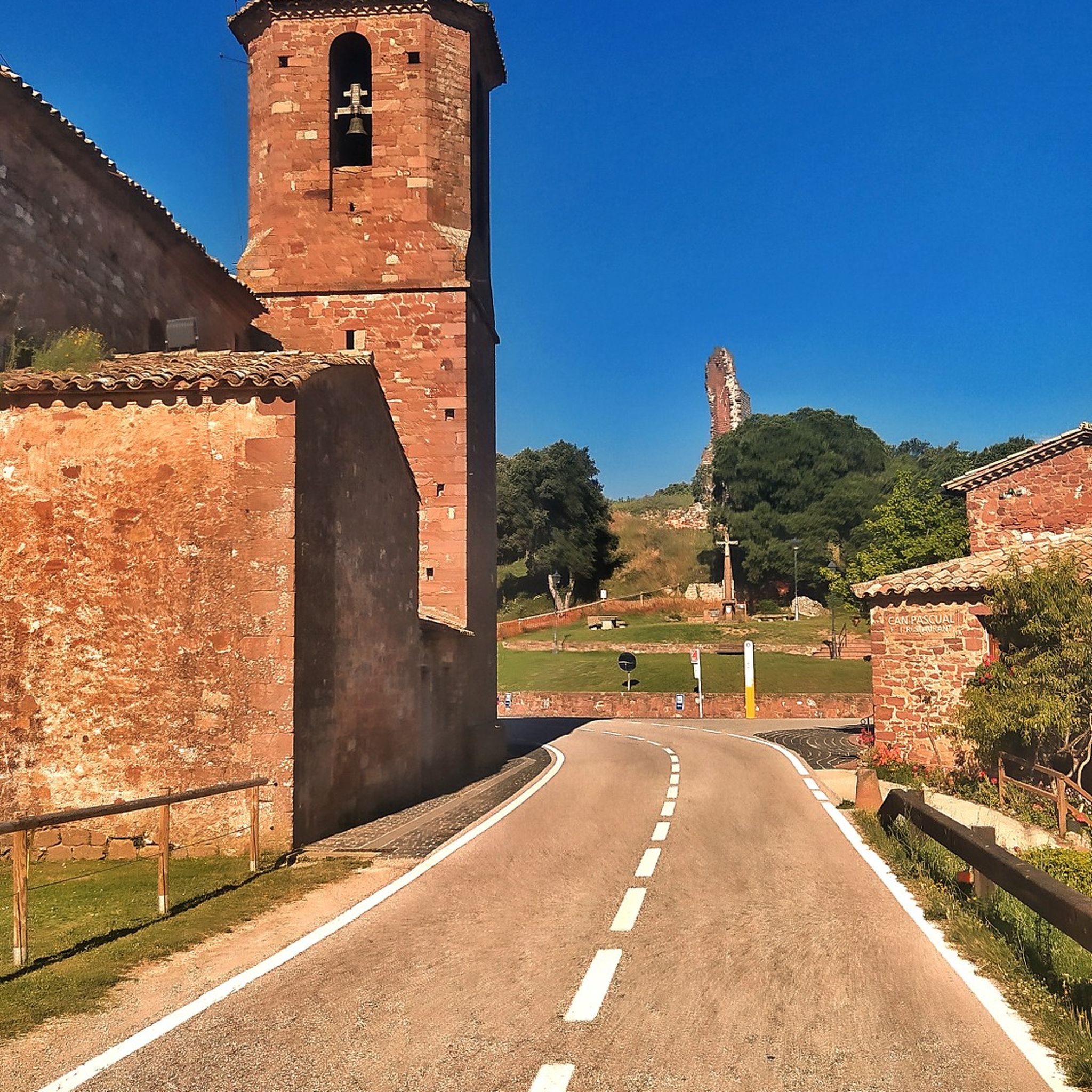
Castell de Popa, spectacular.
1
0

Sant Llorenç Castle is a castle in the municipality of Sant Julià de Vilatorta (Osona) declared a cultural asset of national interest. There are remains of fortifications at the monastery and the base of a square tower at the top of the mountain. It was a termed castle, then a monastery. Documented in 884. At the beginning of the 11th century it was supplanted by the Castle of Meda and soon became the residence of Augustinian canons.
0
0

Throughout history the castle was confiscated from the Centelles and became a royal residence during the Catalan Civil War during the period 1462-1472. It was also a gathering point for troops on more than one occasion during the Uprising of Catalonia (1640-1659) and later, in the War of the Spanish Succession (1705) it was the area from which the Vincentian migueletes supporting Archduke Charles blocked the Filipista troops of Viceroy Velasco. During the Spanish War of Independence, French troops, in 1809, occupied the town of Centellas and the castle. During the Carlist wars, the parties turned it into one of the dens from which they attacked neighboring towns.
1
0
The owners have always been from the Centelles family, originating from a farmhouse in the area that was ennobled and became feudatories of the counts of Barcelona. It is the family name that the towns closest to the castle will adopt: San Martín de Centellas y Centellas. Later it was important as a stately place, from which an extensive barony was controlled that brought together the current municipalities of Centellas, San Martín de Centellas, Tona and Seva, and that reached the Vallés Oriental, controlling the entrance to the Congost valley and the plain. from Vic.
1
0
Frequently Asked Questions
What kind of historical significance do the castles around Malla hold?
The castles in the Malla region are deeply rooted in history, often serving as defensive fortifications. For example, La Popa Castle (Castellcir) is documented since 1014 and was crucial for defending the Castellcir-Tenes stream valley. Similarly, Castillo de Sant Martí de Centelles existed as a border castle as early as the 9th century, later becoming a powerful barony's center and even a royal residence during the 15th century Catalan Civil War.
Are there any castles around Malla with unique architectural features?
Yes, several castles showcase distinct architectural elements. Can Boix Castle, for instance, is uniquely situated on a large grotto, with remains dating back to the 10th-11th centuries and a significant 14th-century wall. The Castle of Tona features an old defensive tower, popularly known as the Tower of the Moors, with a square base and thick walls, possibly of Roman origin.
Which castles offer the best panoramic views of the Malla region?
Many castles around Malla are strategically located to provide excellent views. Can Boix Castle offers good views of the Plain of Vic and the Pyrenees. Castell de Sant Llorenç del Munt, a former monastery, also boasts very good views of the surrounding area. Additionally, the Castle of Tona provides an extraordinary panoramic view towards the Massif del Montseny, Collsuspina, and Montanyola.
Are there family-friendly castles to visit in the Malla area?
Yes, the Castle of Tona is categorized as family-friendly. Its location on a hill with a flat, extensive top makes it accessible for families to explore the old defensive tower and enjoy the panoramic views.
What outdoor activities can I do near the castles around Malla?
The Malla region offers a variety of outdoor activities. You can find numerous hiking trails, such as the moderate 'El Roc Gros Viewpoint – Sant Miquel de Vilageliu loop from Tona' or the easy 'Sant Jaume de Viladrover loop'. For cyclists, there are touring bicycle routes and road cycling routes, including challenging loops like 'Coll de Romegats – The 7 Springs loop'.
What do visitors enjoy most about the castles around Malla?
Visitors frequently highlight the stunning views and the historical atmosphere. Many appreciate the strategic locations of castles like Can Boix Castle for its vistas of the Plain of Vic and the Pyrenees, and the 'spectacular' nature of La Popa Castle (Castellcir). The blend of natural beauty and architectural heritage is a common theme in visitor feedback.
Are there any castles around Malla that were also monasteries?
Yes, Castell de Sant Llorenç del Munt was originally a termed castle and later became a monastery. Documented in 884, it housed Augustinian canons from the early 11th century, combining both defensive and religious functions.
What is the best time of year to visit the castles around Malla?
While specific seasonal information isn't provided, the region's mountainous landscapes and outdoor activities suggest that spring and autumn would offer pleasant temperatures for exploring the castles and enjoying the hiking and cycling routes without extreme heat or cold. These seasons also typically provide clear views of the Plain of Vic and the Pyrenees.
Can I find any hidden gems or less-known castles in the Malla region?
While the guide focuses on prominent castles, the region is rich in historical sites. Even castles like Castle of Tona, with its ancient defensive tower, might offer a more intimate experience compared to larger, more frequently visited sites. Exploring the various routes around Malla can often lead to discovering smaller, less-publicized historical remains.
Are there any castles around Malla that are particularly challenging to reach?
Some castles, due to their strategic elevated positions, might involve a moderate hike to reach. For example, Can Boix Castle is located on a summit of large rocks at an altitude of 803 meters. While not necessarily 'challenging' for experienced hikers, it implies a certain level of physical activity to access.
What kind of terrain can I expect when visiting castles in the Malla region?
The Malla region is characterized by mountainous landscapes. You can expect varied terrain, often involving ascents to reach the strategically placed castles. The area offers a mix of natural beauty and historical sites, with trails that can range from easy to difficult, especially if you combine castle visits with longer hiking or cycling routes.
Most popular attractions around Malla

Get inspired with the komoot mobile app


Explore more
Looking for the best castles somewhere else? Discover other guides around Malla:
