Top 6 Gorges around Sant Julià De Vilatorta
Best canyons around Sant Julià De Vilatorta are characterized by a landscape rich in water features, dramatic cliffs, and varied terrain. The region, situated between the agricultural plains of Vic and the rugged Guilleries massif, offers numerous trails for exploring its natural attractions. While not known for traditional canyoneering, the area features several gorge-like sections and steep-sided valleys. These natural formations contribute to the diverse hiking opportunities available in Sant Julià De Vilatorta.
Best canyons around Sant Julià De Vilatorta
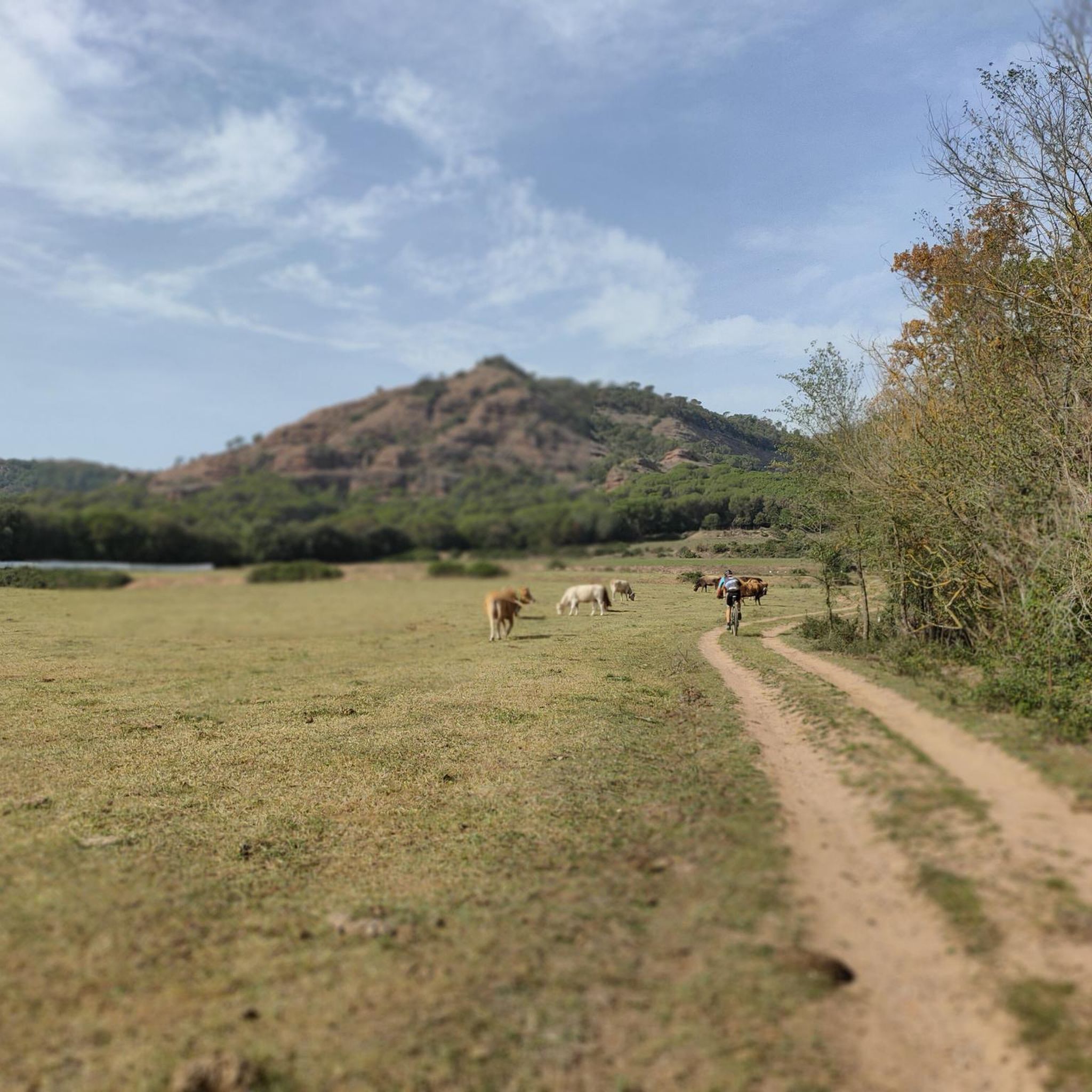
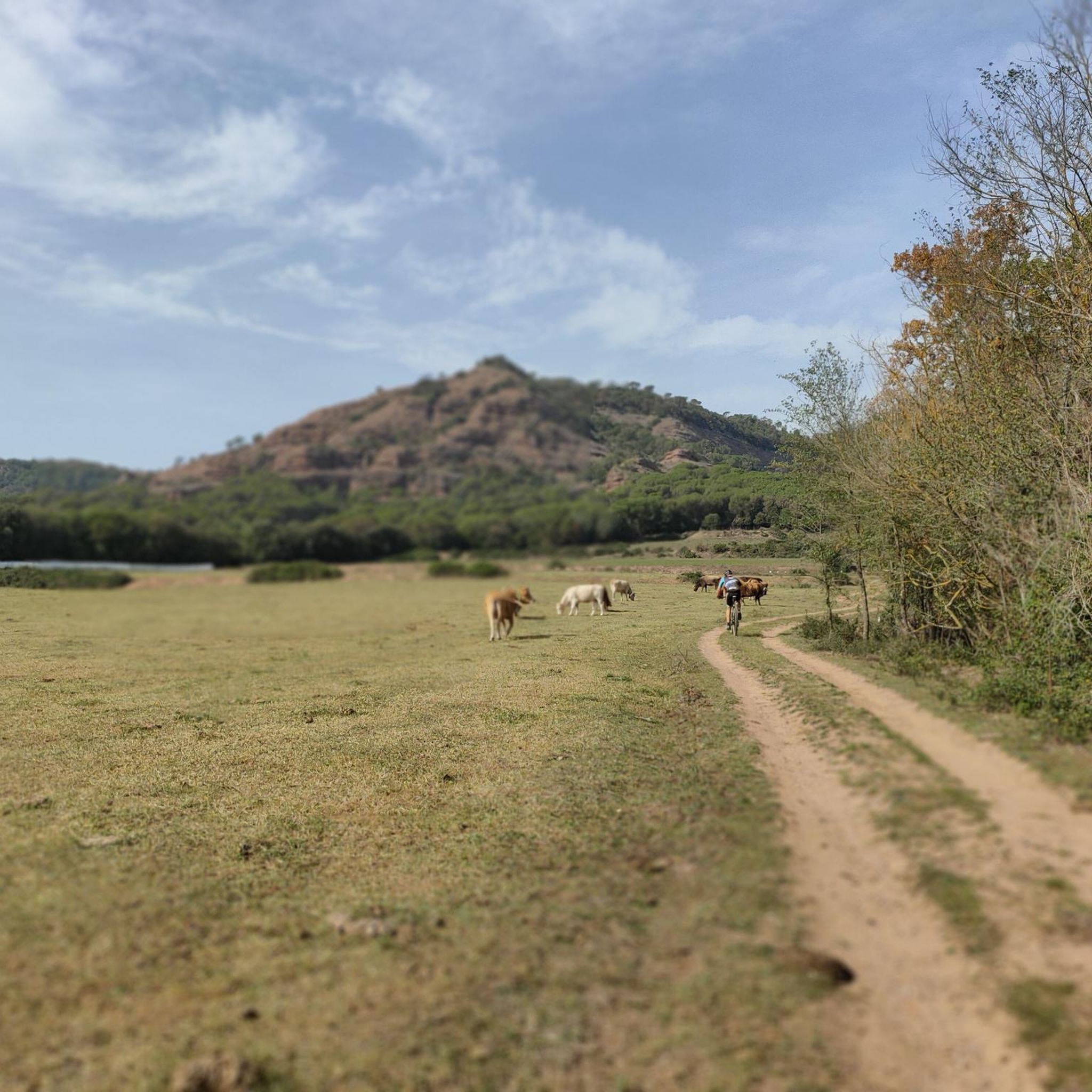
- The most popular canyons is View of the Pantà de Sau reservoir from Morro de l'Abella, a viewpoint that offers amazing views over the Pantà de Sau. This spot is part of a private farm and has specific access regulations to protect the natural environment.
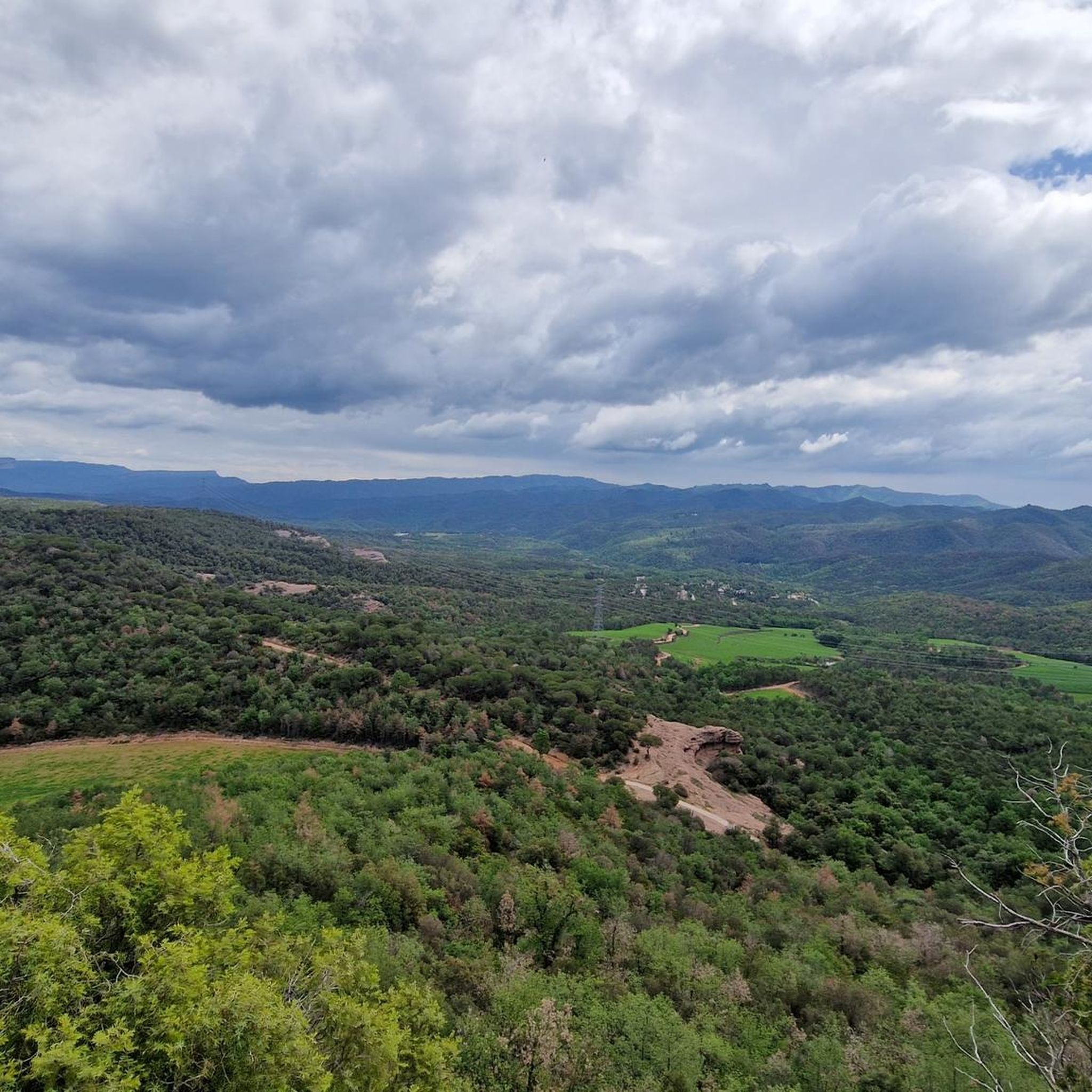
- Another must-see spot is View of the Riera de Balà, Molí-Bernat Waterfall, and Bauma de Les Corts, a viewpoint offering a perspective of the Balà stream, the Molí-Bernat waterfall, and the Les Corts bauma. This location provides a view of the area's natural grandeur.
- Visitors also love Viewpoint of Barra de Ferro Waterfall, a viewpoint to observe the Barra de Ferro waterfall. This spectacular waterfall forms where the Torrent de la Bertrana rushes over the Gorgues stream, offering a close-up view after heavy rains.
- Sant Julià De Vilatorta is known for its viewpoints, waterfalls, and gorge-like formations. The area provides a variety of natural attractions to see and explore, often accessible via hiking trails.
- The canyons and gorges around Sant Julià De Vilatorta are appreciated by the komoot community, with more than 20 upvotes and nearly 20 photos shared by visitors.
Last updated: October 20, 2026
Stairs of the Riscos de la Perereda
Highlight • Structure
Translated by Google •
Tip by

View of the Pantà de Sau reservoir from Morro de l'Abella
Highlight • Viewpoint
Translated by Google •
Tip by

Sign up now to discover places like this
Get recommendations on the best single tracks, peaks, & plenty of other exciting outdoor places.
Moll Bernat Trail
Highlight • Trail
Translated by Google •
Tip by

Viewpoint of Barra de Ferro Waterfall
Highlight • Viewpoint
Translated by Google •
Tip by

View of the Riera de Balà, Molí-Bernat Waterfall, and Bauma de Les Corts
Highlight • Viewpoint
Translated by Google •
Tip by
Sign up for free to discover even more gorges around Sant Julià De Vilatorta.
Already have an account?
Start today with a free account
Your next adventure awaits.
Tips from the Community

Perfect place to observe some bearded vultures, some with their young.
0
0

At the foot of Morral Xic, on the path that follows the Cingles de les Balmes, we find these 2 sections of green metal stairs that will help us to overcome on the right a relief that protrudes from the cliff and that once up allows us continue on the winding road. Obviously, it can also be done downhill if you do the route in reverse. Although it does not present any difficulty to be an obstacle for people with vertigo or fear of heights.
0
2

It is not for everyone, the descent is very steep and you need good shoes and confidence.
0
1
Regulations for access to Morro de l'Abella: Wednesday, March 24, 2021 at 00:00 El Morro de l'Abella is part of a private farm dedicated to pasture located in the municipality of Tavertet. Since 2018 and its appearance on Instagram, the influx of visitors had increased exponentially, with an increase in uncivil attitudes, deterioration of the place and degradation of the experience of nature. El Morro de l'Abella has always been a place revered by the local population and is considered a Natural Asset of Local Interest. For this reason, since August 2020, a municipal regulation was approved that regulates access with the help of Santuarisnaturals.org, Mossos d'Esquadra and the Rural Agents corps of Vic. Please consult the access conditions before visiting this space at: https://santuarisnaturals.org/morrodelabella Together we must contribute to its protection!
1
1

Ladder fixed to the rock of approx. 5 meters in total, which will allow us to climb to the top of the balma. The ladder is solid, although it is not recommended for people with a lot of vertigo.
1
1
Beautiful viewpoint from where we can contemplate the grandeur of the "Balà" stream, the "Molí-Bernat" waterfall and the "Les Corts" bauma.
0
1

This was originally going to be a loop but after the walking behind the waterfall we ended up on the cliff face and the path vanished. Well worth the walk to the waterfall but I would return back shortly after that.
1
1
The Barra de ferro is a spectacular waterfall that is formed when the Torrent de la Bertrana rushes over the Gorgues stream. Very close to the hermitage of Sant Bartomeu Sesgorgues, from where you have a very good view of the jump. The Riera de les Gorgues is enclosed, has a dense and lush vegetation, which means that even during the summer there are cool places and ideal for walking.
1
1
Frequently Asked Questions
What kind of natural attractions can I expect to see around Sant Julià De Vilatorta?
The area around Sant Julià De Vilatorta is characterized by a rich landscape featuring water elements, dramatic cliffs, and varied terrain. You'll find numerous viewpoints overlooking gorge-like sections, streams, and waterfalls. Notable spots include the View of the Pantà de Sau reservoir from Morro de l'Abella, offering expansive views, and the View of the Riera de Balà, Molí-Bernat Waterfall, and Bauma de Les Corts, showcasing a stream, waterfall, and rock shelter.
Are there any spectacular waterfalls to visit in the gorges near Sant Julià De Vilatorta?
Yes, the region is home to impressive waterfalls. The Viewpoint of Barra de Ferro Waterfall is a popular spot to observe the spectacular Barra de Ferro waterfall, especially after heavy rains. This waterfall forms where the Torrent de la Bertrana rushes over the Gorgues stream, surrounded by dense, lush vegetation.
What are the best viewpoints to experience the gorges around Sant Julià De Vilatorta?
Several viewpoints offer stunning perspectives of the local gorges and natural formations. The View of the Pantà de Sau reservoir from Morro de l'Abella provides amazing views over the reservoir. Another excellent spot is the View of the Riera de Balà, Molí-Bernat Waterfall, and Bauma de Les Corts, which offers a grand perspective of the Balà stream and its waterfall. For a close-up of a waterfall, visit the Viewpoint of Barra de Ferro Waterfall.
Are there any unique or challenging features for hikers in the gorges?
For those seeking a unique experience, the Stairs of the Riscos de la Perereda offer a distinctive challenge. This highlight features a fixed metal ladder, approximately 5 meters in total, allowing you to climb to the top of a rock formation. While solid, it's not recommended for individuals with severe vertigo. The Moll Bernat Trail also presents challenging sections with steep descents.
What outdoor activities can I do near the gorges of Sant Julià De Vilatorta?
Beyond exploring the gorges, Sant Julià De Vilatorta offers a variety of outdoor activities. You can find numerous running trails, such as the 'Park of the Seven Fountains loop' or the 'Puig-l'agulla loop', detailed in the Running Trails around Sant Julià De Vilatorta guide. For cyclists, there are road cycling routes like the 'Vic Green Ring Trail' in the Road Cycling Routes around Sant Julià De Vilatorta guide, and gravel biking options including the 'Romegats Pass – Salto de la Miñona viewpoint loop' in the Gravel biking around Sant Julià De Vilatorta guide.
Is traditional canyoneering or barranquismo available in Sant Julià De Vilatorta?
While the area features gorge-like sections and steep-sided valleys, Sant Julià De Vilatorta is not specifically known for traditional canyoneering (barranquismo). The natural landscape is more suited for hiking and exploring viewpoints, streams, and waterfalls. For dedicated canyoneering experiences, you would typically need to look at other regions in Catalonia, such as Núria Canyon or Sant Aniol Canyon.
What do visitors enjoy most about the gorges and natural areas around Sant Julià De Vilatorta?
Visitors particularly appreciate the stunning natural beauty and the diverse hiking opportunities. The amazing views over the Pantà de Sau reservoir from Morro de l'Abella are highly praised, as are the spectacular waterfalls like Barra de Ferro. The tranquil environment of places like the Park of the Seven Fountains and the lush vegetation along the streams also contribute to a memorable experience.
Are there any specific access regulations for popular viewpoints like Morro de l'Abella?
Yes, for the View of the Pantà de Sau reservoir from Morro de l'Abella, there are specific access regulations. This viewpoint is part of a private farm, and rules have been implemented to protect the natural environment and manage visitor influx. It's advisable to check current access conditions before planning your visit to ensure a smooth experience.
What kind of wildlife might I encounter near the gorges?
The natural environment around Sant Julià De Vilatorta supports various wildlife. At viewpoints like Morro de l'Abella, you might have the opportunity to observe birds of prey, including bearded vultures, sometimes even with their young. The dense vegetation along streams and in gorge areas also provides habitat for local flora and fauna.
What is the best time of year to visit the gorges and waterfalls?
The best time to visit the gorges and waterfalls is often after periods of heavy rain, especially if you want to see waterfalls like Barra de Ferro at their most spectacular. Spring and autumn generally offer pleasant temperatures for hiking and exploring the trails. Even during summer, the dense and lush vegetation in some gorge areas can provide cool and ideal conditions for walking.
Are there family-friendly hiking options to explore the natural features?
The area offers numerous trails through forests and varied terrain, many of which are suitable for families. While some trails, like parts of the Moll Bernat Trail, can be challenging, there are also easier paths that allow families to enjoy the springs, streams, and viewpoints. The Park of the Seven Fountains, with its tranquil environment and shady paths, is a particularly pleasant destination for families.
What geological features are prominent in the gorges around Sant Julià De Vilatorta?
The geology of the area is characterized by dramatic cliffs, known locally as 'cingles,' and steep-sided valleys carved by streams like the Riera de Sant Julià. These formations are a result of erosion, creating the gorge-like sections and contributing to the rugged Guilleries massif landscape. Features like the 'Bauma de Les Corts' are examples of rock shelters formed within these geological structures.
Most popular routes around Sant Julià De Vilatorta
Most popular attractions around Sant Julià De Vilatorta

Get inspired with the komoot mobile app


Explore more
Already discovered everything in this region? See additional gorges around Sant Julià De Vilatorta for your next adventure:
