Top 4 Caves around Moià
Best caves around Moià offer a journey into the region's geological and prehistoric past. The area is characterized by its unique karst formations and ancient cave systems. Moià is situated in a natural environment with diverse landscapes, providing opportunities for exploration. The region is known for its archaeological significance, particularly within its cave complexes.
Best caves around Moià
- The most popular caves is Sant Miquel del Fai Road, a cycle way that features tall cliffs and a steep fall…
Last updated: June 19, 2026
Sant Miquel del Fai Road
Highlight • Cycleway
Tip by

Sant Miquel del Fai Monastery and Waterfall
Highlight • Historical Site
Translated by Google •
Tip by

Sign up now to discover places like this
Get recommendations on the best single tracks, peaks, & plenty of other exciting outdoor places.
Sign up for free
Coves del Toll
Highlight • Cave
Translated by Google •
Tip by

Balma dels Gobians
Highlight • Cave
Translated by Google •
Tip by

Drac de Vilarjoan Cave
Highlight • Cave
Tip by

Sign up for free to discover even more caves around Moià.
Sign up for free
Already have an account?
Start today with a free account
Your next adventure awaits.
Login or Signup
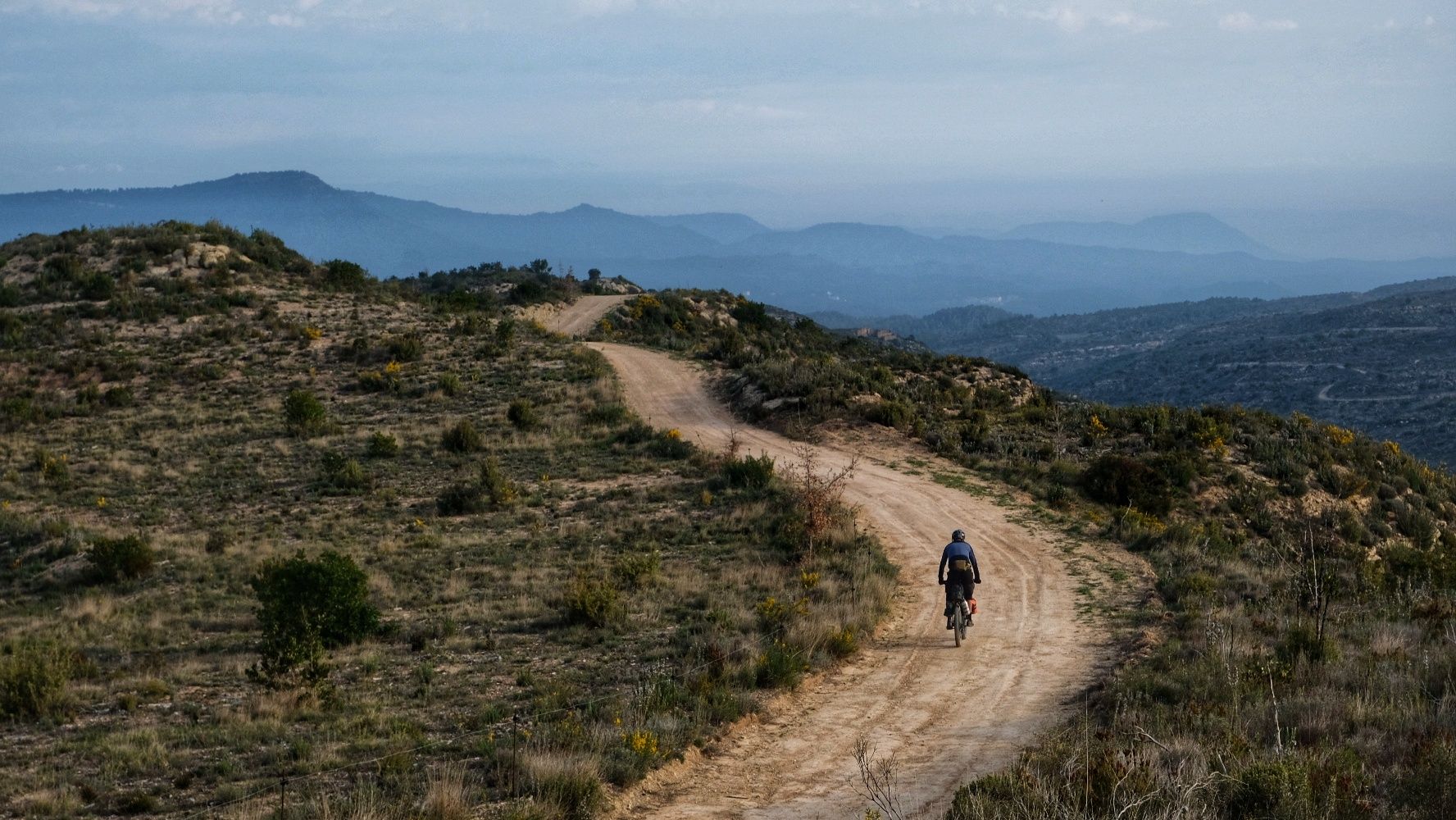
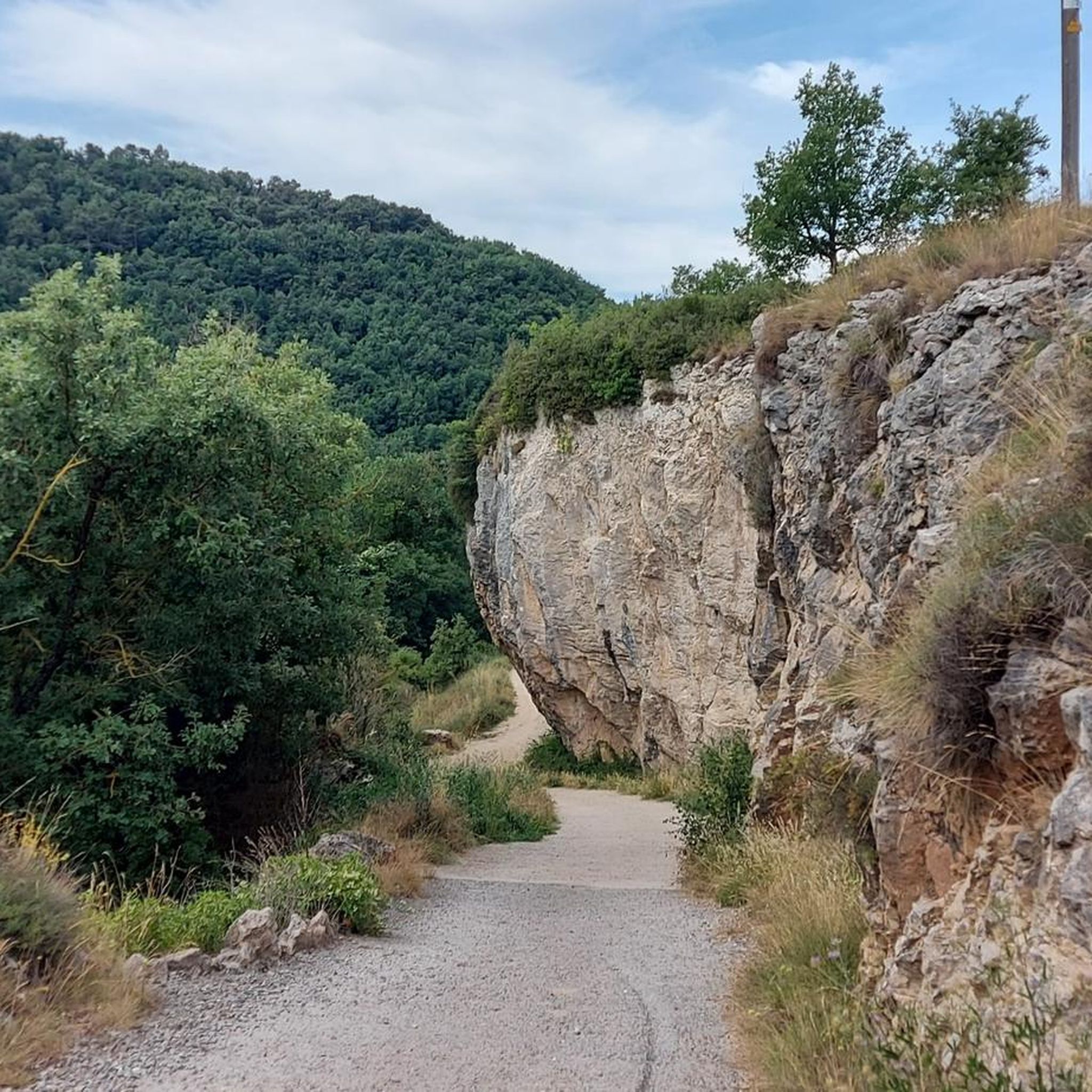
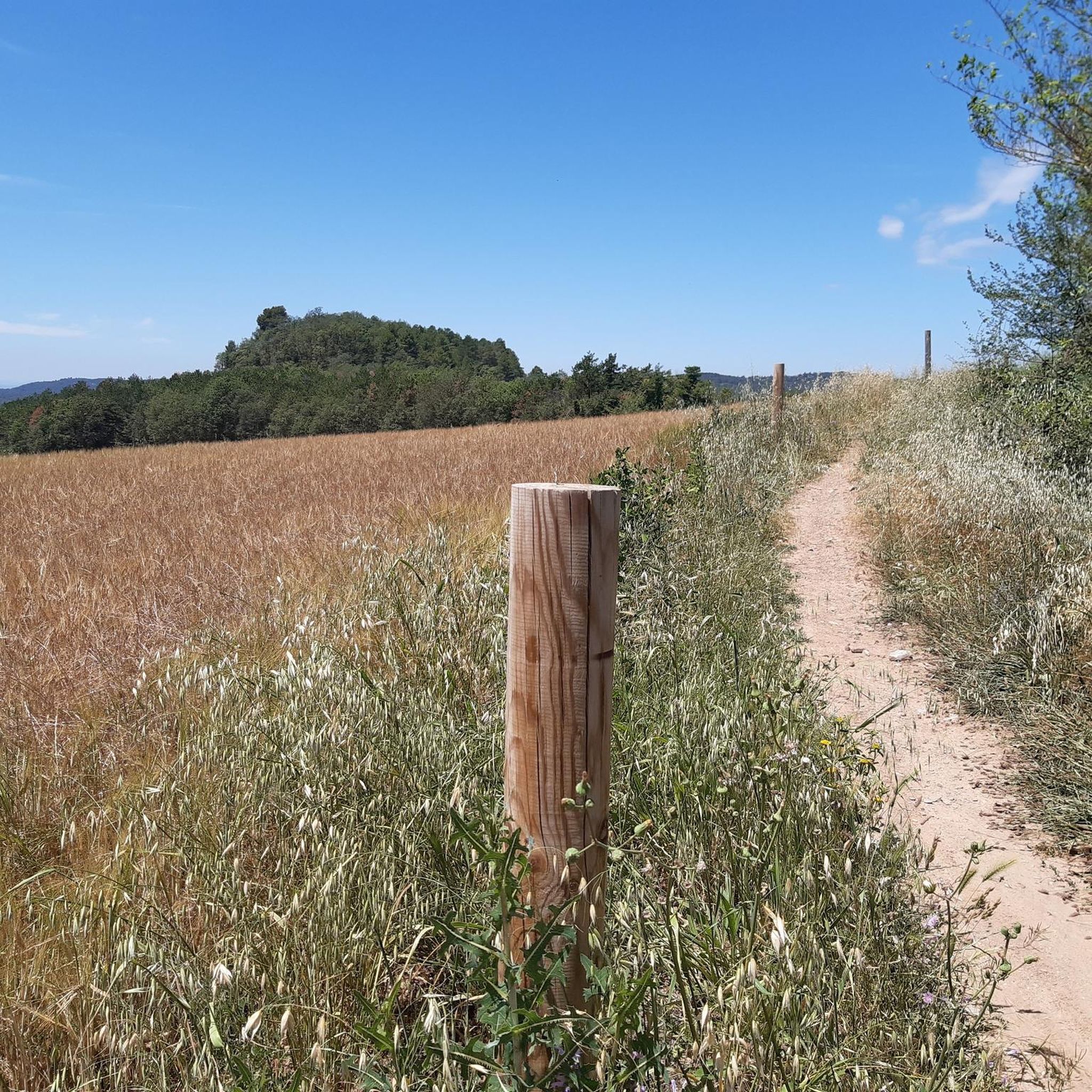
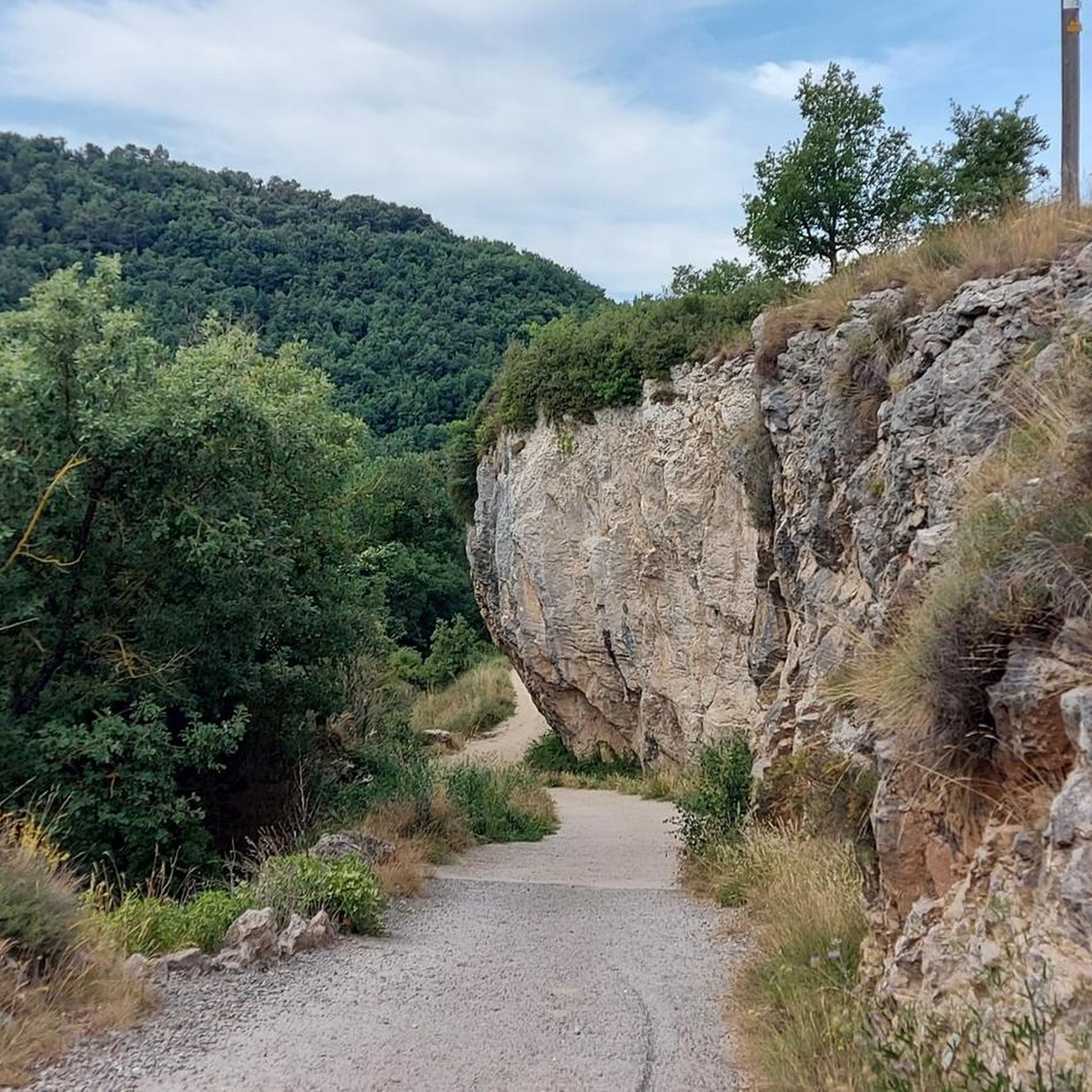
Other adventures around Moià

Tips from the Community

La Cova del Toll is a prehistoric cave located in Moià, in the Moianès region. Situated at an altitude of 745 meters, it has a total length of 1148 meters. The part open for visits is 180.55 meters long and is L-shaped. It is one of the richest prehistoric caves in Europe in terms of Quaternary fauna. The guided tour, very well conducted by the professional and geared towards younger visitors, explains in a very detailed and engaging manner part of the history of these caves, their formation, inhabitants, uses, discovery, and findings.
0
0

A real discovery! Superb views, decent asphalt and virtually no cars.
0
0


Balma with a semicircular plan with a width of 42 m limited in the central part by a difference in level of 4 meters. The most remarkable thing is a small construction to collect the water that drips from the roof, located in the S area of the balma. The bauma is located on the Gobians stream, which originates at the source of the Pets at the top of the ridge. These mudstones are formed by water undermining the softer materials beneath the conglomerate rock. In the past, the orchards of the people of the village reached almost to the bottom of the bauma. These gardens located in the lower part of the town, next to the Talamanca stream and where there was water, provided the town with fresh vegetables over the centuries.
0
0

Especially if it has rained, it is spectacular
0
0

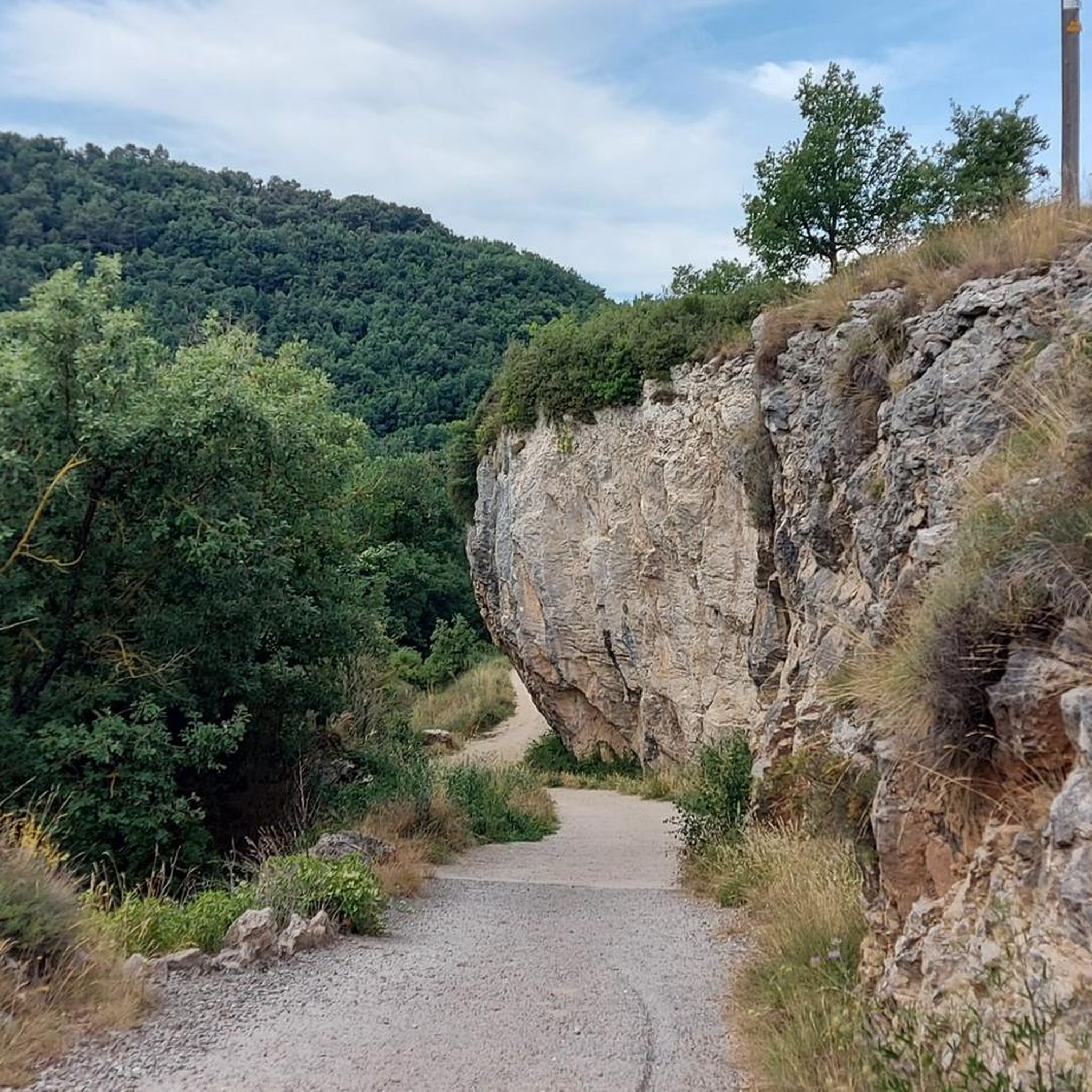
An incredible road with almost no cars. On one side you have cliffs and on the other stunning views. At the end of the road you will come to a monastery. Pay attention in the curves because, despite the fact that there are not many cars, when one passes there is not much space left on the road.
0
1

Old Benedictine sanctuary located in the municipality of San Feliu de Codinas, in the Catalan region of Vallés Oriental. The church was built in a cave, with its own stone serving as a roof. It is the largest troglodyte church in the country. It has a Romanesque portal formed by a semi-circular arch.
1
0

Balma with a semicircular floor plan and a width of 42 m limited in the central part by a difference in level of 4 meters. The most remarkable thing is a small construction to collect the water that drips from the ceiling. The cave is in the middle of the torrent of the Gobians. A path allows us to easily go down to the cave, which can be seen from the track.
2
1
Frequently Asked Questions
What are the most significant caves to visit in the Moià region?
The most significant cave system is the Coves del Toll, renowned for its prehistoric, archaeological, and paleontological importance. Within this complex, the Cova del Toll offers guided tours through its 'T' shaped passages, while the Cova de les Toixoneres is an active archaeological site with Neanderthal remains. Other notable caves include Drac de Vilarjoan Cave, an ancient fossil spring, and Balma dels Gobians, known for its unique water collection structure.
What historical and archaeological discoveries have been made in the Moià caves?
The Coves del Toll are a treasure trove of prehistoric findings. They contain evidence of Neanderthal occupation from 100,000 to 40,000 years ago, along with remains of Quaternary fauna such as cave bears, woolly rhinoceroses, and hippopotamuses. The Cova de les Toixoneres, in particular, has yielded Neanderthal remains and early Neolithic artifacts.
Are there guided tours available for the caves?
Yes, guided tours are available for the accessible parts of the Coves del Toll, typically lasting 30 to 45 minutes. These tours provide insights into the discoveries, ongoing excavations, and the geological history of the caves.
Are the caves around Moià suitable for families with children?
The Coves del Toll are ideal for families. Guided tours are designed to be educational and engaging for all ages. The site also offers educational activities and workshops focused on prehistoric life, such as flint cutting and cave painting, making it a great outing for children.
What geological features can be observed in the Moià caves?
The caves in Moià, particularly the Coves del Toll, originated from a large coral reef when the area was an inland sea approximately 38 million years ago. Over millennia, rainwater filtration carved out extensive networks of chasms, galleries, and rooms. Visitors can observe these unique formations, including stalactite caves found near Sant Miquel del Fai Monastery and Waterfall.
What is the best time to visit the caves in Moià?
While specific best times for cave visits aren't always seasonal, the region's hiking conditions are generally pleasant in spring and autumn. For the Coves del Toll, guided tours operate year-round, but checking their schedule in advance is recommended.
Are there any museums related to the caves in the area?
Yes, the entrance fee to the Coves del Toll includes free access to the Moià Archaeology and Paleology Museum. This museum, located in the birthplace of Rafael Casanova, houses many of the artifacts and remains discovered in the caves, offering a deeper understanding of the region's prehistory.
What outdoor activities can I do near the Moià caves?
The Moià region offers various outdoor activities. You can find numerous running trails, including moderate to difficult loops like the Moià Old Town loop. For cyclists, there are cycling routes and road cycling routes, such as the Sant Cugat de Gavadons gravel route or the Moià Old Town – Avinyó loop.
Are the caves accessible for visitors with mobility challenges?
The Coves del Toll site is committed to accessibility. Structural improvements like ramps and lifts are available in the museum, and wheelchairs can be provided for visitors with functional diversity, ensuring that most of the cave tour is accessible.
Can I find other interesting natural sites near the caves?
Yes, the area around Moià features other natural monuments. Sant Miquel del Fai Monastery and Waterfall is a historical site where you can hike behind a beautiful waterfall and explore stalactite caves. The Sant Miquel del Fai Road also offers stunning views of tall cliffs and gorges.
What is the significance of Balma dels Gobians?
Balma dels Gobians is a semi-circular cave with a width of 42 meters. Its most notable feature is a small construction designed to collect water dripping from the ceiling. This balma is located in the middle of the Gobians torrent.
What is La Balma d'en Xec?
La Balma d'en Xec is a historical cave formed by an old waterfall eroding the cliffs. It served as a refuge for farmers and livestock in the past and is well-preserved, offering a glimpse into the region's agricultural history.
Most popular attractions around Moià

Get inspired with the komoot mobile app


Explore more
Extend your search for the best caves by checking out these guides of the top ones around Moià:
