Top 9 Castles around Lladó
Best castles around Lladó are found in the Alt Empordà region of Spain, an area characterized by its historical significance and diverse landscapes. While Lladó itself is home to the ancient Monastery of Santa Maria de Lladó, a significant historical architectural treasure, the surrounding area offers a variety of castles. These sites range from medieval fortresses to large bastioned structures. The region's terrain includes river valleys and mountainous areas, providing varied settings for these historical landmarks.
Best castles around Lladó
…Last updated: August 13, 2026
Church of Sant Llorenç de la Muga
Highlight • Religious Site
santllorencdelamuga.cat/ca/Sant Llorenç de la Muga is located in the high Muga valley, in an area also known as the mountain Empordà or the Garrotxa d'Empordà due to its mountainous terrain.
Translated by Google •
Tip by

Castell de les Escaules
Highlight • Castle
Period 13th to 15th century
Location: Hill to the south of the town of Les Escaules
Special Interest
Protection Cultural property of national interest (BCIN)
Translated by Google •
Tip by

Sign up now to discover places like this
Get recommendations on the best single tracks, peaks, & plenty of other exciting outdoor places.
Sign up for free
Espinavessa
Highlight • Settlement
Translated by Google •
Tip by
Castillo de San Fernando
Highlight (Segment) • Castle
Translated by Google •
Tip by

Terrades (Town Hall)
Highlight • Settlement
Translated by Google •
Tip by
Sign up for free to discover even more castles around Lladó.
Sign up for free
Already have an account?
Start today with a free account
Your next adventure awaits.
Login or Signup
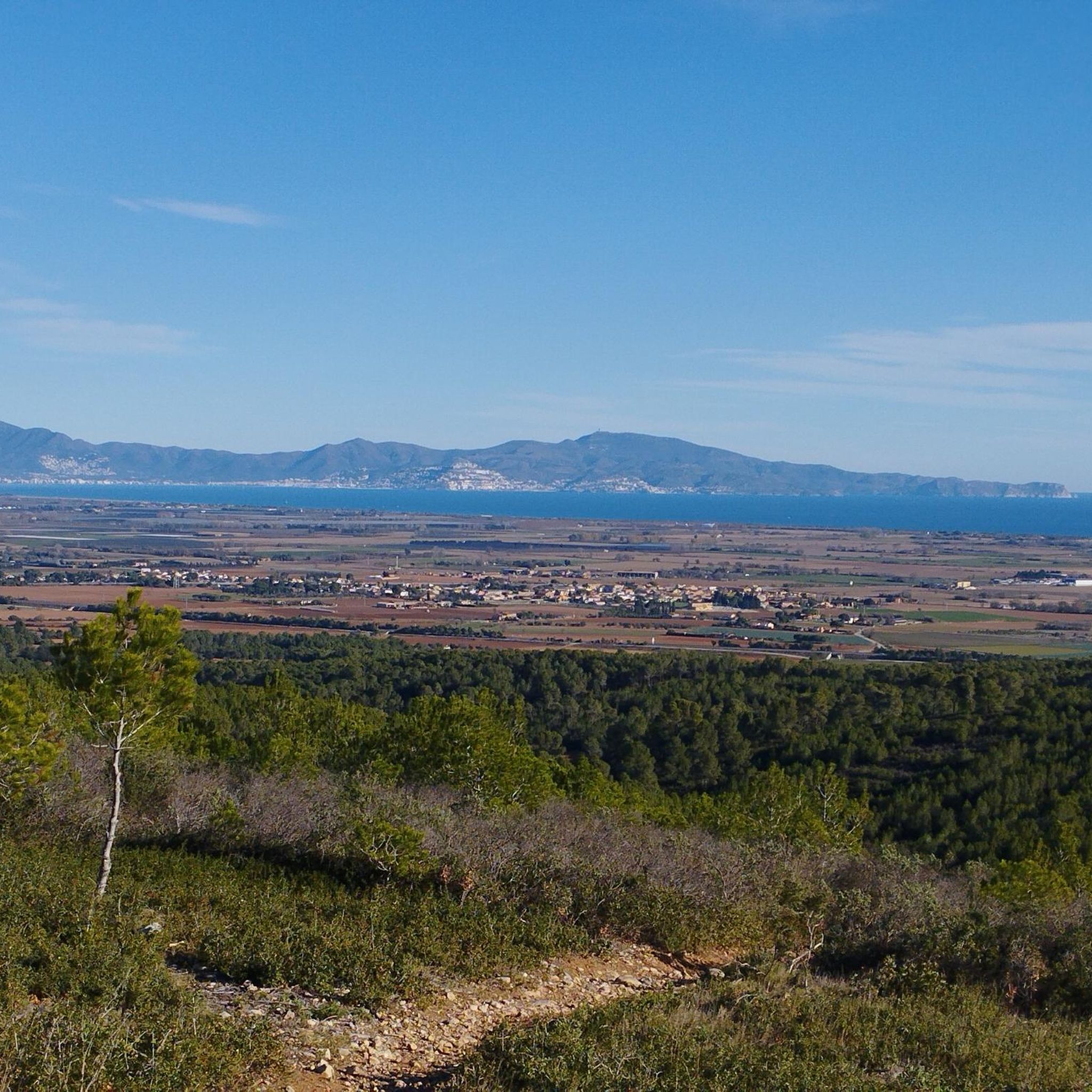
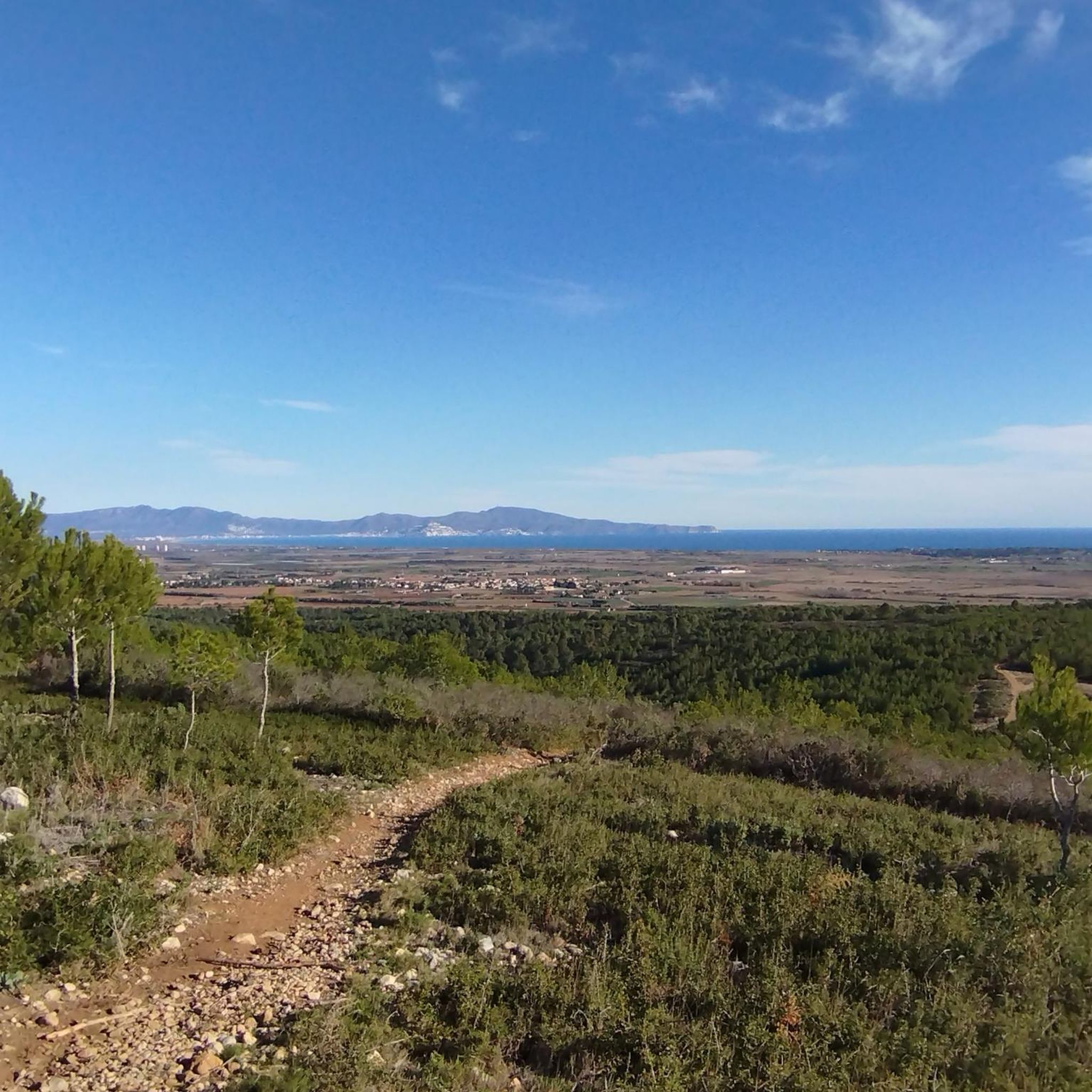
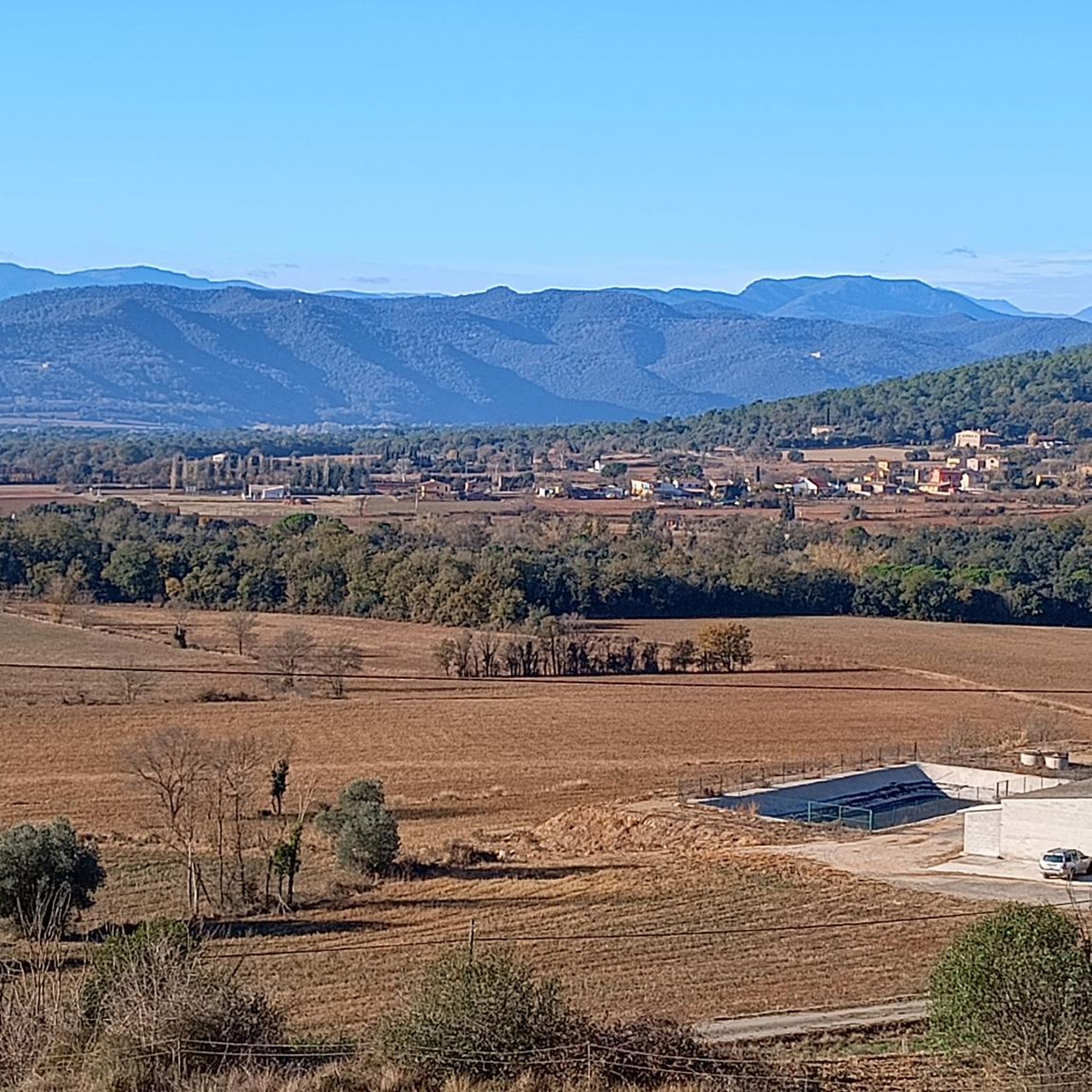

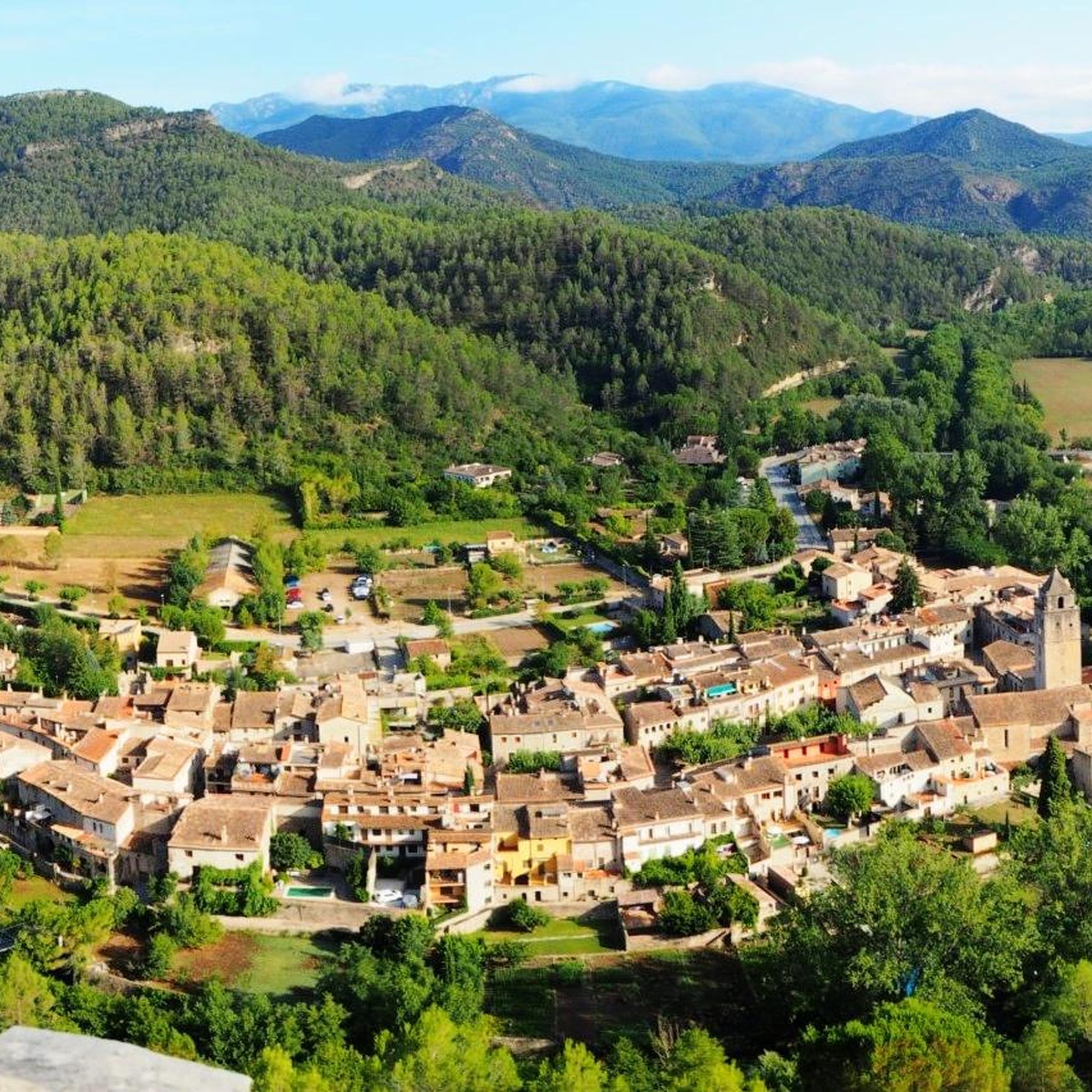
Tips from the Community

...short or long hike possible 👌🥾...great view
0
0

Sant Llorenc de la muga is considered one of the most beautiful towns in Catalonia and is always worth a visit!
0
0

Fanatical medieval village Where you will lose track Of time ⏲️ This town and its surroundings are so beautiful that you will surely fall in love with it 😍
0
0

https://terrades.cat/ Every year, on the first weekend of June, a themed fair dedicated to cherries is held in the municipality of Terrades. One of the most notable attractions in Terrades is its castle, which sits atop a hill near the town. Although only ruins remain today, the castle offers stunning views of the surrounding landscape and is an ideal place for a short excursion to enjoy the natural surroundings.
1
0
https://www.youtube.com/watch?v=_zAW1h5T7skMaybe it's the pleasant climate of the municipality or the expertise of the farmers, who knows. Terrades cherries have no rival in all of the Empordà. There are different varieties, an estimated production of thirty tons per year by about twenty farmers and a mandatory event, the Fair-Market that is held every June, when the streets of Terrades are filled with people who come to taste this Empordà delight. Throughout the day, the sale is combined with children's activities and other recreational activities. Terrades is a municipality located between mountains, in a small valley of the Garrotxes d'Empordà, a border area between the Empordà plain and the foothills of La Garrotxa. It is a few kilometers from the regional capital, Figueres, and is home to an extensive historical-religious heritage spread throughout the municipality. We must highlight the Parish Church of Santa Cecilia, built in 1954 to replace the old Romanesque temple, which completely disappeared in the aftermath of the Civil War, as well as the Palau Surroca Castle (14th and 15th centuries), the hermitages of Sant Sebastià ( 17th century) and Santa Magdalena (15th century) and the Sanctuary of the Mare de Déu de la Salut, from the 17th century.
1
0
Espinavessa is part of the municipality of Cabanelles and, according to the 2011 census, it had 58 inhabitants. One of the most notable points of interest in Espinavessa is the Espinavessa Castle, a medieval fortification built by the Peralada lordship. This castle, which was erected to protect the area from attacks, especially from pirates, is today a historical and tourist monument of great value. From its rooms, you can see the Pyrenees mountains and the Mediterranean coast, which makes it a relevant tourist attraction in the region. The town of Espinavessa is located on the left bank of the Fluvià river, at its confluence with the Sant Jaume stream. Historically, the town was part of the Navata batllia until the 17th century. The population center is compact, with houses dating from the 17th and 18th centuries. Among the places of interest in Espinavessa is the parish church of Sant Llorenç, which dates from the late 18th century but contains earlier elements, such as a Romanesque-style carreu and a 14th-century Gothic tombstone. Another notable place is the Font d'Espinavessa, surrounded by vegetation and formerly used by the town's inhabitants to wash clothes.
2
0
Espinavessa is a small municipality located in the Alt Empordà region, in the province of Girona, Catalonia, Spain. It is part of the municipal area of Cabanelles and, according to the 2011 census, it had 58 inhabitants. One of the most notable points of interest in Espinavessa is the Espinavessa Castle, a medieval fortification built by the Peralada lordship. This castle, which was erected to protect the area from attacks, especially from pirates, is today a historical and tourist monument of great value. From its rooms, you can see the Pyrenees mountains and the Mediterranean coast, which makes it a relevant tourist attraction in the region. The town of Espinavessa is located on the left bank of the Fluvià river, at its confluence with the Sant Jaume stream. Historically, the town was part of the Navata batllia until the 17th century. The population center is compact, with houses dating from the 17th and 18th centuries. Among the places of interest in Espinavessa is the parish church of Sant Llorenç, which dates from the late 18th century but contains earlier elements, such as a Romanesque-style carreu and a 14th-century Gothic tombstone. Another notable place is the Font d'Espinavessa, surrounded by vegetation and formerly used by the town's inhabitants to wash clothes.
2
0
https://www.youtube.com/shorts/x3xhty0PfKEPinturas Murales: Inside the church, you can find mural paintings dating from the 13th and 14th centuries. These paintings depict religious scenes and provide a unique insight into medieval iconography. Place of Pilgrimage: The church has been a place of pilgrimage for centuries, and its religious and cultural importance has endured over time. Visitors flock to the place to admire its historic architecture and art. Location in a Natural Environment: Sant Llorenç de la Muga is located in an impressive natural environment, surrounded by mountains and picturesque landscapes. The church integrates perfectly into this environment, which adds to its appeal. Festival: The town of Sant Llorenç de la Muga celebrates its festival on August 10 in honor of San Lorenzo, the patron saint of the church. During this festival, processions and cultural activities are held that attract visitors from the region.
0
0
Frequently Asked Questions
What historical sites can I visit in Lladó itself?
While Lladó doesn't have traditional castles, it is home to the ancient Monastery of Santa Maria de Lladó. This significant historical architectural treasure dates back to 1017, with its church completed in 1196. It features notable Romanesque architecture, including a well-preserved facade and medieval baptismal font, offering a glimpse into the region's past.
Are there any family-friendly castles to visit near Lladó?
Yes, several castles near Lladó are suitable for families. The Castillo de San Fernando in Figueres is an 18th-century fortress that offers guided tours, making it an engaging experience for all ages. The Church of Sant Llorenç de la Muga, with its medieval walled enclosure, also provides an interesting historical setting for families to explore.
What are some of the most historically significant castles in the wider Alt Empordà region?
Beyond Lladó, the Alt Empordà region boasts several historically significant castles. The Castillo de San Fernando in Figueres is Europe's largest 18th-century bastioned fortress. The Castell de Peralada is a medieval fortress that now houses a luxury hotel, casino, and a notable library. Additionally, the Castell de Requesens near La Jonquera is an impressive 11th-12th century medieval building.
Can I find hiking or cycling routes that include castles near Lladó?
Yes, the area around Lladó offers various routes that can incorporate castle visits. For cycling enthusiasts, there are routes like the 'Lladó – Monastery of Sant Llorenç de Sous loop' or the 'Lake Banyoles – Rocacorba Viewpoint loop'. You can explore more options for cycling around Lladó, MTB trails, and road cycling routes that pass by historical sites and offer scenic views.
What kind of natural features and viewpoints can I expect to see near these castles?
The castles around Lladó are often situated in areas with beautiful natural surroundings. For instance, Castell de les Escaules is located on a hill overlooking the village and valley, providing great views. The Church of Sant Llorenç de la Muga is nestled in the high Muga valley, with the La Muga river offering diverse pools and a mountainous terrain. Many routes in the region provide panoramic views of the Empordà plain and even the Pyrenees mountains.
What is the best time of year to visit the castles and explore the area around Lladó?
The region's pleasant climate makes it suitable for visiting castles and exploring outdoor activities throughout the year. Spring and autumn generally offer milder temperatures, which are ideal for hiking and cycling. Summer can be warm, but many sites are still enjoyable, especially in the mornings or late afternoons. The changing landscapes with the seasons also offer different scenic experiences.
Are there any lesser-known or 'hidden gem' castles in the Lladó region?
While not a hidden gem in the traditional sense, the ruins of Palau Surroca Castle in Terrades offer a more secluded experience. Located atop a hill near the town, only ruins remain, but they provide stunning views of the surrounding landscape and are ideal for a short excursion into nature. Another interesting site is the romantic ruin of Castell de Quermançó above Peralada.
What are the accessibility options for visiting the castles near Lladó?
Accessibility varies by site. Major fortresses like the Castillo de San Fernando often have facilities for visitors, including guided tours. Smaller, older castles or ruins like Castell de les Escaules or the ruins in Terrades might involve walking on uneven terrain or uphill paths. It's advisable to check specific site information for detailed accessibility details.
Can I bring my dog to the castles or on trails around Lladó?
Many outdoor trails and natural areas around Lladó are dog-friendly, allowing you to enjoy walks with your pet. However, regulations for bringing dogs inside historical buildings or specific castle grounds can vary. It's best to check the specific rules for each castle or site you plan to visit. Always keep your dog on a leash and clean up after them.
Where can I find accommodation or places to eat near the castles?
The town of Lladó itself offers cafes, pubs, and accommodation options. Additionally, larger nearby towns like Figueres (home to Castillo de San Fernando) and Peralada (near Castell de Peralada and Castell de Quermançó) have a wider range of restaurants, cafes, and hotels to suit various preferences and budgets.
What is the history of Espinavessa Castle?
The Espinavessa Castle, located in the small municipality of Espinavessa, is a medieval fortification built by the Peralada lordship. It was erected to protect the area, particularly from pirate attacks. Today, it stands as a historical and tourist monument, offering views of the Pyrenees mountains and the Mediterranean coast.
What makes the Church of Sant Llorenç de la Muga unique?
The Church of Sant Llorenç de la Muga, documented since 982, is unique due to its numerous modifications over centuries, resulting in an unusual structure for a Romanesque-style temple with two naves, a transept, and three apses. Its medieval walled enclosure is also well-preserved, and the site includes a privately owned castle documented since the 13th century.
Most popular attractions around Lladó

Get inspired with the komoot mobile app


Explore more
Looking for the best castles somewhere else? Discover other guides around Lladó:
