The 5 Most Amazing Peaks around Villarrubia De Los Ojos
Best mountain peaks around Villarrubia De Los Ojos are found within the Sierra de Villarrubia, part of the Montes de Toledo. This region offers a distinctive mountainous landscape, contrasting with the flat La Mancha plain. The area provides panoramic views of the La Mancha plain and the Tablas de Daimiel National Park. Its well-preserved Mediterranean forest is recognized as part of the Natura 2000 network, supporting diverse plant species and wildlife.
Best mountain peaks around Villarrubia De Los Ojos
- The…
Last updated: July 3, 2026
Summit of Sierra Calderina
Highlight • Summit
Translated by Google •
Tip by

Mingoliva Summit
Highlight • Summit
Translated by Google •
Tip by

Sign up now to discover places like this
Get recommendations on the best single tracks, peaks, & plenty of other exciting outdoor places.
Sign up for free
Morrón de Enmedio
Highlight (Segment) • Summit
Translated by Google •
Tip by

Cerro de las Chocas
Highlight • Viewpoint
Translated by Google •
Tip by

Cerro de Piquito
Highlight • Viewpoint
Translated by Google •
Tip by
Start today with a free account
Your next adventure awaits.
Login or Signup
Popular around Villarrubia De Los Ojos
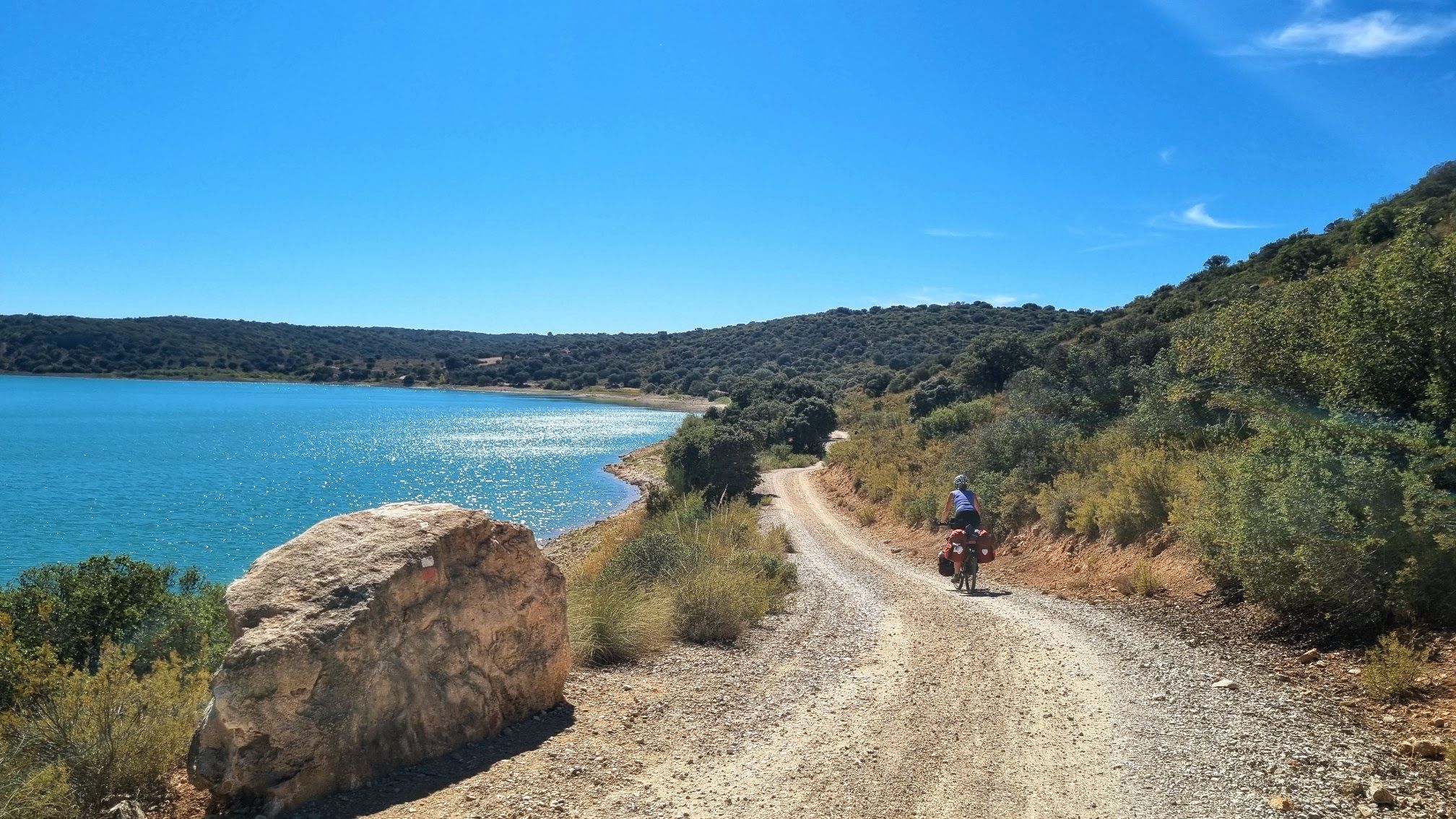
Pedalea junto al gran río — Camino Natural del Guadiana
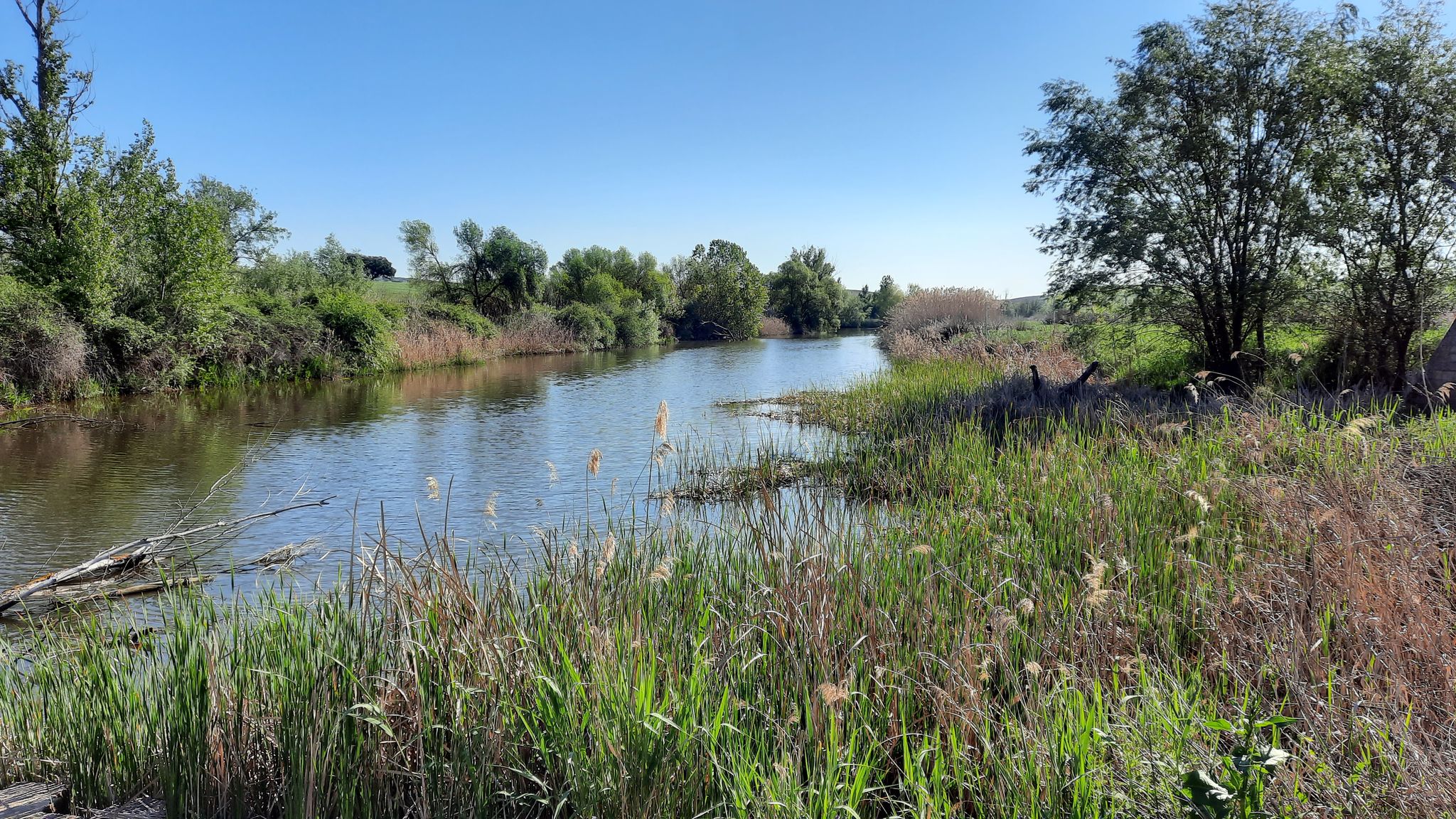
The magic of an endless river – Spain's Guadiana Natural Trail (GR 114)
Road Cycling Routes around Villarrubia De Los Ojos
Hiking around Villarrubia De Los Ojos
Running Trails around Villarrubia De Los Ojos
Cycling around Villarrubia De Los Ojos
MTB Trails around Villarrubia De Los Ojos

Gravel biking around Villarrubia De Los Ojos
Other adventures around Villarrubia De Los Ojos


Tips from the Community

A classic climb for local cyclists, with stunning views, although you'll have to work up a sweat to enjoy them.
0
1

Cerro de Piquito is a peak located within the Tablas de Daimiel National Park. This hill offers stunning panoramic views of the park and is a prime spot for birdwatching and nature photography.
15
0
Cerro de las Chocas is a hill located within the Tablas de Daimiel National Park. This hill offers stunning panoramic views of the park and is a prime spot for birdwatching and nature photography.
13
0
Climbing Mingoliva is one of the typical ascents of the Madridejos mountains, and one of the highest peaks (1,038 meters), making it one of the most visited for the views and panoramic views from above. There are several ascents up the slope to take the "path" that takes us to the top. It is advisable to pay attention to where there are several chains that cut off access to motor vehicles, so that if we go down through the same place we do not have any unpleasant surprises. As for the descent, it can be done through other more technical areas: either because the slope is very steep, because of the looseness of the terrain, there are some paths that link with some firebreaks and other paths that go down through the undergrowth, they are paths. quite a few techniques that zigzag down through the undergrowth. If you are not used to this type of paths, it is better to go down where you came up, more than a few of us have had a roll in the rockroses.
1
0

Next to the Morrón de Enmedio mountain we find this road that winds through these forests in what is called the Sierra del Reventón.
1
0

From the road you can already see the antennas at the top of the Calderina and even if they seem too far away, I guarantee that it is worth climbing to the top. Once up you will have beautiful views of this region of the Montes de Toledo and a little further to the neighboring province of Ciudad Real.
3
0
Frequently Asked Questions
What are the most notable mountain peaks or elevated areas in Villarrubia De Los Ojos?
The region around Villarrubia de los Ojos is characterized by the Sierra de Villarrubia, part of the Montes de Toledo. Key elevated areas include the Summit of Sierra Calderina, known for its beautiful views of the Montes de Toledo, and Morrón de Enmedio, a summit and viewpoint featuring a road winding through the Sierra del Reventón. Another significant spot is Cerro de las Chocas, offering panoramic views within the Tablas de Daimiel National Park.
What kind of views can I expect from the mountain peaks in this region?
The elevated positions within the Sierra de Villarrubia, such as from the Cerro de San Cristóbal and the Mirador de La Mancha, offer breathtaking panoramic views. You can see the sprawling La Mancha plain, which contrasts sharply with the mountainous terrain, and the unique wetland ecosystem of the Tablas de Daimiel National Park. The Summit of Sierra Calderina is particularly noted for its stunning vistas.
Are there family-friendly mountain walks or easy trails around Villarrubia De Los Ojos?
Yes, there are options suitable for families. The Sendilla de San Cristóbal is a short, scenic hiking route (approximately 1 kilometer) leading to the Hermitage of San Cristóbal on Cerro de San Cristóbal, offering excellent views. For more hiking options, you can explore routes like the "Isla del Pan Trail" which is rated as easy. Find more details on family-friendly hiking in the Hiking around Villarrubia De Los Ojos guide.
What outdoor activities can I do near these mountain peaks?
The area offers diverse outdoor activities. Hiking is popular, with trails like the Sendilla de San Cristóbal and Sendilla de la Virgen. Cycling is also a major activity, with routes such as the "Parque Nacional Tablas de Daimiel — circular from Villarubia de los Ojos." You can find more detailed information on various routes in the Hiking around Villarrubia De Los Ojos and Cycling around Villarrubia De Los Ojos guides.
What kind of wildlife and flora can I expect to see on the mountain trails?
The Sierra de Villarrubia is known for its well-preserved Mediterranean forest, which is part of the Natura 2000 network. This rich ecosystem supports a wide variety of plant species, including rockroses, lavender, rosemary, and thyme, especially vibrant in spring. It's also an important area for wildlife, serving as a refuge for species like the Iberian imperial eagle, black vulture, and Iberian lynx.
Are there any challenging mountain routes for experienced hikers or cyclists?
Yes, for those seeking a challenge, the Mingoliva Summit is one of the highest peaks in the Madridejos mountains (1,038 meters) and offers challenging ascents with technical descents. For cyclists, routes like the "Villarrubia de los Ojos – Puerto de los Santos loop" are rated as difficult. You can explore more challenging options in the Cycling around Villarrubia De Los Ojos guide.
What is the best season for hiking and exploring the mountain peaks in Villarrubia De Los Ojos?
Spring is particularly charming for hiking, as the rockroses, lavender, rosemary, and thyme are in full bloom, making the trails vibrant and fragrant. Autumn also offers pleasant temperatures and beautiful colors. Summers can be hot, so early mornings or late afternoons are recommended if visiting during this season.
Are there any historical or cultural sites associated with the mountain areas?
Yes, the area holds historical significance. The Hermitage of San Cristóbal, located on Cerro de San Cristóbal, is an important local landmark. Additionally, vestiges of pre-Roman castles have been found within the Sierra de Villarrubia, indicating a long history of human presence in these mountainous landscapes.
What makes the Sierra de Villarrubia unique compared to other mountain regions?
The Sierra de Villarrubia, part of the ancient Montes de Toledo, is unique for its dramatic contrast with the flat La Mancha plain. It acts as a 'natural viewpoint' and 'balcony' offering exceptional panoramic vistas, including views of the Tablas de Daimiel National Park. Its well-preserved Mediterranean forest and ecological value, recognized by the Natura 2000 network, also set it apart.
Can I find loop hikes around the mountain peaks?
Yes, there are several loop options available. For instance, the "Sendilla de San Cristóbal Loop" is a moderate 9.8 km hiking trail. For cyclists, the "Parque Nacional Tablas de Daimiel — circular from Villarubia de los Ojos" offers a moderate loop. More loop routes can be found in the Hiking around Villarrubia De Los Ojos and Cycling around Villarrubia De Los Ojos guides.
What should I bring for a mountain hike in Villarrubia De Los Ojos?
For any hike in the region, it's advisable to bring sufficient water, especially during warmer months. Comfortable hiking shoes are essential, and depending on the season, layers of clothing are recommended. Sun protection (hat, sunscreen) is also important due to the open views. For longer or more challenging routes, consider bringing snacks and a map or GPS device.
Most popular routes around Villarrubia De Los Ojos
Most popular attractions around Villarrubia De Los Ojos

Get inspired with the komoot mobile app


