Top 5 Gorges around Tíjola
Canyons around Tíjola are primarily defined by La Cerrá de Tíjola, a significant geological formation carved by the Bacares River within the Almanzora Valley. This area features tall, vertical stone walls, some reaching over 100 meters, and a landscape with waterfalls and pools. The region offers opportunities for hiking and exploring historical remnants, including old water mills and ancient settlements. These natural features contribute to the area's appeal for outdoor activities.
Best canyons around Tíjola
- The most popular canyons is…
Last updated: June 19, 2026
El Estrecho de Urrácal
Highlight • Gorge
Translated by Google •
Tip by

El Cantaril Gorge
Highlight • Gorge
Translated by Google •
Tip by

Sign up now to discover places like this
Get recommendations on the best single tracks, peaks, & plenty of other exciting outdoor places.
Sign up for free
Cueva de la Paloma
Highlight • Cave
Translated by Google •
Tip by
La Cerrada de Valentín (La Cerrá), Tíjola
Highlight • Gorge
Translated by Google •
Tip by
Salto del Caballo
Highlight • Gorge
Translated by Google •
Tip by
Start today with a free account
Your next adventure awaits.
Login or Signup
Tips from the Community

The shortest beautiful gorge in the world
2
0

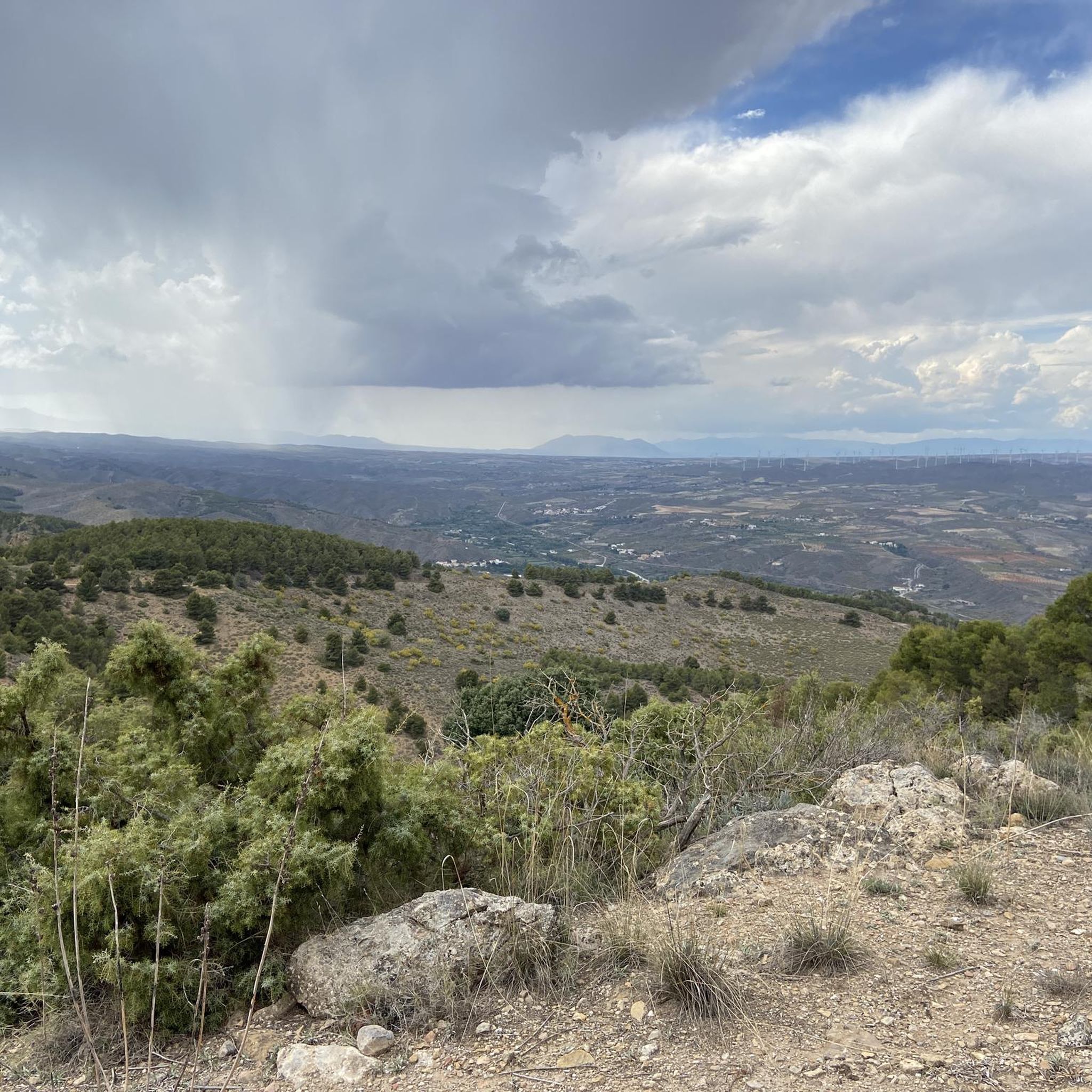
Challenging gorge, very quiet and unknown in the middle of nature with beautiful views, intended for the real biker and hiker.
0
0

One of the places that most impresses those who take a walk through the Almanzora Valley in the north of Almería, is El Estrecho located in the municipality of Urrácal. This narrow gorge is located on the Salada Rambla at the foot of the El Castillico hill. For decades it has not been possible to pass due to the large amount of vegetation that was on the boulevard. In the past, with the flooding of the riverbed, it was cleaned naturally, but the construction of dams to prevent large avenues and floods has caused, over the years, a large number of oleanders, tamarisks, blackberries and false reeds to appear. They prevented access. Thanks to the cleaning work that has been carried out, today we can enjoy a walk that surprises us with its particular geological formations of great beauty. The passage of water, which will accompany us along the route of this gorge, and the action of the wind, have shaped these spectacular geological formations for years, and its walls reach several meters high. It consists of two separate formations whose length reaches around half a kilometer where our senses will begin to enjoy the spectacle that this environment offers. A natural wonder worth exploring! 🌿🏞️
7
0
The Cueva de la Paloma in Bayarque, Andalusia, is a cavernous opening located at the foot of a steep peak. Its reddish and brown esplanade is formed by the compact accumulation of mineral rubble that fills the abrupt relief of the environment. This cave is located in the Bacares River gorge, with vertical limestone pits approximately 120 meters high. Access is free and available for visits. 🌿🏞️
1
0

This narrow gorge is located on the Rambla Salada at the foot of the hill “El Castillico”. For decades it has not been possible to pass due to the large amount of vegetation that was on the boulevard. Formerly, with the flooding of the riverbed, it was naturally cleaned but the construction of dams to prevent large avenues and floods has caused a large number of oleanders, tarays, blackberries and false reeds to appear over the years. the access. Thanks to the cleaning work that has been carried out, today, we can enjoy a walk that surprises us with its particular geological formations of great beauty. The passage of water, which will accompany us on the route of this gorge, and the action of the wind, have shaped these spectacular geological formations for years, and their walls reach several meters in height. It consists of two separate formations whose length reaches around half a kilometer where our senses will begin to enjoy the spectacle that this environment offers.
2
0
We will arrive at the top of Salto del Caballo where, according to legend, a cornered Moorish preferred to throw himself into the void with his mount rather than fall prisoner, NOT suitable for people with vertigo.
0
1
Located in the municipality of Bayarque, the Cueva de la Paloma is a cavernous opening at the foot of a steep peak, with a reddish and brown esplanade formed by the accumulation of mineral rubble, very compacted, that fill the abrupt relief of the environment. Outside we found a small hill on one side of the vertical wall that bordered the castle of Tíjola la Vieja, located in front. The place of La Cerrá, where it is located, is a gorge of the Bacares River, with vertical limestone pits with an approximate height of 120 meters. The sickle described by the river around a raised rock formation configures the natural fortress of the Tíjola la Vieja settlement. The Legend of the Treasure of the Cueva de la Paloma is shared by the residents of Tíjola and those of Bayarque. The locals say that when the artillery attack of Don Juan de Austria took place, the Moors fled at night, taking with them some food and the most valuable belongings for them, but they did not manage to take everything and hid most of their riches taking advantage of the grottos and caves in the area. It is assumed that most of a lavish treasure is hidden in the bowels of the Cueva de la Paloma, or in its surroundings.
1
0
The Paraje de La Cerrada de Valentín, La Cerrá, is a narrow and vertiginous gorge of several dozen meters, more than 120, a gash in the rock through which a small section of the Bacares River runs. Spectacular nature, history, work and leisure are concentrated there. Since my great grandparents, my family has been linked to their environment, hard work and happy moments. It is a benchmark of the natural and cultural heritage of the City of Tíjola. There are many vestiges of ancient populations settled in the environment. The place must have been very coveted for the abundance of water, mineral deposits and the defensive strength of the land. The current of water and its great unevenness favored agricultural use, livestock and the driving force for mills and other industries. The surrounding subsoil hides copper, iron, cinnabar and agate. La Cueva de la Paloma produced copper from the Argaric period (II millennium BC) until the last century. The abundance of limestone is remarkable, indispensable for ashlars, masonry and mortar. To the south, the Sierra de los Filabres offered wood, honey and all kinds of medicinal plants. To the north, just a few hundred meters, La Muela is a huge deposit of pottery clay of the best quality.
0
0
Frequently Asked Questions
What are the most notable canyons to explore around Tíjola?
The primary canyon experience in the region is La Cerrá de Tíjola, an impressive formation carved by the Bacares River. Within this area, you can explore specific highlights such as El Estrecho de Urrácal, known for its unique geological formations, and El Cantaril Gorge, which is part of a panoramic trail.
What kind of natural features can I expect to see in the canyons near Tíjola?
The canyons around Tíjola, particularly La Cerrá, are characterized by tall, vertical stone walls, some over 100 meters high, sculpted by the Bacares River. You'll find lush riverside vegetation, numerous waterfalls, and beautiful pools. The area also features impressive geological formations shaped by water and wind, creating a spectacular natural landscape.
Are there historical or cultural sites within the canyons?
Yes, the canyons offer a glimpse into the region's history. Along the hiking trails, you can discover the ruins of old water mills and a former light factory. Higher up, near Cueva de la Paloma, are the ruins of Tíjola la Vieja, an ancient settlement with remnants of Arab fortress cisterns, providing historical insight and expansive views.
What outdoor activities can I do near the canyons of Tíjola?
The area around Tíjola's canyons is excellent for various outdoor activities. You can enjoy hiking on trails like the 'Saw by the Era del Violín' or 'Las Minas de Talco'. For cycling enthusiasts, there are routes such as the 'Sierro and Almanzora Greenway Loop'. Mountain biking is also popular, with challenging trails like the 'Serón Railway Station – El Cantaril Gorge loop'. You can find more details on these activities in the hiking, cycling, and MTB guides for Tíjola.
Is it possible to explore caves in the Tíjola canyon area?
Yes, the legendary Cueva de la Paloma (Cave of the Dove) is an impressive mountain cave located in the Bacares River gorge. It features multiple rooms and passages with various rock formations and minerals. Historically, this cave was an ancient copper mine exploited across different civilizations.
What is the best time of year to visit the canyons around Tíjola?
The canyons are beautiful year-round, but spring and autumn offer the most pleasant temperatures for hiking and exploring. During these seasons, the weather is generally mild, making it ideal for enjoying the natural beauty and outdoor activities without the intense heat of summer or the cooler temperatures of winter.
Are there any viewpoints offering panoramic views of the canyons?
Yes, several spots offer spectacular panoramic views. From higher points along hiking trails in La Cerrá, you can see the surrounding mountains and valleys. Additionally, the ruins of Tíjola la Vieja, near Cueva de la Paloma, provide expansive views of the Almanzora Valley and the canyon landscape.
Can I find wild swimming spots in the canyons?
The Bacares River, which carves through La Cerrá de Tíjola, features numerous waterfalls and pools. The Fuente del Huevo (Egg Fountain) is a natural spring with crystal-clear, fresh waters forming pools and waterfalls, offering a tranquil oasis for those looking to enjoy the water.
What is the difficulty level of hiking trails in the Tíjola canyons?
Hiking trails in the Tíjola canyons vary in difficulty. For example, El Estrecho de Urrácal offers a walk through particular geological formations, while El Cantaril Gorge is part of a short-distance panoramic trail. Some areas, like Salto del Caballo, are considered challenging and not suitable for those with vertigo due to steep drops.
Are there any specific tips for visiting the canyons?
When visiting the canyons, it's advisable to bring suitable mountain shoes and clothing, especially for areas like La Cerrada de Valentín (La Cerrá), Tíjola. Be prepared for varied terrain and always respect the natural environment. For specific highlights like El Estrecho de Urrácal, recent cleaning efforts have made access easier, allowing visitors to enjoy the unique geological formations.
What makes the geology of the Tíjola canyons unique?
The geology of the Tíjola canyons is unique due to the millions of years of erosive action by the Bacares River, carving through the Sierra de los Filabres. This has created impressive vertical limestone walls, some reaching 120 meters high, and distinctive rock formations. The area also has a history of mineral deposits, including copper, iron, cinnabar, and agate, which were historically exploited.
Most popular attractions around Tíjola

Get inspired with the komoot mobile app


Explore more
Already discovered everything in this region? See additional gorges around Tíjola for your next adventure:
