Top 6 Caves around Beceite
Best caves around Beceite are situated in the Matarraña region of Teruel, Spain, an area characterized by its natural landscapes and geological formations. The region features notable rock canyons, tunnels carved into rock, and vertical walls, particularly along routes like El Parrizal. Beceite offers opportunities to explore natural landforms and sites with archaeological significance, including prehistoric human activity. The area provides a blend of natural beauty and historical context for visitors.
Best caves around Beceite
- The most popular caves is…
Last updated: May 6, 2026
Glass Cave
Highlight • Cave
Translated by Google •
Tip by

Cova de la Dona
Highlight • Cave
Translated by Google •
Tip by

Sign up now to discover places like this
Get recommendations on the best single tracks, peaks, & plenty of other exciting outdoor places.
Sign up for free
Cova d'en Marc
Highlight • Cave
Tip by

l'Angerra Cave
Highlight • Cave
After folding the roof, there are two holes as windows that illuminate the interior.
Translated by Google •
Tip by

Cave of the Air
Highlight • Cave
Translated by Google •
Tip by

Sign up for free to discover even more caves around Beceite.
Sign up for free
Already have an account?
Start today with a free account
Your next adventure awaits.
Login or Signup

Tips from the Community

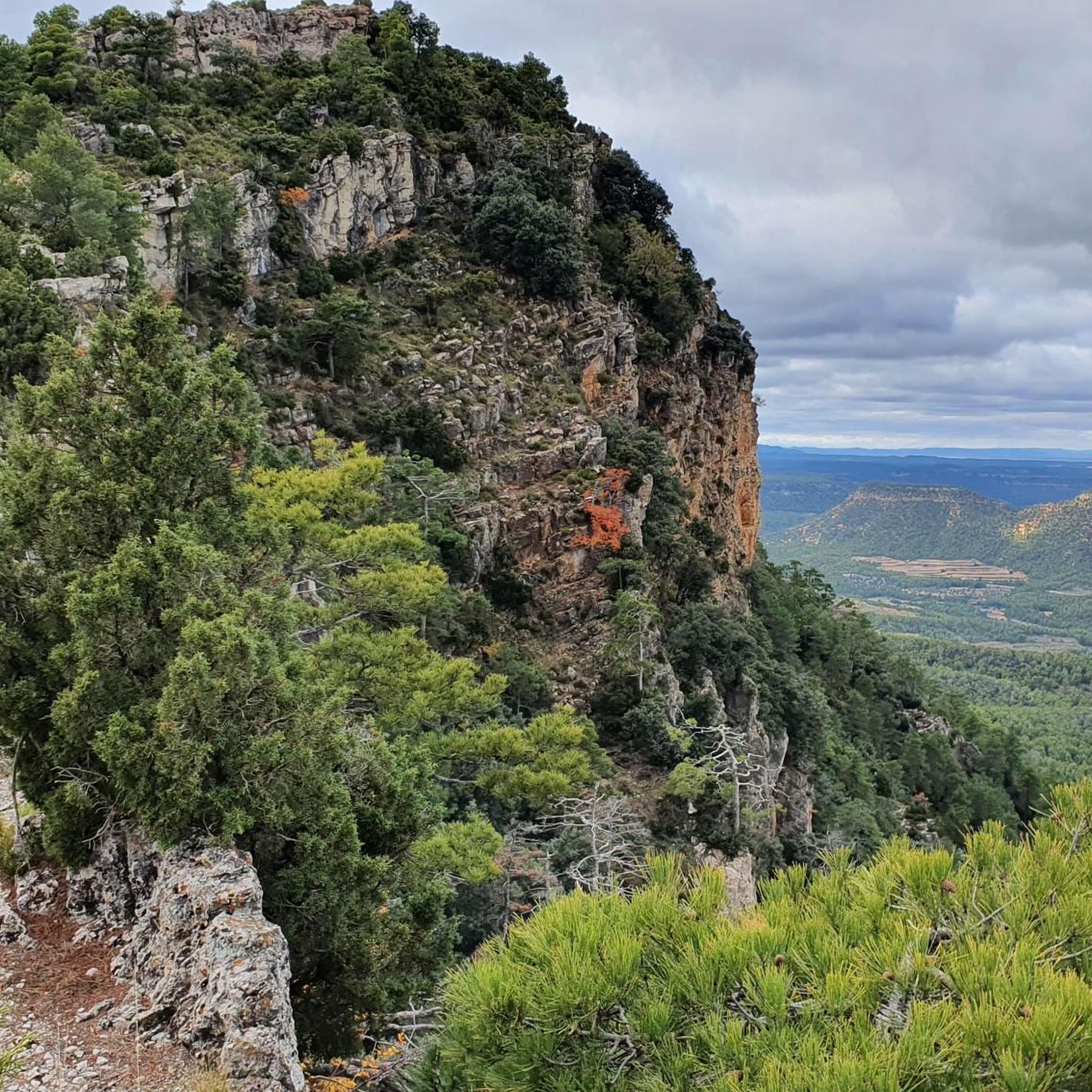
Nice walk up to Castell de l'Airosa. Check my video: https://youtu.be/WS7DskqEu7I
2
0

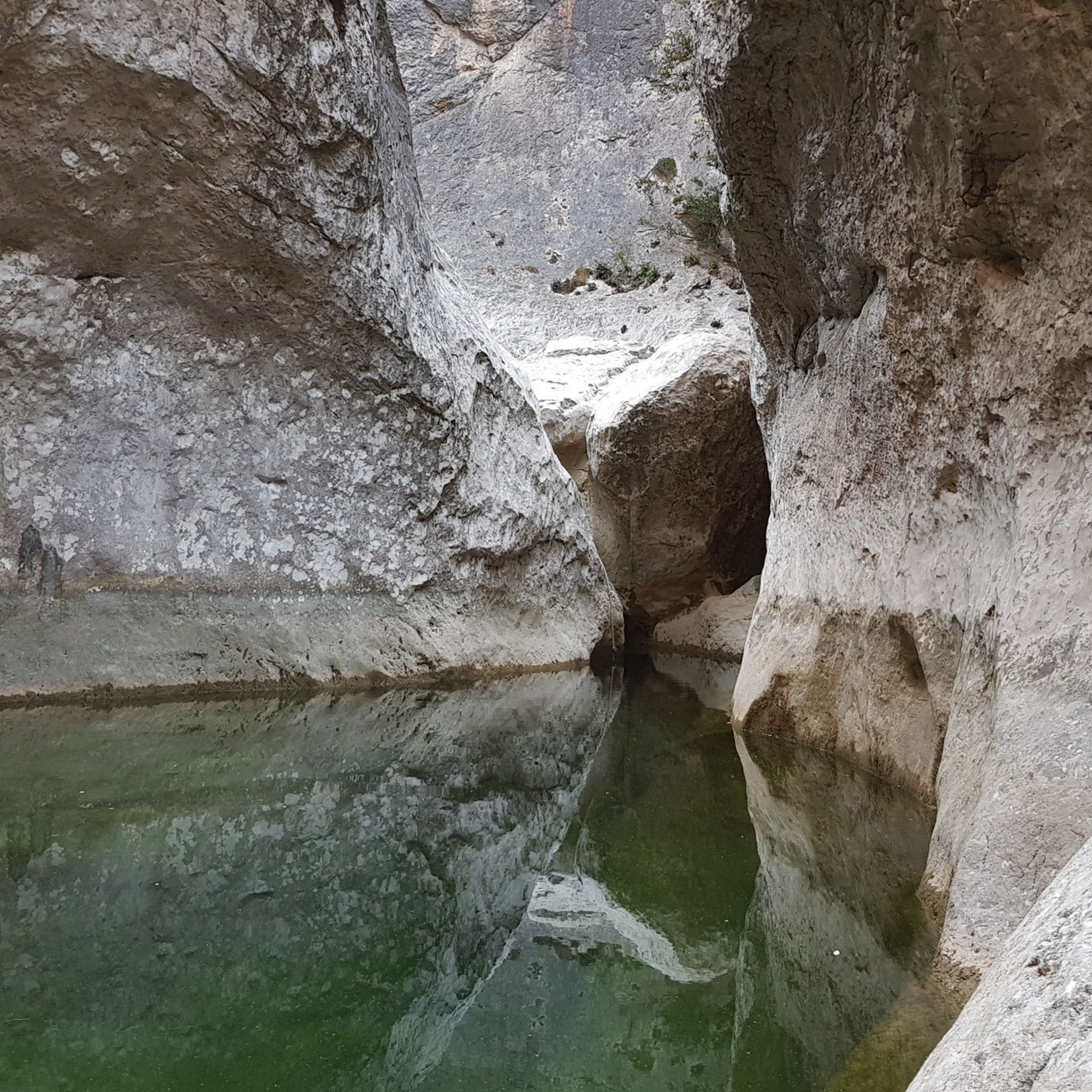
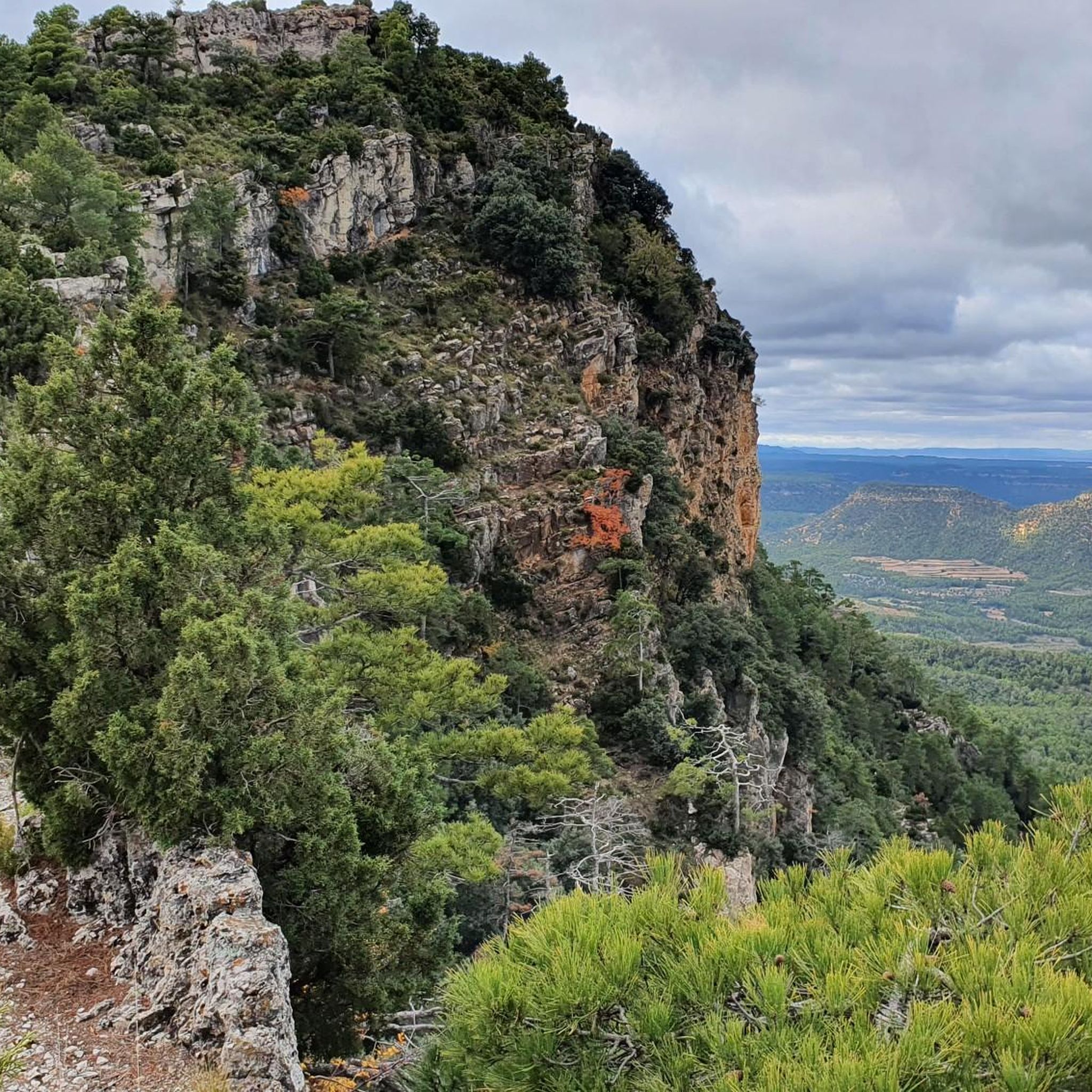
Cave that is located on the rise of Forat de l'Airosa between cliffs and hanging walls!
0
1

The mouth of the cave has large dimensions, 30 meters wide by about 15 high, forming a gallery about 45 meters long, occupied in part by blocks of rather large dimensions, appearing ascending in the first stretch to descend again in the final part. For a large part of the route, it preserves the dimensions of the entrance, reducing the height progressively. Below the highest part of the gallery originates a lower concavity about 15 meters long and about 10 wide and which is penetrated by a steep slope. Like other cavities in the Massif del Port, the walls are largely blackened. Cavity known since time immemorial. At the beginning of the 20th century, Neolithic remains were found and over time different archaeological activities of interest have been carried out. Mentioned in all the old speleological catalogues, it is, together with Cova Cambra, one of the most popular cavities in the Port. Lluís Porta i Massana, in his article, explains that during the wars of the 17th and 18th centuries, many of the residents of Mas de Barberans took refuge there, making each family a kind of living room with boxwood branches. He also explains that around 1828 a gang of 14 bandits, called "the Glebes", lived for quite some time in the lower chamber of the cave, even when shepherds and flocks slept in the big cave. It seems that they were the authors of twenty murders and robberies on the way out of Tortosa. They were able to arrest seven of them who died by hanging in Tortosa on January 29, 1829. Bayerri, in his Historia de Tortosa y su comarca (1934), comments that the name of the cave originates from the mineral crystallizations that are said to be there.
1
0
The Cova de la Dona can be found on the left (in the direction of the N-S march) before arriving at Pla de la MIna. It is one more of the many hollows on the route. It is signposted and the photo is almost mandatory.
1
0

At the Portell del Infern pass, you have to look for a path that goes to the left of the path to visit the Cova del Aire, another of the natural wonders of La Tinença.
1
0

going up to Casetes Velles, halfway there is the entrance that takes you to the Cave.
1
0

A curious cave that used to be dedicated to livestock. After folding the roof, there are two holes as windows that illuminate the interior.
5
0
Frequently Asked Questions
What kind of natural formations can I expect to see in the caves around Beceite?
The Beceite area, particularly along routes like El Parrizal, features impressive geological formations. You can expect to see spectacular rock canyons, tunnels carved into the rock, and vertical walls. Notable examples include the "Estrets" (narrows) in El Parrizal, which are 200 meters long, 60 meters high, and only about 1 meter wide in parts. Caves like Cova d'en Marc are situated between cliffs and hanging walls, offering a challenging experience amidst dramatic scenery.
Are there any caves with historical significance in the Beceite area?
Yes, the region offers sites with archaeological and historical significance. The Fenellosa Cave Paintings, located within the popular El Parrizal route, are World Heritage cave paintings dating back to around 3500 BC, showcasing prehistoric human activity. Additionally, Glass Cave is known for Neolithic remains found at the beginning of the 20th century, and it has a history of being a refuge during wars and even a hideout for bandits.
Which caves are easily accessible or well-known in Beceite?
Cova de la Dona is a well-known natural landform and tourist attraction located directly in Beceite, near the Font del Pla de la Mina spring. It is signposted and easily found before arriving at Pla de la Mina. The El Parrizal route, while not a single cave, features cave-like elements and is a very popular and accessible hiking route in parts.
What is the best time of year to visit the caves and natural formations in Beceite?
The Matarraña region, where Beceite is located, is known for its pleasant climate. Spring and autumn generally offer the most comfortable temperatures for exploring the natural landscapes and cave sites, avoiding the peak heat of summer or potential chill of winter. These seasons are ideal for hiking the El Parrizal route and visiting the cave paintings.
Are there family-friendly options for exploring caves or cave-like formations near Beceite?
While some caves like Cova d'en Marc offer a challenging experience, the El Parrizal de Beceite route provides an immersive natural experience that can be enjoyed by families. It features wooden walkways over the Matarraña River and offers opportunities to observe wildlife. The route is easily accessible in parts, making it suitable for a family outing to explore the scenic canyons and rock formations.
What outdoor activities can I do near the caves around Beceite?
The Beceite region is excellent for various outdoor activities. You can find numerous routes for cycling, mountain biking, and gravel biking. For example, there are several cycling routes like the "Beceite Stone Bridge – Pena Reservoir loop" and MTB trails such as the "King's Hill - Hermitage of San Miquel" route. Explore more options on the Cycling around Beceite, MTB Trails around Beceite, and Gravel biking around Beceite guides.
Are there any viewpoints associated with the caves or natural monuments?
Yes, Cave of the Air is a natural monument that also serves as a viewpoint. You can find this cave by following a path to the left of the main trail at the Portell del Infern pass, offering scenic vistas of the surrounding landscape. Cova d'en Marc is also listed as a natural monument and viewpoint.
What should I wear when exploring the caves and trails in Beceite?
Given the natural terrain, including rock canyons and hiking trails, it's advisable to wear comfortable hiking shoes with good grip. Layers of clothing are recommended to adapt to changing temperatures, especially if exploring inside caves or during different times of the day. For routes like El Parrizal, which involve walking along a river, quick-drying clothing might be beneficial.
Are there any caves that were used for purposes other than shelter or habitation?
Yes, l'Angerra Cave is a curious cave that was historically dedicated to livestock. After a roof collapse, it now features two holes that act like windows, illuminating its interior. This offers a glimpse into the traditional uses of natural shelters in the region.
What makes the El Parrizal de Beceite route special?
El Parrizal de Beceite is renowned for its spectacular natural beauty and unique geological features. It's characterized by crystal-clear turquoise waters of the Matarraña River, lush surroundings, and impressive rock canyons. The route includes wooden walkways suspended over the river and the famous "Estrets" (narrows), making it one of the most beautiful and immersive natural experiences in Spain. It also hosts the Fenellosa Cave Paintings, adding archaeological significance.
Are there any specific challenges when visiting Cova d'en Marc?
Cova d'en Marc is described as a challenging experience. It is located on the rise of Forat de l'Airosa, nestled between cliffs and hanging walls. Visitors should be prepared for a more demanding walk to reach and explore this natural monument.
Where can I find parking when visiting the natural sites around Beceite?
For popular areas like El Parrizal de Beceite, designated parking areas are typically available near the trailheads. It's advisable to check local signage or visitor information centers in Beceite for specific parking locations and any potential fees, especially during peak seasons.
Most popular routes around Beceite
Most popular attractions around Beceite

Get inspired with the komoot mobile app


