Top 5 Castles around Cuarte De Huerva
Best castles around Cuarte De Huerva are found in this municipality near Zaragoza, Spain, which holds historical vestiges offering insight into its rich past. The area is known for its strategic importance, particularly its Muslim-era fortifications along the Huerva river. These sites provide a tangible link to the region's medieval history and the confluence of cultures. Visitors can explore remnants of fortified structures that played a role in the defense of Zaragoza.
Best castles around Cuarte De Huerva
- The most…
Last updated: May 6, 2026
Aljafería Palace
Highlight • Castle
Translated by Google •
Tip by

Roman Walls and Torreón de la Zuda, Zaragoza
Highlight • Historical Site
Translated by Google •
Tip by

Sign up now to discover places like this
Get recommendations on the best single tracks, peaks, & plenty of other exciting outdoor places.
Sign up for free
Aljafería Park
Highlight (Segment) • Castle
Translated by Google •
Tip by
Santa Fe Monastery
Highlight • Religious Site
Translated by Google •
Tip by

María de Huerva Castle
Highlight • Castle
Translated by Google •
Tip by
Sign up for free to discover even more castles around Cuarte De Huerva.
Sign up for free
Already have an account?
Start today with a free account
Your next adventure awaits.
Login or Signup
Tips from the Community

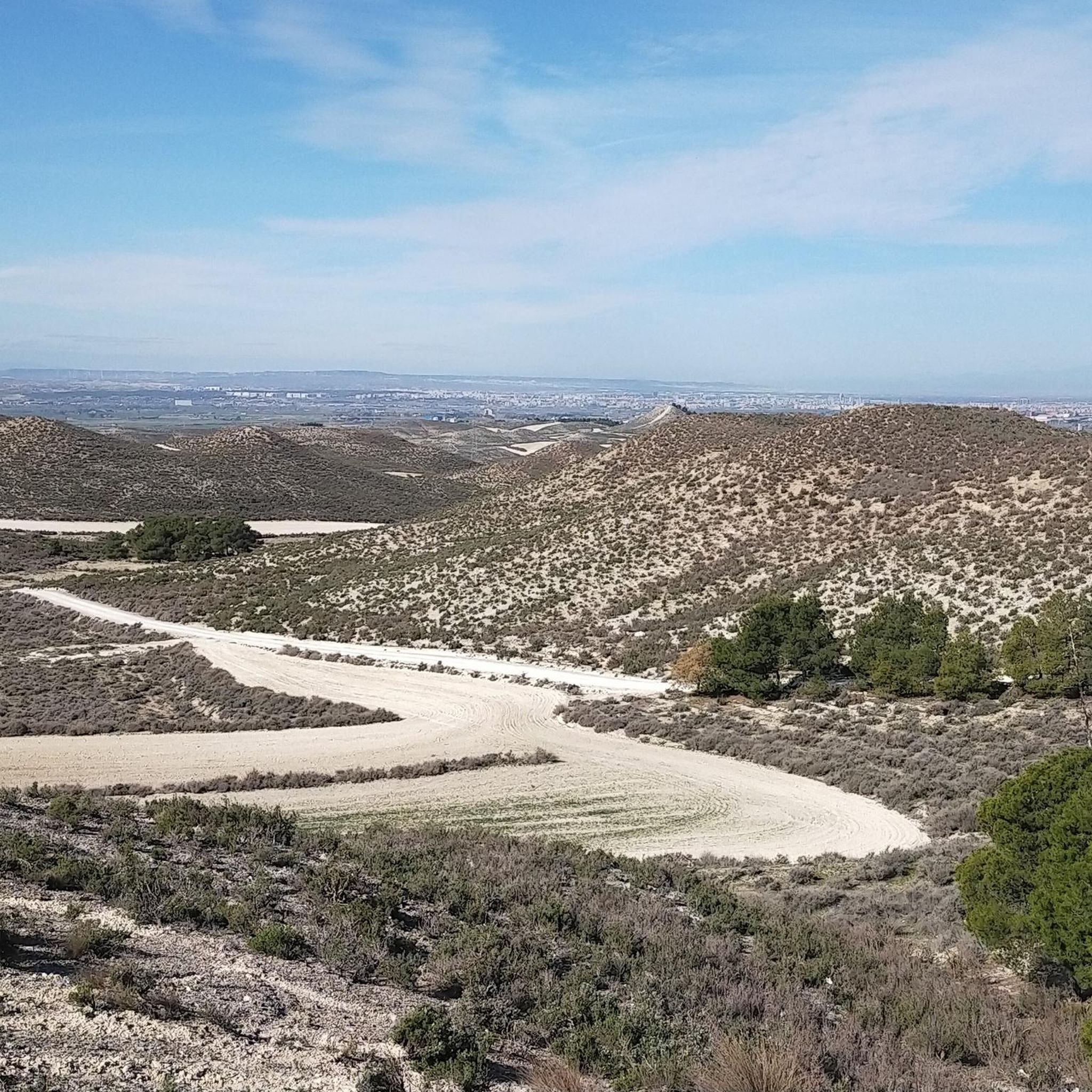
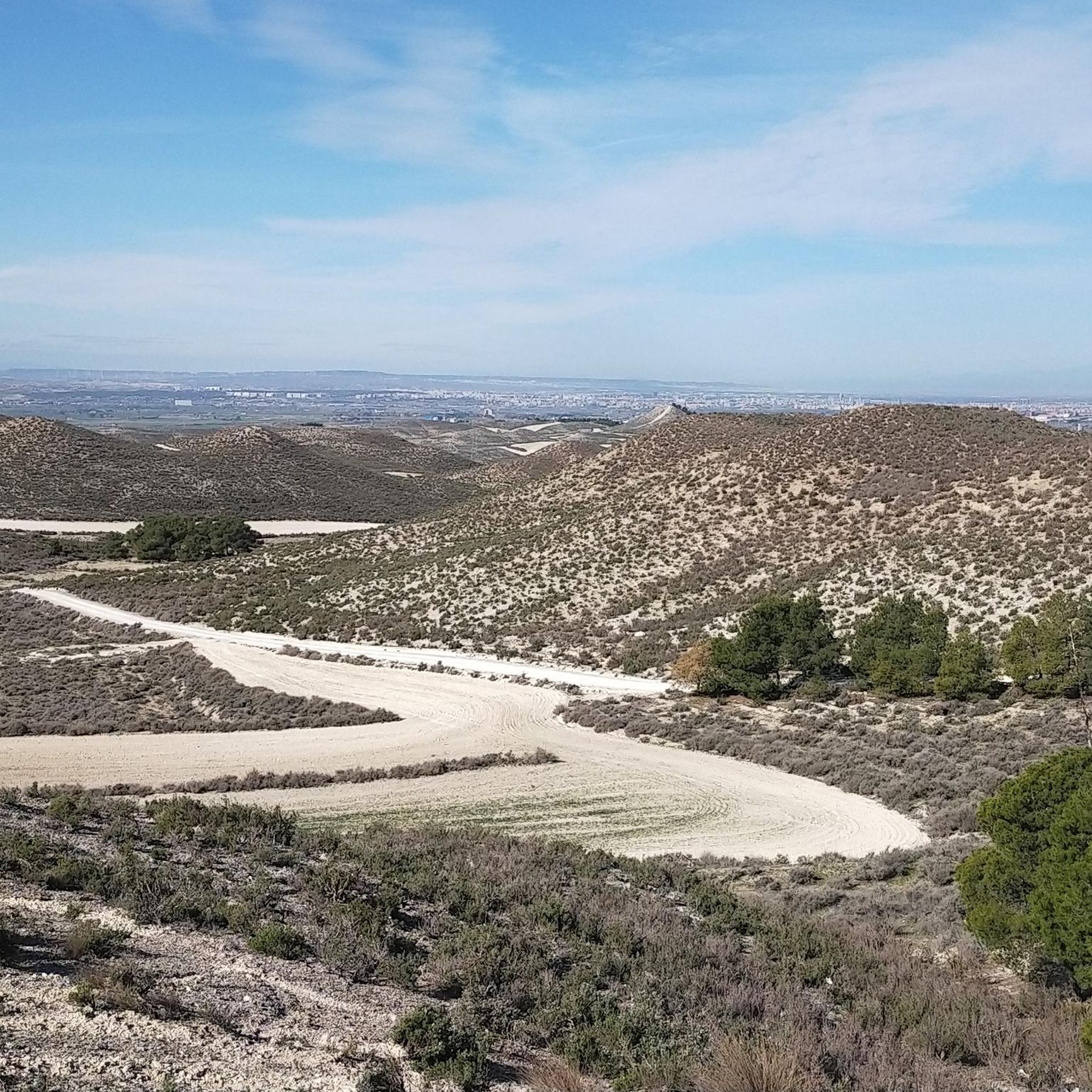
From Viveros Rhey there is a direct road, recently paved
0
0

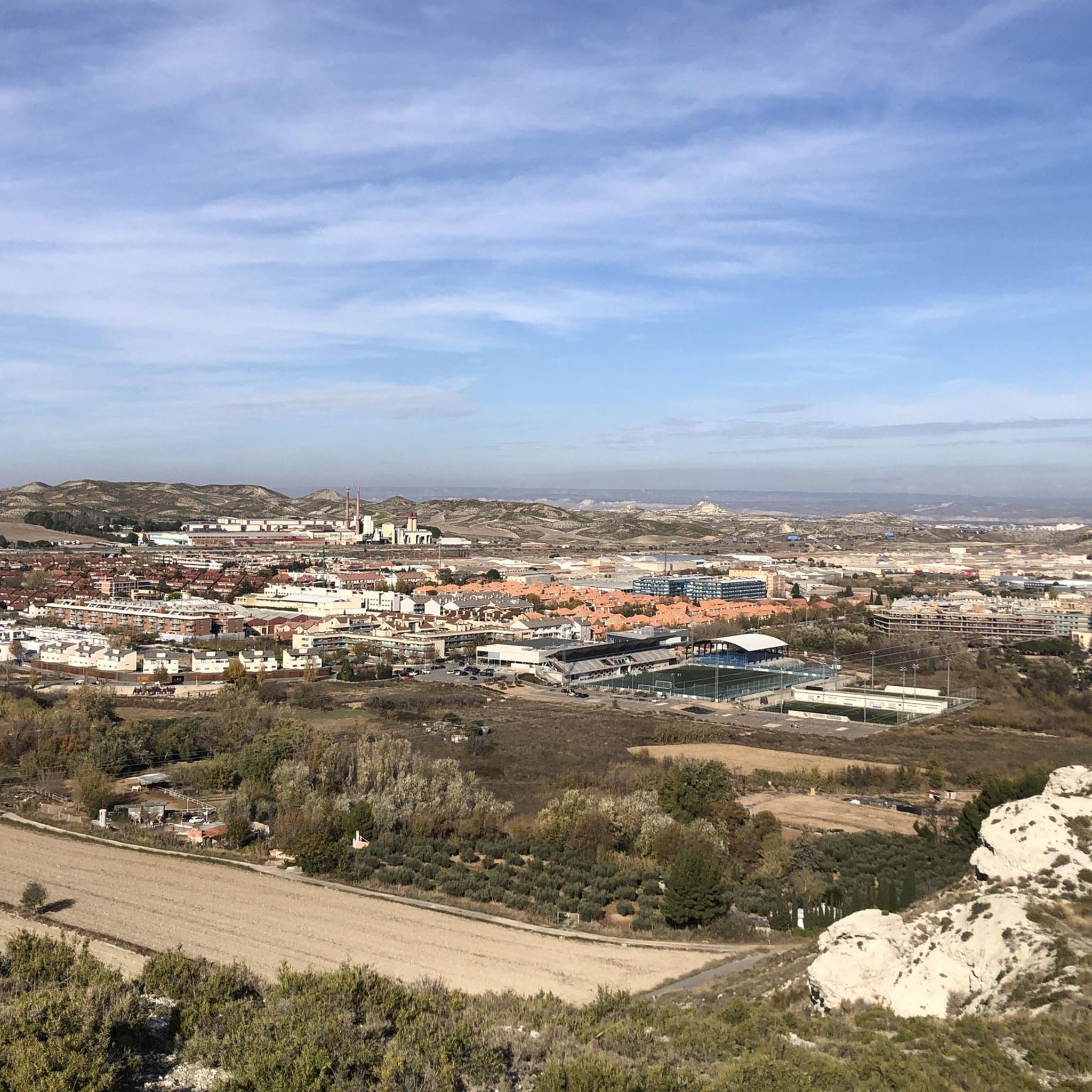
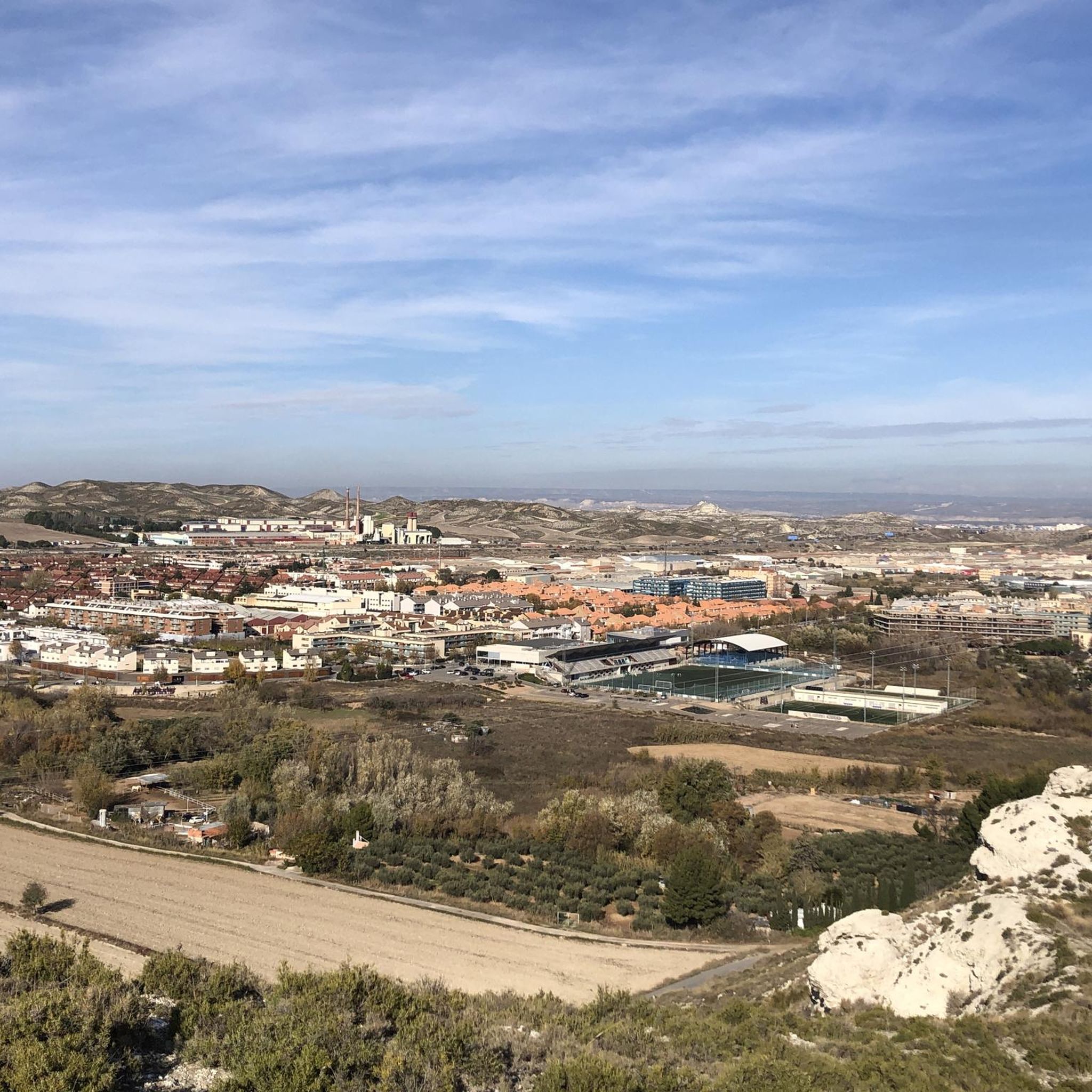
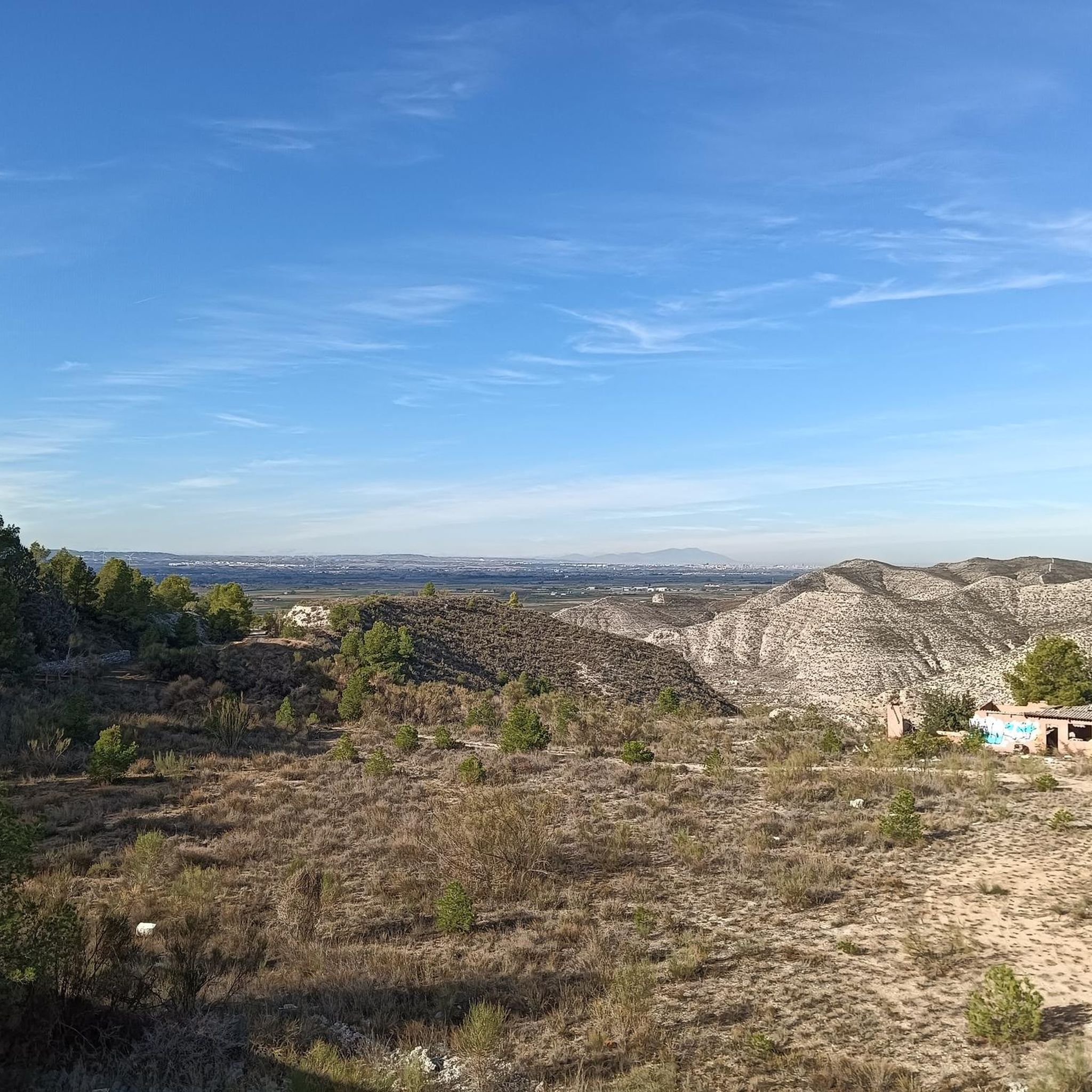
The Castle of María de Huerva, also known as the Atalaya, is a monument of Muslim origin located in the municipality of María de Huerva, in the province of Zaragoza. Built during the 10th century, Abderramán III quartered part of his troops in this castle to attack Zaragoza. The castle is located on a promontory, away from the town and on the other side of the Huerva River. Remains of an oval enclosure with a major axis of about 50 metres have been preserved, presided over by a half-ruined adobe tower.
4
0

There are few preserved walls, they seem low but they were so deep, they are free to visit. However, it is advisable to book the Roman visit to Zaragoza, it is cheap at 5.5 euros and for 3 euros more a visit to the Roman museums is included, very interesting.
5
0

In the afternoon it opens at 4.30pm
1
0

It is worth enjoying it inside as well, not just outside.
2
1
Park around the Aljafería Palace.
2
0
Sometimes it seems like you are in Rome, everywhere you go you can see ruins from that time.
3
0

Declared a World Heritage Site by UNESCO in 2001. It is a fortified palace of Aragonese Mudejar style, built in the second half of the 11th century. It was ordered to be built by Al-Muqtadir, king of the Taifa of Saraqusta between 1046 and 1081, to be the residence of the Hudi kings, an Arab dynasty that reigned in Zaragoza, among other places, from 1039 to 1110. Throughout its history, the Aljaferia Palace has had different functions and, therefore, several reconstructions. It has served as a Taifal palace, a Mudejar palace, palace of the Catholic Monarchs, an Inquisition prison, military barracks and seat of the Cortes of Aragon. Visit by booking guided tours (for free) or on your own. You can visit the Muslim palace, the Mudejar palace and the Troubadour Tower. In the Muslim palace, you’ll find the Patio de Santa Isabel, one of the most beautiful corners of the Aljaferia. Be sure to appreciate the details of the beautiful Arab arches. Do not miss the permanent exhibition, the throne room and the facilities that were used as a prison inside the Troubadour Tower. Free guided tours take place at 10:30 a.m., 11:30 a.m., 12:30 p.m., 4:30 p.m., 5:30 p.m. and 6:30 p.m. In the morning, it is open from 10:00 a.m. to 2:00 p.m. In the afternoon, it is open from 4:00 p.m. to 6:30 p.m. (from November to March) and from 4:30 p.m. to 8:00 p.m. (from April to October). On Sundays from November to March, it is closed in the afternoon, so guided tours are only available in the morning. Admission is €5 or €1 if you are over the age of 65, a student, or have a youth card. On Sundays, it is free. https://reservasonline.aljaferia.com/
1
0
Frequently Asked Questions
What are the most historically significant castles and sites near Cuarte de Huerva?
The region around Cuarte de Huerva is rich in history. Key sites include the magnificent Aljafería Palace, a unique example of Spanish-Islamic art and a former royal residence. You can also explore the ruins of María de Huerva Castle, a Muslim-origin fortress that played a role in Zaragoza's defense. Additionally, the Santa Fe Monastery, a Cistercian monastery with defensive features, offers a glimpse into the area's past. While largely in ruins, the vestiges of the Castillo de Quart in Cuarte de Huerva itself are historically significant as a 10th-century Muslim fortress.
Are there any well-preserved castles or palaces to visit?
Yes, the Aljafería Palace is exceptionally well-preserved and stands as a testament to Spanish-Islamic art and later Aragonese royalty. It is currently the seat of the regional parliament of Aragon. Other sites like María de Huerva Castle and the Santa Fe Monastery offer significant historical ruins and architectural vestiges.
What kind of outdoor activities can I do near these castles?
The area around Cuarte de Huerva offers various outdoor activities. You can find numerous hiking, cycling, and running trails. For instance, there are easy hiking loops like the "Santa Fe Monastery loop from Cuarte de Huerva" and moderate cycling routes such as the "View of Cadrete Castle – Santa Fe Monastery loop from Cuarte de Huerva." You can explore more options and detailed routes in the Hiking around Cuarte De Huerva, Cycling around Cuarte De Huerva, and Running Trails around Cuarte De Huerva guides.
Are there family-friendly castles or historical sites in the area?
Yes, several sites are suitable for families. The Aljafería Palace is a great option, offering a rich historical experience in a well-maintained setting. The nearby Aljafería Park provides a pleasant green space for children to enjoy. The Roman Walls and Torreón de la Zuda in Zaragoza are also considered family-friendly historical sites.
What is the best time of year to visit the castles near Cuarte de Huerva?
The region experiences hot summers and mild winters. Spring (April-May) and autumn (September-October) generally offer the most pleasant weather for exploring historical sites and engaging in outdoor activities. During these seasons, temperatures are moderate, making walks around ruins and visits to palaces more comfortable.
Can I find hiking trails that incorporate castle views or historical landmarks?
Absolutely. Many trails in the area combine natural beauty with historical points of interest. For example, the "View of Cadrete Castle – Santa Fe Monastery loop from Cuarte de Huerva" cycling route offers views of both landmarks. The "Santa Fe Monastery loop from Cuarte de Huerva" is an easy hiking option that takes you past the monastery. Check the Hiking around Cuarte De Huerva guide for more routes that pass by historical sites.
What are the historical origins of the castles in this region?
Many of the fortifications in the Cuarte de Huerva area, including the Castillo de Quart and María de Huerva Castle, have Muslim origins, dating back to the 10th and 11th centuries. They formed part of Zaragoza's southern defensive system during the Taifa period. After the Reconquista in the 12th century, many of these castles passed into Aragonese hands and were adapted or rebuilt, showcasing a blend of architectural styles and historical influences.
Is there parking available near the main castle attractions?
For the Aljafería Palace, there is public parking available, and the nearby Aljafería Park also offers parking facilities. For other sites, especially those in more rural or ruined states like Castillo de Quart or María de Huerva Castle, parking might be less formal, often available in nearby village areas or designated spots for trail access.
What do visitors particularly enjoy about the castles and historical sites here?
Visitors appreciate the deep historical significance and the tangible link to the past that these sites offer. The Aljafería Palace is highly praised for its stunning architecture and rich history, with many noting its unique blend of Islamic and Christian influences. The ruins of castles like María de Huerva Castle are valued for their historical importance and the scenic views they often provide from their elevated positions.
Are there any castles or historical sites that are less known but worth visiting?
While the Aljafería Palace is well-known, the vestiges of the original Castillo de Quart in Cuarte de Huerva, though largely ruined, offer a compelling historical insight into the region's Muslim past and its strategic importance. The Santa Fe Monastery, despite its current state of abandonment, represents a fascinating example of a fortified monastic complex with a rich history spanning centuries.
Can I reach these castles using public transport?
Zaragoza, where the Aljafería Palace and Roman Walls are located, is well-served by public transport. For sites further afield like María de Huerva Castle or the Santa Fe Monastery, public transport options might be more limited, often requiring a combination of bus services to nearby towns and then a walk or taxi.
Are there any cafes or restaurants near the castles?
Near the Aljafería Palace in Zaragoza, you'll find numerous cafes and restaurants within walking distance, given its urban location. For castles and sites in more rural settings, such as María de Huerva Castle or the Santa Fe Monastery, amenities will be available in the nearest towns or villages like Cuarte de Huerva itself.
Most popular routes around Cuarte De Huerva
Most popular attractions around Cuarte De Huerva

Get inspired with the komoot mobile app


Explore more
Looking for the best castles somewhere else? Discover other guides around Cuarte De Huerva:
