Top 5 Castles around Nava De Roa
Best castles around Nava De Roa are found in the surrounding Duero Valley region, as Nava de Roa itself does not have standing castles. This municipality in the province of Burgos, Spain, originated during medieval repopulation and saw prosperity between the 16th and 18th centuries. While the town suffered destruction in 1836, its historical interest lies in religious architecture like the 17th-century Parish Church of San Antolín Mártir and the ruins of the Chapel of Santa Ana. The area is…
Last updated: July 3, 2026
Peñafiel Castle
Highlight • Castle
Translated by Google •
Tip by

Curiel de Duero Castle
Highlight • Castle
Translated by Google •
Tip by

Sign up now to discover places like this
Get recommendations on the best single tracks, peaks, & plenty of other exciting outdoor places.
Sign up for free
Haza and its castle
Highlight • Castle
This small walled town of the Ribera del Duero …
Translated by Google •
Tip by
Haza
Highlight • Settlement
Translated by Google •
Tip by
Palacio de los Zúñiga
Highlight • Historical Site
Translated by Google •
Tip by

Start today with a free account
Your next adventure awaits.
Login or Signup
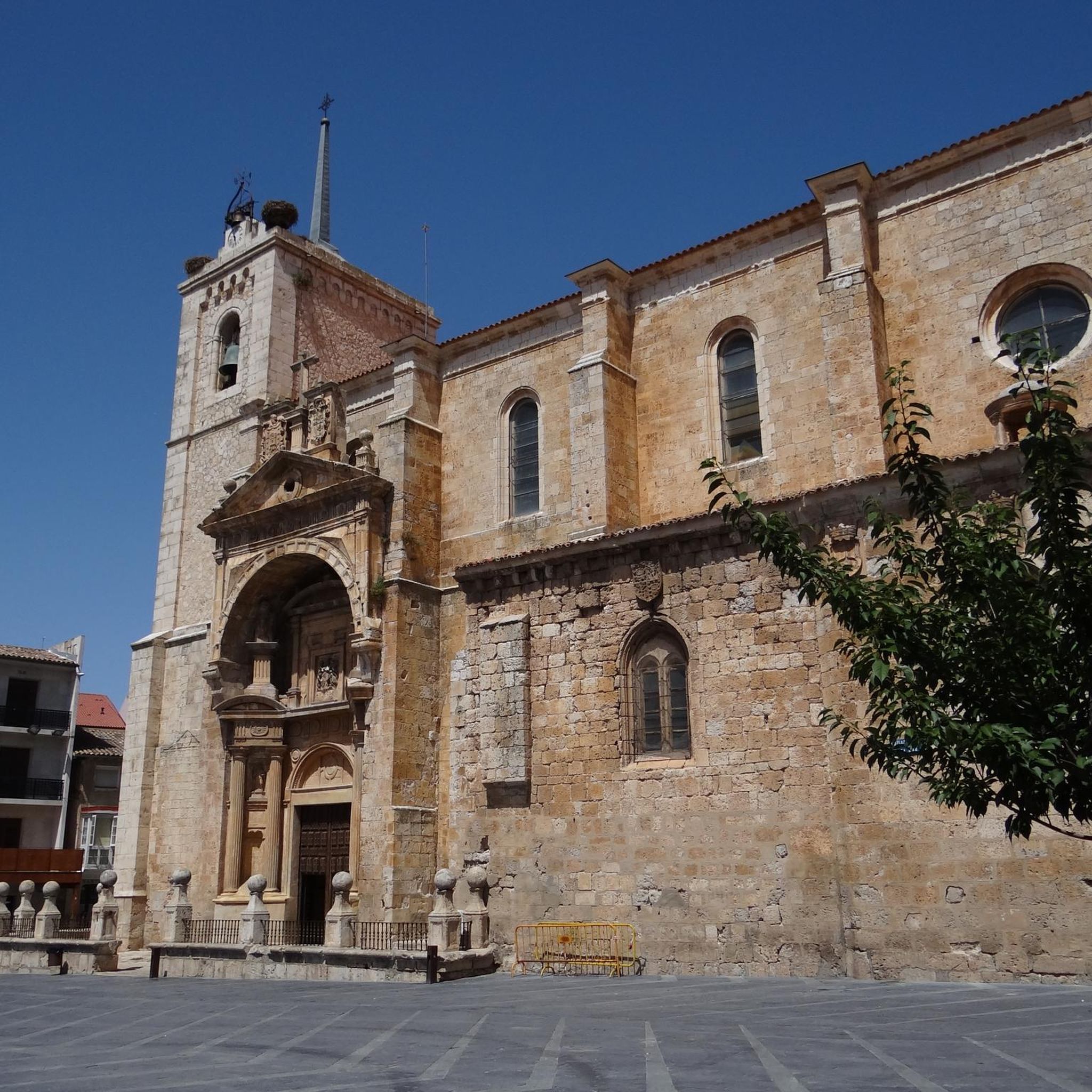


Tips from the Community

The Curiel de Duero Castle, located in the province of Valladolid, is considered the oldest castle in Castile and León, with origins possibly dating back to the 7th century, and even Roman remains from the 4th century. It stands on a rocky hill at an altitude of 927 meters, overlooking the Duero Valley and the Horcajo stream.
2
0


Imposing fortification built on a rocky hill overlooking the Duero Valley and the town of Curiel. It is the oldest castle in the province of Valladolid, as it was built on top of an old Roman castle. Although only small vestiges of the wall and the four gates remain today, its original walls probably date from the 7th century.
1
0
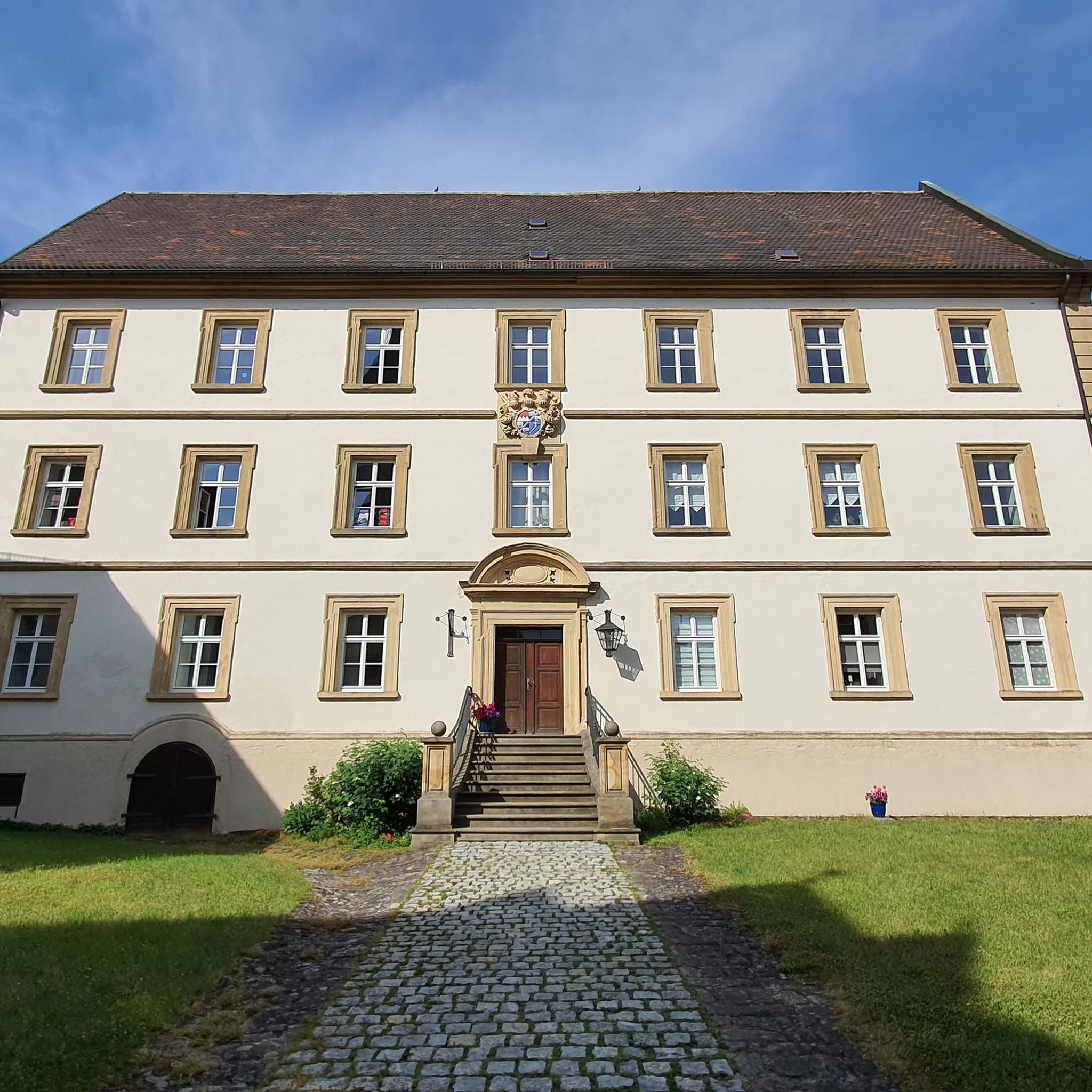
The Zúñiga fortified palace in Curiel de Duero was the residence of the Zúñiga family. The town of Curiel had two castles, one on the plain and the other on a high promontory. The palace had a rectangular plan with corner towers and a central courtyard with octagonal columns. Currently, the interior is destroyed.
1
0
Peñafiel Castle, located in the province of Valladolid, is an imposing fortress built in the 10th century, although it was the interventions that took place between the 14th and 15th centuries that gave it its current appearance. It stands out for its privileged location on top of a hill, offering panoramic views of the Ribera del Duero wine region. With its thick stone walls and its keep, the castle is a fascinating testimony to medieval architecture and houses the Provincial Wine Museum, which shows the wine-growing importance of the area.
1
0

The castle of Peñafiel, in the province of Valladolid, is a spectacular 10th century fortress that sits in an elongated shape, like a ship, on a hill. This magnificently preserved medieval jewel was conquered by Almanzor himself.
1
0

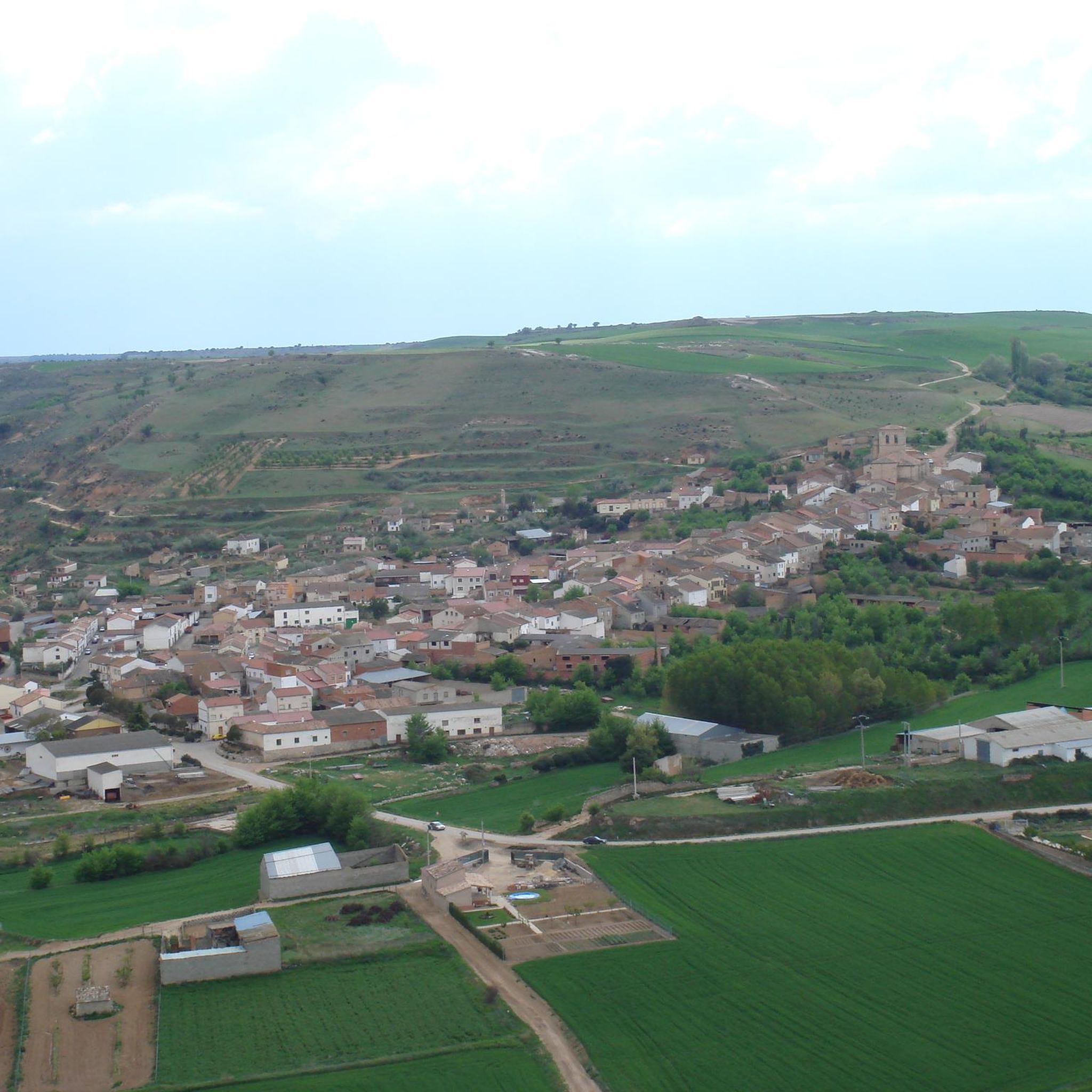
Located on top of a hill above the fertile plain of the Riaza, stands the small and historic town of Haza. This small walled town in the Ribera del Duero is located on the other side of the valley with impressive views.
0
0
The castle of Curiel stands on a rocky hill, at a high point in the province of Valladolid that controls the Duero Valley and, at the foot of the hill, the town that gives its name to the castle. The castle stands on a hill next to the Horcajo stream, which flows into the Duero.
2
0
Frequently Asked Questions
Are there any castles directly within Nava de Roa?
No, Nava de Roa itself does not have any standing castles within its immediate vicinity. The town's historical interest lies more in its religious architecture and traditional urban planning, such as the 17th-century Parish Church of San Antolín Mártir. The notable medieval fortresses are found in the surrounding Duero Valley region.
What historical sites can I visit in Nava de Roa besides castles?
In Nava de Roa, you can explore the 17th-century Parish Church of San Antolín Mártir, which features a Baroque facade and a Neoclassical tower, along with a 16th-century altarpiece. You can also visit the ruins of the Baroque-style Chapel of Santa Ana on Monte Calvario. The town is also known for its unique old houses with wooden frameworks and characteristic wine cellars.
Which castle is considered the oldest in the region?
The Curiel de Duero Castle is considered one of the oldest castles in Castile and León, with origins potentially dating back to the 7th century and even Roman remains from the 4th century. It stands on a rocky hill overlooking the Duero Valley.
What is unique about Peñafiel Castle?
Peñafiel Castle is a spectacular 10th-century fortress known for its elongated shape, resembling a ship, as it sits atop a hill overlooking the Duero River. This magnificently preserved medieval jewel houses the Provincial Wine Museum, highlighting the region's wine-growing importance.
Are there any walled towns with castles near Nava de Roa?
Yes, the small and historic town of Haza and its castle is located on top of a hill above the fertile plain of the Riaza. This walled town gained prominence in the year 912 and offers impressive views.
What outdoor activities can I do near these castles?
The region around Nava de Roa offers various outdoor activities. You can find numerous hiking, mountain biking, and running trails. For example, you can explore routes like 'The Springs Trail' or 'Home and its castle - circular along the Riaza riverbank' for hiking. For more options, check out the Hiking around Nava De Roa guide.
Are there hiking trails that include castles in the area?
Yes, there are trails that allow you to combine hiking with castle visits. For instance, the 'Peñafiel Castle – Duero Trail loop from Curiel de Duero' is a moderate mountain biking route that passes by Peñafiel Castle. You can find more routes in the Hiking around Nava De Roa and MTB Trails around Nava De Roa guides.
What is the best time of year to visit the castles and the region?
The Ribera del Duero region, where these castles are located, experiences hot, dry summers and cold winters. Spring (April-May) and autumn (September-October) generally offer the most pleasant weather for exploring, with milder temperatures ideal for outdoor activities and sightseeing.
Are the castles around Nava de Roa suitable for families?
Many castles in the region, such as Peñafiel Castle, offer historical insights and impressive views that can be engaging for families. The Provincial Wine Museum inside Peñafiel Castle provides an educational element. Always check specific castle websites for visitor information, accessibility, and any family-oriented activities or tours.
Can I find places to eat or stay near the castles?
Yes, towns like Peñafiel and Curiel de Duero, where the castles are located, offer various amenities including cafes, pubs, and accommodation options. Nava de Roa itself also has local establishments. The region is famous for its Designation of Origin Ribera del Duero wines, so you'll find local wineries and restaurants offering regional cuisine.
What do visitors appreciate most about the castles in this region?
Visitors frequently appreciate the well-preserved medieval architecture, the strategic locations offering panoramic views of the Duero Valley, and the rich history associated with these fortresses. The integration of sites like Peñafiel Castle with the Provincial Wine Museum also adds a unique cultural dimension.
Are there any specific regulations for hiking or visiting castles in the Burgos province?
Generally, hiking in the Burgos province does not require specific permits for public trails. However, always respect private property, stay on marked paths, and follow local signage. For castle visits, it's advisable to check their official websites for opening hours, entrance fees, and any specific rules or booking requirements, especially during peak seasons.
Most popular attractions around Nava De Roa

Get inspired with the komoot mobile app


Explore more
Looking for the best castles somewhere else? Discover other guides around Nava De Roa:
