Top 16 Castles around Azuébar
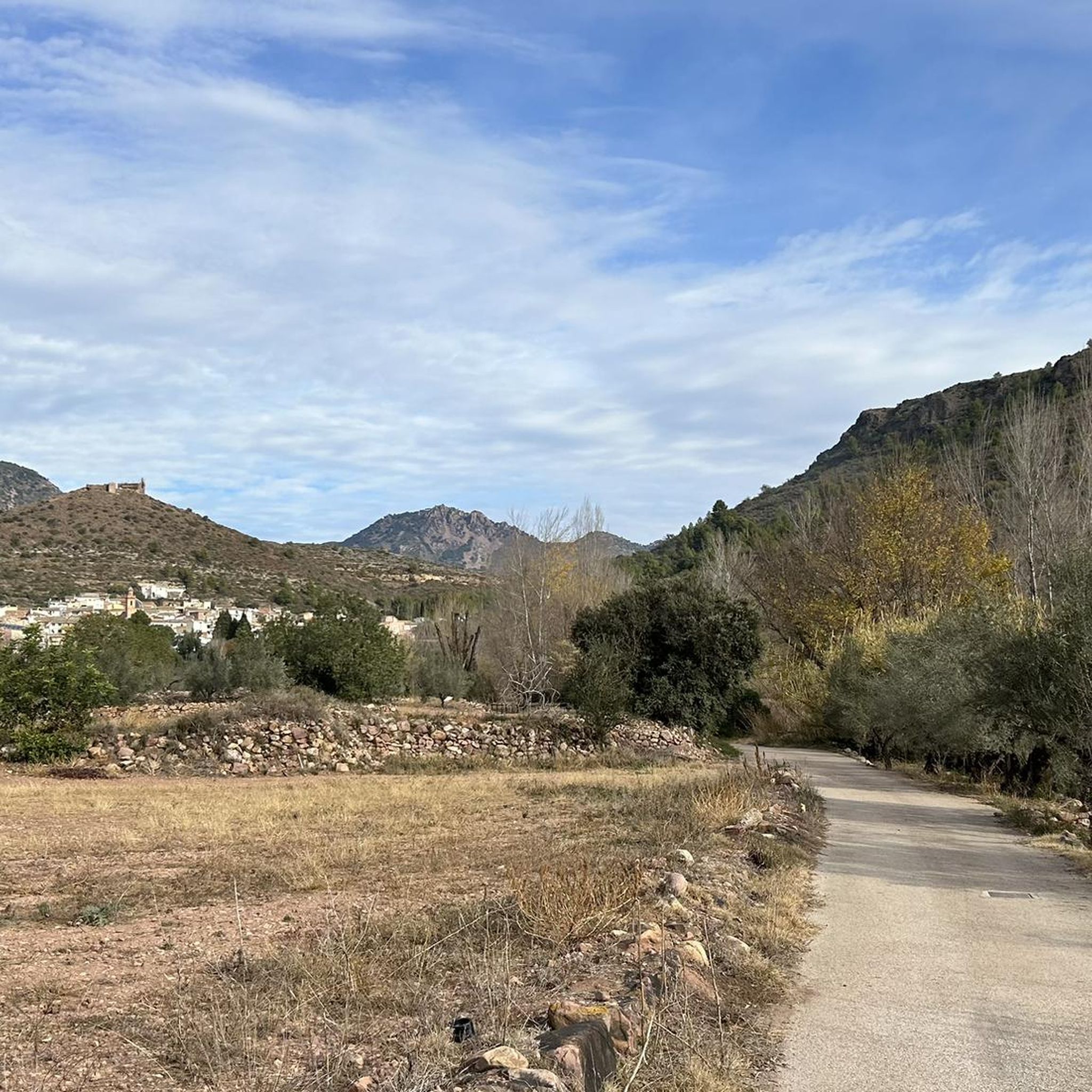
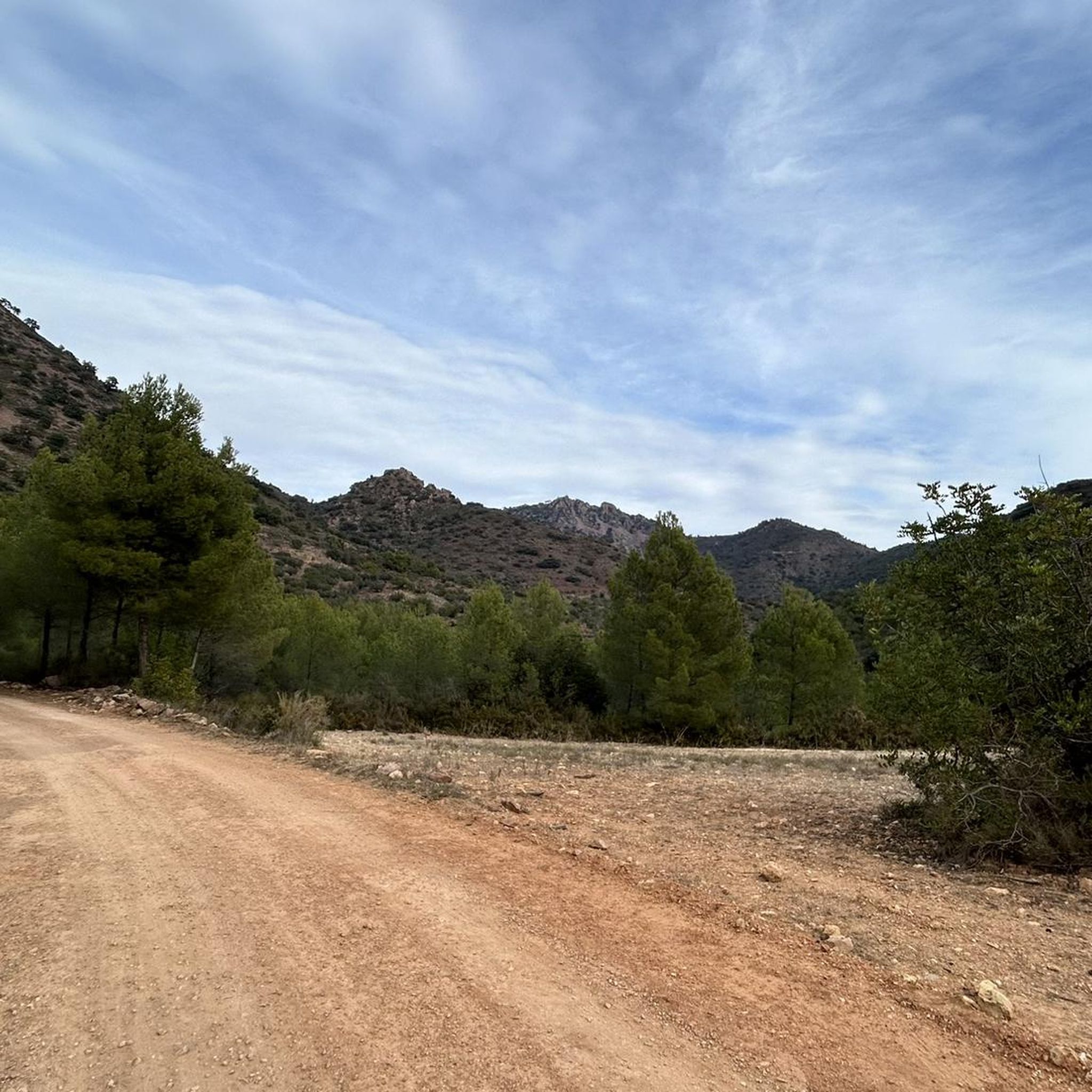
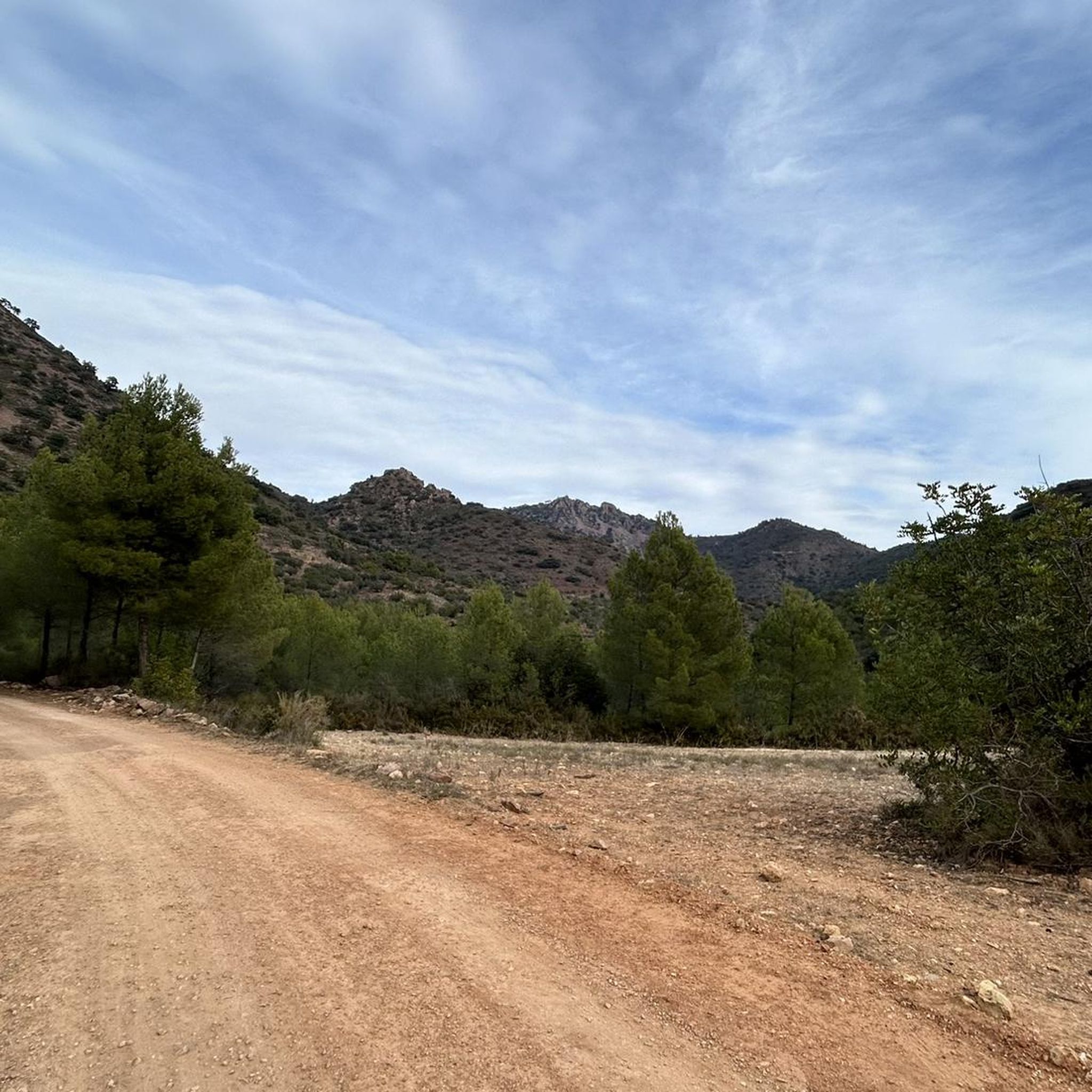
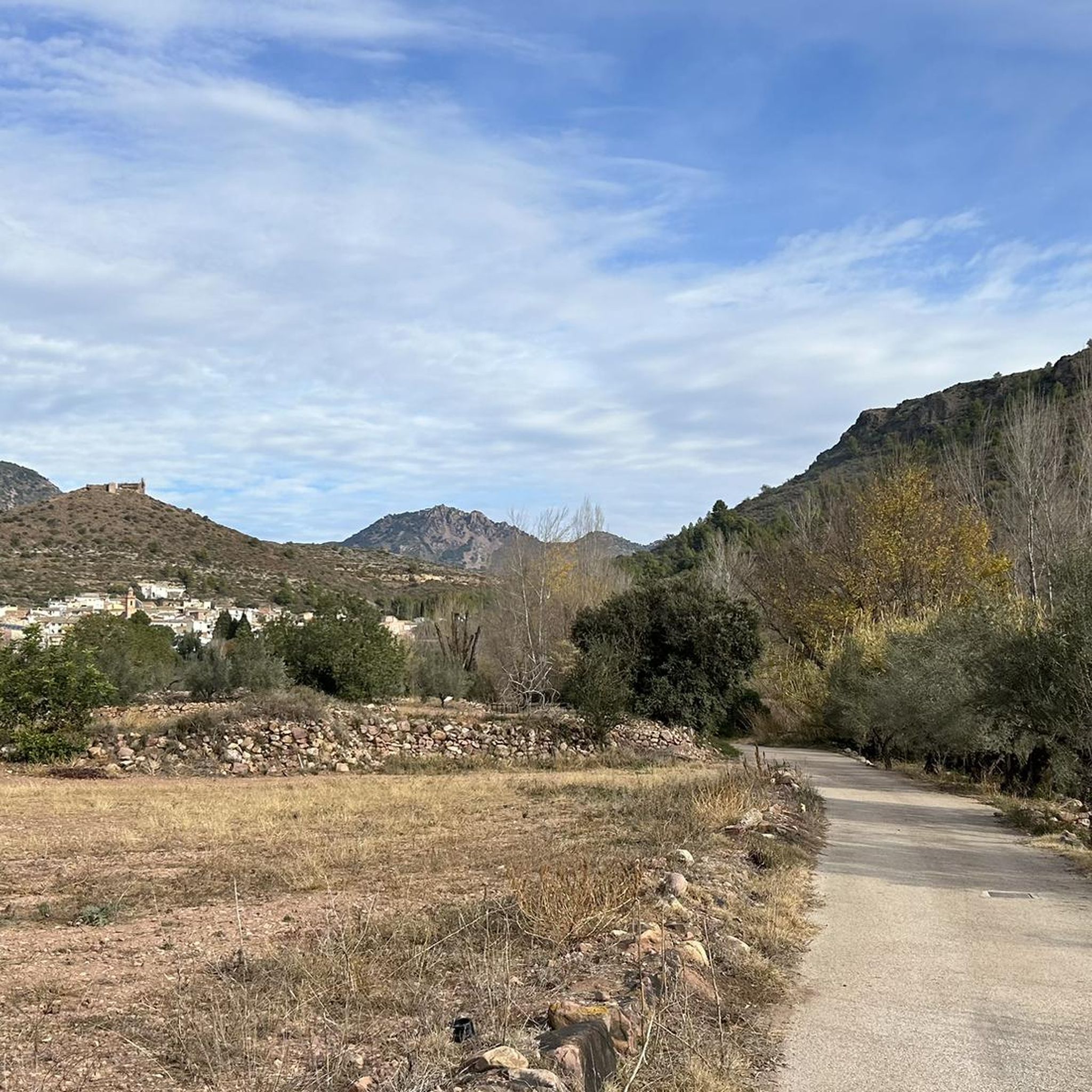
Best castles around Azuébar offer a glimpse into the region's rich history and strategic past. Azuébar is situated in the province of Castellón, Spain, characterized by its mountainous terrain and historical significance. The area features remnants of ancient fortresses, many with Muslim origins and later Christian transformations. These sites provide panoramic views of the surrounding valleys and insights into medieval military architecture.
Best castles around Azuébar
- The most popular castles is Castro Castle, a castle that consists of ruins…
Last updated: June 19, 2026
Segorbe
Highlight • Settlement
Translated by Google •
Tip by

Castro Castle
Highlight • Castle
Translated by Google •
Tip by

Sign up now to discover places like this
Get recommendations on the best single tracks, peaks, & plenty of other exciting outdoor places.
Sign up for free
Star Castle
Highlight • Castle
Translated by Google •
Tip by
Jinquer
Highlight • Historical Site
**Ruins of the old …
Translated by Google •
Tip by
Torres Torres Castle
Highlight • Castle
Translated by Google •
Tip by

Sign up for free to discover even more castles around Azuébar.
Sign up for free
Already have an account?
Start today with a free account
Your next adventure awaits.
Login or Signup

Tips from the Community

Segorbe has several outstanding monuments that reflect its rich history and cultural heritage.
5
0
The Castillo de la Estrella, also known as the Castillo de Sopeña, is located in Segorbe, in the province of Castellón, Valencian Community. This castle stands on one of the hills that dominate the city and is part of a historical complex that includes walls and an aqueduct.
4
0

Nice village of passage, between Calderona and Espadán
1
0

After the Reconquista, many castles in the region were modified or rebuilt to adapt to Christian styles and needs.
7
0

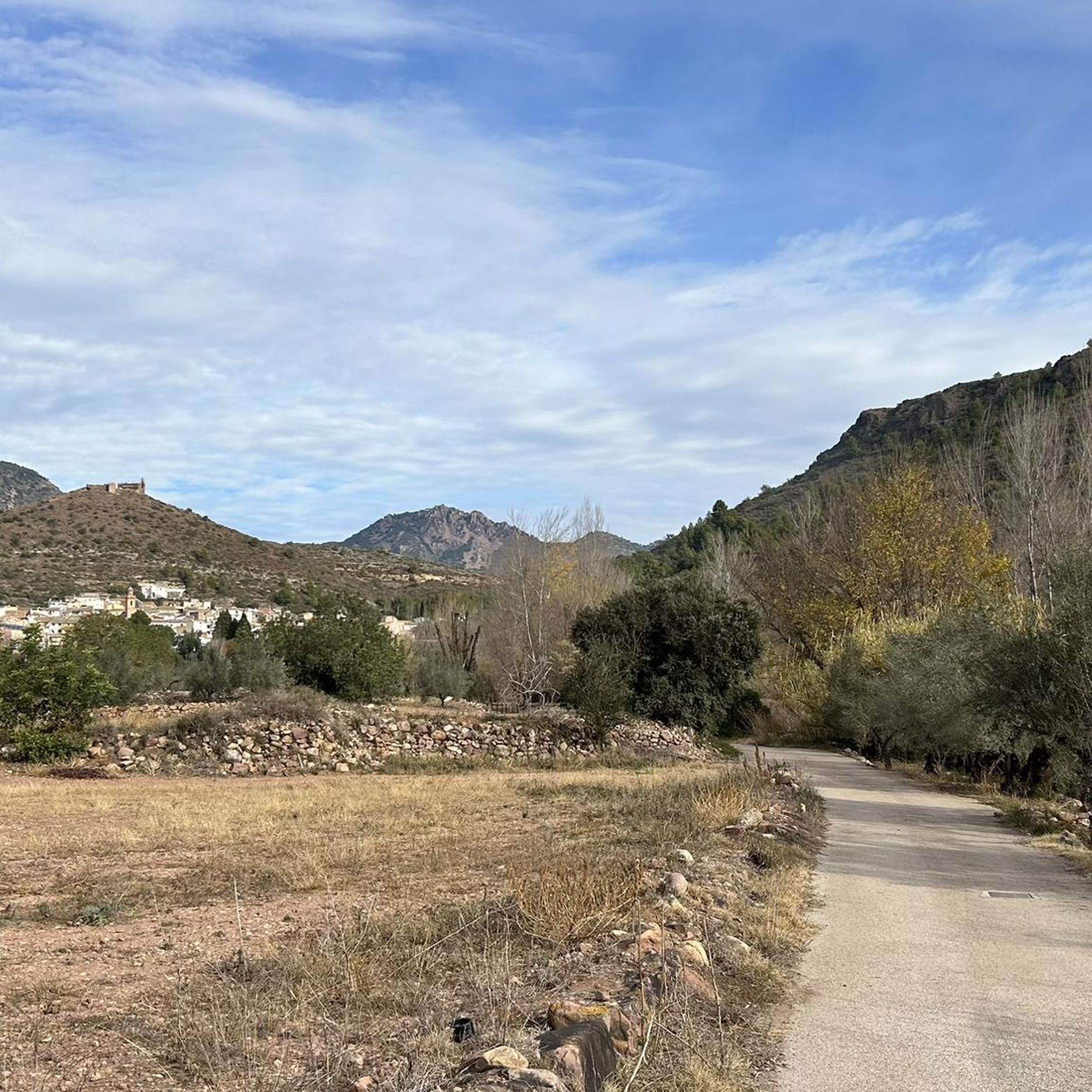
The Castro Castle, an Arab fortress with an impressive watchtower at a height of about 780 m, was a fundamental bastion of the Moorish resistance at the time of their expulsion. It was taken by the Duke of Segorbe and General Cavanilles after the Castillo de Aín had also fallen. It was also used in the Carlist Wars. The castle covers an area of about 2,000 m2, where two parts can be distinguished: the "Albacar", a fortified refuge for the inhabitants of the towns dependent on the fortress; and on the other side, the castle itself, which presided surrounded by a large keep that was demolished in 1938 during the Civil War. The views are impressively beautiful.
9
0


Torres Torres is a very curious population between the Palancia river and the Calderona mountain range. It preserves some baths of Arab origin and a castle with its tower.
1
0

A small but impressive fortress. It is worth making the small detour from the through road to enjoy the view over the typical landscape!
1
0
Frequently Asked Questions
What is the historical significance of the castles around Azuébar?
The castles in the Azuébar region, particularly the Castillo de Azuébar, are historically significant as they trace their origins back to the 12th century as Muslim fortresses, possibly with Roman influences. They played a crucial role in the expansion of Segorbe and later underwent Christian transformations, reflecting the area's diverse past during the Reconquista frontier.
Which castles offer the best panoramic views of the surrounding area?
Many castles in the region provide excellent views due to their strategic locations. The Castillo de Azuébar, perched atop an isolated mountain, offers panoramic views of the surrounding valley. Similarly, Castro Castle is known for its incredible panoramic views of the mountains, rewarding visitors for the climb.
Are there any family-friendly castles or historical sites to visit near Azuébar?
While many castles are ruins, the town of Segorbe, which includes the Star Castle, is considered family-friendly. It offers a charming environment with cultural, historical, and scenic interest, making it suitable for walks and exploration with children.
What outdoor activities can I do near these castles?
The area around Azuébar is excellent for outdoor activities. You can find numerous hiking and cycling routes. For instance, the Hiking around Azuébar guide features routes like the 'Castro Castle and Nevera de Castro Loop'. For cycling, the Cycling around Azuébar guide offers options like the 'Soneja - Segorbe – Circular route via the Ojos Negros Greenway'.
What is the current state of the Castillo de Azuébar?
The Castillo de Azuébar is largely in ruins today, but it remains a culturally significant monument. Visitors can still observe remnants of its main tower base, fragments of other towers, and cisterns. Its architecture reflects the Almohad military style, offering insight into medieval military construction despite its ruined state.
Are there any other notable castle ruins or historical sites besides the main ones?
Yes, beyond the more prominent castles, you can explore the ruins of Jinquer. This site includes the ruins of an old castle and town of Xinquer, of Arab origin, which was evacuated during the Spanish Civil War and remains frozen in time. It's located within the Sierra de Espadán Natural Park and offers a glimpse into the region's past.
What architectural features can be observed in the castles of the Azuébar region?
The castles in the Azuébar region showcase features typical of medieval military architecture, particularly the Almohad style. For example, the Castillo de Azuébar boasts an oval-shaped layout with square towers and an elbow-shaped entrance. High-quality ashlar masonry was used for its walls, and remnants of cisterns are also visible.
Is there an entrance fee to visit the castles around Azuébar?
The Castillo de Azuébar is freely accessible to the public, and many other castle ruins in the region do not have an entrance fee. They are often open-air historical sites that can be explored via trails.
What is the best way to access the Castillo de Azuébar?
The Castillo de Azuébar is accessible via trails. While there are no designated paths, access is considered easy, often involving walking on bare rock. Its strategic position atop a mountain means a walk is required to reach it.
Are there dog-friendly trails near the castles in Azuébar?
While specific dog-friendly designations for each castle trail are not always explicit, many hiking routes in the Sierra de Espadán Natural Park, where some castles are located, are generally suitable for dogs. It's always recommended to keep dogs on a leash and follow local regulations.
What is the best time of year to visit the castles and explore the area?
The region's climate makes spring and autumn ideal for visiting the castles and engaging in outdoor activities. The temperatures are milder, making hiking and exploring the ruins more comfortable than during the hotter summer months.
Can I find any natural features or wildlife around the castle sites?
Yes, the castles are often situated within or near natural landscapes like the Sierra de Espadán Natural Park. This area is known for its diverse flora, including pines, holm oaks, cork oaks, and poplars. While specific wildlife sightings aren't guaranteed, the natural surroundings offer opportunities to observe local fauna.
Are there any castles that were significant during the Carlist Wars?
Yes, Castro Castle, originally an Arab fortress, was also utilized during the Carlist Wars, highlighting its continued strategic importance throughout different historical periods in the region.
Most popular routes around Azuébar
Most popular attractions around Azuébar

Get inspired with the komoot mobile app


Explore more
Looking for the best castles somewhere else? Discover other guides around Azuébar:
