Top 9 Castles around Benirredrà
Best castles around Benirredrà are primarily located in the surrounding Valencian region, as the municipality itself does not feature traditional castles. Benirredrà, a small community, offers historical insight through structures like La Casa Gran, which served as the stately home of the Counts of Ròtova and symbolizes ancient feudal power. This building now functions as a restaurant. The broader area of Valencia provides various historical fortresses and castles for visitors interested in local history.
Best castles around Benirredrà
- The most…
Last updated: October 6, 2026
Ducal Palace of the Borgias (Palau Ducal dels Borja), Gandia
Highlight • Historical Site
Translated by Google •
Tip by

Bairén Castle
Highlight • Castle
Translated by Google •
Tip by

Sign up now to discover places like this
Get recommendations on the best single tracks, peaks, & plenty of other exciting outdoor places.
Oliva - Forna Castle
Highlight (Segment) • Castle
You can enjoy the orchard of Oliva, of Forna and the views from its castle.
Translated by Google •
Tip by

Castillo de Santa Anna
Highlight • Castle
Translated by Google •
Tip by

Castillo de Palma
Highlight • Castle
Tip by

Sign up for free to discover even more castles around Benirredrà.
Already have an account?
Start today with a free account
Your next adventure awaits.
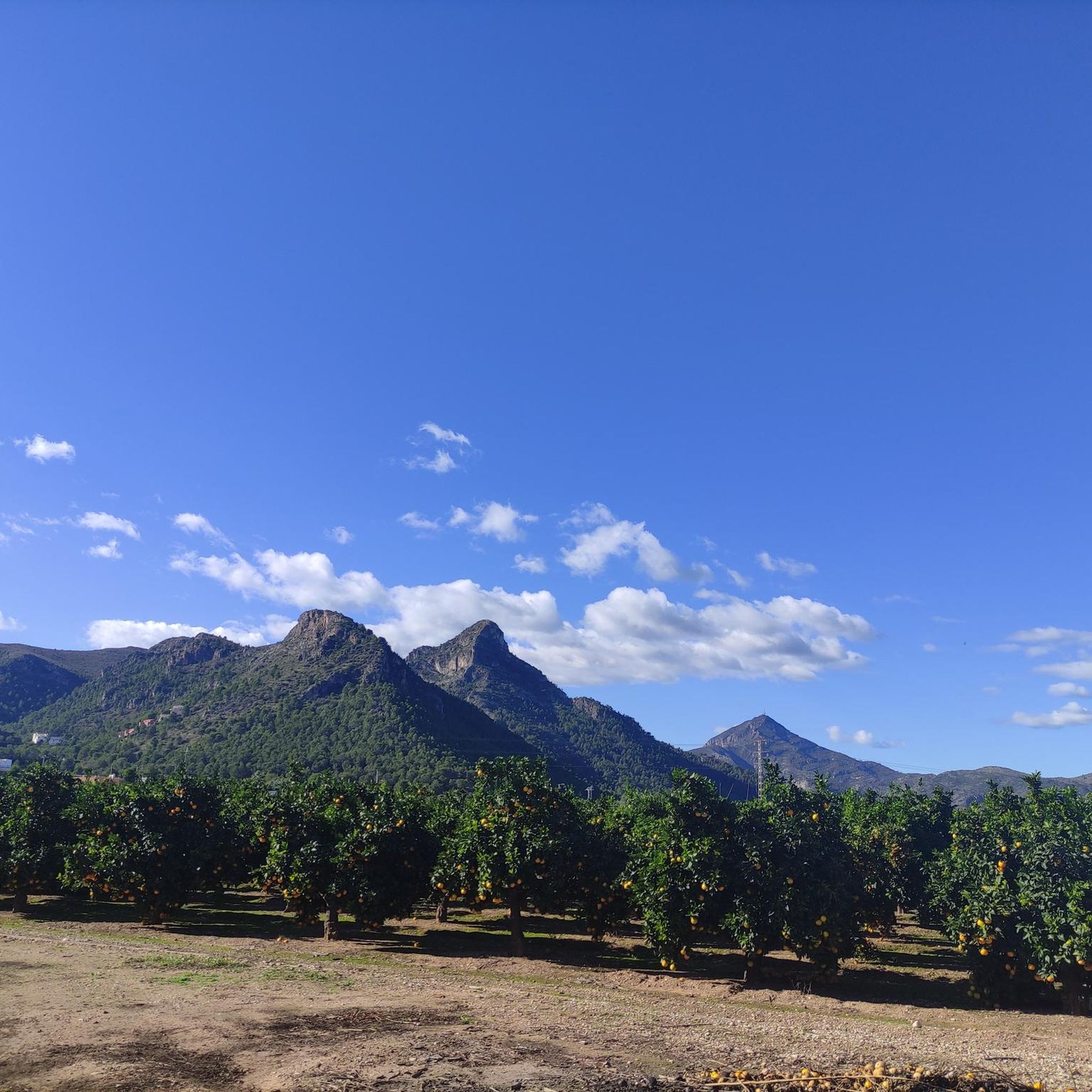
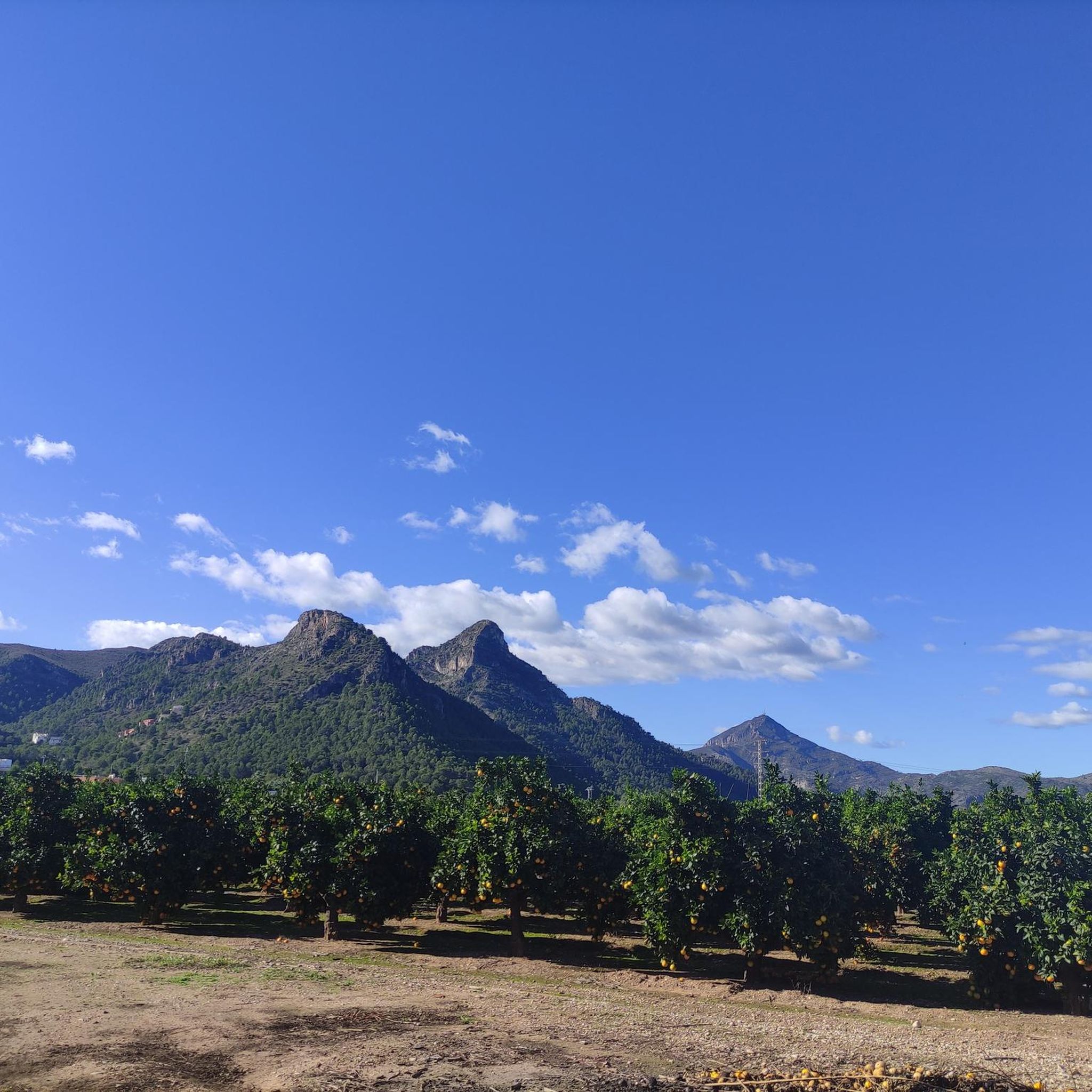
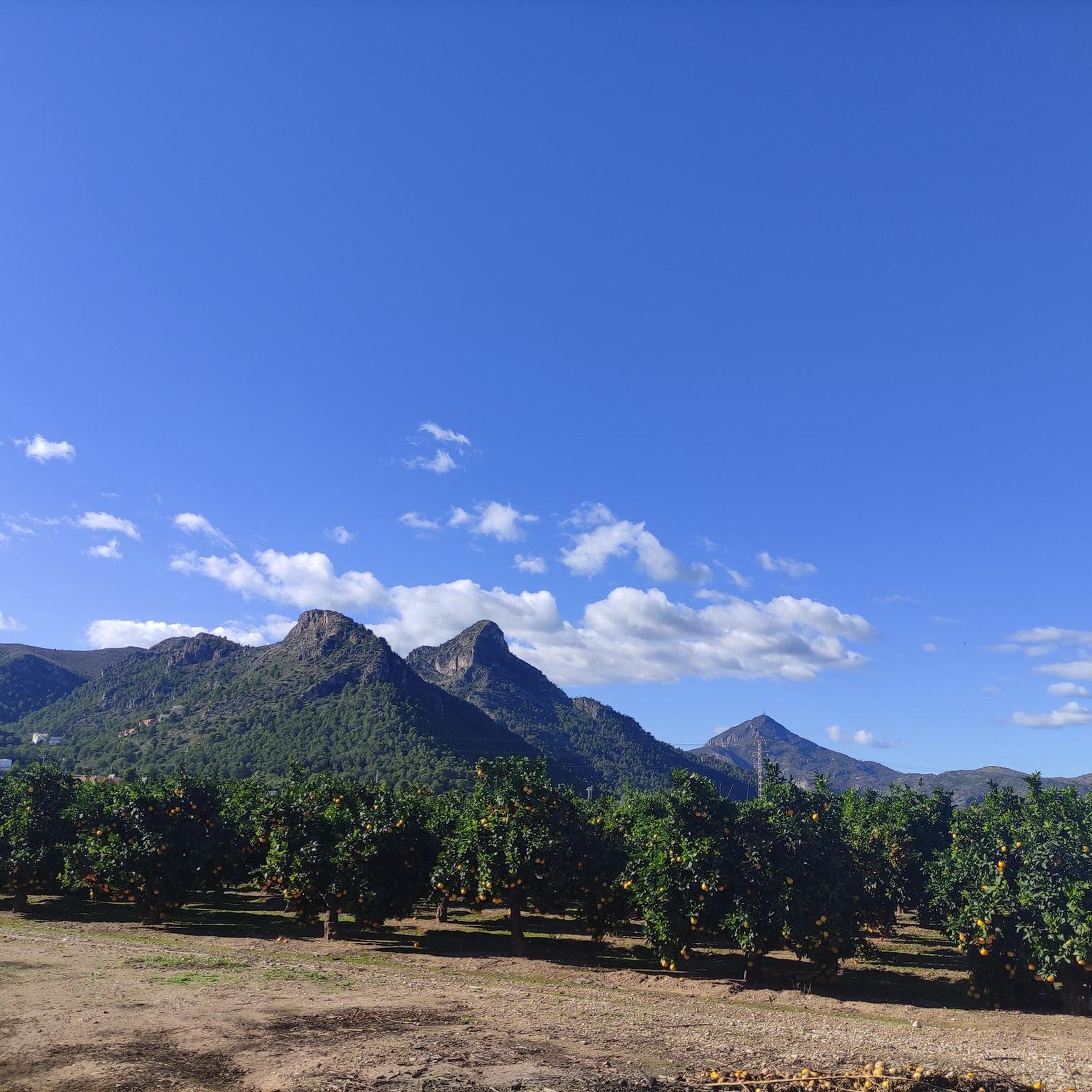
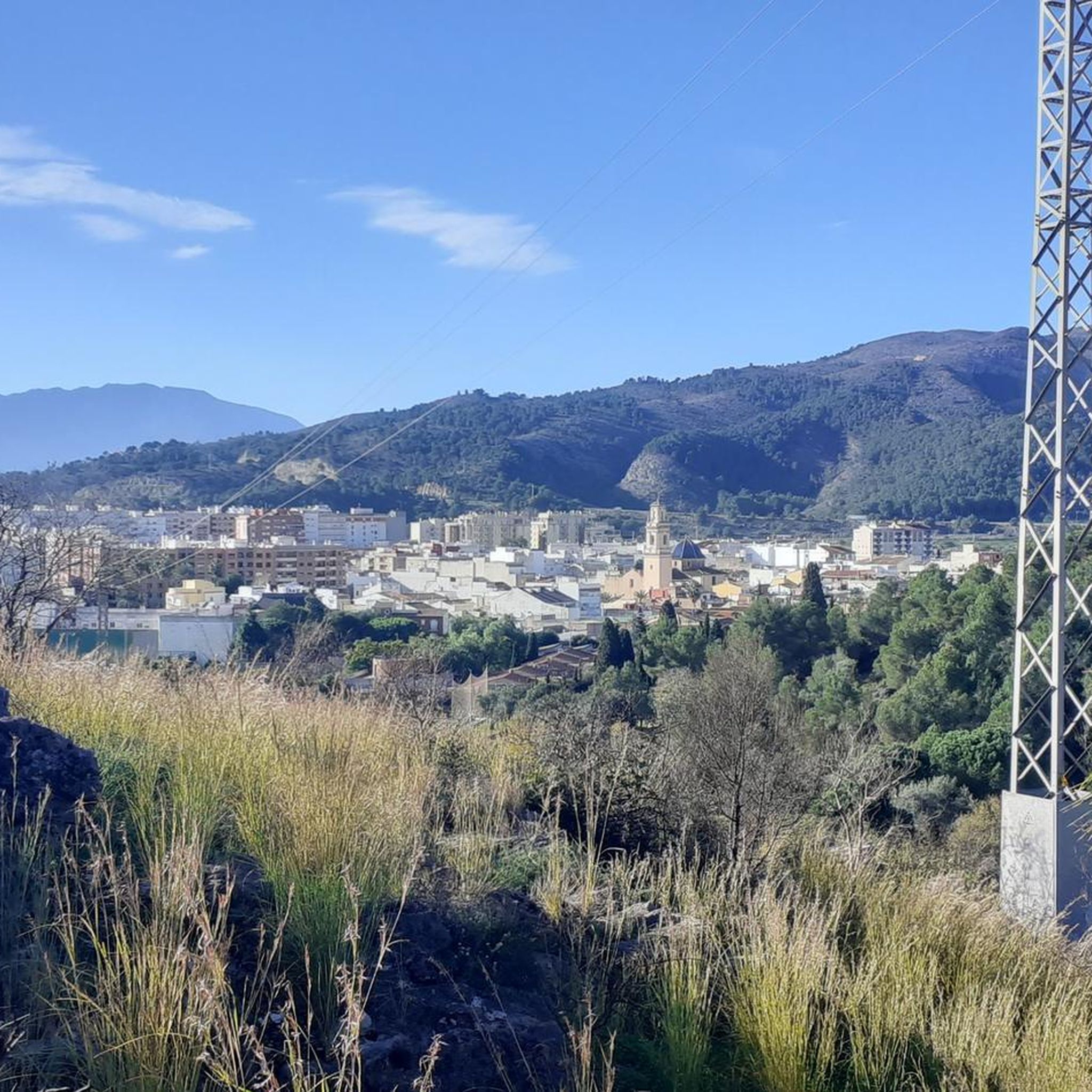

Tips from the Community

El Castillo de Forna is a feudal palace-fortress, built in the first half of the 15th century, which is part of the Valencian civil Gothic style. It is a quadrangular building with four towers at each corner and a two-level central courtyard, which provides access to all the castle's rooms. On the ground floor of Tower 2, one of the best collections of graffiti from the period can be seen, depicting scenes of chivalry and the sea. It is a monument of very high heritage value, protected by the Decree-Law of April 22, 1949, on the protection and inventory of all castles and military architecture, and therefore included as a Bien de Interés Cultural (Asset of Cultural Interest) in the Spanish Historical Heritage Law 16/85 in the second section of the additional provisions and the Law 4/1998, of June 11, of the Generalitat Valenciana on Valencian Heritage.
0
0

The Palau del Duc ducal palace was built in the late Gothic and Renaissance style in the 16th and 17th centuries. Opening hours: Mon to Sat 10am–1.30pm and 3pm to 6.30pm (November to March) and 4pm to 7.30pm (April to October) and Sunday/public holiday 10am to 1.30pm.
1
0

7 euro entree
1
0

8.00€ entrance fee 🫣🤔🥶
1
0

The Barbacana Castle, nb the origin of Gandia 😮. The Bairén Hill was inhabited many, many years ago, since 3000 BC. C. The first written reference we have to the Bairén Castle dates from the end of the 11th century. An anonymous manuscript from the 12th century, the "History of Roderici Campidocti", which describes a battle between the Christian troops of El Cid and Pedro de Aragón against the army of the Almoravids.
18
1

Bairén Castle Archaeological Park is a fascinating historical site in Gandia. This park offers a unique insight into the history and archaeology of the region. For more information and reservations, you can visit the park's official website.
5
0

It's a bit of a climb to get up the mountain to the remains of the castle, but you'll be rewarded with wonderful views!
1
0

beautiful, scenically varied tour
0
0
Frequently Asked Questions
Are there any traditional castles directly within Benirredrà?
Benirredrà itself does not feature traditional castles. However, you can visit Palace House of the Counts of Ròtova, also known as La Casa Gran, which was the stately home of the Counts of Ròtova and symbolizes ancient feudal power. Today, it operates as a restaurant, offering a unique blend of history and gastronomy.
Which historical sites near Benirredrà offer the best views?
Several castles in the surrounding region provide excellent viewpoints. Bairén Castle offers imposing views over the entire bay of Gandia. Similarly, Castillo de Santa Anna and Castillo de Palma, though in ruins, are situated on elevated positions and reward visitors with beautiful panoramic views after a climb.
What are some of the most historically significant castles in the region around Benirredrà?
The region boasts several sites of historical importance. The Ducal Palace of the Borgias (Palau Ducal dels Borja), Gandia, was the residence of the renowned Borja family and is a significant civil building. Bairén Castle has historical references dating back to the 11th century, with its origins potentially from 3000 BC. Castillo de Santa Anna is an Islamic fortress from the 12th century, declared an Asset of Cultural Interest.
Are there family-friendly historical sites to visit near Benirredrà?
Yes, the Ducal Palace of the Borgias (Palau Ducal dels Borja), Gandia, is categorized as family-friendly. Its picturesque and ostentatious interior offers an engaging historical experience for all ages. Some of the castle ruins like Castillo de Palma can also be enjoyed by families with slightly older children, as the climb is manageable.
What outdoor activities can I do near the castles around Benirredrà?
The area around Benirredrà offers various outdoor activities. You can find numerous road cycling routes, running trails, and general cycling routes. Many of these routes pass through scenic landscapes, allowing you to combine historical exploration with physical activity.
What is the best time of year to visit the castles near Benirredrà?
The Valencian Community generally enjoys a Mediterranean climate. Spring (April-May) and autumn (September-October) are often ideal, offering pleasant temperatures for exploring historical sites and engaging in outdoor activities without the intense heat of summer. Winters are mild, making year-round visits possible, though some sites might have reduced hours.
Are there restaurants or cafes near these historical sites?
Yes, for instance, La Casa Gran in Benirredrà, which is the Palace House of the Counts of Ròtova, now functions as a restaurant. In larger towns like Gandia, where the Ducal Palace of the Borgias and Bairén Castle are located, you will find a wide array of dining options and cafes.
Can I bring my dog to the castle trails near Benirredrà?
While specific regulations vary by site, many outdoor trails leading to castle ruins, such as those around Bairén Castle or Castillo de Palma, are generally accessible for dogs on a leash. However, indoor sections of palaces like the Ducal Palace of the Borgias typically do not permit pets. Always check local signage or official websites for the most current pet policies before your visit.
Are there accessible routes for visitors with mobility challenges to reach these castles?
Many of the castles, particularly those in ruins like Bairén Castle, Castillo de Santa Anna, and Castillo de Palma, are located on elevated positions and require steep paths or climbs, making them less accessible. The Ducal Palace of the Borgias in Gandia, being a more urban historical building, may offer better accessibility, but it's advisable to check their specific facilities beforehand.
What do visitors enjoy most about the castles and historical sites near Benirredrà?
Visitors frequently appreciate the historical depth and the stunning views offered by these sites. The Ducal Palace of the Borgias is praised for its picturesque and ostentatious interior. The climbs to castles like Bairén Castle and Castillo de Santa Anna are often highlighted for the rewarding panoramic vistas they provide.
Are there any less crowded castles to visit near Benirredrà?
While popular sites like the Ducal Palace of the Borgias can attract many visitors, exploring some of the more remote castle ruins, such as Castillo de Palma or Castillo de Santa Anna, might offer a more tranquil experience. These often require a short hike, which naturally filters the crowds, allowing for a more intimate historical exploration.
Most popular routes around Benirredrà
Most popular attractions around Benirredrà

Get inspired with the komoot mobile app


Explore more
Looking for the best castles somewhere else? Discover other guides around Benirredrà:
