Top 11 Caves around Dima
Best caves around Dima are primarily found in the municipality of Dima, located within the Arratia Valley in Biscay, Spain. This region is part of the Urkiola Natural Park, characterized by its karst landscapes and significant geological formations. The area offers a blend of natural exploration and insights into Basque culture and history. These subterranean sites provide opportunities to explore intricate cave systems and ancient human presence.
Best caves around Dima
- The most popular caves is Abaro Tunnel, a…
Last updated: June 19, 2026
Abaro Tunnel
Highlight • Cave
Translated by Google •
Tip by

Mairulegorreta
Highlight • Cave
Translated by Google •
Tip by
Sign up now to discover places like this
Get recommendations on the best single tracks, peaks, & plenty of other exciting outdoor places.
Sign up for free
Supelegor
Highlight • Cave
Translated by Google •
Tip by
Baltzola Caves
Highlight • Cave
Translated by Google •
Tip by
Hermitage of the Holy Christ of Atxarte
Highlight • Religious Site
Translated by Google •
Tip by
Sign up for free to discover even more caves around Dima.
Sign up for free
Already have an account?
Start today with a free account
Your next adventure awaits.
Login or Signup
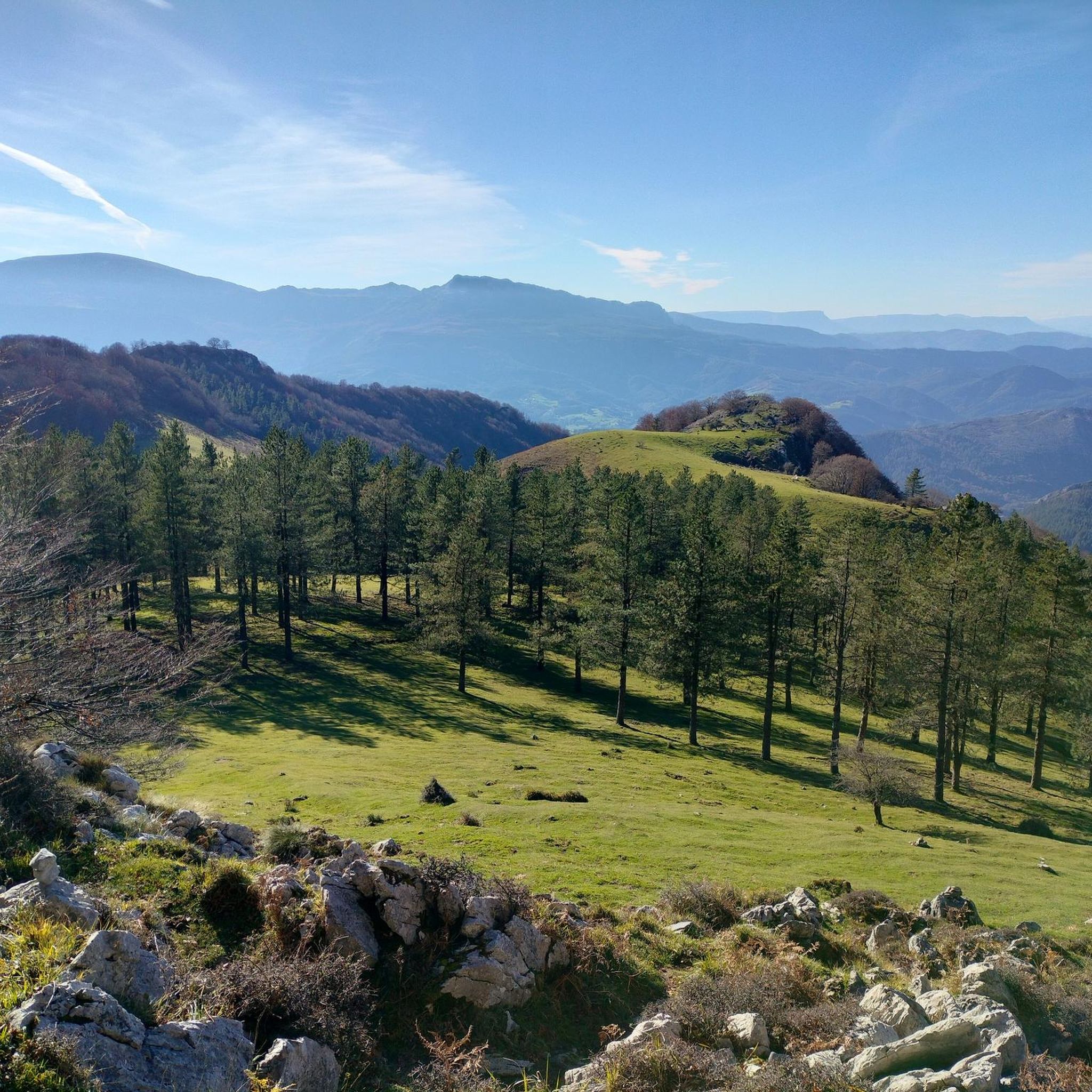
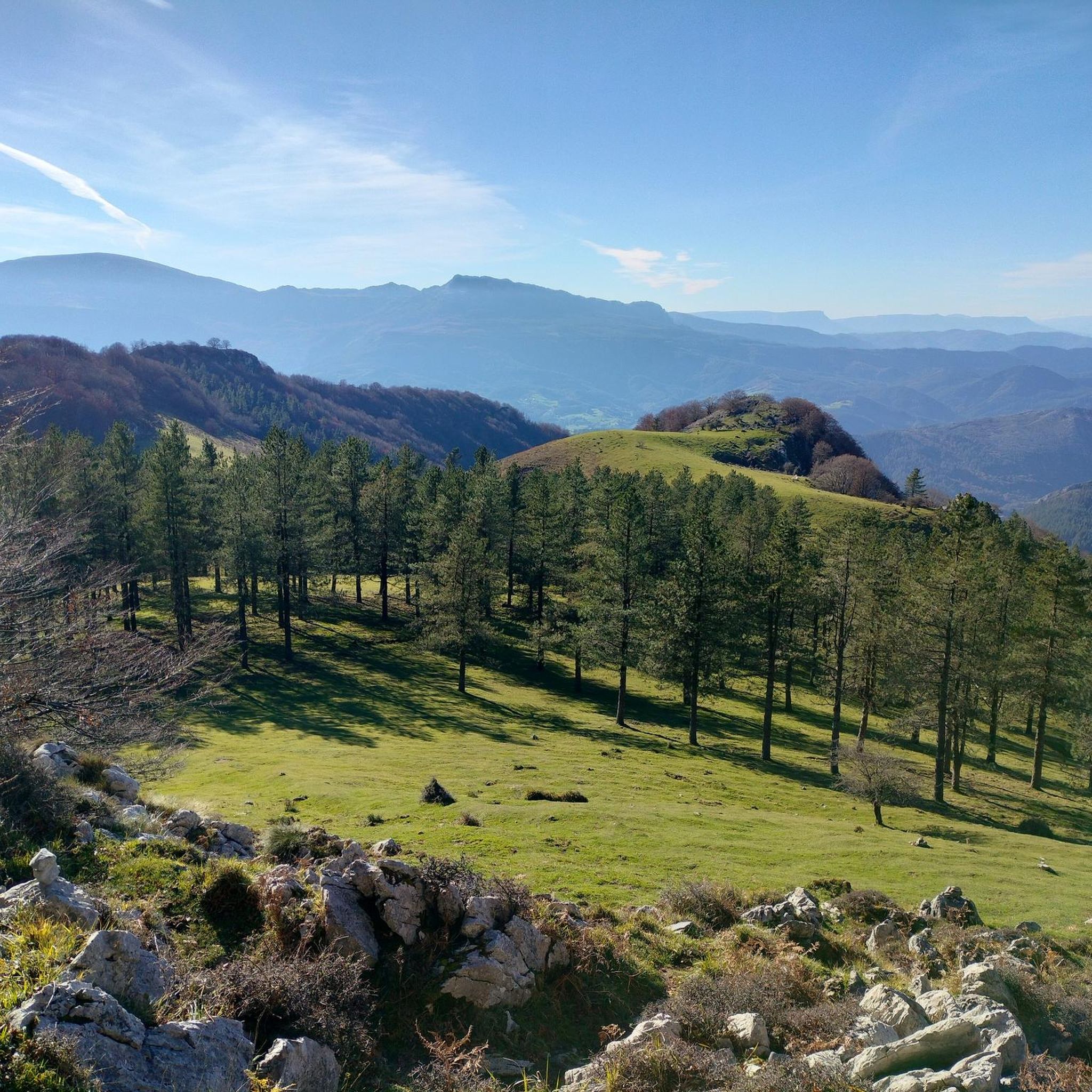
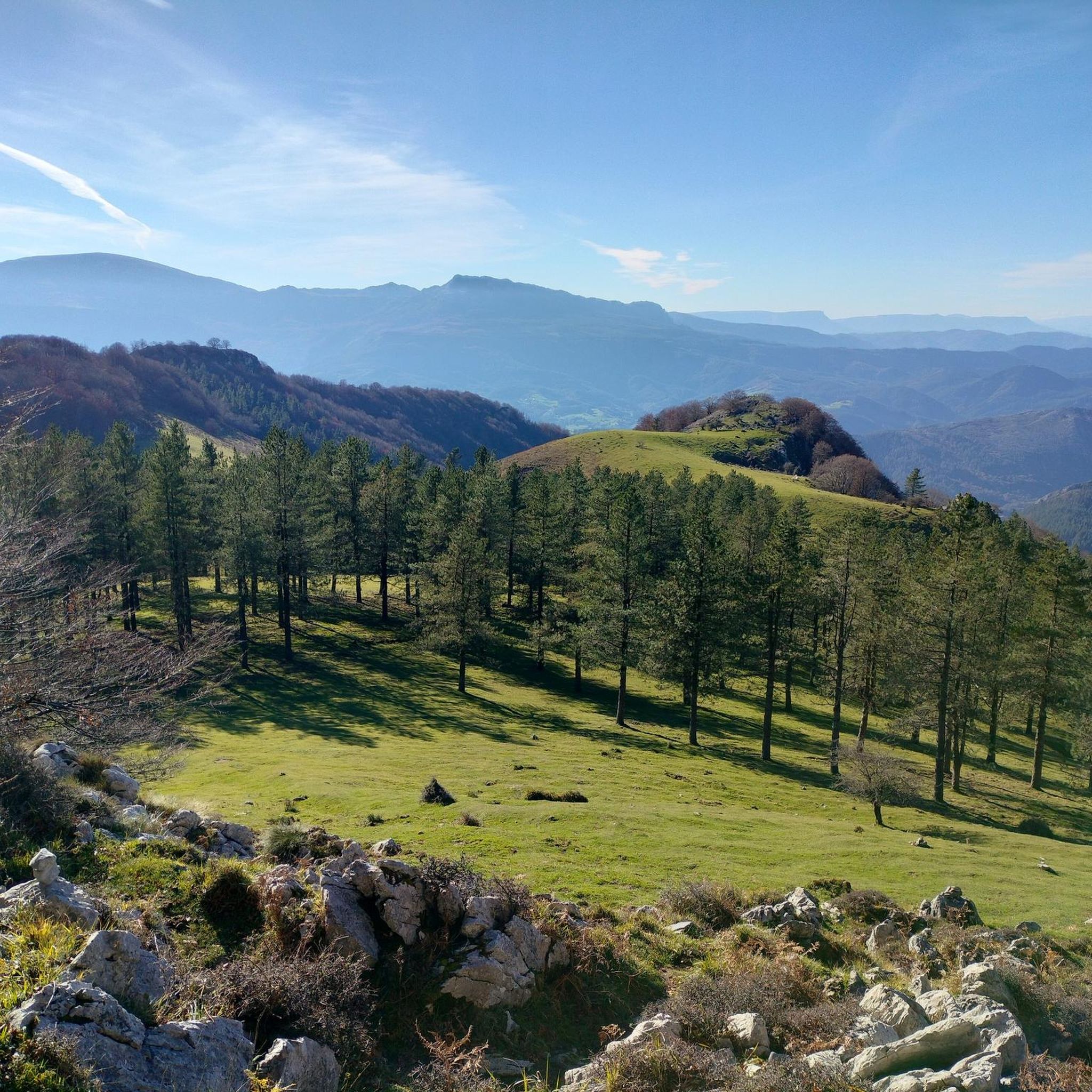
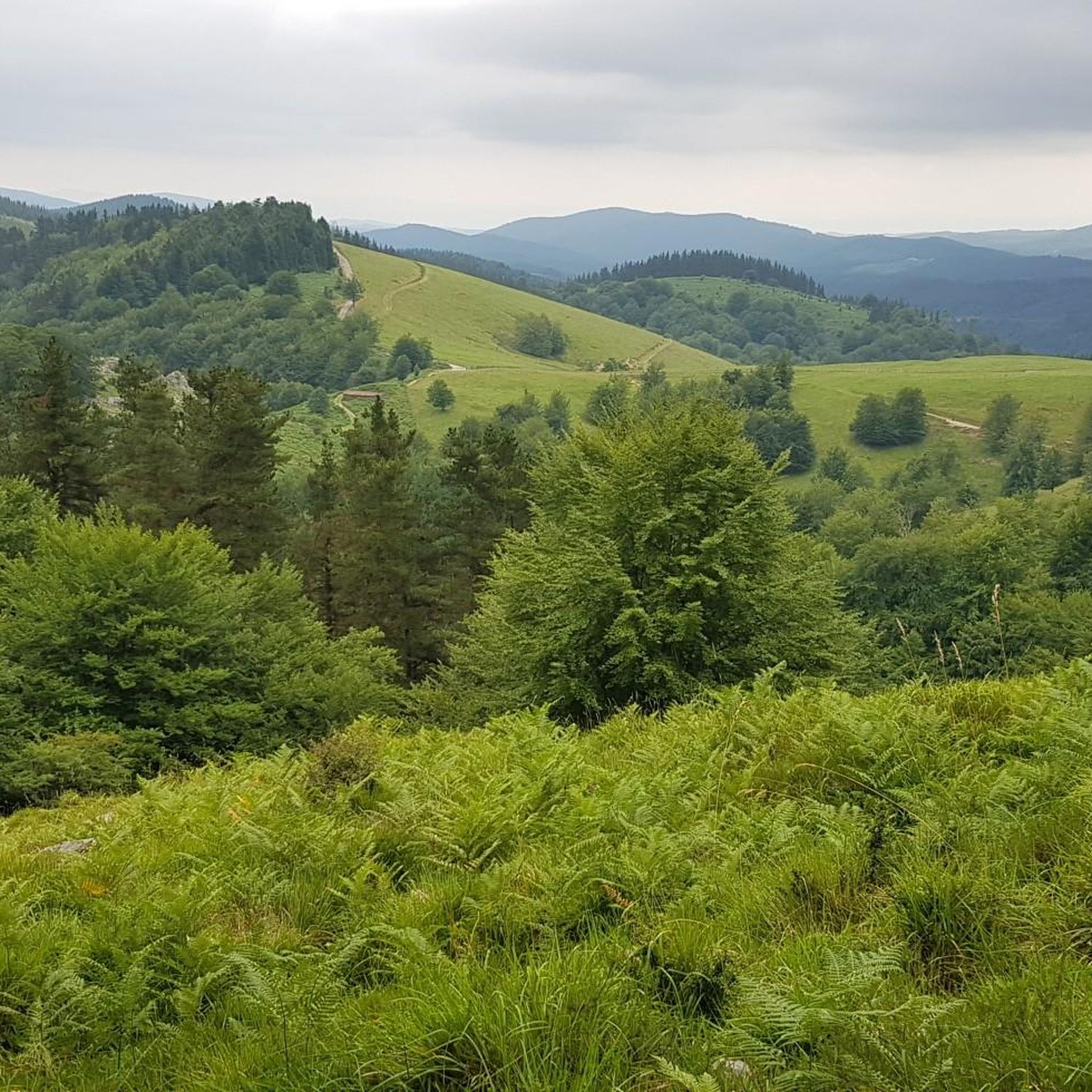


Tips from the Community

The best place to start the route to Alluitz.
2
0
This time I went about 100-200 meters, until I reached some stairs with something resembling railings. I didn't go any further because I was alone, without signal, and I was afraid of going any further.
2
0

Located above a cave, this hermitage is next to the river and the old road that connected with the Cantabrian coast and Duranguesado. It is located next to a climbing area.
1
0
Like the Baltzola caves, it is now prohibited to cross them, due to the danger of Q fever.
3
0
This part of the Baltzola caves was normally the exit.
4
0
Impressive cavity, until a while ago you could go through. They have recently put up a sign, warning of the danger of contracting Q fever, and the passage is prohibited.
4
0

In the rainy season, you may not be able to cross the tunnel without getting your feet wet. But it is impressive to find this at the beginning.
4
0
One of the most beautiful caves I have ever seen. First because of the location, second because of the small challenge of not getting lost to get there, and thirdly because it is super cool: a huge mouth and easy to travel (with a flashlight) a good stretch. Absolutely recommended.
0
0
Frequently Asked Questions
What are the most popular caves to visit around Dima?
Among the caves in the Dima area, Abaro Tunnel is highly regarded for its impressive entrance, though crossing it is now prohibited. Mairulegorreta is another must-see natural monument with a huge entrance and easily accessible galleries. Supelegor is also a beautiful cave, praised for its location and easy-to-travel sections with a flashlight.
Are there any family-friendly caves in the Dima region?
While many caves in the Dima area require some caution or specialized equipment for deeper sections, the Hermitage of the Holy Christ of Atxarte is located above a cave and is considered family-friendly. For other caves like Mairulegorreta, the initial galleries are easily accessible, making them suitable for families, but deeper exploration requires caving material and is not recommended for children.
What kind of geological formations can I expect to see in the caves around Dima?
The Dima region, particularly in Biscay, Spain, is known for its karst landscapes. Caves like the Baltzola complex feature intricate karst labyrinths, narrow passages, and expansive caverns. You can observe impressive geological formations such as columns and stalagmites, sculpted by erosion over thousands of years.
What outdoor activities can I do near the Dima caves?
The area around Dima offers various outdoor activities. You can find numerous cycling routes, including touring bicycle, road cycling, and gravel biking options. For example, explore routes like the 'Saldropo Wetland – Alto de Dima loop' for touring bicycles or 'Altos de Urkiola y Muniketa' for road cycling. You can find more details on these activities at the Cycling around Dima, Road Cycling Routes around Dima, and Gravel biking around Dima guide pages.
Are there any historical or cultural sites near the Dima caves?
Yes, the Baltzola Caves in Dima, Biscay, hold archaeological remains that provide insight into ancient human presence. Additionally, the area around the Baltzola Caves is rich in Basque culture, history, and traditions. The Hermitage of the Holy Christ of Atxarte is another significant historical and religious site located above a cave.
What should I know about safety and access when visiting caves in Dima?
Some caves, such as Abaro Tunnel and Baltzola Caves, have sections where passage is prohibited due to health concerns, specifically the risk of contracting Q fever. It's always recommended to carry a flashlight, even for shorter caves, and to be aware of wet conditions, especially during the rainy season. For deeper or more challenging sections, caving material and experience are necessary.
Are there any caves in the Dima region that are dog-friendly?
The Hermitage of the Holy Christ of Atxarte, which incorporates a cave, is listed as dog-friendly. For other cave systems, it's advisable to check local regulations or specific highlight tips, as conditions can vary and some areas might be unsuitable or restricted for dogs.
How long does it typically take to explore the Dima caves?
The duration of exploration varies by cave. For easily accessible sections of caves like Mairulegorreta or the initial part of Abaro Tunnel, a short visit of 30 minutes to an hour might suffice. For deeper exploration requiring specialized equipment, the time commitment would be significantly longer, potentially several hours or more, depending on the complexity of the cave system.
What are the notable features of the Baltzola Caves?
The Baltzola Caves are an impressive cavity forming part of an intricate karst labyrinth. They are known for their geological formations and archaeological significance, indicating ancient human presence. While historically a passage, certain sections are now prohibited due to health warnings.
Are there any other significant cave systems in the broader region of Oromia, Ethiopia, that are sometimes associated with 'Dima'?
Yes, while distinct from Dima in Spain, the Oromia region of Ethiopia is home to other notable cave systems. The Sof Omar Caves, located in the East Bale Zone, are the longest cave system in Ethiopia and hold significant historical and religious importance. The Weyib River flows through these caverns, featuring unique formations like the 'Chamber of Columns'. Other caves like Echere and Aynege are also listed as attractions in Oromia. You can find more information on the Oromia Tourism website: oromiatourism.gov.et.
What should I wear when caving in Dima?
When exploring caves in Dima, it's advisable to wear sturdy, comfortable clothing that you don't mind getting dirty. Waterproof or water-resistant layers are recommended, especially during the rainy season, as you may encounter wet conditions. Appropriate footwear with good grip is essential. Always bring a reliable flashlight or headlamp, even for short cave sections.
Are there guided tours available for the Dima caves?
The guide data does not explicitly mention organized guided tours for all caves. However, for deeper or more challenging sections of caves like Mairulegorreta, local caving groups or specialized guides might offer services. It's best to inquire with local tourism offices in the Dima municipality or Urkiola Natural Park for information on guided exploration options.
Most popular routes around Dima
Most popular attractions around Dima

Get inspired with the komoot mobile app


Explore more
Extend your search for the best caves by checking out these guides of the top ones around Dima:
