Top 5 Gorges around Hasselt
Best canyons around Hasselt are characterized by a low, undulating landscape with extensive networks of ponds, forests, and gently rolling hills. While traditional large-scale canyons are not present, the region features unique geological formations such as hollow ways and sand pits. These areas offer insights into the local landscape and provide tranquil paths for exploration. The topography of Hasselt and the Limburg province is generally defined by these smaller, distinct natural features.
Best canyons around Hasselt
- The most popular canyons…
Last updated: October 3, 2026
The Pit of Zonhoven
Highlight • Gorge
Translated by Google •
Tip by

Zavelkuil Hollow Way
Highlight (Segment) • Gorge
Translated by Google •
Tip by

Sign up now to discover places like this
Get recommendations on the best single tracks, peaks, & plenty of other exciting outdoor places.
Deepest Hollow Way of Limburg
Highlight • Gorge
Translated by Google •
Tip by

Sunken lanes
Highlight • Gorge
Translated by Google •
Tip by

The shelter of a sunken lane
Highlight • Gorge
Translated by Google •
Tip by

Start today with a free account
Your next adventure awaits.
Popular around Hasselt
From Flanders to the Ardennes — GR 5 in Belgium
Trappist abbeys cycle route – Between beers and heritage
Flanders Divide - Across Flanders
Three days through Belgian Limburg – art, heritage and views
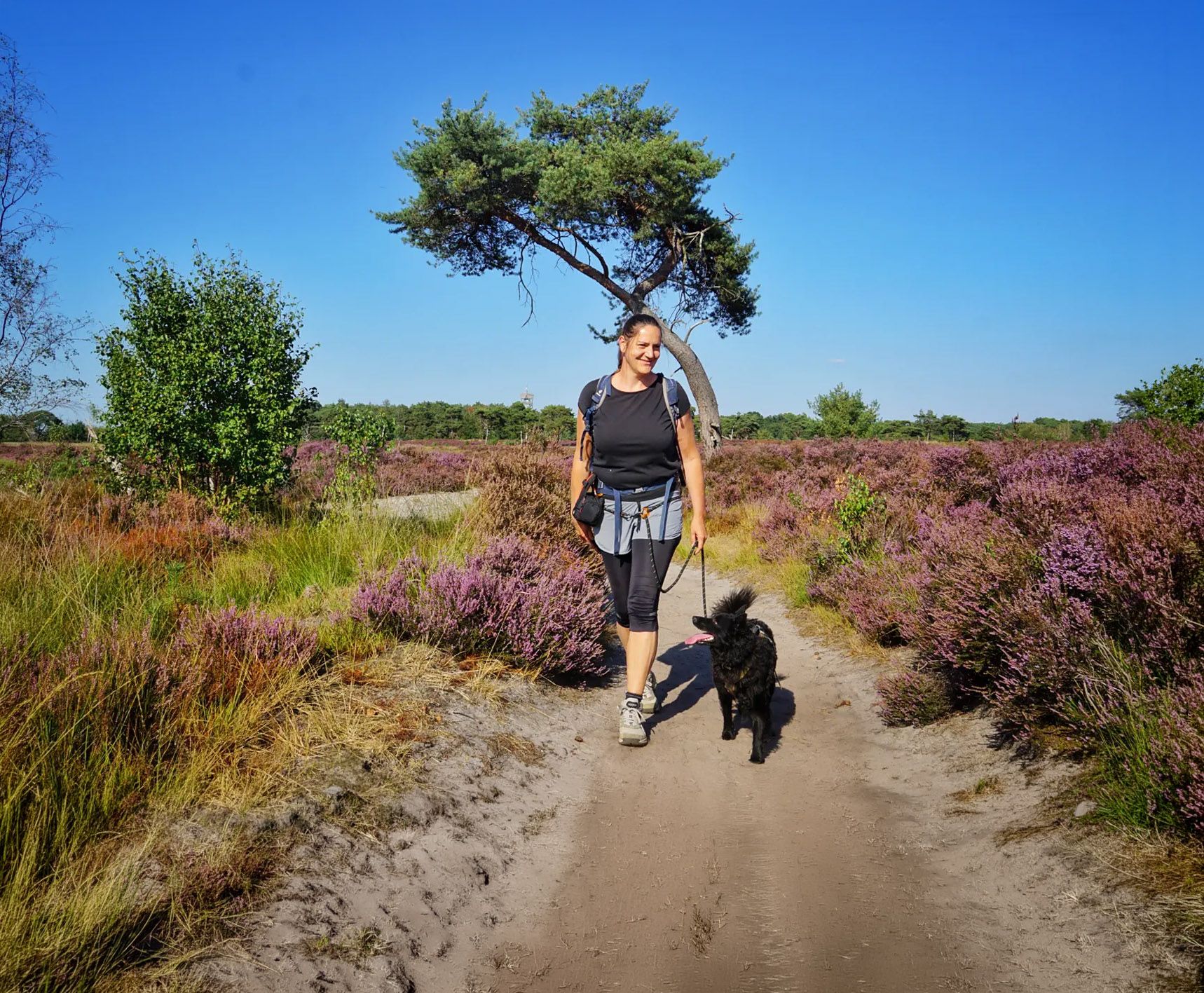
Purple trails and small discoveries – enjoyable hiking in Flanders
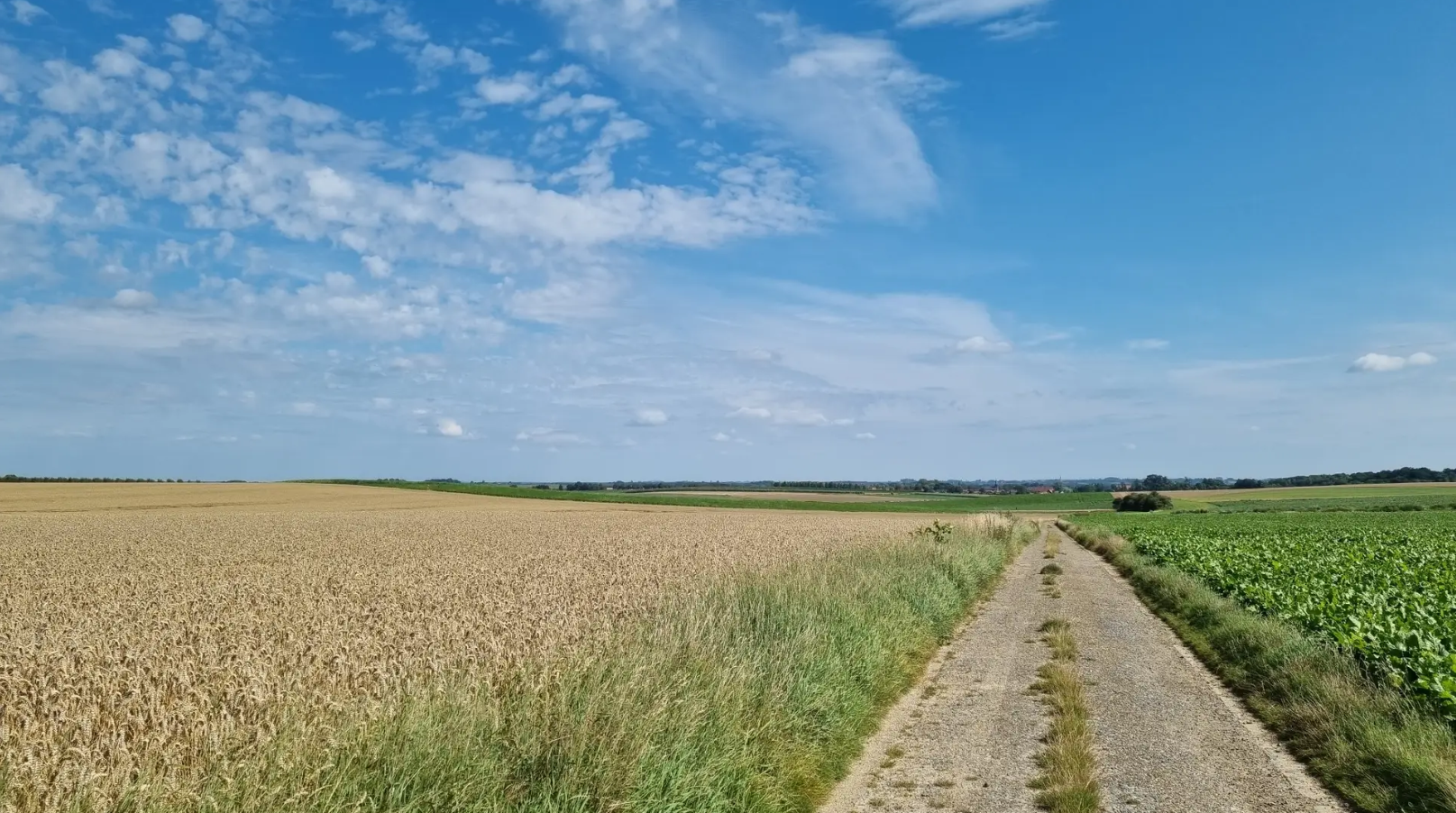
Bloesems, Forests and hidden Heritage – Streek-GR Haspengouw
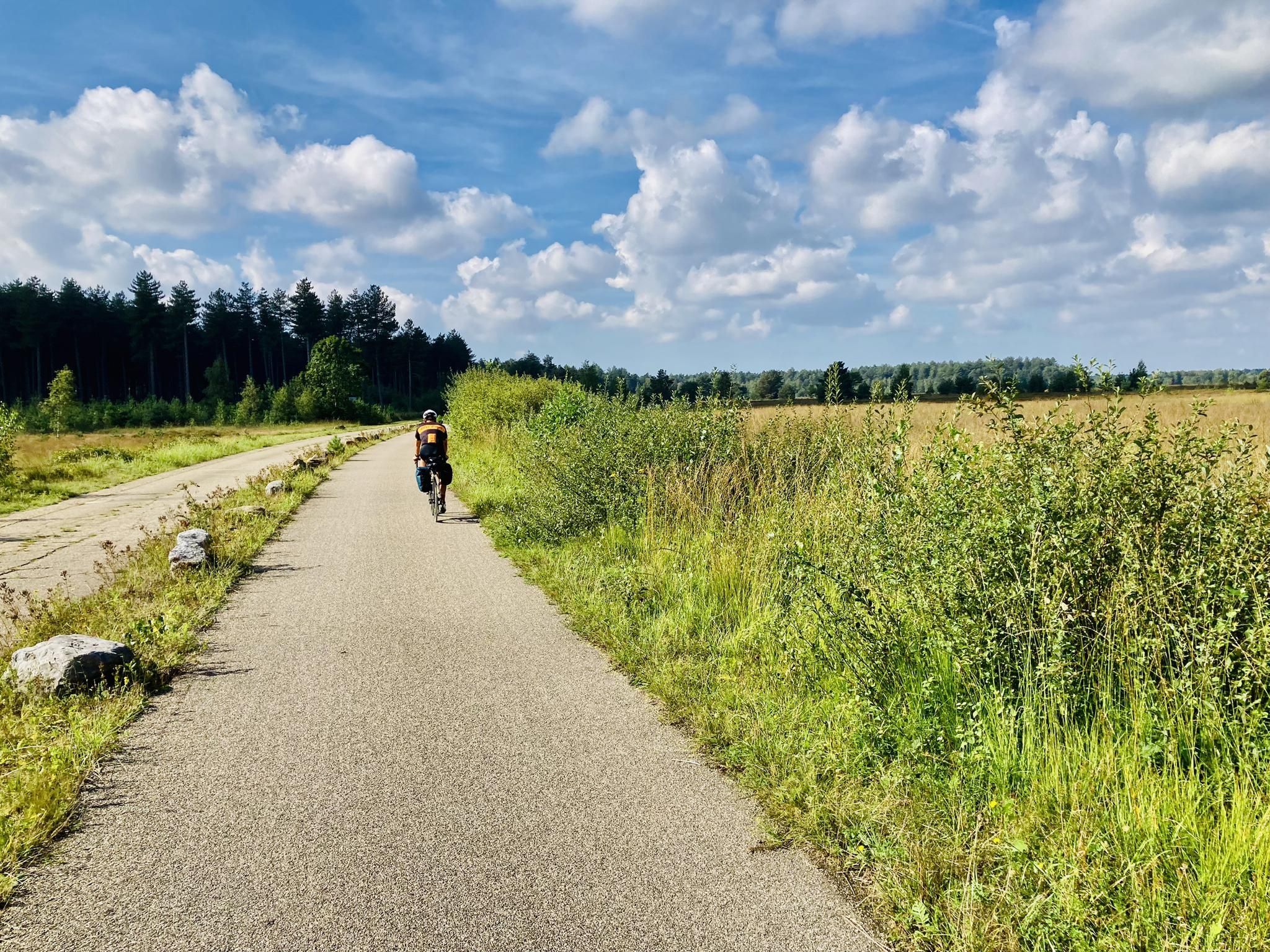
Explore the Kempen – a three-day cycling adventure on the Kempen Route
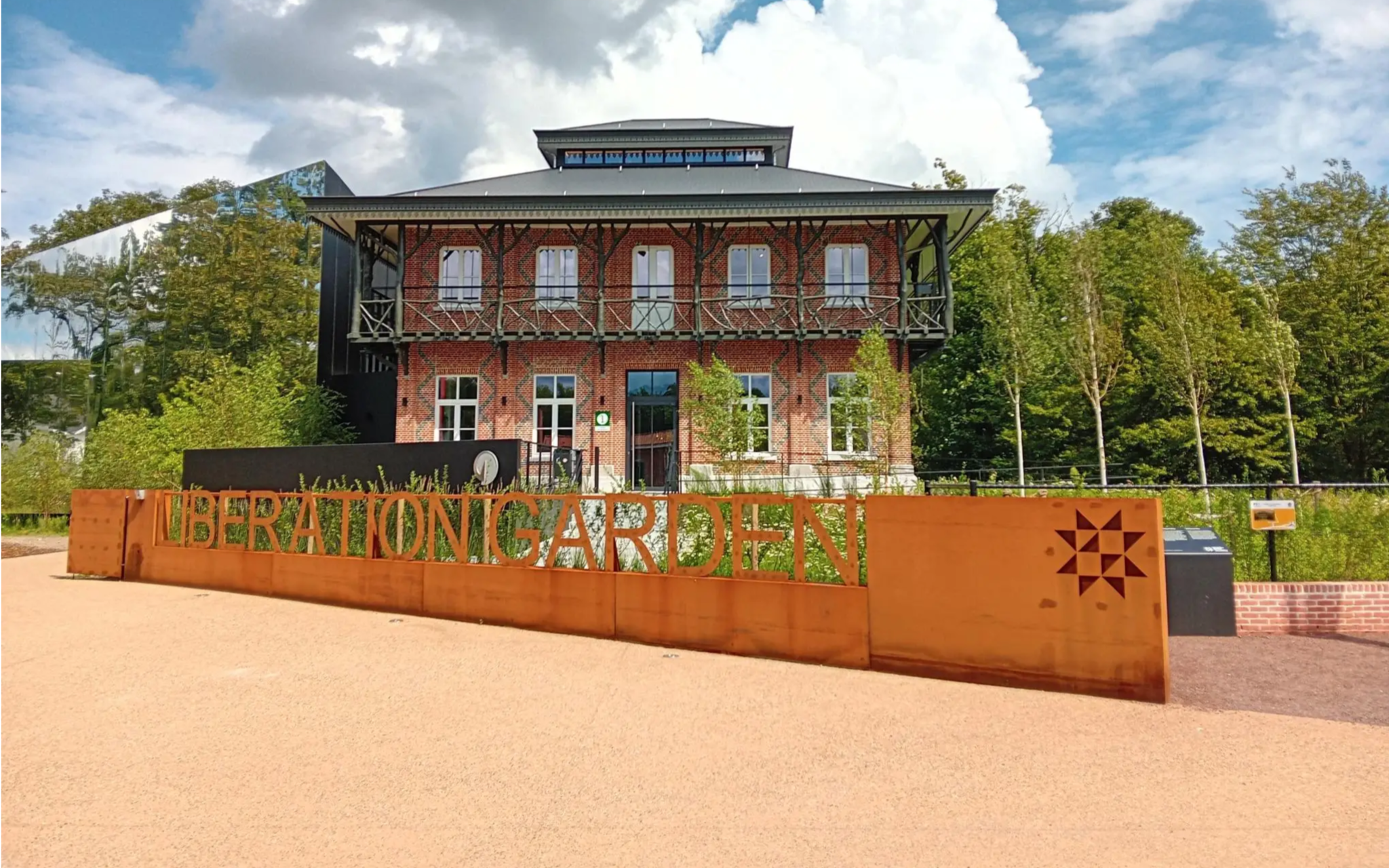
Operation Market Garden – A WW2 history lesson by bike
Flanders' Finest Cycle Routes: routes to discover Flemish nature and heritage
Treinstappers – from station to station in Flanders


Tips from the Community

The deepest hollow way - not just of Limburg, but of Flanders - is located in Loksbergen and is no less than 12m deep. Due to erosion, the underlying iron sandstone has been exposed here. This rust-brown rock is characteristic of the Demer Valley and was already used in the Middle Ages as a building stone for numerous large and small structures. In places where this iron sandstone was easily accessible, the hill was excavated to mine building stone. The same happened in some hollow ways like this one in Loksbergen. Along the edges of the eroded gully, blocks of iron sandstone were quarried and then transported to a nearby construction site.
3
0

Overall, this place and the surrounding area is a great practice ground for sand riding and has beautiful nature.
0
0

An told the origin of the sand pit (construction of Brustem airport) and elsewhere on a nearby highlight mentions a Merovingian burial ground, while Marc mentions a grave here. Those who are interested can find a historically and archaeologically very fascinating overview of the many rich finds in the "Merovingian Burial Ground in Engelmanshoven" in the January 1954 edition of the "Oude Land van Loon" by Knight Ph. de Schaetzen and M. Vanderhoeven. It shows you how extensive, important and simply 'rich' the finds made here are. Much can be admired in the Gallo-Roman museum in nearby Tongeren. See the PDF at https://oar.onroerenderfgoed.be/publicaties/ARBE/18/ARBE018-001.pdf
7
0
There is now also a mammoth skeleton in De Kuil. Don't believe it? Read more here: https://www.zonhoven.be/rendierjagerspad De Kuil has indeed been included - and successfully - in the new Reindeer Hunters' Trail. Be sure to walk around there too, new benches, information boards and fun things that refer to prehistoric times. And if you want to see the cross-country skiers at work, you should definitely also check out the grass areas behind the pit where sometimes a runner goes up high via one of the ski jumps.
7
0

Hollow roads (called deep streets here) only occur in hilly regions. They are typical for the loam region, but they can also be found in harder sandstone (such as here in Paal). They were created by man. They were used as a connecting road between farm and field and due to frequent use, loose sand was washed down the slope with every rain shower. In this way, the road was hollowed out deeper and deeper. A hollow road has a mild temperature, the wind has no effect on it. The silence is also noticeable during a walk in the shelter of a deep street.
4
0
In this region you will encounter limestone walls in several places, which are typical in the marl landscape. Due to the calcareous rock in the subsoil, various flower-rich grasslands occur here. The Zavelkuil itself was mined when the military airport of Brustem was constructed during WWII.
6
0
A sunken road or grub(be) is a road that has been worn out by leaching by rainwater and/or by frequent use (for example by cattle or vehicles), causing the road to lie between two slopes.
4
0
Frequently Asked Questions
What kind of unique natural features can I explore near Hasselt?
Near Hasselt, you'll find distinctive geological formations such as hollow ways and sand pits, which are the local equivalent of canyons. These include areas like The Pit of Zonhoven and Sunken lanes, offering tranquil paths and insights into the local landscape.
Are there any historical sites or points of interest within these natural features?
Yes, some of these natural features have historical significance. For example, the Zavelkuil Hollow Way is noted for its interesting origins, possibly linked to the construction of Brustem airport during WWII, and there are mentions of a Merovingian burial ground nearby. These hollow ways themselves are historical, formed over centuries by erosion and frequent use.
What outdoor activities can I do in the areas around these 'canyons'?
The region around Hasselt offers diverse outdoor activities. You can enjoy cycling through the unique 'land of 1001 ponds' in De Wijers Nature Reserve, or explore peaceful walks along meadows and brooks in the Mombeek Valley. For specific routes, you can find various options in the Cycling around Hasselt and Hiking around Hasselt guides.
What is the terrain like in the hollow ways and sand pits near Hasselt?
The terrain varies. In sand pits like De Kuil (Zonhoven Sand Pit), you can expect challenging descents in loose sand, sometimes with technical singletracks. Hollow ways, such as The shelter of a sunken lane, are typically deep, sunken paths carved by erosion, often with softer soil, providing sheltered and tranquil walking experiences.
Are there family-friendly options for exploring nature around Hasselt?
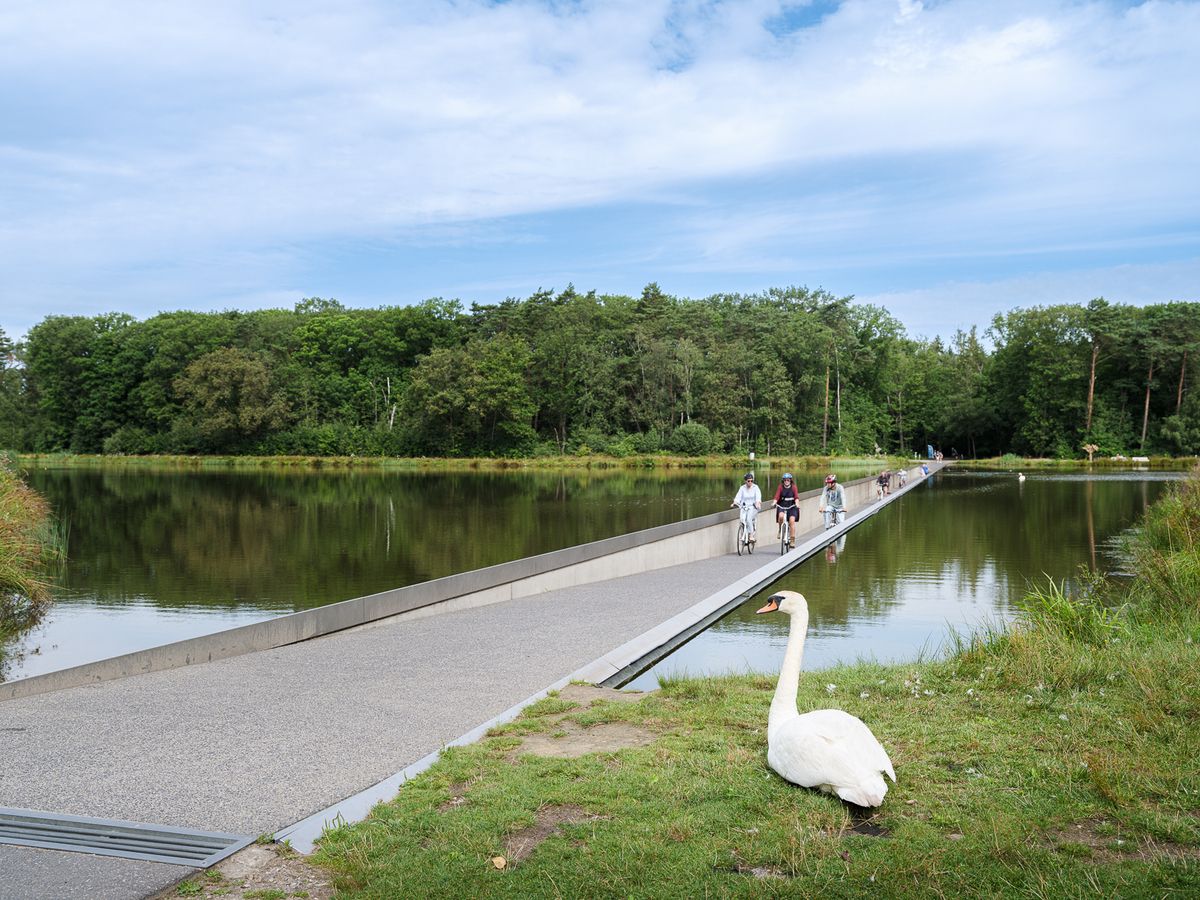
While the sand pits can be challenging, many of the hollow ways and surrounding nature reserves are suitable for families. Areas like the Mombeek Valley offer peaceful walks, and Nietelbroeken features boardwalks for easy passage through swampy areas, making it accessible for exploring nature. The 'Cycling through Water' path in Bokrijk (part of De Wijers) also offers a unique and engaging experience for all ages.
What is the best time to visit the natural areas around Hasselt?
Spring and summer are particularly beautiful. In spring, hay meadows like those in Nietelbroeken transform into a sea of blossoms with wild plants such as spotted orchids. Summer offers mild temperatures and lush greenery, making the hollow ways a cool retreat. The diverse landscapes of De Wijers are enjoyable year-round for birdwatching and cycling.
Where can I find unique plant and animal life in the Hasselt region?
The De Wijers Nature Reserve, known as the 'land of 1001 ponds,' is a haven for diverse bird species, including the bittern and tree frog. Nietelbroeken, in the south of Hasselt, is recognized for its unique bluegrass meadows hosting special plant species like blue button, betony, and caraway, with vibrant wild blossoms in spring.
What makes the 'hollow ways' near Hasselt special?
Hollow ways, like Sunken lanes, are unique paths formed by centuries of erosion from rainwater and frequent use. They lie between two slopes, creating a distinct microclimate with mild temperatures and noticeable silence, offering a peaceful and sheltered walking experience, especially in regions with softer soil.
Can I go mountain biking or cyclocross in these areas?
Yes, particularly in the sand pits. The Pit of Zonhoven and De Kuil (Zonhoven Sand Pit) are famous for cyclocross, featuring challenging descents in loose sand and technical singletracks. These spots are popular among riders looking to test their skills.
Are there any viewpoints or scenic spots in the natural areas around Hasselt?
While not traditional viewpoints, the extensive networks of ponds in De Wijers Nature Reserve offer numerous scenic vistas, especially along trails like the 'Cycling through Water' path where you ride with water at eye-level. The varied terrain of De Teut and Tenhaagdoornheide also provides beautiful heathland landscapes.
What do visitors enjoy most about the natural features near Hasselt?
Visitors appreciate the unique character of these natural features. The sand pits are loved by cyclists for their challenging descents, while the hollow ways are valued for their tranquility, historical context, and the peaceful walking paths they offer. The surrounding nature reserves are praised for their ecological diversity and opportunities for birdwatching and scenic cycling.
Are there any specific hiking trails recommended near these 'canyons'?
Yes, several hiking trails are available. For instance, you can explore the Schulensbroek Orange Trail or the De Maten Red Triangle Trail. These and many other options can be found in the Hiking around Hasselt guide, which provides details on various routes and their difficulty levels.
Most popular routes around Hasselt
Most popular attractions around Hasselt

Get inspired with the komoot mobile app


Didn’t find what you were looking for?
Want to see even more gorges? See the best ones around Hasselt region by region:
Explore more
Already discovered everything in this region? See additional gorges around Hasselt for your next adventure:
