Top 6 Caves around Leuven
Best caves around Leuven are primarily grottoes and historical underground structures, as the city itself does not feature extensive natural cave systems. The region offers a mix of historical sites and religious grottoes, providing unique underground attractions. These sites are often found within parks or alongside walking paths near Leuven, offering opportunities for exploration and reflection.
Best caves around Leuven
- The most popular caves is Park Cerckel: Historic Gate, Grotto, and Iron Bridge, a historical site that contains remains…
Last updated: August 24, 2026
Park Cerckel: Historic Gate, Grotto, and Iron Bridge
Highlight • Historical Site
The park was later laid out by the brewing family of Cerckel Brewery.
It was opened …
Translated by Google •
Tip by

Grotto of the Virgins of Brustem
Highlight • Religious Site
Translated by Google •
Tip by

Sign up now to discover places like this
Get recommendations on the best single tracks, peaks, & plenty of other exciting outdoor places.
Sign up for free
Eikelberg Lourdes Grotto
Highlight • Religious Site
Translated by Google •
Tip by

Lourdes Grotto Tielt-Winge
Highlight • Religious Site
Translated by Google •
Tip by

Heroes' Square
Highlight • Monument
Translated by Google •
Tip by

Lourdes Chapel with Grotto (Oude Velmseweg, Attenhoven)
Highlight • Religious Site
Translated by Google •
Tip by
Start today with a free account
Your next adventure awaits.
Login or Signup
Popular around Leuven
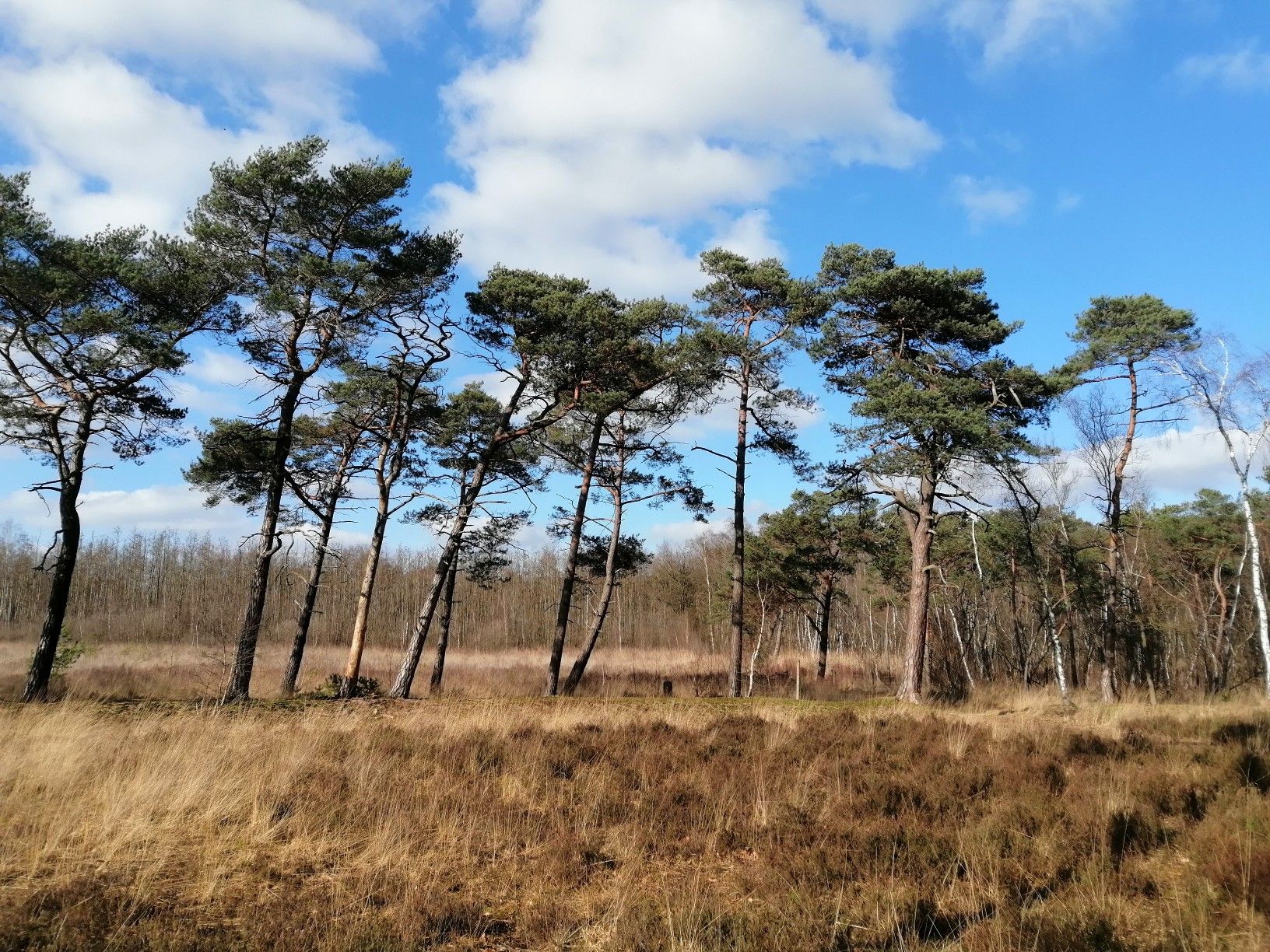
From Flanders to the Ardennes — GR 5 in Belgium
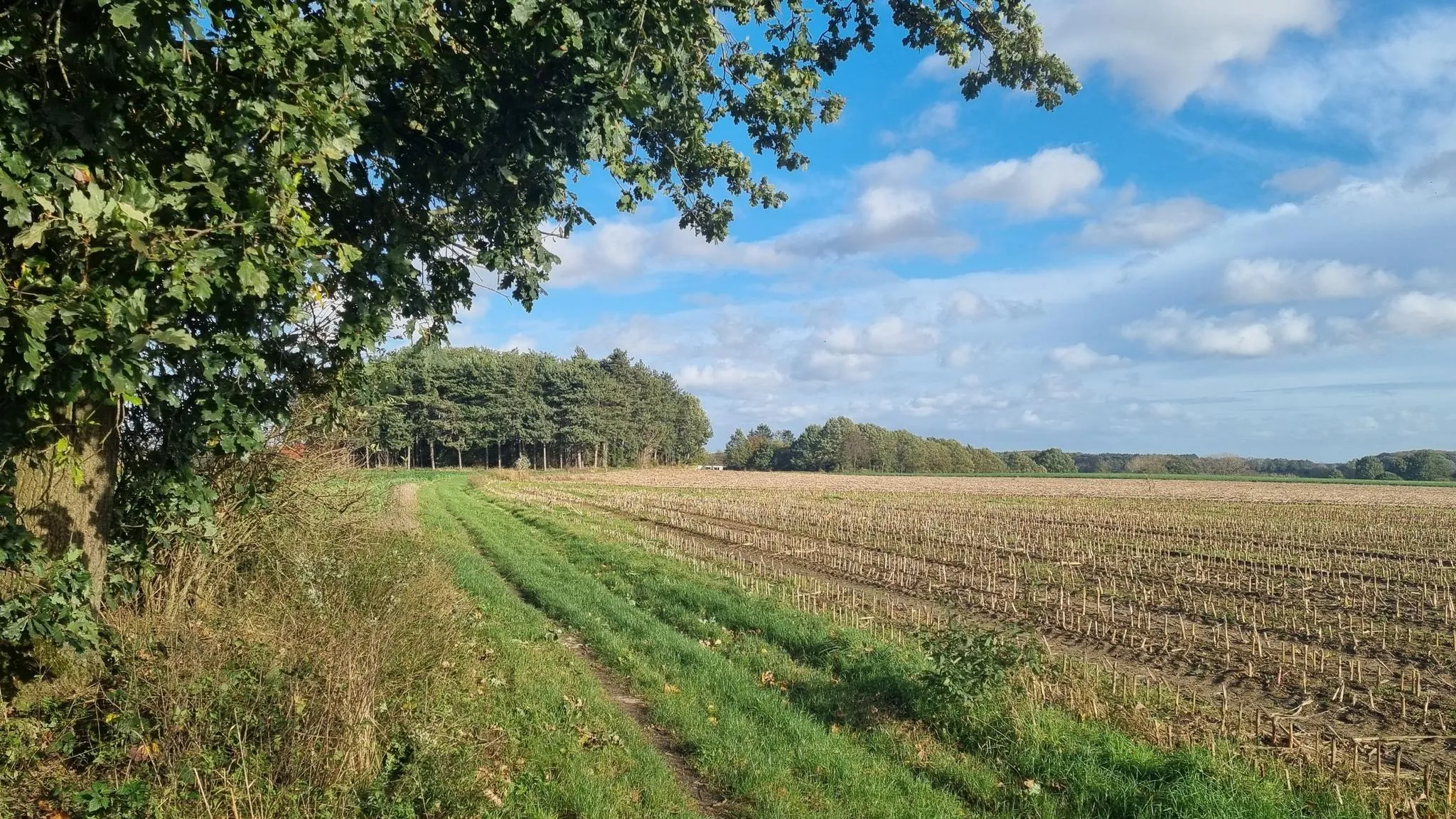
Streek-GR Hageland – Hollow roads and endless fields
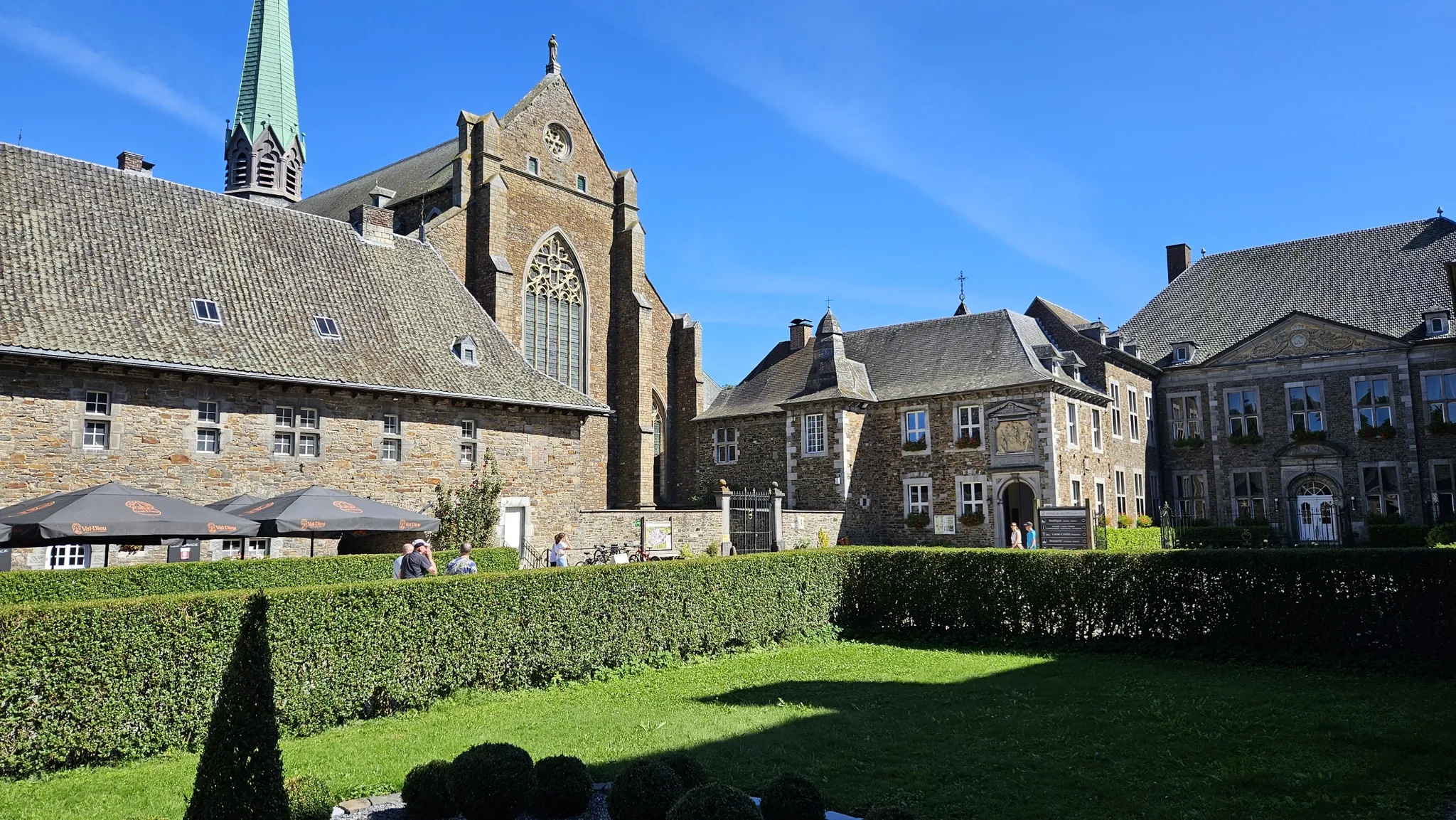
Trappist abbeys cycle route – Between beers and heritage
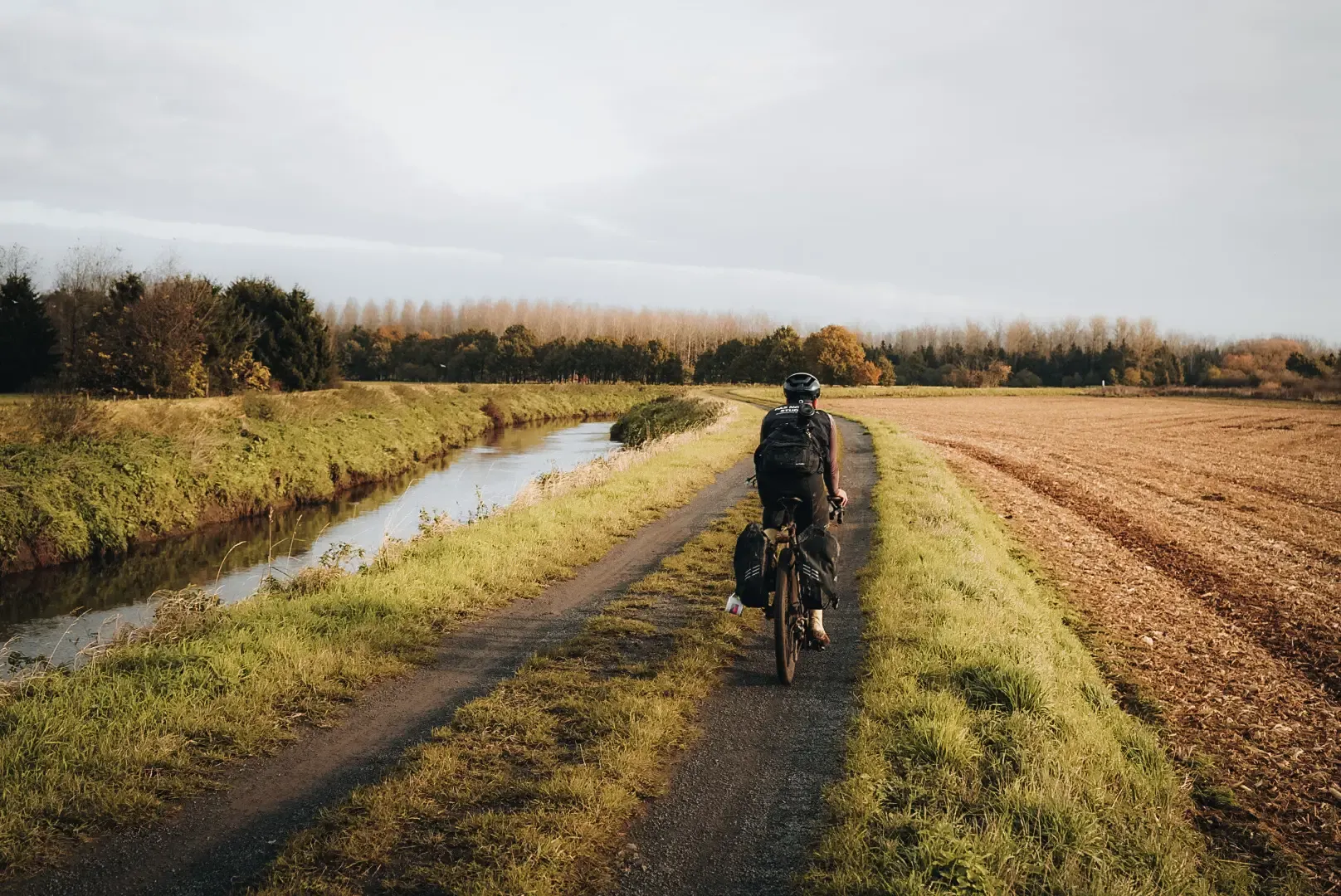
Flanders Divide - Across Flanders
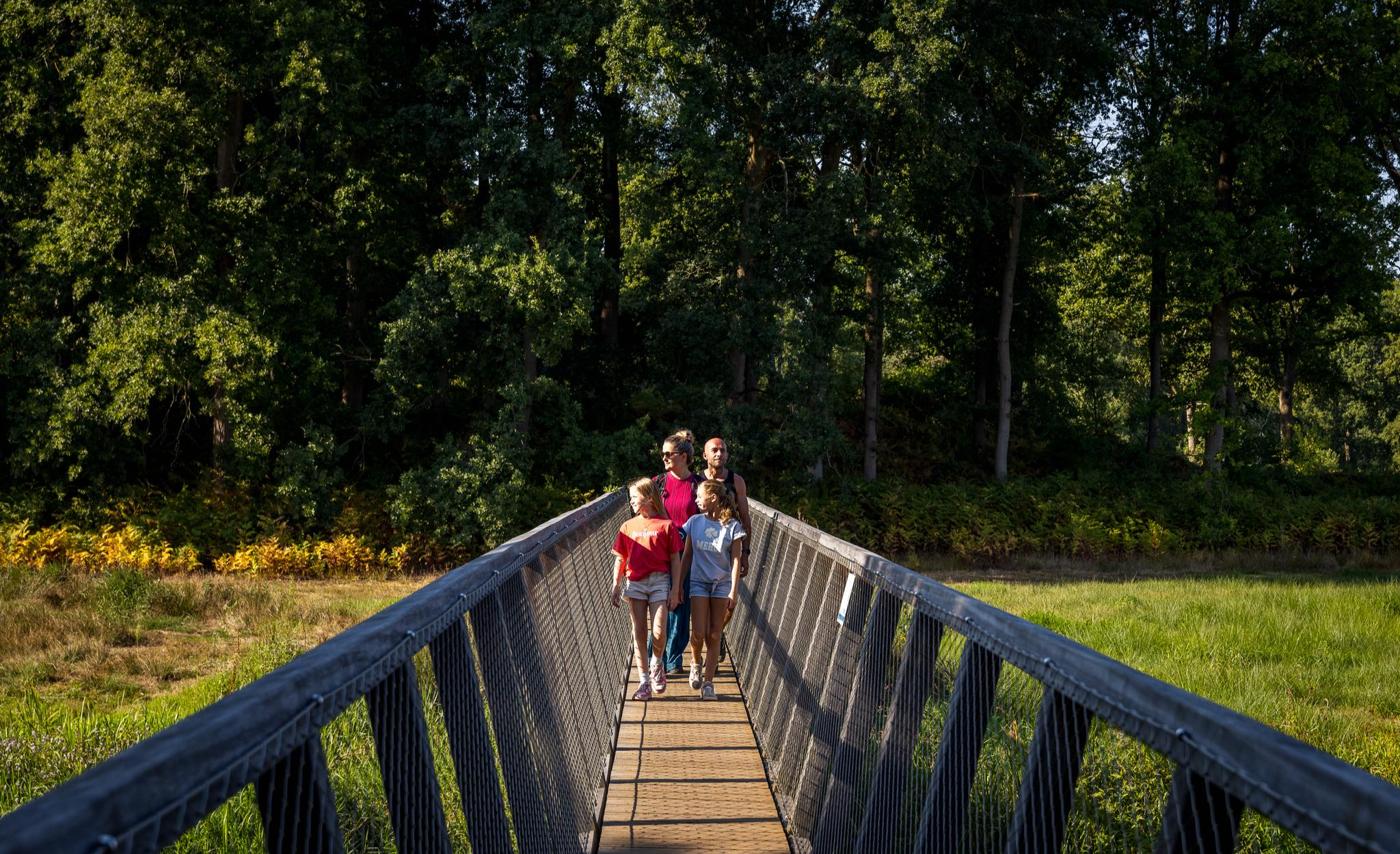
Flanders’ Finest Hiking Routes
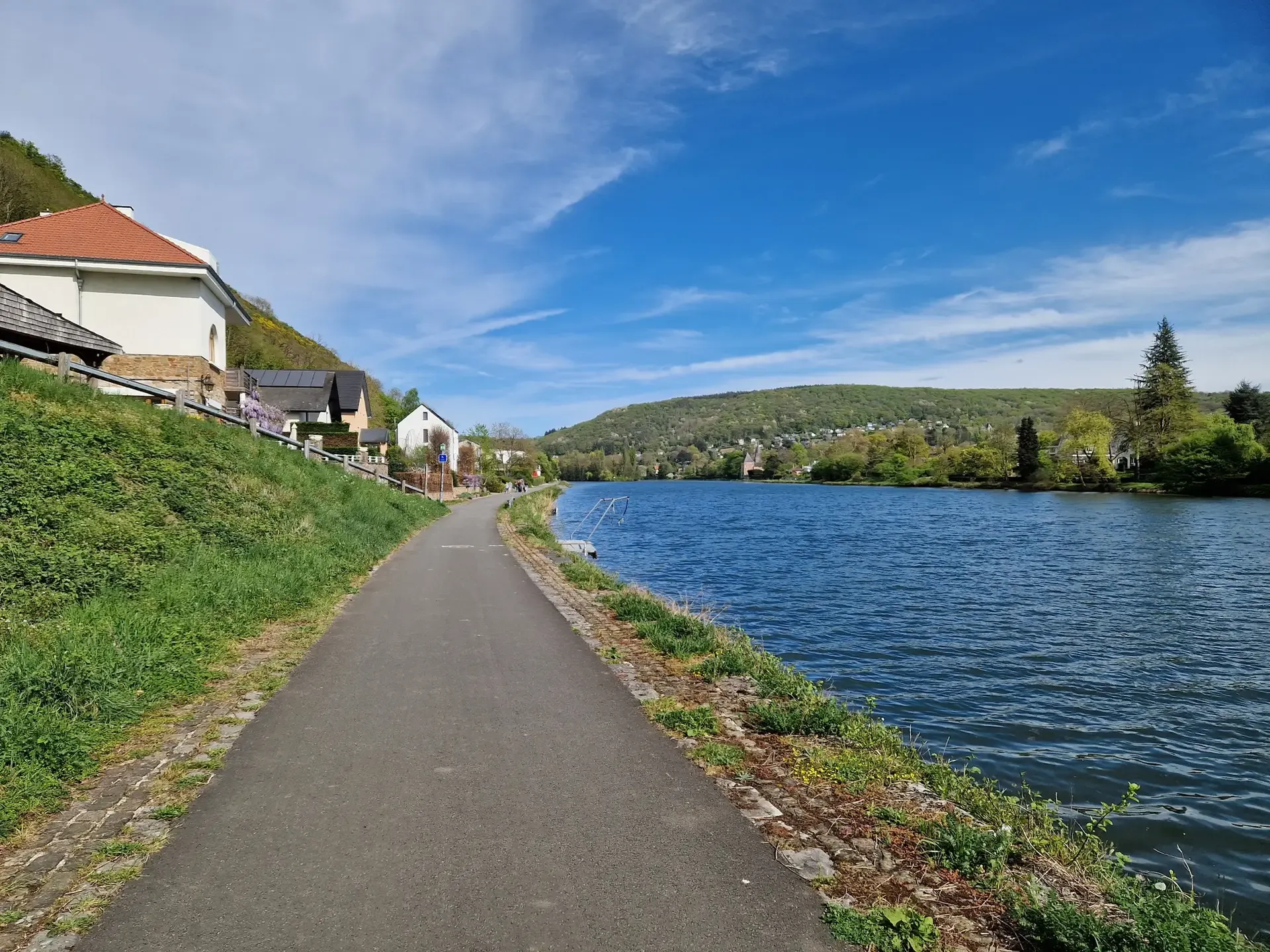
La Wallonie à vélo - RV2 : La Namuroise
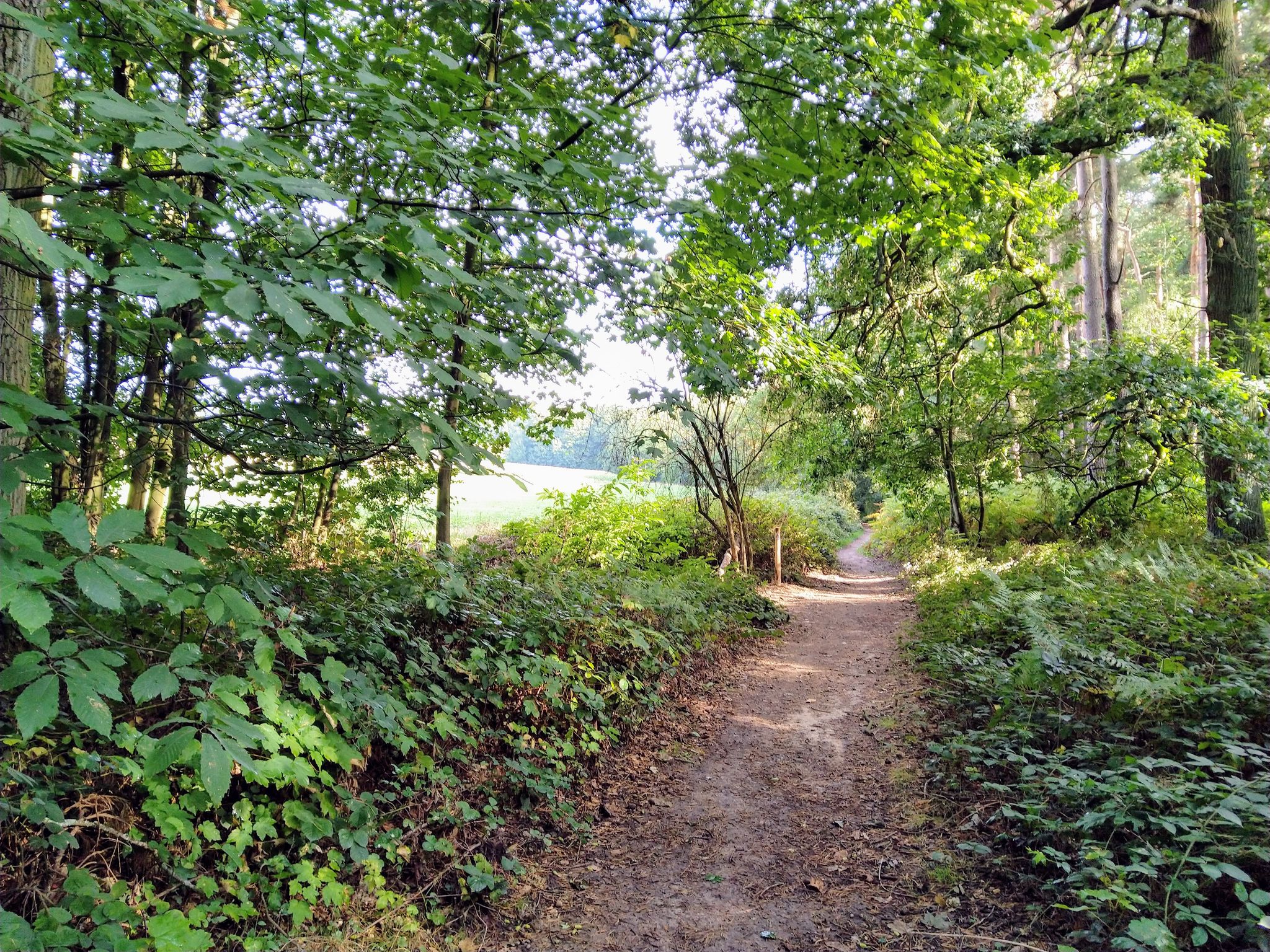
MTB Challenge – the Frans Claes route
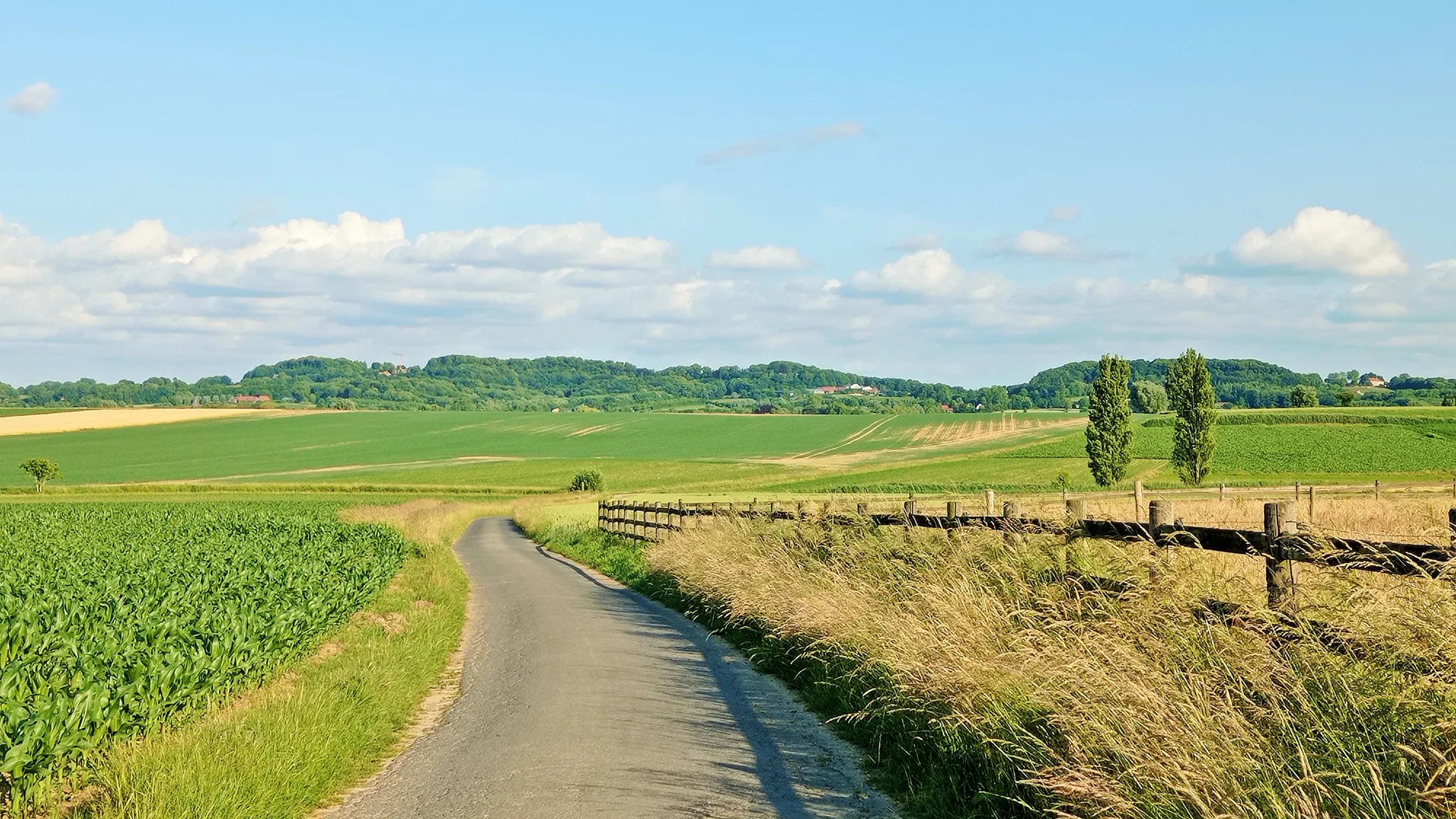
Seven-day Cycling tour through the South-Flemish hills – Hilly Route
Tour around Brussels – Streek-GR Groene Gordel
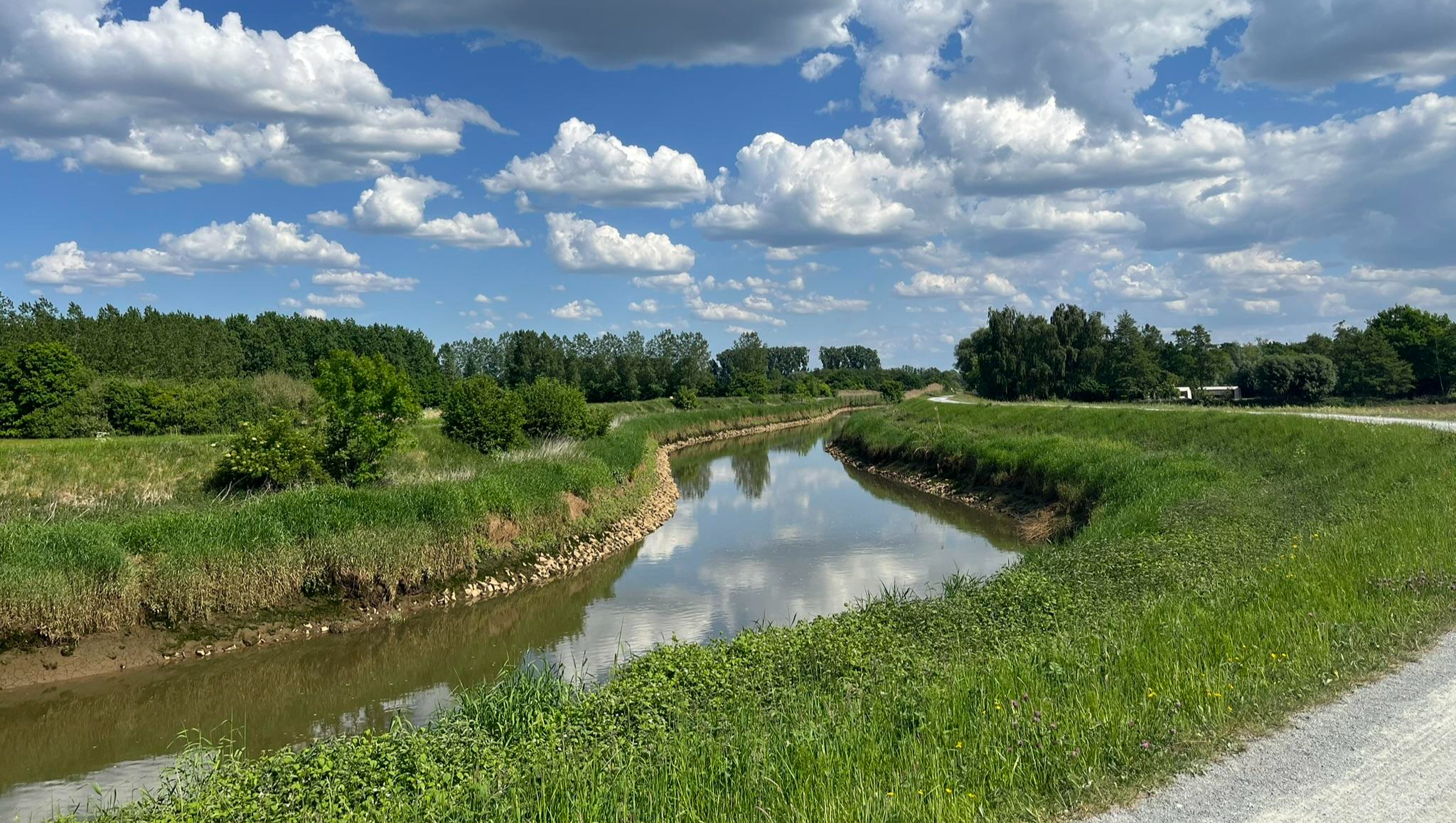
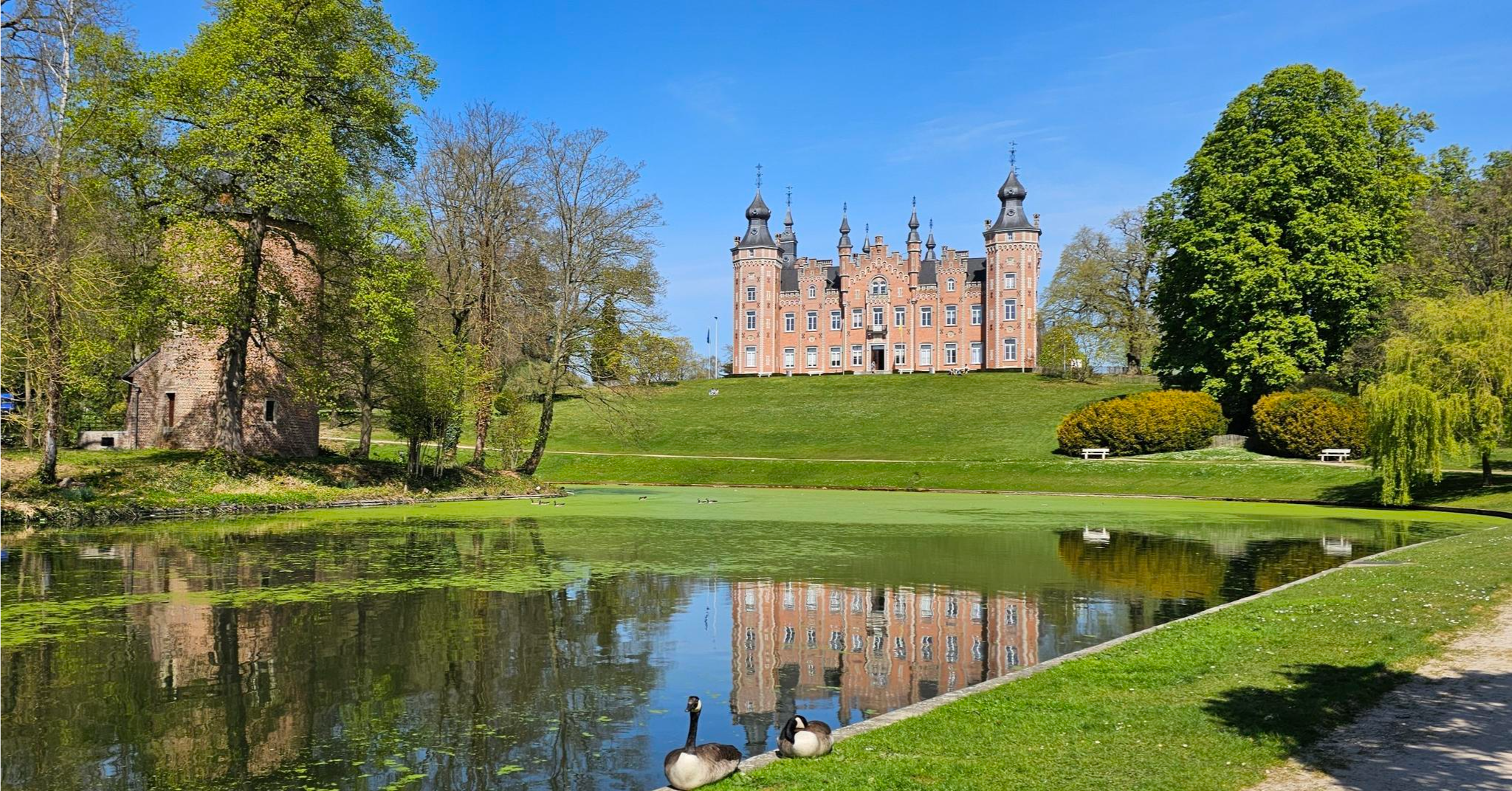
Through the valley of the Dijle – Streek-GR Dijleland
Other adventures around Leuven


Tips from the Community

Park Cerckel is over 800 years old and therefore has a considerable aura. It is wonderful to enjoy nature and the ancient trees. The story of Park Cerckel begins in 1228, when the order of the Friars Minor, one of the oldest monastic communities in Diest, settled on the banks of the Demer. They built a beautiful monastery there. But a large part of the city of Diest was destroyed in 1580 by the armies of William of Orange, and thus also the monastery of the Friars Minor. The troops also looted the tomb of Anne of Lorraine (wife of René of Chalon) at that time. She was later reburied in the Sint-Sulpitiuskerk. In 1583 they returned to Diest and began the reconstruction. But when centuries later the French took over, the monastery was sold publicly, which also meant the end of the Friars Minor of Diest. Only the infirmary and the round arch gate were preserved. When the brewing industry in Diest experienced strong growth in the 19th century, half of the monastery domain was bought up by the Cerckel brewing family. They turned it into a beautiful pleasure garden. Where there were once vegetable gardens, a pond and a bridge were created. The former monastery infirmary was converted into a garden pavilion with an orangery extending from it. When the Cerckel brewery disappeared, the beautiful garden also fell into disrepair. For many years the park was an impenetrable jungle that no one really benefited from. In 1990 the park was bought by the City of Diest. But it took a very long time until the people of Diest could finally enjoy this beautiful park, as it was not until April 2011 that the park was made accessible to the public again. Of course, after a thorough renovation. Source: https://www.staddiest.be/park-cerckel.html
2
0

Lourdes grotto at the foot of the Eikelberg.
0
0

The Lourdes Grotto was built by the late Jef Van Dessel, a former Aarschot police officer. He cycled from Aarschot to Lourdes several times. From the book "The Little Houses of Aarschot": This collection of grottoes and chapels is located on the property adjacent to Grotstraat and Kleine Grotstraat... This busy pilgrimage site, which dates back to 1954, can be entered through an iron gate... The plot is demarcated with gray-painted concrete slabs and a wire fence at the rear. Within this fence, trees and shrubs are scattered throughout. Pilgrims can use the numerous seating areas arranged in a theater-like fashion. At the front right of the property is the grotto of Our Lady of Lourdes. A Calvary, also arranged in the form of a grotto, stands centrally on the property. To the left of the Calvary is the chapel of the Brustem Sisters, and to the right is the semi-open chapel of St. Rita. This and more can be found at https://lourdesgrotten.com/2008/11/20/aarschot-grotstraat-20-11-8/
9
0
Park Cerckel, in the Michel Theysstraat, breathes almost 800 years of history. In 1228, the order of the Friars Minor, one of the oldest monastic communities in Diest, established itself on the banks of the Demer. A large part of Diest was destroyed in 1580 by the troops of William of Orange, including the Friars Minor monastery. Soldiers robbed the tomb of Anna van Lotharingen (wife of René van Chalon). She was later reburied by the city council in the Sint-Sulpitius church. After 3 years of exile, the Friars Minor returned and started rebuilding. At the end of the 18th century, the monastery was sold publicly by the French, which meant the end for the Friars Minor in Diest. Only the infirmary and the round-arched gate were preserved. During the 19th century, the beer industry in Diest experienced strong growth. Brewery family Pieck - later Cerckel - bought about half of the monastery domain and transformed it into a beautiful pleasure garden. The vegetable gardens became a pond with a beautiful wrought iron bridge, the former monastery infirmary was converted into a garden pavilion with an orangery in its extension. When Brewery Cerckel disappeared, the beautiful city garden also fell into disrepair. In 1990, the city of Diest bought the park. With the renovation of the pond, bridge, cave and round arch gate, the park has welcomed the public again since April 2011. The infirmary and orangery are also being restored to their former glory. Source: https://www.diest.be/vrije-tijd/sport/wandelen/park-cerckel
1
0
On the Oude Velmseweg (opposite house no. 26 and to the right of house no. 21) there is a Lourdes chapel, with a Lourdes grotto inside. Source: https://lourdesgrotten.com/2009/08/10/landen-attenhoven-oude-velmseweg-10-8-9/
7
0
The park needs a bit of maintenance after the long works in the area, including the adjacent hospital. But that is coming. Some things have already been restored. And something beautiful is coming: they are busy renovating the old infirmary, conservatory and orangery. That will be beautiful.
6
3
The Heldensquare is more of a memorial than a monument. As a monument, it commemorates the victims of Belgian independence, the First World War and the Second World War. The place where the Heldensquare is located used to be a pond, a fact that was included in the concept. The square is sunken and surrounded by benches, planters, trees, a broken stone wall and various works of art. The monument itself consists of a sculptural ensemble in bronze and bluestone with a brick wall next to it with the names of the fallen and the text "VOOR UW VRIJHEID ZIJN MENSEN GESDIVEN". Around the bronze dome with the statues you will find the names of four places from which soil was brought to Tienen in urns: Dachau, Zwickau, Stalag IA and Breendonk. The whole was created by local architect Jacques Piron and sculptor Georges Van de Voorde. Inventory of Immovable Heritage: War Memorial Heldensquare, https://id.erfgoed.net/erfgoedobjecten/214961
7
0
You enter and exit the cave via rather large stairs and see all kinds of thank-you notes from believers who once came here. At the entrance of the cave (on the right) there is also a frame with some explanation about Our Lady of the Pool. According to that sign, the remains of a pious man named Thierry were found around 1050. He came from Campen and was a lecturer at the University of Paris. He had also made a promise of eternal chastity to the Virgin Mary. A chapel was built at the site of the murder with the permission of Jan I, Duke of Brabant. And he was baptized, you guessed it, Our Lady of the Pool. Hundreds of pilgrims would come to Tienen and the chapel every year to venerate the Virgin Mary, who was soon regarded as the Queen of the city and its surroundings. And you can read and experience the rest here, in the immediate vicinity of the church and – literally – in the depths when you go down the stairs.
7
0
Frequently Asked Questions
What types of 'caves' can I explore directly in and around Leuven?
In and very near Leuven, you'll primarily find historical underground structures and grottoes, rather than extensive natural cave systems. These include sites like the 'love cave' in Park Cerckel, which is part of a historical park with Franciscan monastery remains. You can also visit various religious grottoes such as the Grotto of the Virgins of Brustem and Lourdes Grotto Tielt-Winge.
Are there any significant natural cave systems accessible from Leuven?
For more traditional and extensive natural cave experiences, you'll need to venture further into the wider Belgian region, particularly the Ardennes. Renowned options include the impressive Caves of Han-sur-Lesse, known for their vast chambers and dripstone formations, or the Caves of Remouchamps, which offer a unique underground boat tour. The Hotton Caves and Grotte La Merveilleuse near Dinant are also highly regarded.
What historical underground attractions are near Leuven?
Beyond the grottoes, the prehistoric mines of Folx-les-Caves, located south of Leuven, offer a fascinating historical underground experience. These are not natural caves but extensive passages carved out for turfstone extraction, later used for mushroom cultivation and as a refuge. You can observe old fossils and traces of manual excavation within their walls.
Are the caves and grottoes around Leuven suitable for families?
Yes, many of the grottoes and historical sites around Leuven are family-friendly. For example, Park Cerckel, the Grotto of the Virgins of Brustem, and the Eikelberg Lourdes Grotto are all listed as family-friendly attractions, offering accessible spaces for exploration and reflection.
What kind of geological features can I expect to see in the caves near Leuven?
The 'caves' directly around Leuven are primarily man-made grottoes or historical excavations, so you won't find extensive natural geological formations like stalactites and stalagmites typical of natural karst caves. However, in the prehistoric mines of Folx-les-Caves, you can observe traces of manual excavation and old fossils embedded in the walls. For impressive natural geological features, you would need to visit the larger cave systems in the Ardennes, such as the Caves of Han-sur-Lesse.
Are there hiking or cycling routes near these cave sites?
Yes, the area around Leuven offers various outdoor activities. You can find numerous hiking routes, such as those detailed in the Easy hikes around Leuven guide, which might pass by some grottoes. For cycling enthusiasts, there are also MTB trails available, as highlighted in the MTB Trails around Leuven guide.
What do visitors enjoy most about the grottoes and historical sites around Leuven?
Visitors appreciate the tranquility and historical significance of these sites. Many find places like Eikelberg Lourdes Grotto ideal for moments of reflection. The Park Cerckel is enjoyed for its green spaces and historical atmosphere, offering an escape from the city bustle.
Is parking available at the grottoes and historical sites near Leuven?
Parking options vary by location. For instance, Park Cerckel is noted to have parking available on the edge of town. It's advisable to check specific location details for other sites, as many grottoes are integrated into local communities or parks.
What is the best time of year to visit the grottoes and underground attractions around Leuven?
Most grottoes and historical underground sites around Leuven, being either outdoor or sheltered, can be visited year-round. However, spring and autumn offer pleasant weather for exploring the surrounding parks and walking paths. The larger natural caves in the Ardennes typically have consistent internal temperatures, making them suitable for visits in any season, though booking ahead is often recommended.
Are there any less crowded 'caves' or underground spots to visit near Leuven?
While popular sites like Grotto of the Virgins of Brustem can attract pilgrims, many of the smaller religious grottoes, such as the Lourdes Chapel with Grotto (Oude Velmseweg, Attenhoven), offer quieter spots for reflection. The prehistoric mines of Folx-les-Caves might also provide a less conventional and potentially less crowded underground experience compared to the major tourist caves in the Ardennes.
Can I go caving or require special gear for these sites?
For the grottoes and historical underground structures directly around Leuven, no special caving gear is required. These are generally accessible to the public. If you're interested in serious caving, the University of Leuven has a caving club (Spekul) that organizes trips to more challenging natural caves in Belgium and abroad, which would require specialized equipment and experience.
Most popular routes around Leuven
Most popular attractions around Leuven

Get inspired with the komoot mobile app


Didn’t find what you were looking for?
Discover more caves around Leuven region by region:
Explore more
Extend your search for the best caves by checking out these guides of the top ones around Leuven:
