Top 14 Castles around Philippeville
Castles around Philippeville are situated in a region known for its historical fortifications and varied landscapes. The area features a mix of medieval fortresses, fortified farmhouses, and historical city defenses. Philippeville itself was founded in 1555 and includes a network of underground passages. This region offers insights into centuries of architectural and military history.
Best castles around Philippeville
- The most popular castles is Haute Roche Castle Ruins, a castle located on a rocky promontory overlooking the Dourbes valley. Its…
Last updated: October 3, 2026
Haute Roche Castle Ruins
Highlight • Castle
This castle is located on a …
Translated by Google •
Tip by

View of the ruins of Dourbes Castle
Highlight • Castle
Translated by Google •
Tip by

Sign up now to discover places like this
Get recommendations on the best single tracks, peaks, & plenty of other exciting outdoor places.
Washhouse at Vierves-sur-Viroin Castle
Highlight • Castle
Based on a fortress and a farm of medieval origin, the emblematic building spreads its slender silhouette over the landscape of Vierves-sur-Viroin - private property.
Translated by Google •
Tip by

Thy-le-Château Castle
Highlight • Castle
Translated by Google •
Tip by

Roly Castle-Farm
Highlight • Castle
Translated by Google •
Tip by

Château Licot
Highlight • Castle
Translated by Google •
Tip by

Château de Boussu-en-Fagne
Highlight • Castle
Translated by Google •
Tip by
Château Diericx de Tenham
Highlight • Castle
Translated by Google •
Tip by
View of Nismes Castle
Highlight • Viewpoint
Translated by Google •
Tip by

Vierves-sur-Viroin
Highlight • Settlement
Translated by Google •
Tip by
Sign up for free to discover even more castles around Philippeville.
Already have an account?
Start today with a free account
Your next adventure awaits.
Popular around Philippeville
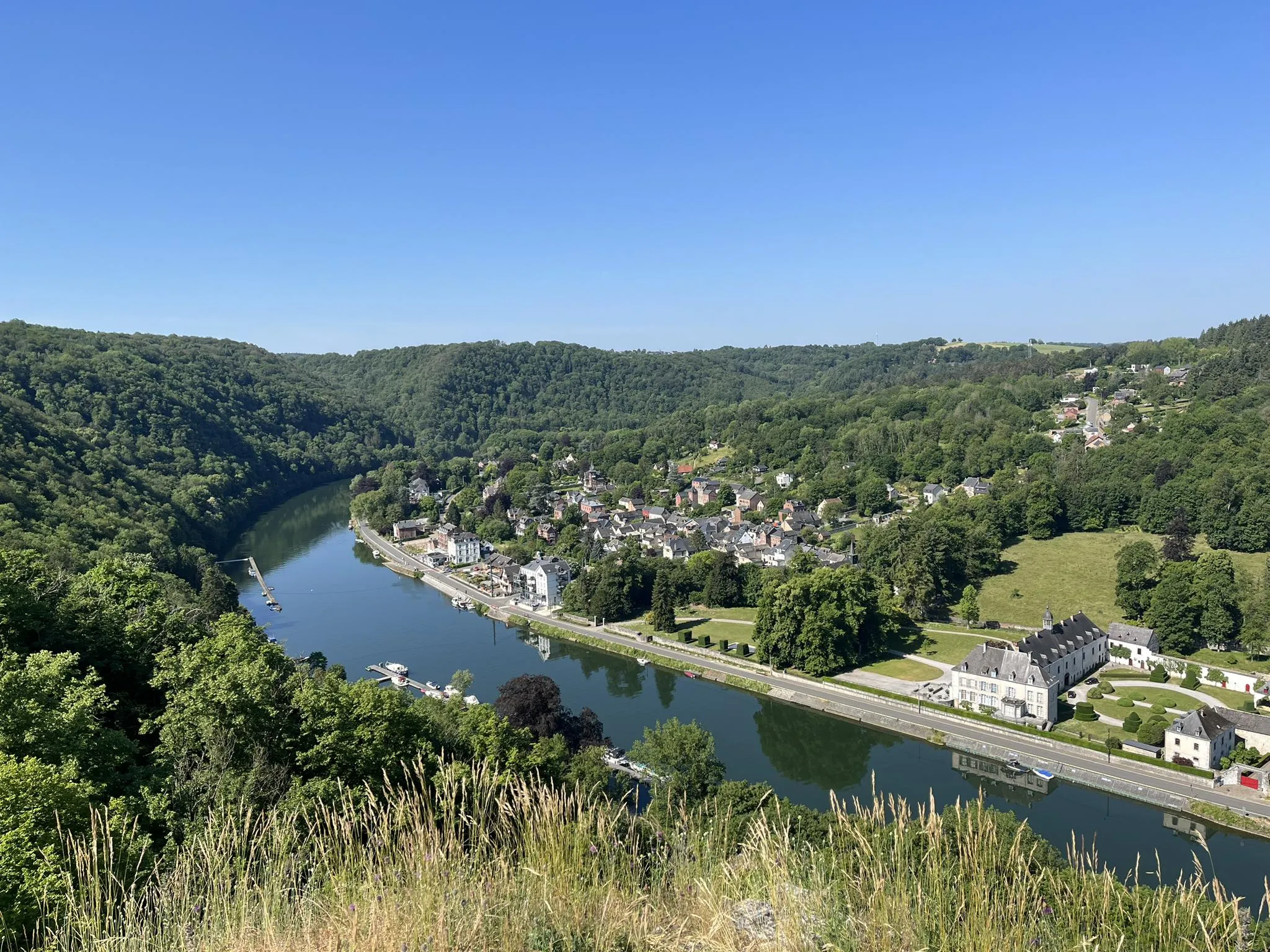
Sentier des abbayes trappistes part 1 – Between nature and gastronomy
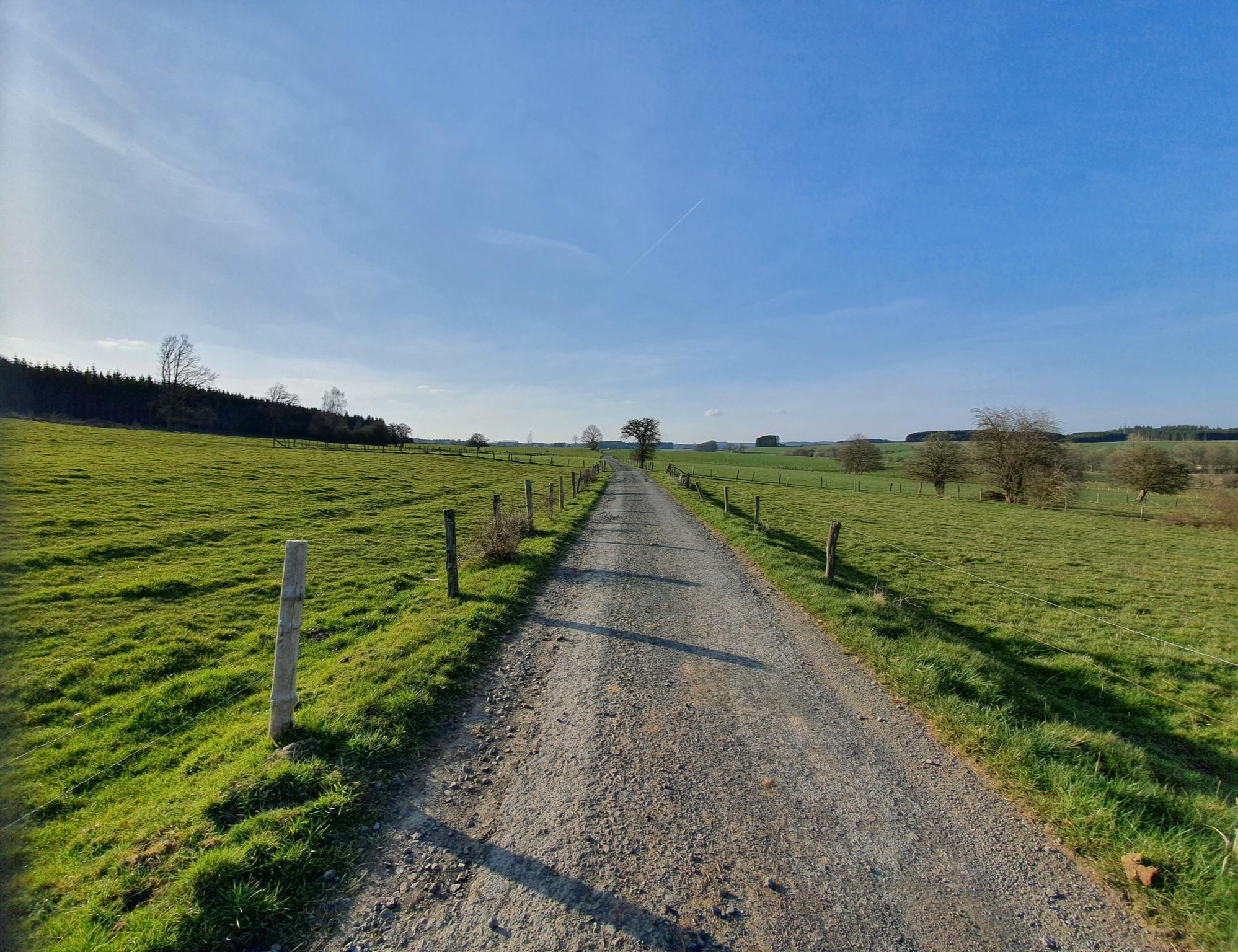
GR 2 d’Orval à Renaix — The Parcs Naturels du sud de la Belgique in gravel
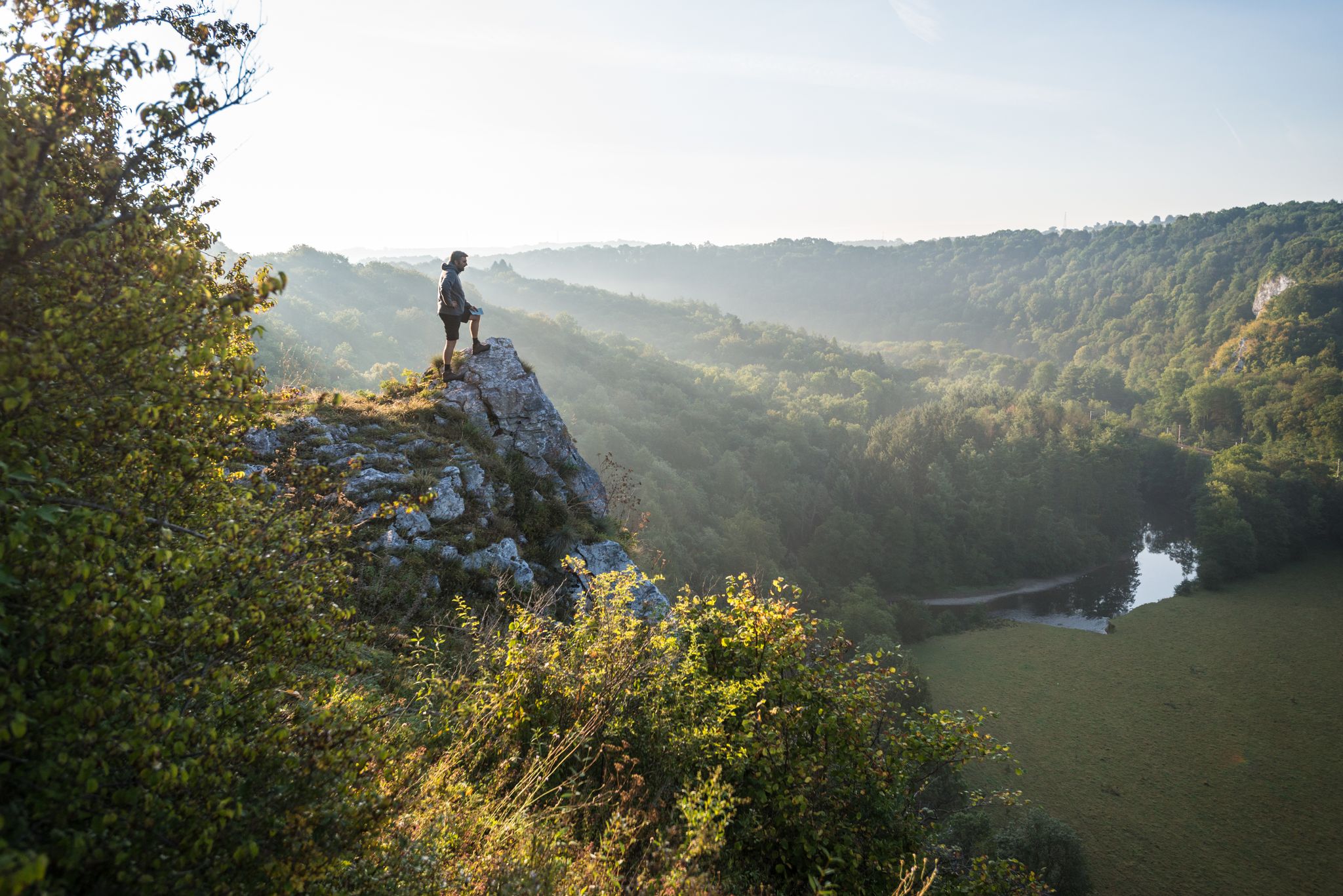
National Park between Sambre and Maas - Long distance hiking in Belgium on the GRP125
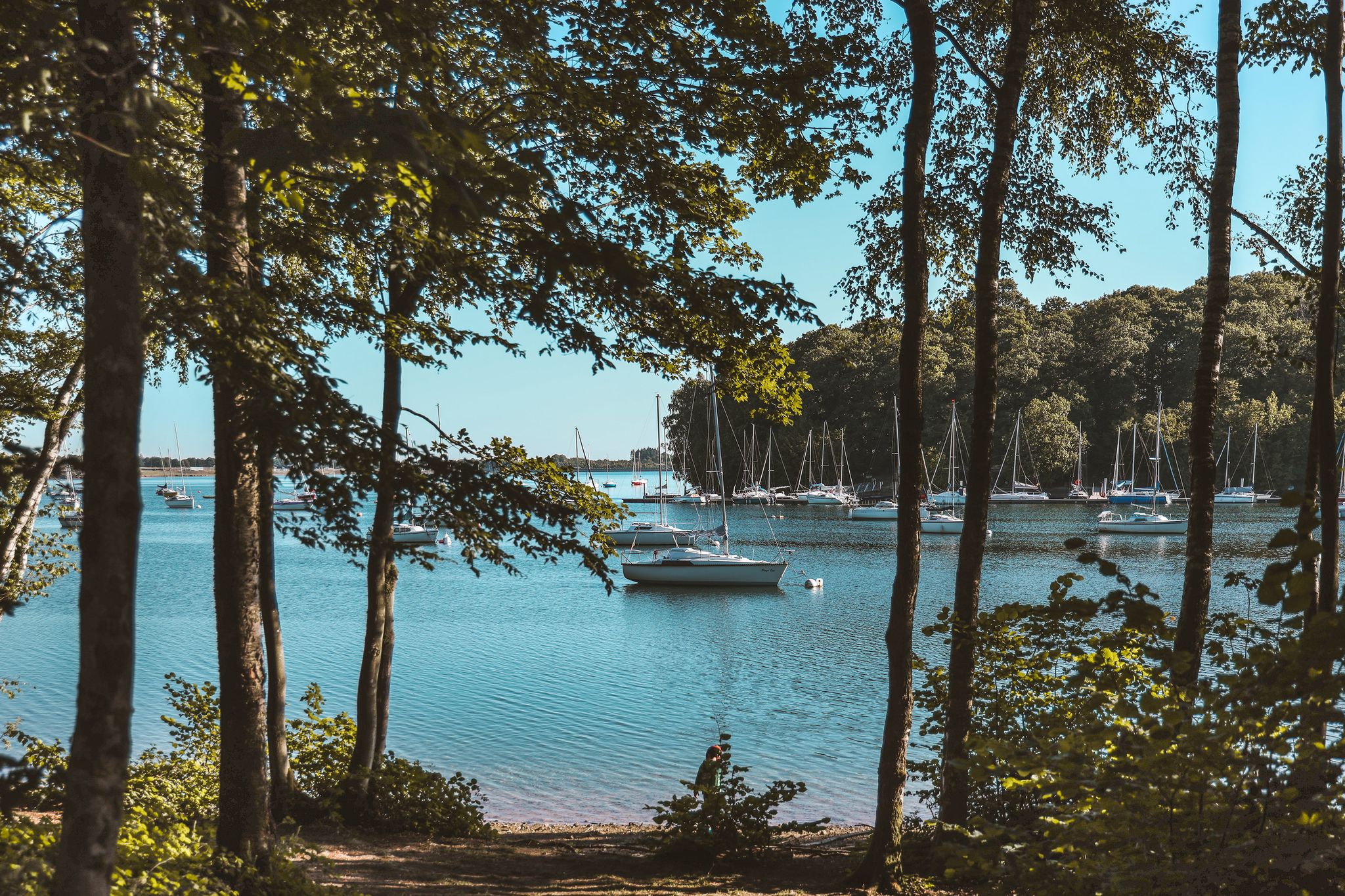
Waterside hikes – Belgium’s Eau d'Heure Lakes region
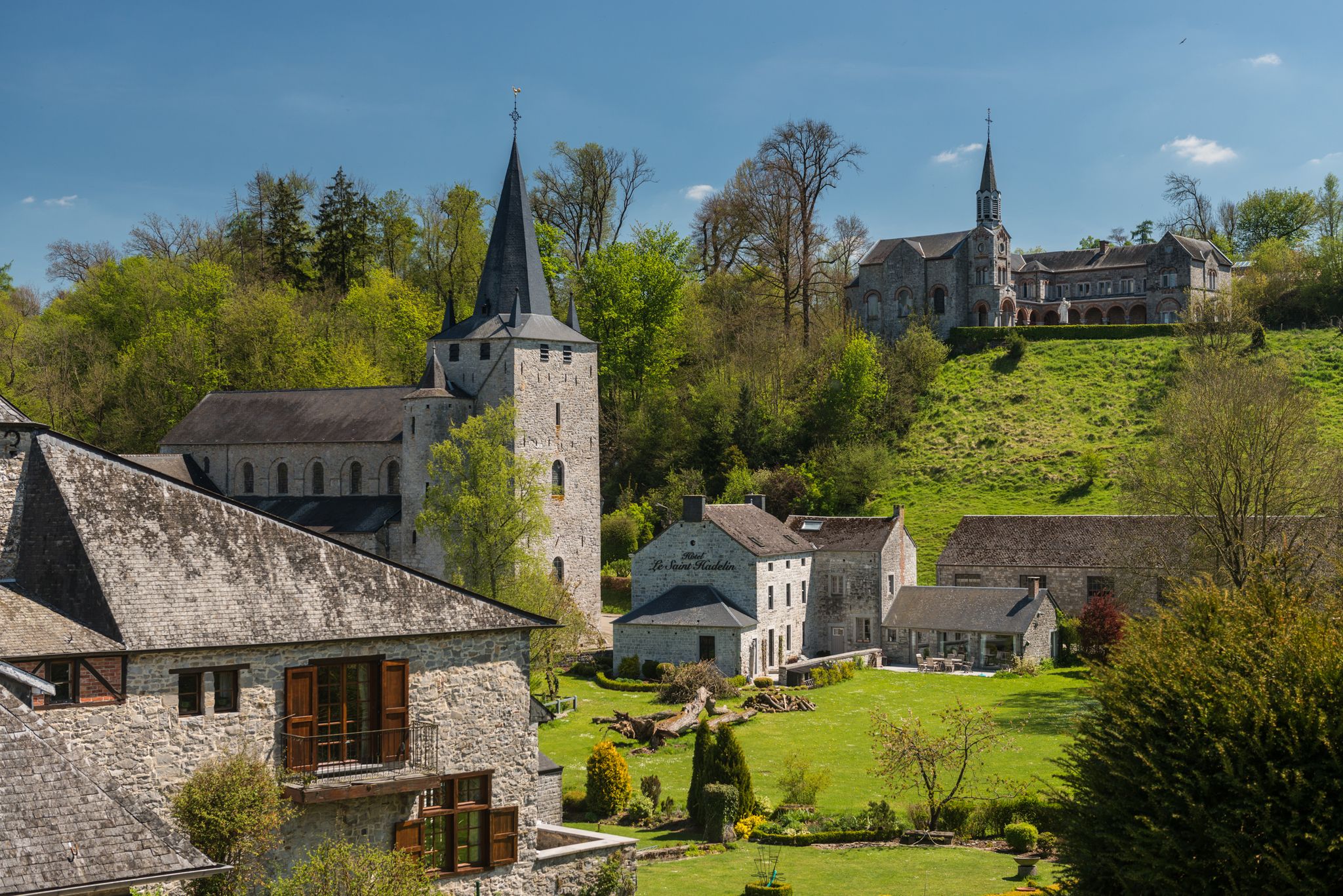
Walks in the Belgian Ardennes — historic walls & magical forests
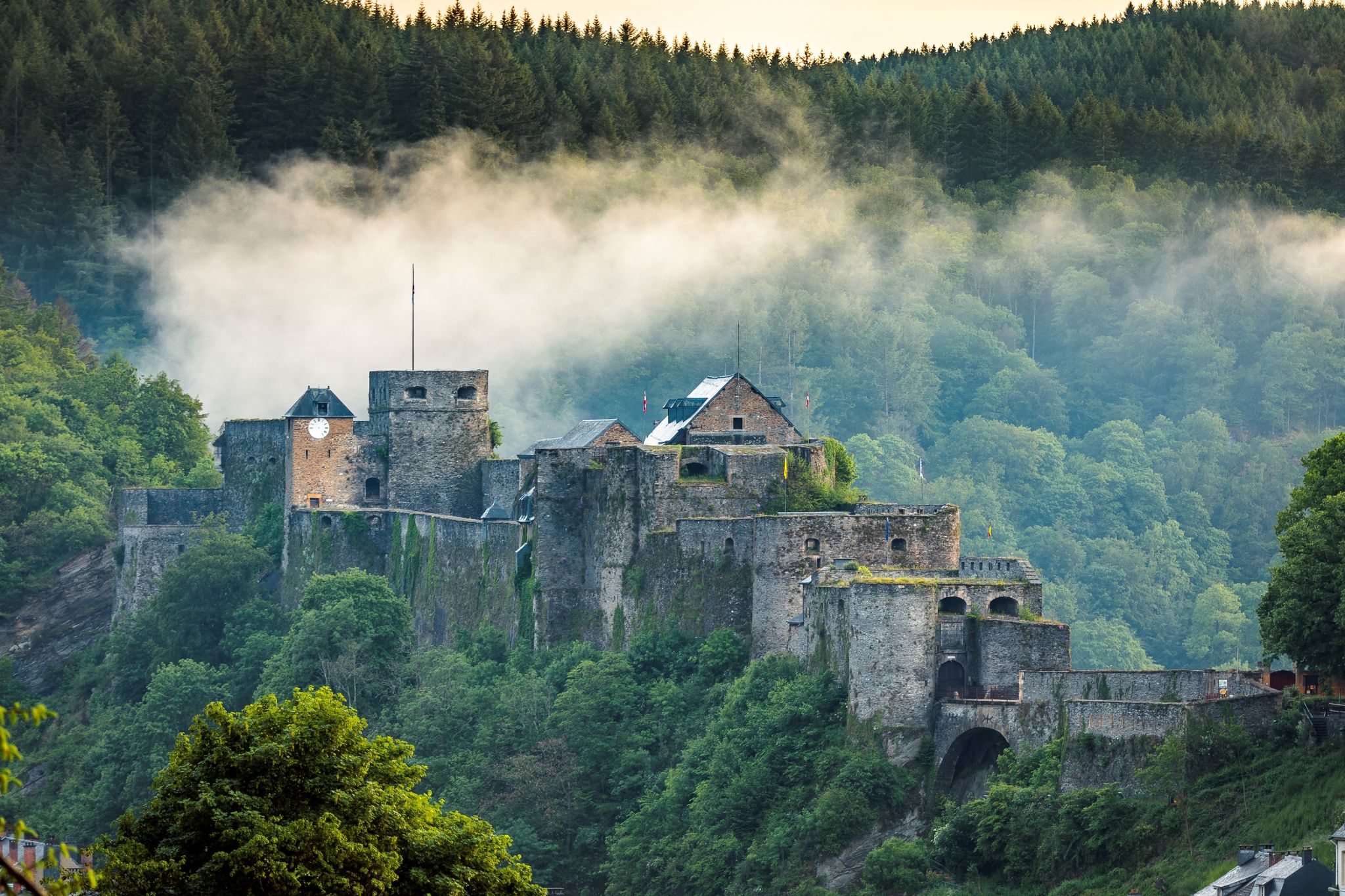
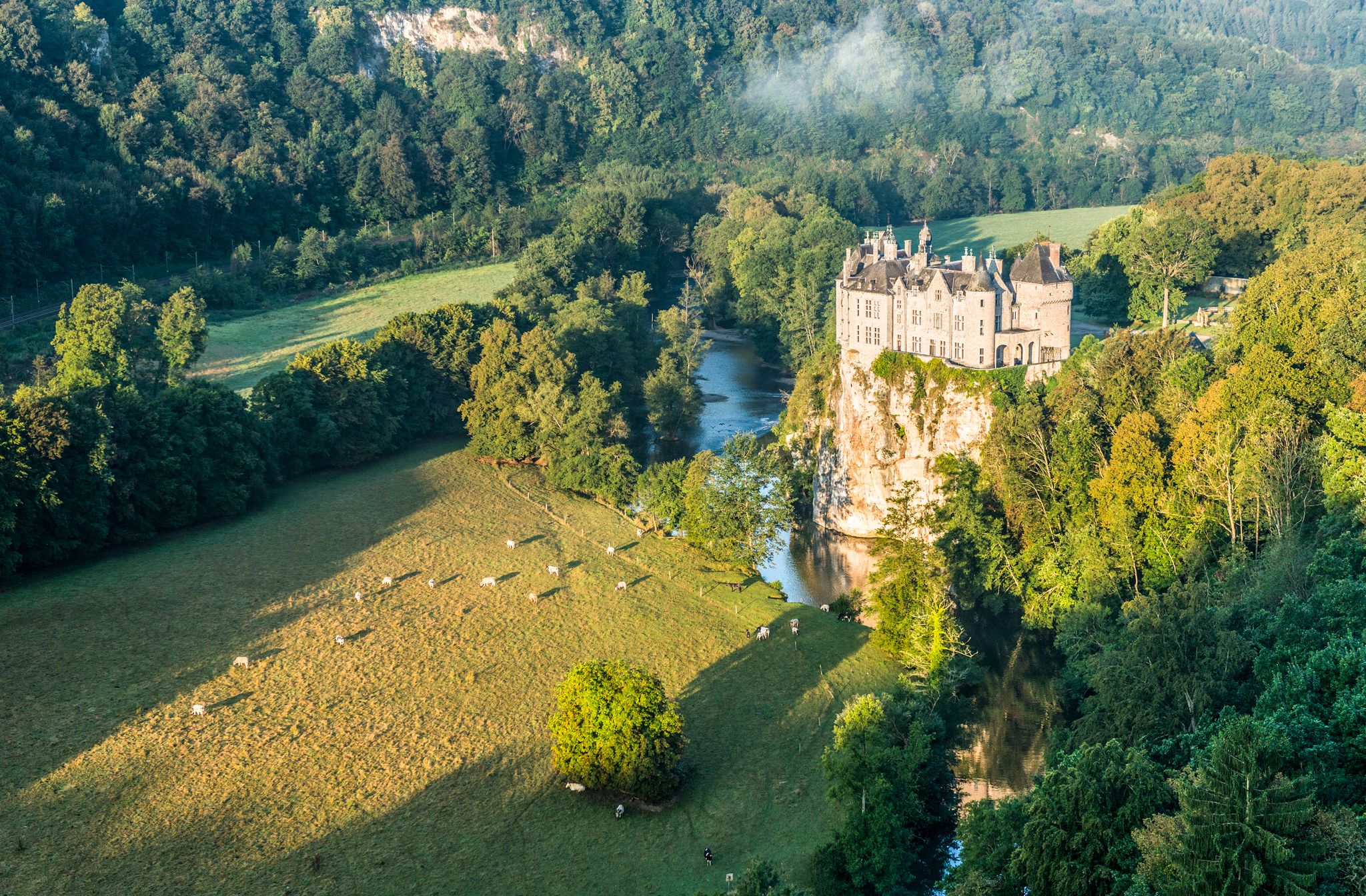
Hiking along majestic castles and nature – Belgian Ardennes
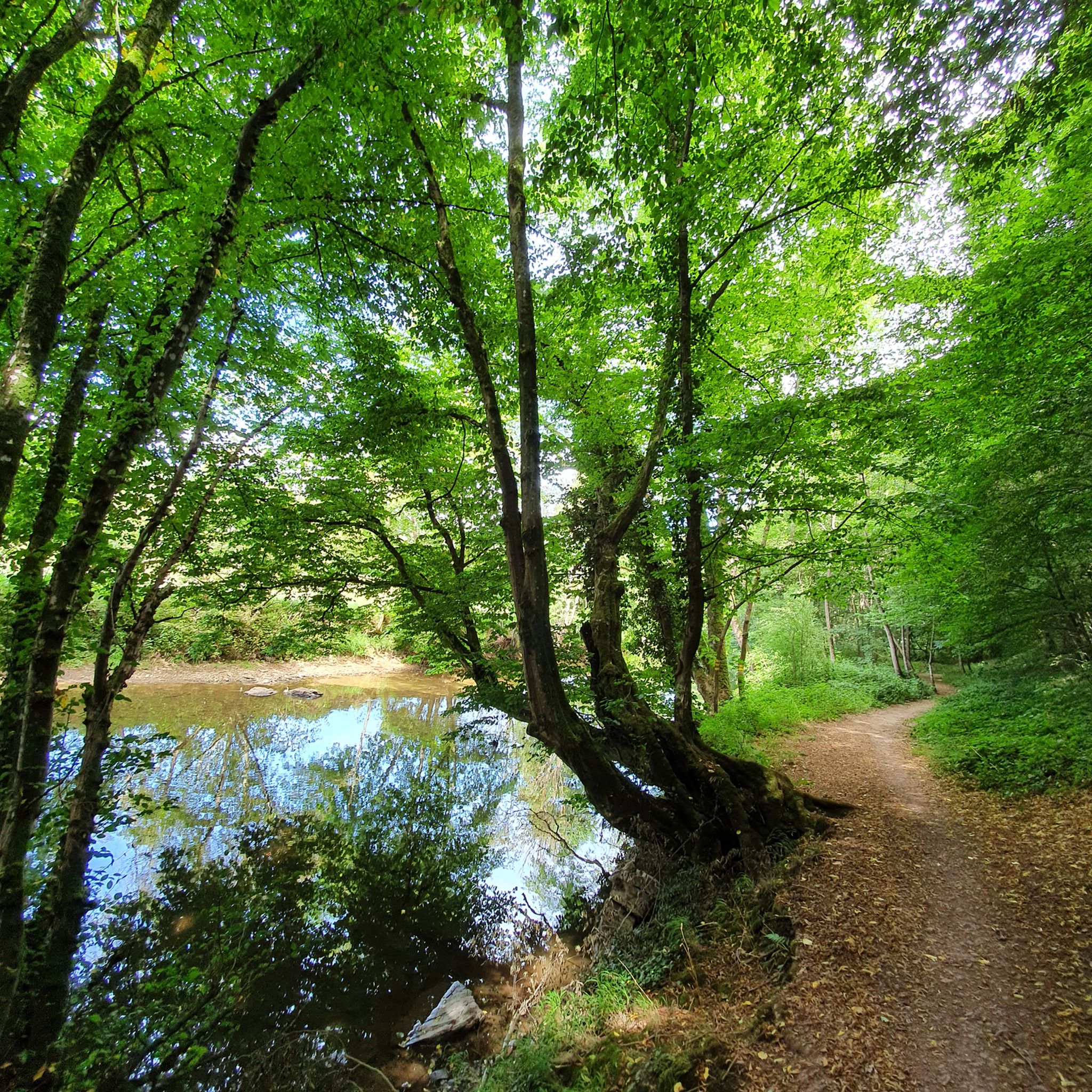
Pure nature on the hiking trails in the Belgian Ardennes
Hiking around Philippeville
Running Trails around Philippeville
Road Cycling Routes around Philippeville
Other adventures around Philippeville


Tips from the Community

The origin of the Castle of Nismes dates back to the period when local lords and landed gentry fulfilled important administrative and military functions in rural management. Such castles served not only as residences but also as centers of economic control over surrounding agricultural lands, water sources, and forests. Its location in Nismes was strategically chosen within a valley and stream landscape that offered both protection and access to natural resources.
0
0

An exceptional heritage! Hoping it will soon be accessible to the public.
0
0

You can reach the castle via a "climbing path," which is a bit more challenging but also more adventurous, or via a good path with stairs on the steeper sections. So, it's easily accessible for everyone!
1
0

Ancient medieval castle. Visitable after a short walk.
1
0

A nice little loop to get back into the swing of things
0
0

Right in the centre of the village and right next to the Ravel, it’s a must-see
0
0

beautiful view. A must if you are in the area
2
0

Castle of the Counts of Hamal in Vierves-sur-Viroin Based on a fortress and a farm of medieval origin, the emblematic building spreads its slender silhouette over the landscape of Vierves-sur-Viroin - private property. The 'Comtes de Hamal', who owned the estate between 1567 and 1852, extensively renovated the old medieval fortress and farm and reduced the defensive functions of the building to a base. The facade of the house, in classical style, is pierced with large windows. This “modern” home is flanked by the so-called Attila Tower, whose spherical roof pushes the castle into the landscape, while its large windows provide new vantage points. In the second half of the 19th century, works related to the pleasure continued: the two courtyards were joined to form a large terrace opening onto the valley. The garden is below, the tree-lined ring that splits the ramparts...
11
0
Frequently Asked Questions
What are some historically significant castles and fortifications to explore around Philippeville?
The region offers a rich history. You can visit the ruins of Haute Roche Castle, known for its thick-walled keep and views over the Dourbes valley. The Château de Boussu-en-Fagne, a 13th-century castle, allows exploration of its courtyard, towers, and chapel. Additionally, the city of Philippeville itself features historical fortifications, including a unique network of underground passages that visitors can explore. The romantic ruins of Château de Fagnolle are also a compelling visit for those interested in medieval history and architecture, with ongoing restoration efforts.
Are there any castles or historical sites that are particularly family-friendly?
Yes, several sites are suitable for families. The Washhouse at Vierves-sur-Viroin Castle is listed as family-friendly, offering a glimpse into a private property with a medieval past. Thy-le-Château Castle, despite its tumultuous history of destruction and restoration, is also noted as family-friendly. The underground passages of Philippeville can also be an engaging historical adventure for families.
What kind of natural features or viewpoints can I find near these castles?
Many castles are situated in scenic locations. For instance, Haute Roche Castle Ruins offer fascinating views of the surrounding landscape and the Viroin river valley from its rocky promontory. You can also find dedicated viewpoints like View of the ruins of Dourbes Castle and View of Hierges Castle, which provide beautiful vistas of the valley and nearby villages.
Are there any castles that are not open to the public for visits?
Yes, some historical sites in the region are private properties and not accessible for public visits. For example, the Château-ferme de Samart, a remarkable enclosed ensemble with a Gothic keep, is classified as protected heritage but is not open for visits. Similarly, the Washhouse at Vierves-sur-Viroin Castle is a private property.
What outdoor activities, like cycling or mountain biking, can I do near the castles?
The Philippeville area offers various outdoor activities. You can find numerous cycling routes, such as the 'Eau d'Heure Lakes – Natura Parc Adventure Park loop' or 'View of Givet and the fortress – Givet loop'. For mountain biking, trails like 'Singletrails Around the Lake' or 'Seven Bridges Viaduct – Enchanted Forest loop' are available. You can explore more options on the dedicated guides for Cycling around Philippeville, Road Cycling Routes around Philippeville, and MTB Trails around Philippeville.
Can I visit the underground passages in Philippeville?
Yes, Philippeville is known for its historical fortifications, including a network of underground passages. These hand-built galleries, originally 10 km long, are located 10 to 15 meters underground and offer insight into the city's defensive system. A 500-meter walk through these passages is possible, often preceded by a film on the region's history. You can find more information about visiting these unique passages on the Visit Wallonia website.
What is the history behind the Château de Fagnolle?
The Château de Fagnolle, near Philippeville, is a medieval fortress erected at the end of the 12th century. It was built on an earthen mound surrounded by moats and featured a modernized keep in the 15th century. The castle was pillaged and ruined in the 16th century. It's one of the rare plain-based fortified castles in Wallonia, with a quadrangular plan inspired by Syro-Palestinian designs. Since 1969, the site has been undergoing remarkable restoration and reconstruction. More details can be found on the Tourisme Philippeville website.
Are there any fortified farmhouses in the area?
Yes, the region features notable fortified farmhouses. The Roly Castle (Château-ferme de Roly) has a history dating back to 1069, with a 13th-century donjon still standing. It underwent major restorations in the 17th and 18th centuries and features extensive domestic ranges, outbuildings, and moats. Another example is the Château-ferme de Samart, an enclosed ensemble built between the 16th and 19th centuries, dominated by a seigniorial dwelling with an ancient Gothic keep.
What do visitors generally enjoy about the castles and historical sites around Philippeville?
Visitors appreciate the rich history and architectural diversity of the region's castles, from medieval ruins to fortified farmhouses and city defenses. The scenic viewpoints offered by sites like Haute Roche Castle Ruins and View of Hierges Castle are highly valued. The unique experience of exploring Philippeville's underground passages is also a significant draw, offering a tangible connection to the area's military past.
Is it possible to visit the Roly Castle?
The Roly Castle (Château-ferme de Roly) is a historically significant fortified farmhouse with parts dating back to the 13th century. While it's a notable example of local heritage with ongoing preservation efforts, information regarding public access or tours is not readily available. It is primarily known for its historical and architectural significance rather than being a public tourist attraction.
Are there any castles that are particularly well-preserved or restored?
While many castles in the region have seen periods of ruin, some have undergone significant restoration. The Château de Fagnolle, for instance, has been undergoing remarkable restoration and reconstruction since 1969, preserving its romantic ruins and historical significance. The Thy-le-Château Castle has also been restored multiple times throughout its history after various destructions.
Most popular routes around Philippeville
Most popular attractions around Philippeville

Get inspired with the komoot mobile app


Didn’t find what you were looking for?
Explore Philippeville’s best castles region by region:
Explore more
Looking for the best castles somewhere else? Discover other guides around Philippeville:
