Top 13 Gorges around Plombières
Best canyons around Plombières are characterized by picturesque river valleys and natural reserves, offering dramatic landscapes. The region's geological history, shaped by rivers like the Gueule and Gulp, has carved out interesting, gorge-like environments. These areas provide opportunities for exploring landscapes formed by water and historical activity. The Plombières geographical area features diverse natural attractions that offer a "canyon-like" experience.
Best canyons around Plombières
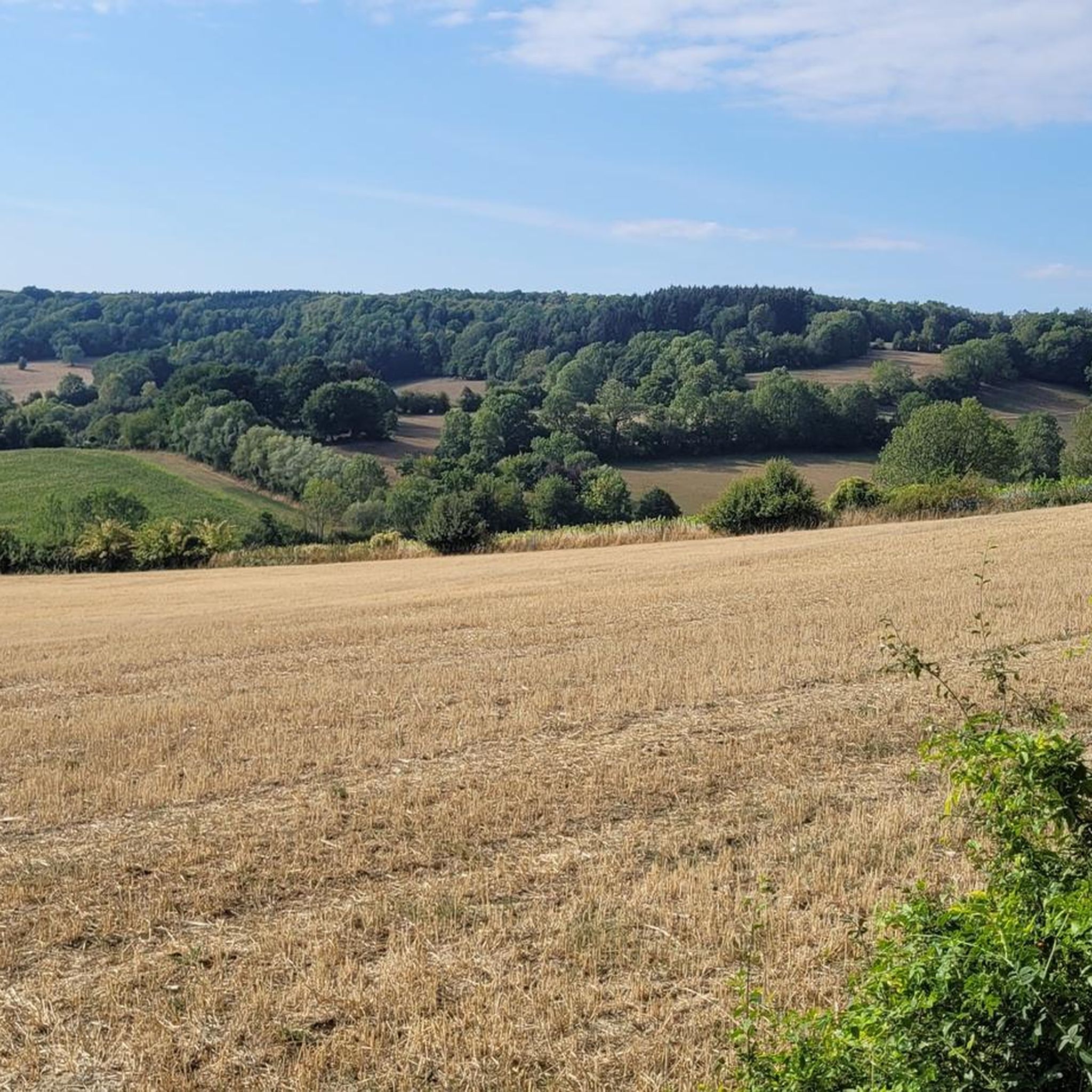
- The most popular canyons is Hohnbach Valley, a river that features super beautiful and versatile…
Last updated: October 3, 2026
Hohnbach Valley
Highlight (Segment) • River
Translated by Google •
Tip by

Mine entrance and Geul sinkhole — Plombières Nature Reserve
Highlight • Cave
Translated by Google •
Tip by

Sign up now to discover places like this
Get recommendations on the best single tracks, peaks, & plenty of other exciting outdoor places.
Unpaved trail through the Teuvenderberg forest reserve
Highlight (Segment) • Trail
Translated by Google •
Tip by

Gerendal Valley
Highlight (Segment) • Gorge
The Gerendal is mainly an asymmetrical dry valley …
Translated by Google •
Tip by

Lourdes Grotto, Banholt
Highlight • Religious Site
Translated by Google •
Tip by

Sign up for free to discover even more gorges around Plombières.
Already have an account?
Start today with a free account
Your next adventure awaits.
Popular around Plombières
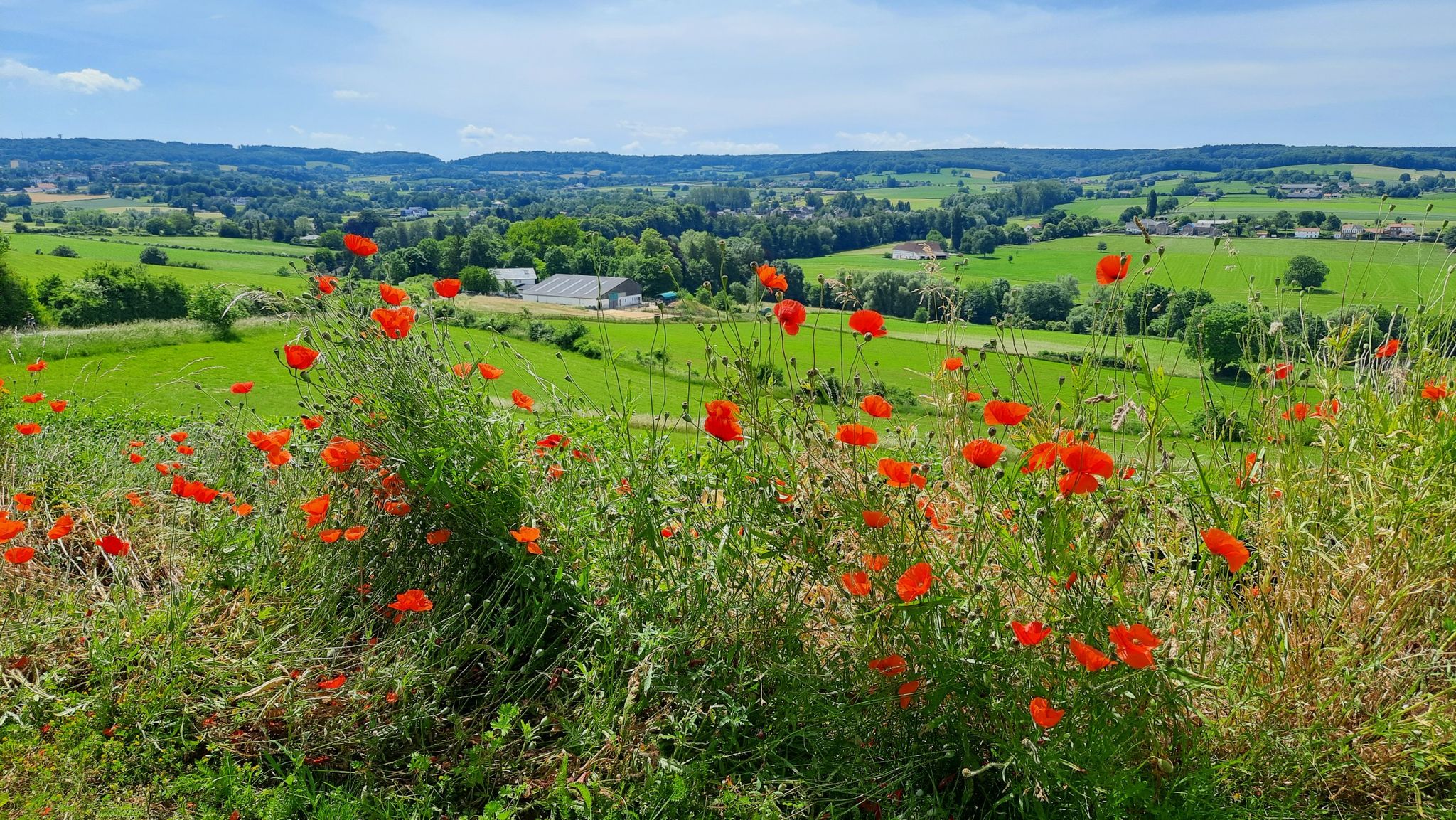
Hiking in the border triangle – GrenzRouten Aachen
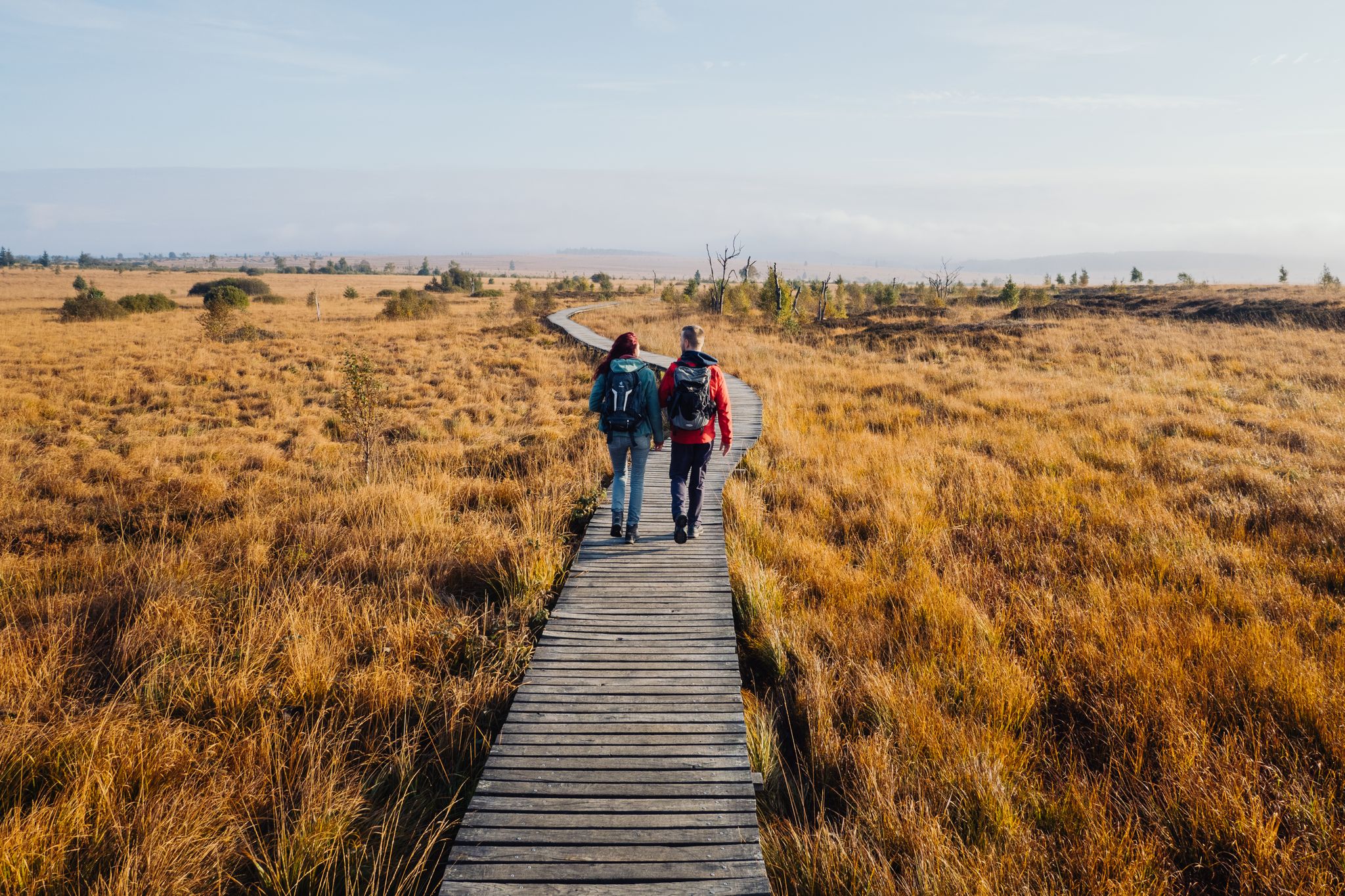
Venntrilogie – the premium hiking experience in East Belgium
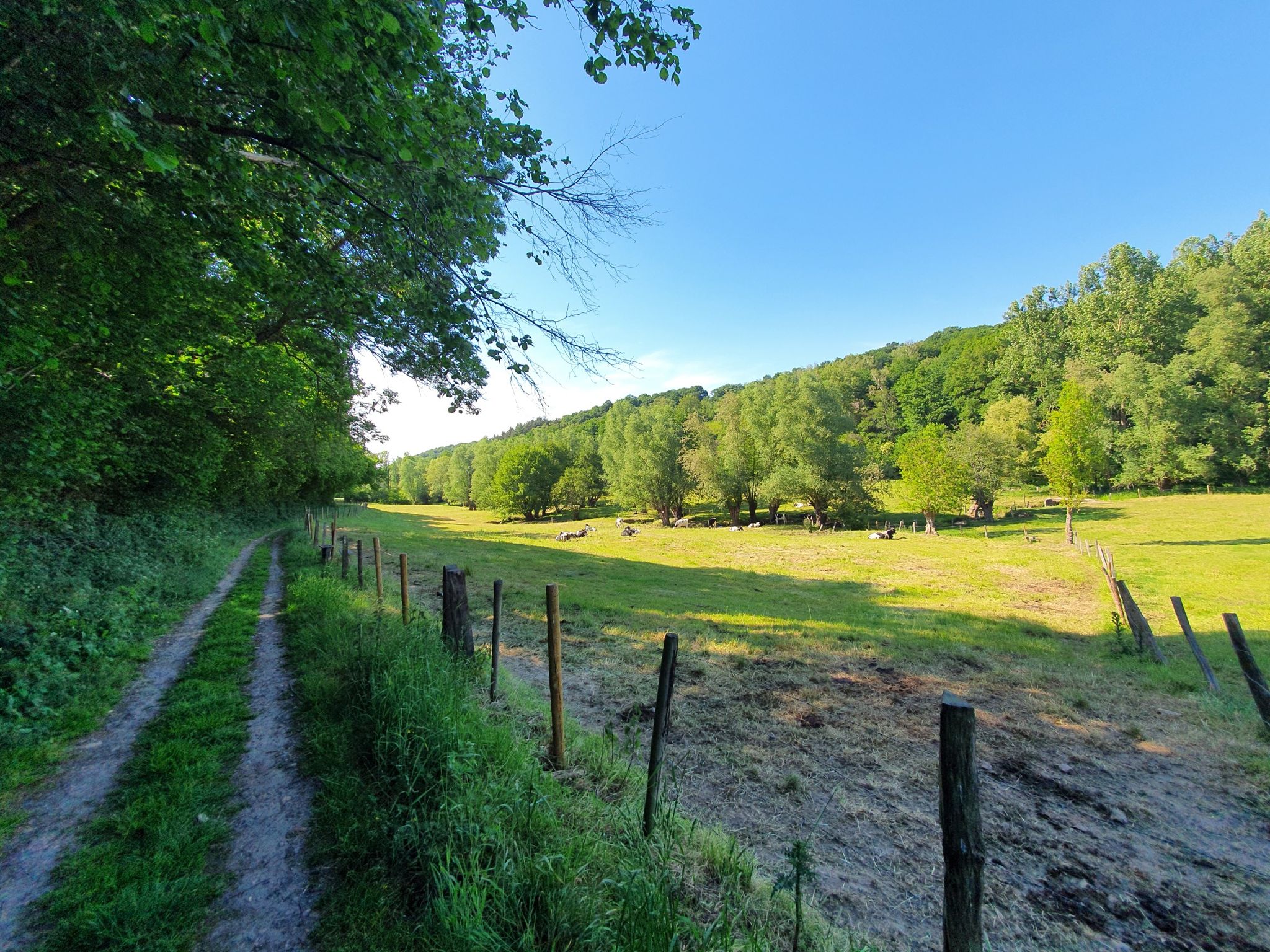
Hike between orchards and hedgerows – Belgium’s Tour du Pays de Herve
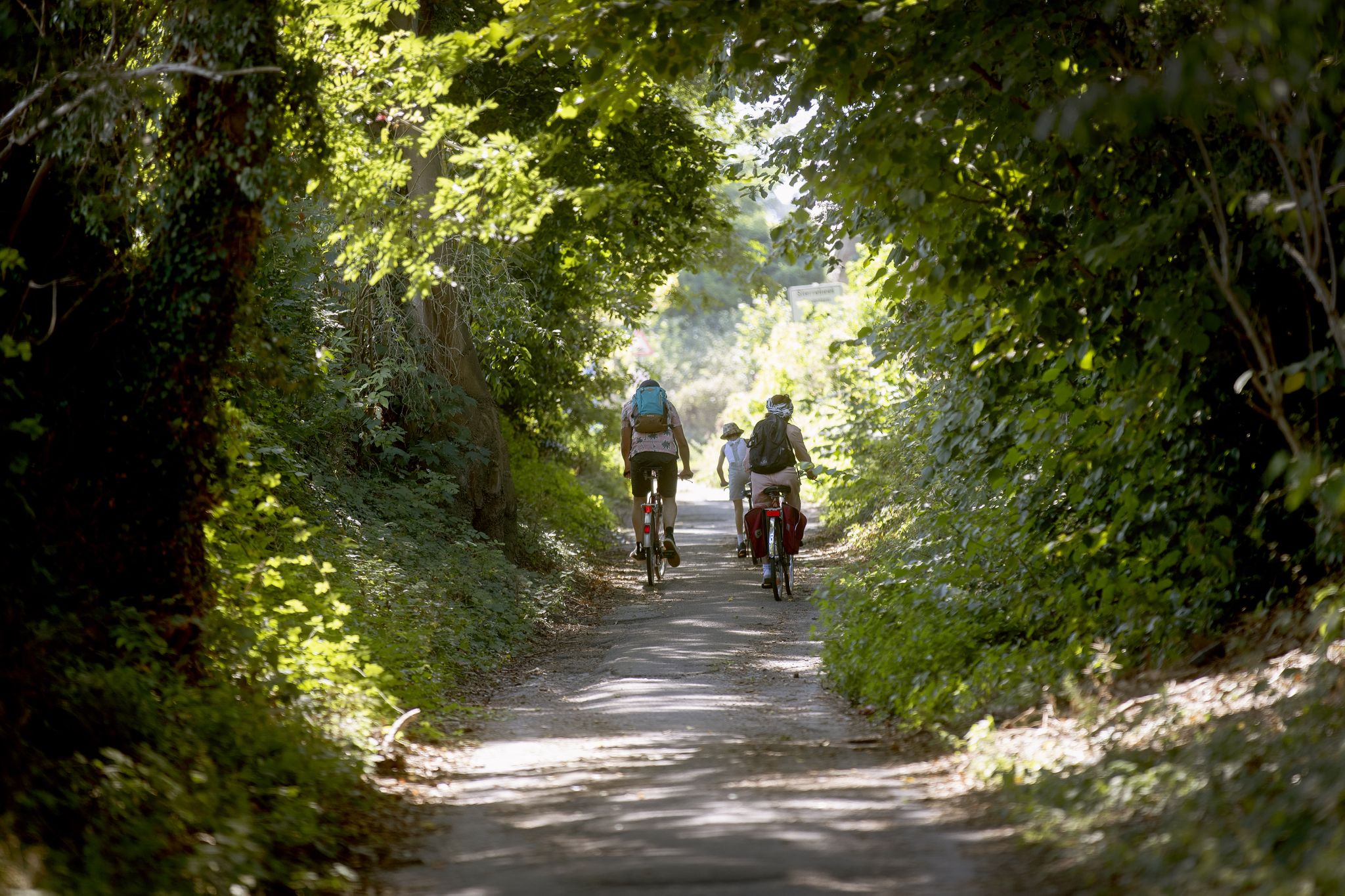
Flanders by bike: Cycling through nature
Hiking around Plombières
Cycling around Plombières
Running Trails around Plombières
Road Cycling Routes around Plombières
MTB Trails around Plombières
Gravel biking around Plombières
Other adventures around Plombières


Tips from the Community

This scenic unpaved path winds through the Teuvenderberg forest reserve, offering a peaceful escape into nature. Surrounded by dense woodland, diverse flora, and the occasional wildlife sighting, the trail provides a tranquil setting for hikers and cyclists alike. The natural terrain, combined with the quiet atmosphere, makes it an ideal route to enjoy fresh air, forest sounds, and the feeling of being immersed in a protected natural landscape.
0
0

In the mid-19th century, flooding from the Göhl River posed a major threat to the mine in Bleyberg/Plombières: Water repeatedly penetrated the tunnels and claimed lives. To prevent this, a diversion of part of the river was requested and approved in 1861. By 1862, a tunnel several hundred meters long was built beneath the rock, keeping the Göhl away from the mine. The construction cost approximately 200,000 francs. The tunnel is a technical monument to mining engineering from an era when hazards were deliberately controlled while simultaneously harnessing hydropower. It demonstrates how work-related accidents were prevented while simultaneously harnessing resources.
54
0
The site of the former Plombières mine is home to species-rich calcareous grassland meadows, now protected as a nature reserve. The exceptional flora and fauna of this area are due to the heavy metal-rich soils, particularly the presence of zinc in the subsurface. Among the natural meadow relics, visible traces of the former metal industry can still be found: – Walls from former foundry floors – Remains of old smelting furnaces – Stones from former industrial buildings A small stream meandering through the area further enriches the ecological diversity of this special place. The "Gueule" viewpoint, which offers a glimpse into a cave opening, is particularly impressive and worth a visit.
53
0

Not to be missed at the intersection
0
0

Beautiful area for walking with all the routes available.
1
0

From junction 83, this spectacular descent through the Teuvenderbos begins. The further you descend, the deeper the sunken road is cut.
3
0

Park with "the house of the mining site", playground, information boards, picnic areas, sanitary facilities, direct access to the nature reserve and more. Info about the "Maison du Site Minier" at https://www.komoot.com/nl-nl/highlight/1038492
11
0
Beautiful overgrown hollow road. Very nice walk.
2
0
Frequently Asked Questions
What makes the 'canyons' around Plombières unique?
The Plombières region is characterized by picturesque river valleys and natural reserves that offer a 'canyon-like' experience, rather than deep, traditional canyons. The geological history, shaped by rivers like the Gueule and Gulp, has carved out interesting, gorge-like environments. You'll find unique features such as calamine lawns, which support rare flora adapted to heavy metal-rich soils, and the Geul sinkhole where the Gueule river disappears into a cave.
What kind of natural features can I explore in the Plombières canyons?
You can explore diverse natural features shaped by water and geological processes. These include winding river valleys like those of the Gueule and Gulp, unique calamine lawns, and geological peculiarities such as the Geul sinkhole at the Plombières Mining Site. You'll also find dry valleys like Horstergrub Dry Valley, which is not permanently aquifer but offers a distinct landscape.
Are there family-friendly trails in the canyon areas around Plombières?
Yes, several areas offer family-friendly experiences. For instance, Hohnbach Valley is noted for its beautiful and versatile paths, suitable for families. While not a canyon, the Lourdes Grotto, Banholt is also listed as family-friendly and offers a unique historical and natural stop.
What are the typical difficulty levels for hiking in the gorge-like areas?
Hiking difficulties vary. Trails like the Unpaved trail through the Teuvenderberg forest reserve are rated as intermediate, featuring spectacular descents that become deeper as you go. Horstergrub Dry Valley also offers intermediate trails. Some paths can be overgrown in summer, presenting additional challenges.
What is the best time of year to visit the canyons and river valleys?
Spring is particularly recommended, especially for areas like Hohnbach Valley, where daffodil meadows are an absolute must-see. The unique flora, such as the yellow calamine violet, is also best observed during specific seasons. Summer can make some paths overgrown, so checking local conditions is advisable.
What historical or cultural sites are near these natural gorge areas?
The Plombières Mining Site is a significant historical and natural site, active in lead and zinc mining until 1922. It now hosts a nature reserve with unique flora and fauna, and features the Geul sinkhole. Additionally, the Lourdes Grotto, Banholt offers a historical and religious site built from flints from a local quarry.
Are there less crowded 'canyon' spots around Plombières?
While popular spots like Hohnbach Valley can get crowded on weekends, exploring the longer stretches of the Gueule and Gulp valleys, or lesser-known sections of dry valleys like Horstergrub Dry Valley, might offer a more tranquil experience. The Nutons' Cave, located along a hiking trail, also provides a unique, perhaps less frequented, natural and folklore-rich destination.
What outdoor activities can I do near the Plombières canyons?
Beyond exploring the gorge-like areas, the region offers various outdoor activities. You can find numerous hiking trails, including easy routes like 'Geulbenden Nature Reserve – Along the Geul Near Plombières' or moderate ones like 'Site des Trois Frontières'. For cycling enthusiasts, there are routes such as 'Laschet Tunnel cutting – Val-Dieu Abbey loop'. Running trails, including challenging ones like 'Forest Trail in the Eifel', are also available. For more details, check the hiking, cycling, and running guides for Plombières.
What should I bring for a hike in the Plombières gorge areas?
Given the varied terrain, including potentially overgrown paths and natural waterways, it's advisable to wear sturdy hiking shoes. Depending on the season, be prepared for nettles and blackberry bushes, especially on trails like the Unpaved trail through the Teuvenderberg forest reserve. Water, snacks, and appropriate weather gear are always recommended.
Are there any unique folklore or legends associated with the natural sites?
Yes, the Nutons' Cave is steeped in local folklore. According to legend, nutons (or lûtons/goblins) are small, clever beings who perform minor repair work in exchange for offerings. They are said to inhabit caves and underground passages, much like the dwarves of Germanic tradition, adding a mystical element to your exploration.
Can I find circular hiking routes through these gorge-like landscapes?
Yes, the region offers various circular hiking routes that allow you to experience the diverse landscapes. For example, the 'Site des Trois Frontières' offers a moderate loop from Moresnet-Chapelle, providing views of the undulating terrain. Many trails along the Gueule and Gulp valleys are also designed as loops, allowing for comprehensive exploration of the area's natural beauty.
What are the main geographical features of the Plombières area that contribute to its 'canyon-like' feel?
The Plombières geographical area is defined by its river valleys, particularly those of the Gueule and Gulp, which have carved out significant gorge-like environments. The presence of dry valleys, such as Horstergrub Dry Valley, and the undulating topography of the Three Borders Region, including the Vaalserberg, all contribute to the dramatic and varied scenery that gives the area its 'canyon-like' character.
Most popular routes around Plombières
Most popular attractions around Plombières

Get inspired with the komoot mobile app


Explore more
Already discovered everything in this region? See additional gorges around Plombières for your next adventure:
