Top 2 Waterfalls around Kelmis
Best waterfalls around Kelmis offer diverse natural and historical attractions. The region, situated in East Belgium, features a landscape shaped by rivers and historical industrial activity. Visitors can explore areas where water features are intertwined with former mining sites and old mills. This area provides opportunities to experience both natural cascades and man-made water structures.
Best waterfalls around Kelmis
- The most popular waterfalls is Mine entrance and Geul sinkhole — Plombières Nature Reserve, a cave that features a small…
Last updated: June 30, 2026
Mine entrance and Geul sinkhole — Plombières Nature Reserve
Highlight • Cave
Translated by Google •
Tip by

Pau Cascade and Stone Rondel
Highlight • Waterfall
Showing Translation
Tip by

Sign up now to discover places like this
Get recommendations on the best single tracks, peaks, & plenty of other exciting outdoor places.
Sign up for free
Neumühle Watermill and Waterfall
Highlight • Structure
Translated by Google •
Tip by

Old Schyns Mill Waterfall, Moresnet
Highlight • Waterfall
Translated by Google •
Tip by

Start today with a free account
Your next adventure awaits.
Login or Signup
Popular around Kelmis
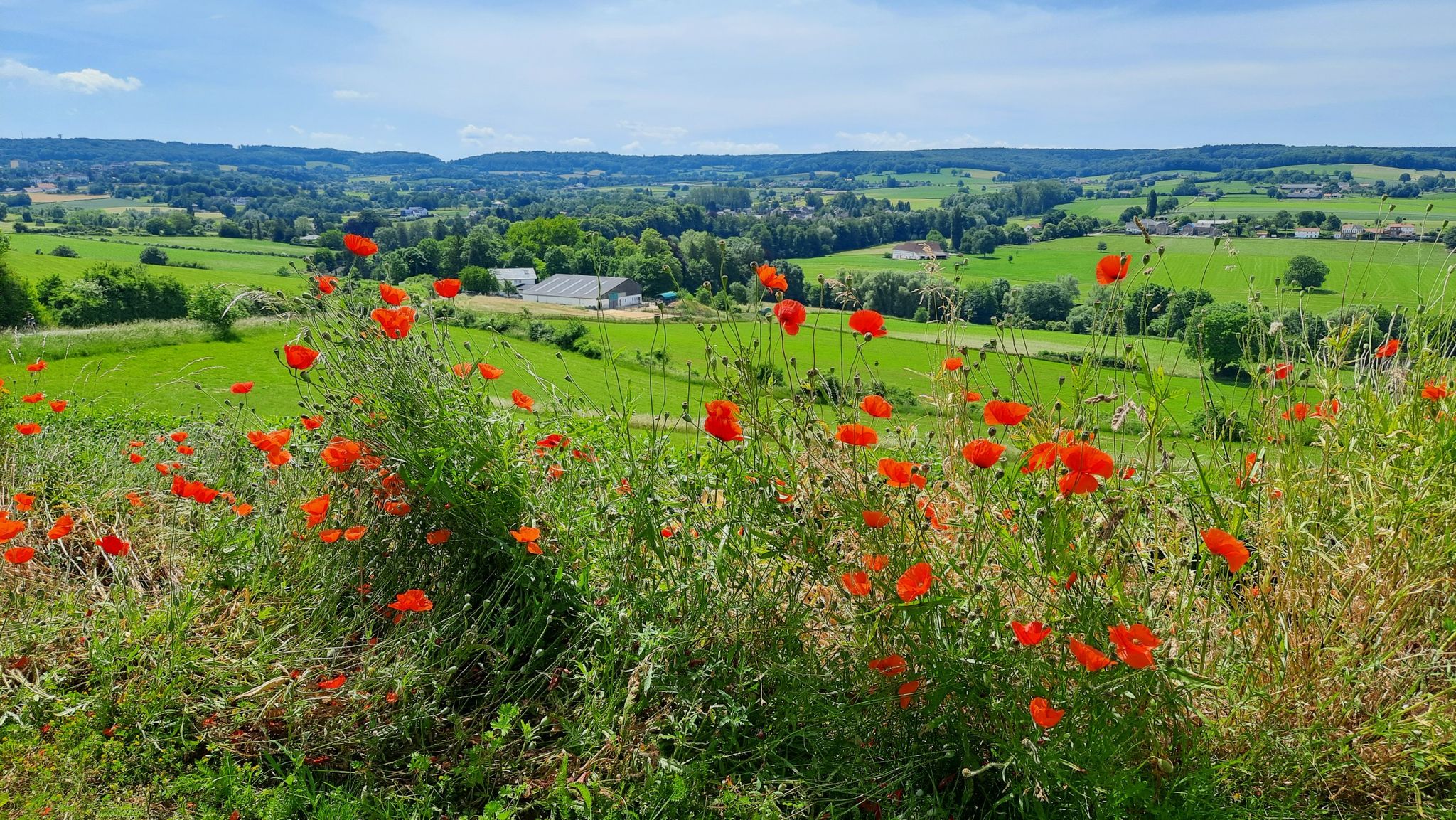
Hiking in the border triangle – GrenzRouten Aachen
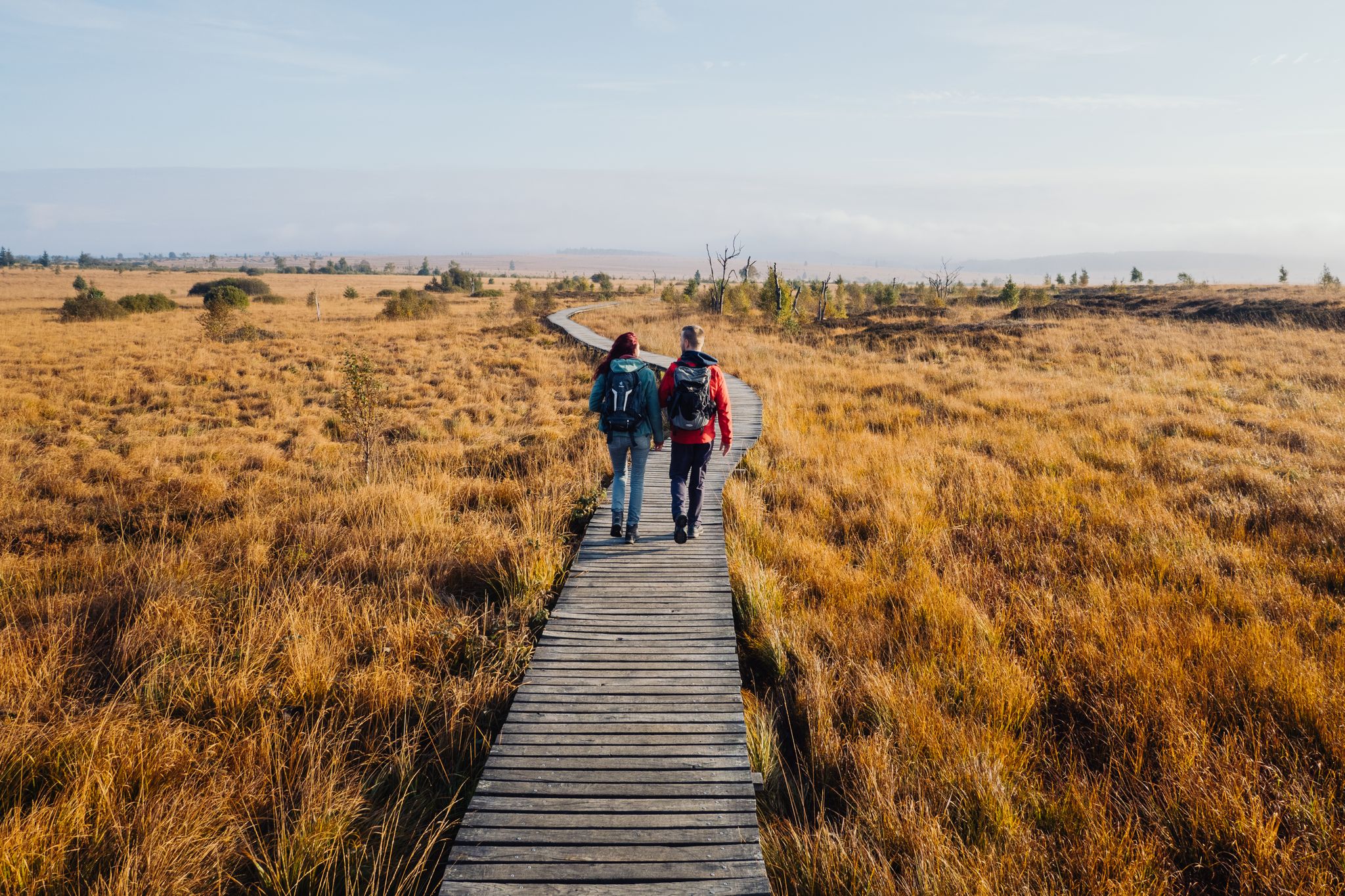
Venntrilogie – the premium hiking experience in East Belgium
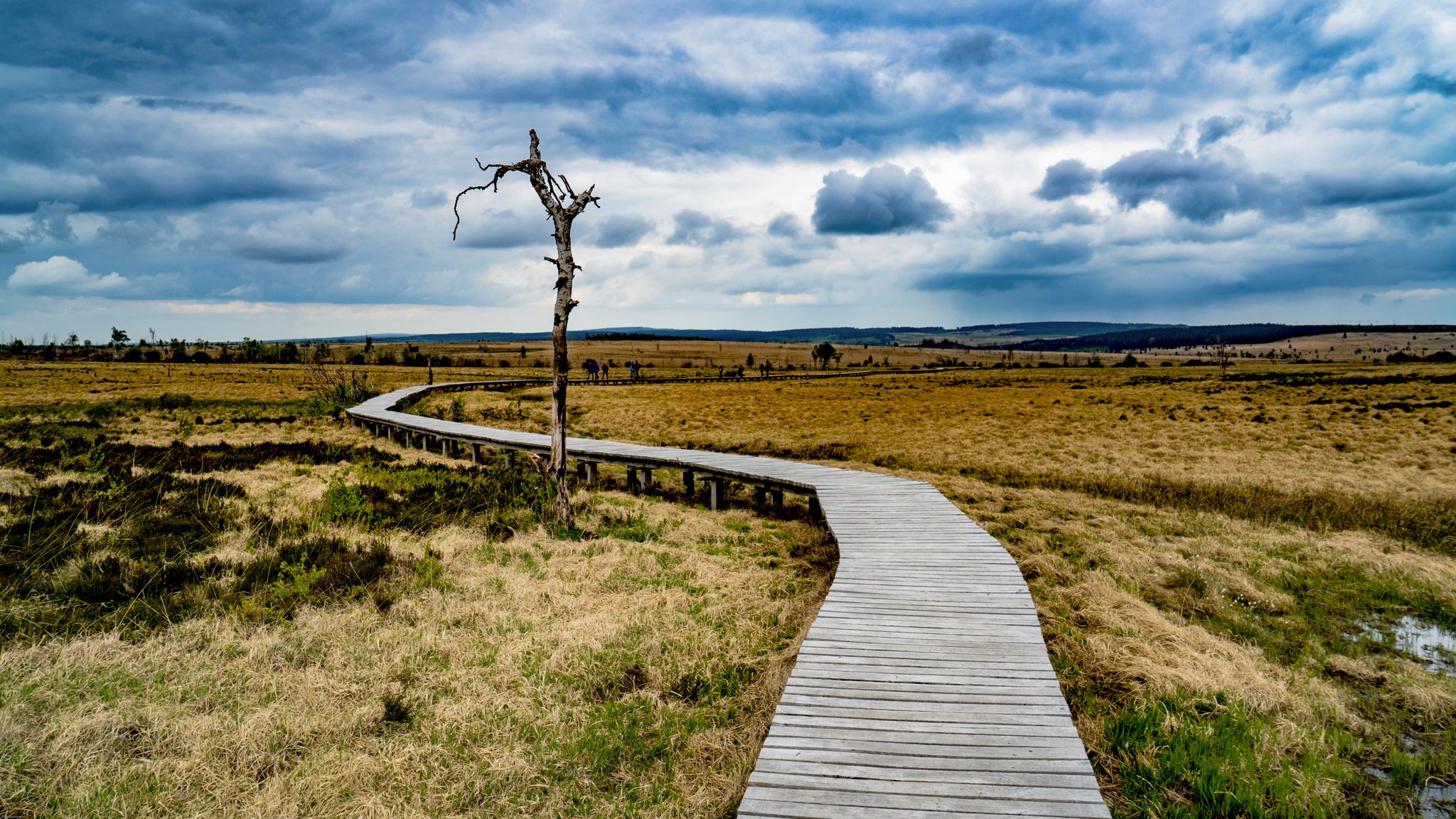
Leisure Tours on enchanted paths – hiking in East Belgium
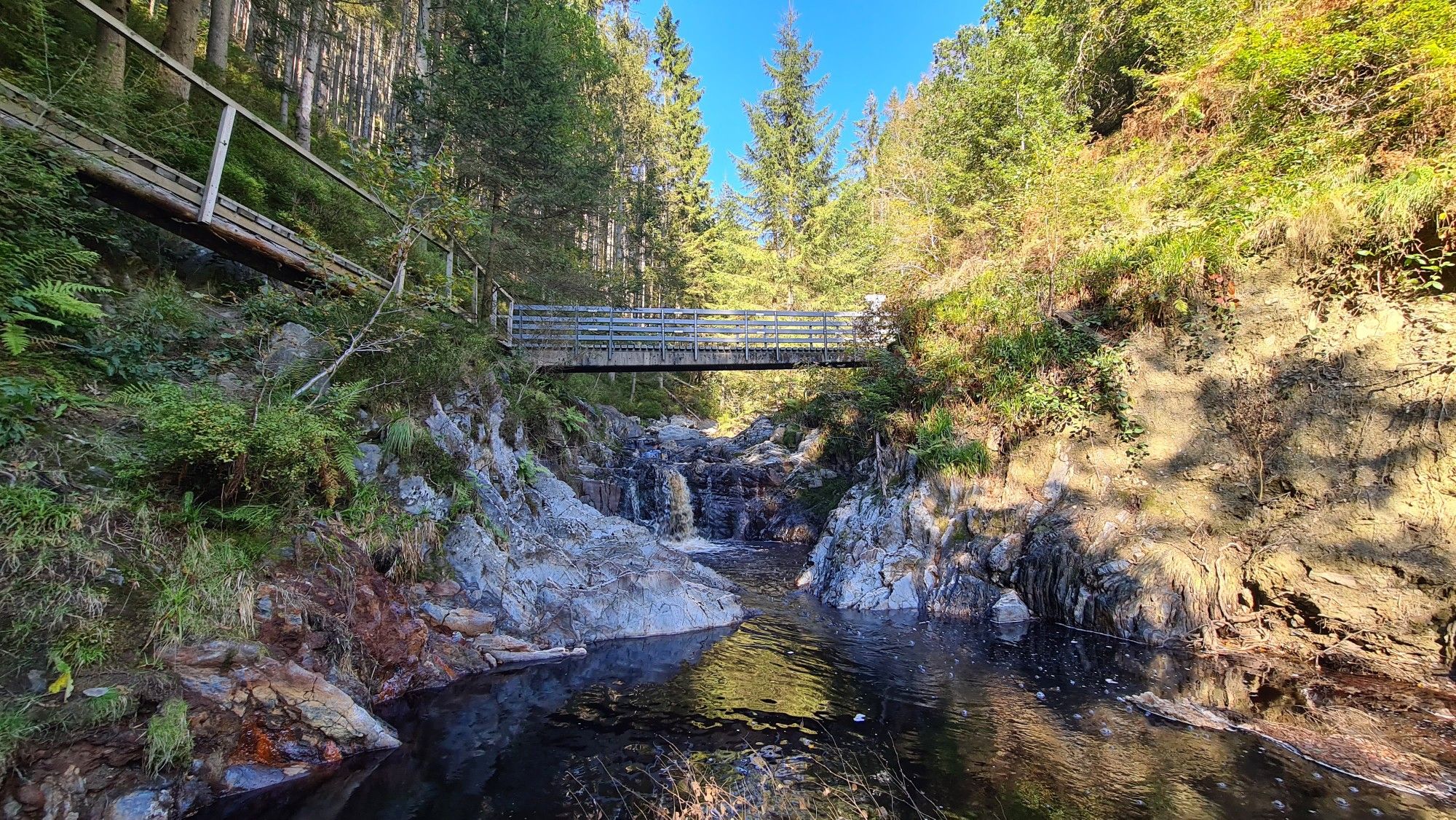
Little adventures — kids on Tour in East Belgium
Hiking around Kelmis
Road Cycling Routes around Kelmis
Cycling around Kelmis
Running Trails around Kelmis
Gravel biking around Kelmis
MTB Trails around Kelmis
Other adventures around Kelmis


Tips from the Community

In the mid-19th century, flooding from the Göhl River posed a major threat to the mine in Bleyberg/Plombières: Water repeatedly penetrated the tunnels and claimed lives. To prevent this, a diversion of part of the river was requested and approved in 1861. By 1862, a tunnel several hundred meters long was built beneath the rock, keeping the Göhl away from the mine. The construction cost approximately 200,000 francs. The tunnel is a technical monument to mining engineering from an era when hazards were deliberately controlled while simultaneously harnessing hydropower. It demonstrates how work-related accidents were prevented while simultaneously harnessing resources.
54
0
The site of the former Plombières mine is home to species-rich calcareous grassland meadows, now protected as a nature reserve. The exceptional flora and fauna of this area are due to the heavy metal-rich soils, particularly the presence of zinc in the subsurface. Among the natural meadow relics, visible traces of the former metal industry can still be found: – Walls from former foundry floors – Remains of old smelting furnaces – Stones from former industrial buildings A small stream meandering through the area further enriches the ecological diversity of this special place. The "Gueule" viewpoint, which offers a glimpse into a cave opening, is particularly impressive and worth a visit.
53
0

The Neumühle or Moulin Schumacher is a (former) overcast water mill that is today privately owned. You can see the buildings clearly from the meadow paths and the entrance gate. At the rear there is also an old meadow walking path where you can see parts of the unfortunately removed wheel and interior. Particularly beautiful to see is the supply of water and how the Iterbach and Periolbach form a somewhat fairytale-like environment here. In wet weather you can hear the "waterfall" that forms and is part of the former system from far away. The former corn mill dates from 1823 and both the mill and the miller's house are inhabited but beautiful to see in their surroundings. Source and more information: https://www.molenechos.org/molen.php?nummer=1063
5
0
Park with "the house of the mining site", playground, information boards, picnic areas, sanitary facilities, direct access to the nature reserve and more. Info about the "Maison du Site Minier" at https://www.komoot.com/nl-nl/highlight/1038492
11
0

Anyone who wants to learn everything about the Pau, Paunelle and Johannesbach streams should take a look at the website I have provided below. It's a bit too much for a comment. https://oekologie-zentrum-aachen.de/die-aachener-baeche/bachportraits/die-pau-und-die-paunelle/
0
0

it is definitely worth seeing.
2
1

The Pau flows with some gradient towards the Aachen basin. Shortly before flowing into the Hangeweiher, a few centimeters of height difference have to be overcome at once, so there is a small cascade, a small "waterfall". The bastion-like rondel built next to it is also a quiet resting place.
3
0

Here at the Schyns mill, which is privately owned, was built in 1801 and is or was operated as a mill with turbines. Now the mill is also to be operated as a restaurant.
3
0
Frequently Asked Questions
What are the most popular waterfalls to visit near Kelmis?
While Kelmis itself doesn't have prominent waterfalls, the broader East Belgium region offers several notable options. The Pau Cascade and Stone Rondel is a charming small cascade near Aachen, offering a quiet resting place. Further afield, the Bayehon Waterfall near Malmedy is known for its distinctive red water and picturesque setting, while the Coo Waterfall is Belgium's highest, featuring a 15-meter drop and a surrounding recreation area. You can find more details about Coo Waterfall on the Stavelot tourism website.
Are there any family-friendly waterfalls or cascades suitable for children near Kelmis?
Yes, several waterfalls in the wider region are great for families. The Pau Cascade and Stone Rondel is easily accessible and offers a pleasant spot for a break. The Old Schyns Mill Waterfall in Moresnet is also family-friendly and features a magnificent water wheel. The Bayehon Waterfall near Malmedy is nestled within a wooded gorge with attractive hiking trails, and its proximity to Moulin de Bayehon makes it appealing for families. Additionally, the Cascade de la Chaudière along the Ninglinspo is part of a beautiful and family-friendly walk in the Belgian Ardennes.
What kind of natural features can I expect to see around the waterfalls near Kelmis?
The waterfalls in the region are often set within diverse natural landscapes. You'll find deep, wooded gorges, such as those surrounding the Bayehon Waterfall, and scenic river valleys like the Hoëgne, which features a series of picturesque cascades. The Mine entrance and Geul sinkhole in Plombières Nature Reserve, while not a primary waterfall, offers a unique natural setting with a small stream, rich flora, and geological formations. Many areas provide opportunities to observe local wildlife and enjoy tranquil natural settings.
Are there historical sites or points of interest near the waterfalls?
Absolutely. The Mine entrance and Geul sinkhole in Plombières Nature Reserve is a significant industrial and natural site, with a history of zinc and lead mining dating back to the 14th century. The Coo Waterfall has historical significance, believed to have been developed by monks in the 16th century. The Old Schyns Mill Waterfall in Moresnet is located at a historic mill built in 1801. Additionally, the Neumühle Watermill and Waterfall, dating from 1823, offers a glimpse into historical water-powered systems.
What outdoor activities can I do near these waterfalls?
The areas around these waterfalls are perfect for various outdoor activities. You can enjoy scenic hiking trails, such as those along the Hoëgne river or near the Bayehon Waterfall. For more extensive adventures, consider exploring the many routes available in the region. For example, you can find numerous hiking routes around Kelmis, including the 'On the trail of ore' tour. There are also excellent gravel biking and road cycling routes that pass through picturesque landscapes near these natural attractions.
What is the best time of year to visit the waterfalls around Kelmis?
The best time to visit depends on your preferences. Spring (March to May) offers lush greenery and strong water flow from snowmelt and spring rains, making the waterfalls particularly impressive. Autumn (September to November) provides stunning fall foliage, creating a beautiful backdrop for the cascades. Summer (June to August) is ideal for hiking and enjoying the surrounding nature, though water levels might be lower. Even in winter, some waterfalls like the Cascade de Haldeboeuf can offer a unique, albeit varying, experience.
Are there any less crowded waterfall trails or hidden gems near Kelmis?
While Coo Waterfall is a major tourist attraction, many other cascades offer a more tranquil experience. The Hoëgne Waterfalls, a series of cascades along the Hoëgne river, are found on a scenic hiking trail that provides an immersive natural experience away from larger crowds. The Neumühle Watermill and Waterfall also offers a somewhat fairytale-like environment that can be less frequented, especially on the old meadow walking path behind the mill.
Can I find cafes or amenities near the waterfalls?
Yes, amenities vary by location. Coo Waterfall, being a major tourist attraction, has cafes and an amusement park (Plopsa Coo) nearby. The Bayehon Waterfall is close to the Moulin de Bayehon, which offers parking and services. For other, more secluded waterfalls or cascades, it's advisable to bring your own refreshments, though you might find small establishments in nearby villages. The Old Schyns Mill Waterfall is also planned to operate as a restaurant.
Are there challenging hikes to reach any of the waterfalls?
Yes, some waterfalls are part of more challenging routes. The Reinhardstein Waterfall, for instance, offers a challenging but rewarding trail, with the magnificent Château de Reinhardstein overlooking the falls. The Mine entrance and Geul sinkhole in Plombières Nature Reserve is also categorized as an intermediate to challenging area for exploration. For those seeking a longer adventure, the 'Route 2: Neutral-Moresnet' hiking route around Kelmis is considered difficult and could be combined with a visit to nearby natural features.
What makes the Bayehon Waterfall unique?
The Bayehon Waterfall, located near Malmedy, is particularly unique due to its distinctive red water. This unusual coloration is a result of iron oxidation as the water flows through iron-rich rocks. It's approximately nine meters high and is nestled within a deep, wooded gorge, making it a very picturesque and often described as 'magical' spot. It is also recognized as the second-largest waterfall in Belgium after Coo Waterfall.
Are there any waterfalls that are easily accessible for visitors with limited mobility?
While many waterfalls in the region involve some walking on natural trails, the Pau Cascade and Stone Rondel is a small cascade with relatively easy access. For Coo Waterfall, there is a staircase between its two main falls that allows for impressive views, and the surrounding recreation area is generally accessible. It's always recommended to check specific trail conditions and accessibility information for each location before visiting.
Most popular routes around Kelmis
Most popular attractions around Kelmis

Get inspired with the komoot mobile app


Explore more
Happy to travel a little further afield? Then browse these guides for the best waterfalls around Kelmis:
