Top 20 Lakes around Berlaar
Lakes around Berlaar, a municipality in the Belgian province of Antwerp, provide various water-related recreational opportunities within its natural landscape. While large natural lakes are not prominent in the immediate vicinity, the region features canals, fens, and ponds within nature reserves. These areas contribute to the local biodiversity and offer settings for outdoor activities. The landscape around Berlaar is characterized by a mix of forests, heathland, and wetlands.
Best lakes around Berlaar
- The most popular lakes is Mispeldonk Nature Reserve…
Last updated: June 16, 2026
Mispeldonk Nature Reserve
Highlight • Natural
Translated by Google •
Tip by

Hoefijzerput
Highlight • Lake
Translated by Google •
Tip by

Sign up now to discover places like this
Get recommendations on the best single tracks, peaks, & plenty of other exciting outdoor places.
Sign up for free
Langbos and Babbelse Plassen
Highlight (Segment) • Forest
Translated by Google •
Tip by
Pond in the Philipsbos
Highlight • Lake
Explore the Philipsbos or - as it used to be called - the Bouwelse Heide of approximately 43 hectares. The Philipsbos is a mixed forest with …
Translated by Google •
Tip by

Remnant - Start of the Duwvaart Canal
Highlight • Lake
The push barge canal was a solution for the bottleneck on the Albert Canal between Wijnegem and the port of Antwerp. The canal would …
Translated by Google •
Tip by
Sign up for free to discover even more lakes around Berlaar.
Sign up for free
Already have an account?
Start today with a free account
Your next adventure awaits.
Login or Signup

Tips from the Community

In the 19th and 20th centuries, the Kesselse Heide was a popular location for military exercises. It was used successively by the Belgian army (specifically the Achterbist region), during World War II by German soldiers, and in the post-war period by the Allies. Locals would sometimes "play" with the soldiers as children, participating in exercises such as quickly reassembling a weapon. However, from the early 1950s onward, the fun ended: the start of the Korean War and more frequent exercises led to stricter rules. Perhaps for the best, as the soldiers had access to heavy artillery. The heath contained several gun pits, part of the defense line around Nijlen. The famous "Horseshoe Pit" was one of them. This pit was originally circular and was (possibly) dug during the First World War to wash the soldiers' horses. Later, a small land bridge was added, making the island in the middle accessible. For many locals, it served as a beautiful swimming hole and a place for summer recreation.
4
0

Nice story about rivalry between local youth from surrounding villages
3
0

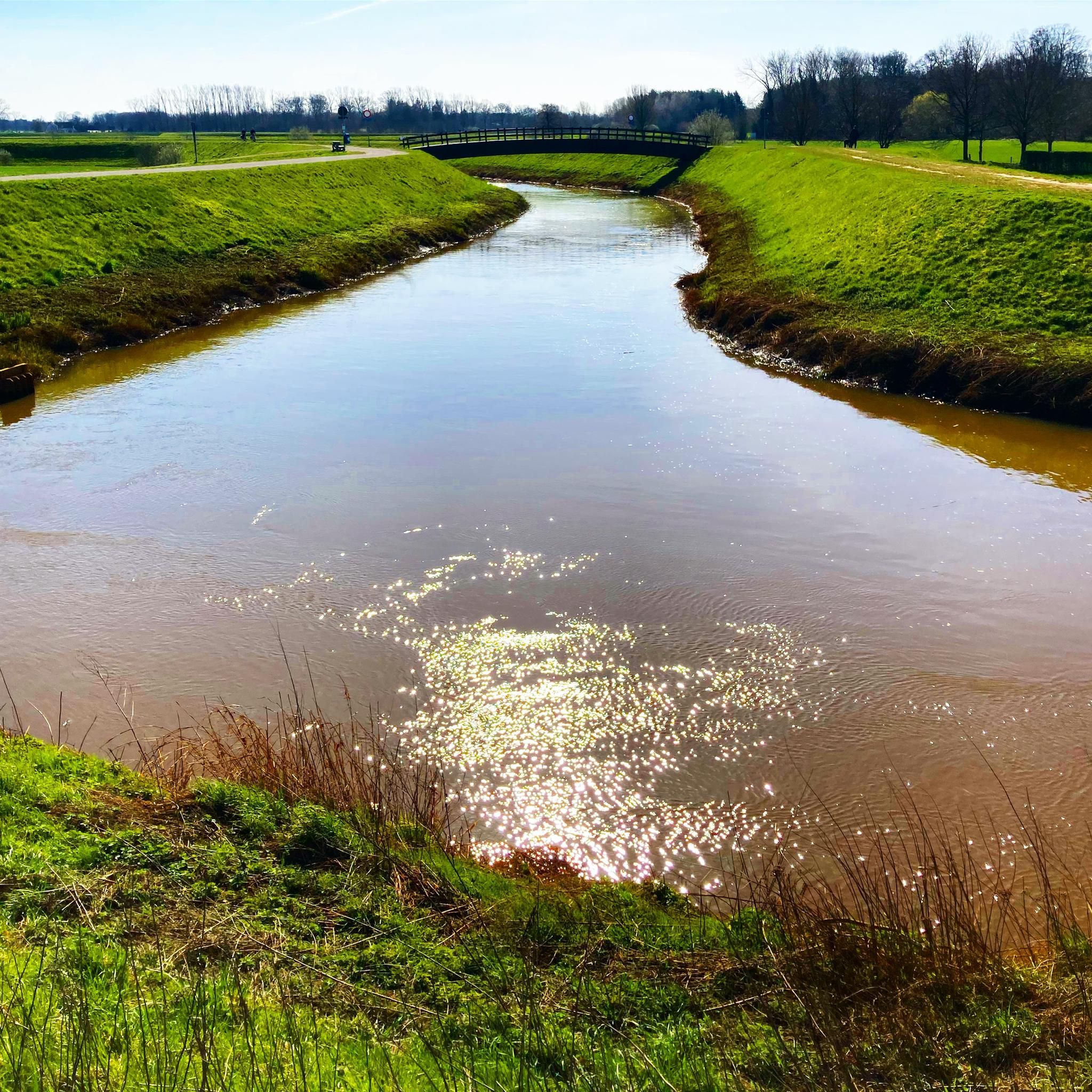
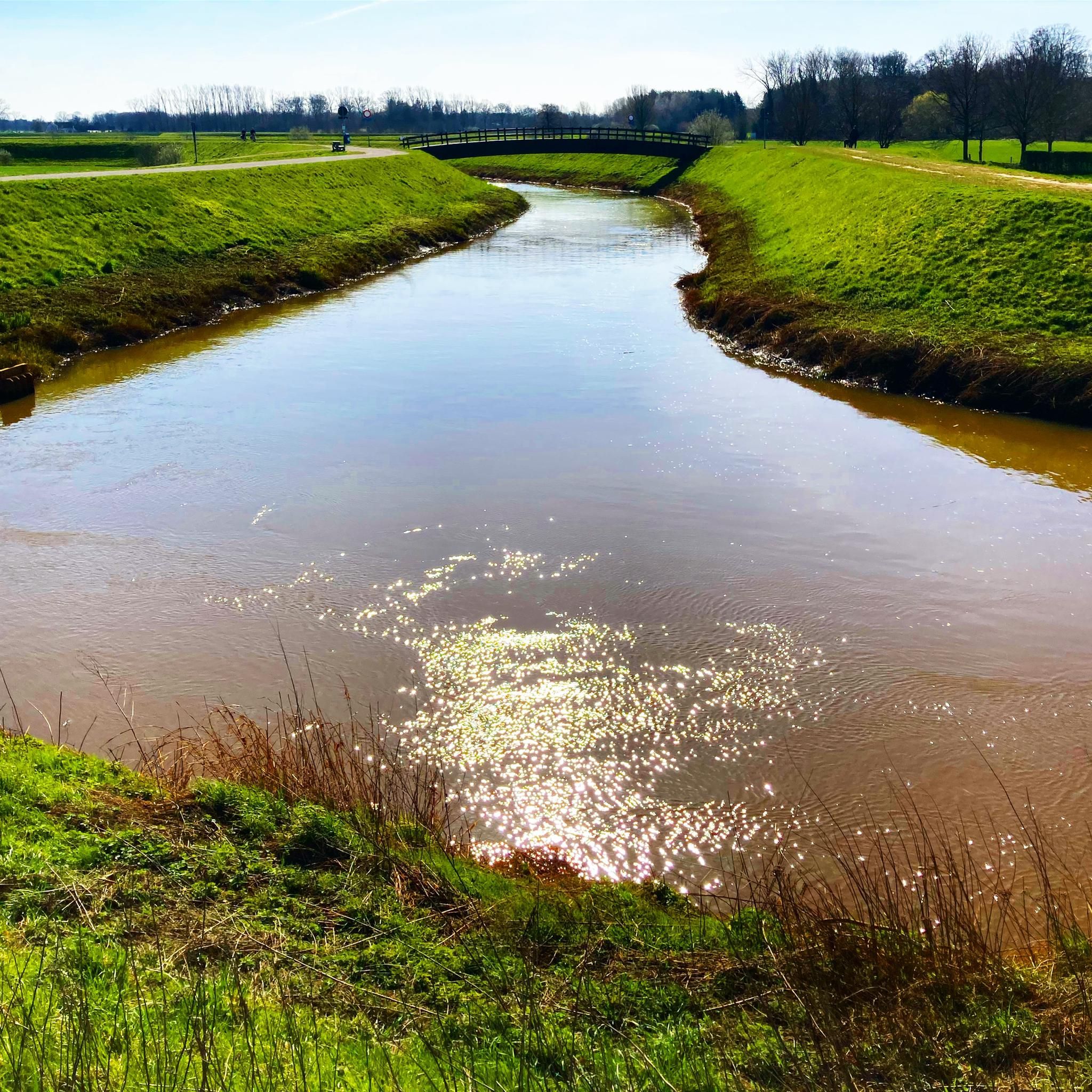
Water skiers love this spot... After having the wind at their backs, it suddenly becomes a bit disappointing due to this little detour along the water...
6
0

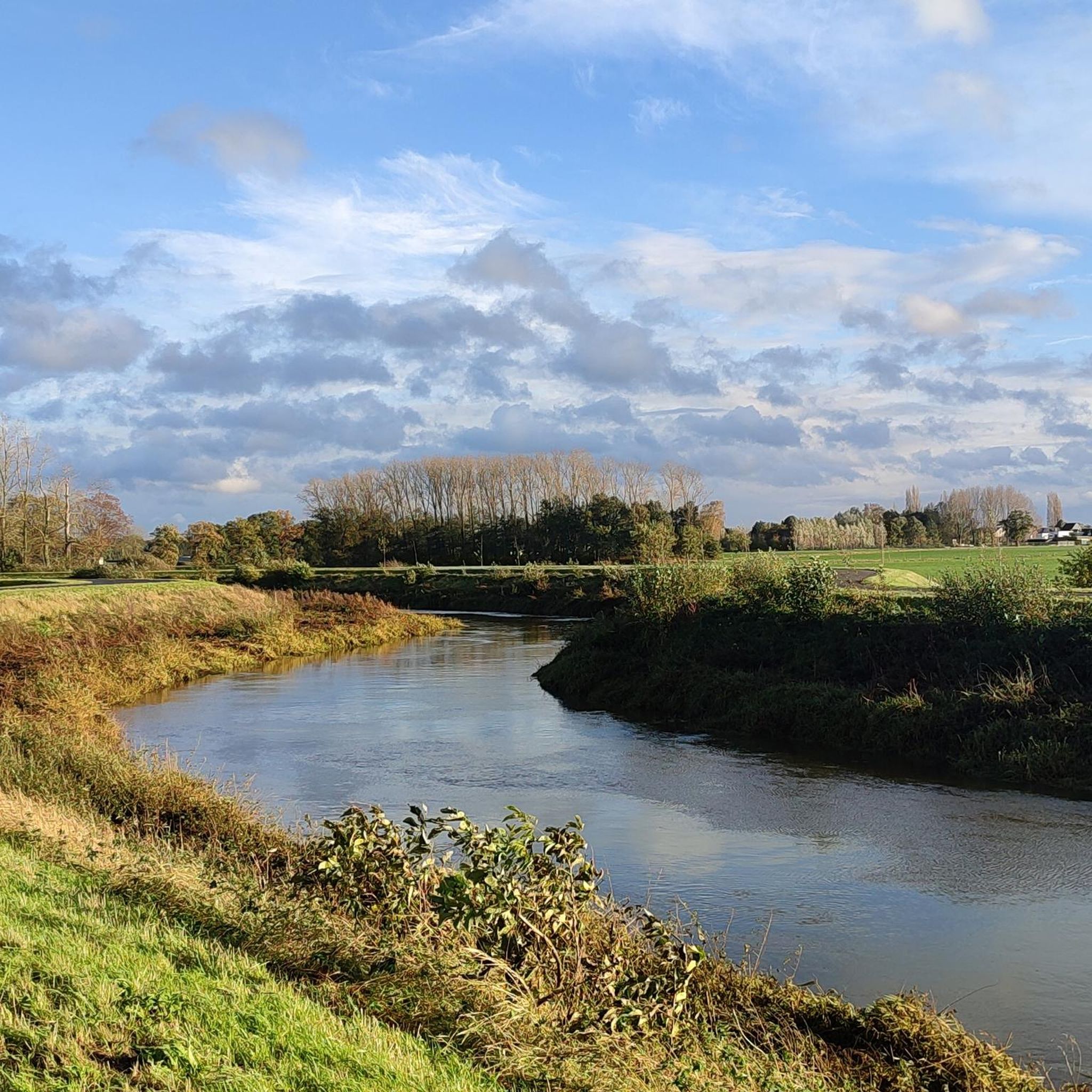
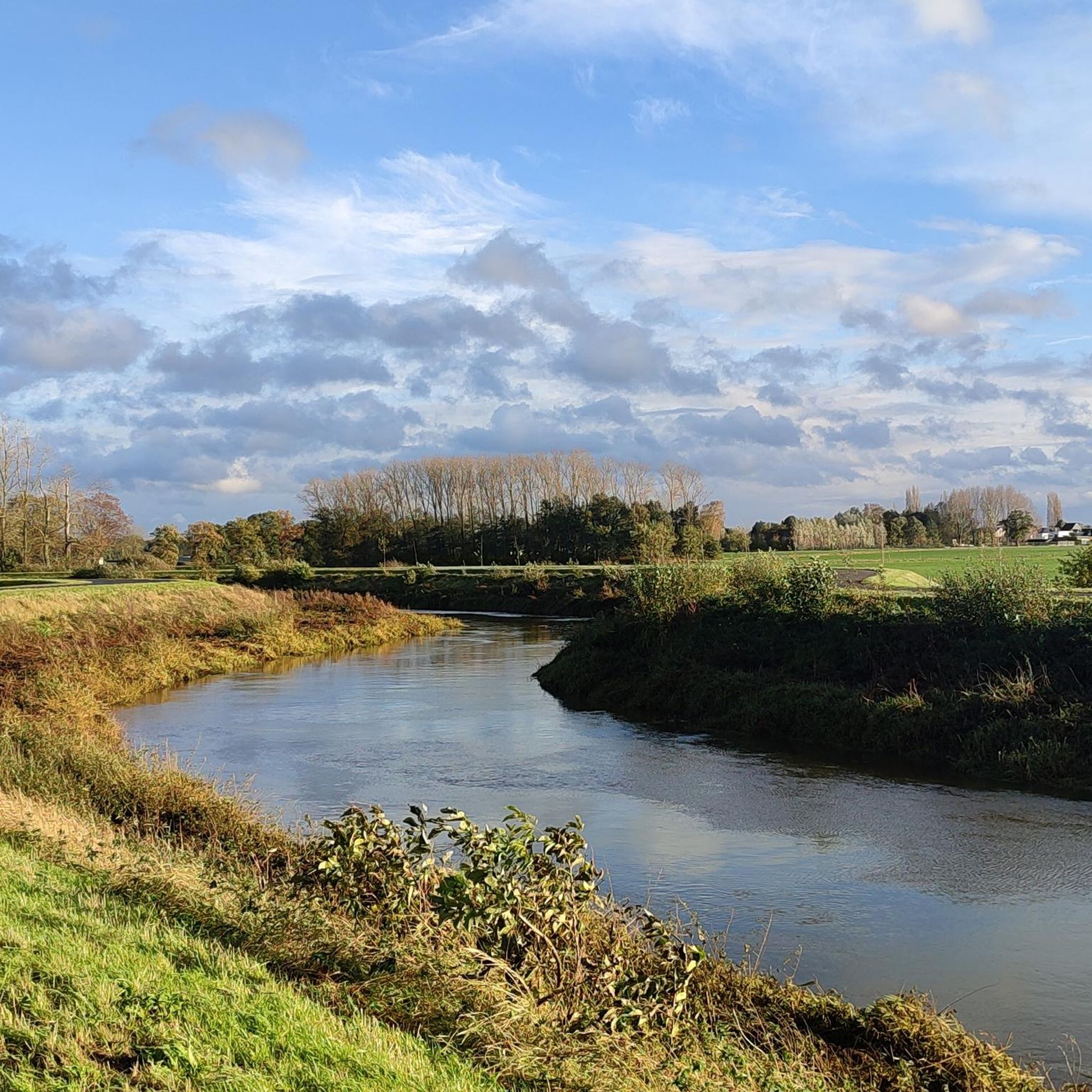
Mispeldonk Nature Reserve is a beautiful and valuable nature reserve in Bonheiden, located in the province of Antwerp. The area is known for its unique ecosystems, rich biodiversity and the natural beauty of the landscape. Here are some key points about Mispeldonk: Location and Size Mispeldonk is located between Bonheiden and the nearby municipality of Rijmenam, along the banks of the Dijle. The area is part of the larger Dijle landscape, which is known for its wet meadows, meandering waterways and rich flora and fauna. Mispeldonk covers approximately 50 hectares and consists of a mix of marshlands, meadows, forests and ponds. Ecological Importance Mispeldonk is a protected nature reserve because of its special ecological value. The area has a typical structure of a flood plain of the Dijle, which makes it an important habitat for many plant and animal species: • Flora: Various rare and protected plant species grow in the area, such as marsh marigolds, cuckoo flowers and water violets. The wet grasslands and marshes provide unique vegetation that is less common elsewhere in the region. • Fauna: Mispeldonk is an important habitat for birds such as the bluethroat, water rail and reed warbler. Amphibians such as the crested newt and the green frog can also be found there. Furthermore, the area is rich in insects, including butterflies and dragonflies, that thrive in the moist environment. Water management The nature reserve plays an important role in local water management. It is located in a flood-prone area along the Dijle and functions as a natural buffer against flooding. In the event of high water levels, the area can collect water and thus help prevent flooding in nearby villages. The nature reserve contributes to the preservation of water quality by filtering and purifying the water through natural processes. Recreation and Experience Mispeldonk is a popular place for nature lovers and hikers. The area is accessible via various hiking trails that lead through the meadows and forests. There are signposted routes that give walkers the chance to explore the diversity of the landscape and enjoy the peace and quiet of nature. Birdwatchers enjoy visiting the area because of the variety of bird species that can be seen, especially during the breeding season and the migratory bird periods. Management and Protection The nature reserve is managed by Natuurpunt, a Belgian organisation that is committed to nature conservation. Natuurpunt carries out management work to protect biodiversity and maintain the landscape. This includes mowing grasslands, removing invasive plant species and maintaining the walking paths. There is collaboration with local farmers for nature-friendly agriculture, whereby meadows are extensively grazed or mowed, so that they remain suitable for meadow birds and rare plants.
7
1

Beautiful walking area in nature
3
0

There is an information board near the water feature. It is called the 'horseshoe pit' because it has a horseshoe shape. It is not known for sure why the well is there, but the information board does give the hypotheses and tells how the youth once came to play here and generations of Kessel residents learned to swim when it was still called 'het visputteke' (and there was even more water in it). More on the information board with the photos.
10
0

The landscaped decking path ensures that you can enjoy the Babbelse Plassen dry-footed. The Babbelse Plassen (approx. 3.5 ha) consists of a semi-open landscape, lined with rows of pollard willows and wooded edges. In 2012, the province (Integral Water Policy Department) constructed a new water retention system here with spacious shallow pools, wide pond berms and a winding free passage of the Babbelkroonbeek. The Babbelse Plassen thus form new nature that also guarantees to protect the downstream municipality of Lint from flooding.
9
0
Since time immemorial there was an elongated forest along the Babbelkroonbeek, known as the Langbos. Except for a few relics, this forest disappeared after the Second World War. At the initiative of Natuurpunt and in collaboration with private owners, this forest was replanted in the autumn of 2013 after more than 60 years of absence by schools, youth associations and numerous Kontichnaars. As a result, the forest stock with its spring flora of wood anemone and valley herb increases again to 3 ha. The second part, the Babbelse Plassen (approximately 3.5 ha) consists of a semi-open landscape, lined with rows of pollard willows and wooded edges. In 2012, the province (Integral Water Policy Department) constructed a new water retention system here with spacious shallow pools, wide pond berms and a winding free passage of the Babbelkroonbeek. The Babbelse Plassen thus form new nature that also guarantees to protect the downstream municipality of Lint from flooding. Highlights The two historic forest chapels date from the 17th and 19th centuries. The unique tree monument at the first forest chapel was realized in 2014 as part of the rural project 'Extraordinary Places'. Animals and plants The pools are populated by frogs, salamanders and other aquatic life. Many birds such as white holes, snipes and shelducks also regularly forage here. In spring you can enjoy the pink color palette of cuckoo flowers. Plants such as the rare brook punge and the marsh marigold grow in the wetter areas. Source: https://www.natuurpunt.be/natuurgebied/langbos-en-babbelse-plassen
11
0
Frequently Asked Questions
What kind of water features can I expect to find around Berlaar?
While Berlaar is not known for large natural lakes, the region offers a variety of water-related recreational opportunities centered around canals, rivers, fens, and ponds within nature reserves. These areas provide diverse natural settings for exploration and outdoor activities.
Are there any family-friendly spots with water features near Berlaar?
Yes, several spots are suitable for families. Hoefijzerput features a lake with a large sandy area, an island with a dry vest, and picnic benches, making it ideal for children. The Pond in the Philipsbos also has a specially designed play area within a mixed forest, perfect for family relaxation and recreation.
What natural features and wildlife can I observe in the nature reserves around Berlaar?
Nature reserves like Mispeldonk Nature Reserve are ecologically rich, featuring wet meadows, ponds, and the meandering Boeimeerbeek. You can spot diverse plant and animal species, including kingfishers, butterflies, and dragonflies. Langbos and Babbelse Plassen, with its shallow pools, is home to frogs, salamanders, and various birds like white holes and snipes.
What outdoor activities can I do near the water features around Berlaar?
The region offers various outdoor activities. You can enjoy cycling and walking along the scenic Netekanaal. For more structured routes, there are numerous running trails, such as the 'Bridge over the Grote Nete – Boardwalk to the Grote Neet loop', and gravel biking routes like the 'Path Along the Netekanaal – Borrekens Castle loop'. You can find more details on these activities in the Running Trails around Berlaar and Gravel biking around Berlaar guides.
Are there hiking trails available in the nature areas with water features?
Yes, areas like Mispeldonk Nature Reserve offer signposted hiking trails that lead through meadows and forests, allowing you to explore the diverse landscape. The Kesselse Heath, though not a large lake, also provides opportunities for hiking through fens and diverse ecosystems.
Where can I find opportunities for water sports or adventurous water recreation?
For adventurous water recreation, the 'Remnant - Start of the Duwvaart Canal' is known as a spot used for fast and adventurous water recreation, particularly popular with water skiers. For more extensive lake experiences and a wider range of water sports, you might consider destinations like the Eau d'Heure lakes in Wallonia, which are known for swimming, kayaking, and sailing. You can learn more about them at visitwallonia.com.
What is the best time of year to visit the water features around Berlaar?
The natural areas around Berlaar, with their fens, ponds, and canals, can be enjoyed year-round. Spring offers vibrant flora, such as the pink cuckoo flowers at Langbos and Babbelse Plassen. Warmer months are ideal for cycling and walking along the Netekanaal, while autumn provides beautiful scenery. Even in winter, these areas offer tranquil walks.
What do visitors enjoy most about the water features and nature reserves near Berlaar?
Visitors appreciate the tranquility and natural beauty of these areas. Many enjoy the diverse ecosystems, the opportunities for hiking and cycling, and the family-friendly amenities like sandy areas and play zones. The presence of varied wildlife, from kingfishers to frogs, also adds to the appeal for nature lovers.
Are there any specific features for children to enjoy at these locations?
Absolutely. Hoefijzerput is highlighted for its large sandy area where children can romp and an island with a dry vest for building camps. The Pond in the Philipsbos also features a specially designed play area within the forest, ensuring children have a dedicated space to enjoy.
Can I find places to relax and picnic near the water?
Yes, several locations offer amenities for relaxation. Hoefijzerput is surrounded by many rest benches and picnic areas, making it a great spot to stay for a while. The Pond in the Philipsbos also provides a nice place to relax amidst the forest and heathland.
What kind of cycling routes are available that incorporate water features?
The Netekanaal is a significant waterway with a popular towpath and dedicated cycle paths, known for its smooth asphalt, offering excellent routes for cyclists. Additionally, the Gravel biking around Berlaar guide includes routes like the 'Path Along the Netekanaal – Borrekens Castle loop', which integrates water features into longer rides.
Most popular routes around Berlaar
Most popular attractions around Berlaar

Get inspired with the komoot mobile app


Explore more
Still not found your perfect lake around Berlaar? Check out the guides of these regions to see even more beautiful places.
