Top 16 Lakes around Langemark - Poelkapelle
Best lakes around Langemark - Poelkapelle provides information on water bodies in this historically significant area. The region is characterized by its agricultural landscape and its notable role in World War I. While large recreational lakes are not prominent, the surrounding area offers various water bodies and opportunities for nature walks. These features provide a natural contrast to the historical landmarks, allowing for exploration of the local environment.
Best lakes around Langemark - Poelkapelle
- The most popular lakes is Peace…
Last updated: June 30, 2026
Zillebeke Pond
Highlight • Lake
Translated by Google •
Tip by

Path along pond in Palingbeek estate
Highlight • Trail
Translated by Google •
Tip by

Sign up now to discover places like this
Get recommendations on the best single tracks, peaks, & plenty of other exciting outdoor places.
Sign up for free
Peace Forest, Ypres
Highlight • Forest
Translated by Google •
Tip by

Dikkebus Pond
Highlight • Lake
Translated by Google •
Tip by

Dikkebus Pond
Highlight • Lake
Translated by Google •
Tip by

Sign up for free to discover even more lakes around Langemark - Poelkapelle.
Sign up for free
Already have an account?
Start today with a free account
Your next adventure awaits.
Login or Signup
Popular around Langemark - Poelkapelle
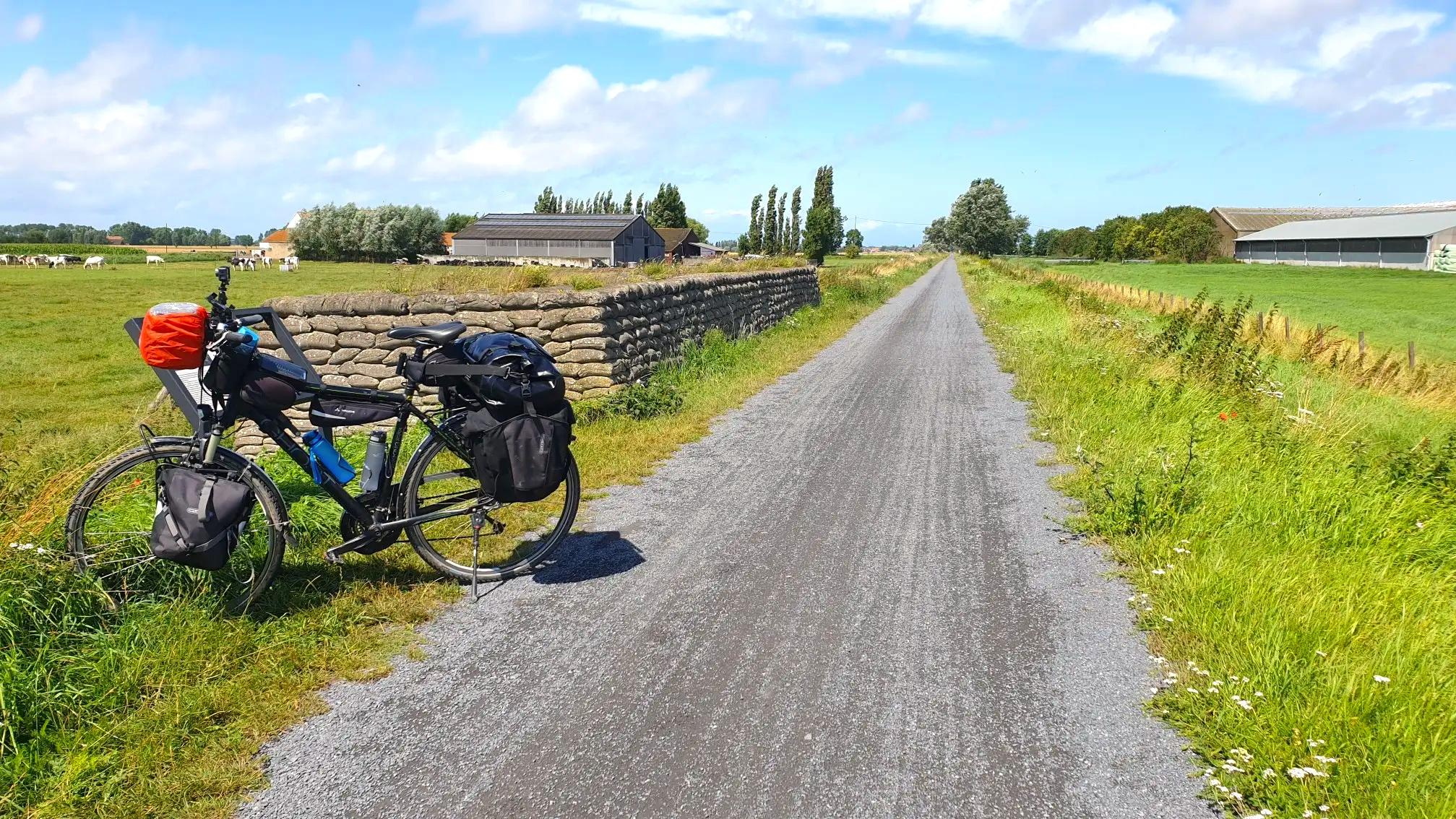
Cycling along the Belgian front - 14-18 Western Front Route
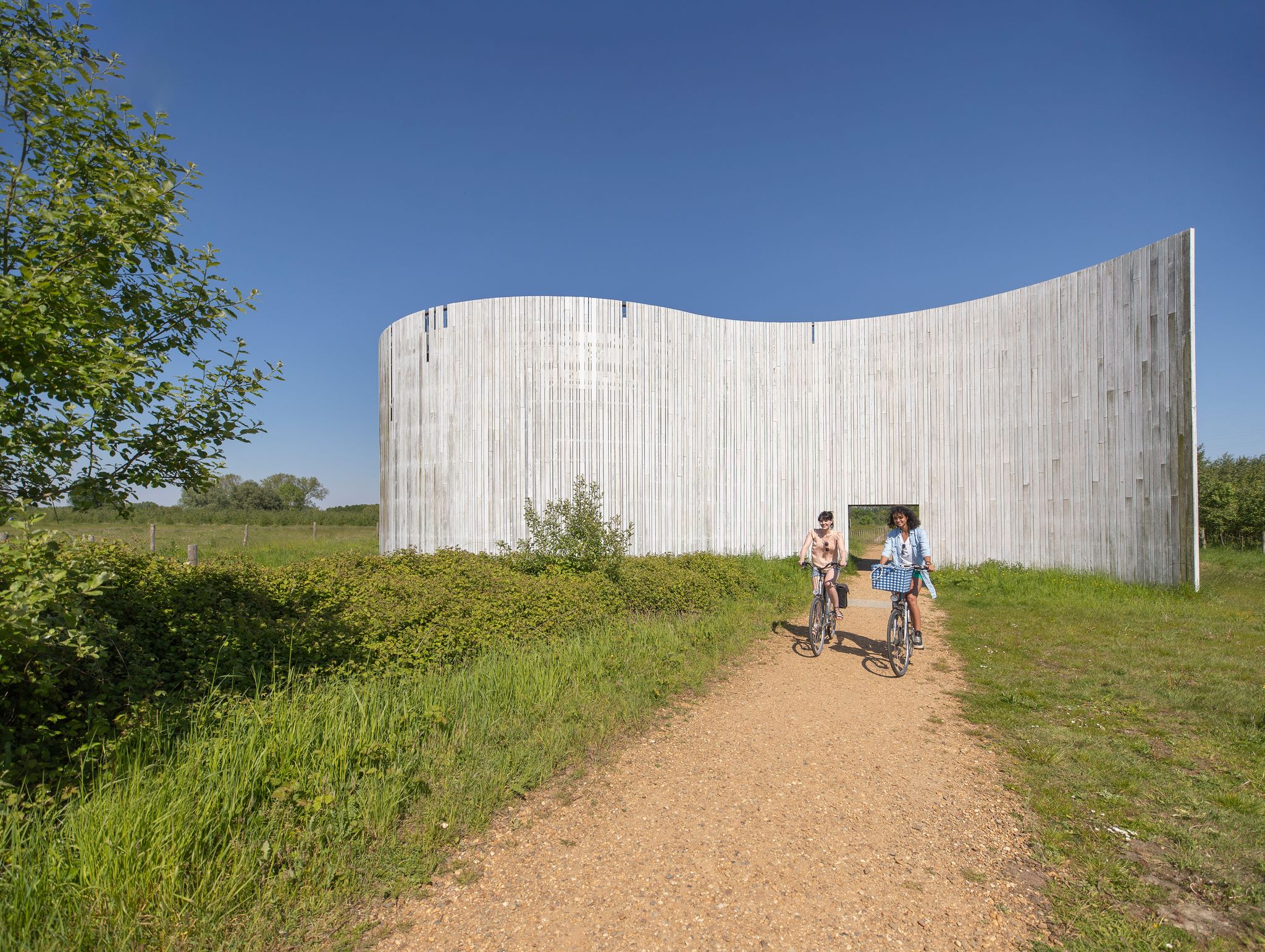
Flanders by bike – the Iconic Cultural Cycle Routes
MTB Trails around Langemark - Poelkapelle
Hiking around Langemark - Poelkapelle

Gravel biking around Langemark - Poelkapelle
Cycling around Langemark - Poelkapelle
Road Cycling Routes around Langemark - Poelkapelle
Running Trails around Langemark - Poelkapelle
Other adventures around Langemark - Poelkapelle


Tips from the Community

Two corrections: Contrary to what the original name of this highlight stated, you are not in the Begelen domain (which is located in Gullegem, about 25 km from here), but in the Palingbeek domain. And, contrary to what another user here stated, this was not previously a mining area (in the sense of a mining area), but an area scarred by mines and bombs during the First World War.
1
0

Beautiful nature, lots of explanation about the region along various information boards.
1
0

An interesting anecdote concerns the battles around the pond during the war. Soldiers used the pond as a natural barrier and shelter. There are stories of soldiers wading through the water at night to reach enemy lines, which gave the pond strategic significance.
7
0

large spaces to run with your dog (on a leash)
1
0

The domain, once a mining site, is now an oasis of greenery with well-maintained footpaths that wind through forests, meadows and past tranquil ponds. The area is known for its rich biodiversity. During your walk you will be treated to the sound of birds and the view of the water, especially in spring and summer.
1
1

The nature reserve is just over 40 hectares and is home to many birds, which can be viewed from the bird hide. The area is managed by nature and forest. In the 13th and 14th centuries, St. Michael's parish was located here. It was designed in the early 1990s as a reservoir for drinking water and as a holding basin against flooding. The finds from the excavations of St. Michael's parish used to be on display in glass cabinets in the Mergelynck Museum, but are now also in the Yper Museum.
2
0

At the beginning of the 14th century, Ypres was a very prosperous and densely populated city. Two ponds were constructed for water supply: one in Dikkebus and one in Zillebeke, and these ponds still provide Ypres with drinking water today. The 28-hectare Zillebeke Pond is fed by the Zillebeek stream. On the western bank lies the pumping and treatment plant, which produces approximately four to five thousand cubic meters of drinking water daily. The pond is surrounded by a beautiful double row of trees. Fishing is permitted with a special permit. The pond is a valuable natural feature. The large fields of water lilies are particularly picturesque. A colony of grebes breeds there, but grey herons, coots, moorhens, mallards, and sandpipers also call the pond home. During the migration season, the pond is frequently visited by numerous bird species. You can cycle and walk around the pond. Source: knooppunter.com/zillebekevijver
2
0
Old pond that supplies fresh water to the city of Ypres. Some explanation: The Dikkebus Pond is a pond near the village of Dikkebus, south of Ypres. On July 23, 1310, the City of Ypres received permission from the Count of Flanders to dig the pond, which, next to the Zillebeke Pond, was intended to ensure sufficient water in the city for fulling and dyeing cloth. The pond was created by damming the Kemmelbeek stream and was excavated on land belonging to the parishes of Vlamertinge, Dikkebus, and Voormezele. The expropriation of the necessary land was arranged by the city of Ypres and took about ten years. The thirty-six-hectare pond was not completed until around 1323. The pond supplied and still supplies Ypres with drinking water, initially via the Ypres canals and later via a system of oak pipes. Since 1926, this has been done via a modern pumping station. The Zillebeke Pond and Bellewaarde Pond were also created this way. Besides providing drinking water, the pond also serves a recreational purpose. Enjoy the shady banks at a moderate pace.
2
0
Frequently Asked Questions
Are there many natural lakes directly within Langemark - Poelkapelle?
Langemark - Poelkapelle is primarily known for its historical significance, particularly related to World War I, and its agricultural landscape. While there are water features, prominent natural lakes are generally found in the surrounding region rather than directly within the municipality itself.
What is Zillebeke Pond known for?
Zillebeke Pond is a significant 28-hectare pond created in the 13th century to supply water to Ypres. It serves as a source of drinking water, a valuable nature reserve with water lilies and various bird species, and a recreational area. It also holds historical importance due to its proximity to the front line during World War I.
Can I find historical sites near the lakes in the region?
Yes, several water bodies in the area have historical connections. For instance, Zillebeke Pond was strategically important during WWI, and Peace Forest, Ypres, which includes a lake, is a nature reserve designed in the early 1990s as a reservoir and flood basin, built on the site of a 13th-century parish.
Are there family-friendly activities around these lakes?
Yes, several lakes offer family-friendly environments. Zillebeke Pond, Peace Forest, Ypres, and Dikkebus Pond are all noted as family-friendly, offering opportunities for walks, nature observation, and recreation.
What kind of wildlife can I expect to see near the lakes?
The lakes and surrounding areas are home to diverse wildlife. For example, Zillebeke Pond is a valuable nature reserve with water lilies, a breeding colony of grebes, grey herons, coots, moorhens, mallards, and sandpipers. Peace Forest, Ypres is also known for its many birds, which can be viewed from a bird hide.
Are there dog-friendly trails near the lakes?
Yes, the Path along pond in Palingbeek estate is specifically highlighted as dog-friendly, offering large spaces for dogs (on a leash) to run and explore within a beautiful natural setting.
What outdoor activities can I do near these lakes?
Beyond walking and nature observation around the lakes, the region offers various outdoor activities. You can find numerous road cycling routes, touring bicycle routes, and running trails in the vicinity of Langemark - Poelkapelle.
What is the purpose of Dikkebus Pond?
Dikkebus Pond, like Zillebeke Pond, was created in the 14th century to ensure a sufficient water supply for the city of Ypres, particularly for the cloth industry. Today, it continues to supply Ypres with drinking water and also serves as a recreational area for fishing and walks.
What do visitors enjoy most about the lakes around Langemark - Poelkapelle?
Visitors appreciate the blend of natural beauty and historical context. They enjoy the tranquil walks, birdwatching opportunities, and the fact that many of these water bodies have played a significant role in the region's history, such as supplying drinking water to Ypres for centuries. The komoot community has shared over 50 photos and given more than 230 upvotes to these lake highlights.
Are there any trails that combine forest and water features?
Yes, the Path along pond in Palingbeek estate is an excellent example. This trail winds through forests and meadows, passing tranquil ponds, offering a rich biodiversity and the sounds of nature.
Can I go fishing in these lakes?
Fishing is permitted in some lakes, such as Zillebeke Pond and Dikkebus Pond, typically with a special permit. It's advisable to check local regulations for specific requirements before planning a fishing trip.
Most popular routes around Langemark - Poelkapelle
Most popular attractions around Langemark - Poelkapelle

Get inspired with the komoot mobile app


Explore more
Still not found your perfect lake around Langemark - Poelkapelle? Check out the guides of these regions to see even more beautiful places.
