Top 7 Lakes around Berloz
Lakes around Berloz are primarily found in the surrounding Wallonia region, as the municipality itself is characterized by smaller watercourses. This area offers diverse natural landscapes, including artificial lakes and nature reserves. These locations provide opportunities for outdoor activities and observing local wildlife.
Best lakes around Berloz
- The most popular lakes is Haut-Geer Nature Reserve, a lake that serves as a significant observation site for birds in the Walloon Region. Formed from old settling basins, it offers diverse habitats…
Last updated: June 30, 2026
Haut-Geer Nature Reserve
Highlight • Lake
Translated by Google •
Tip by

Hay meadow in De Beemden
Highlight • Forest
Translated by Google •
Tip by

Sign up now to discover places like this
Get recommendations on the best single tracks, peaks, & plenty of other exciting outdoor places.
Sign up for free
Heers Castle
Highlight • Castle
Charles the Bold and his troops destroyed this gem after their victory at the Battle of Brustem in 1467. …
Translated by Google •
Tip by

The Dorpsweide Retention Basin
Highlight • Structure
Translated by Google •
Tip by

Pond Path in Attenhovense Beemden
Highlight (Segment) • Trail
Translated by Google •
Tip by
Sign up for free to discover even more lakes around Berloz.
Sign up for free
Already have an account?
Start today with a free account
Your next adventure awaits.
Login or Signup

Tips from the Community

A beautiful area of (only) 34.5 hectares, characterized by reed beds, cattail ponds, and pools fringed by shrubs or with open banks... These diverse habitats offer countless bird species places to forage, nest, hibernate, or rest during their migration. No fewer than 212 species have already been observed! (Source: www.natagora.be)
3
0

Today, the park is extremely overgrown, overgrown, and covered with car wrecks – we counted about twenty – and most of the park's trees are overgrown or have even become picturesque ruins that overhang the ponds or block the walking path. Solitary trees no longer stand alone; new growth plagues the entire park, disrupting the large lawn and the sightlines. However, careful clearing, a few mowings, and judicious new plantings of trees and flowering shrubs would suffice to restore the structure to its legibility and offer captivating and varied views.
2
0
1274: Heers Castle is first mentioned in a historical document. A century later, it is plundered and burned by the troops of Charles the Bold. The current castle is a result of reconstruction and dates from around 1500. The following centuries continued to be ravaged by war: the Dutch, French, and Germans all made their appearances. The De Rivière family, who had owned the castle since the 14th century, was declared bankrupt in 1757. From 1859 onward, the castle came into the possession of the Desmaisières family, who lived and enjoyed it lavishly... until the costs became too high. In the 21st century, the castle fell into complete disrepair due to conflict and lack of funds. Local volunteers launched a rescue initiative. Today, many partners are working on a new future for this impressive place steeped in history.
4
1

The most beautiful part. You can also go around some ponds. I was surprised to see so many water birds on such a relatively short and small part and to see two kingfishers sitting. A path to take some time when it is quiet and observe well.
7
0
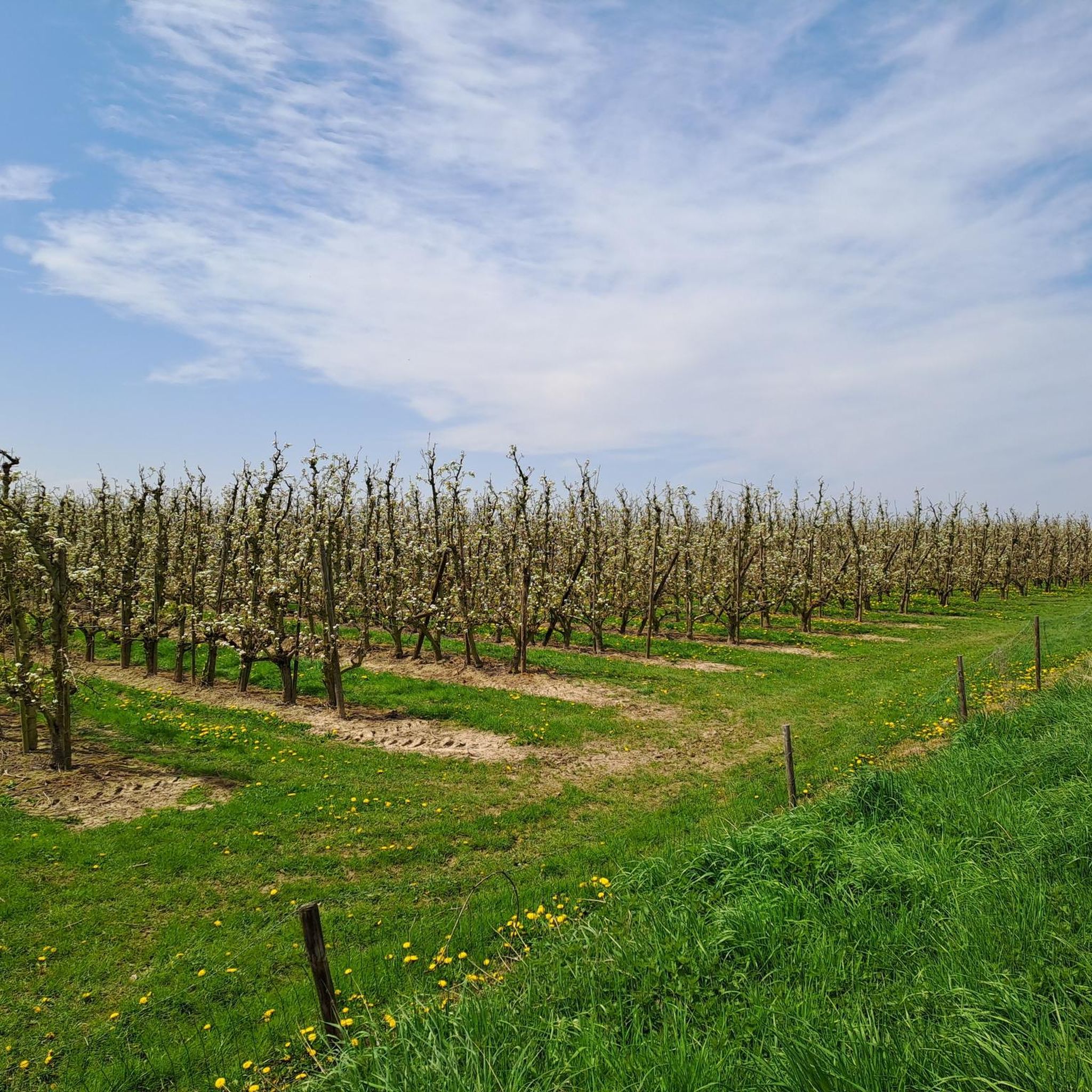
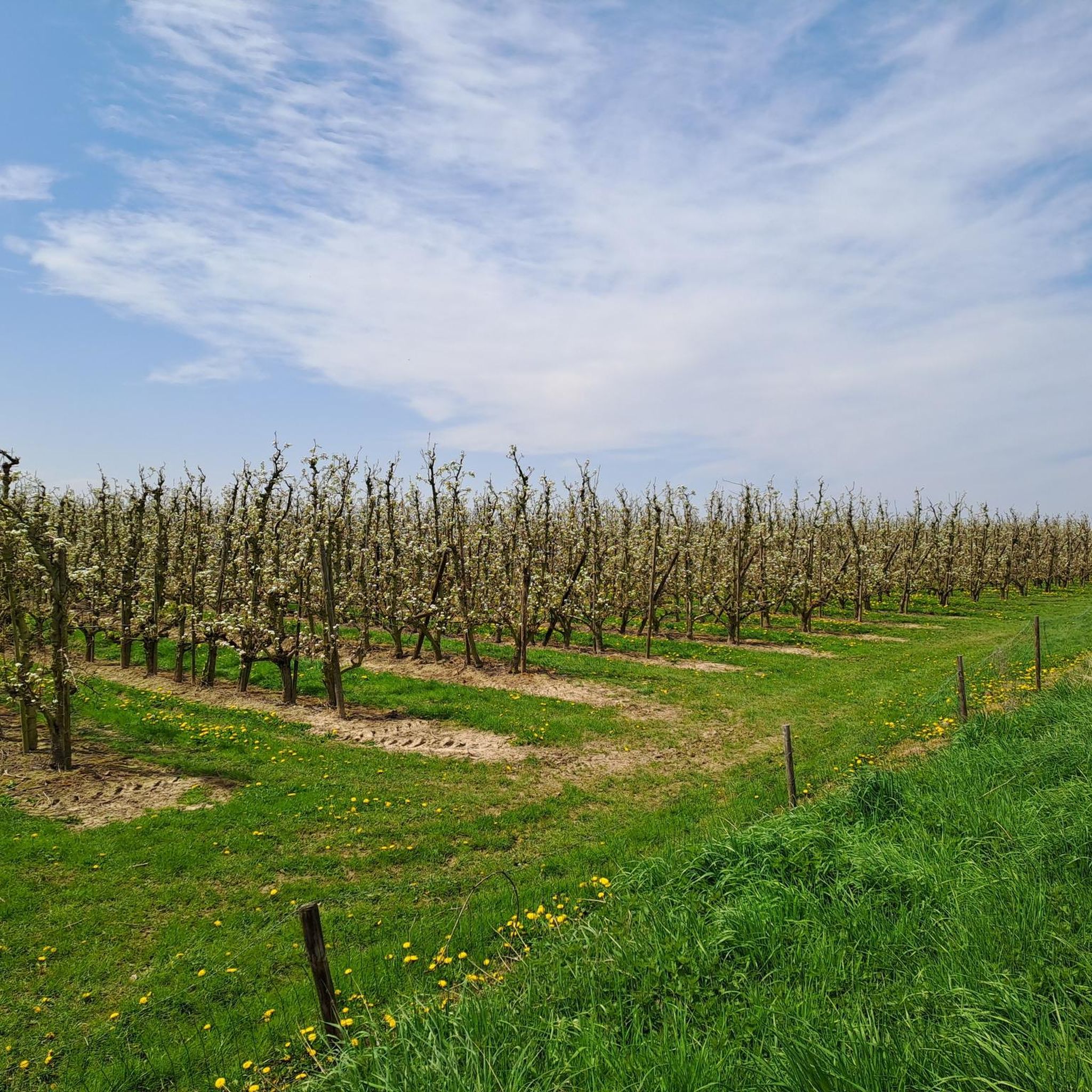
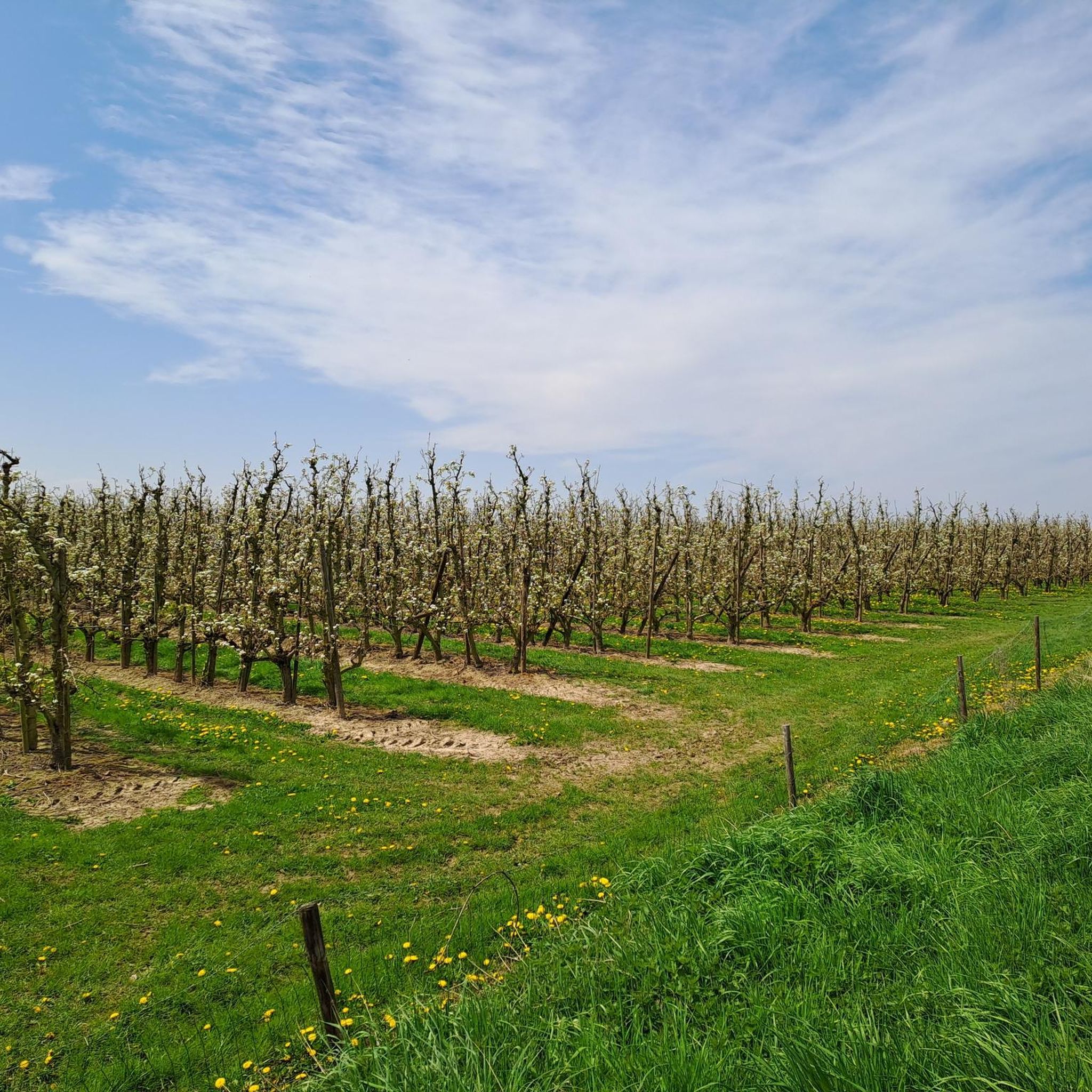
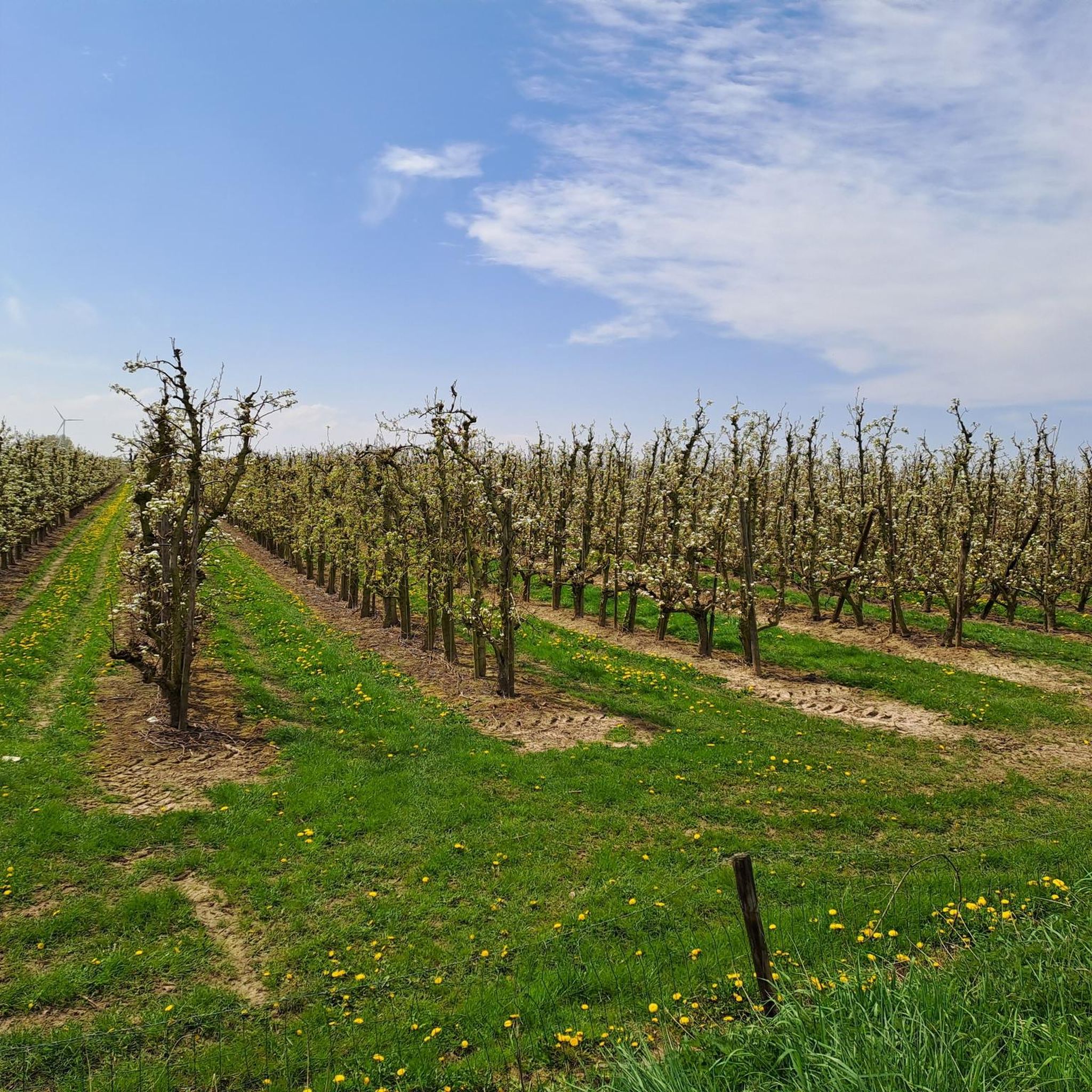
In the midst of the large-scale cultural landscape, this area is one of the last refuges for wild animals and plants in Landen. Small willow groves spontaneously developed between the ponds, where woodpeckers and golden orioles, among others, make their nests. The relatively pure groundwater in the ponds makes a very varied aquatic life possible, ranging from the large yellow-edged water beetle to dragonflies, fish and kingfishers. The pussy willows around the ponds are particularly striking. They grow quickly, but their branches break off easily. Because they do not contain any hard heartwood, birds such as the green and the great spotted woodpecker use them to carve out their nests. The branches that hang close to the water offer ideal resting or viewing places for wild ducks and blue herons. They are especially vital for the kingfisher. Sitting on a lookout post, it hunts for rudd, sticklebacks and other aquatic animals in the water. In early summer, white foam drops sometimes fall from the pussy willows: cuckoo spit. It comes from the larvae of the foam cicada, which produce foam and hide in it. Many other insects live on the pussy willows. They are eagerly eaten by insectivorous birds such as the chiffchaff, the willow warbler and the spotted flycatcher. The bankside vegetation with bulrush, hairy willowherb and marsh sedge offers nesting opportunities for the moorhen and the coot. In summer, many dragonflies and damselflies float above and around the ponds, the most striking of which is the large emperor dragonfly. Swallows hunt for mosquitoes above the ponds. This is therefore the ideal place for a hobby to catch both a swallow and a large dragonfly. In addition to the various types of grass, you will find plants here that feel at home in a dry, calcareous environment. Striking features include the box pod, the cinquefoil and the wild marjoram. Here you can observe numerous species of butterflies in the summer. From the piled-up area you have a good view of the reed field, the breeding area of the reed warbler, the sedge warbler, the reed bunting and many other marsh birds. Wood edges screen the hayfield and the berry or nut-bearing shrubs offer shelter and food to birds such as the garden warbler, chiffchaff and jay. On the darkest parts you can sometimes find glowworms in the evening. Source: https://www.natuurpunt.be/natuurgebieden/beemden-landen
7
0

Beautiful path along the Attenhovense Beemden. On one side flanked by the Zyp that runs a little further into the Dormaalbeek. On the other side the beautiful natural meadow ponds.
2
0

The nature reserve "de Beemden" is approximately 6.5 ha in size, the ideal place to get some fresh air in Landen. The area is situated in the valley of the Molenbeek and the Zeyp and is accessible to hikers all year round. The reserve is owned by the city of Landen. Around the 1960s, seven ponds were dug out in a series of hay meadows with the intention of turning them into fish ponds. Although the ponds are actually artificial, they add significant value to the area. You will find a variety of water inhabitants (both plants and animals) here. You can fish there in peace and the children can enjoy themselves in the beautiful play landscape. In a widened part of the Molenbeek you will find a fantastic water playground with locks, an Archimedes screw and water wheels. Would you rather cross your stream? Take the monkey bridge, the stepping stones or the stilt path to get to the other side. On the bank you can relax on the small sandy beach. Attenhovenstraat, Landen, Belgium
3
0

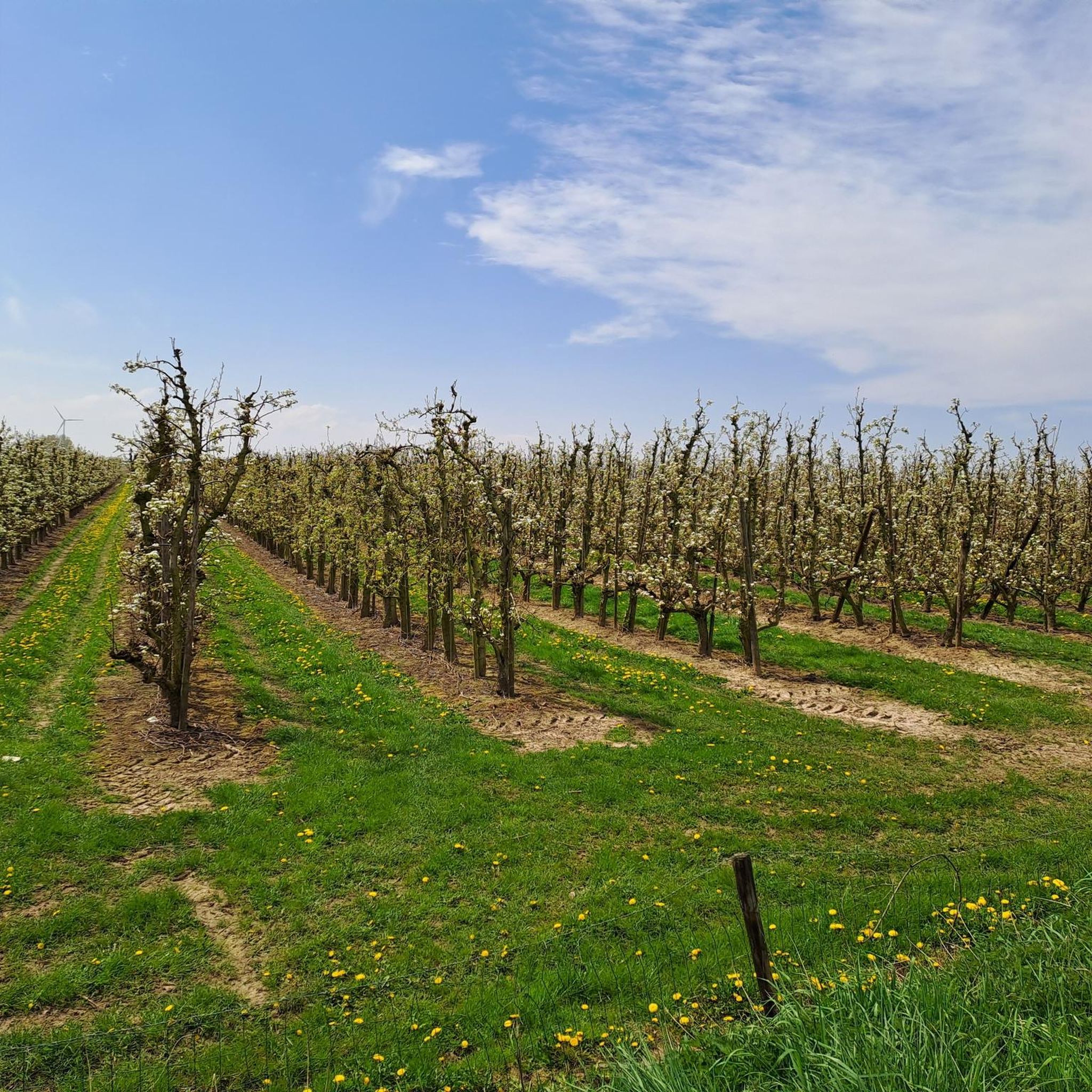
De Beemden in Landen is a beautiful nature reserve with grasslands, flowery meadows and winding waters that offer a home to numerous bird species. This open and green landscape invites for quiet walks along the damp grasslands and small pools, which are full of wild flowers in the spring.
3
0
Frequently Asked Questions
What types of lakes can I find around Berloz?
While Berloz itself is characterized by small watercourses, the surrounding Wallonia region offers diverse lake environments. These include large artificial lake complexes like the Lacs de l'Eau d'Heure, known for extensive water sports, and smaller, ecologically rich areas such as the Haut-Geer Nature Reserve, which is a significant bird observation site.
Are there family-friendly lakes near Berloz?
Yes, several lakes in the broader region are excellent for families. The Lacs de l'Eau d'Heure, for example, feature designated swimming areas, beaches, playgrounds, an Aquacentre with a tropical pool, and the Natura Parc adventure park. Lac de Bütgenbach also offers the VENNtastic Beach with a supervised swimming zone and paddling pool for children. Closer to Berloz, the Hay meadow in De Beemden and The Dorpsweide Retention Basin are noted as family-friendly spots for gentle walks and nature observation.
What outdoor activities can I do near these lakes?
The lakes in the Wallonia region offer a wide range of outdoor activities. At the Lacs de l'Eau d'Heure, you can enjoy sailing, kayaking, jet skiing, water skiing, windsurfing, and stand-up paddleboarding. The area also has over 100 kilometers of trails for hiking, cycling, and mountain biking. Lac de Bütgenbach is popular for fishing, swimming, canoeing, and has a 10.5 km loop trail for hiking and biking. Lac de la Gileppe offers walking, cycling, mountain biking, and an Accropark with acrobatic activities. For general cycling routes around Berloz, you can explore options like the 'Braives railway station – Geer River Trail loop' on the Cycling around Berloz guide.
Where can I go for bird watching near Berloz?
The Haut-Geer Nature Reserve is an excellent spot for bird watching. Formed from old settling basins, it provides diverse habitats for numerous bird species and is considered one of the most beautiful observation sites in the Walloon Region. The Dorpsweide Retention Basin also features an observation spot for bird watchers.
Are there hiking trails around the lakes near Berloz?
Yes, many lakes offer dedicated hiking trails. Lac de Bütgenbach has a popular 10.5 km loop around the lake. The Lacs de l'Eau d'Heure boast over 100 kilometers of trails. Lac de la Gileppe features a 16 km bike route that can also be walked, along with several hiking trails. For running trails directly around Berloz, you can find options like the 'Running loop from Berloz' in the Running Trails around Berloz guide.
What are some unique natural features to observe near Berloz's lakes?
Beyond the lakes themselves, you can observe diverse natural features. The Hay meadow in De Beemden is a refuge for wild animals and plants, with ponds supporting varied aquatic life, including dragonflies, fish, and kingfishers. The Haut-Geer Nature Reserve is characterized by reed beds, cattail ponds, and pools, providing habitats for countless bird species. You might even spot tadpoles in smaller ponds like the Pond with Tadpoles.
How far are the major lakes from Berloz?
The main lake complexes are a short drive from Berloz. Lac de la Gileppe is approximately 55-60 kilometers east (45 minutes to 1 hour drive). Lac de Bütgenbach is about 70-75 kilometers southeast (1 hour to 1 hour 15 minutes drive). The Lacs de l'Eau d'Heure are further, around 85-90 kilometers south (1 hour 15 minutes to 1 hour 30 minutes drive).
Can I find historical sites or unique structures at the lakes?
Yes, Lac de la Gileppe is notable for its historical significance. Its dam, built between 1875 and 1878, is one of Europe's oldest artificial lakes and features a monumental lion statue. It also has a 77-meter-high panoramic tower with a restaurant, offering stunning views. The Lacs de l'Eau d'Heure complex features a skywalk 107 meters high, providing breathtaking panoramic views of the dam and surrounding area.
What do visitors enjoy most about the lakes around Berloz?
Visitors appreciate the diverse opportunities for nature observation, especially bird watching at sites like the Haut-Geer Nature Reserve. The peaceful environment of areas like the Hay meadow in De Beemden for quiet walks, and the recreational activities offered at larger lakes like the Lacs de l'Eau d'Heure, are also highly valued. The komoot community has shared over 40 photos and given more than 90 upvotes for these lake-like environments.
Are there options for gravel biking near the lakes around Berloz?
Yes, the region around Berloz offers opportunities for gravel biking. You can find routes such as the 'Widooie Castle – Climb to Vechmaal loop from Bleret' or the 'Heks Castle – Flowering Orchard loop from Waremme' in the Gravel biking around Berloz guide. These routes often traverse varied terrain, including paths near natural areas and potentially some smaller water features.
What are the best lakes for water sports near Berloz?
The Lacs de l'Eau d'Heure are the premier destination for water sports, offering sailing, kayaking, diving, jet skiing, water skiing, windsurfing, and stand-up paddleboarding across its five interconnected lakes. Lac de Bütgenbach is also a popular hub for water activities like fishing, sailing, swimming, canoeing, windsurfing, and stand-up paddleboarding, in a generally motorboat-free environment.
Most popular attractions around Berloz

Get inspired with the komoot mobile app


Explore more
Still not found your perfect lake around Berloz? Check out the guides of these regions to see even more beautiful places.
